
Scuba Iguana
Google 4.7/5 (357 reviews)
30 km away as the crow flies
Santa Cruz Island · Ecuador · Americas
Max. depth · 30 mA versatile site where you can transition from a calm, shallow channel to an exposed rocky slope where pelagic species congregate.
For subtitles in English: start the video firstthen click the gearat the top right of the video, select “Subtitles/CC”, then “Auto-translate” and choose “English”.
Punta Carrion sits at the northeastern tip of Santa Cruz Island, marking the entrance to the Itabaca Channel. The underwater topography is defined by a sharp distinction between the protected inner bay and the exposed outer slope. As you approach the point, you will encounter a rocky terrain shaped by cliff erosion, featuring scattered boulders and patches of sand. The site essentially functions as two different environments joined at a single geological point.
The inner section of the site is characterized by its shallow depth and sheltered position within the channel. This area is largely protected from the open ocean, making the water relatively still and the conditions predictable. It is an ideal location for divers to get comfortable with their buoyancy or to conduct check-out dives after long transit days. The terrain here consists of a sea platform and reef that allow for easy navigation in low-energy conditions.
Moving toward the eastern edge, the environment shifts as the seabed begins to drop away toward the open sea. This outer slope reaches depths of 30 metres and is much more exposed to the oceanic conditions of the Galapagos. The transition from the calm cove to the outer reef is where you will experience the influence of the tides and seasonal thermoclines. This change in topography is what drives the movement of nutrients and, subsequently, the larger animals.
Currents on the outer side of Punta Carrion are influenced by wind, tides, and the seasonal influx of cold, nutrient-rich water. While the inner cove remains calm, the exposed eastern slope can experience mild to moderate currents that occasionally strengthen. These currents are the primary reason why larger pelagic species are attracted to this specific point. Understanding the direction of the flow is essential for maintaining your position on the slope and managing your air consumption.
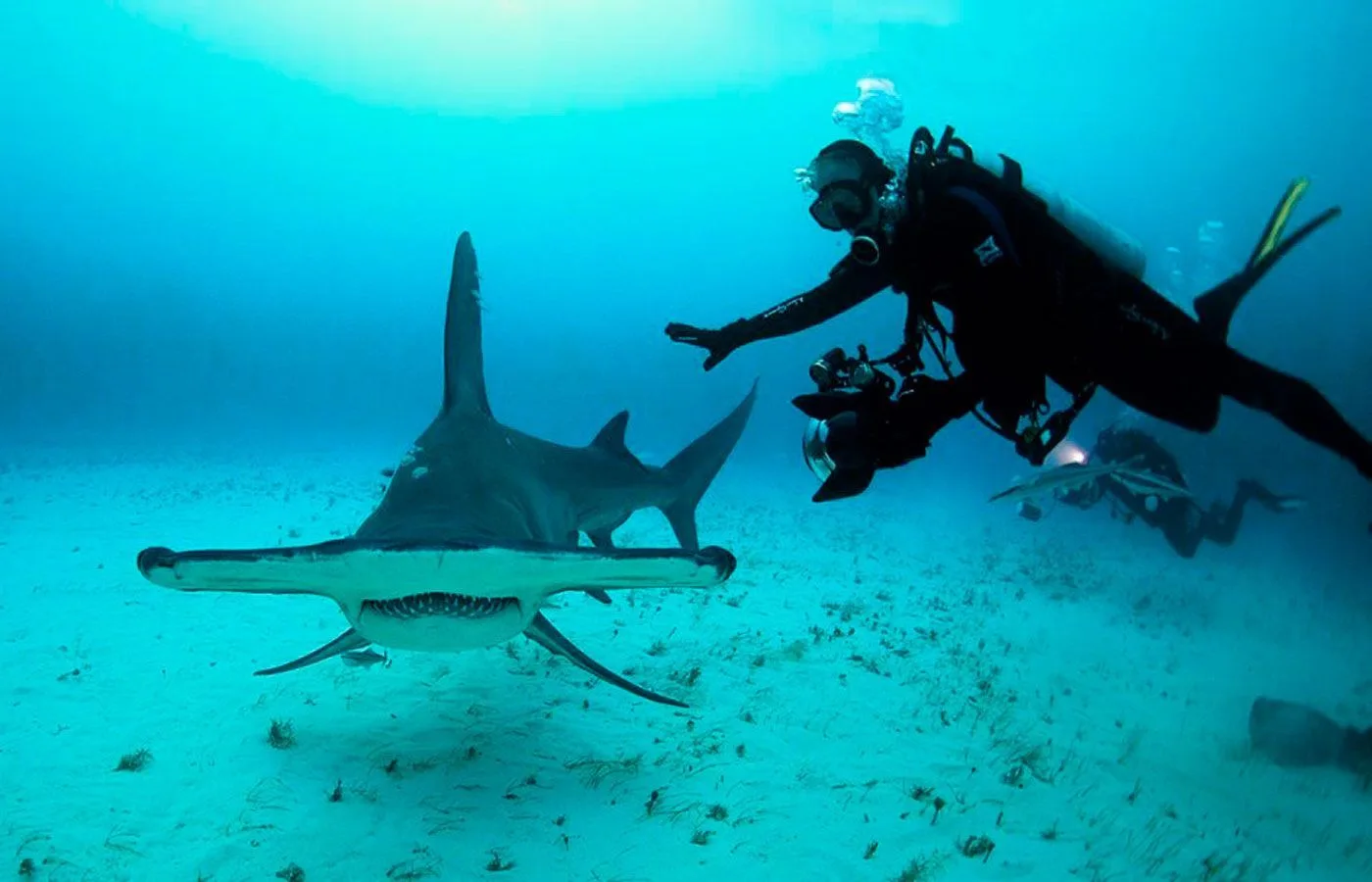
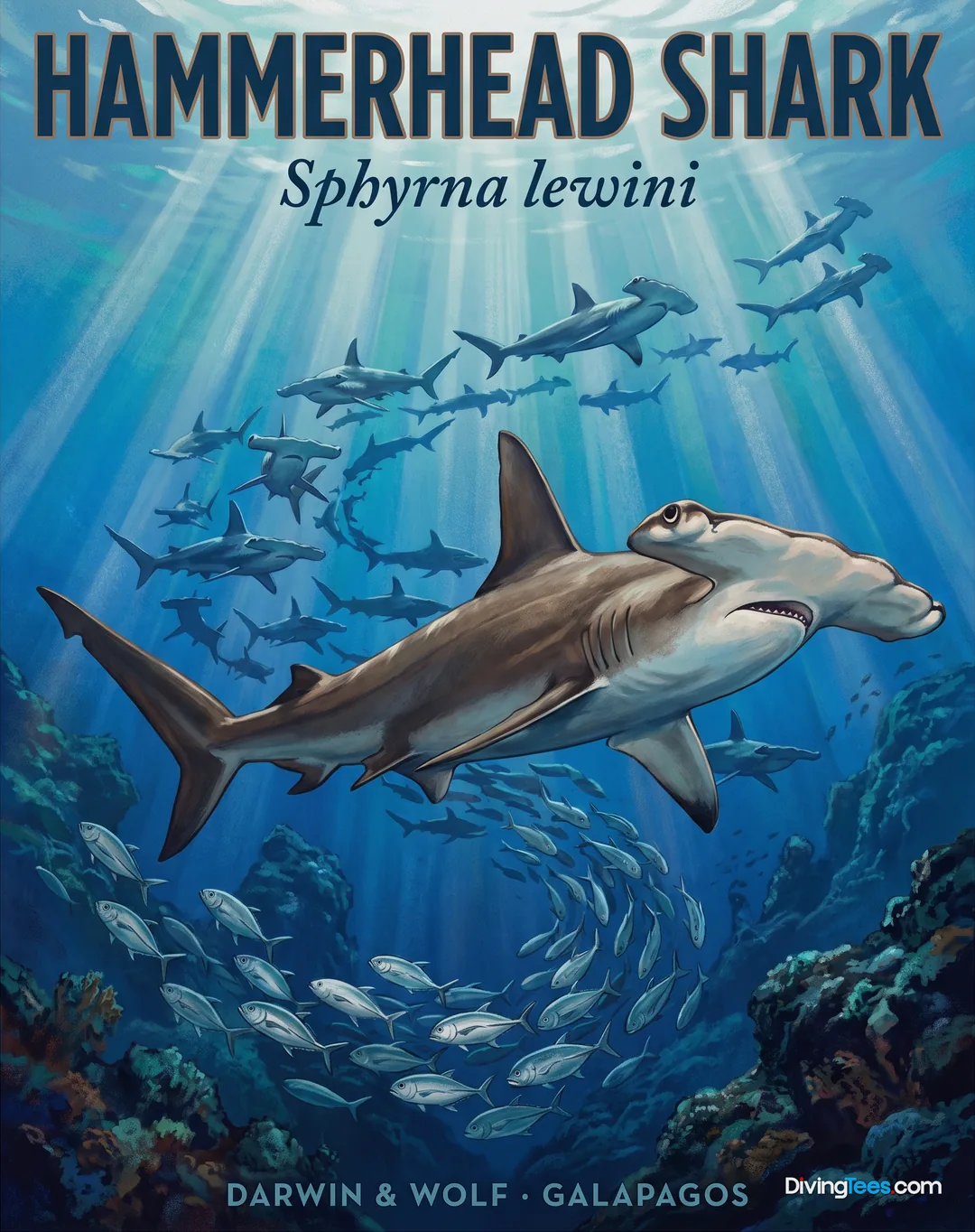
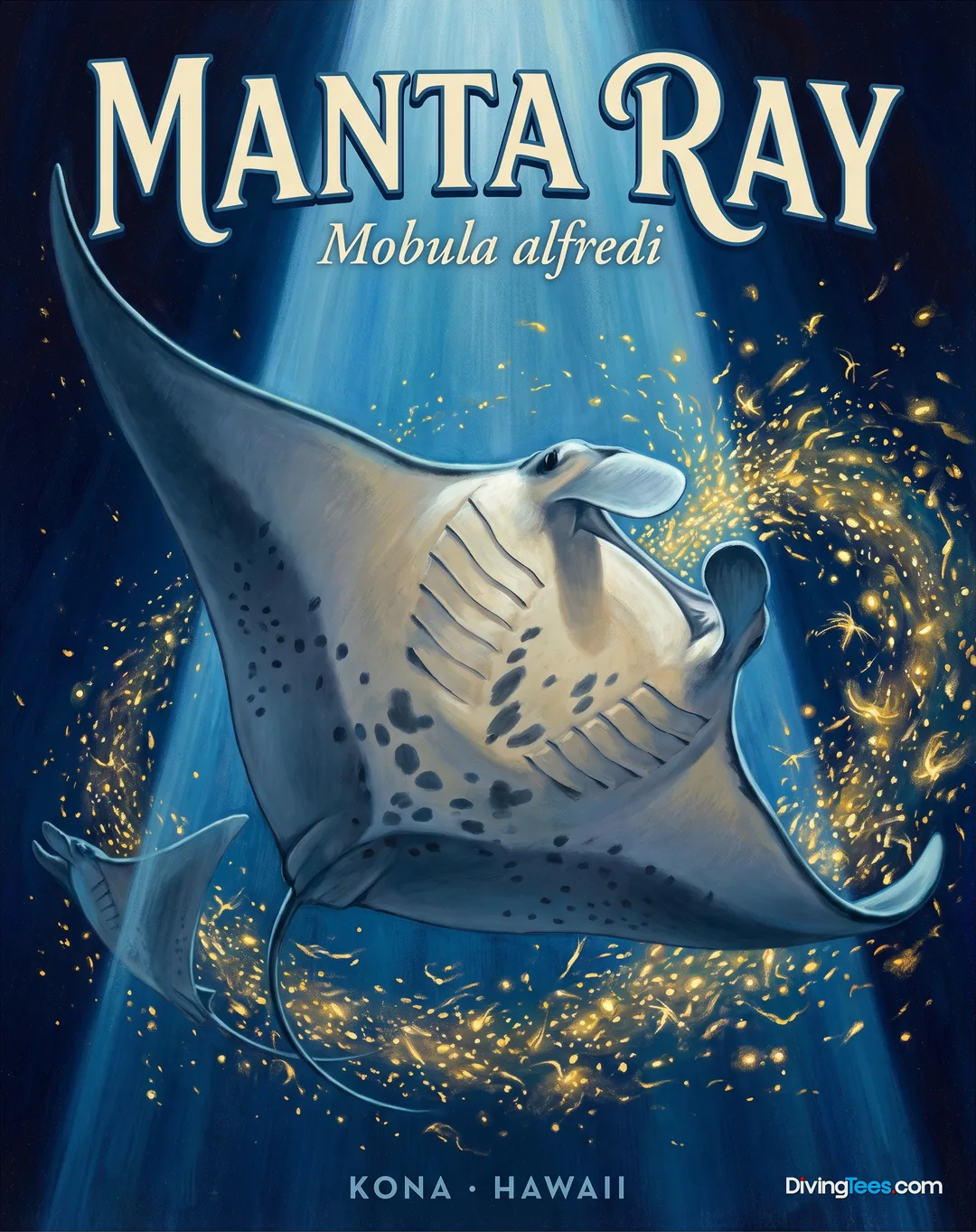
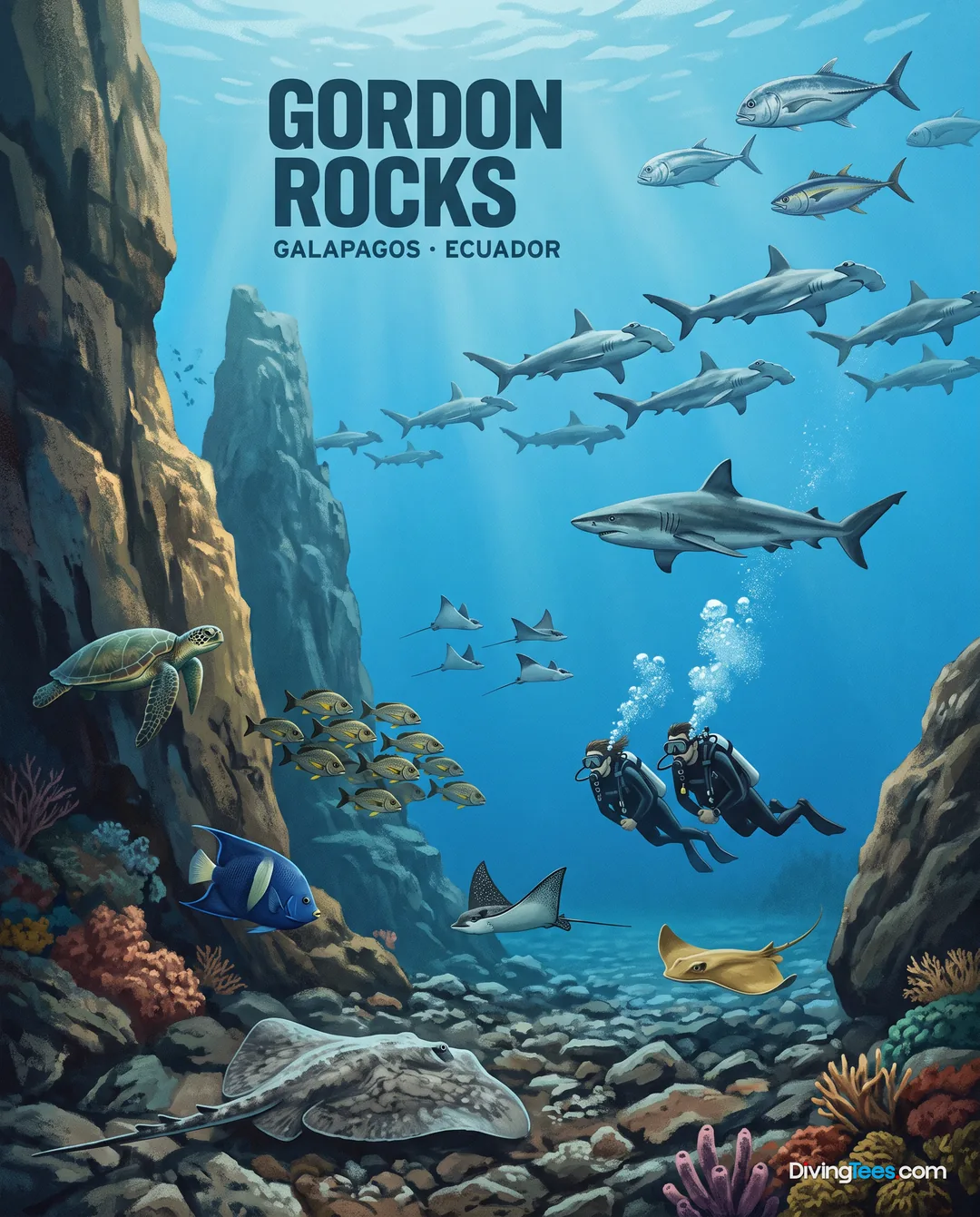
The presence of these currents and thermoclines makes the outer reef a prime location for observing pelagic life. You can often find hammerhead sharks (Sphyrna lewini) and various species of reef sharks, such as blacktip and whitetip reef sharks, cruising the edges of the slope. The movement of the water brings in food sources that attract eagle rays and manta rays. Observing these animals as they move through the current provides a clear view of how the site functions as a feeding area.
On the reef itself, the biodiversity is consistent with the wider Galapagos ecosystem. You will encounter resident species like moray eels, octopus, and scorpionfish tucked into the rocky crevices and boulder fields. The seafloor is inhabited by various invertebrates, including sea urchins and sea stars, amongst the coral and rock. Schools of reef fish, such as grunts and salema, move through the water column, adding constant movement to the visual landscape.
Visibility at Punta Carrion is generally good, typically ranging between 10 and 25 metres. The clarity of the water allows you to see the transition from the shallow sandy patches to the deeper rocky walls quite clearly. During the cooler months from June to November, the influx of nutrients can sometimes affect clarity, but it also coincides with the highest probability of seeing larger marine life. This seasonal shift is a fundamental part of the site's natural cycle.
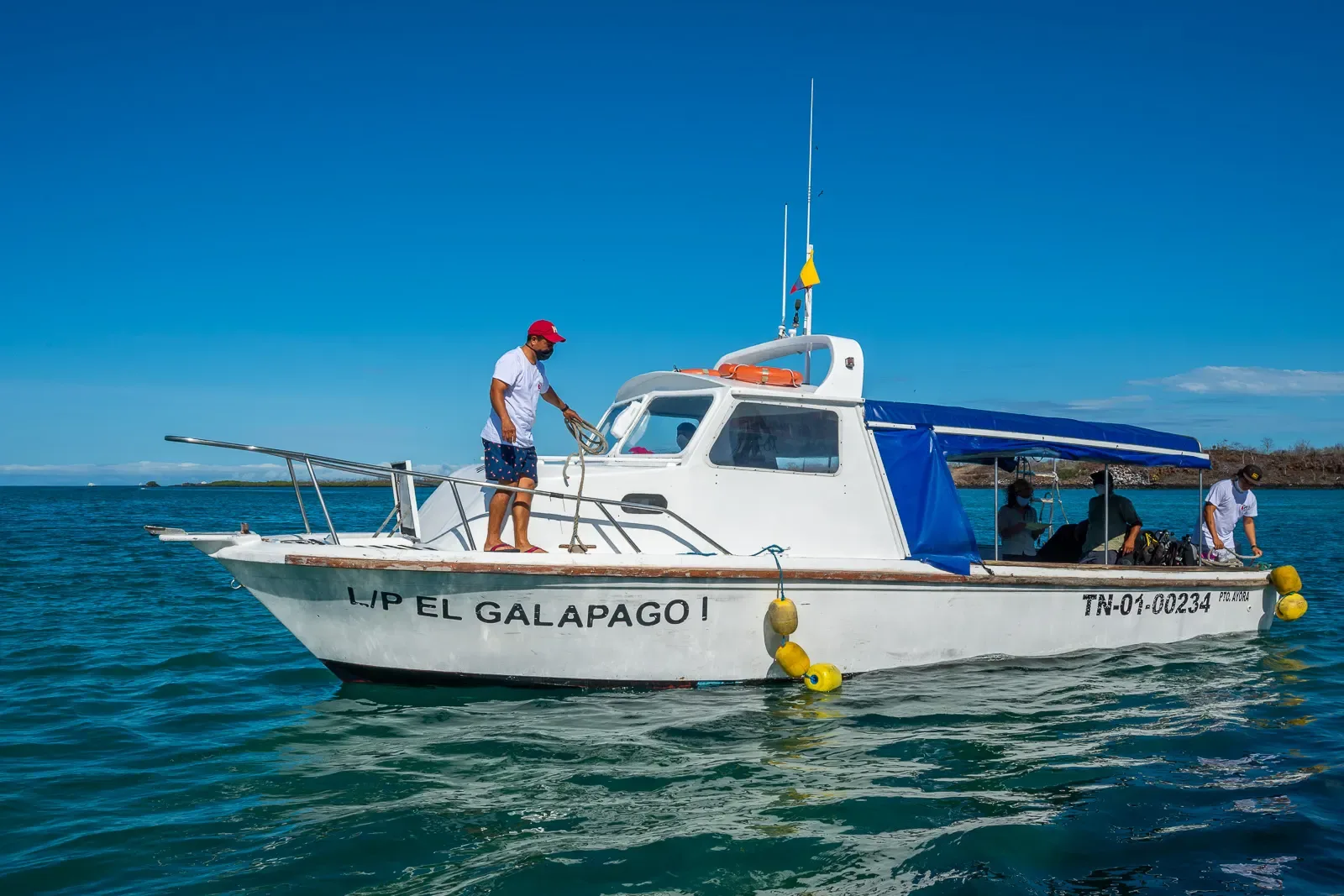
Accessing the site is straightforward via boat, typically involving a short ride from Santa Cruz or Baltra. Because it is located near the Itabaca Channel, it serves as a frequent stop for both liveaboards and daily boat operations. There is no shore entry required, as the site is approached directly from the water. The proximity to major hubs makes it one of the most accessible locations in the central archipelago for divers of various experience levels.
Depths range from 5 to 30 metres. The site is accessible from Open Water Diver level, though experience handling variable currents improves the experience on the outer slope. Visibility is between 10 and 25 metres. The best period for diving is June to November. Currents are calm inside the cove but can be mild to moderate on the exposed eastern side due to tides and thermoclines.
The best period for diving Punta Carrion is June to November. During these cooler months, nutrient-rich water can sometimes reduce clarity, while also coinciding with the highest probability of seeing larger marine life. Visibility generally ranges between 10 and 25 metres, allowing you to observe both shallow and deeper terrain.
Punta Carrion is accessible from Open Water Diver level, particularly in the protected inner cove, where conditions are calm and predictable. You can use this area to get comfortable with buoyancy or complete a check-out dive. Experience handling variable currents improves your experience on the exposed outer slope.
Punta Carrion ranges from 5 to 30 metres deep. The inner cove has calm currents, while the exposed eastern side can have mild to moderate currents influenced by tides and thermoclines. These currents can occasionally strengthen, so you need to understand the flow when maintaining position on the outer slope.
At Punta Carrion, you can encounter hammerhead sharks, reef sharks, manta rays, and eagle rays around the exposed slope. Rocky terrain, boulder fields, moray eels, octopus, scorpionfish, sea urchins, sea stars, grunts, and salema add variety across the reef, sandy patches, and deeper walls.