
Narcosis, Inc.
Google 4.5/5 (167 reviews)
Clearwater · United States · Americas
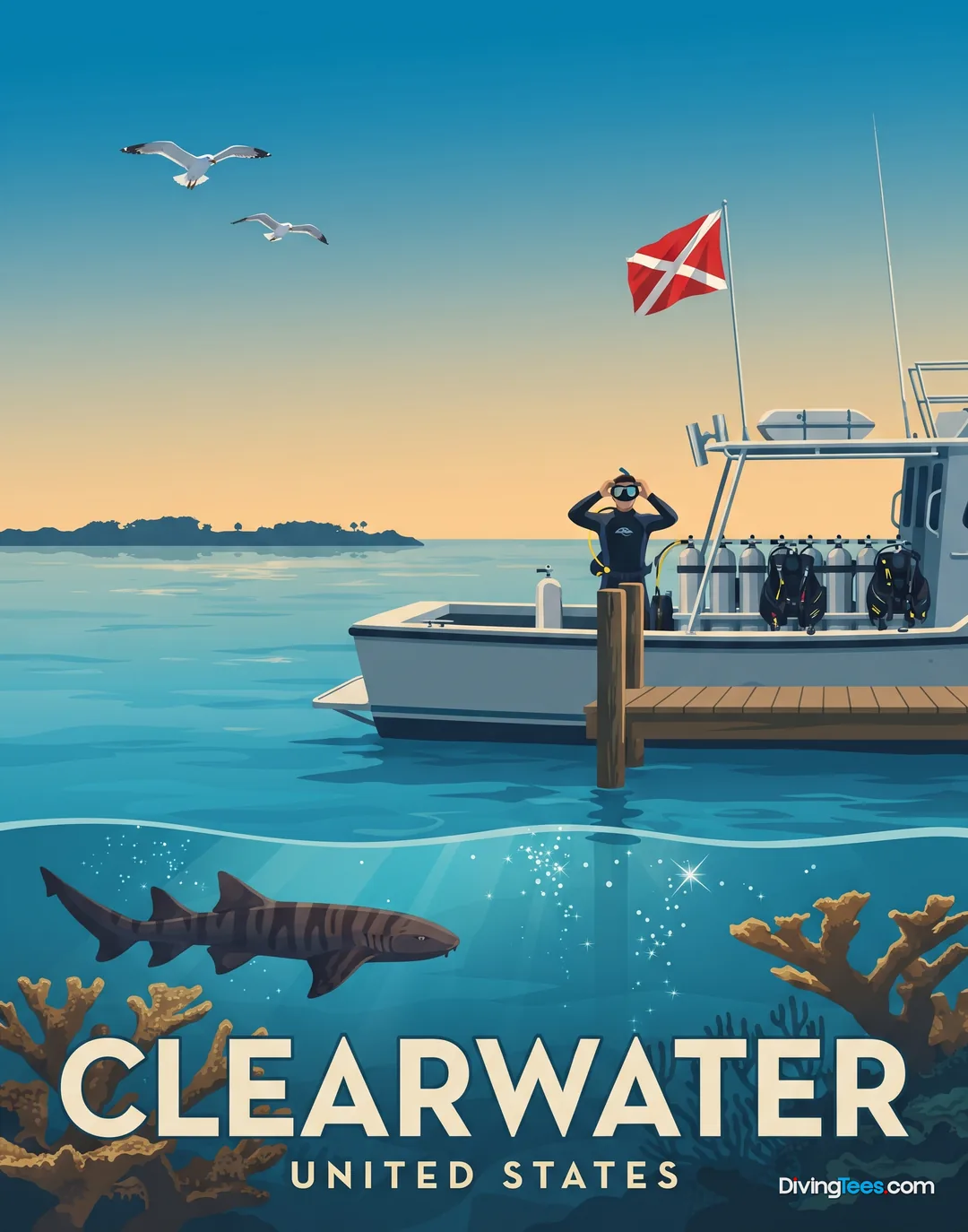
Max. depth · 14 mThese M-60 tanks and surrounding boulders form a thriving artificial reef, creating an environment rich in diverse marine life at accessible depths.
For subtitles in English: start the video firstthen click the gearat the top right of the video, select “Subtitles/CC”, then “Auto-translate” and choose “English”.
Diving the Army Tanks site in Clearwater places you on a pair of M-60 tanks, initially deployed in 1994 to foster new marine ecosystems. These tanks, along with significant limestone boulder deployments, sit on a sandy bottom, offering a substantial habitat for a variety of species. From the moment you descend, these structures are immediately apparent, standing proud from the seafloor and providing a clear focal point for your dive plan.
The site's maximum depth runs to 14 meters, making it a comfortable profile for extended bottom times. As you approach the tanks, you'll notice how thoroughly encrusted they are; despite their relatively short time underwater, they bear a growth that suggests decades of submersion. Spiny oysters, a variety of sponges, and both hard and soft corals have colonized the metal and rock, transforming military hardware into a vibrant living reef.
Lobsters are a consistent highlight here, observable both on the surface of the tanks and within the crevices and underhangs of the surrounding limestone boulders. This complex structure offers significant shelter, which you'll find these crustaceans readily exploit. Keep an eye out for larger individuals tucked away, as the ample hiding spots contribute to a healthy population.
Beyond the lobsters, the artificial reef attracts a range of other reef dwellers. You can expect to encounter groupers (Serranidae), spadefish (Chaetodipterus faber), flatfish (Pleuronectidae), and mango fish (Lutjanus analis) navigating the structures. These resident fish patrol the tanks, feeding and finding shelter among the established coral and sponge growth, making for active observation throughout your dive.
The layout of the tanks and boulders creates diverse microhabitats, which you can explore on a single dive. The site's character shifts slightly as you move from the more open tank structures to the denser boulder piles. This varied topography supports a rich biodiversity, demonstrating how quickly marine life can reclaim and integrate artificial structures into a flourishing ecosystem. You’ll find yourself looking into every nook and cranny for new discoveries.
This site also offers an option for an extended drift. Depending on conditions, the Army Tanks can serve as the starting point for a longer drift dive that continues towards the Radio Tower pyramids. This potential adds another dimension to the dive, allowing you to cover more ground and experience the connection between various artificial reef components in the area. This option requires careful planning and coordination for pickup.
Dive depth at the Army Tanks ranges from 10 meters to a maximum of 14 meters, making it accessible for Open Water Diver certification and above. The best visibility typically occurs in September, when conditions are generally calmer for shallow dives.
You may find the best visibility at Army Tanks in September, when conditions are generally calmer for shallow dives. This timing can make it easier to examine the tanks, boulders, and marine growth. The site remains a shallow artificial reef, with conditions still relevant to planning your dive.
Army Tanks is accessible for Open Water Diver certification and above. You will dive from 10 to 14 meters, with the tanks resting on a sandy bottom among limestone boulders. Its shallow profile supports comfortable diving and allows you to explore the structures and surrounding habitats on one dive.
Army Tanks may offer an extended drift dive toward the Radio Tower pyramids, depending on conditions. If you choose this option, you need careful planning and coordination for pickup. The drift extension lets you cover more ground and connect this artificial reef with other reef components in the area.
At Army Tanks, you will explore two M-60 Vietnam-era tanks covered with spiny oysters, sponges, and hard and soft corals. Lobsters occupy the structures and nearby boulder crevices, while groupers, spadefish, flatfish, and mango fish move through the artificial reef and its varied microhabitats.