
Catalina Divers Supply
Google 4.8/5 (778 reviews)
United States · Americas
Kelp forests, garibaldi, rocky walls and Casino Point’s easy shore entry make Santa Catalina Island a practical base for Pacific temperate diving.
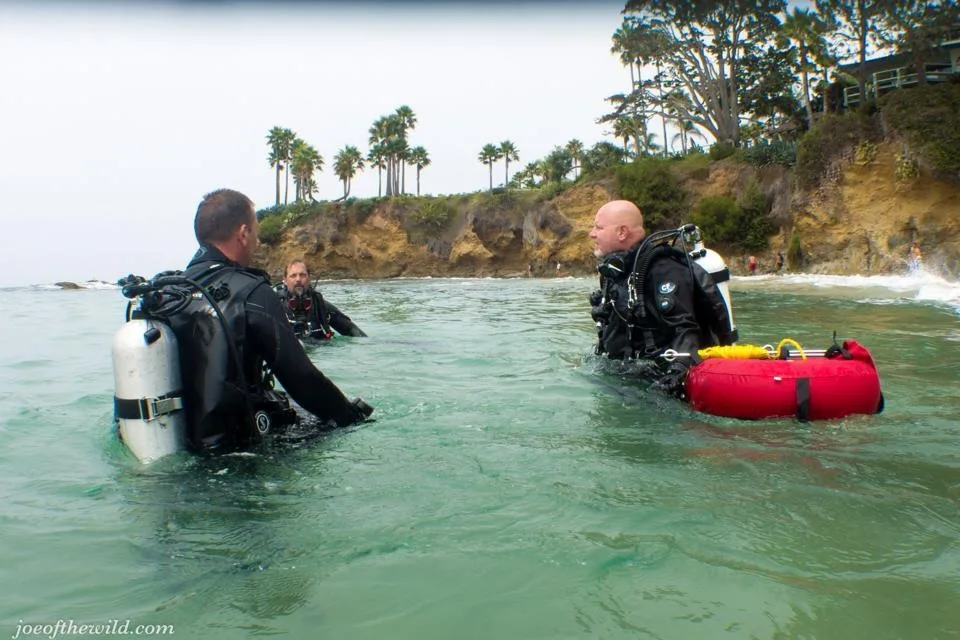
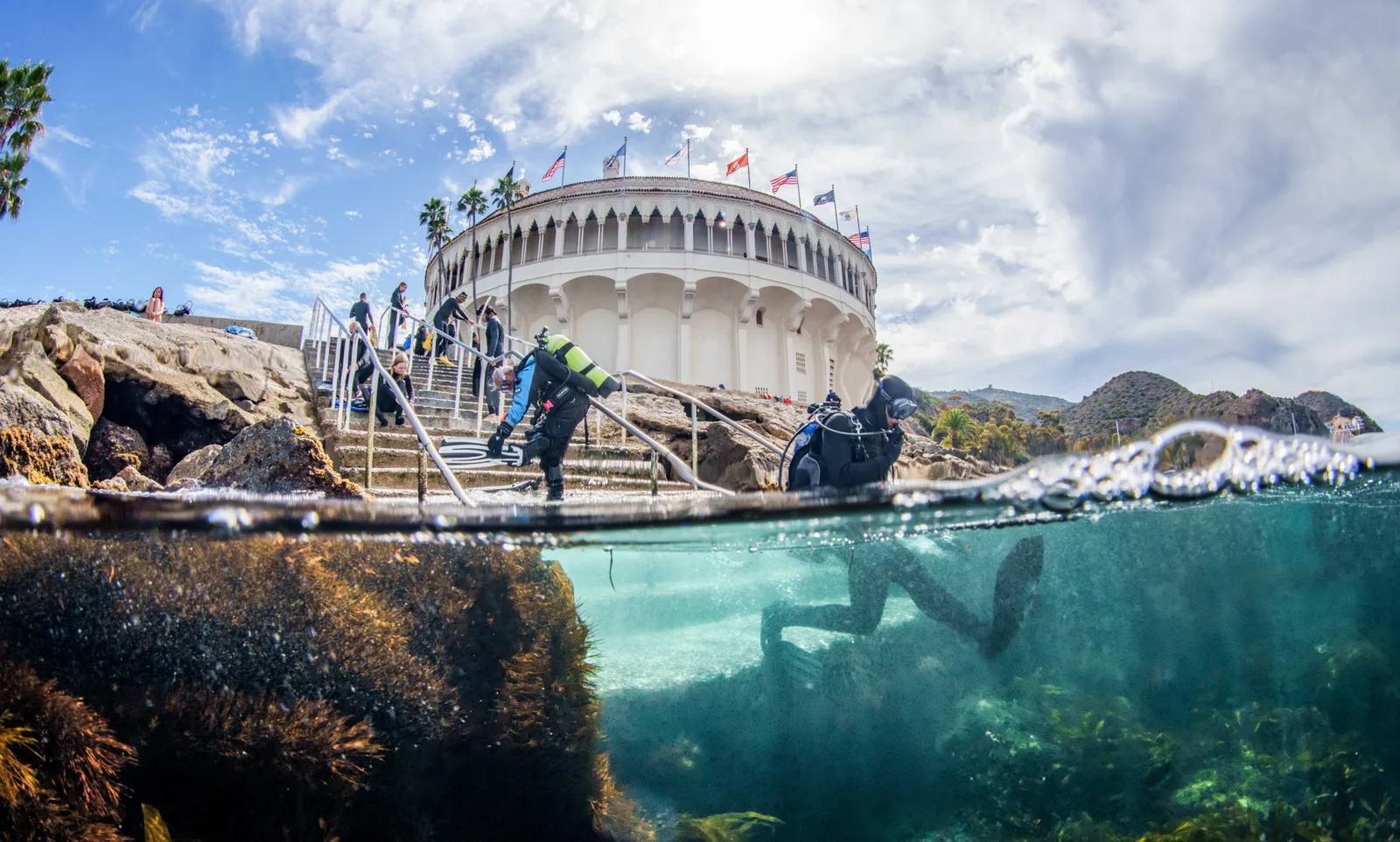
Kelp fronds, rocky reef and garibaldi are the everyday scenery around Santa Catalina Island, with Casino Point at Avalon providing an unusually straightforward way into it. Walk in from shore for a training dive, a check-out or a self-paced photographic dive, then use a boat to reach more exposed ground around Two Harbors, the west end and the back coast. It is a proper island stay rather than a liveaboard trip, with walking, kayaking and coastal excursions for non-divers.
The diving moves between shore entries over kelp and rock at Casino Point and boat dives on rocky relief, walls and more exposed kelp ground. Conditions are not uniform: Avalon is generally the easier side to organise, while the back coast and west end depend more heavily on weather and sea state. Currents are variable, so a calm-looking plan can still require attention to direction and exit arrangements. Visibility is commonly around nine to fifteen metres, with better spells possible, especially in autumn. Casino Point is useful for a flexible first dive or a day when a boat cannot run, but it does not replace the change of scenery offered by Two Harbors and the outer coast. Expect temperate-water diving in a full suit, not a tropical drift dive.
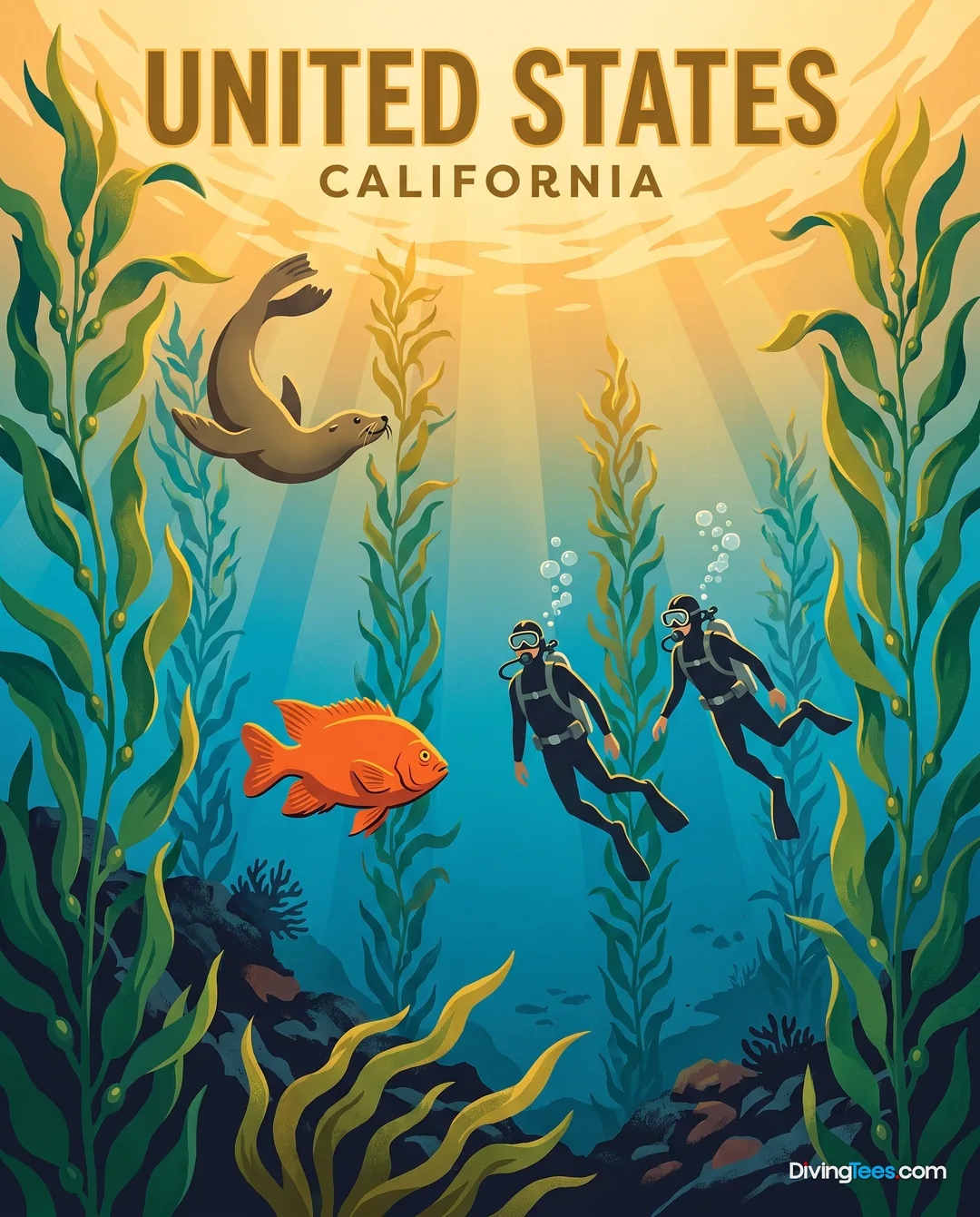
The kelp is the main attraction, rising through rocky habitat where garibaldi and kelp bass are regular encounters. Look more closely for sheepshead, lobsters, moray eels, octopus and nudibranchs, with the latter particularly rewarding in winter and spring. Rays are also more likely in those seasons. Sea lions and harbour seals occur according to site, while giant sea bass are an occasional rather than dependable sighting. These are Pacific temperate dives, so the interest lies in slow observation among fronds, cracks and rock faces rather than waiting for one guaranteed headline animal. The kelp itself deserves careful finning: it is both the visual signature of Catalina and the habitat supporting much of what divers come to see.
May to October is generally the most comfortable period, when the sea is often more favourable and visibility tends to improve. Autumn can bring particularly good viz, although local conditions still decide what a given boat can reach. Winter and spring are not lost months: more swell can affect the exposed coast, but quieter sites and fewer visitors coincide with regular nudibranch sightings and occasional rays. Casino Point may remain workable when the back coast is not, making Avalon a useful base throughout the year. A full five to seven millimetre wetsuit with hood is sensible in every season, especially when planning repeated dives.
Casino Point suits beginners, training and divers who want an uncomplicated shore dive, provided they are comfortable entering and exiting from the shore. PADI, SSI and BSAC divers at entry level can make good use of Avalon, while Advanced Open Water or equivalent experience is useful for deeper sites, boat diving and more exposed sectors. Current variation, kelp and changing weather make the outer coast a step up from the sheltered shore option. Nitrox is useful on days built around repeated dives.
From London Heathrow, London Gatwick or Manchester, the journey starts with a flight to southern California, followed by a passenger ferry from Long Beach, San Pedro, Dana Point or Newport Beach. The crossing takes about an hour, so the ferry timetable must be coordinated with the arrival on the mainland rather than treated as an afterthought. San Pedro is the direct ferry departure for Two Harbors. Avalon and Two Harbors are not interchangeable bases, and there is no road connection from the mainland. Once in central Avalon, much of the shore-diving routine is walkable. More distant accommodation, Two Harbors and boat departures require local transport or a separate boat arrangement.
Use Casino Point first if you want to settle into the water, check equipment or make a photo dive without committing to a boat. Keep boat days flexible: the back coast and west end can be cancelled by swell while Avalon remains usable, so do not build the whole trip around exposed sites. If west-end diving is the priority, staying at Two Harbors can avoid turning the island into a transport exercise. Reserve the ferry and boat places early for weekends and holiday periods, then leave a proper gap between the last dive and the fixed ferry home. Bring the hood and accessories that make a five to seven millimetre suit comfortable, rather than relying on light tropical kit. Do not assume every protected area has identical rules: fishing and collecting restrictions vary by zone, and contact with kelp, rock life and other organisms is not part of the dive. A trip limited to Casino Point misses the boat-diving character of Catalina.
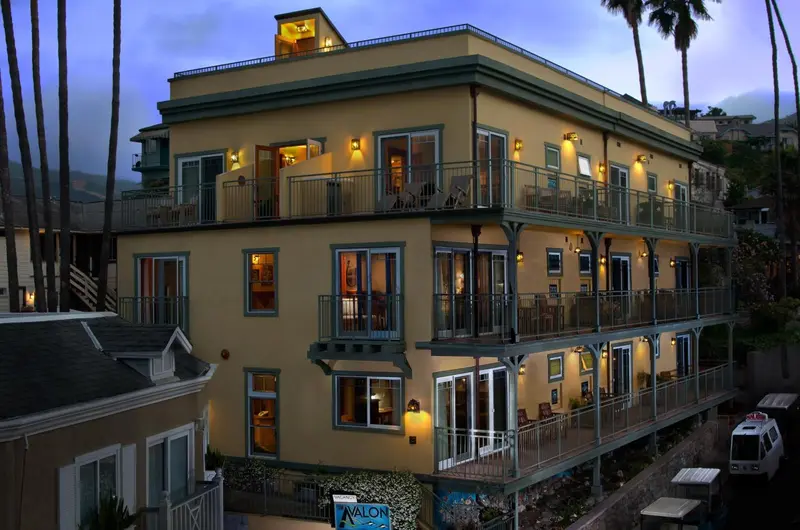
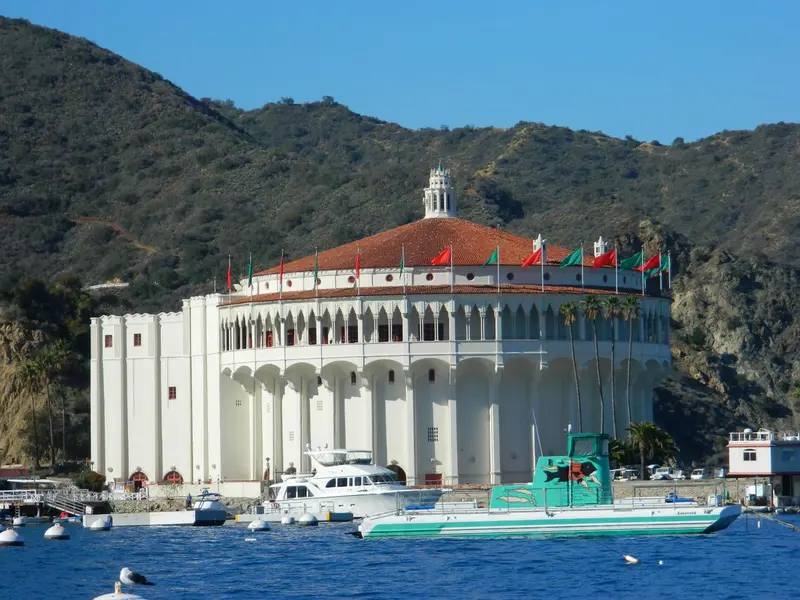
Allow four to seven days to combine flexible shore dives at Avalon, at least one boat outing and a non-diving day. Avalon is the practical base for Casino Point and central services, with shops and activities close at hand. Two Harbors makes more sense when the west end and a quieter, more nature-focused stay are the priority. Both places offer kayaking, paddleboarding, walking and coastal sightseeing for a companion who does not dive. Keep one day free for the island itself rather than filling every slot with underwater plans.
Hello, I'm Marina, DivingDeal.com's AI assistant. I guide you through destinations, areas and countries.
Thinking about the whole trip and the flights? Talk it over with Edith →
Marina is an AI. Some links are affiliate links: DivingDeal may earn a commission, at no extra cost to you. Bookings are made with the partner.
May through October is generally the most comfortable period, with more favourable sea conditions and improving visibility. Autumn can bring particularly good visibility. Winter and spring may bring more swell to exposed areas, but quieter sites, fewer visitors, nudibranchs and occasional rays make those seasons worthwhile. Casino Point can remain workable year-round.
Santa Catalina Island suits beginners, training dives and divers seeking straightforward shore diving, provided you are comfortable entering and exiting from shore. Entry-level PADI, SSI and BSAC divers can use Avalon effectively. Advanced Open Water or equivalent experience helps with deeper sites, boat dives, currents, kelp and more exposed coastal areas.
You can explore kelp forests over rocky reefs, walls and relief, with garibaldi and kelp bass regularly present. Look among fronds, cracks and rock faces for sheepshead, lobsters, moray eels, octopus and nudibranchs. Rays, sea lions and harbour seals occur at selected sites, while giant sea bass are occasional.
Use Casino Point in Avalon for a flexible shore dive, equipment check or photographic dive, then keep boat days adaptable because swell can affect the back coast and west end. Coordinate your mainland flight with the passenger ferry, reserve ferry and boat places early, and leave space between your final dive and return crossing.