
Medusa Divers Dive Center
★ 5/5 (605 reviews)
2.7 km away as the crow flies
Malaysia · Asia
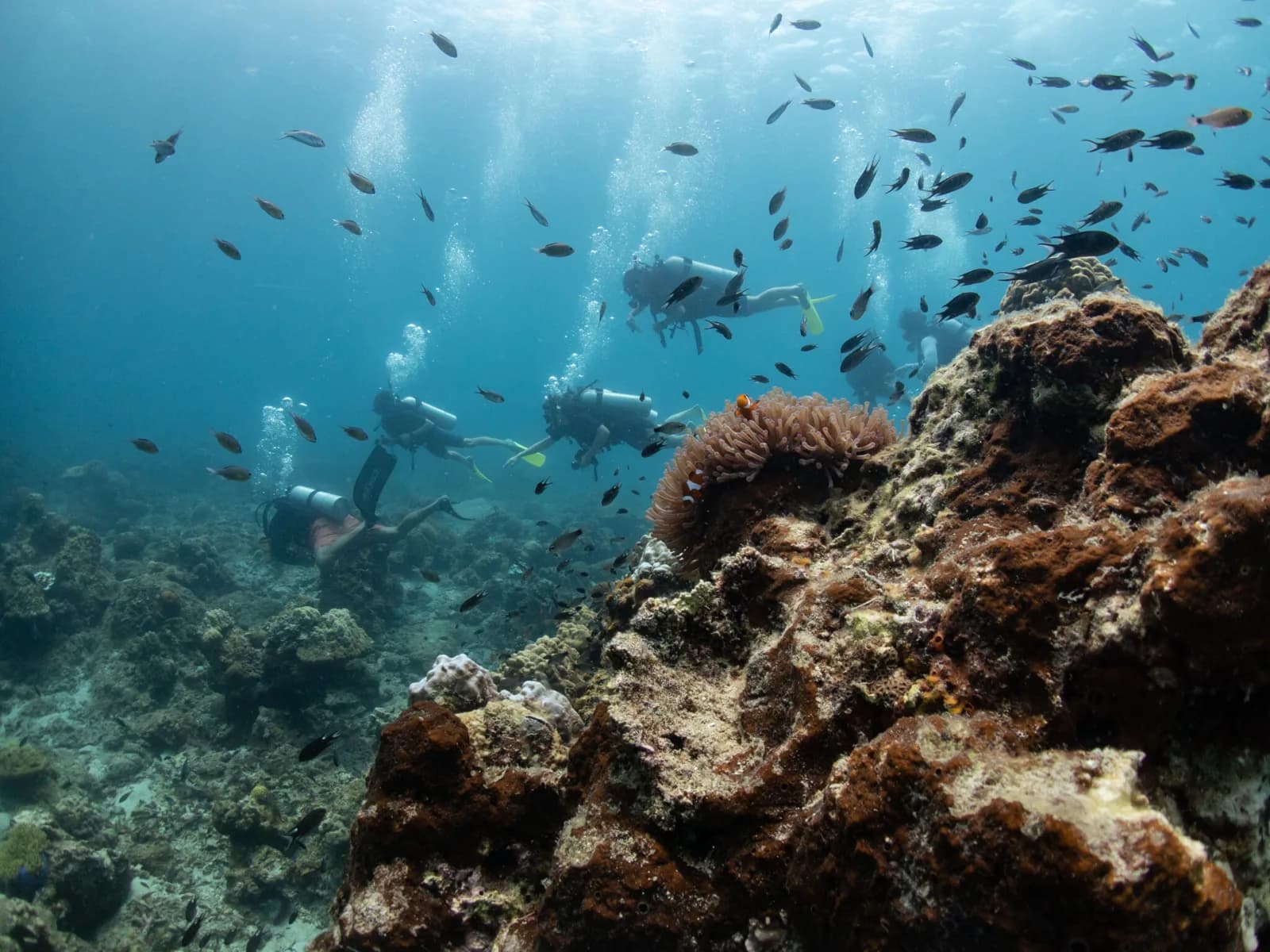
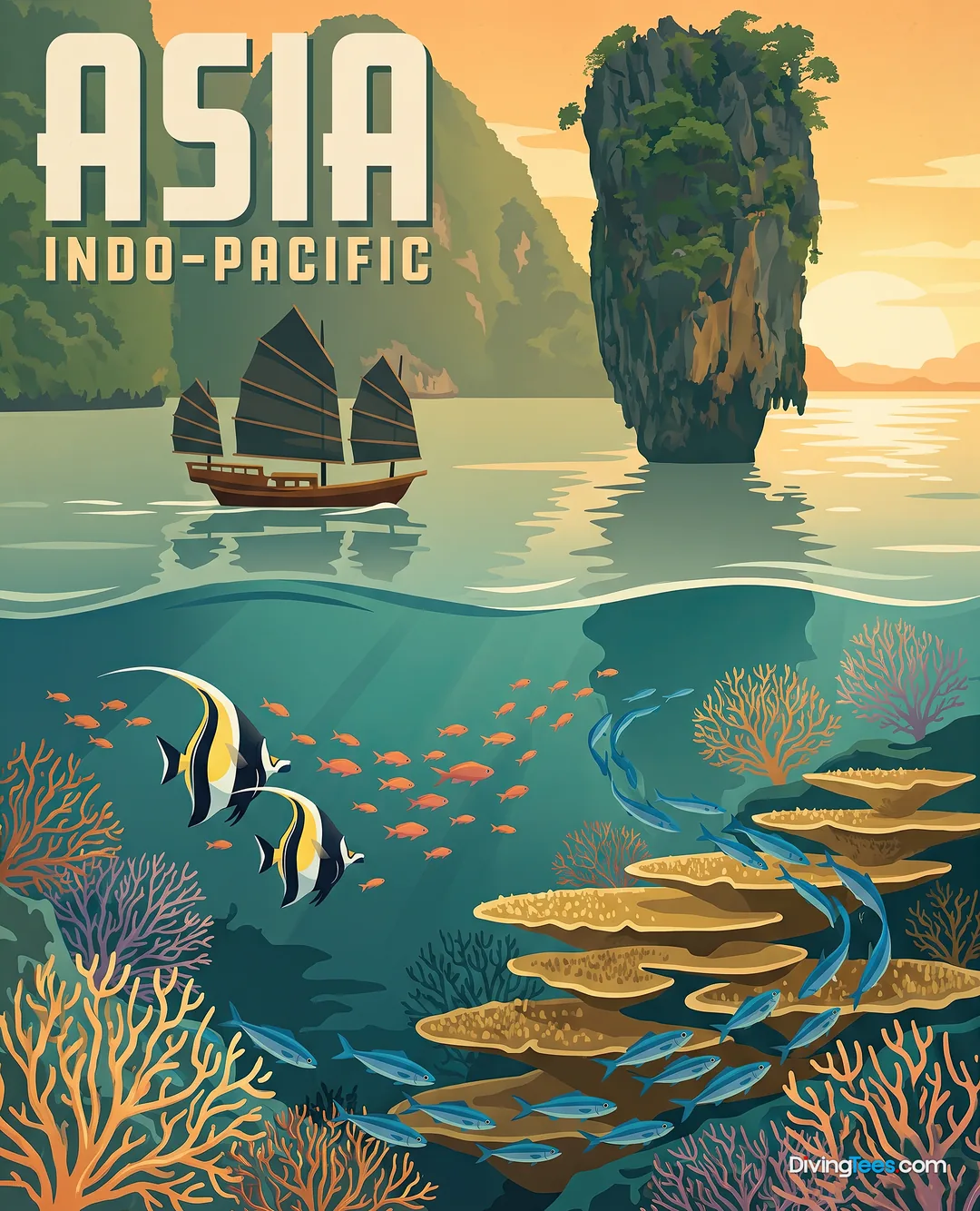
Shallow coral gardens, cargo-ship wrecks and rocky pinnacles make the Perhentian Islands an uncomplicated base for boat diving and relaxed island days.
For subtitles in English: start the video firstthen click the gearat the top right of the video, select “Subtitles/CC”, then “Auto-translate” and choose “English”.
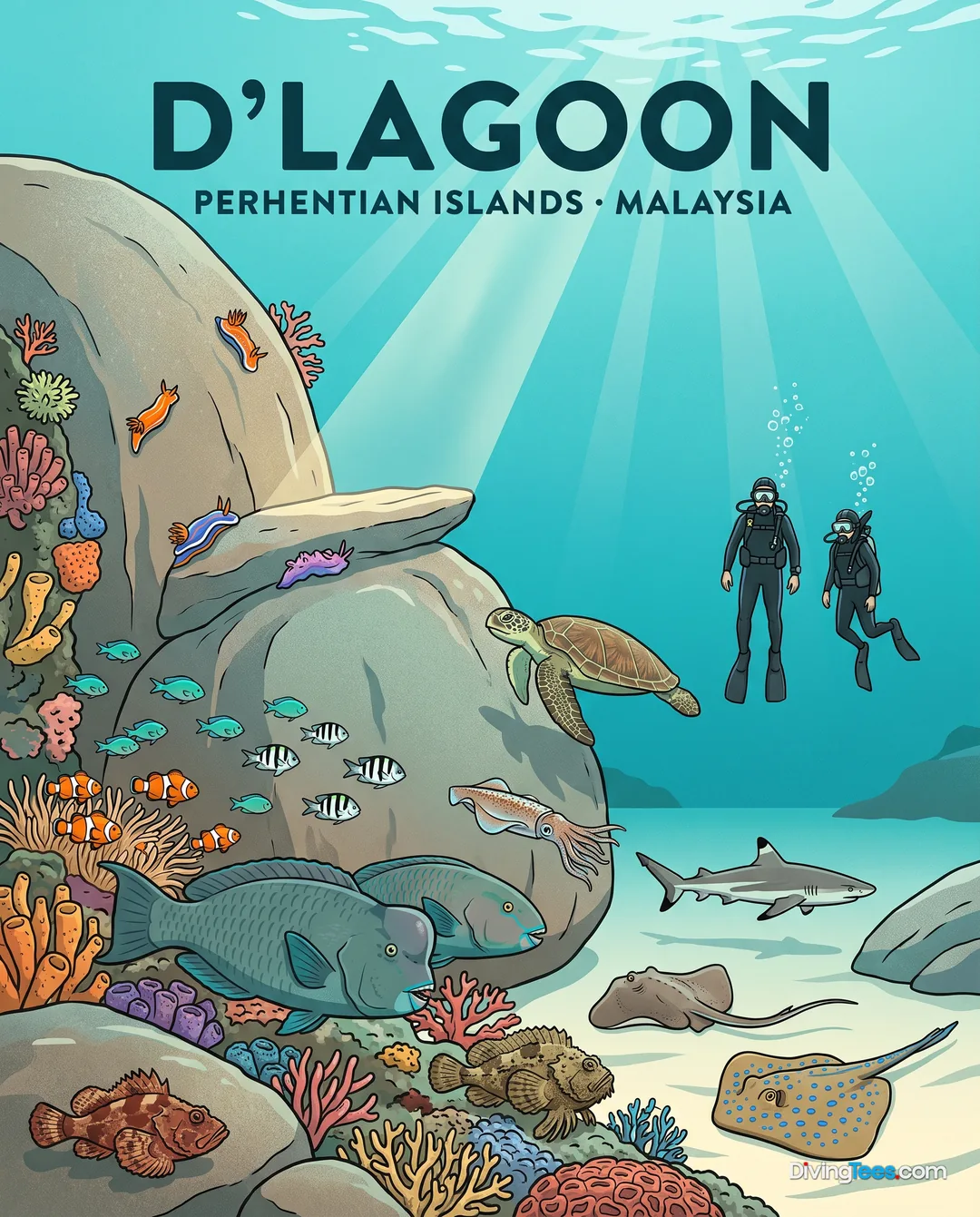
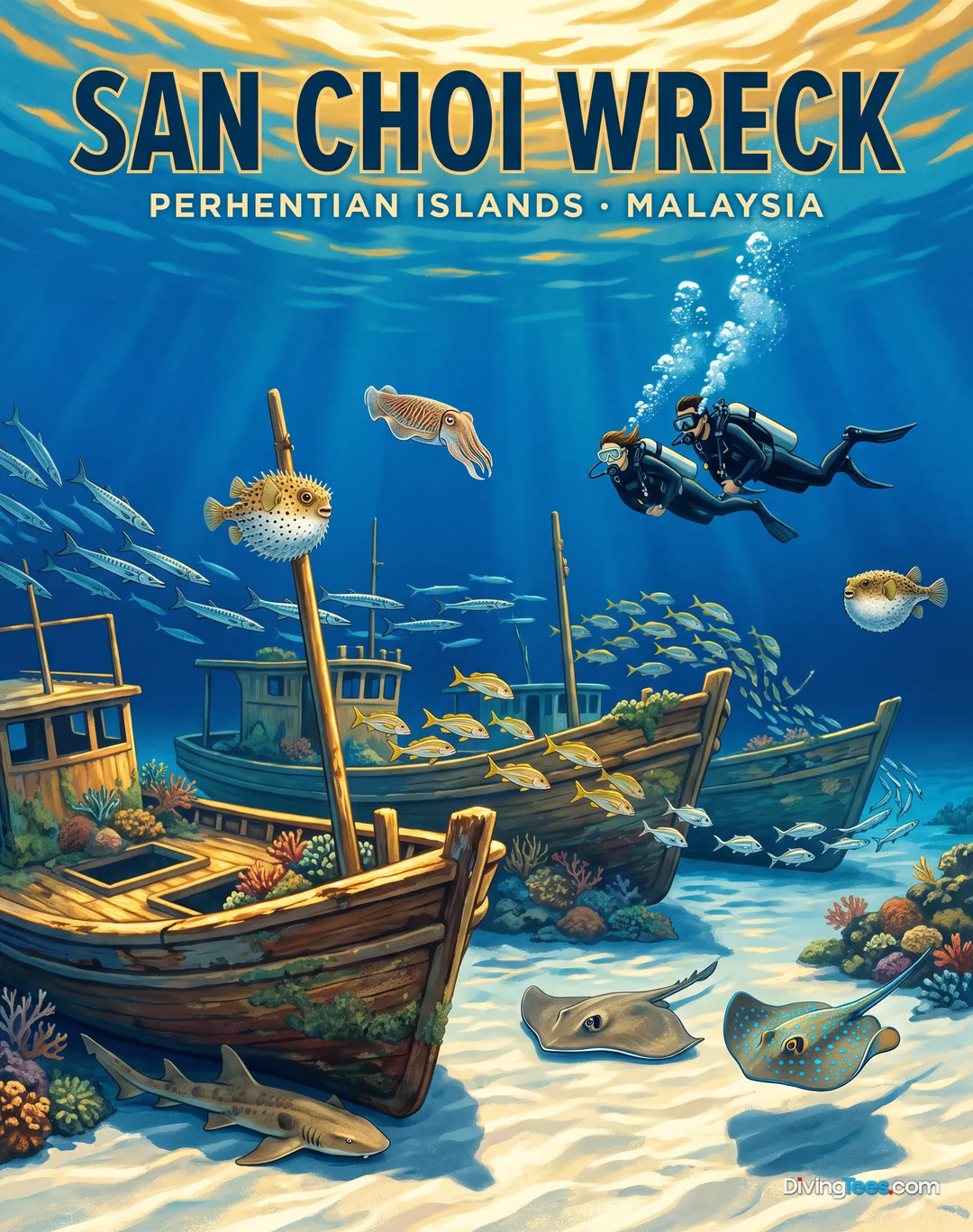
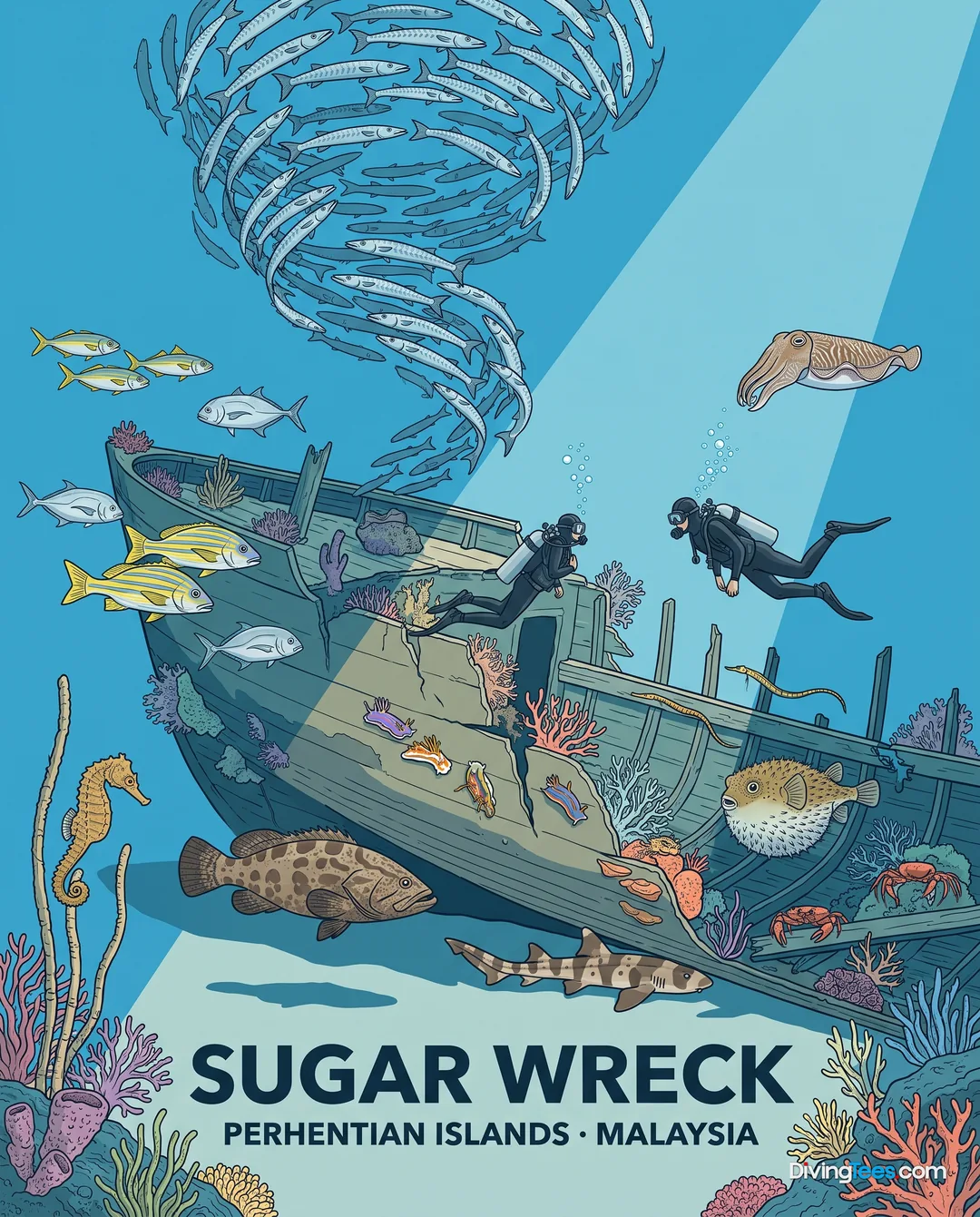
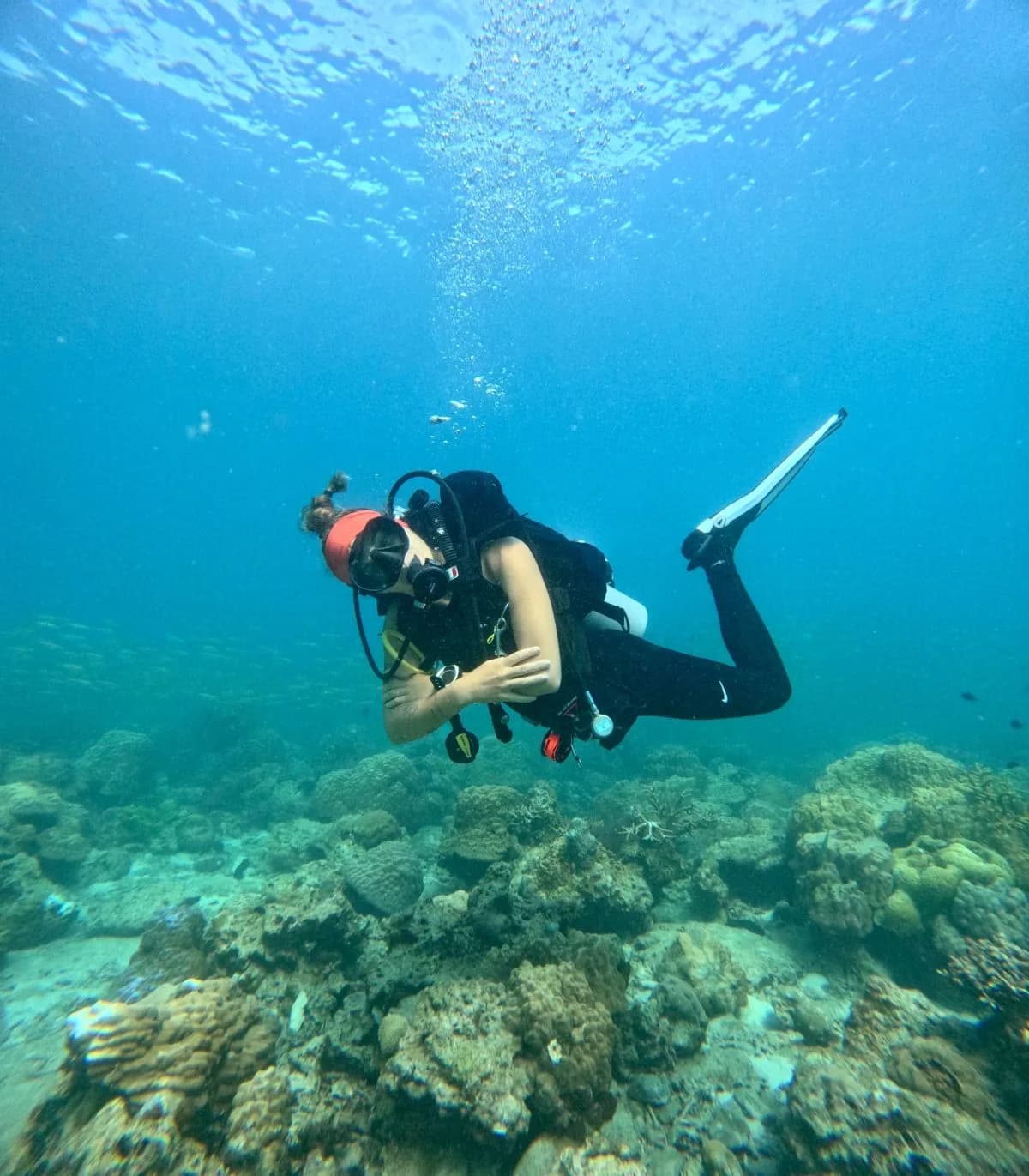
The Perhentian Islands suit divers who prefer short boat rides, straightforward profiles and a beach-based holiday rather than a liveaboard itinerary. Underwater, the character changes from shallow coral gardens at D’Lagoon and Batu Nisan to rocky islets, pinnacles and artificial reefs. Sugar Wreck and San Choi Wreck add an element of history and structure, while the Perhentian Islands Marine Park provides the setting and the basic conservation rules. A five- to seven-day stay allows room for weather and transport.
Most dives leave by boat and reach nearby coastal reefs, so the day usually involves short runs rather than long passages. The underwater terrain includes fringing coral, sandy patches, rocky walls, canyons, crevices and submerged structures. D’Lagoon and Batu Nisan stay shallow, around twelve metres, while Serenggeh reaches twenty-four metres and Tokong Laut drops to twenty-five. Tanjung Basi provides the deepest profile in the supplied sites, down to thirty metres, with large rocks and overhangs. Currents are generally light, but that should not be read as a guarantee: Sugar Wreck can be exposed, and Tanjung Basi and Vietnamese Wreck may produce stronger or less predictable flow. Visibility is often good and can range from ten to thirty metres, although plankton blooms and local conditions affect the view. The practical challenge is less the distance between sites than managing boat schedules and different abilities over fragile, shallow reef.
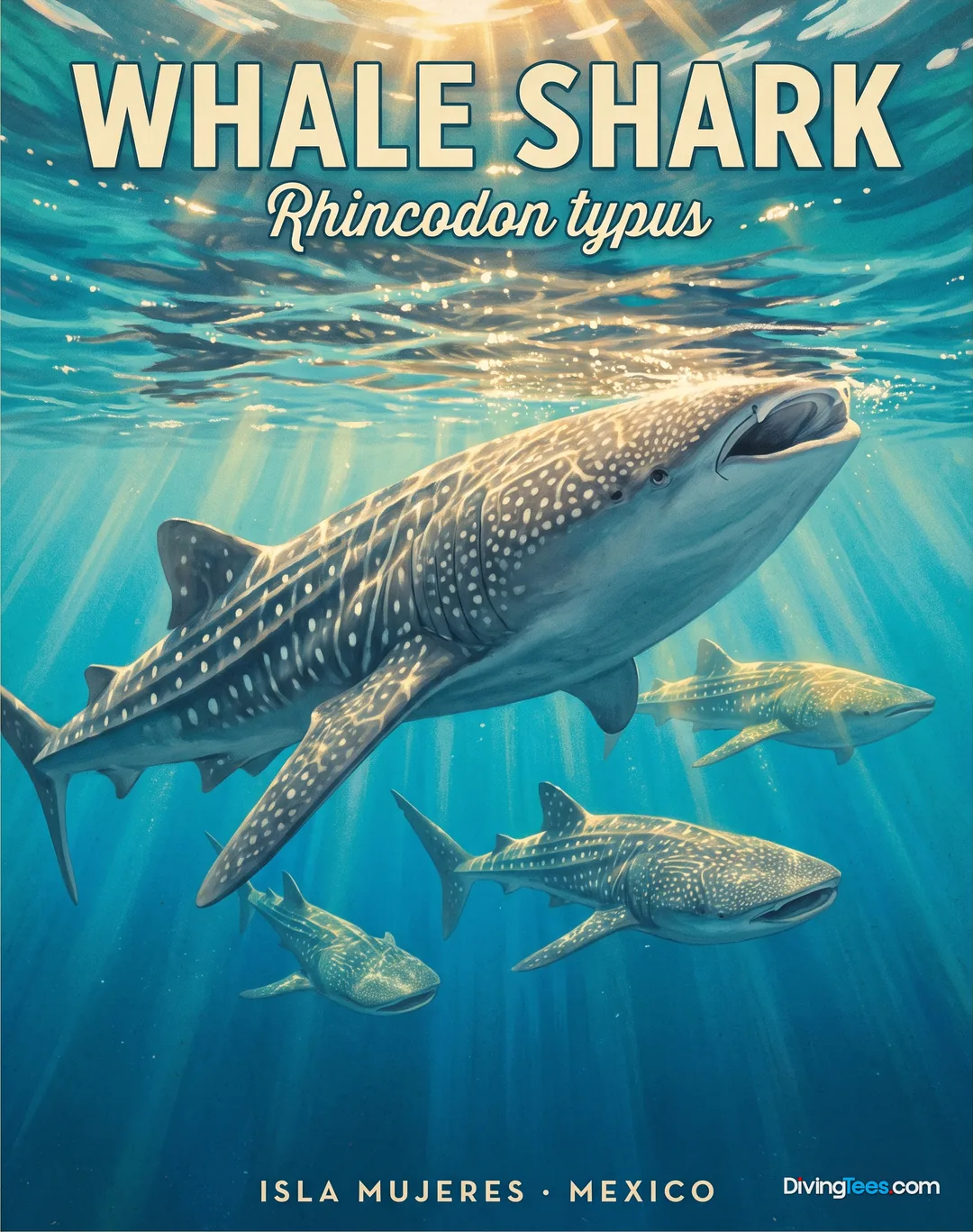
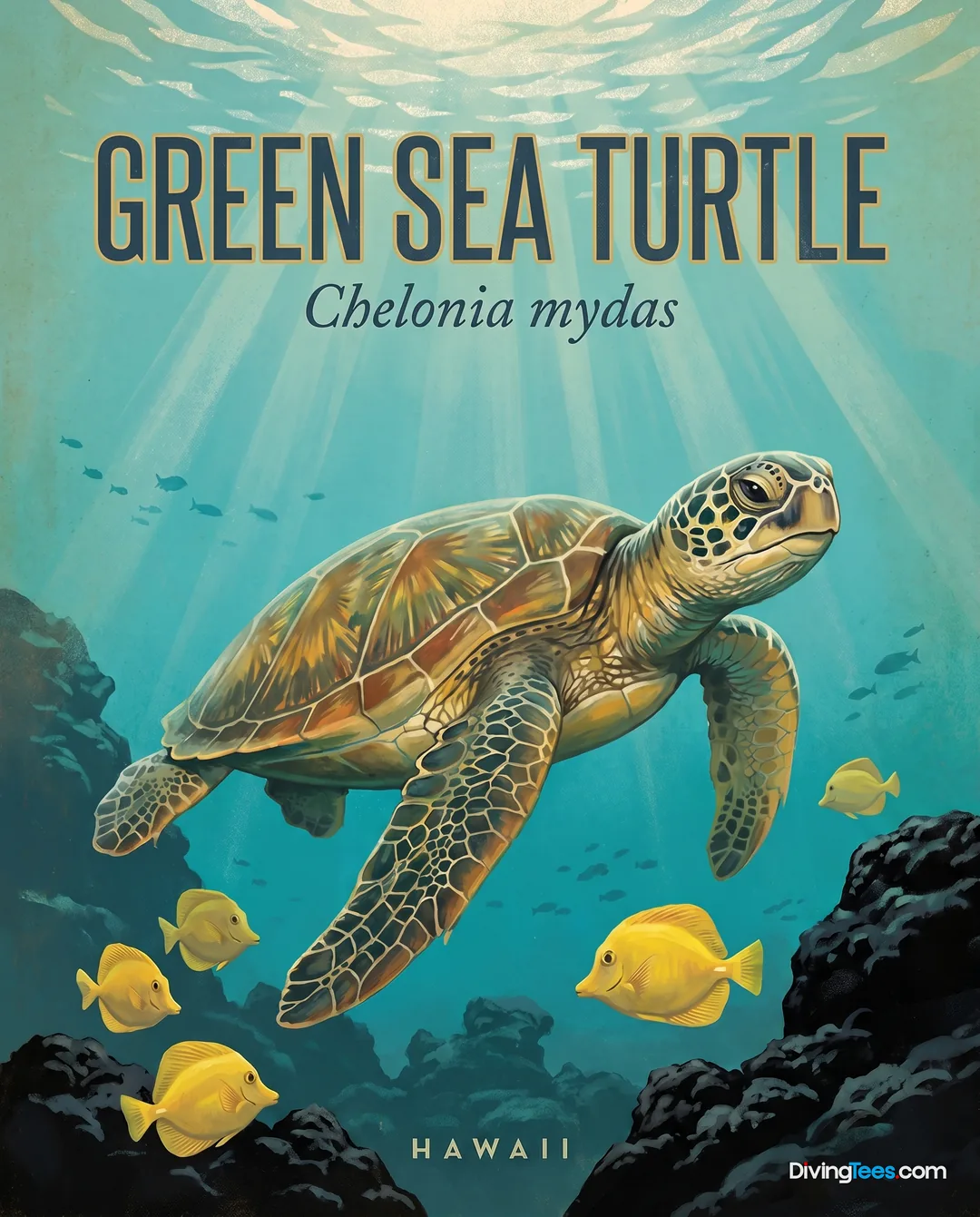
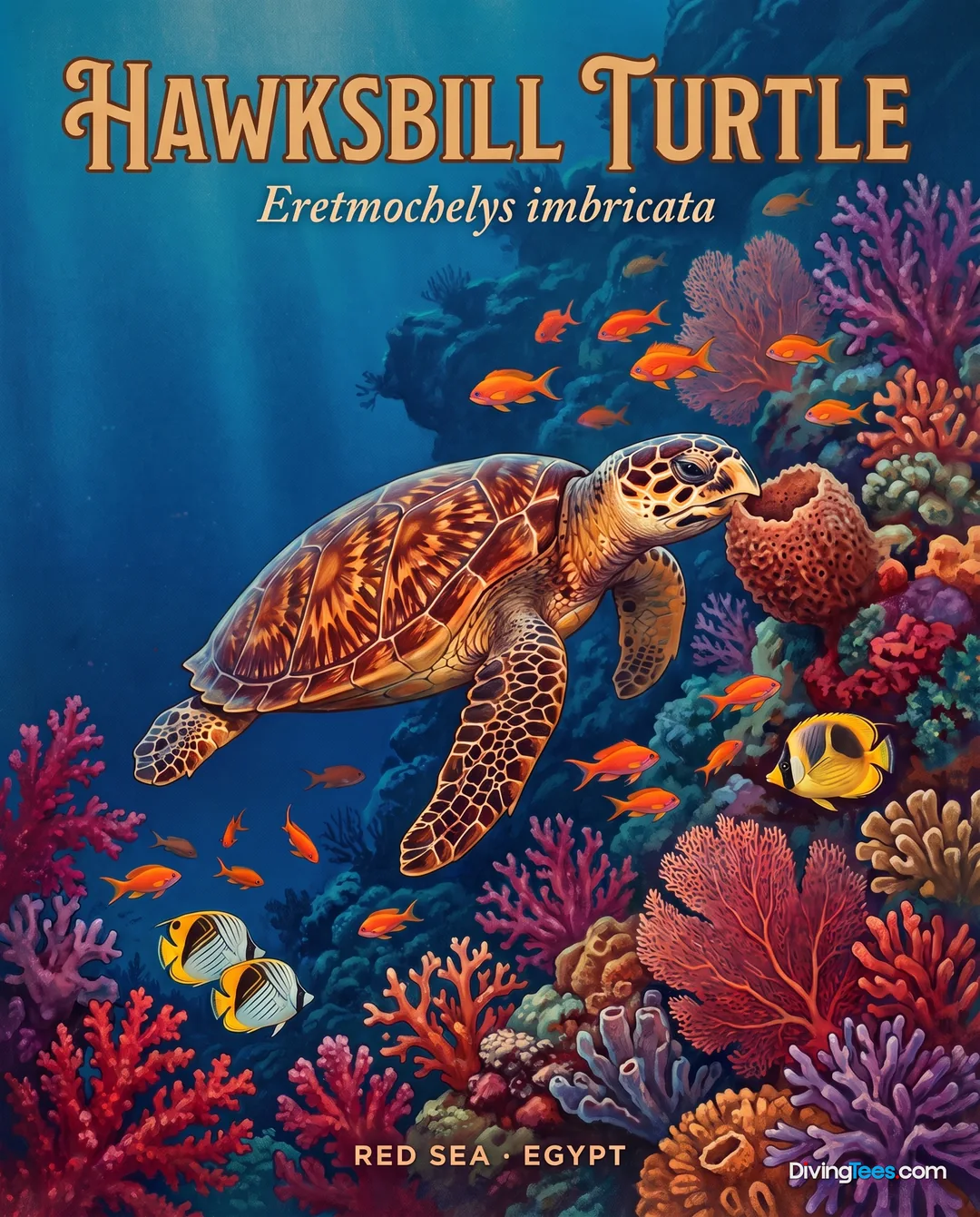
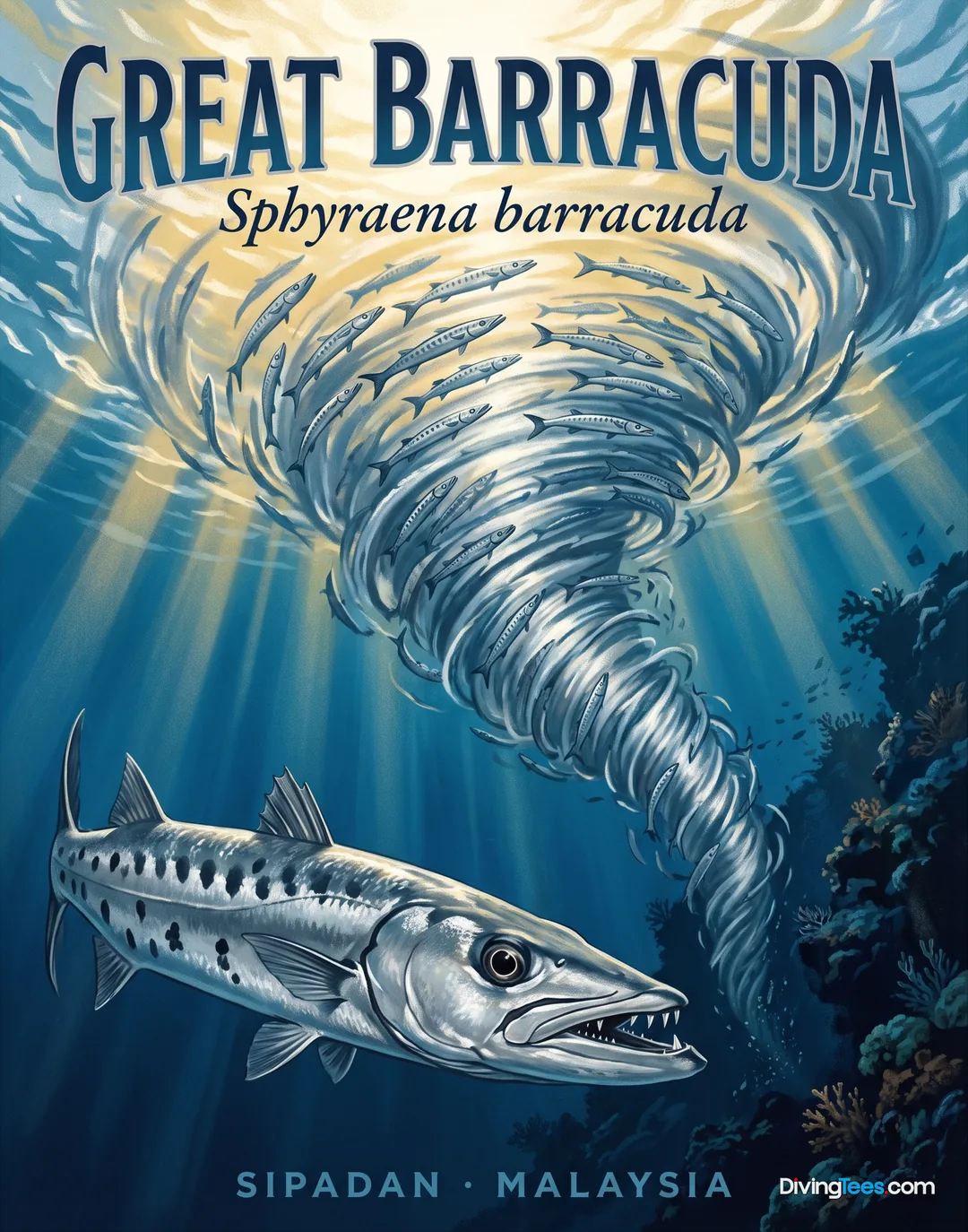
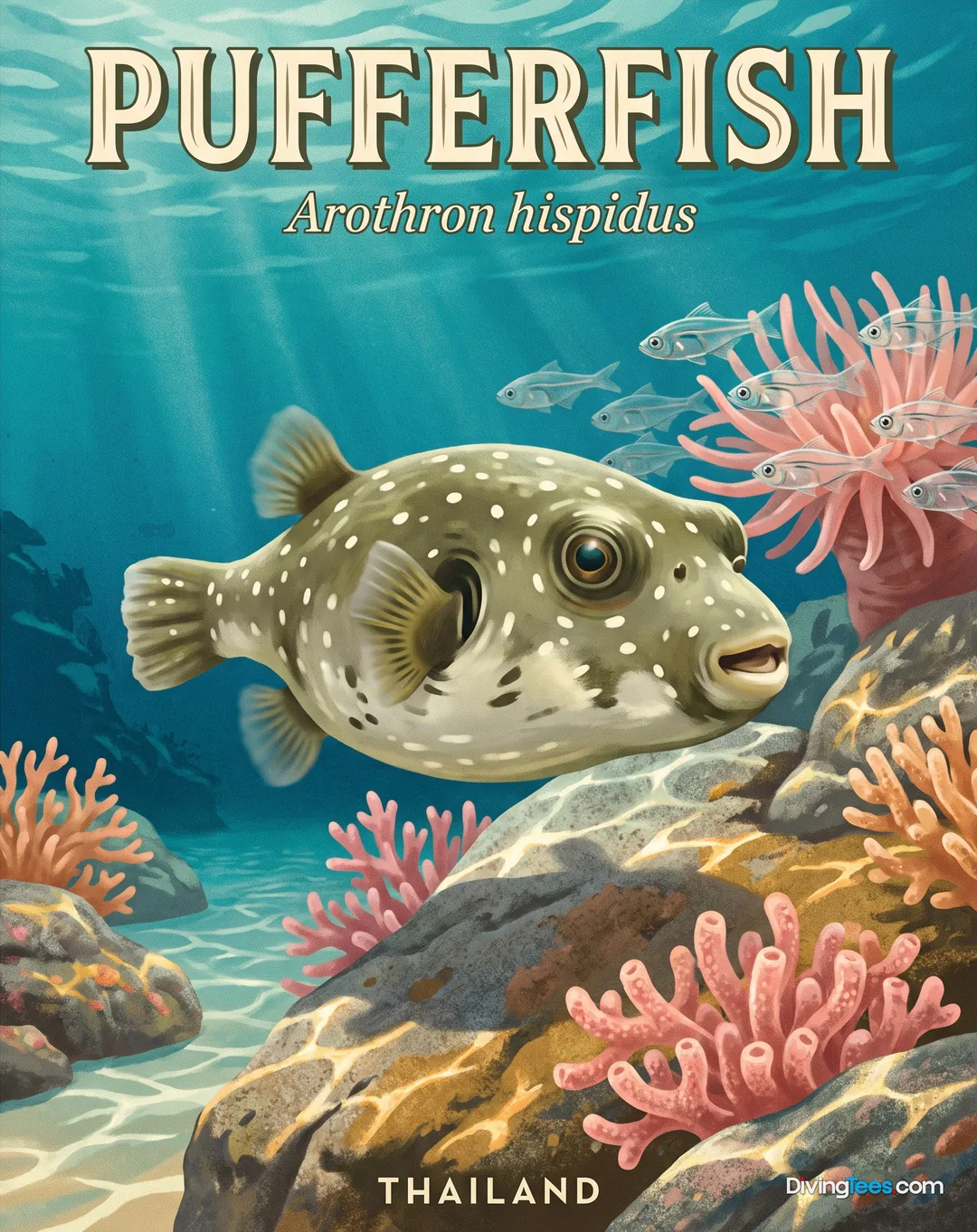
The reefs support the sort of marine life that rewards both wide-angle looking and a slower search through the coral. Sea turtles, Great barracuda, golden trevallies, Jack, Fusilier and Snapper may keep the scene moving, while Moray eel, Scorpionfish, Porcupinefish, giant pufferfish and Nudibranchs reward careful observation. Cuttlefish and Squid add interest on sandier or more sheltered sections, and Blacktip reef shark and Bamboo shark are among the possible sightings. Tokong Laut is noted for soft corals, sponges, gorgonians and schooling fish around its pinnacle. Wrecks provide shelter for reef fish and larger schools, particularly around Sugar Wreck, San Choi Wreck and Vietnamese Wreck. The supplied site information places the more favourable pelagic window at Tokong Laut between August and October, within the broader April-to-October diving season.
April to October is the sensible period for a Perhentian diving trip because the sea is generally at its calmest then, making the compulsory boat connection and daily dive runs less awkward. The measured season also shows the lowest rainfall from January to September, while individual site information places the dry-season diving window broadly from March through October. August to October is the period associated with the more pelagic character reported at Tokong Laut. Outside the main season, wind and sea conditions can interfere with island transfers and reduce the usefulness of a short stay, even if a dive itself might still be possible.
The Perhentian Islands are suitable for all recreational levels, including beginners and divers returning after a break. D’Lagoon and Batu Nisan offer shallow water for training, refreshers and buoyancy work, while Serenggeh and San Choi Wreck remain within ordinary Open Water profiles. Advanced Open Water experience is more appropriate for Sugar Wreck, Tanjung Basi or Vietnamese Wreck when exposure and current increase. Nitrox is useful for repeated boat dives, provided the diver is properly qualified through a recognised agency such as BSAC, PADI or SSI.
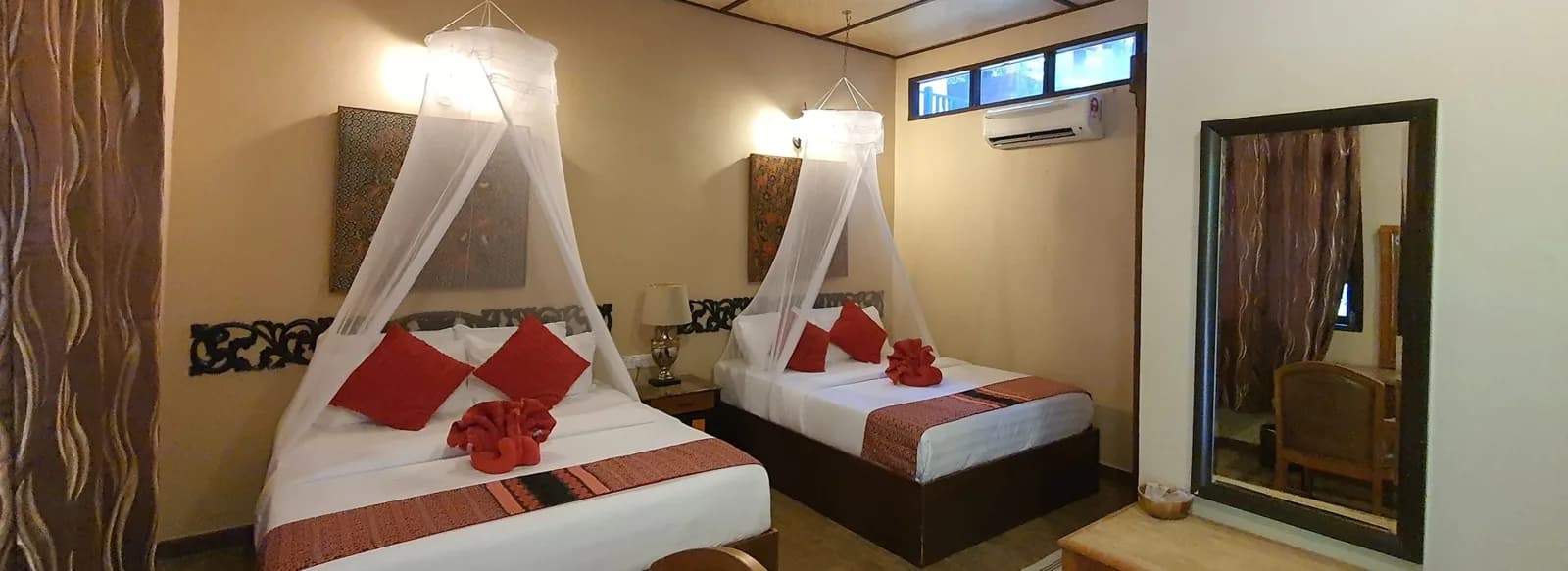
From London Heathrow, Gatwick or Manchester, the journey begins with a land or air connection to Malaysia’s east coast. The final approach is necessarily by boat: there is no airport on the islands, and the crossing runs from Kuala Besut or an equivalent nearby coastal embarkation point, depending on the season and the service operating. That makes the last connection the part to protect when arranging flights. A generous margin is sensible, since missing the boat can cost much of a day. Once on the islands, divers usually walk from beach accommodation to a nearby centre, or use a short taxi-boat transfer between bays and islands. Staying in the same bay as the diving operation keeps the daily routine simpler and avoids unnecessary boat movements.
Build the trip around the ferry timetable, not just the flight timetable. Leave a proper margin before the crossing from Kuala Besut, and avoid making the whole holiday depend on a very short connection. An early-morning boat departure can also reduce the amount of traffic around the most convenient sites. Ask for a profile that matches the least experienced diver in the group: shallow reefs such as D’Lagoon and Batu Nisan leave little room for poor trim, especially when groups are mixed. Bring a long-sleeved UV top, as the islands are a beach-and-boat destination rather than a well-stocked town. If using Nitrox, repeated day-boat diving makes it genuinely useful rather than merely theoretical. Keep the final day free of long sea activities so the return journey can absorb delays. The marine park fee and current visitor rules should be checked locally; no touching, collecting or anchoring where moorings are provided are simple rules worth treating seriously here.
A five- to seven-day stay works well, with several days of two-tank boat diving and enough flexibility for changing sea conditions. The compact island setting makes it easy to combine diving with beach time, shore-based snorkeling, kayaking or a coastal walk. Non-divers have a straightforward choice of beaches and calm bays rather than a long list of inland attractions. A final day kept for ordinary island activities and the return boat is more practical than squeezing in another demanding sea excursion.
Hello, I'm Marina, DivingDeal.com's AI assistant. I guide you through destinations, areas and countries.

Thinking about the whole trip and the flights? Talk it over with Edith →
Marina is an AI. Some links are affiliate links: DivingDeal may earn a commission, at no extra cost to you. Bookings are made with the partner.
★★★★★
★ 9.2/10 (1,544 reviews)
less than 1 km away as the crow flies
★★★★
★ 9.5/10 (196 reviews)
less than 1 km away as the crow flies
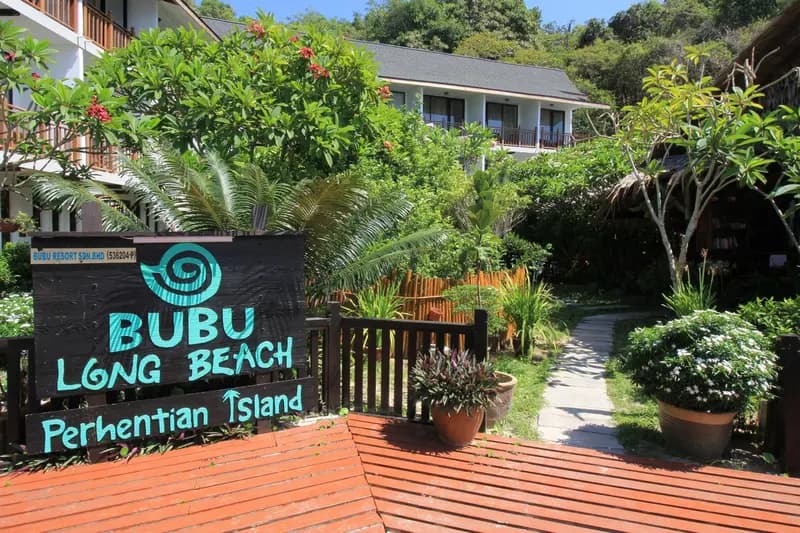
★★★★
★ 9/10 (558 reviews)
less than 1 km away as the crow flies
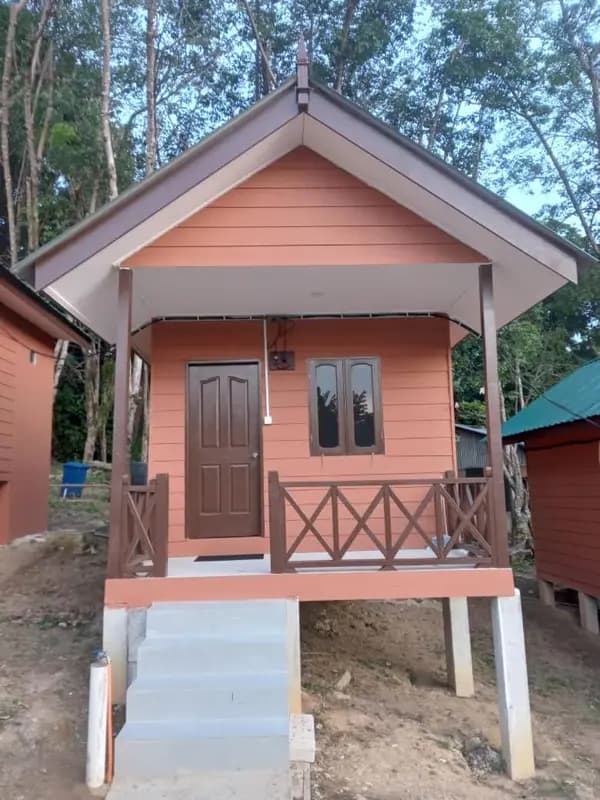
★ 8.6/10 (148 reviews)
less than 1 km away as the crow flies