
Like Scuba Center
Google 5/5 (275 reviews)
Kota Kinabalu · Malaysia · Asia
Mabul Island offers a unique convergence of shallow reefs and sandy bottoms, creating a rich habitat for an extraordinary array of macro marine life, all within notably calm waters.
For subtitles in English: start the video firstthen click the gearat the top right of the video, select “Subtitles/CC”, then “Auto-translate” and choose “English”.
Mabul Island, situated on the edge of the Celebes Sea, is a dive site primarily recognized for its exceptional macro life. Unlike many areas focused on large pelagics, Mabul's shallow reefs, extensive sandy bottoms, and seagrass beds cultivate a thriving environment for a wide spectrum of small, often cryptic, marine inhabitants. This varied topography means that while descents are generally gradual, you'll find different creatures occupying distinct niches, providing a continuous sense of discovery throughout your dive.
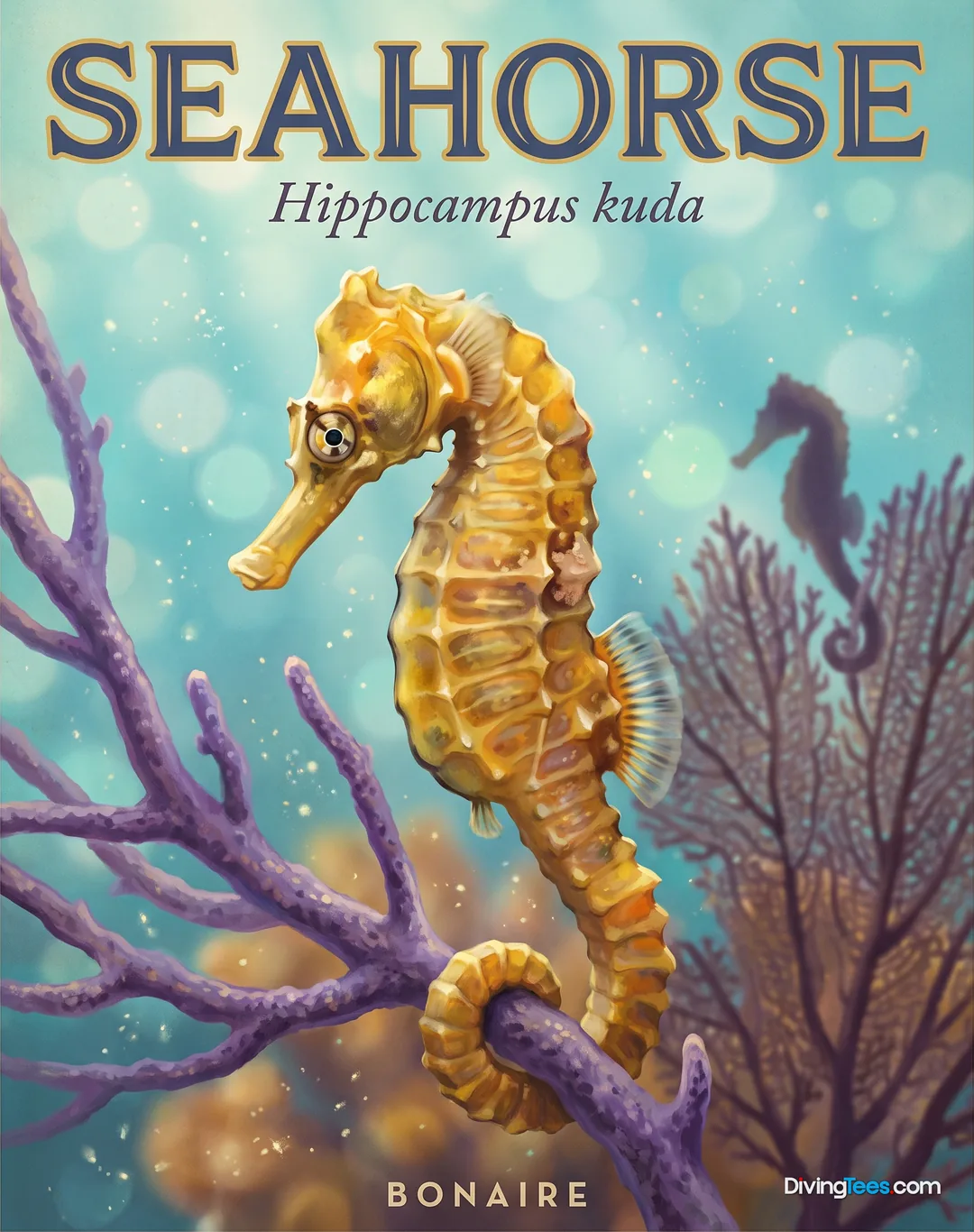
The underwater landscape at Mabul transitions from vibrant coral reefs to vast sandy expanses, interspersed with seagrass meadows. These varied substrates are crucial for the resident macrofauna. On the sand, you'll be scanning for bobtail squids and the delicate movements of harlequin shrimp. Over the seagrass, there's a good chance to spot various pipefishes or even seahorses (Hippocampus spp.), blending seamlessly into their surroundings, demanding a keen eye and patience.
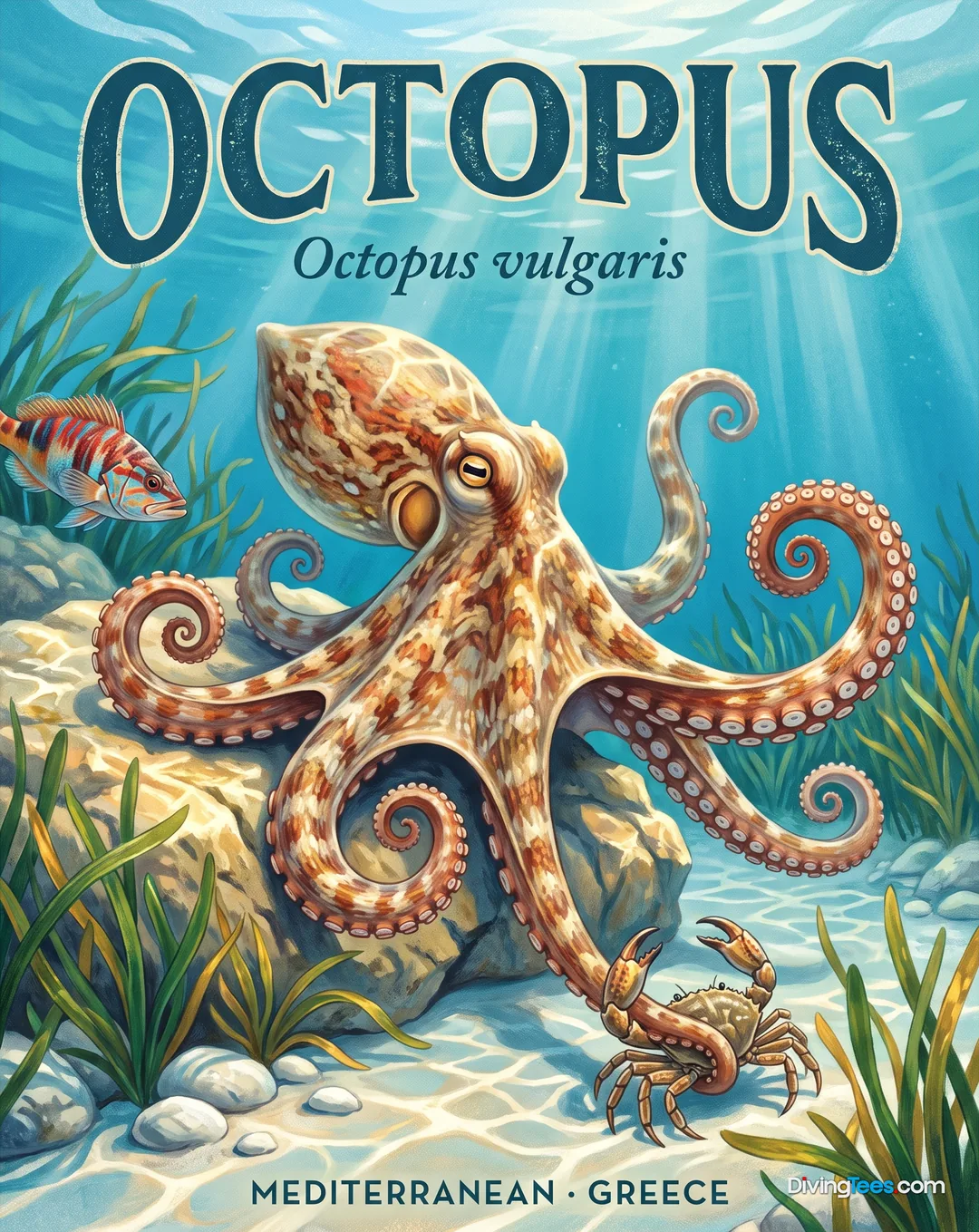
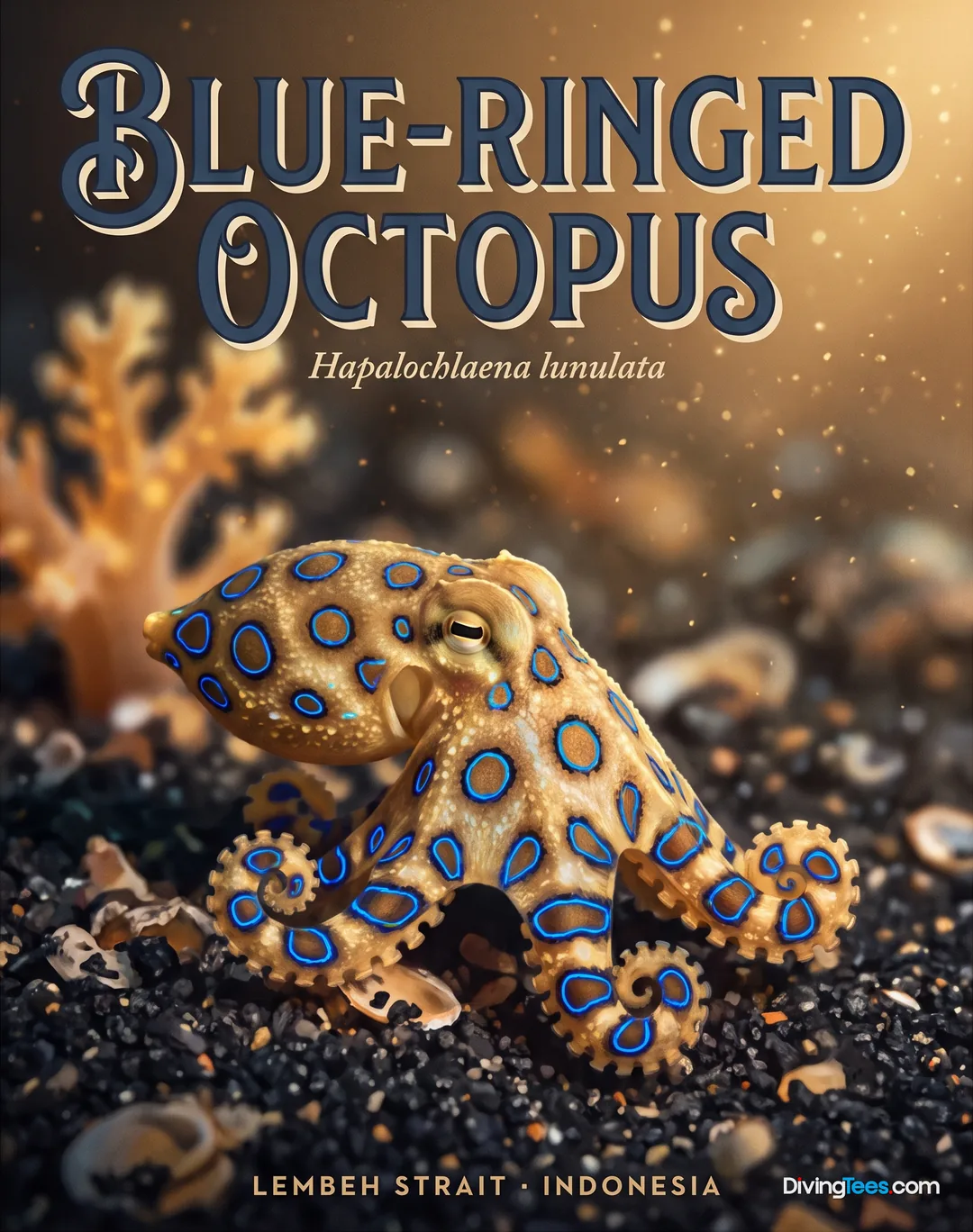
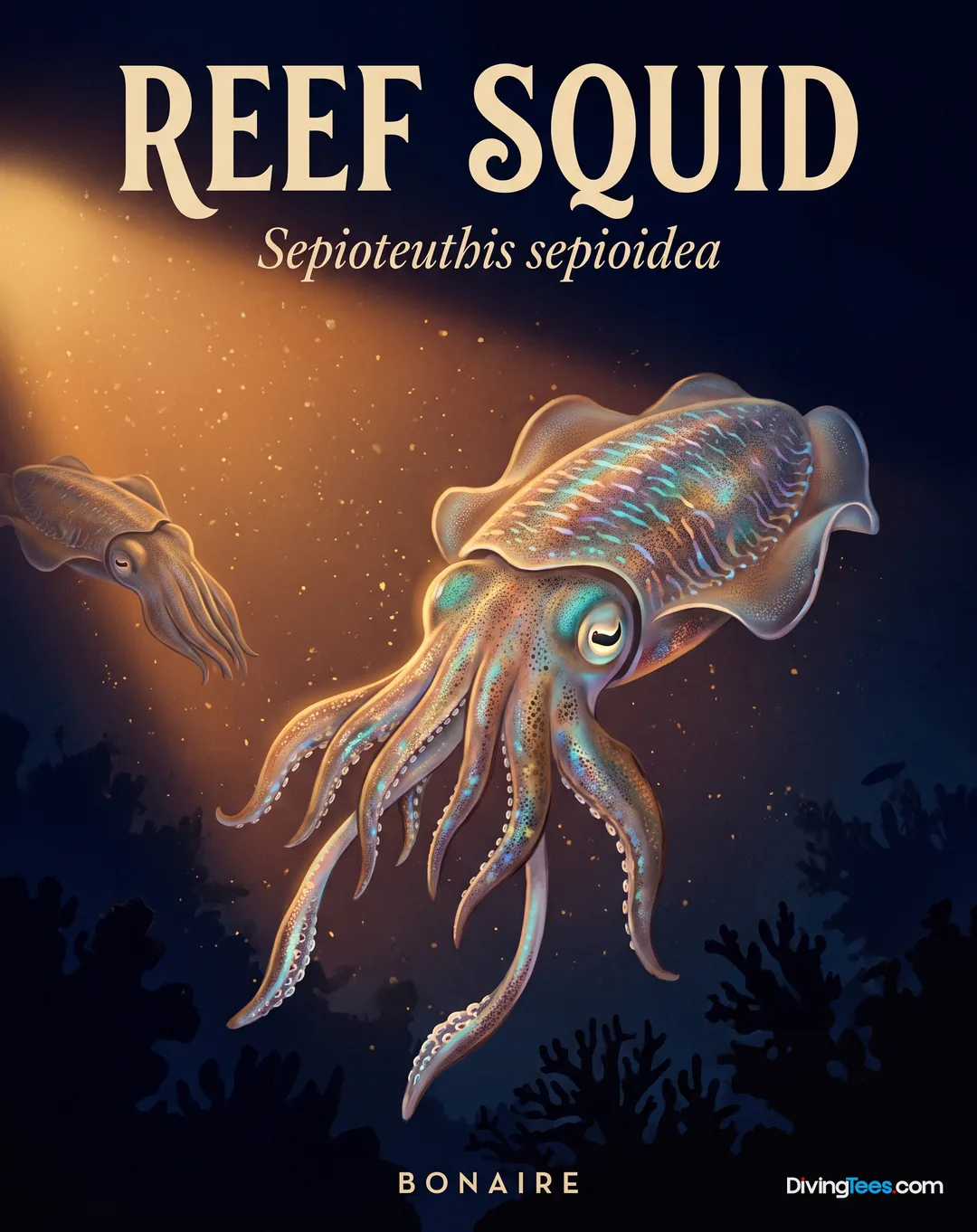
Mabul excels in offering close encounters with extraordinary cephalopods. The flamboyant cuttlefish (Metasepia pfefferi) is a regular sight, often seen walking its way across the sand rather than swimming, displaying its dynamic colour changes. The elusive blue-ringed octopus (Hapalochlaena maculosa) can be found in small crevices or under debris, and the mimic octopus (Thaumoctopus mimicus), known for its imitative behaviours, provides another fascinating observation opportunity.
The site is also a magnet for a diverse array of gobies, including spike-fin, black sail-fin, and metallic shrimp gobies, often found in symbiotic relationships with pistol shrimp. The frogfish (Antennariidae family), present in giant, painted, and clown varieties, are masters of camouflage, requiring a slow, deliberate approach to spot their textured forms among corals and sponges. Scorpionfish (Scorpaenidae family) are frequently encountered, using their cryptic appearance to ambush prey.
Beyond the smaller denizens, Mabul's profile also includes a hidden wreck alongside its deep wall sections and house reefs. While the main draw remains the macro life, these structural elements add diversity to the dive plans, allowing for exploration of different habitats and potentially larger inhabitants who seek shelter or patrol these deeper areas. The transition between the shallow, sandy areas and deeper structures provides different verticality and light conditions.
Diving in Mabul is characterised by notably calm waters and minimal current, which is a significant advantage for macro photography and close observation. This allows for extended time to focus on subtle details without fighting the flow, making it particularly enjoyable for divers who prefer to move slowly and patiently. Visibility tends to be consistent, aiding in the identification of smaller, less conspicuous species that would otherwise be missed.
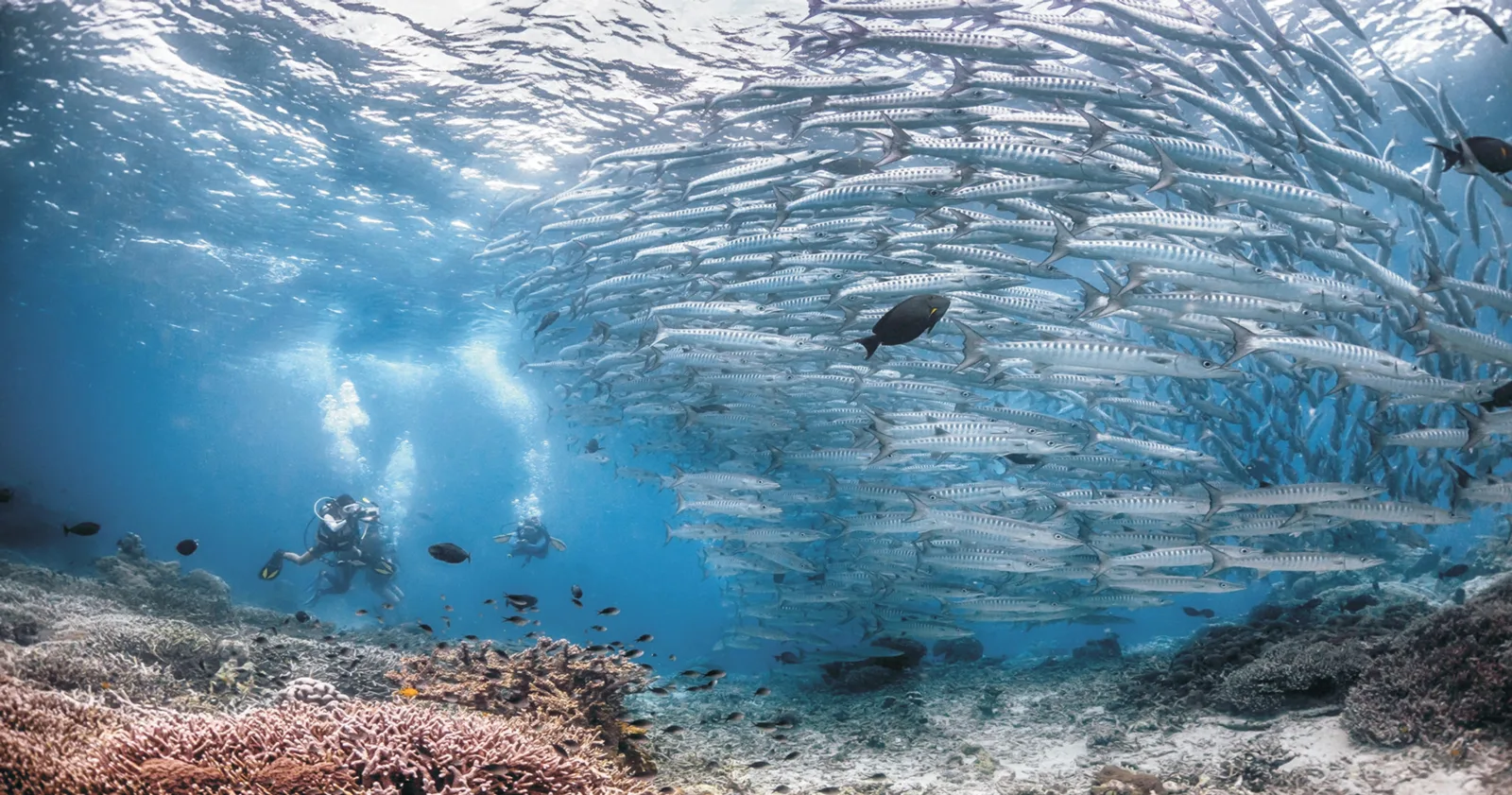
While Mabul is celebrated for its small wonders, green turtles (Chelonia mydas) are a common presence, gliding gracefully through the shallows and over the reefs, feeding or resting. Juvenile reef fish (various species) are abundant, showcasing the health of the ecosystem and offering vibrant flashes of colour against the coral. Moray eels (Muraenidae family) and snake eels (Ophichthidae family) are also frequently spotted, peeking from their crevices or moving across the sand at night.
Mabul Island is accessible to divers of all experience levels, including those who have recently completed their Open Water Diver certification. The typical dive depths are suitable for recreational limits. You can expect weak currents on average, providing stable conditions for exploring the intricacies of the site. Diving is possible year-round, making it a consistent option for marine life observation.
You can dive Mabul Island year-round, making it a consistent choice for observing marine life. Calm waters and minimal current support slow, patient exploration, whether you are examining macro subjects over sand and seagrass or watching green turtles move through the shallows and across the reefs.
Mabul Island suits divers of all experience levels, including you if you have recently completed your Open Water Diver certification. Its typical dive depths fit recreational limits, and gradual descents across shallow reefs, sandy areas, and seagrass beds provide varied habitats to explore at a comfortable level.
Mabul Island includes shallow reefs, extensive sandy bottoms, and seagrass beds, with gradual descents between habitats. The site also has deeper wall sections and a hidden wreck, creating different verticality and light conditions while keeping the typical dive depths suitable for recreational limits.
At Mabul Island, you can expect weak currents on average and notably calm water, which helps you pause for close observation and macro photography. Look for flamboyant cuttlefish, blue-ringed and mimic octopuses, frogfish, green turtles, pipefish, seahorses, gobies, moray eels, and snake eels.