
Con Dao Dive Center
Google 4.9/5 (323 reviews)
7.1 km away as the crow flies
Dao Con Son · Vietnam · Asia
Max. depth · 25 mDescend onto a vibrant hard coral reef, where green and hawksbill turtles graze alongside a diverse array of macro life.
Canada's Reef is a coral dive that presents a varied topography, ranging from shallower reef flats to deeper drop-off sections. As you descend, you’ll find yourself over a hard coral garden that gradually transitions into more pronounced reef edges. These deeper zones, extending to a maximum depth of 25 metres, are where the reef breaks away into the surrounding water, often attracting larger pelagic life. This structure provides a dynamic dive profile, moving from the light-filled upper reef into the more shadowed depths.
The site is characterized by its healthy hard coral formations, which provide both shelter and feeding grounds for a wide range of marine organisms. While not a dramatic wall or wreck, the reef’s structure offers plenty of nooks and overhangs to explore. This makes it particularly rewarding for those who enjoy taking their time to observe the smaller details of the reef ecosystem, moving deliberately along the reef lines to discover hidden creatures amongst the coral branches and crevices.
Currents at Canada's Reef are typically light to moderate, allowing for a relaxed dive experience. However, conditions can shift, with stronger currents sometimes present depending on tidal movements and exposure to wind. When the current picks up, it can create an ideal scenario for a drift dive, allowing you to cover more ground along the reef's contour with minimal effort. Planning your entry and exit points becomes key on such days, adjusting for the prevailing flow.
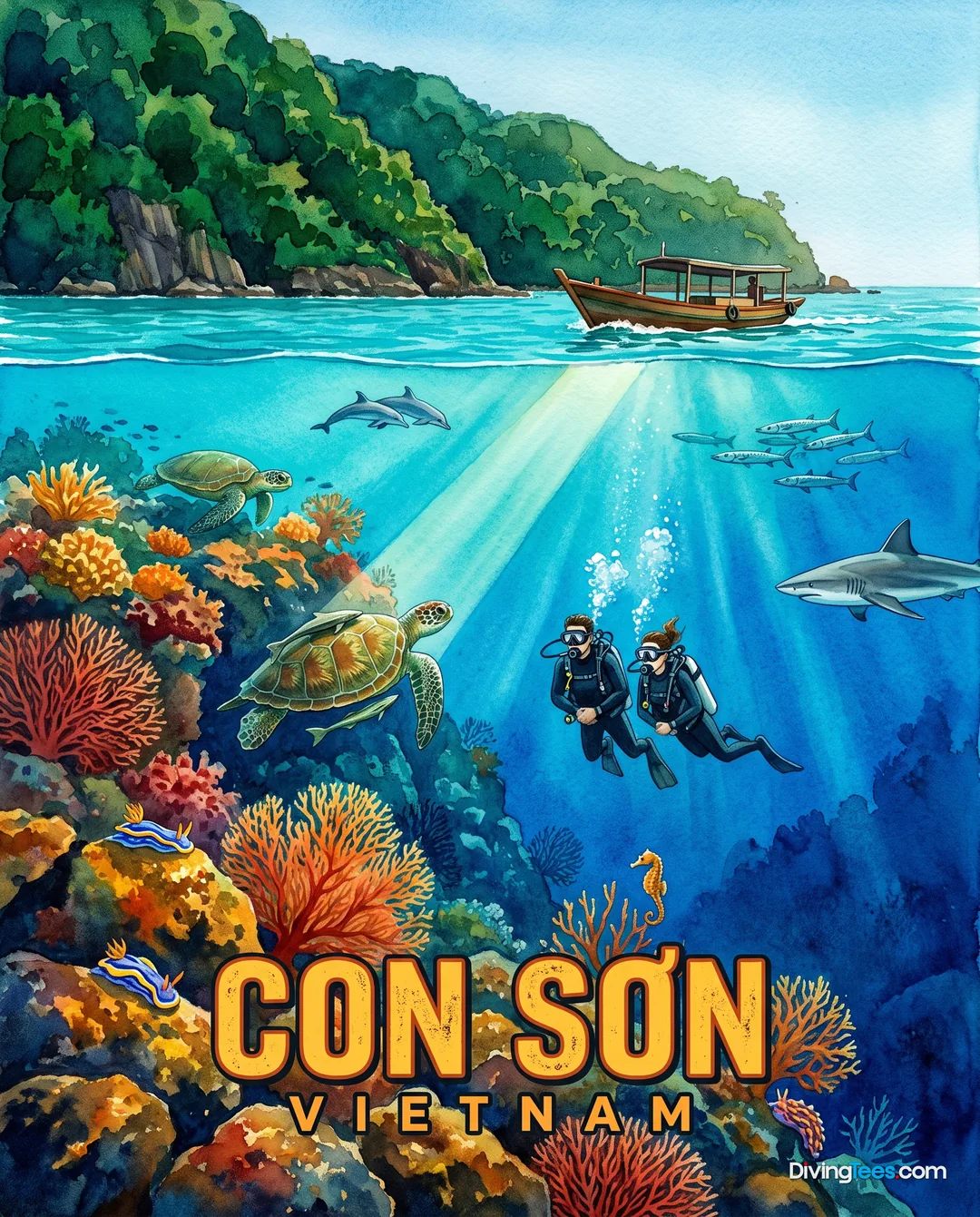
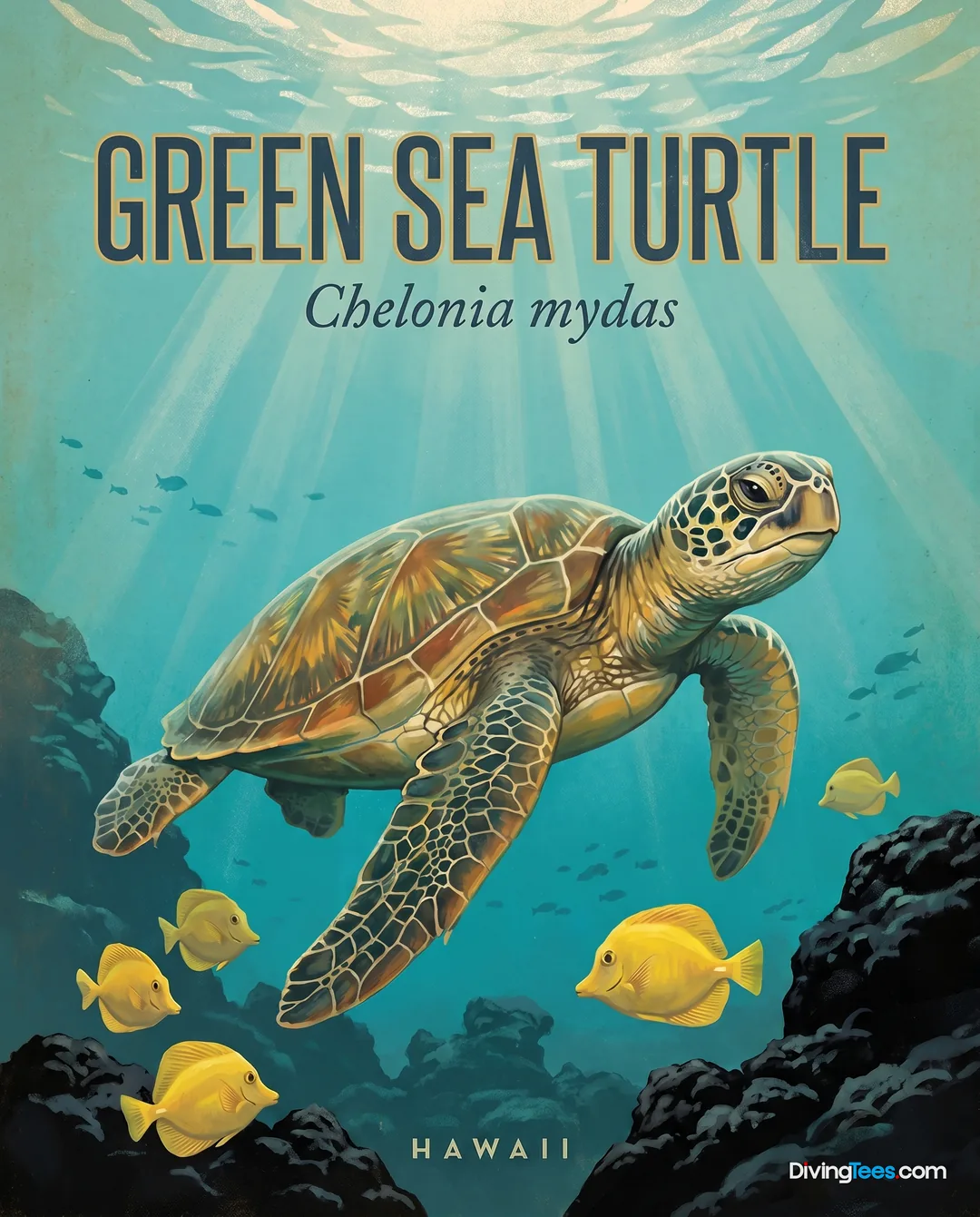
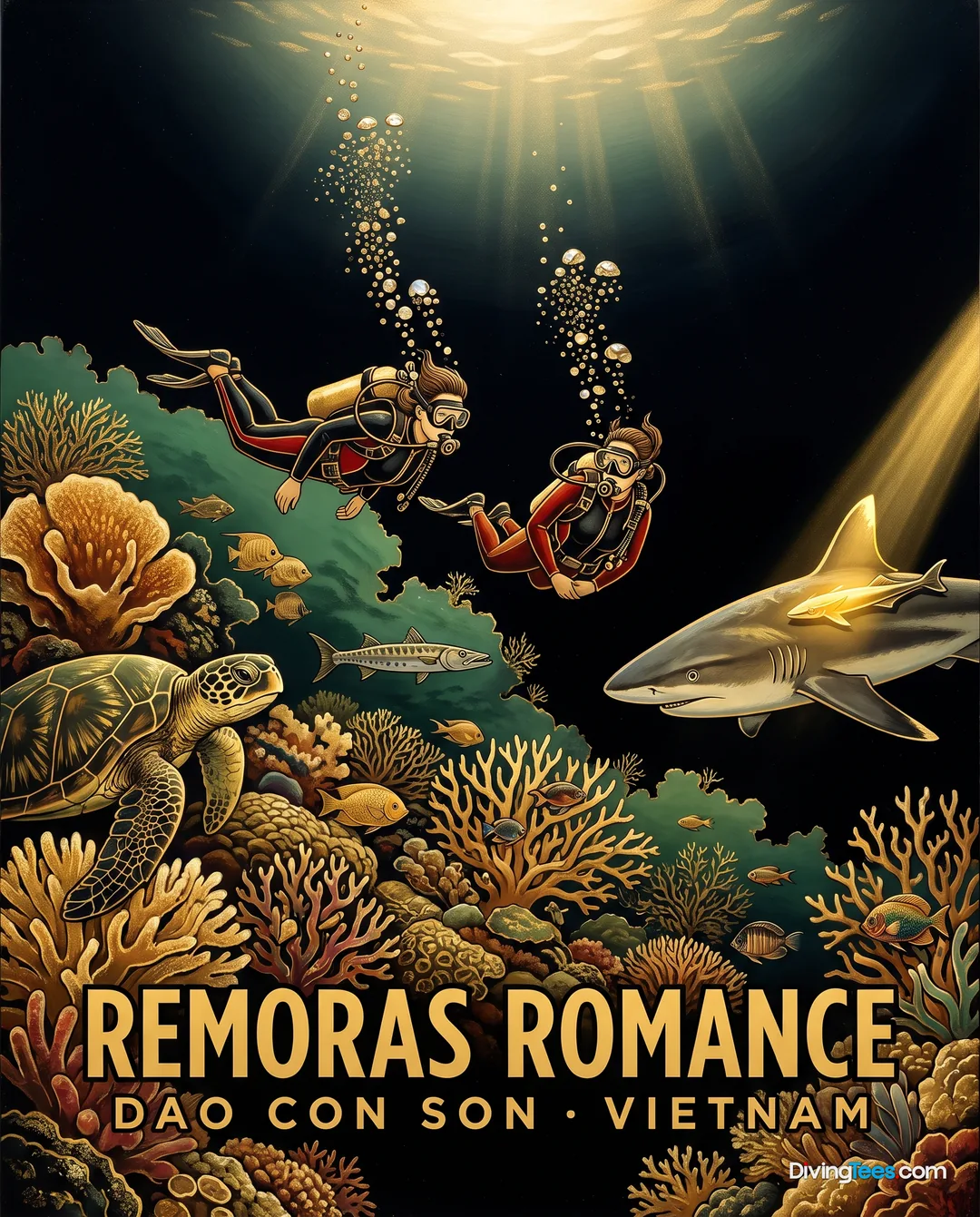
One of the distinct features of Canada's Reef is its dual appeal for both wide-angle and macro photography. You can spend part of your dive scanning the reef edge for passing green turtles and hawksbill turtles, which are frequently seen grazing on the corals or resting in sheltered areas. Simultaneously, the intricate structure of the reef system supports a wealth of smaller inhabitants, making it equally productive for those focused on macro subjects.
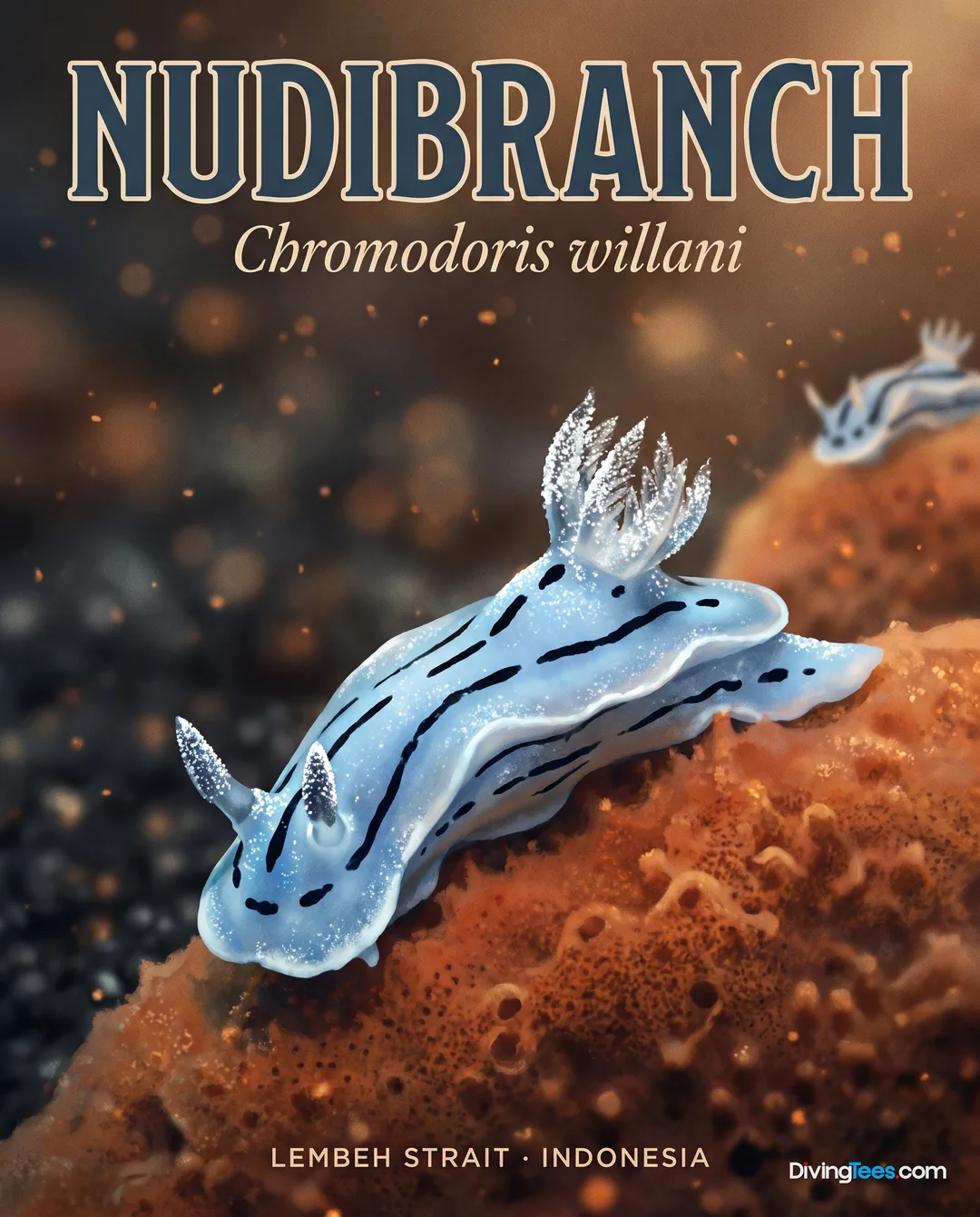
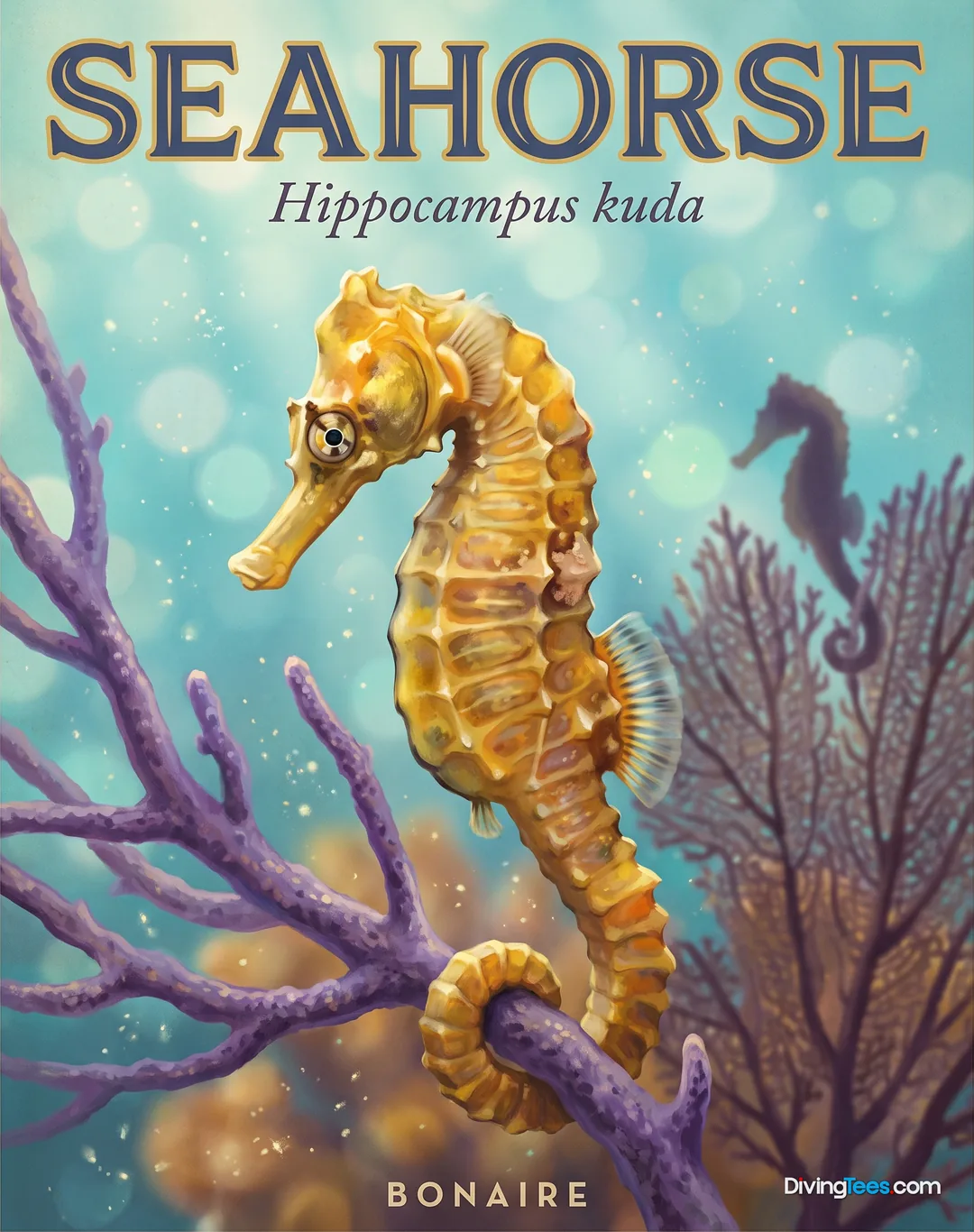
Among the smaller residents, you'll encounter a variety of nudibranchs, often found crawling across sponges or coral, showcasing their vibrant colours. Seahorses are also a notable presence, expertly camouflaged within the reef. These macro subjects require a keen eye and a patient approach to spot, rewarding careful observation with unique photographic opportunities and a closer look at the reef’s intricate biodiversity, a clear contrast to the larger turtle sightings.
Reef sharks are occasionally sighted patrolling the deeper sections and along the reef's perimeter. These encounters are generally brief and provide an exciting highlight to a dive that otherwise emphasizes the vibrant coral and macro life. Observing them often requires you to keep an eye on the open water beyond the immediate reef, especially where the reef drops off into deeper areas, adding another dimension to the dive profile.
Visibility at Canada's Reef can vary significantly, ranging from 10 to 25 metres. While it can offer excellent clarity, certain conditions, particularly related to weather and local water movements, can reduce it. This variability means that each dive can present a different visual experience, demanding adaptability from the diver. However, even with reduced visibility, the close-up details of the reef and its macro inhabitants remain accessible and engaging.
Canada's Reef is accessible to Advanced Open Water certified divers. Depths range from a minimum of 10 metres to a maximum of 25 metres. Current is typically light to moderate, though it can become stronger during tidal changes, potentially suiting a drift dive. Visibility can range from 10 to 25 metres, influenced by local conditions. The best season for diving here generally runs from March to August, with May to June often cited for optimal conditions.
You can generally dive Canada's Reef during the season from March to August, with May and June often associated with optimal conditions. Visibility varies with local conditions and can range from 10 to 25 metres, so the visual experience may change between visits. Even with reduced visibility, close-up reef life remains accessible.
Canada's Reef is accessible to Advanced Open Water certified divers. The site includes shallower reef flats, healthy hard coral gardens and deeper drop-off sections, so you can follow a varied profile while exploring reef edges, nooks and overhangs. Its structure supports both deliberate observation and photography during the dive.
At Canada's Reef, depths range from 10 to 25 metres. The current is typically light to moderate, supporting a relaxed dive, but tidal changes and wind exposure can bring stronger flow. When that happens, the site may suit a drift dive, making entry and exit planning important for following the prevailing current.
At Canada's Reef, you can explore healthy hard coral formations while looking for green turtles and hawksbill turtles around the reef. Reef sharks may appear briefly in deeper sections or along the perimeter. Patient observation can reveal seahorses and nudibranchs, giving you subjects for both wide-angle and macro photography.