
Sea Riders Dive Center
Google 4.9/5 (66 reviews)
Azores · Atlantic
Volcanic walls, nearby wrecks, blue sharks and mobula rays make Horta a shore-based gateway to exposed offshore banks in summer.
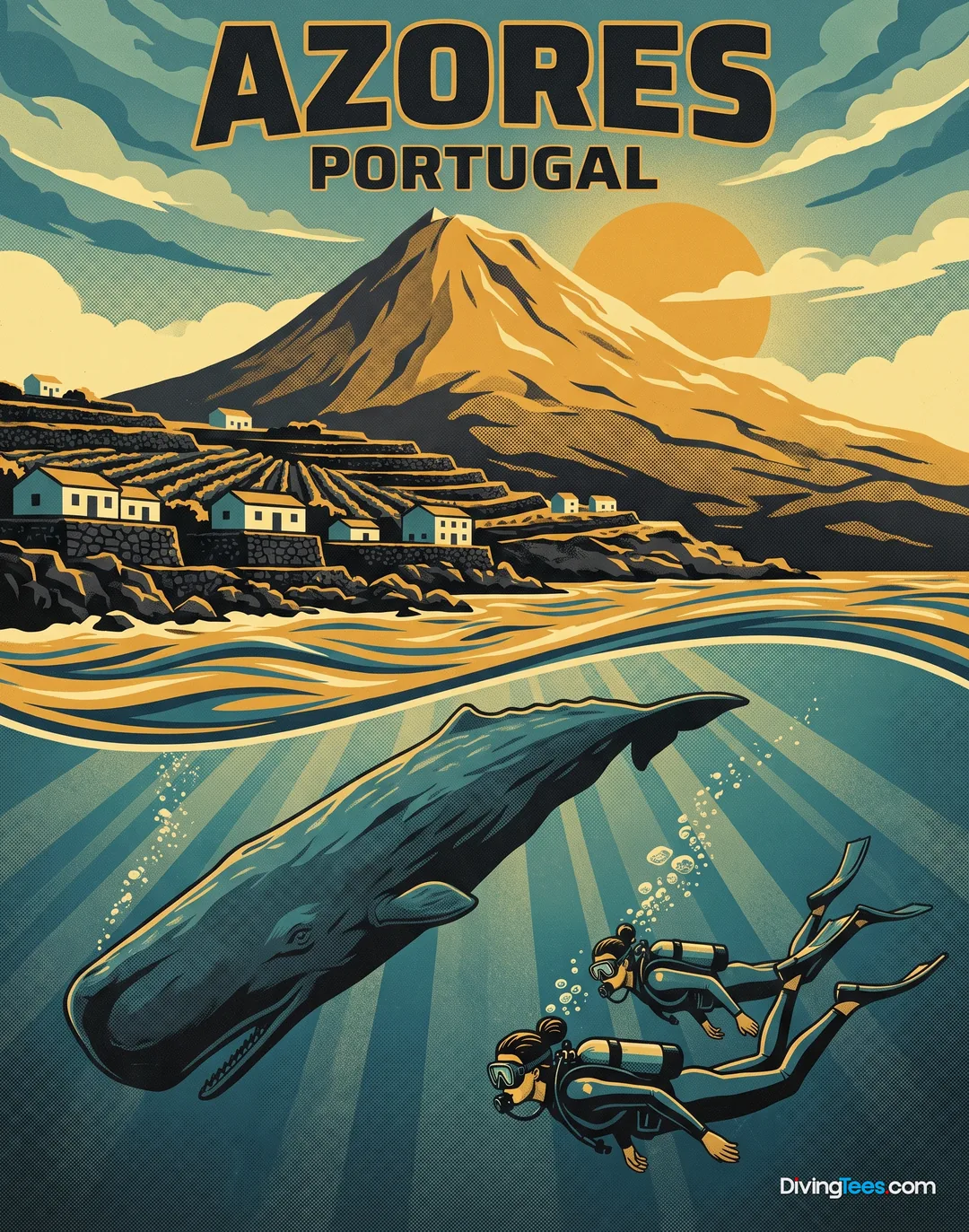
Horta puts a working marina at the centre of an Atlantic volcanic trip. From Faial, a diver can move between coastal volcanic walls, caves, drop-offs and nearby wrecks, then spend a full day heading offshore to Condor Bank or Princess Alice Bank. The appeal is the change of scale: familiar island terrain close to harbour, followed by blue-water encounters with blue sharks and mobula rays. It is a shore-based stay, not a local liveaboard.
The local diving moves from volcanic coastline to exposed seamounts. Close to Horta, expect walls, drop-offs, caves and wrecks, with visibility commonly around 10 to 20 metres. The offshore banks are a different proposition: isolated underwater relief, open water and profiles that can reach about 40 metres. Currents are variable, so descents, regrouping and buoyancy need to be handled rather than assumed. Princess Alice Bank is not a reef dive with a fixed bottom to follow. Encounters take place in the blue around a deep summit, and blue-shark outings demand comfort with limited visual reference points. Boats leave from the harbour for day trips, making the experience dependent on both the sea state and the return journey. Coastal dives are the sensible way to settle in, while the offshore banks are reserved for days when conditions and experience line up.
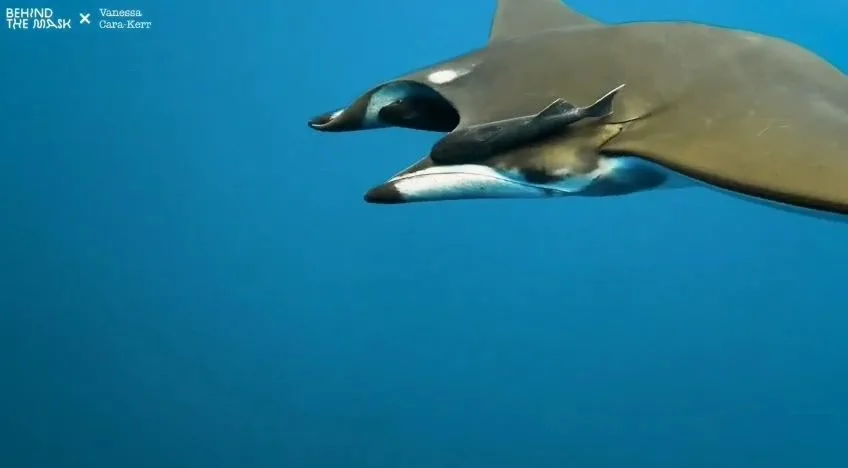
The signature encounters are blue sharks and mobula rays, most regularly from July to September. They are seen in open water around offshore banks, not circling a sheltered reef, so the dive involves holding position, keeping the group together and accepting that the animals may pass through rather than remain on a particular feature. Mako sharks are an occasional summer possibility. A whale shark is rare and should never be the reason for planning a fixed itinerary. Closer to Faial, the interest lies more in the volcanic structure, caves, walls and wrecks than in a guaranteed large-animal show. The strongest combination is therefore seasonal: island terrain for the dependable part of the stay, with several flexible days for blue sharks and mobula rays offshore.
June to October is the most workable diving period, with July, August and September the practical target for offshore trips. Summer brings the most favourable window for Condor Bank and Princess Alice Bank, as well as the regular appearance of blue sharks and mobula rays. From autumn through early spring, stronger wind, larger swell and cancelled or restricted boat trips become more likely. November to March is consequently a poor choice for a trip built around the offshore banks. July to September is also the busiest period for the recognised outings, so a little flexibility helps with both scheduling and weather.
Horta suits experienced divers more than complete beginners, particularly if the main aim is Princess Alice Bank or another exposed, deep profile. Advanced Open Water, or equivalent training through BSAC, PADI or SSI, is useful for the descents and depths involved. A wreck qualification helps on the local wrecks. Strong buoyancy control, a calm descent and reliable group discipline matter on the open-water banks, where currents vary and the seabed may be well below the action.
From London Heathrow, London Gatwick or Manchester, the usual route is by air to Faial, with a connection in Lisbon or on another Azores island. TAP Air Portugal and Azores Airlines serve the archipelago. Allow a full day for the journey rather than building a tight connection around the first boat departure. Faial is also linked by ferry with neighbouring islands, including Pico, but the ferry is not necessary if you fly into Horta. Once on the island, the centres are concentrated around Horta marina and the waterfront. Depending on where you stay, the walk may be straightforward or a taxi may be needed. Inter-island ferries and local connections remain vulnerable to wind and sea conditions, as do the longer offshore diving trips.
Treat the offshore banks as a weather-dependent part of the holiday, not as a booking that can be rescued by a short visit. Seven to ten days gives you several local diving days and a realistic margin for Condor Bank or Princess Alice Bank. Put coastal dives and wrecks early in the stay, leaving the more flexible days for the long boat runs. Before confirming an offshore trip, ask for the planned depth and profile, because the banks and walls do not all suit the same experience level. Blue-shark diving is open water, not a reef circuit: expect few fixed references and follow the agreed descent and regrouping procedure closely. Bring thermal protection suited to temperate Atlantic water rather than packing for a warm-water holiday. Keep a no-dive day before flying home, especially after deep or offshore profiles, and do not make Princess Alice Bank the sole purpose of a short break.
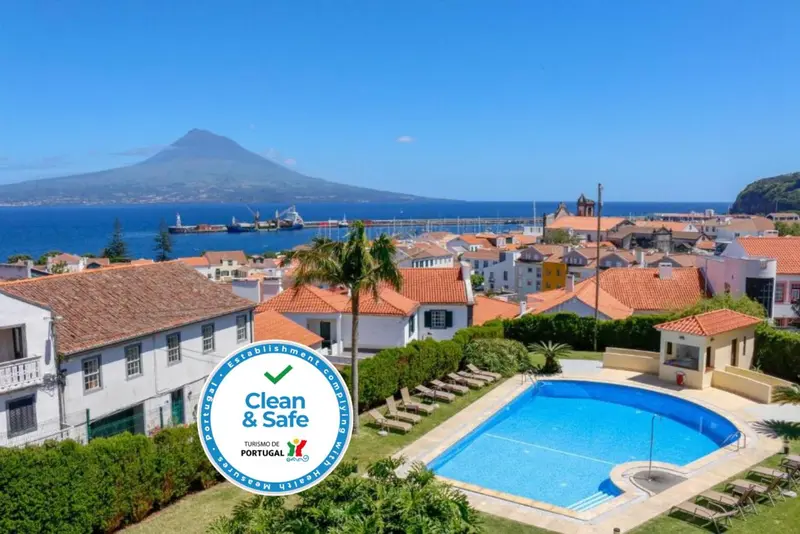
Horta works best as a land-based island stay, with daily departures from the marina rather than a local liveaboard. Stay near the harbour if walking to the boats matters, though some accommodation will make a taxi more practical. Plan several diving days locally, then use the weather window for an offshore bank. Non-divers have plenty to do on Faial, including volcanic-landscape walks, whale watching, sailing, island excursions and visits to the Caldeira and Capelinhos.
Hello, I'm Marina, DivingDeal.com's AI assistant. I guide you through destinations, areas and countries.
Thinking about the whole trip and the flights? Talk it over with Edith →
Marina is an AI. Some links are affiliate links: DivingDeal may earn a commission, at no extra cost to you. Bookings are made with the partner.