
BrizAçores
Google 4.2/5 (29 reviews)
33 km away as the crow flies
Pico · Azores · Atlantic
Max. depth · 15 mVenture into the deep blue off Pico for direct encounters with pelagic blue sharks, an open-ocean experience defined by grace and power.
For subtitles in English: start the video firstthen click the gearat the top right of the video, select “Subtitles/CC”, then “Auto-translate” and choose “English”.
Shark Diving around Pico is an immersion into the vastness of the Atlantic, a distinct experience from typical reef or coastal dives. You'll embark on a boat journey offshore, moving away from the island's volcanic coastline into waters that plunge to hundreds of metres. The destination is typically a specific seamount or bank, such as Condor Bank, Pedra de Sousa, or Banco Açores, known for attracting larger pelagic species. This is where the open ocean truly begins, with no land in sight and the deep blue stretching in every direction.
Upon reaching the designated area, the focus shifts to attracting the sharks. Chumming is employed to draw them closer to the surface, creating a controlled environment for observation. As you prepare your gear, the anticipation builds, knowing that beneath the surface, you're about to enter the domain of apex predators. This setup allows for a unique interaction, where the sharks approach the divers, rather than divers seeking them out in a vast environment.
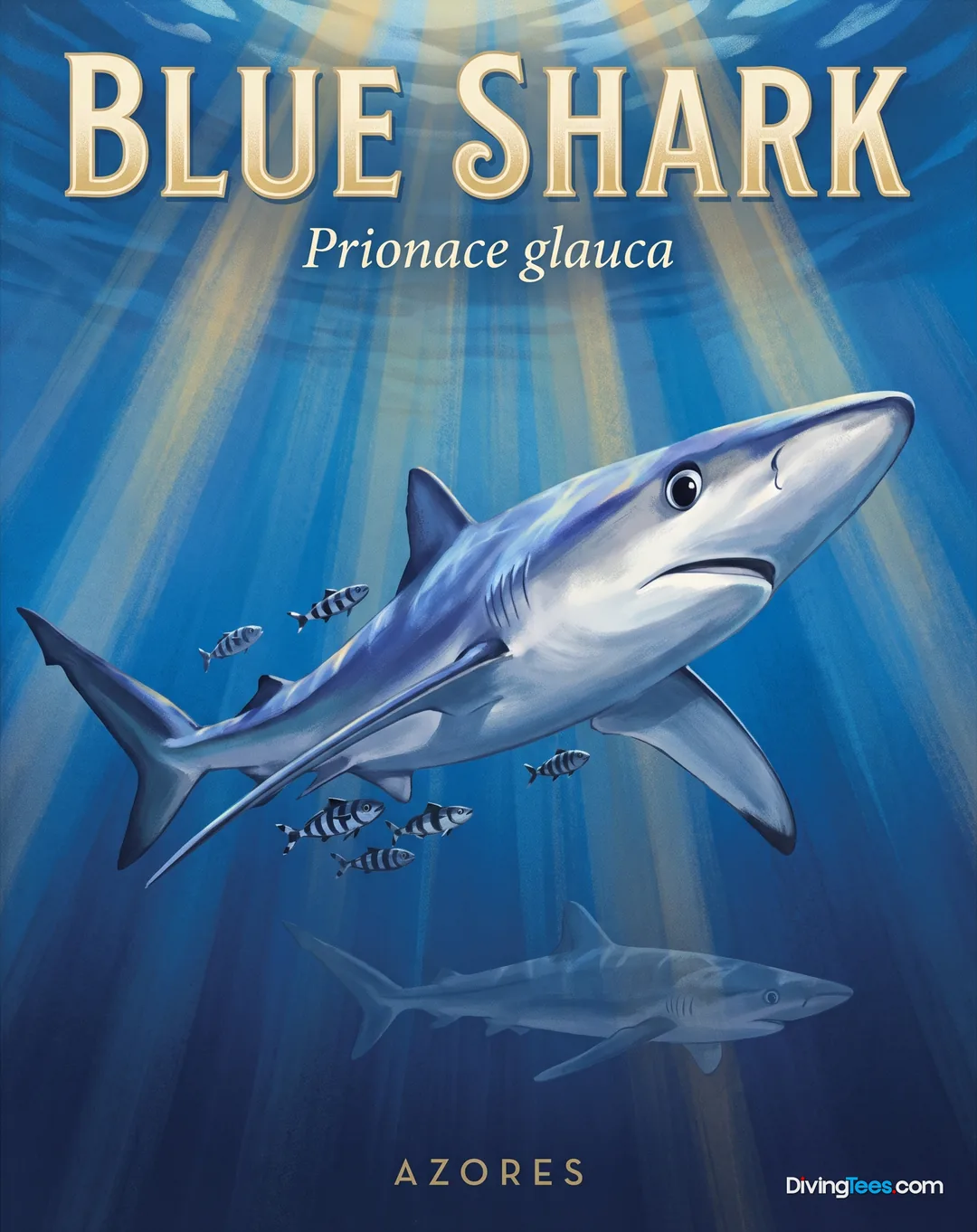
Once in the water, the experience centres on the blue shark (Prionace glauca). These elegant predators, identifiable by their slender bodies and distinctive indigo colouration, move through the water with an effortless precision. You'll observe their natural curiosity as they often make multiple passes, sometimes coming surprisingly close. This allows for clear views of their sleek form and piercing eyes, offering a direct connection with these animals in their element.
The dive profile is intentionally shallow, typically between 5 and 15 metres, focusing on the upper water column where the sharks are most active near the chum. This allows for extended bottom time and prolonged observation periods, giving you ample opportunity to appreciate their unique behaviour. There is no reef structure or seabed to navigate; the entire dive is a blue-water experience, suspended in mid-water, often on lines extending from the boat.
The environment itself is a deep blue expanse, with sunlight filtering down from above, creating a dramatic backdrop. The absence of any fixed reference point, apart from the boat and the lines, defines the psychological aspect of this dive. It's an encounter that highlights the sheer scale of the ocean and the vital role these creatures play in its ecosystem, offering a perspective not easily gained from other dive types.
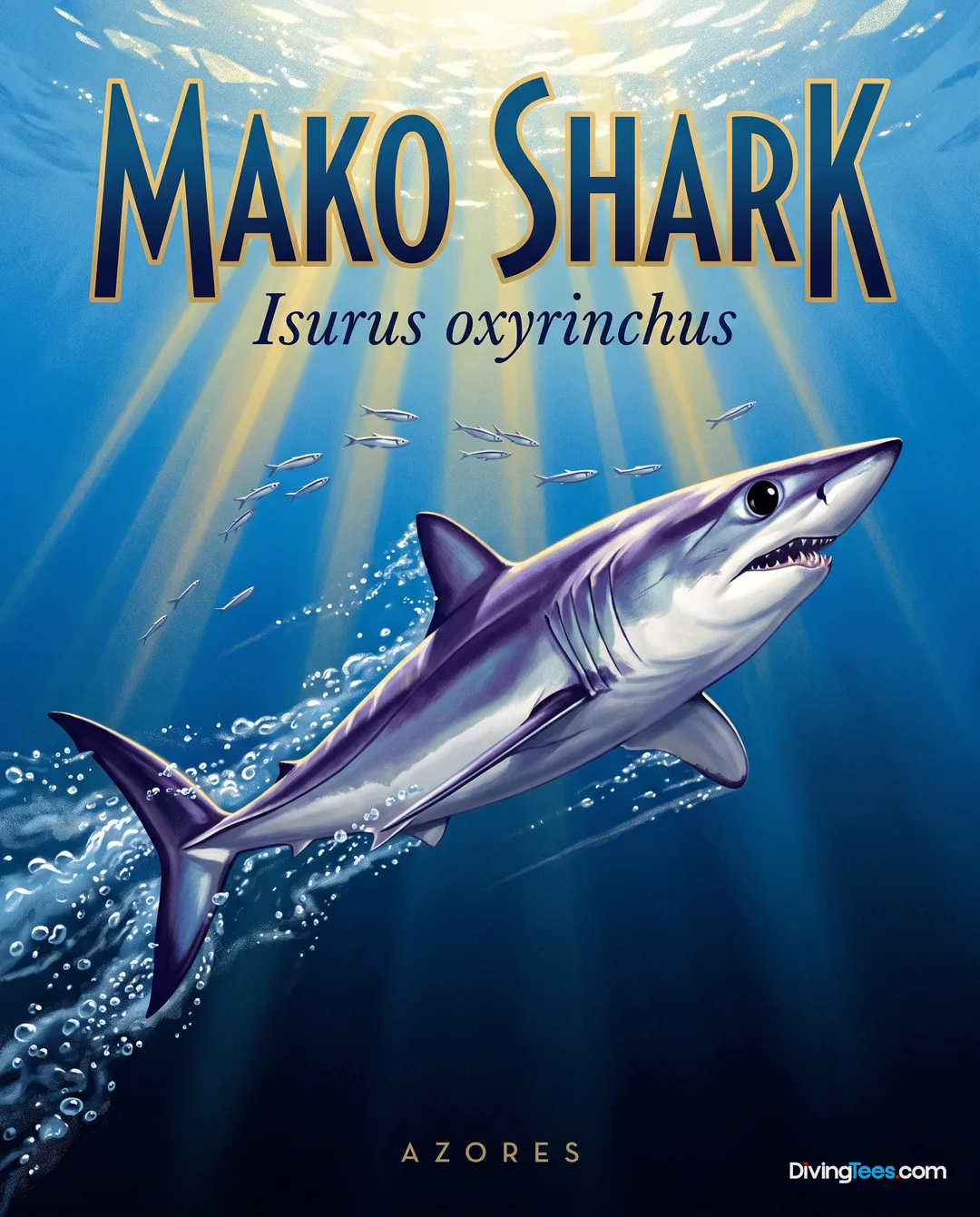
While other dive sites in the Azores offer diverse marine life, Shark Diving off Pico stands out for its singular focus and consistent opportunity for pelagic shark encounters. These locations are specifically chosen for their proven track record with blue sharks, and occasionally shortfin mako sharks. The direct interaction with these large predators in the open Atlantic defines the character of this dive, offering a profound connection with the wild ocean.
The season for these encounters typically runs from June or July through to October, with the peak period for shark activity often reported from early July to mid-October. During these warmer summer months, conditions are generally more favourable for offshore expeditions and shark presence. Each encounter is unique, influenced by the individual animals and the prevailing ocean conditions, ensuring no two dives are exactly alike.
This is an open-ocean, blue-water dive with depths typically ranging from 5 to 15 metres, though action often occurs above 10 metres. Due to the offshore nature and lack of visual references, an Advanced Open Water certification or equivalent is required. Operators commonly recommend having at least 50 logged dives and comfort in potentially strong seas and open-ocean conditions. While expeditions are planned for relatively flat seas and minimal current, offshore Atlantic weather can change rapidly, and oceanic currents can influence surface conditions. Visibility is generally excellent, ranging from 20 to over 40 metres. The best season for shark encounters is from June/July to October.
Plan Shark Diving around Pico from June or July through October, when blue shark encounters are typically available. Shark activity is often reported from early July to mid-October. Offshore expeditions are planned for relatively flat seas, but Atlantic weather can change rapidly, so surface conditions may vary during this season.
Shark Diving around Pico requires an Advanced Open Water certification or equivalent because this is an offshore, blue-water dive without visual references. Operators commonly recommend at least fifty logged dives and comfort in potentially strong seas and open-ocean conditions. You should feel confident managing yourself away from land and the seabed.
Shark Diving around Pico is typically conducted between five and fifteen metres, with much of the action above ten metres. You remain suspended in mid-water, often using lines from the boat, without a reef or seabed to navigate. Expeditions target minimal current, although oceanic currents can influence surface conditions.
During Shark Diving around Pico, you focus on direct encounters with blue sharks in clear, deep blue water. They may make repeated passes and approach closely, creating opportunities for observation and photography. Depending on the location and conditions, you may also encounter shortfin mako sharks around offshore banks such as Condor Bank.