
Abyss Fuerteventura
Google 4.8/5 (153 reviews)
Canary Islands · Atlantic
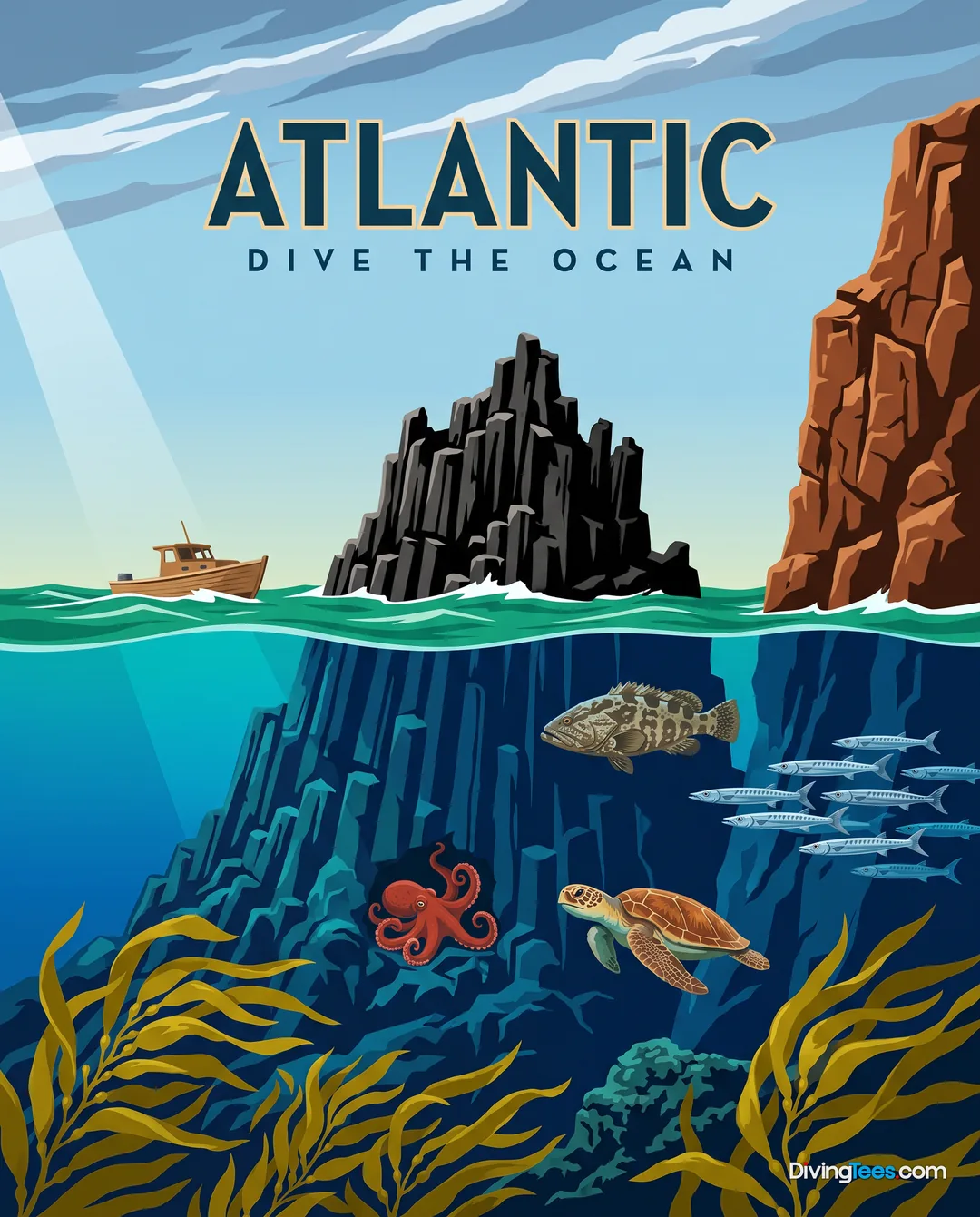
Volcanic arches, dark walls and El Río’s shifting current lead from Corralejo to Lobos, with moray eels, groupers and occasional angel sharks in view.
For subtitles in English: start the video firstthen click the gearat the top right of the video, select “Subtitles/CC”, then “Auto-translate” and choose “English”.
At El Río, volcanic ridges, arches and passages give Corralejo its particular underwater shape, linking shore dives near town with boat trips into the strait towards Lobos. The terrain moves from beginner-friendly shallow ground at El Jablito and Archies Bay to deeper, more exposed relief near the Lobos lighthouse. Expect a land-based holiday, with local centres arranging both entries from the coast and departures by boat. Corralejo also works for a non-diving companion, thanks to dunes, beaches, walking and water activities.
The diving alternates between shore entries around Corralejo and boat dives towards Lobos and the El Río reliefs. Expect black volcanic rock shaped into arches, caves, passages, walls and raised underwater ground, rather than coral gardens or wrecks. El Jablito and Archies Bay provide relatively straightforward shallow terrain, while the lighthouse area around Lobos brings greater depth and exposure, including a site described at 32 metres. Current is variable. It may be manageable on the easier sites but can become strong in the strait, and Bajón del Río can be cancelled when conditions are excessive. Visibility is commonly around 20 metres and can exceed 30 metres, although wind and swell may stir the shallows. The result is a dive plan that depends on the day, with a mixture of sheltered coastal dives and more committing boat outings.
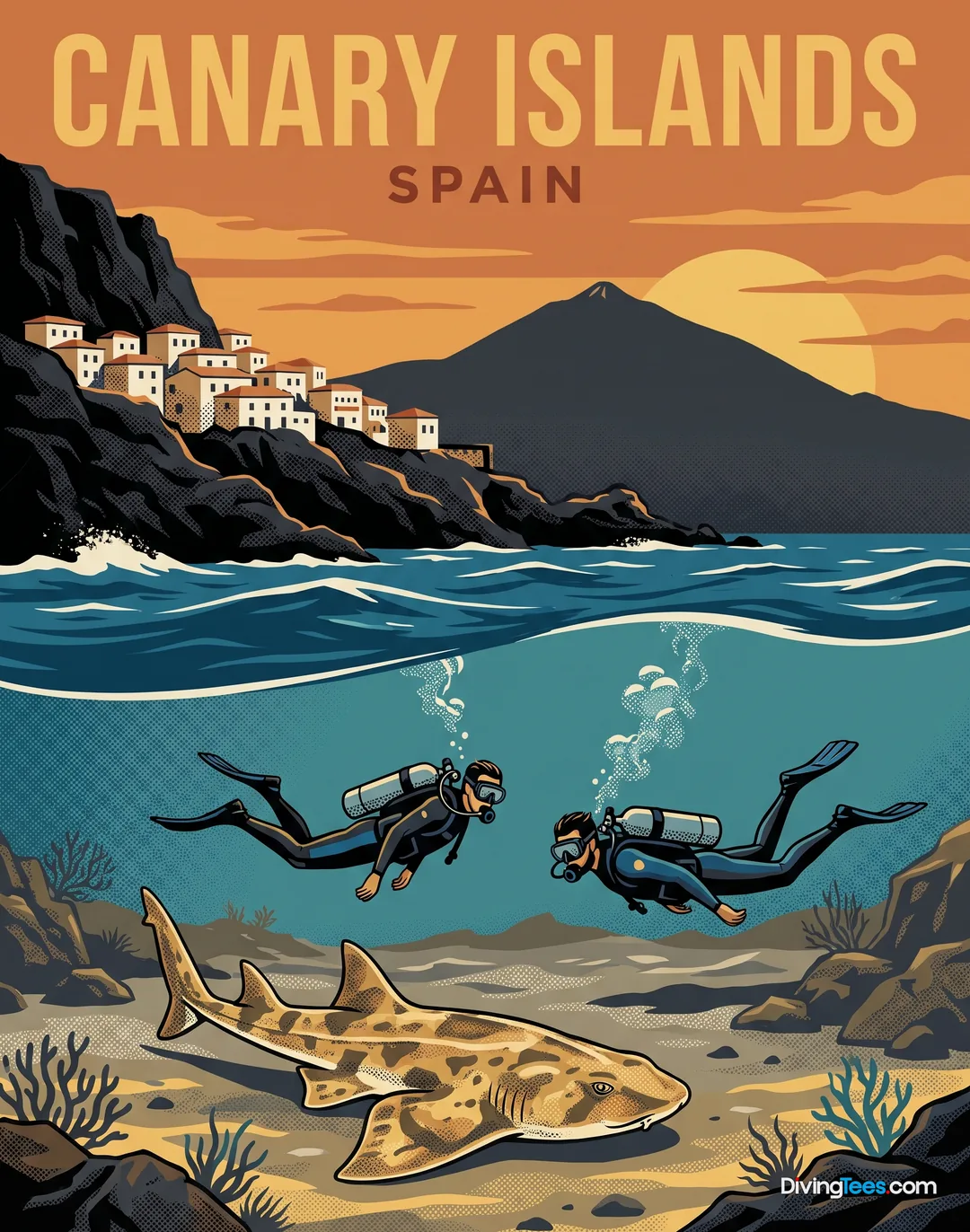
Groupers, moray eels, seabream and shoals of fish are the dependable encounters around Corralejo’s volcanic ground. Barracudas and rays are occasional additions, while angel sharks may turn up without being something to schedule a holiday around. Turtles are rare. The rock formations give morays cracks and passages to inspect, and the open volcanic relief brings the chance of seeing larger fish moving across the site. There is no fixed wildlife calendar to build the trip around, so the attraction is the combination of regular reef fish with occasional surprises. Keep expectations sensible: a good dive here is as much about the dark arches, walls and changing visibility as a single headline animal.
Corralejo can be dived throughout the year, but late spring, summer and early autumn are generally the most useful period for combining coastal dives with outings towards Lobos. May to October is the practical window, with autumn also offering a regular run of workable conditions. The trade winds can make exposed sites rougher and may reduce visibility when swell stirs shallow ground. Summer holidays bring more divers and busier boats, so travelling outside European school breaks may feel less pressured. Leave room in the plan for a wind or current day rather than treating every date as interchangeable.
Corralejo suits all levels, provided the site matches the diver. El Jablito and Archies Bay are sensible starting points for beginners and for a first day after arrival. The lighthouse area around Lobos is a different proposition, with depth and exposure, and the 32-metre site calls for Advanced Open Water experience. The same judgement applies to sites in the strait when current is running. PADI, SSI and BSAC divers should bring an honest view of their recent depth and current experience.
From London Heathrow or Gatwick, and from Manchester, fly to Fuerteventura and continue by road to Corralejo. The onward journey depends on the transfer chosen, so allow practical margin between the flight and any pre-arranged diving. Once in Corralejo, the port and several diving operations can be reached on foot from nearby accommodation, while a taxi or centre transfer may be needed from farther out. Lobos is reached by boat from Corralejo harbour, normally as part of an organised dive outing. You do not need to take a ferry to stay in Corralejo. European flight links and schedules change with the season, so keep the road transfer and boat departure in mind when arranging connections.
Put the Lobos boat days early in the holiday and keep replacement days free. Wind and current can disrupt exposed outings, with Bajón del Río particularly liable to cancellation when the flow is too strong. Before booking, ask whether the plan is for a Corralejo coastal site, an El Río relief, or the Lobos lighthouse area, because the depth and current demands are not interchangeable. Make El Jablito or Archies Bay your first dive if you are unfamiliar with the local conditions, rather than using the lighthouse site as a warm-up. Pack thermal protection suitable for Atlantic water if you feel the cold. When exposed sites are unsuitable, ask about sheltered Corralejo alternatives. Around Lobos, follow the designated areas, touch nothing and remove nothing from the water.
Stay in Corralejo rather than farther south if Lobos is the main reason for the trip. The town makes shore diving and harbour departures workable, with walking, taxis or an arranged transfer depending on where you sleep. A week gives enough time to mix local entries with several Lobos outings and still retain spare days for wind and current. Non-divers have dunes and beaches near Corralejo, plus walking and boat-based activities around Lobos.
Hello, I'm Marina, DivingDeal.com's AI assistant. I guide you through destinations, areas and countries.
Thinking about the whole trip and the flights? Talk it over with Edith →
Marina is an AI. Some links are affiliate links: DivingDeal may earn a commission, at no extra cost to you. Bookings are made with the partner.
You can dive Corralejo throughout the year, but late spring, summer and early autumn are generally more useful for combining coastal dives with trips towards Lobos. May to October is the practical window. Leave flexibility for wind, swell and current, and consider travelling outside European school breaks for less pressure.
Corralejo suits different experience levels when you choose an appropriate site. Beginners can start at El Jablito or Archies Bay, where the terrain is relatively shallow and straightforward. The Lobos lighthouse area brings greater depth and exposure, while the deeper site there requires Advanced Open Water experience and sound current judgement.
In Corralejo, expect dark volcanic rock shaped into arches, caves, passages, walls and underwater pinnacles rather than coral gardens or wrecks. Groupers, moray eels, seabream and shoals of fish are dependable encounters. Rays, barracudas and occasional angel sharks may appear, while turtles are rare. Visibility is commonly good.
Stay in Corralejo if Lobos is central to your plans, so shore sites and harbour departures remain practical. Arrange organised boat outings, put Lobos days early in the holiday and keep replacement days available for wind or current. Start at El Jablito or Archies Bay, and ask about sheltered alternatives.