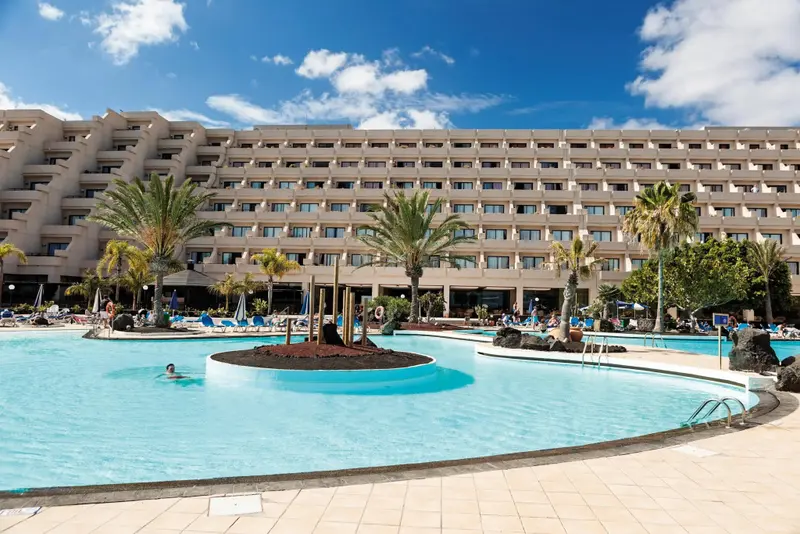
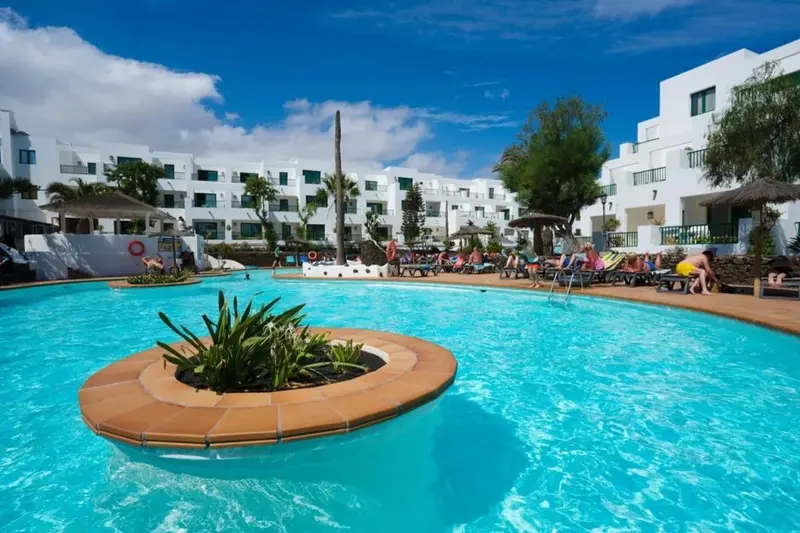
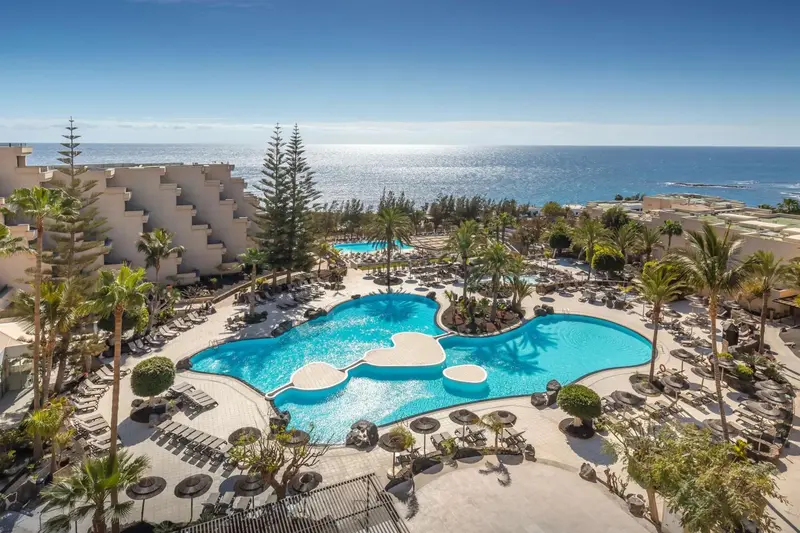
 Dive centre in the hotel
Barceló Lanzarote Active Resort
★★★★
Google 4.2/5 (6,394 reviews)
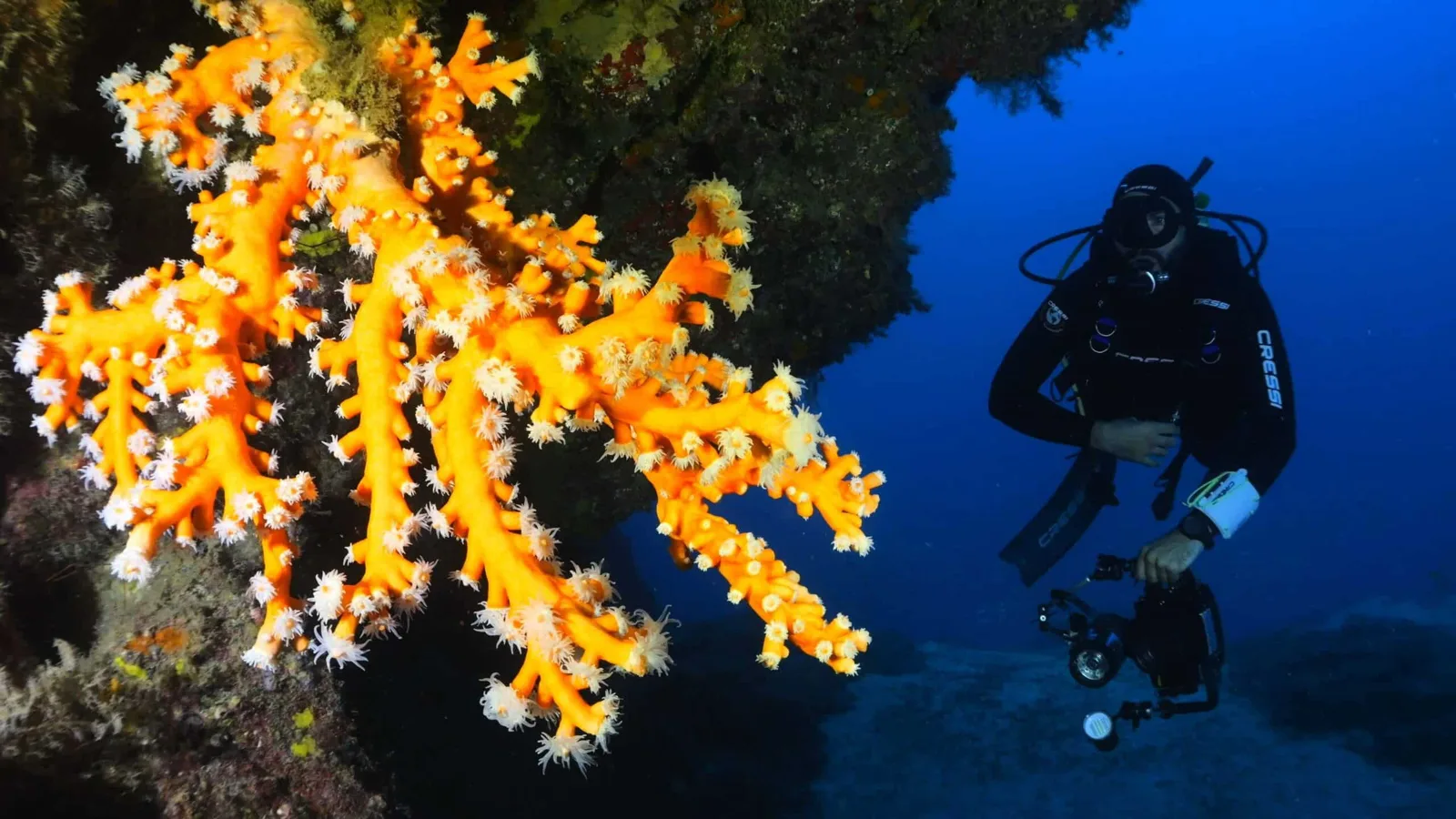
The dive centre
Scuba School Lanzarote
SSI
Google 5/5 (245 reviews)
Dives: Museu Atlàntic
Canary Islands · Atlantic
Shallow volcanic rock, protected Playa del Jablillo, octopus in crevices and 15–25-metre visibility make Costa Teguise a practical Lanzarote base.
For subtitles in English: start the video firstthen click the gearat the top right of the video, select “Subtitles/CC”, then “Auto-translate” and choose “English”.
The shallow volcanic bay at Playa del Jablillo gives Costa Teguise its most useful starting point. The breakwater reduces the swell, the water stays shallow inside the bay, and the site works for a first immersion, a refresher or a child’s introduction to diving. Beyond the sheltered entrance, the destination becomes a base for deeper volcanic relief, night dives and road trips across Lanzarote. It suits divers who want shore diving and training without giving up beaches, excursions and straightforward family logistics.
Costa Teguise mixes protected shore diving with outings to more exposed volcanic ground. Playa del Jablillo is the obvious first look: a shallow bay inside the breakwater, with deeper relief waiting outside rather than within the training area. Elsewhere, expect rocky ledges, cavities, sand patches and broken volcanic ground rather than a single uniform reef. Currents are variable, so conditions can change noticeably once a dive leaves the shelter of the bay. Visibility is commonly around 15–25 metres, although swell, plankton and local conditions can reduce it. Dives may start from the shore, while centres also use vehicles or boats for other sectors. Night dives are part of the local mix. Treat Jablillo as a protected introduction, not as a complete picture of Lanzarote’s underwater terrain.
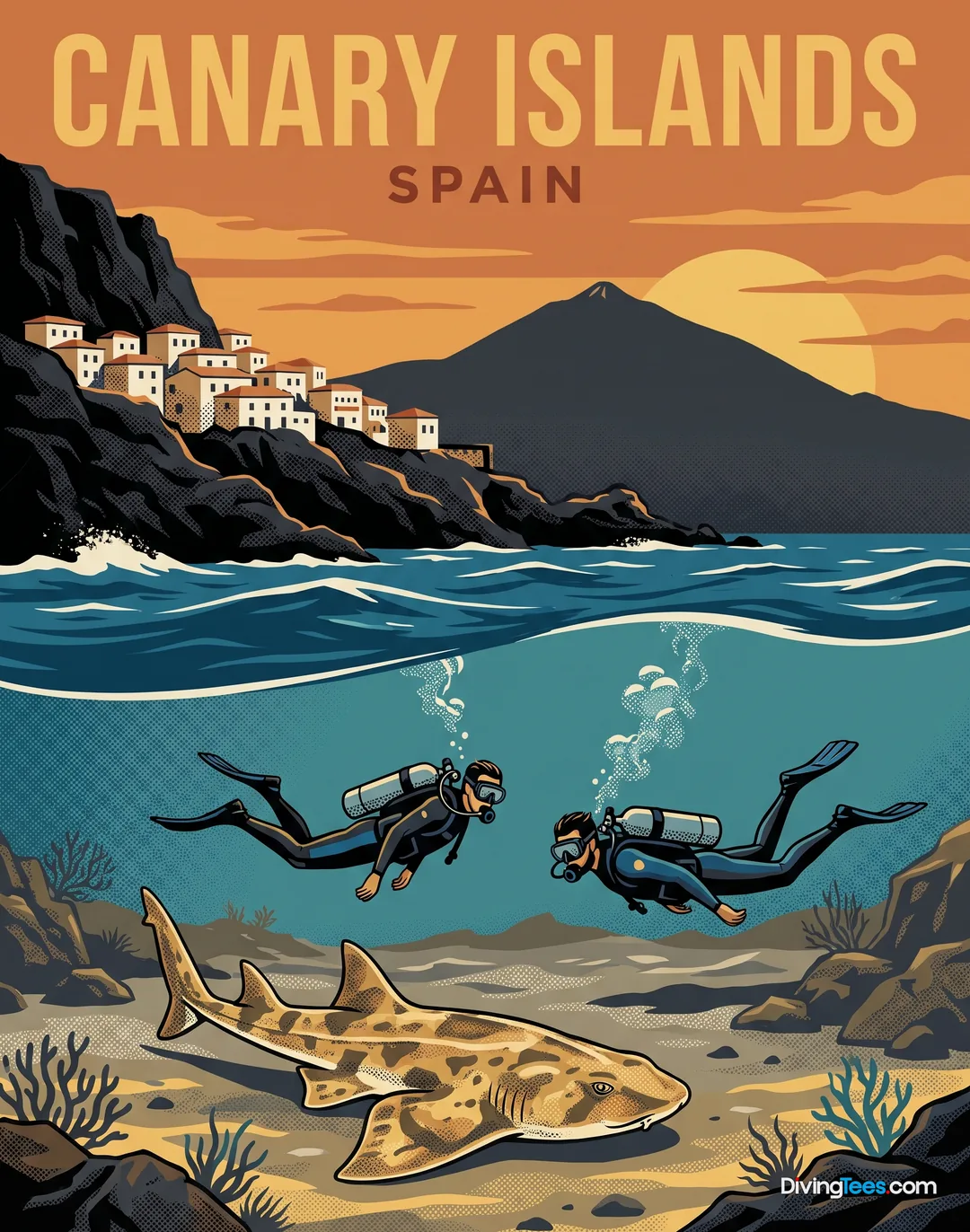
Look into the cracks and over the sand rather than swimming only along the larger rock faces. Octopuses, cuttlefish and moray eels are regular finds, with crabs and schools of seabream and salema adding movement around the volcanic bottom. Barracudas are also regularly reported, while rays and angel sharks are possible but occasional encounters rather than dependable appointments. Algal-covered rock and sheltered patches reward a slower search, especially when carrying a camera. These animals are not tied to a reliable month-by-month calendar, so the sensible approach is to choose the habitat and conditions rather than plan a trip around one promised sighting. The warmer, often calmer part of the year may make longer searches comfortable, while quieter winter diving can bring its own rewards.
Diving is possible throughout the year. Summer and early autumn usually bring warmer water and often calmer conditions, making them comfortable choices for shore entries, training and family trips. Winter brings cooler water, fewer visitors and, at times, better visibility, which can suit experienced divers who prefer quieter bays and less traffic around teaching areas. Water is roughly 18–24°C, so a wetsuit remains the practical choice, with thickness adjusted to the season, dive length and personal tolerance. Visibility can reach 15–25 metres, but swell and plankton remain more important than any fixed monthly rule. Holiday periods are the busiest time for Playa del Jablillo, particularly during normal training hours.
Costa Teguise works for newly qualified divers, refresher dives and experienced visitors who want to explore beyond the sheltered bay. A BSAC, PADI or SSI qualification is sufficient for the appropriate guided diving, while beginners can start in Playa del Jablillo’s shallow water. More experience helps when conditions become less sheltered, currents vary or a plan includes deeper relief and cavities elsewhere on Lanzarote. It is not a destination that demands technical certification, but it does reward honest judgement about wind, swell and comfort in open water.
From London Heathrow, London Gatwick or Manchester, travel is by air to Lanzarote, followed by the road transfer to Costa Teguise. Direct flight availability changes with the season and departure airport, so a programme built around tightly spaced dives needs room for connections. With a connection, allow a full day or more rather than assuming a simple half-day journey. The island can also be reached by ferry from mainland Spain or another Canary Island, although that is not necessary once you have arrived in Lanzarote. In Costa Teguise, use a hire car, taxi or bus for independent travel. Some accommodation is walkable from a centre, while other arrangements rely on collection or a meeting point.
Start at Playa del Jablillo if you are returning to the water, booking a first dive or travelling with a child, but do not mistake its shallow shelter for the character of the whole coast. Ask before hiring equipment whether the plan is a beach entry or a different sector, because carrying kit and meeting arrangements change considerably. If you want drop-offs, cavities or more varied volcanic relief, leave room for road trips rather than filling the week with bay dives. Early starts generally avoid the busiest training periods, especially during school holidays. Watch the wind and swell before any shore entry, including at a protected bay, because conditions outside the breakwater can be quite different. For photography, spend time over cracks, sand and algal-covered rock. Keep a non-diving day before flying, particularly after excursions across the island.
Costa Teguise is best organised as a land-based week rather than a liveaboard itinerary. Local shore dives can be combined with vehicle outings towards Playa Chica, Puerto del Carmen and other parts of Lanzarote, leaving space for rest days and changing conditions. Centres usually collect from accommodation or arrange a meeting point, and some hotels are close enough to walk. Non-divers have beaches, sheltered bays, snorkelling, water sports, volcanic landscapes and excursions to places associated with César Manrique.
Hello, I'm Marina, DivingDeal.com's AI assistant. I guide you through destinations, areas and countries.
Thinking about the whole trip and the flights? Talk it over with Edith →
Marina is an AI. Some links are affiliate links: DivingDeal may earn a commission, at no extra cost to you. Bookings are made with the partner.
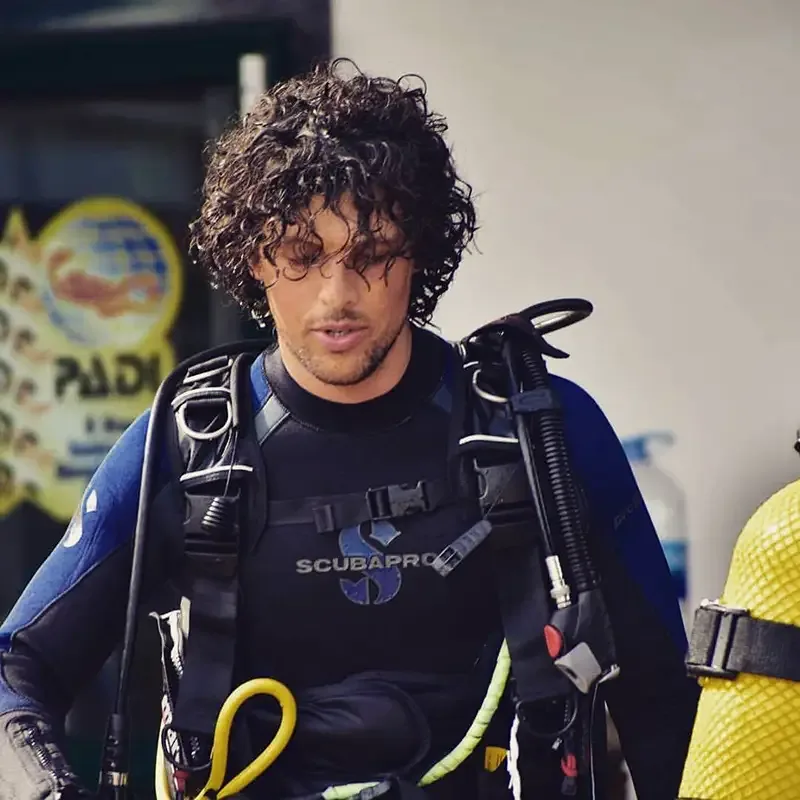
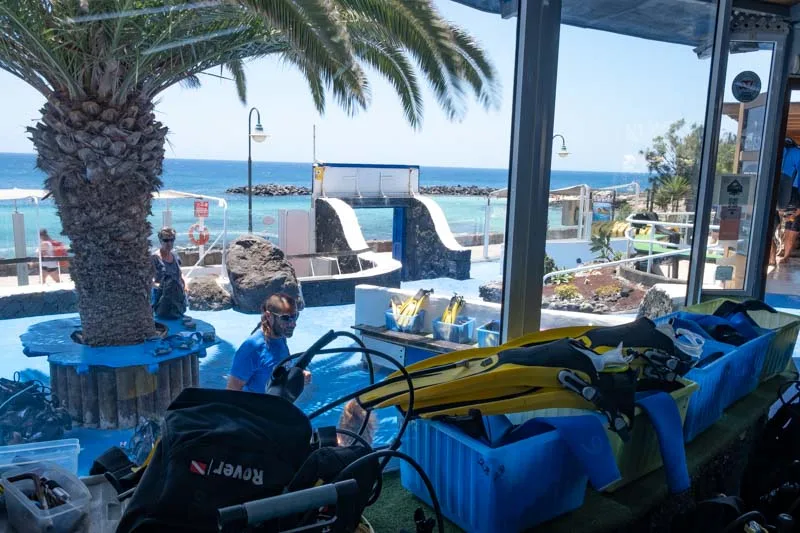
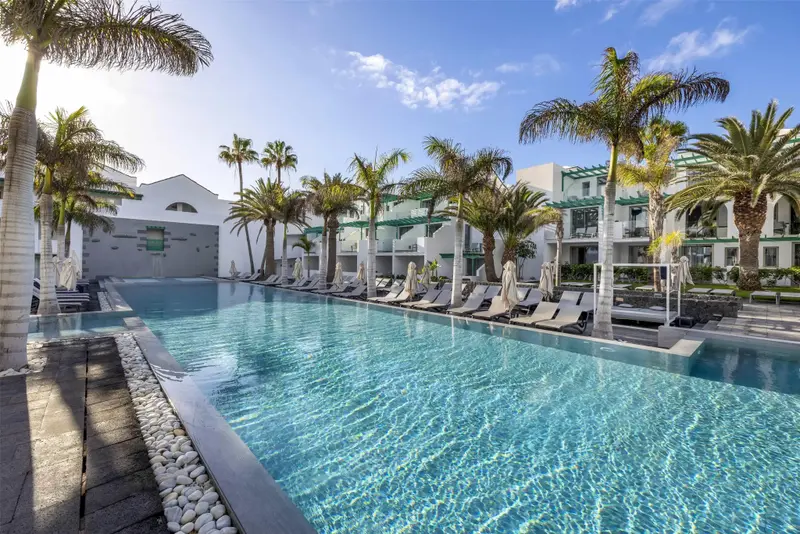
In each one, the dive centre is inside the hotel: step out of your room and go diving.
Dive centre in the hotel★★★★
Google 4.2/5 (6,394 reviews)
The dive centre
Scuba School Lanzarote
SSI
Google 5/5 (245 reviews)
Dives: Museu Atlàntic
You can dive in Costa Teguise throughout the year. Summer and early autumn usually offer warmer water and often calmer conditions for shore entries, training and family trips. Winter brings cooler water, fewer visitors and sometimes clearer visibility, which may suit experienced divers seeking quieter bays and less activity around teaching areas.
Costa Teguise suits beginners, newly qualified divers, refresher sessions and experienced visitors. Playa del Jablillo provides shallow, sheltered water for first immersions and children’s introductions. More experience helps when you leave the breakwater, encounter variable currents or explore deeper volcanic relief and cavities. Technical certification is not required.
Expect volcanic ledges, cracks, cavities, sand patches and algal-covered rock rather than one uniform reef. Look slowly for octopuses, cuttlefish, moray eels and crabs, with seabream, salema and barracudas around the rocky bottom. Rays and angel sharks are possible occasional encounters, but sightings are not dependable appointments.
Organise Costa Teguise as a land-based stay, combining local shore dives with vehicle outings towards Playa Chica, Puerto del Carmen and other Lanzarote sites. Leave room for rest days and changing conditions. Confirm whether each dive uses a beach entry, collection or meeting point, and consider a hire car, taxi or bus.