CMAS
Club de Buceo Naosub
Google 5/5 (7 reviews)
Canary Islands · Atlantic
Lava walls, arches, tunnels and abrupt ravines shape dives along La Palma’s west and south-west coasts, with mountain trails waiting above the water.
El Paso is an inland base for reaching La Palma’s west and south-west diving, not a seaside dive resort. Its value lies in combining volcanic underwater scenery with the island’s mountain interior. From coastal launch points, dives lead across lava walls, arches, tunnels, ravines and abrupt underwater reliefs. Puerto Naos, La Bombilla, El Remo and the Fuencaliente area each bring a different angle on that terrain. Above water, the Caldera de Taburiente and volcanic viewpoints give non-diving days a genuine purpose.
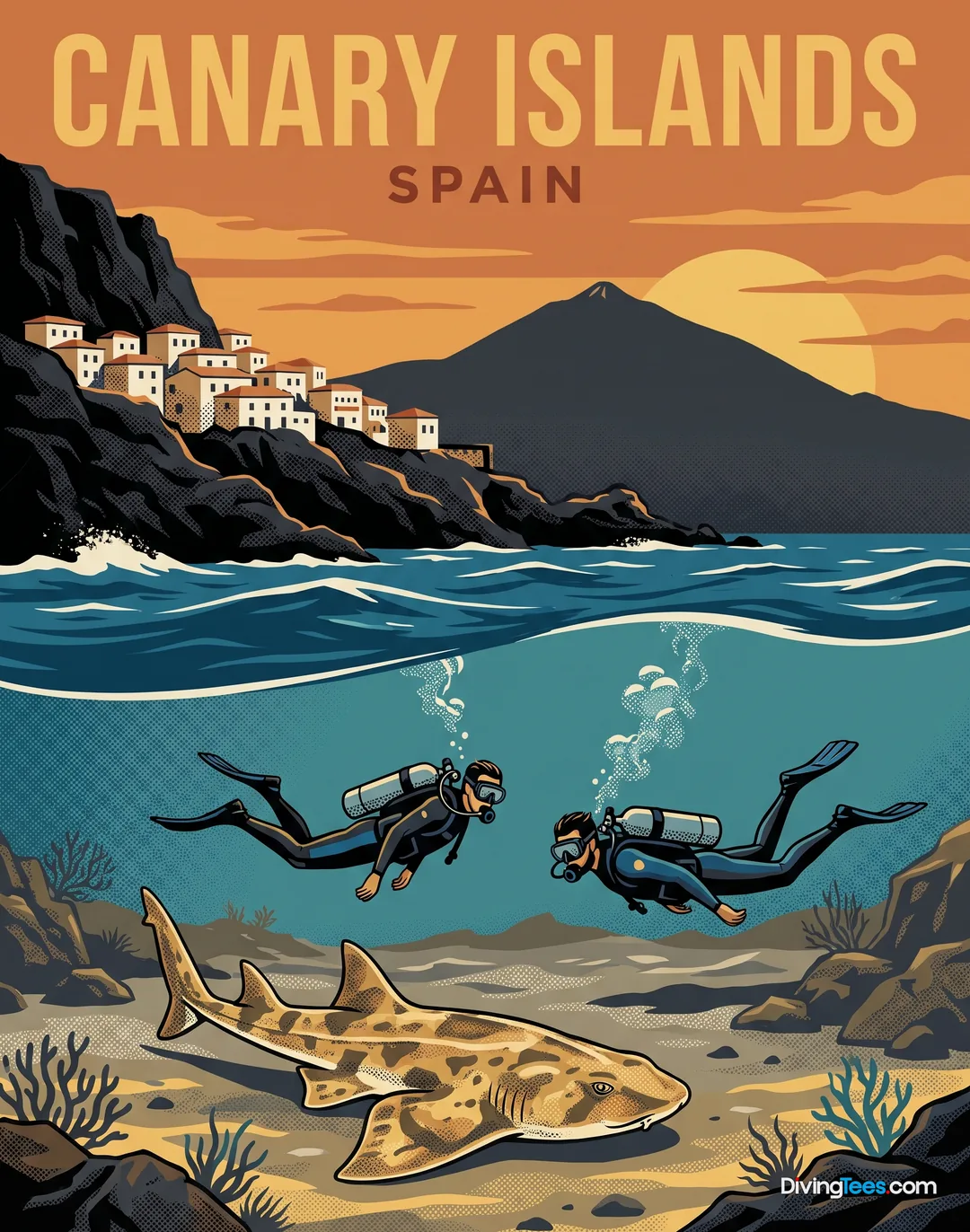
The diving is built around volcanic structure rather than coral reef: dark lava walls drop into ravines, arches and tunnels, while newer lava deltas on the west coast are still developing as marine habitat. Shore diving is possible at several coastal sites, and boats add flexibility when the sea makes a particular entry unattractive. Conditions vary with exposure, swell and current, so a planned site can become a different coastal sector on the day. Much of the appeal is visual and geological, with the route taking you through broken lava relief rather than across a flat seabed. Malpique and Torre de Malpique bring greater depth and exposure, while the Croix de Malpique can be more approachable when conditions and supervision allow. Expect adaptable diving, not a fixed house-reef routine.
Life here is closely tied to the shape and age of the lava. Fish and other marine life use the cracks, ravines, arches and tunnels, while the protected south-west coast gives these habitats added value. Around Puerto Naos, La Bombilla and El Remo, the changing lava relief keeps the dive visually busy even when the main subject is the rock itself. The newer underwater lava deltas on the west coast offer a different setting, with habitat still developing around fresh volcanic ground. Encounters are therefore best understood as a product of shelter, depth, exposure and protection rather than a guaranteed seasonal show. The marine reserve near Fuencaliente protects a broad area of lava seabed, caves and underwater reliefs, but diving there requires prior permission in the relevant sectors.
La Palma can be dived throughout the year, but the useful season is governed by the coast on the day rather than by a simple calendar. Swell and local exposure decide whether a shore entry or boat site is sensible, and conditions can differ sharply between the west and south-west. That makes flexible planning more valuable than chasing a supposedly perfect month. The quieter feel of the island is also less tied to a conventional beach-destination high season than to sea conditions and centre departures. Allow a spare day or two in a week-long stay, so the most exposed sites can be moved without sacrificing the trip’s main volcanic dives.
El Paso suits divers from first-timers upwards, provided the site matches the conditions and the diver’s experience. Several shore dives and shallower volcanic areas can work for newer divers with suitable supervision. Current, exposure, depth and awkward entries change the picture quickly. Advanced certification, or equivalent experience, is useful for Torre de Malpique and deeper Malpique sectors. BSAC, PADI and SSI qualifications can all fit the local framework, but certification alone does not replace comfort in changing conditions, overhead volcanic passages or a controlled ascent.
From London Heathrow, London Gatwick or Manchester, allow a full day for the journey, usually with a connection through Tenerife, Gran Canaria or a major Spanish airport. La Palma is reached by air, while the island also has sea links from Tenerife and other islands, though an onward ferry is unnecessary for an air journey. From La Palma’s airport or the port of Santa Cruz de La Palma, El Paso is reached by road, generally in under an hour depending on the route and accommodation. Once there, a hire car is the practical solution for a diving itinerary. Otherwise, arrange transfers to coastal bases, since the centres and launch points are around Puerto Naos, Tazacorte, Los Llanos and Fuencaliente, not in El Paso itself.
Treat El Paso as a mountain base, not as accommodation beside a house reef. Plan the coast before booking dives, and keep Puerto Naos, La Bombilla and El Remo as one outing area, with Fuencaliente and the southern sites on another day. Let the day’s sea state decide the exact entry, and have a fallback for Malpique or Las Cruces. Do not assume that an easy Croix de Malpique dive makes Torre de Malpique a routine extension, because the deeper sectors need experience and may be exposed. If diving in the south-west marine reserve, arrange the required permission beforehand and confirm the permitted sector. Take a hire car if several coasts are on the plan, and bring personal thermal accessories if you need an unusual size. Most importantly, leave a proper interval before driving back uphill to El Paso after deep or repetitive dives.
A sensible week uses El Paso as a base for a mixture of coastal diving and inland days. Group dives by coastline to reduce repeated mountain-road journeys, then use non-diving days for the Caldera de Taburiente, volcanic viewpoints, lava villages and the marine-reserve interpretation centre near Fuencaliente. The island’s interior also suits an evening astronomical excursion. Because every dive begins at sea level while the accommodation is inland, finish the diving programme with the return journey in mind rather than treating the drive back as an afterthought.
Hello, I'm Marina, DivingDeal.com's AI assistant. I guide you through destinations, areas and countries.
Thinking about the whole trip and the flights? Talk it over with Edith →
Marina is an AI. Some links are affiliate links: DivingDeal may earn a commission, at no extra cost to you. Bookings are made with the partner.
You can dive El Paso throughout the year, but choose dates around local sea conditions rather than a calendar season. Swell and exposure may change whether a shore entry or boat site is suitable, and conditions can differ between coasts. Keep spare days so exposed sites can move without losing your main volcanic dives.
El Paso suits you from first dives onward when you choose a site matching your experience and conditions. Shallower volcanic areas and some shore dives may suit newer divers with supervision. Exposure, current, depth and entries can raise difficulty. Deeper Malpique sectors and Torre de Malpique call for advanced certification or equivalent experience.
Expect dark volcanic scenery rather than coral reef, including lava walls, arches, tunnels, ravines and abrupt underwater relief. Around Puerto Naos, La Bombilla and El Remo, changing formations keep the route varied. Fish and marine life use the cracks, shelters and volcanic habitat, adding life to the geological setting.
Use El Paso as an inland mountain base, not a house-reef resort. Group Puerto Naos, La Bombilla and El Remo together, and plan Fuencaliente and southern sites separately. A hire car helps; otherwise arrange transfers. Keep fallback sites, obtain marine-reserve permission, and leave a proper interval before driving uphill after deep or repetitive dives.