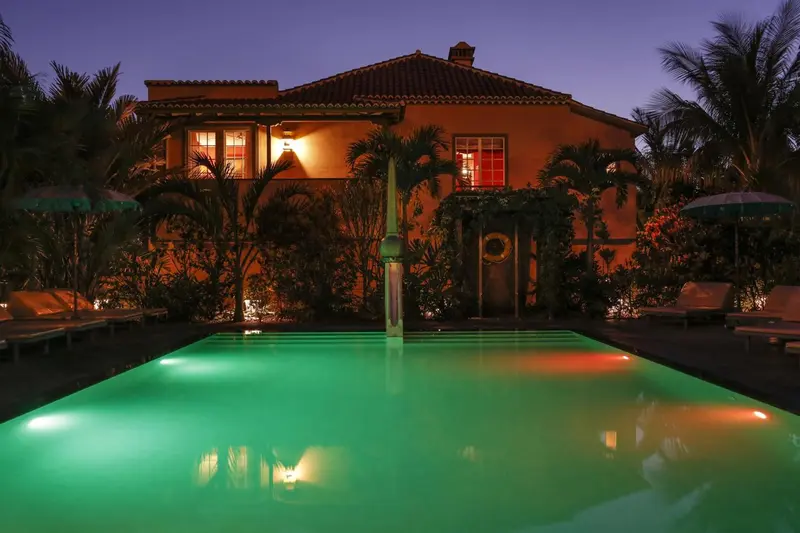
Hotel Hacienda de Abajo-Adults Only-Lujo
★★★★
Google 4.7/5 (701 reviews)
Canary Islands · Atlantic
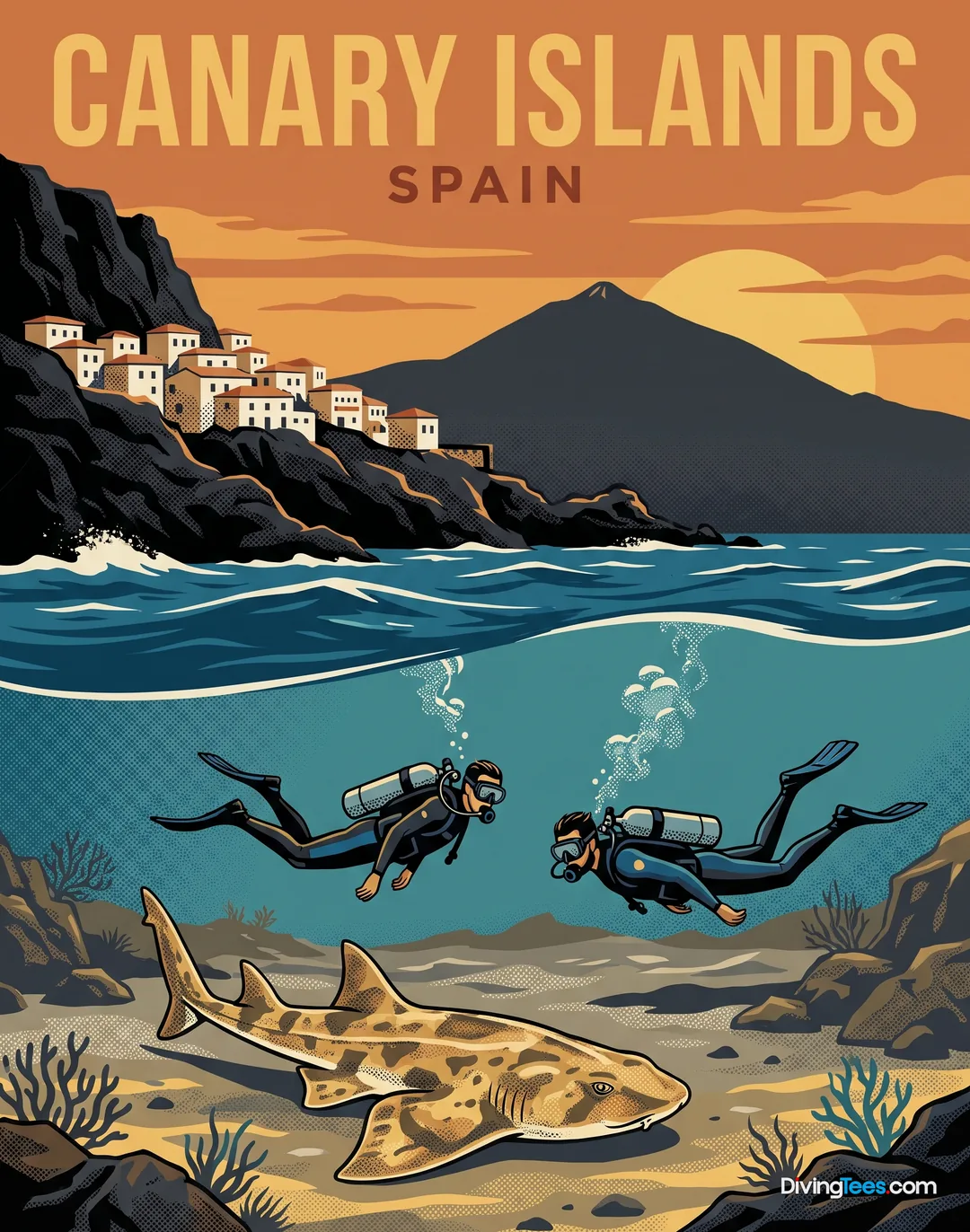
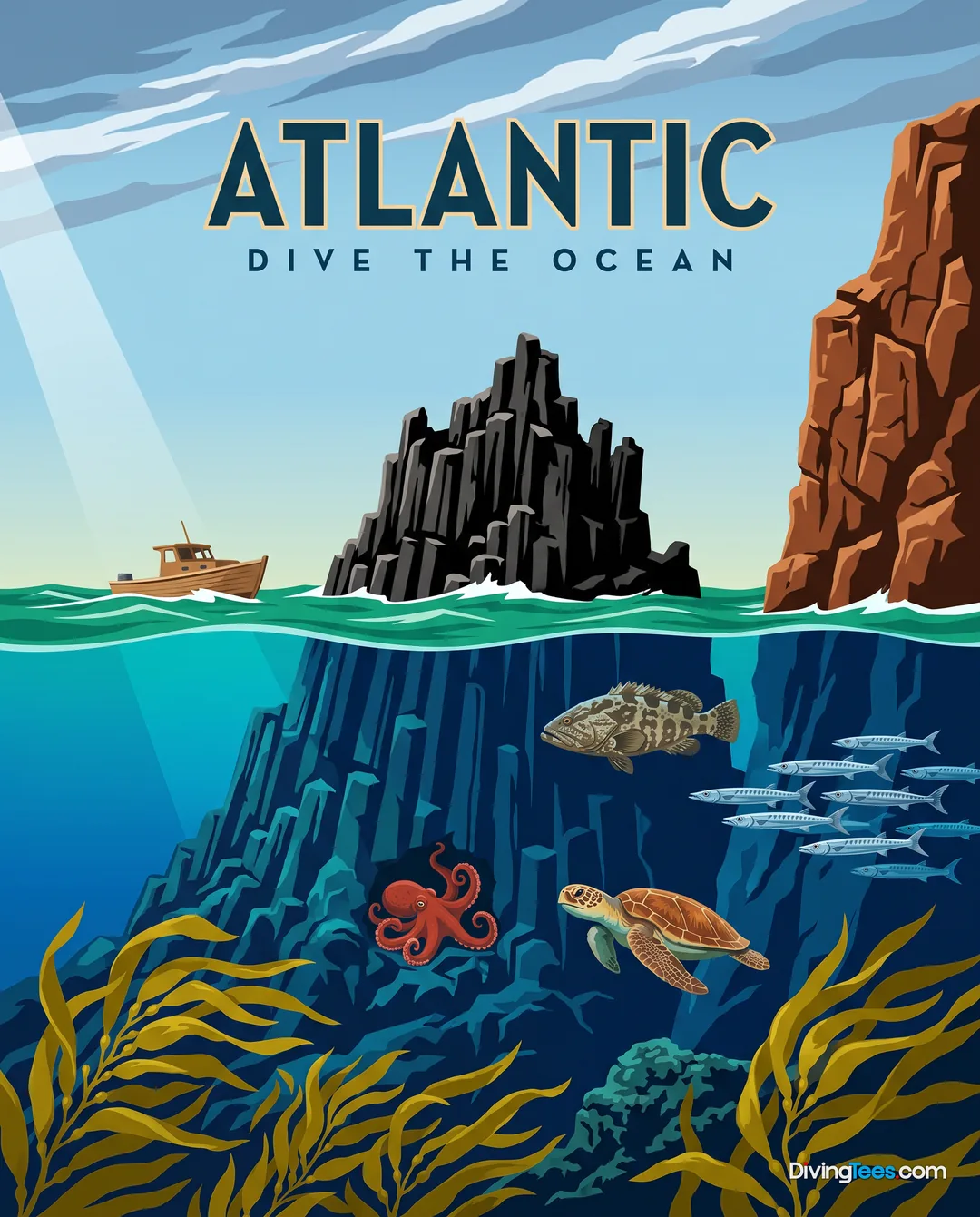
Lava pinnacles, arches and drop-offs frame encounters with parrotfish, moray eels, octopus and the occasional small shark.
For subtitles in English: start the video firstthen click the gearat the top right of the video, select “Subtitles/CC”, then “Auto-translate” and choose “English”.
Lava arches, crevices and dark volcanic caverns are the reason to come to Tazacorte. The harbour is a practical starting point for shore dives and boat trips along La Palma’s west coast, with access, in authorised areas, to the island’s south-western marine reserve. This is not a coral-reef holiday. It is a land-based Canarian diving trip built around abrupt volcanic relief, changeable sea conditions and the option of moving to another coast when the west is exposed.
Underwater, Tazacorte is all volcanic structure: lava ridges, pinnacles, towers, arches, crevices, cavities and drop-offs. Some routes keep close to the harbour and suit a straightforward shore dive; others are reached by boat and make more of the broken relief. Currents are variable rather than a defining feature, so the character of a dive depends heavily on the sea state and the site chosen that day. Visibility can be excellent when the water is calm, but swell, suspended sediment and coastal run-off can quickly take the edge off it. There is no need to make every outing a demanding one, although exposed deep sites such as Torre de Malpique belong with experienced divers and a local assessment. Expect a volcanic seascape to explore with mask, snorkel and fins, not a uniform reef plateau or a guaranteed drift dive.
The usual attraction is the life that occupies the lava rather than a single seasonal spectacle. Parrotfish work over the rock, moray eels disappear into cracks, and octopus use the caves and crevices as cover. The broken terrain gives these encounters a natural rhythm: look into the dark spaces, around the arches and beneath the overhangs rather than simply swimming above the bottom. Small sharks are an occasional possibility, not the reason to build the trip around a particular month. Diving is possible throughout the year, and the useful decision is generally whether the sea is calm enough to reveal the habitat clearly. Expect Canarian reef fish and volcanic shelter, with no promise of a seasonal wildlife procession.
Tazacorte can be dived throughout the year because there is no defined rainy season, monsoon or seasonal wildlife window driving the choice. The practical constraint is the exposed west coast. Swell can make the harbour’s usual diving uncomfortable or unavailable, while calm conditions bring out the arches, cavities and drop-offs and give the best chance of clear water. Plan for flexibility rather than a fixed calendar: leave several days available for diving and allow the centre to move operations to another coast of La Palma when the west is affected. Holiday periods and settled weather bring more people to the sites and boats, but the area is generally quieter than a purpose-built, high-capacity diving resort.
Tazacorte works for all levels when the outing matches the conditions. Beginners and recently qualified divers can use suitable sheltered shore sites, while experienced PADI, SSI or BSAC divers can take on deeper or more exposed volcanic relief. Torre de Malpique is not a site to select by reputation alone: depth, exposure and the day’s sea state matter. Certification should be matched to the planned dive, with the local briefing deciding whether a site is appropriate rather than a generic description.
From London Heathrow or Gatwick, or from Manchester, reaching Tazacorte normally involves a connection elsewhere in the Canary Islands. Allow for that extra leg when arranging the journey, as La Palma is not usually reached by a direct route from the UK. The final approach to Tazacorte is by road from La Palma’s airport, taking roughly forty minutes, or by ferry to Santa Cruz de La Palma followed by road travel. From Santa Cruz, buses run towards Los Llanos and Tazacorte, with the journey taking about an hour. Once on the island, a car or taxi is the practical choice from the village or other towns. Harbour-side accommodation allows walking access to departures.
Keep the west coast flexible. Do not fill every day with Tazacorte departures, because swell can close this side of La Palma and the sensible alternative is to move to another coast. Before the first dive, ask whether the plan lies inside the Reserva Marina de La Palma and have the required authorisation confirmed. A reserve site is not automatically open throughout its length, and the integral zone is reserved for scientific activity. Treat the protected area’s boundaries as part of the briefing, not as a footnote. For Malpique, accept the local call on depth and exposure rather than relying on a site description read at home. Pack your expectations around volcanic diving: arches, cavities, towers and drop-offs, not coral gardens. Staying near the harbour reduces unnecessary transport, while a first easy local dive followed by a boat or exposed outing gives the centre room to judge conditions.
This is best organised as a land-based week, with roughly seven days giving enough room for several diving days, weather flexibility and time to see La Palma above water. Stay near Puerto de Tazacorte if walking to departures matters. Elsewhere, plan on a hire car, taxi or a collection agreed with the centre, as no standard long-term shuttle should be assumed. Non-divers have beaches, the harbour, coastal walks, volcanic scenery and excursions towards the Caldera de Taburiente and the island’s southern volcanoes.
Hello, I'm Marina, DivingDeal.com's AI assistant. I guide you through destinations, areas and countries.
Thinking about the whole trip and the flights? Talk it over with Edith →
Marina is an AI. Some links are affiliate links: DivingDeal may earn a commission, at no extra cost to you. Bookings are made with the partner.
You can dive in Tazacorte throughout the year, since no defined rainy season, monsoon or seasonal wildlife window controls the timing. The practical issue is west-coast swell, which can make harbour diving uncomfortable or unavailable. Keep your schedule flexible, allowing the centre to move operations to another coast of La Palma.
Tazacorte has options for different experience levels when the dive matches the conditions. Beginners and recently qualified divers can use suitable sheltered shore sites, while experienced PADI, SSI or BSAC divers can explore deeper or more exposed volcanic relief. Local briefings determine whether the site and sea state suit your certification.
You can explore lava ridges, pinnacles, towers, arches, crevices, cavities, caves and drop-offs around Tazacorte. Parrotfish feed over the rock, while moray eels and octopus shelter in cracks and dark spaces. Small sharks are an occasional possibility. Calm water can reveal the volcanic habitat with clearer visibility.
Plan Tazacorte as a land-based diving trip with several flexible diving days, rather than filling every day with west-coast departures. Staying near Puerto de Tazacorte gives you walking access to the harbour. Otherwise, arrange a hire car, taxi or collection with the centre, and confirm any marine-reserve authorisation before diving.