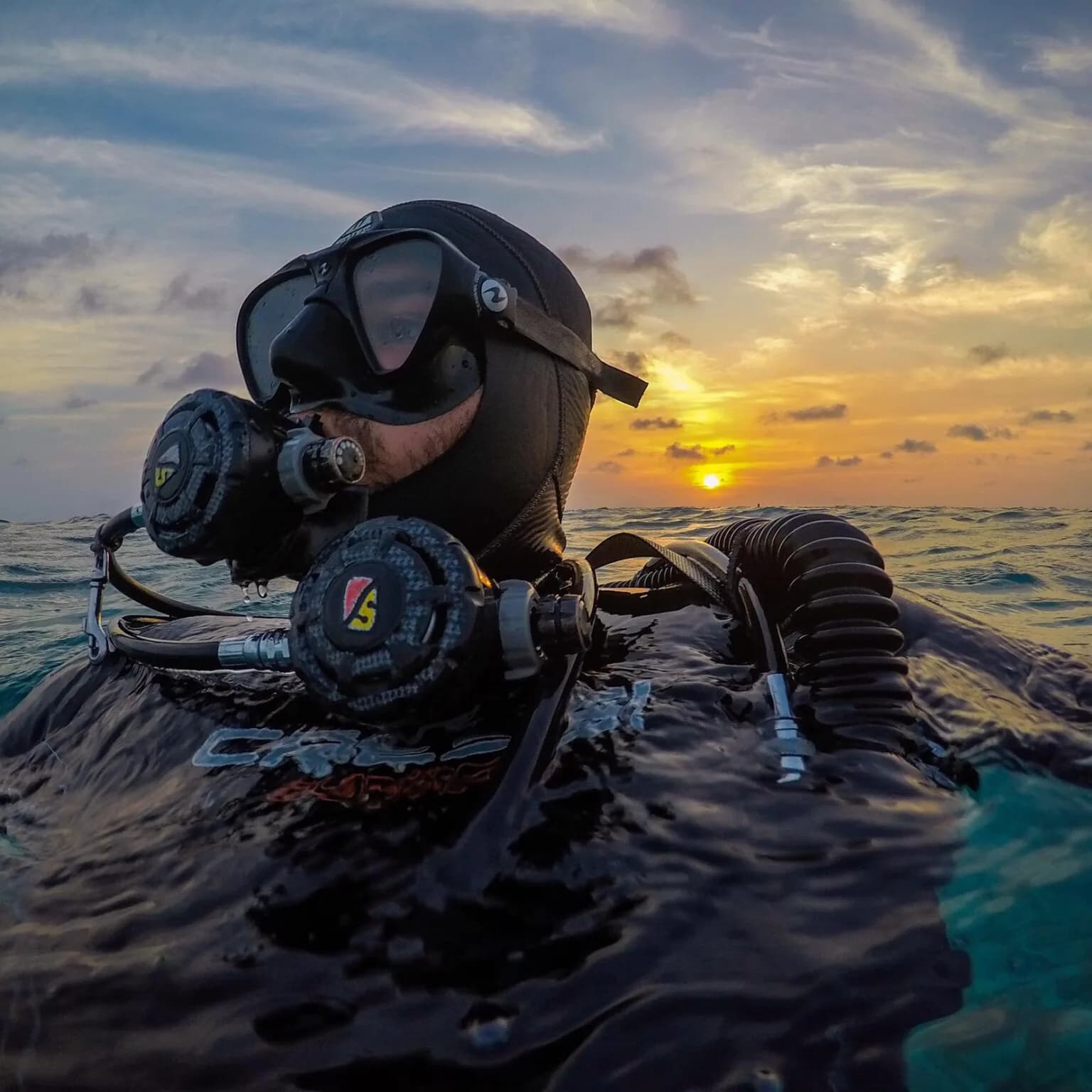

4 Wheel Diving
★ 5/5 (371 reviews)
1.9 km away as the crow flies
Caribbean
Bonaire combines year-round shore diving with Kralendijk’s colourful streets, pink salt marshes and flamingos at Pekelmeer.
For subtitles in English: start the video firstthen click the gearat the top right of the video, select “Subtitles/CC”, then “Auto-translate” and choose “English”.
Bonaire is a shore-diving destination where the practical discipline matters as much as the underwater scenery. Its common thread is straightforward access, light current, a healthy reef and diving suitable for all levels, rather than a liveaboard-style voyage between distant sites. The island’s character is set by buoyancy: divers are expected to swim steadily without touching the bottom, and park briefings make contact, gloves and pointing sticks part of the conversation. Kralendijk brings the higher-pressure tourist setting; Bonaire beyond it feels more moderate. Either way, this is diving built around care, control and a single-island rhythm.
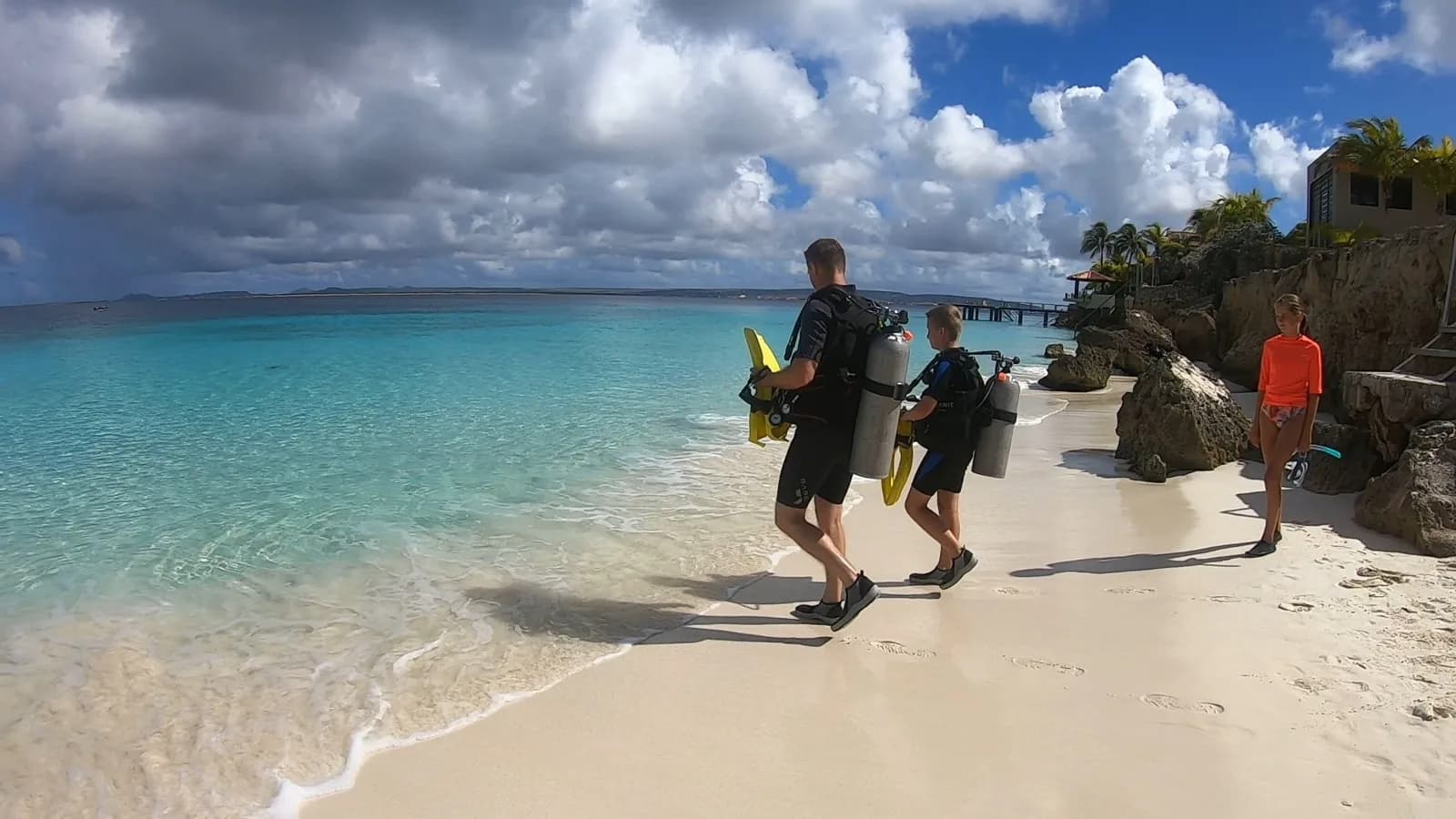
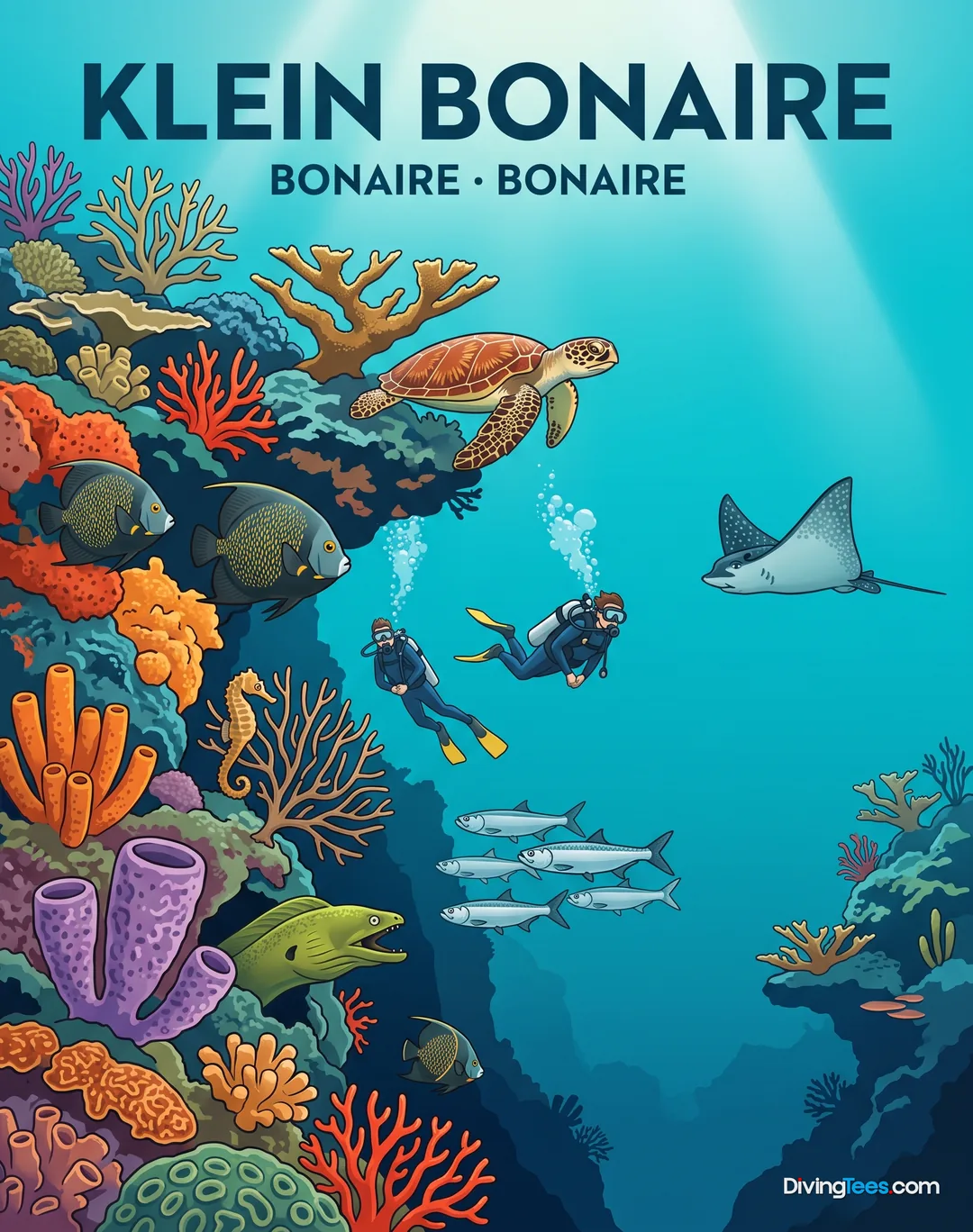
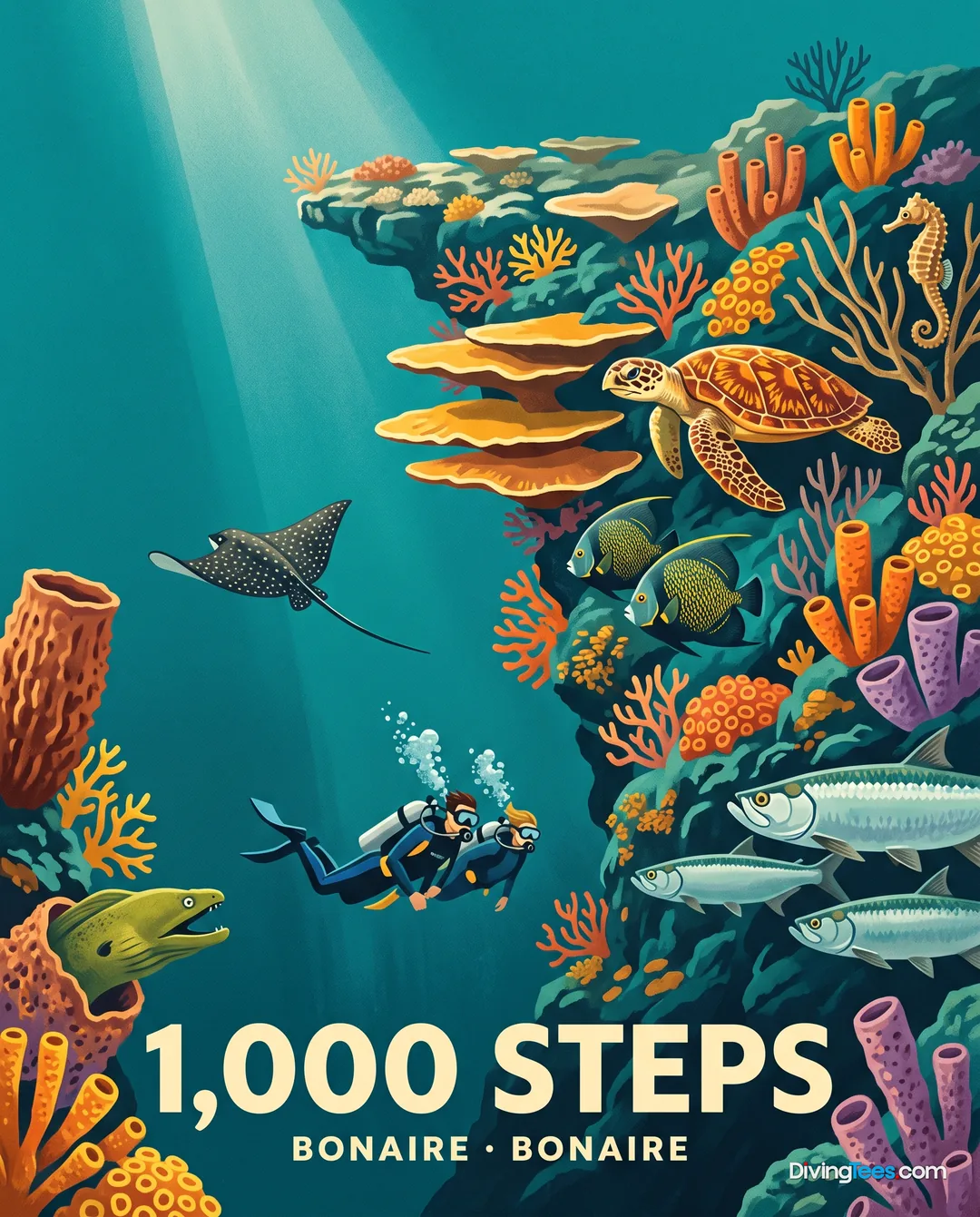
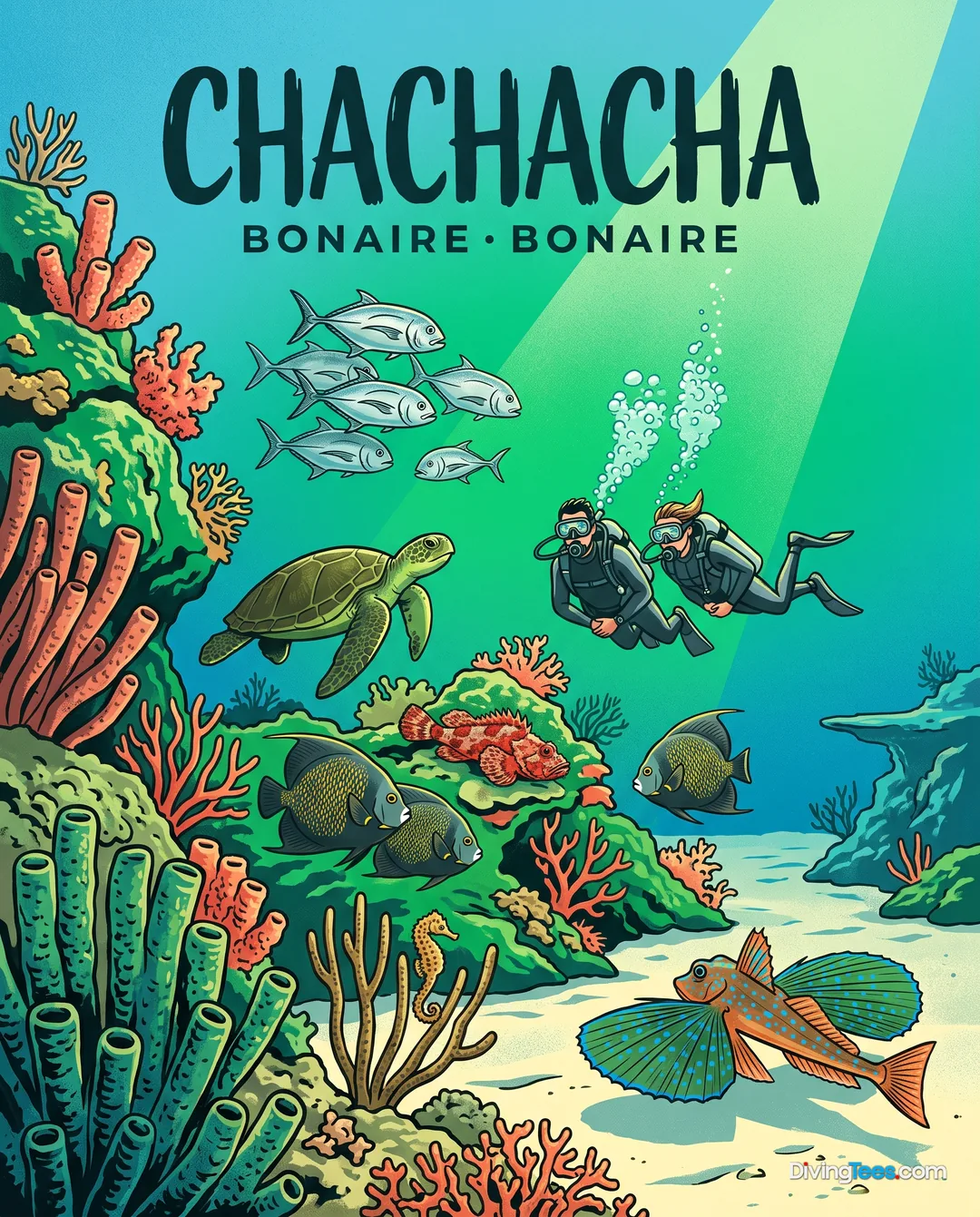
Most diving is from the shore, over fringing reef, with entries leading across shallow coral before the bottom slopes away. Cliff adds a more pronounced wall profile; Chachacha offers a straightforward house-reef immersion near the port; Bari Reef combines easy shallows with much deeper water. Currents are generally light, although Bari can reach light to moderate and occasional surge is possible. Visibility varies by site: around 20 to 30 metres at Cliff, 15 to 30 at Bari Reef, and as much as 30 to 40 metres around Klein Bonaire. 1,000 Steps is a useful early start, when the light is good and diver traffic is lower. Klein Bonaire is the boat-access exception, with calm reefs suited to relaxed recreational diving.
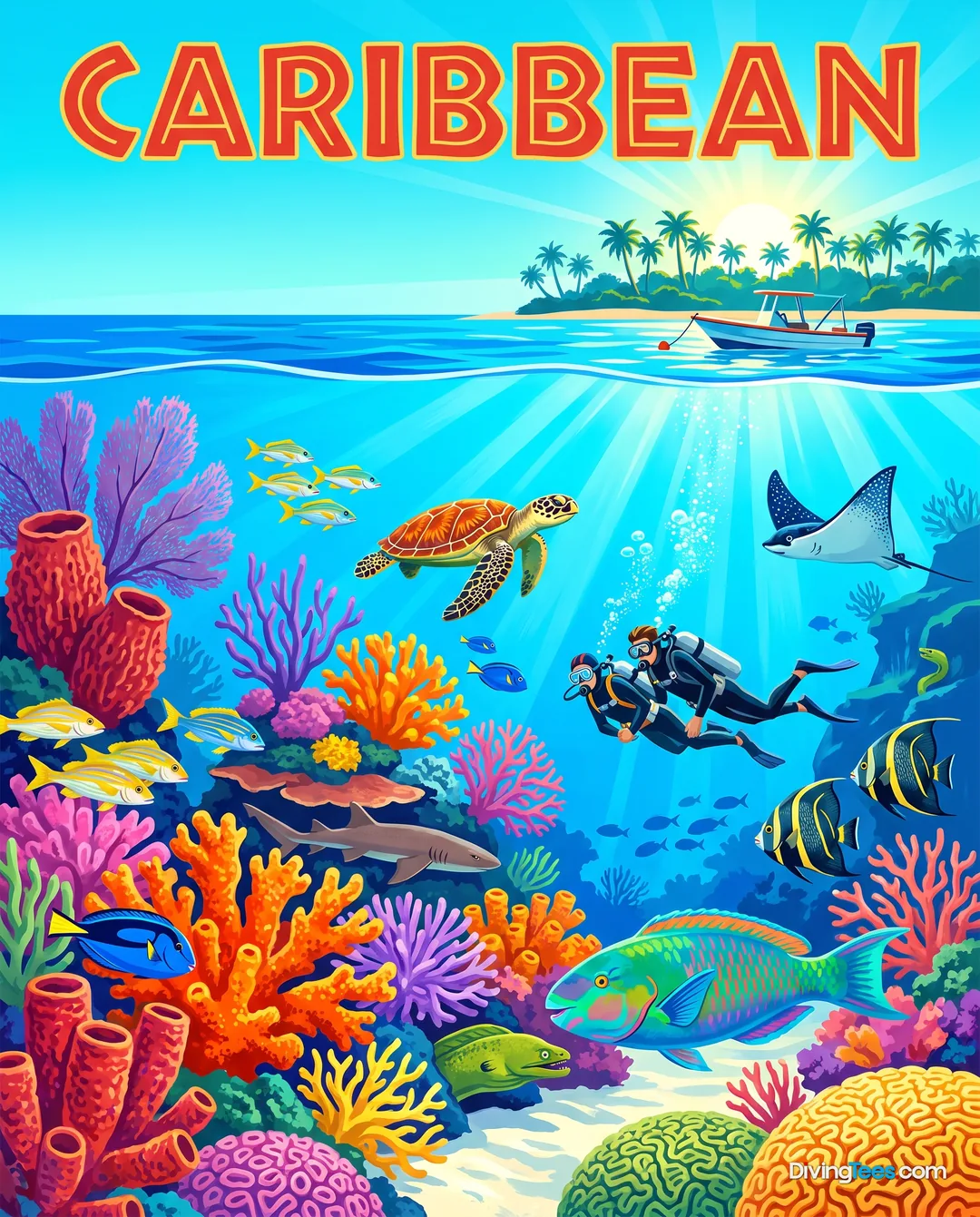
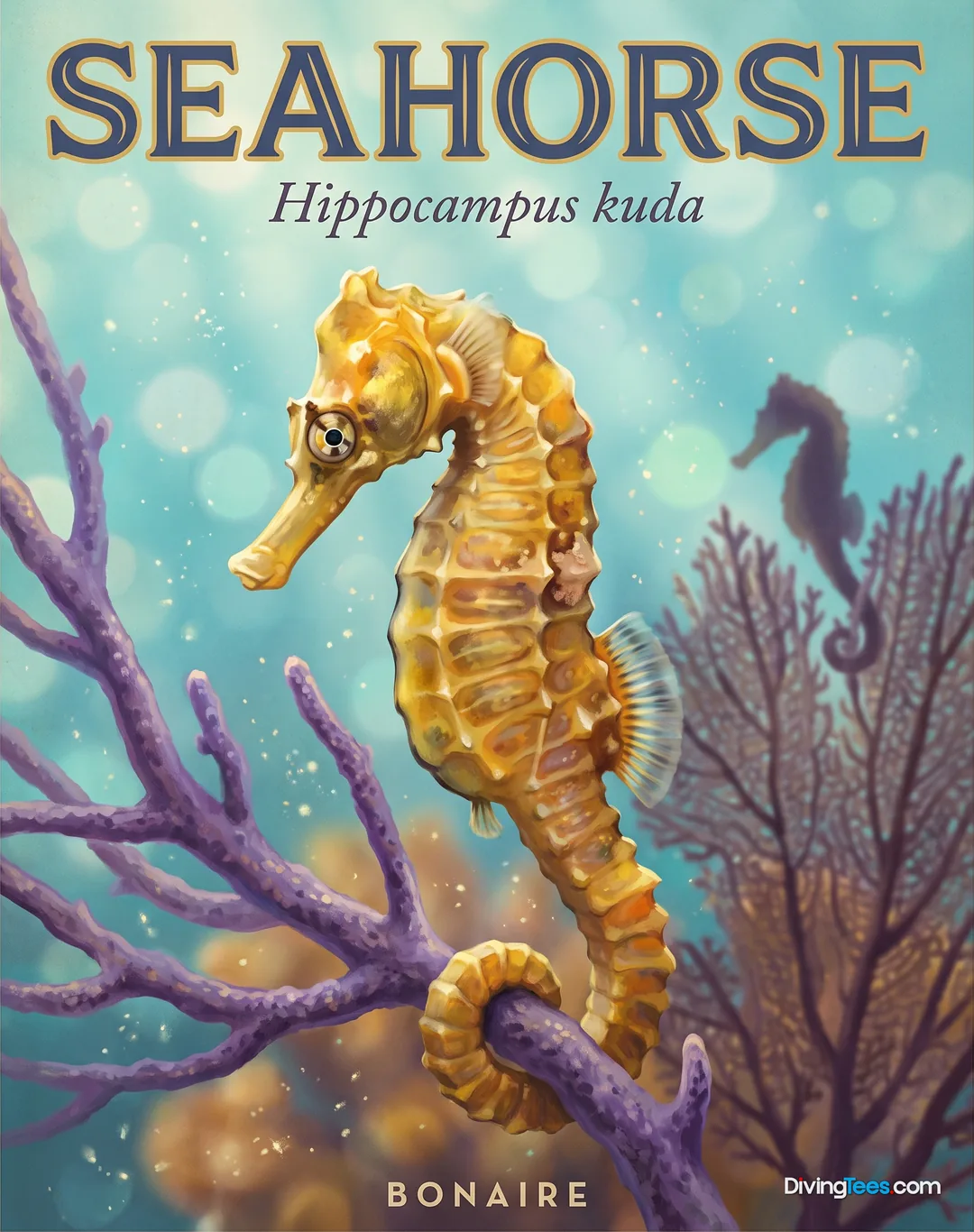
The reef fish list is familiar but rewarding when examined closely rather than simply ticked off. Blue tangs, parrotfish, wrasse, damselfish and filefish move across the coral, while angelfish and butterflyfish add colour to the reef face. Sponges provide the texture and hiding places; a seahorse rewards a slower search, and a sea turtle can turn an otherwise ordinary swim into the memorable part of the dive. These encounters belong to the normal Bonaire experience rather than to a narrowly defined wildlife season. Klein Bonaire’s clear, calm water is particularly well suited to taking time over small reef life, while the shallows at Bari Reef also work well for snorkellers and divers sharing the same coastline.
For the most practical weather window, April to November is a useful guide, with Bari Reef reported at its calmest and clearest within that broader period. The lowest rainfall falls in August and September, making those months the sensible choice for a weather-led shore-diving holiday. Bonaire’s appeal is not dependent on a short migration season: the reefs, fish life and shore entries support a normal diving programme across the year. Early starts can still improve the day, particularly at 1,000 Steps, where the morning brings better light and fewer divers.
Bonaire works for all certified levels, including newer Open Water divers who are comfortable with shore entries and basic navigation. The shallow starts at Bari Reef, Chachacha and 1,000 Steps allow measured dives, while Cliff’s deeper wall and Bari’s lower sections call for more experience and sensible depth planning. Advanced certification is useful for exploring Cliff fully. BSAC, PADI and SSI divers should arrive with reliable buoyancy skills; the local no-contact approach leaves little room for clumsy finning or using the reef for support.
From London Heathrow, Gatwick or Manchester, Bonaire is reached by air, followed by road travel on the island. There is no ferry or inter-island crossing required to reach the main diving area: Bonaire itself is the destination. The important practical point is that diving is spread around the coastline rather than centred on a single marina or daily boat shuttle. Once on the island, the compact layout makes the road the organising feature of the stay, with shore entries reached around the protected coast. Travel planning therefore needs to allow for the flight itinerary and onward road arrangements, but not for a mandatory sea connection. Klein Bonaire is the exception underwater, as its sites are reached by boat.
Treat the first day as a buoyancy check, not a formality. Bonaire’s briefings are unusually explicit: do not touch, collect, anchor, wear gloves for contact or use a pointer stick. That matters at a shore entry, where an over-weighted diver can damage the reef before the dive has properly started. Plan around shore diving and repeat the entries that suit the group instead of building the holiday around boat departures. Keep 1,000 Steps for an early start if possible; the morning window brings better light and fewer divers. Do not assume every dive must be a wall or a deep profile: Chachacha and Bari Reef provide useful shallow water for settling into the island’s rhythm. A marine-park access fee or permit requirement is part of the arrangement, so factor it in before the first immersion. The island’s conservation rules are not scenery; they determine how the dive is conducted.
A seven- to ten-day land-based stay gives Bonaire’s rhythm time to work: shore dive, surface interval, repeat a familiar entry, then vary the depth or direction. The format suits divers who prefer to set their own pace and it leaves room for a rest day exploring the protected coastline. A boat trip to Klein Bonaire can provide a change of scene, but it is an addition to the shore-diving structure rather than its replacement. Non-divers can share the island without being tied to a liveaboard schedule.
Kralendijk is the obvious place to read Bonaire through colour. Pink, yellow, blue and orange houses brighten the streets, giving the capital a visual identity that is easy to explore on foot. Away from the town, the pink salt marshes provide a sharper, more elemental landscape. Washington National Park adds another change of scene, with yellow houses set against turquoise water. The mangrove is best approached by kayak, where the landscape is experienced at water level rather than through a dive mask. Pekelmeer brings the strongest wildlife image above water: flamingos in a protected setting. Culinary detail is less specific in the available picture, so it would be misleading to attach a named local dish or restaurant to the island. The non-diving itinerary is consequently about Kralendijk, salt, mangrove, park landscapes and Pekelmeer, with each stop offering a distinct view of Bonaire rather than a generic Caribbean excursion.
Bonaire’s practical rulebook starts with buoyancy. Arrive able to hold a stable swim without touching the bottom, because non-contact is central to the park experience. Gloves are prohibited in the briefings described here, as are pointing sticks and using equipment to make contact or steady yourself. The Bonaire National Marine Park was designed around a no-anchoring principle, so expect logistics that do not rely on dropping an anchor directly onto the bottom. Keep the configuration tidy and avoid excessive lead; buoyancy management is not merely a comfort issue on Bonaire. Before travelling, check whether the chosen arrangement includes park access and the relevant entry procedures. These are not optional extras around the diving: they are part of how Bonaire protects its reef and how the day is expected to run.
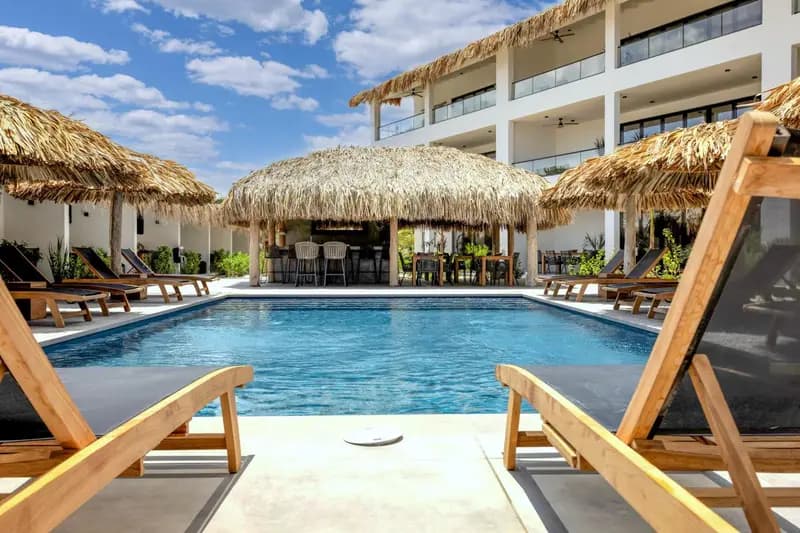
★ 9.3/10 (147 reviews)
3.7 km away as the crow flies
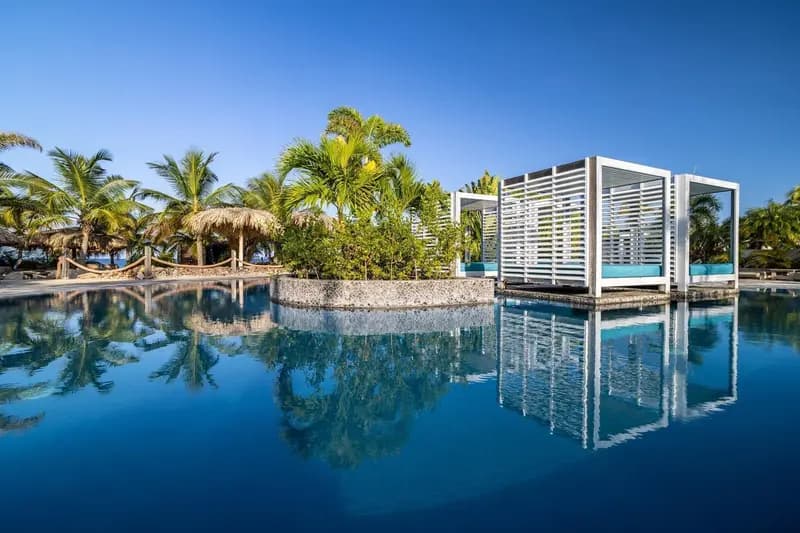
★★★★
★ 8.6/10 (767 reviews)
5.2 km away as the crow flies
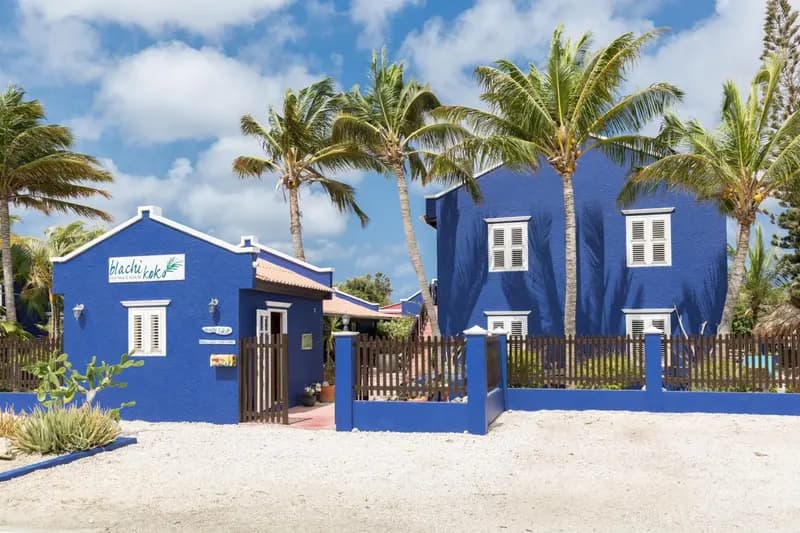
★ 9.6/10 (77 reviews)
2.4 km away as the crow flies
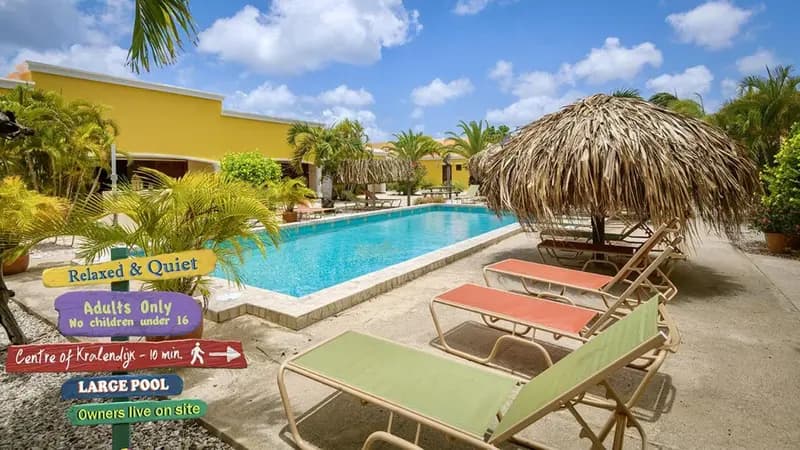
★ 9.2/10 (85 reviews)
2.4 km away as the crow flies
Your last day stays dry: no diving in the 18-24 hours before a flight the perfect window to see the destination from another angle.
 Culture
⏱ 3 h · ★ 5.0 (54 reviews)
from €198
see on Viator ↗
 Culture
⏱ 7 h · ★ 5.0 (11 reviews)
from €189
see on Viator ↗
 Nature
⏱ 1 h · ★ 5.0 (11 reviews)
from €238
see on Viator ↗
 Nature
⏱ 3 h · ★ 5.0 (7 reviews)
from €53
see on Viator ↗
Ratings and reviews collected by Viator and Tripadvisor.