
Sunchaser Scuba
Google 4.9/5 (193 reviews)
22 km away as the crow flies
Peter Island · British Virgin Islands · Caribbean
Max. depth · 24 mDry Rocks East offers a distinct reef dive in the British Virgin Islands, known for its exposed location and the diverse marine life drawn to its dynamic currents.
Dropping onto Dry Rocks East, you immediately sense the influence of its exposed location. This reef, situated in the channel between Cooper and Ginger Islands, rises close to the surface before sloping down to a sandier bottom around 25 to 27 metres. The initial descent takes you over vibrant coral formations, gradually revealing deeper ledges and crevices. The ambient light filters through, hinting at the depths below, and offers a chance to acclimate to the conditions while keeping an eye out for the unique residents beginning to emerge from the reef structure.
As you navigate the reef, you will feel the distinct pull of the current. Dry Rocks East is known for its moderate to strong currents, a defining characteristic that shapes both the dive profile and the behaviour of its inhabitants. These currents, often described as overwhelming or occasionally strong by local operators, are a result of the site's position in an open-water channel. While demanding, this constant flow of water brings in nutrients, sustaining a rich ecosystem and attracting a diversity of marine life often unseen on more sheltered reefs.
The topography of Dry Rocks East is primarily a craggy rock face, punctuated by scattered huge boulders and fields of rock debris. These formations create numerous overhangs and sheltered spots, providing refuge for a vibrant array of benthic creatures. Carefully scanning the reef wall will reveal its true charm, with small territorial fish darting amongst the corals and larger predators cruising the deeper sections. The interface between the reef and the open water is particularly active, often revealing transient visitors drawn to the nutrient-rich currents.
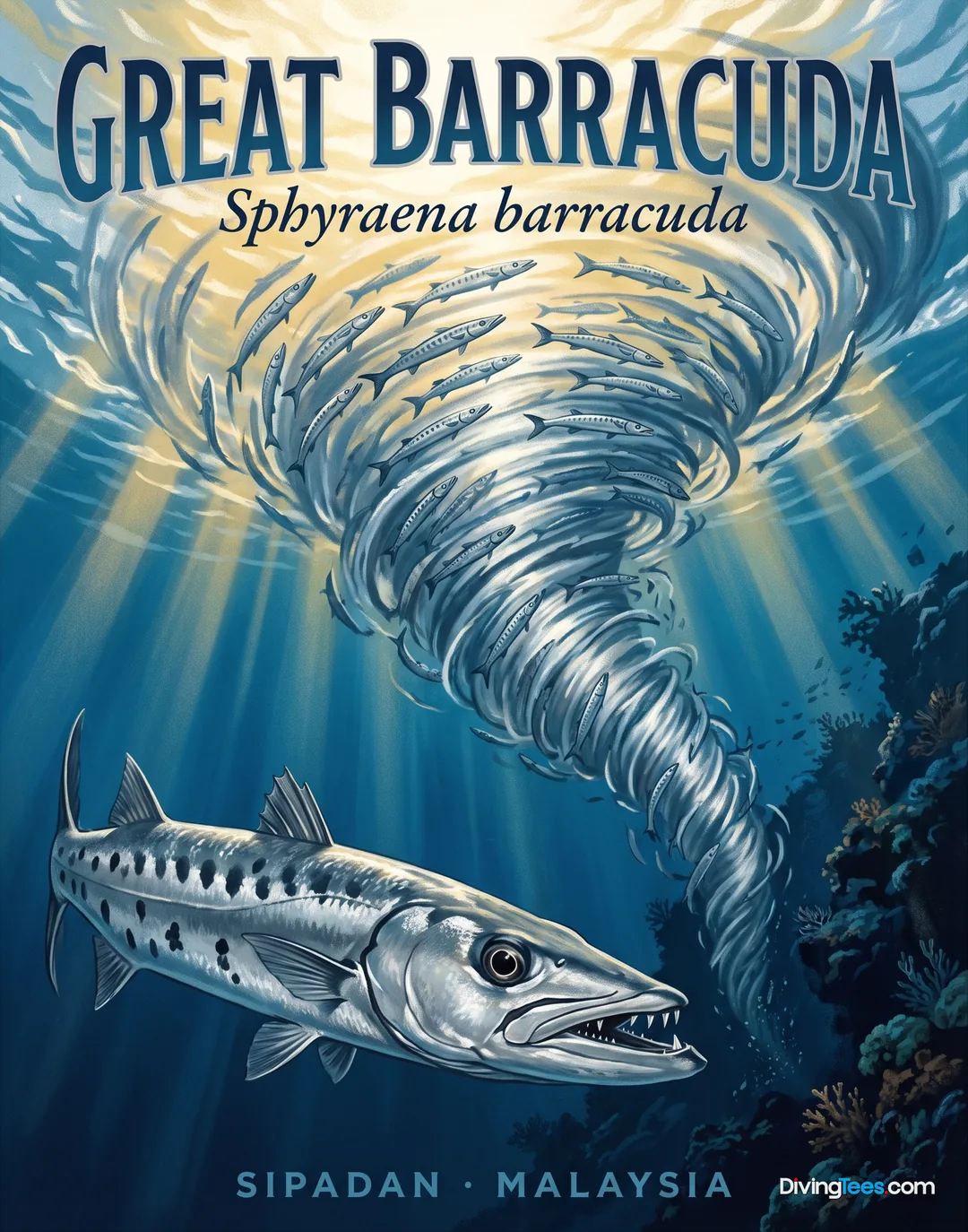
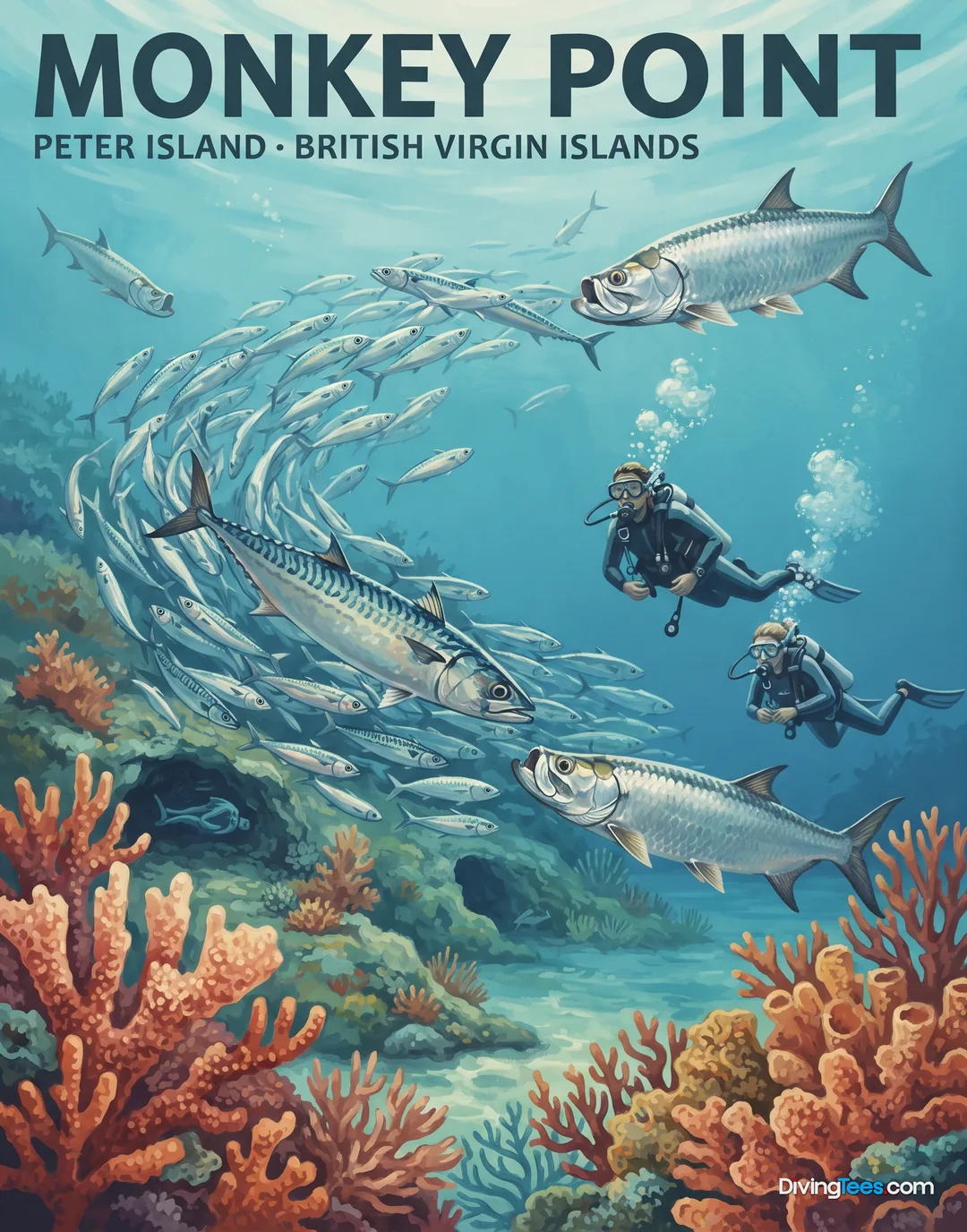
This site is a natural magnet for pelagic activity, with schooling jacks, horse-eye jacks, and barracuda frequently encountered. You might also spot cobia and African pompano moving through the open water. The currents, while challenging, contribute to the health and vitality of the reef, constantly bringing in nutrients that sustain this rich ecosystem and its diverse inhabitants. This dynamic environment encourages a different class of biodiversity, making it a hotspot for larger reef fish and pelagics.
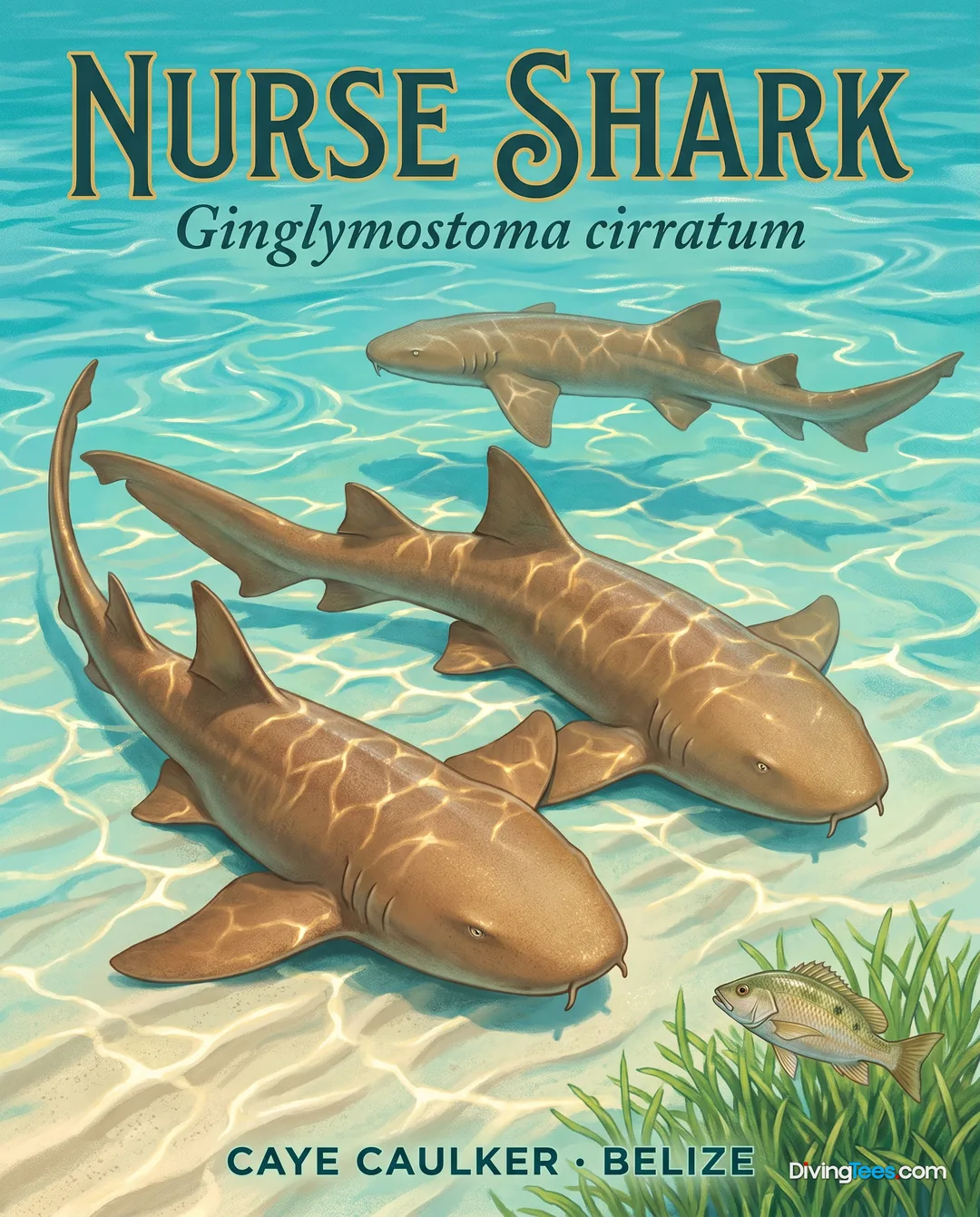
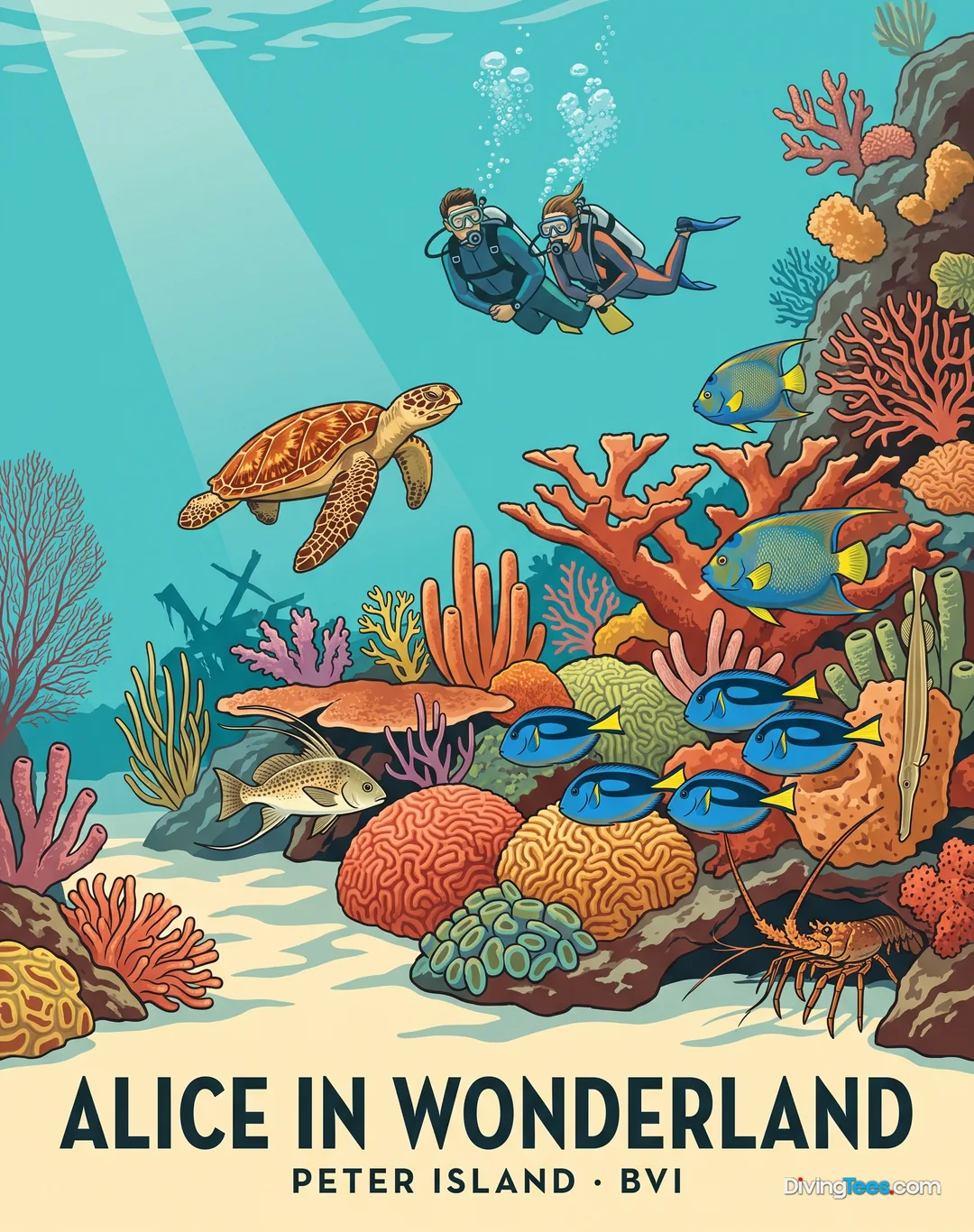
Beyond the pelagics, the reef itself hosts a wide variety of resident species. Look for nurse sharks resting in crevices and southern stingrays gliding over the sandy patches. Slipper lobsters and Caribbean spiny lobsters find shelter within the rock formations. Green moray eels are often seen peeking from their hideaways, while hawksbill turtles graze on the corals. The reef is also home to numerous smaller fish like French angelfish, grunts, black durgons, sergeant majors, brown chromis, creole wrasse, and various hinds, conies, filefish, goatfish, highhats, pufferfish, and trunkfish.
What truly sets Dry Rocks East apart is its reputation for harbouring marine life that is sometimes rarer than what you'd typically encounter elsewhere in the British Virgin Islands. The exposed conditions and consistent currents foster a unique biodiversity, encouraging behaviours and species interactions that are less common on more frequented sites. This makes it a favourite among local dive guides who appreciate its distinct character and the opportunities it presents for unusual marine encounters.
The site's abundant black coral, colorful corals, and sea fans cover the rocks and sandy bottom, creating a visually rich environment. Its open-water position at an underwater crossroads in the Cooper–Ginger channel makes it a dynamic and rewarding dive. While the currents demand attention and good current-management skills, the rewards are a vibrant, healthy reef teeming with life, offering a glimpse into a truly active marine ecosystem.
Dry Rocks East is accessible for advanced divers, or intermediate divers with proven current-management skills, due to its exposed location and potentially strong currents. Depths range from 8 to 27 metres. Visibility typically ranges from 18 to 30 metres. Be prepared for currents, which can be moderate to strong depending on conditions, and maintain close communication with your dive leader.
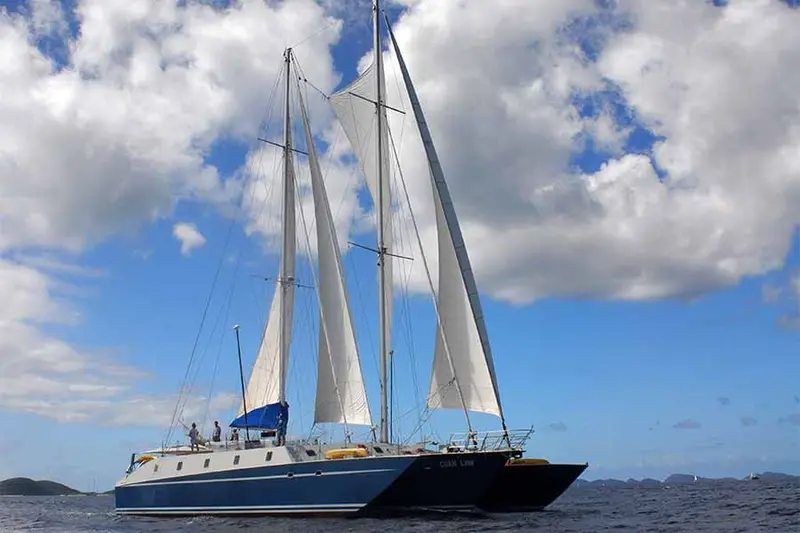
One liveaboard runs trips to Peter Island.
You should be an advanced diver to visit Dry Rocks East. Intermediate divers may also dive here if you have proven current-management skills. The site is exposed, and its open-water position can create demanding conditions. You should maintain close communication with your dive leader throughout the dive and stay attentive to the changing environment.
Dry Rocks East ranges from eight to twenty-seven metres, with the reef rising close to the surface before sloping toward a sandier bottom. Your descent begins over vibrant coral formations and continues past deeper ledges, crevices, scattered boulders, and rock debris. The site offers both shallower reef structure and deeper sections to explore.
You should be prepared for moderate to strong currents at Dry Rocks East. Its exposed position in the channel between Cooper and Ginger Islands allows a constant flow of nutrient-rich water, while local conditions can make the current feel overwhelming or occasionally strong. Manage your position carefully and keep close communication with your dive leader.
At Dry Rocks East, you may encounter nurse sharks, barracuda, schooling jacks, horse-eye jacks, cobia, and African pompano. Southern stingrays, hawksbill turtles, moray eels, lobsters, and many reef fish live among the rocks. Black coral, colorful corals, and sea fans cover the reef, with pelagic visitors moving through open water.