Golden Rock Dive and Nature Resort
★★★★
★ 9.3/10 (72 reviews)
less than 1 km away as the crow flies
Dive centre · St Eustache · Sint Eustatius
5.040 Google reviewsDive the volcanic landscapes of Sint Eustatius using ScubaPro kit and complimentary Nitrox from the base of the Golden Rock Resort.
For subtitles in English: start the video firstthen click the gearat the top right of the video, select “Subtitles/CC”, then “Auto-translate” and choose “English”.
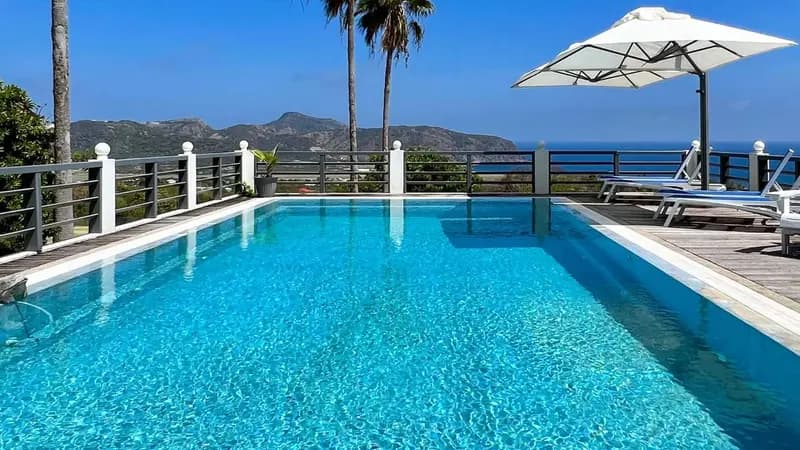
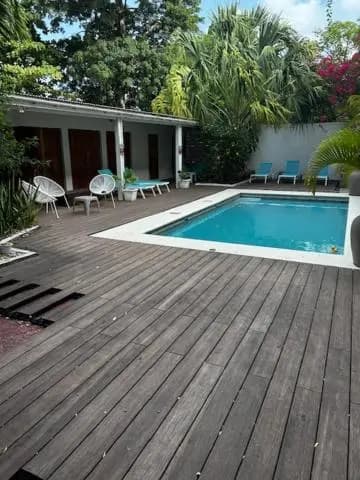
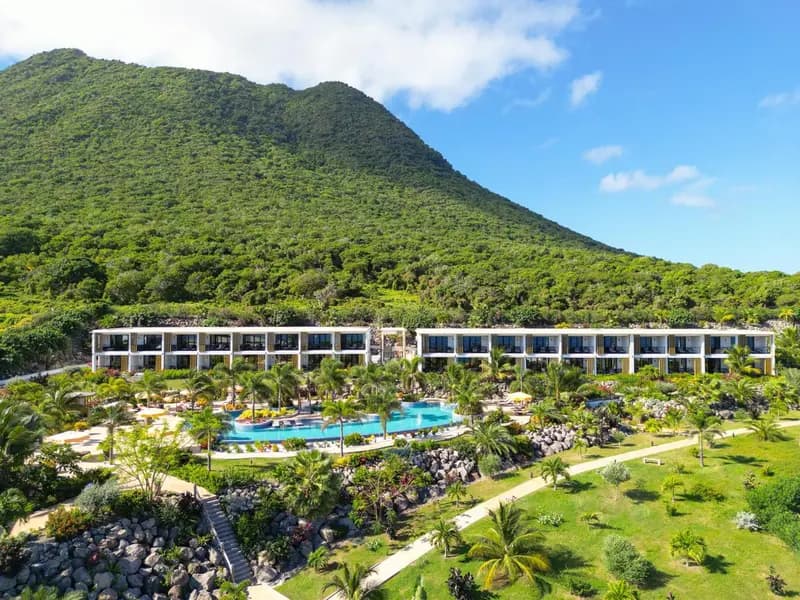
Located in St. Eustache, Statia Divers is the primary diving operation for the Golden Rock Resort, situated at the foot of the Quill volcano. The centre combines local expertise with a professional PADI-affiliated service, catering to both recreational divers and those looking to progress through advanced certifications.
The island's underwater topography is defined by dramatic volcanic landscapes and historical sites. Whether you are exploring deep wrecks or cruising along reef walls, the proximity to the resort and the availability of dedicated dive boats make it a streamlined base for your underwater excursions.
The centre has integrated the long-standing expertise of Scubaqua, bringing decades of local knowledge to the PADI curriculum. This local heritage ensures that the team understands the specific nuances of the Sint Eustatius marine environment.
Instruction is provided by PADI-qualified professionals, covering everything from the initial Discover Scuba Diving sessions to professional-level Divemaster training. For those looking to refine their skills, specific courses such as Peak Performance Buoyancy are available to ensure you are comfortable in the local currents and topography.
The training programme follows the PADI curriculum, starting with Discover Scuba Diving and the Bubblemaker for younger divers. For those beginning their journey, the Open Water Diver course is the standard entry point, with e-learning components required to prepare for practical sessions.
Advanced divers can progress through the Advanced Open Water, Rescue Diver, and Deep Diver courses. The centre also offers specialised training such as Wreck Diving and Peak Performance Buoyancy. Professional pathways are available through the Divemaster programme, alongside EFR certification.
The fleet consists of three boats, including the Patricia, which has a capacity for 16 divers, and the Sam, which can accommodate up to 25 divers. These vessels depart from the port in St. Eustatius, a short 15-minute shuttle ride from the resort.
Onboard, you will find snacks and non-alcoholic beverages, including coffee, provided during surface intervals. The boats are equipped to handle various dive profiles, including night dives, and provide access to the island's diverse marine sites.
The centre maintains a high standard of rental equipment, featuring ScubaPro regulators and BCDs, as well as Suunto Zoop computers. Full kit hire is available, including wetsuits, fins, masks, snorkels, and torches for night diving.
For those looking to extend their bottom time, Nitrox is available for certified Enriched Air (Nitrox) divers. The facility includes a dedicated room for underwater photographers and a repair room to handle equipment needs. For safety, a decompression chamber is located on the island, and emergency helicopter services to Sint Maarten are accessible.
The training lagoon provides a controlled environment at a depth of 9 metres, featuring a submerged school bus. This unique site is used for Discover Scuba Diving and for students working through their initial Open Water Diver qualifications.
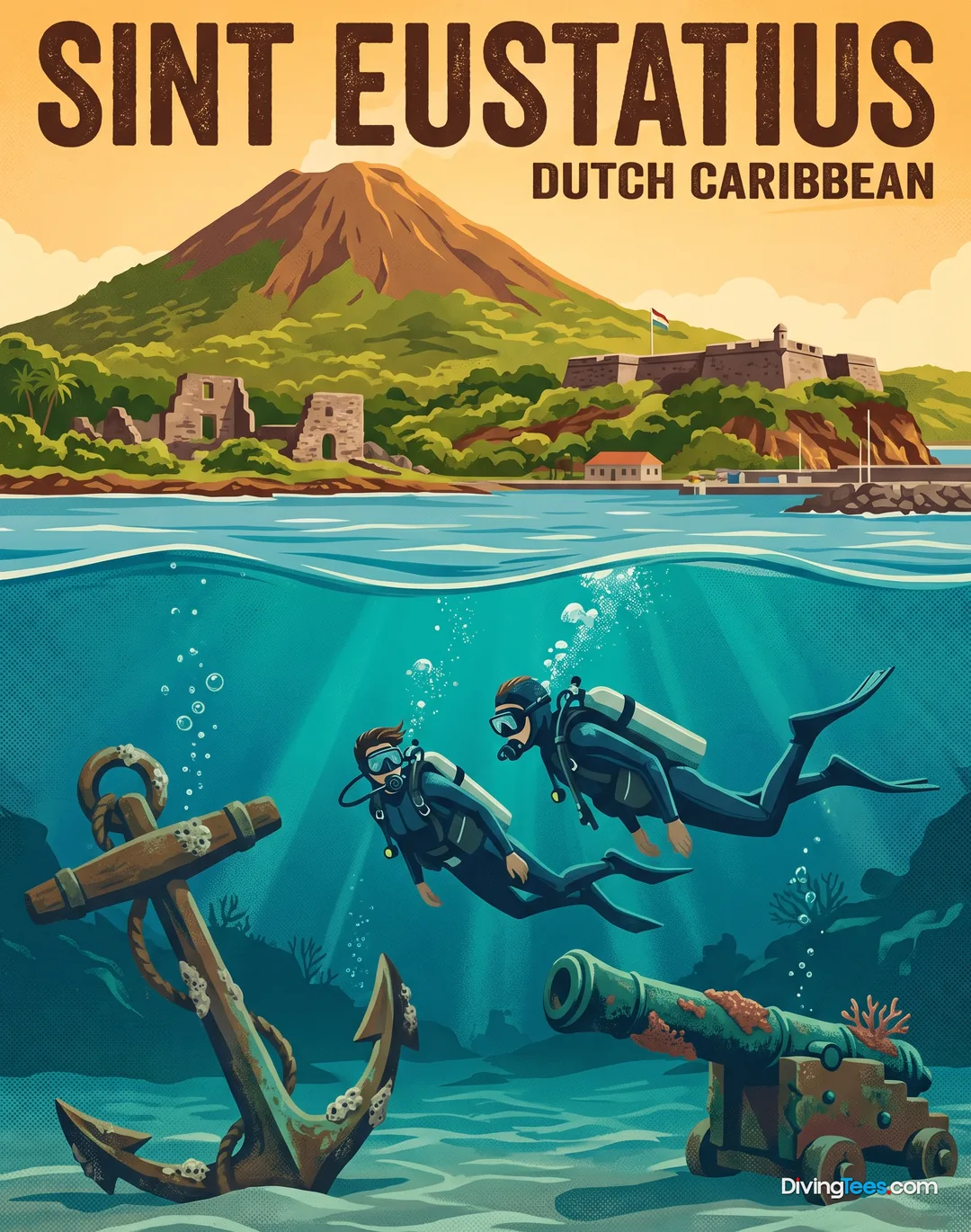
The surrounding waters offer access to historical wrecks and volcanic underwater landscapes. These sites allow you to explore the intersection of history and geology, ranging from shallow reef structures to deeper technical environments.
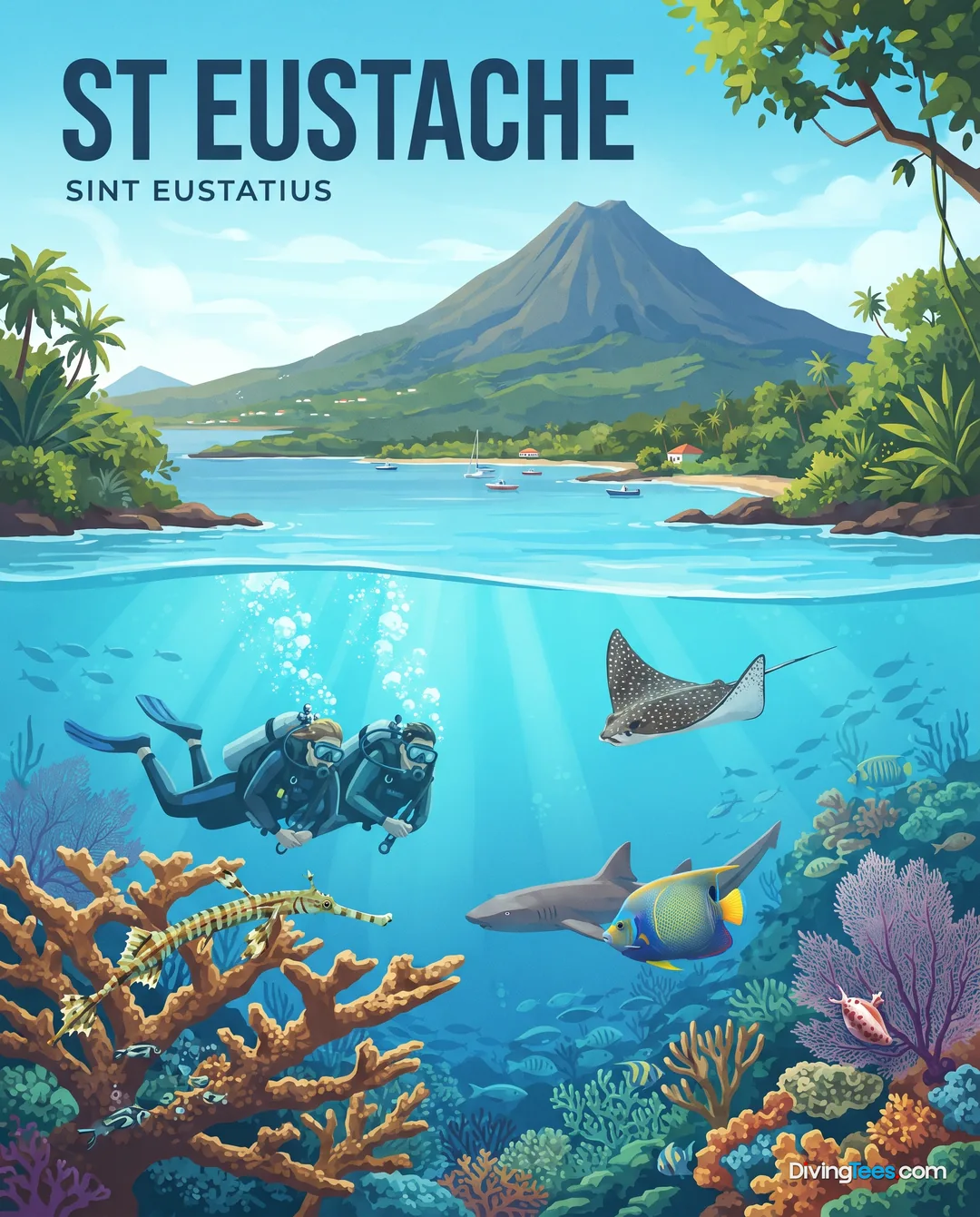
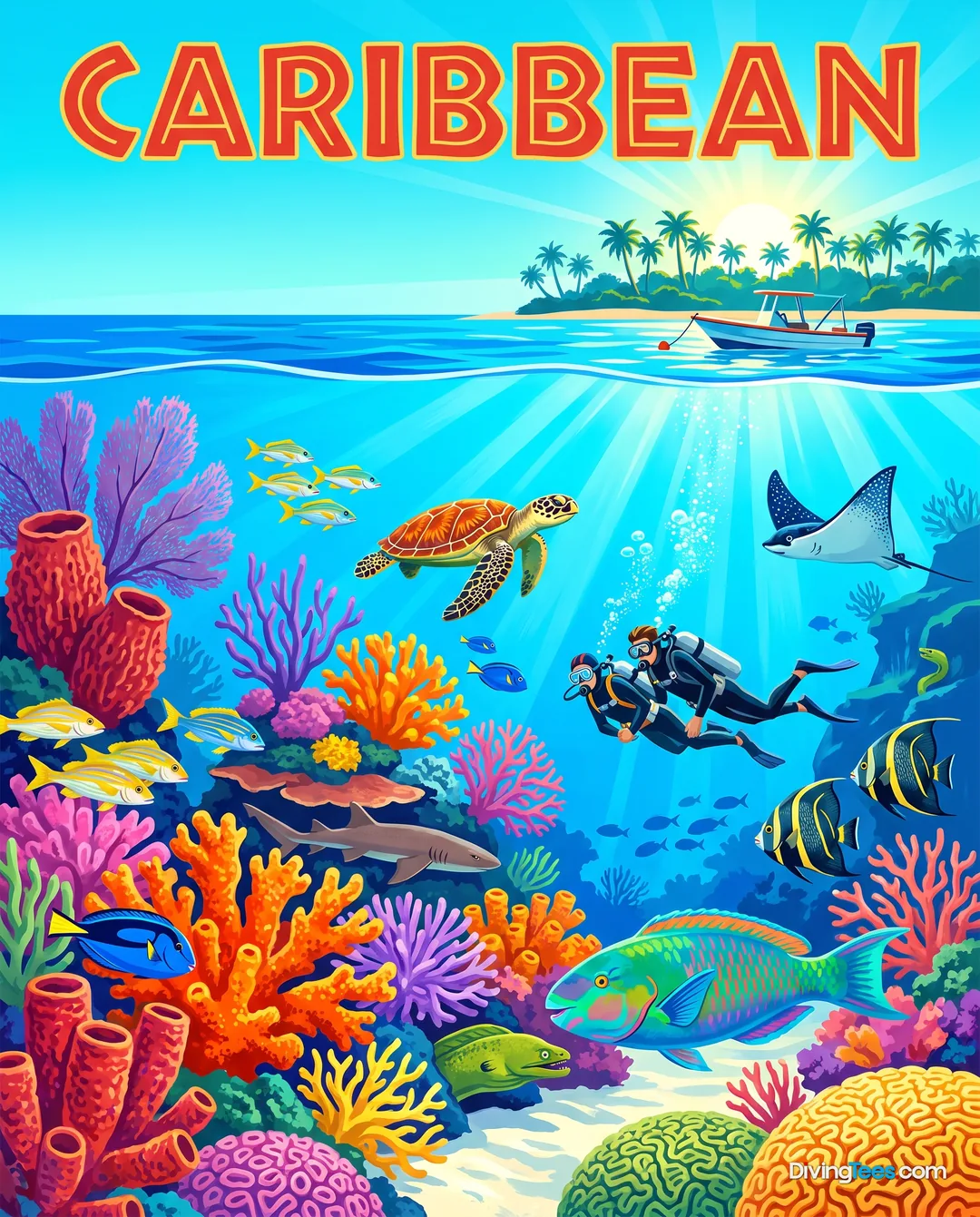
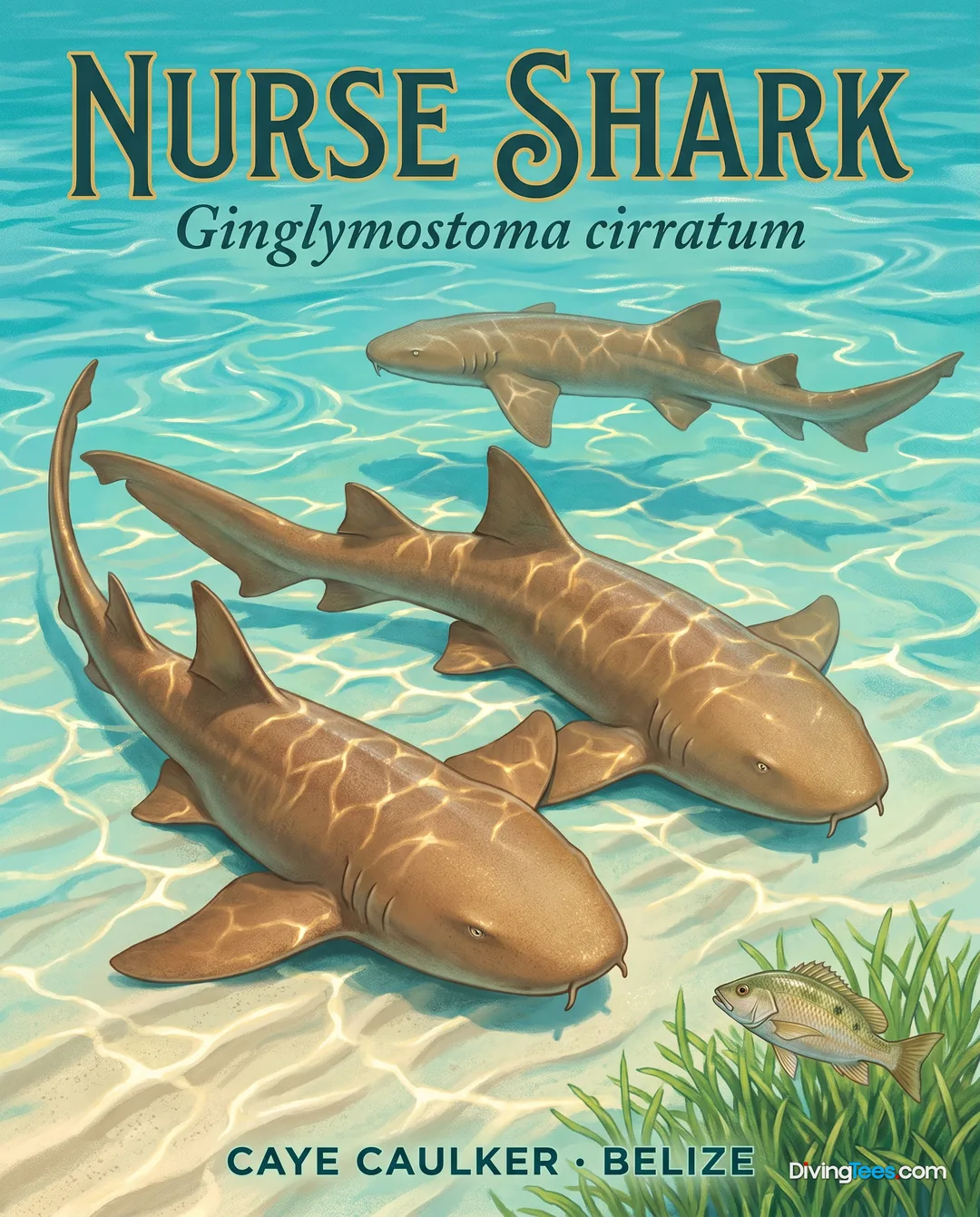
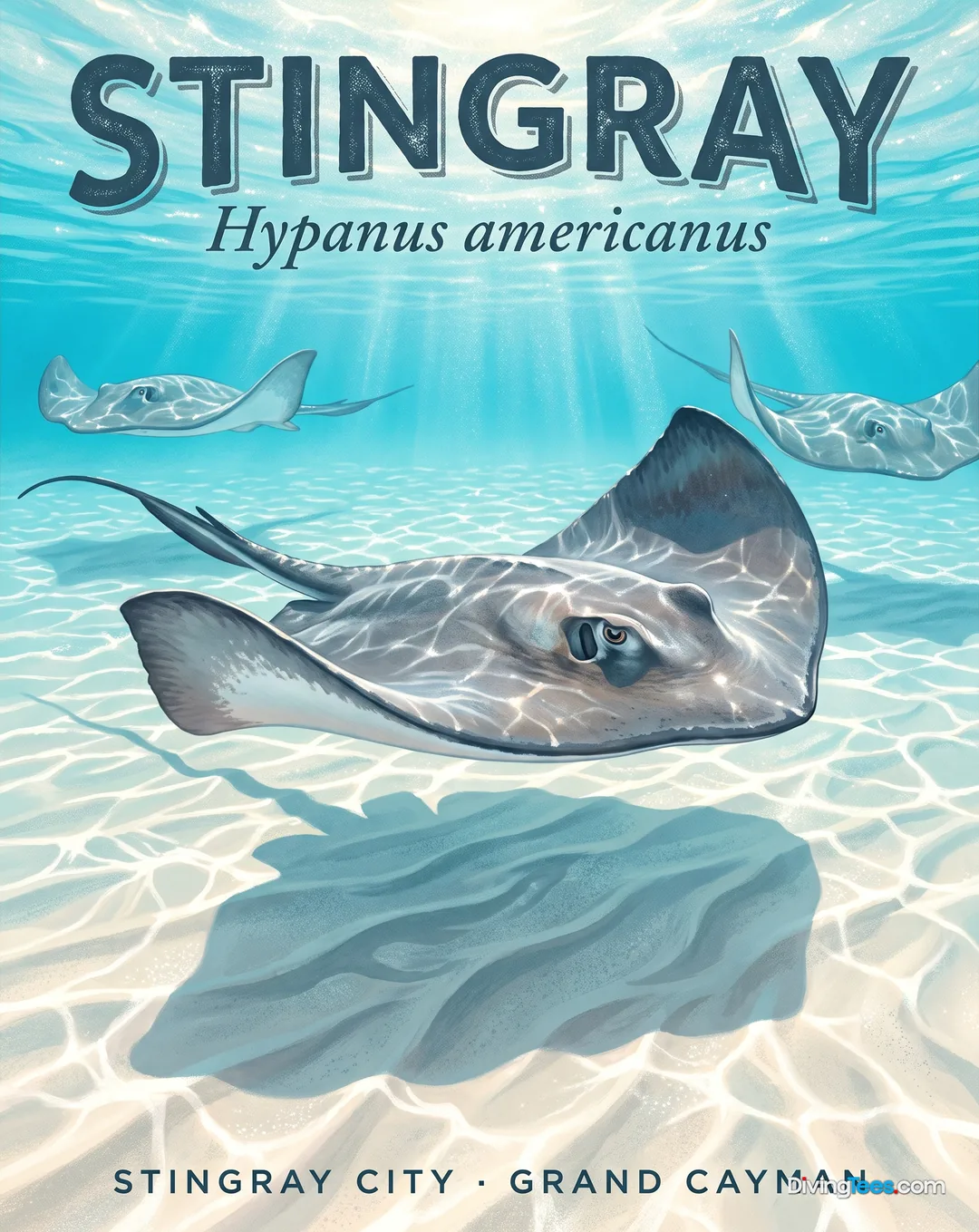
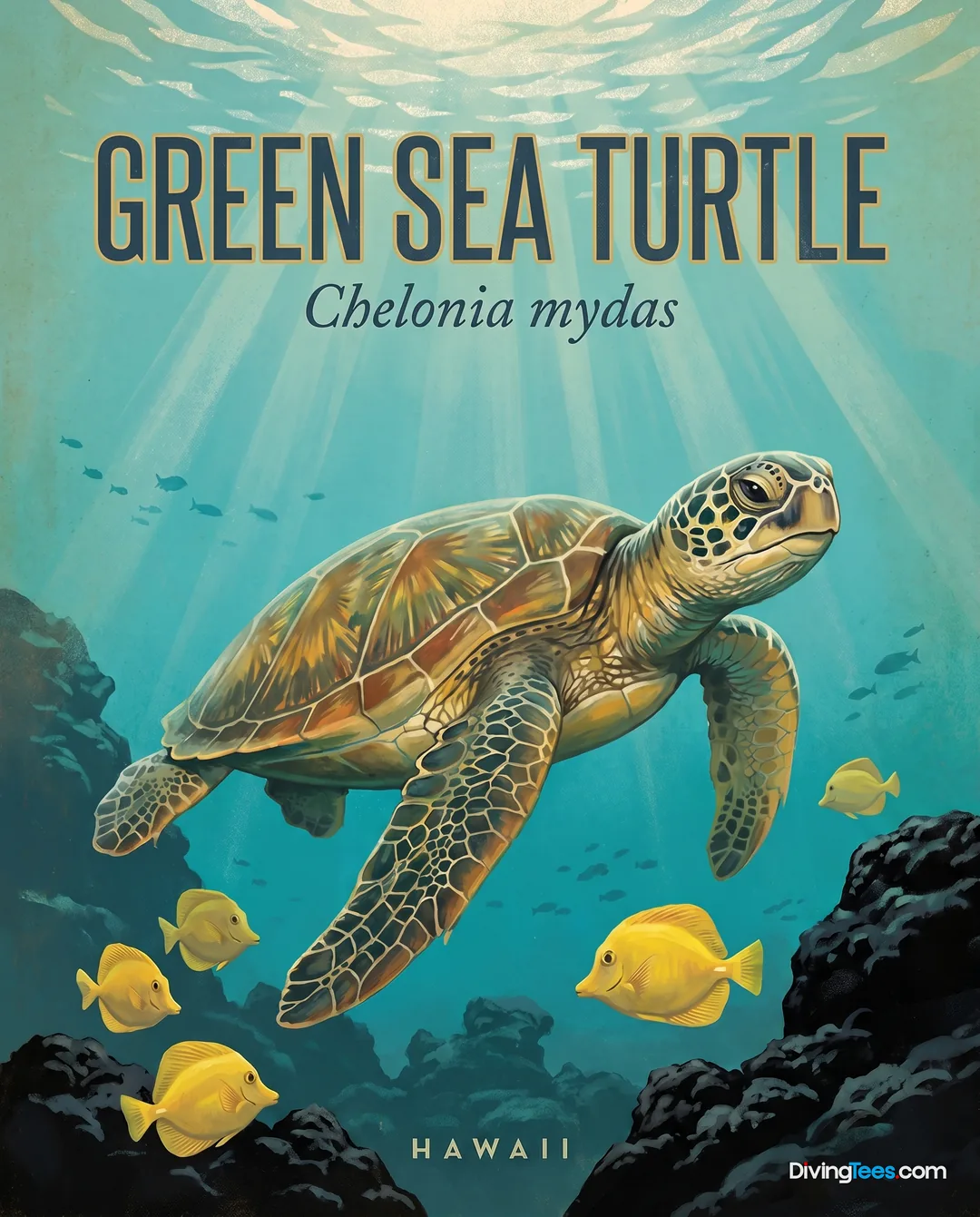
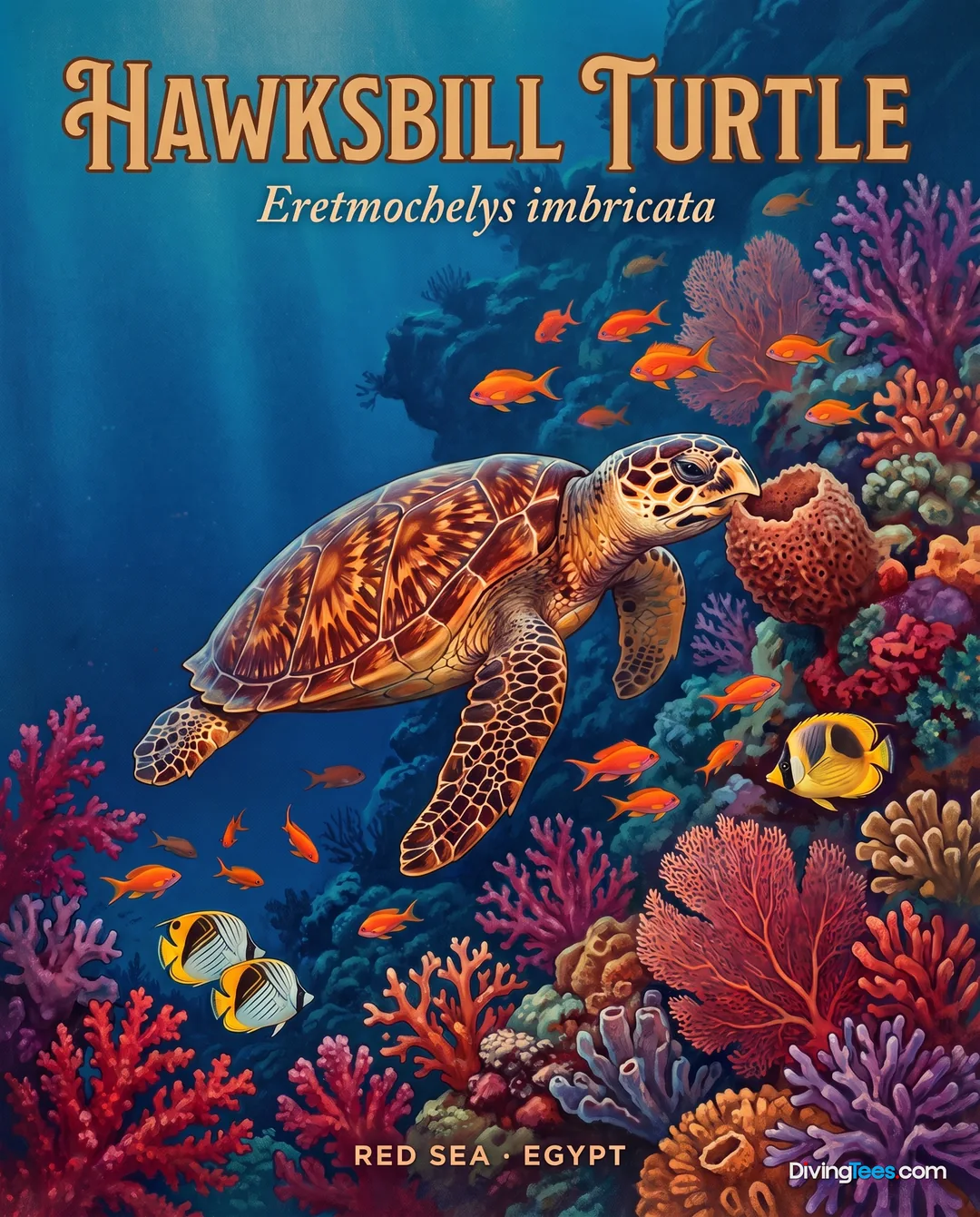
The marine life around Sint Eustatius is incredibly diverse, with sightings of Caribbean reef sharks, Blacktip reef shark, and Nurse shark. You will often encounter southern stingrays, spotted eagle rays, and various species of turtles, including the Hawksbill turtle (Eretmochelys imbricata) and Green sea turtle (Chelonia mydas).
On the reefs, look for large pelagics and schooling fish such as bighead jacks, snapper (Lutjanus), and grunts. The volcanic structures are often home to spotted moray eels (Muraenidae), green moray (Gymnothorax funebris), and various scorpionfish (Scorpaenidae).
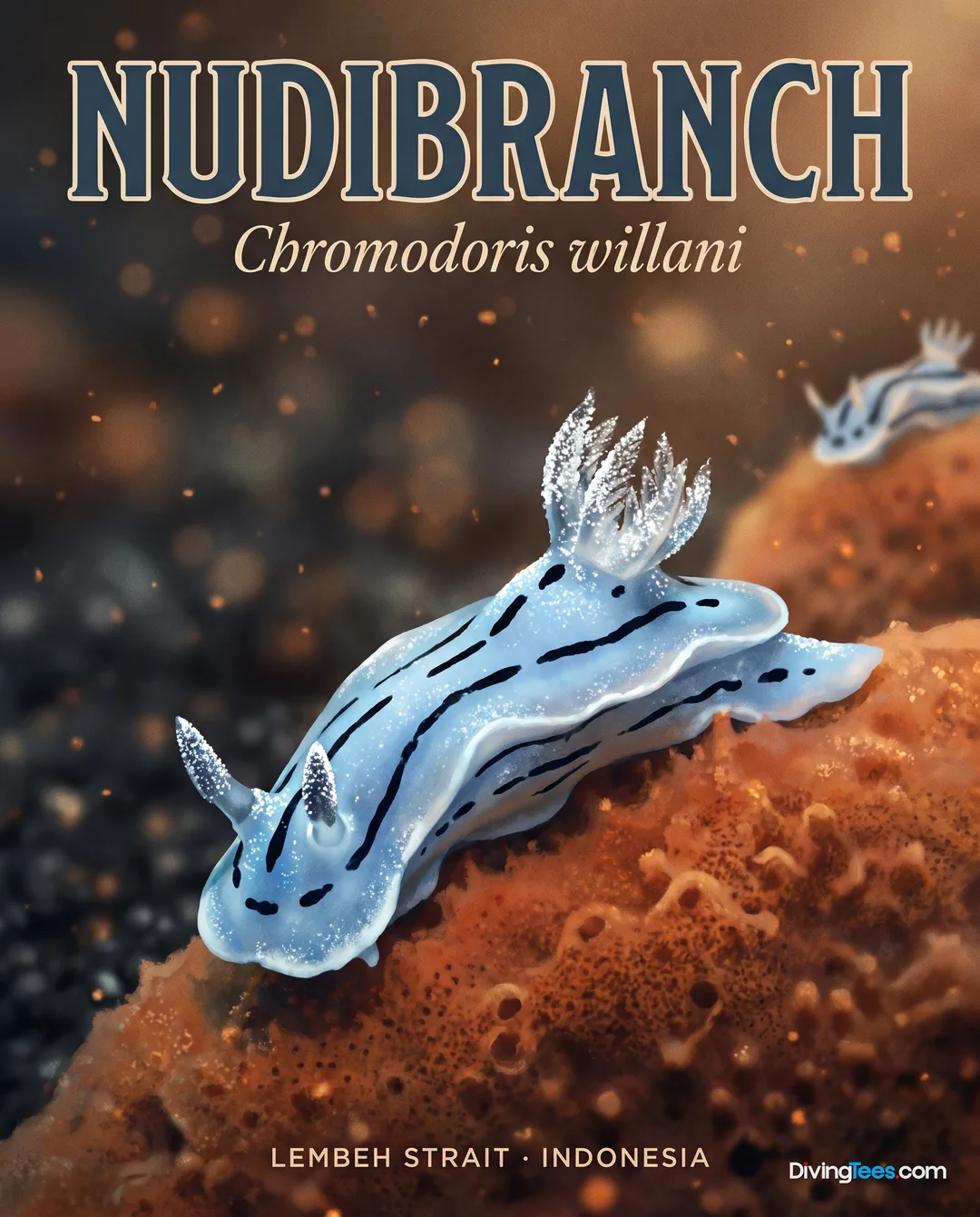
Macro enthusiasts will find plenty to observe, including several species of Nudibranch (Chromodoris willani), lettuce sea slugs, and various crabs like the arrow crab. Keep an eye out for cleaner shrimp (Lysmata), garden eels, and seahorses (Hippocampus kuda) tucked into the reef.
During the migration periods between January and March, there are opportunities for whale watching. The seabed is also home to queen conch, lobster (Homaridae), and various species of sponge and coral, including sea fans (Gorgoniidae).
Diving is possible year-round, with the island's volcanic setting providing a variety of underwater environments. The local waters maintain a consistent tropical character, though divers should always check the latest local reports for specific swell and current conditions before heading out.
Hello, I'm Marina, DivingDeal.com's AI assistant. I answer in detail about hotels, dive centres and liveaboards.

Thinking about the whole trip and the flights? Talk it over with Edith →
Marina is an AI. Some links are affiliate links: DivingDeal may earn a commission, at no extra cost to you. Bookings are made with the partner.