Liveaboards · Maldives
Dive Liveaboards Maldives
A Maldives liveaboard is the best way to dive several atolls in one trip, usually for seven nights and mostly from Male. With 43 liveaboards to choose from, you move between channels and reefs rather than returning to one harbour each day. Expect manta rays, reef sharks, schools of jacks and, on the right route, whale sharks. Trips start from £1,298$1,735€1,550 per person.
Maldives liveaboard routes
The table counts departures on sale over the next twelve months, route by route, using the name of each itinerary. It shows the lowest price at the most common length and is refreshed every night.
| Route | Departure ports | Most common length | From | Departures | Level |
|---|---|---|---|---|---|
| North Atolls | Male or Dharavandhoo | 7 nights | £1,298$1,735€1,550 | 150 | Open Water or Advanced Open Water, with 30 or 50 dives depending on the route |
| Deep South | Gan or Male | 7 nights | £1,666$2,227€1,990 | 155 | Open Water or Advanced Open Water, with 30 or 50 dives depending on the route |
| Central Atolls | Male or South Ari | 7 nights | £1,331$1,780€1,590 | 1283 | Open Water or Advanced Open Water, with 30 or 50 dives depending on the route |
Prices are per person, excluding flights and costs on board.
Northern Maldives liveaboard trips
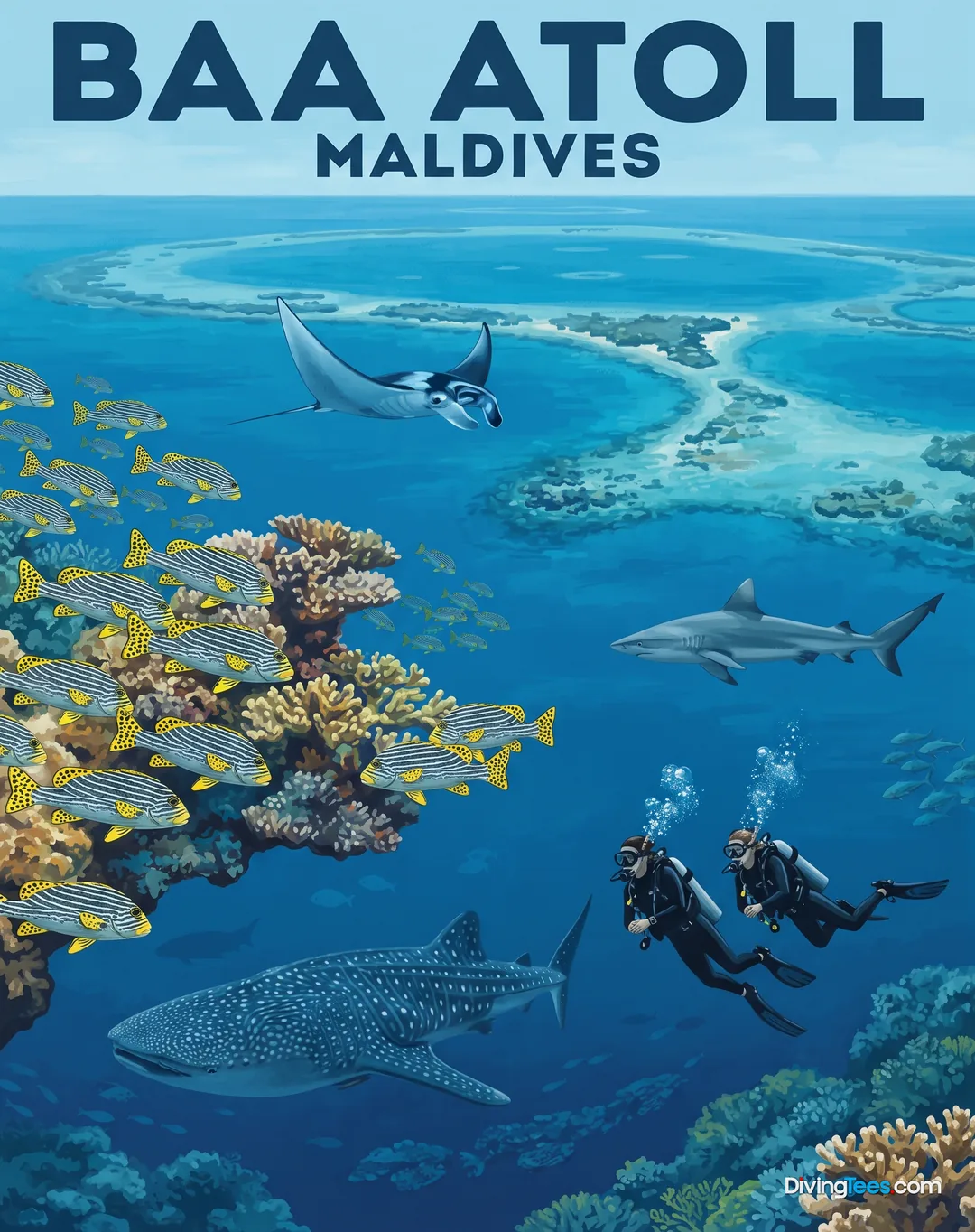
Northern routes cover Baa Atoll and Hanifaru Bay, with departures from Male, Dharavandhoo or Hanimaadhoo. Manta rays gather at Hanifaru Bay during the south-west monsoon, roughly from June to November. Hanifaru Bay is snorkel only, because scuba diving is banned there. The route can suit you if manta rays are the priority, but channel currents still call for confidence. Routes change with the monsoon, so check the itinerary and boat requirements before booking.
Deep South Maldives liveaboard trips
Deep South itineraries reach Huvadhoo, Fuvahmulah and Addu, departing from Gan, Male or Kooddoo. They run mostly between December and April and have fewer departures than the central routes. Fuvahmulah is known for tiger sharks, while the channels bring the current-diving character that defines this part of the Maldives. This is a route for divers happy to plan around conditions and a more remote itinerary. Check the boat's certification and minimum-dive requirements carefully.
Central Maldives liveaboard trips
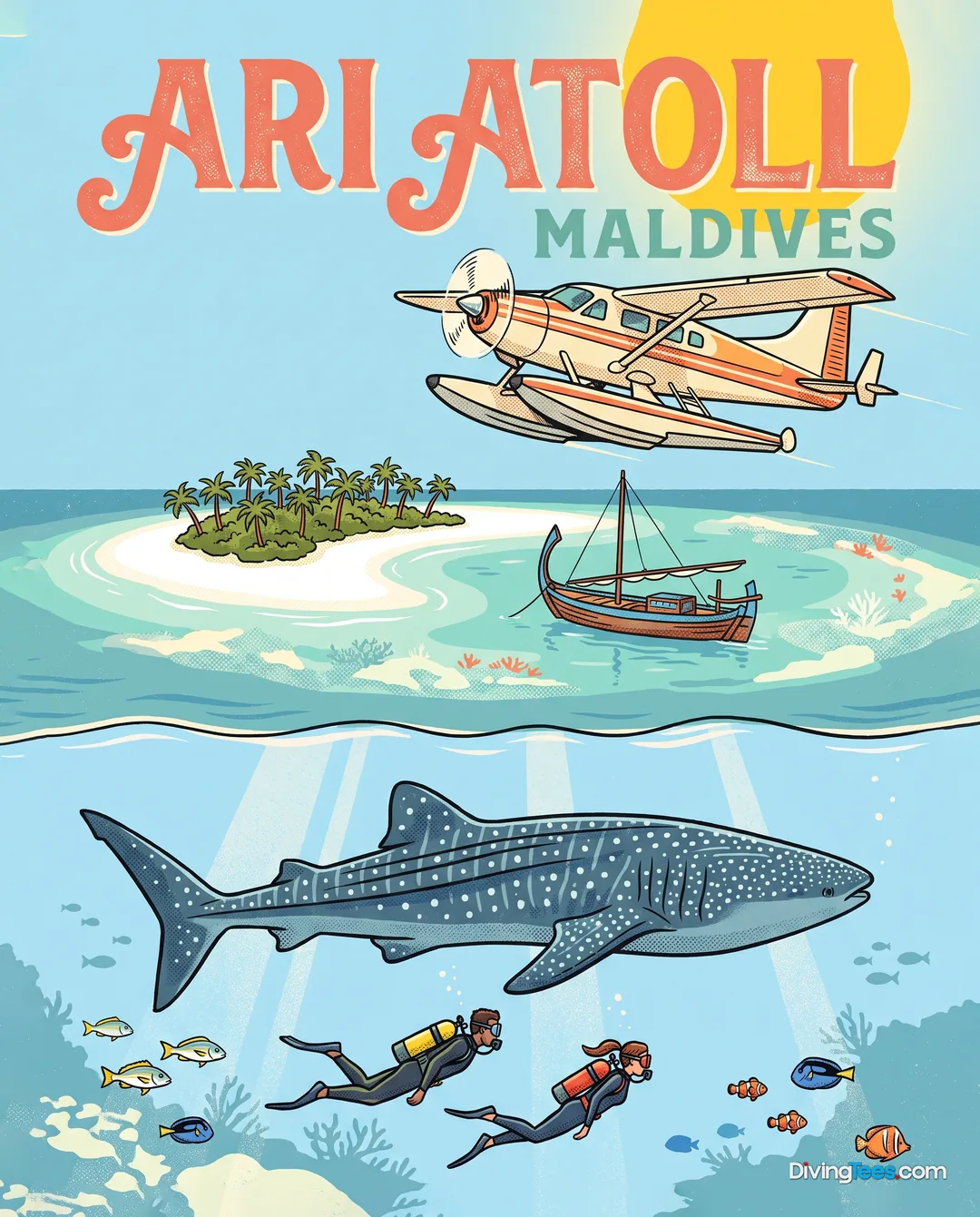
Central routes are the classic Maldives liveaboard choice from Male, with departures also listed from South Ari and Dharavandhoo. They cover North and South Male, Vaavu and Ari Atoll, and have the most departures. Expect manta rays, grey reef sharks and schools of jacks, with whale sharks in the south of Ari Atoll. Most trips last seven nights and include three or four dives a day, often with a night dive. Currents in the channels can be strong, so read the briefing and choose a route that matches your experience.
Maldives liveaboard special offers
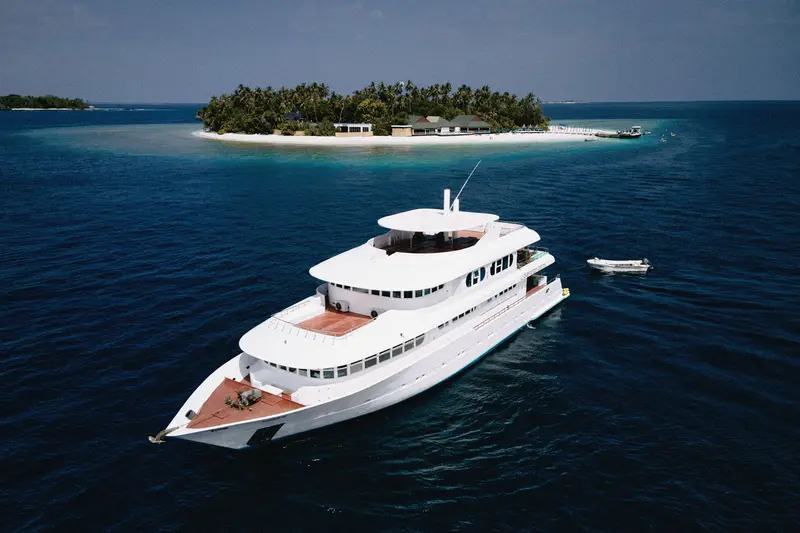 −£1,798−$2,404−€2,148
Horizon 3
Maldives
Indian Ocean★ 8.5/10 (131 reviews)
Departs 12 Dec 202714 nights
−39%per person
£2,820 £4,618$3,770 $6,174€3,368 €5,516
and 1 more departure on offer
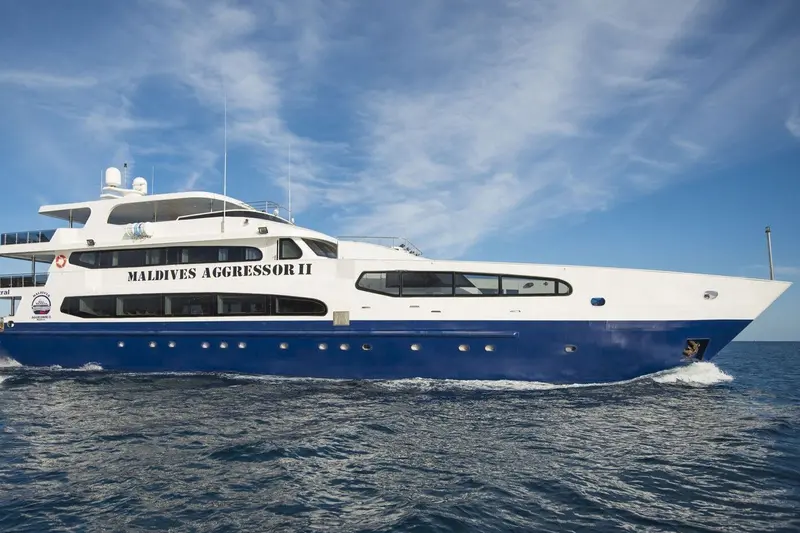 −£1,345−$1,798−€1,607
Maldives Aggressor II
Maldives
Indian Ocean★ 9.1/10 (143 reviews)
Departs 8 Nov7 nights
−45%per person
£1,633 £2,978$2,183 $3,981€1,950 €3,557
and 13 more departures on offer
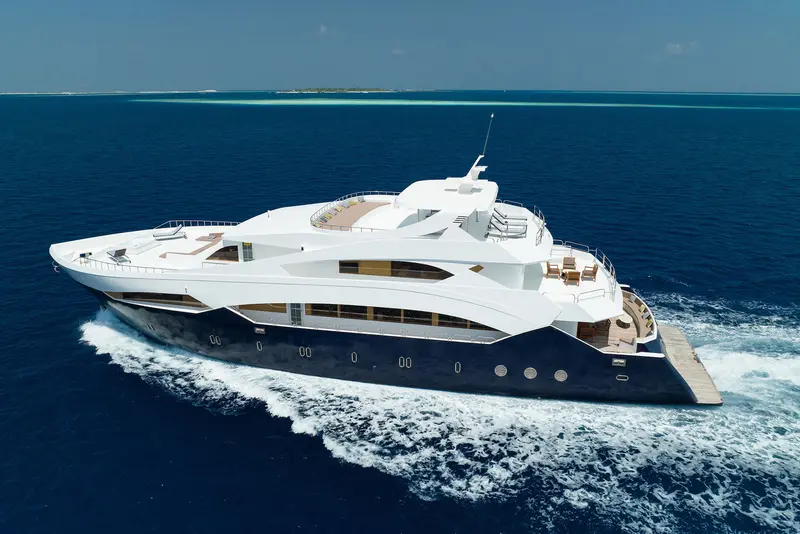 −£723−$966−€863
Felicity
Maldives
Indian Ocean★ 8.8/10 (138 reviews)
Departs 25 Jul 20277 nights
−35%per person
£1,367 £2,090$1,828 $2,794€1,633 €2,496
and 5 more departures on offer
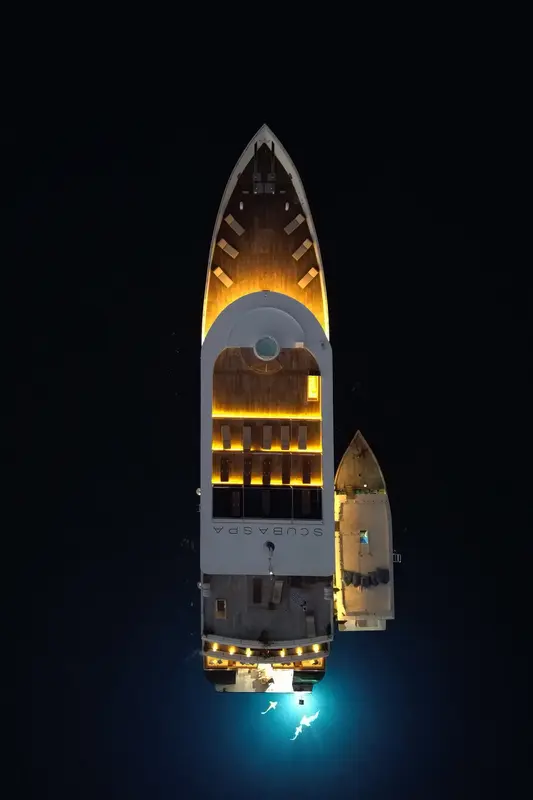
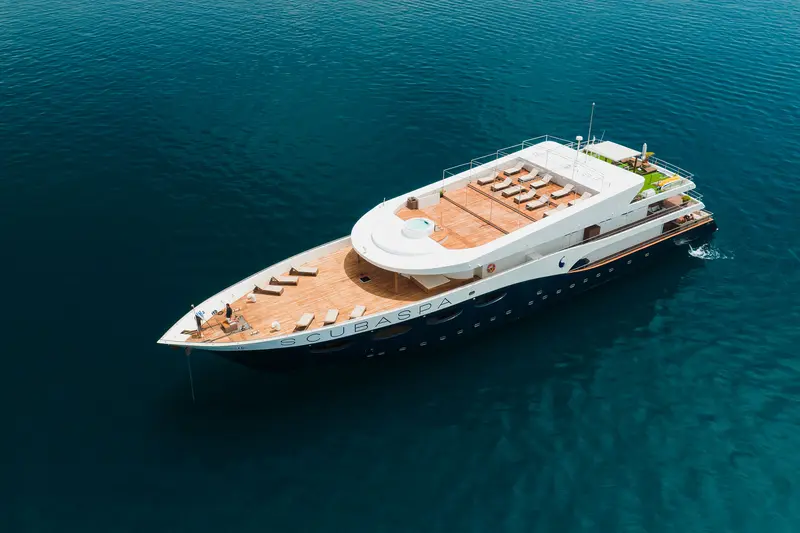
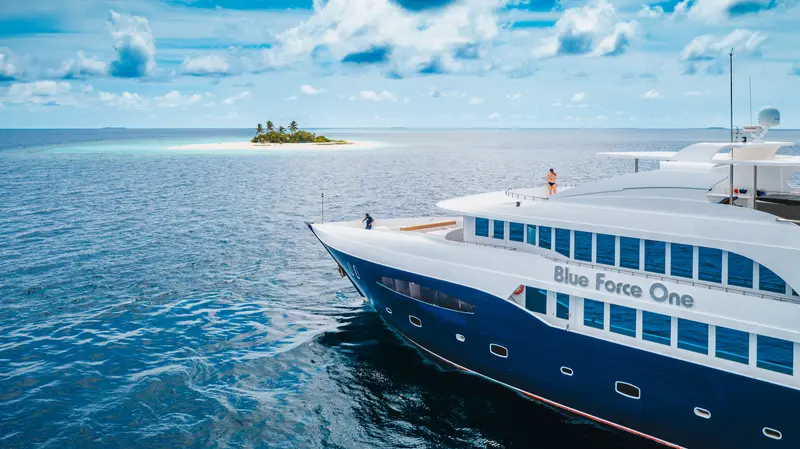
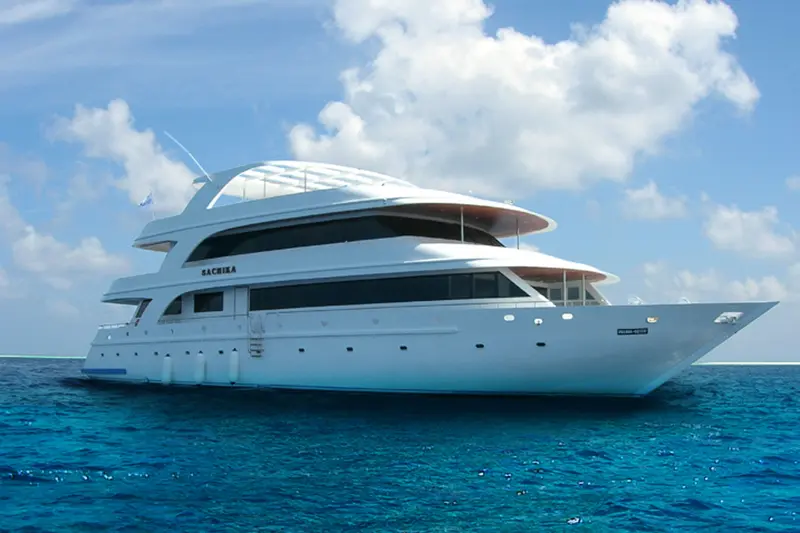
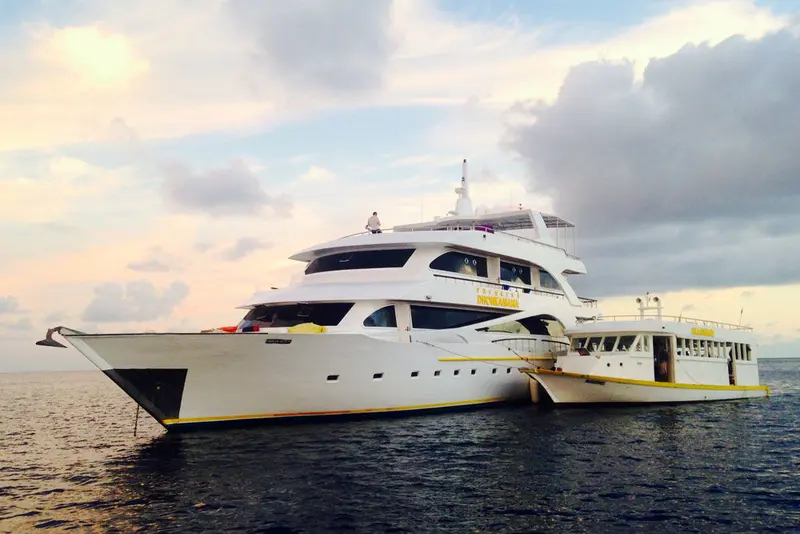
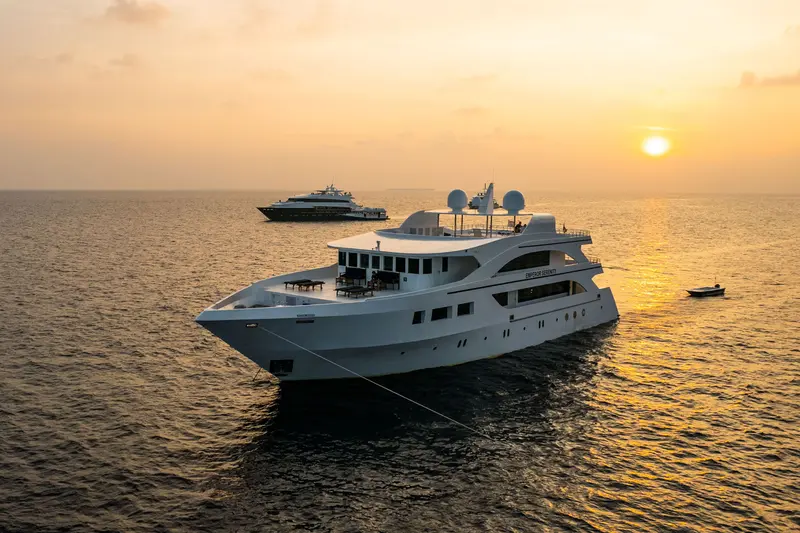
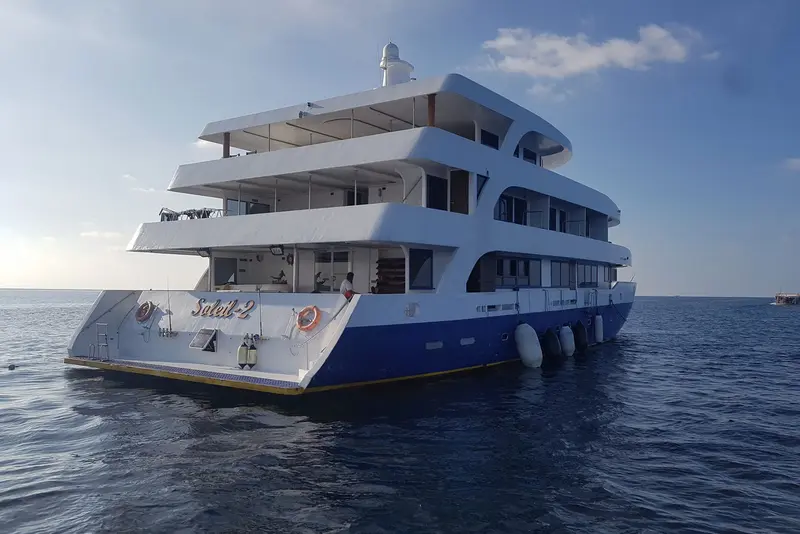
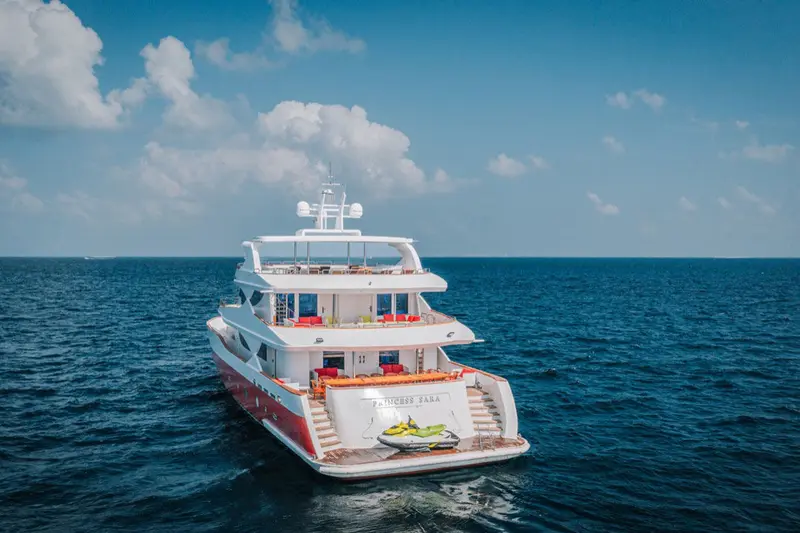
The boats
Where these boats go
Questions about a Maldives liveaboard
When is the best time for a Maldives liveaboard?
Routes run year-round, but they change with the monsoon. For manta rays at Hanifaru Bay, look roughly from June to November, while the Deep South runs mostly between December and April.
Which Maldives liveaboard route should I choose?
Choose the central atolls for the classic itinerary, manta rays, reef sharks and schools of jacks, with whale sharks in the south of Ari Atoll. Choose the north for Hanifaru Bay and the Deep South for Fuvahmulah and tiger sharks.
Where do Maldives liveaboards leave from?
Most leave from Male. Depending on the itinerary, the departure port can also be Dharavandhoo, Hanimaadhoo, Gan, Kooddoo or South Ari, so check the boat's transfer arrangements.
What is included in a Maldives liveaboard price?
Every boat sets its own terms. Marine park fees, nitrox, rental equipment, crew tips and transfers are often not included, so check the inclusions before you book.
How long is a Maldives liveaboard trip?
Seven nights is the most common length. The boats usually make three or four dives a day, often including a night dive, with a briefing before each dive.
Do I need much experience for a Maldives liveaboard?
Depending on the route, the boat may accept Open Water divers, or require Advanced Open Water and a minimum of 30 or 50 dives. Channel currents call for confidence, so check the exact requirement on the boat's page.
Maldives liveaboard FAQ
How much does a Maldives liveaboard cost?
Trips start from £1,298$1,735€1,550 per person for the most common length. Flights and costs on board are excluded, and each boat sets its own extras.
What is the best season for a Maldives liveaboard?
Maldives liveaboards operate year-round, with routes changing with the monsoon. Hanifaru Bay manta rays are seasonal from roughly June to November, while the Deep South runs mostly from December to April.
What certification do I need for a Maldives liveaboard?
Depending on the route, you may need Open Water, or Advanced Open Water with a minimum of 30 or 50 dives. The boat's page gives the exact requirement.
Where do Maldives liveaboards depart from?
Most depart from Male. Some itineraries use Dharavandhoo, Hanimaadhoo, Gan, Kooddoo or South Ari, so check the departure port and transfers.
How many dives a day do you do on a Maldives liveaboard?
Expect three or four dives a day, often including a night dive. There is a briefing before each dive.
What can I see on a Maldives liveaboard?
Depending on the route, you may see manta rays, grey reef sharks, schools of jacks, whale sharks and tiger sharks. The central, northern and Deep South routes offer different encounters.
How long should I wait before flying after a Maldives liveaboard?
There is no diving on the last day. Allow at least 24 hours between your last dive and take-off.
Do I need dive insurance for a Maldives liveaboard?
Dive insurance is strongly recommended and is often requested at boarding. Make sure it covers diving accidents and the recompression chamber.
Are marine park fees and nitrox included?
They are often not included, along with rental equipment, crew tips and transfers. Check the individual boat's terms.
Are Maldives liveaboard routes suitable for current diving?
The channels call for confidence in current, and routes can change with the monsoon. Read the boat's experience requirements and follow each briefing.