
plongee avec suvadiva divers maldives
Google 4.7/5 (11 reviews)
Maldives · Indian Ocean
Strong kandu currents, steep drop-offs, reef sharks and occasional manta rays make Gaafu Alifu a compelling southern Maldives destination for experienced divers.
For subtitles in English: start the video firstthen click the gearat the top right of the video, select “Subtitles/CC”, then “Auto-translate” and choose “English”.
At a kandu, the dive begins with a descent into moving water rather than a leisurely circuit of a reef. Gaafu Alifu is for divers who enjoy following a wall, reading the current and watching the blue for passing animals. Reef sharks, turtles, manta rays and occasional hammerhead sharks are the draw, with quieter reef dives available when conditions or confidence call for something gentler. The setting feels properly remote, but that remoteness brings longer transfers and a high overall trip cost.
The diving is built around passes and drop-offs, with currents that can turn a straightforward descent into a fast drift dive. On the incoming or outgoing flow, divers may hold position along a wall, watch the blue water for reef sharks, or move downcurrent towards a cleaning station. Some reefs close to the island resorts are more sheltered, but the exposed kandus are the reason experienced divers travel this far south. Visibility is usually more favourable from December to April, although rain, swell, plankton and current-borne sediment can change it quickly. Boat diving is the norm, either from an island resort or a liveaboard covering several sectors. Expect the day’s plan to remain flexible, with alternative sites needed when a pass becomes too rough or the current is unsuitable.
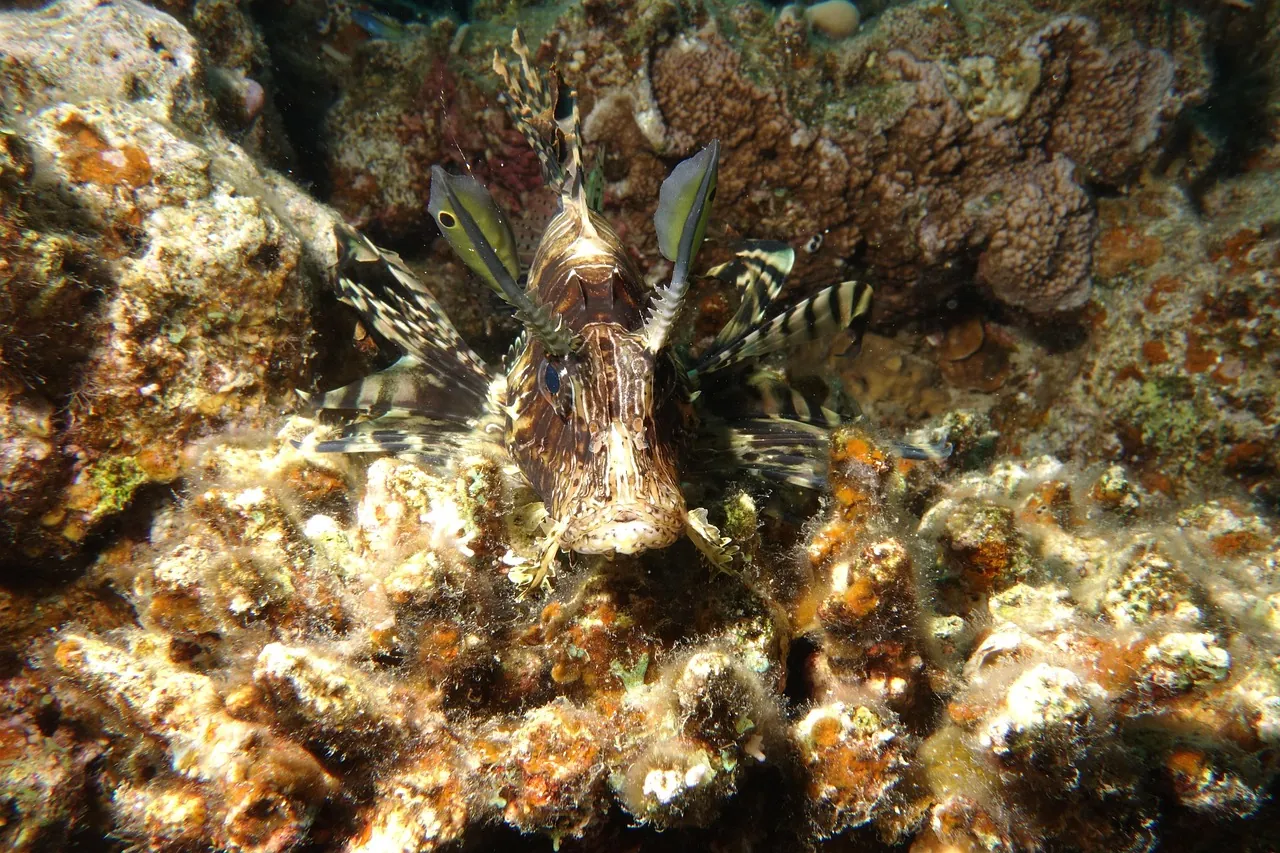
Reef sharks are the most dependable large-animal presence around the passes, while turtles may appear on the reef and pelagics can arrive with the current. Manta rays are an occasional rather than guaranteed encounter, with sightings most often associated with cleaning stations from May to September. The south-west monsoon can bring more plankton, which may help attract mantas, but it also brings less settled sea conditions. Whale sharks are possible throughout the year, with January to April often mentioned as a useful window, though no encounter should be treated as certain. Hammerhead sharks are a rarer possibility, seen according to the pass, timing and conditions. Gaafu Alifu rewards repeated attempts rather than a single wildlife gamble.
December to April is generally the most practical period, when the north-east monsoon usually brings lighter winds, calmer crossings and clearer water. That matters here because the best-known diving is exposed to current and open-water conditions, and a rough transfer can disrupt more than one planned dive. The south-west monsoon remains diveable, but the rainy season can bring stronger wind, rain and swell, particularly affecting passes and liveaboard itineraries. It may also bring more plankton and occasional manta activity, so divers who prioritise mantas may accept less settled weather. Build the trip around conditions rather than a single promised animal.
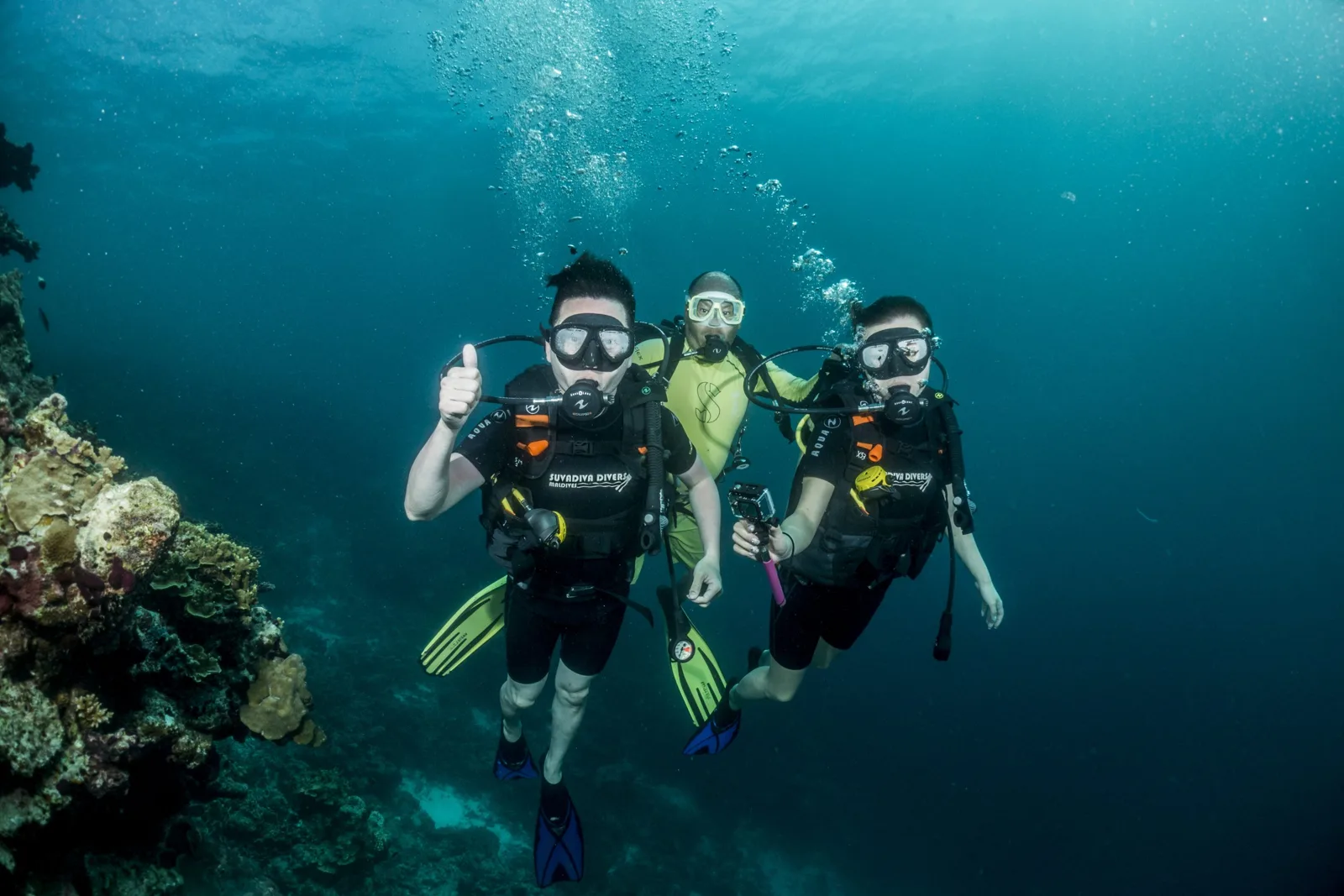
Gaafu Alifu suits autonomous, experienced divers who are comfortable entering a current and completing a controlled drift dive. Advanced Open Water is useful for the deeper passes, while a Drift specialty is relevant to repeated current work. Comparable BSAC experience matters more than the badge itself. Some sheltered reef dives can suit a wider range of abilities, but a diver who is uneasy in moving water should not book on the assumption that every dive will resemble an easy resort-reef outing.
From London Heathrow or Gatwick, or from Manchester, the journey runs through Malé before continuing by domestic aircraft to Kooddoo, a flight of about an hour. From Kooddoo, a boat transfer is required, either to the chosen island or to the liveaboard. There is no road connection from Malé to Gaafu Alifu and no inter-island road network once you arrive, so the final stages depend on aircraft and boat timings. Allow roughly fourteen to twenty hours from western Europe overall, depending on the Malé connection and the wait for the domestic flight. Do not link a tight domestic arrival to a liveaboard departure. A night in Malé before embarkation is a sensible buffer, and the same principle applies to any onward boat transfer.
Treat the flight from Malé to Kooddoo and the boat as one connected journey, not two separate bookings. A delay on the domestic leg can cost a liveaboard departure, so arrive the previous day when the itinerary depends on that handover. Once aboard, keep several dives available for changes caused by swell or a difficult pass. Ask about the planned order of the kandus and, where possible, avoid the usual group-boat windows if solitude matters. Bring the drift equipment and computer you actually prefer, because replacement choices are limited this far south. Check the expected current before committing to an exposed kandu, especially if your recent diving has been on sheltered resort reefs. Do not book around one manta or whale-shark day, and do not mistake a calm reef dive for evidence that the next pass will be manageable.
A liveaboard is the efficient way to cover several remote passes and change sectors when conditions shift. An island resort gives a steadier routine, with the dive centre generally within the complex and boats running to more distant reefs. It also works better for mixed groups: non-divers can snorkel, take boat trips, visit inhabited islands, or spend time on the beach. Plan seven to ten days so transfers, replacement dives and a pelagic excursion do not consume the whole stay.
Hello, I'm Marina, DivingDeal.com's AI assistant. I guide you through destinations, areas and countries.
Thinking about the whole trip and the flights? Talk it over with Edith →
Marina is an AI. Some links are affiliate links: DivingDeal may earn a commission, at no extra cost to you. Bookings are made with the partner.
December to April usually brings lighter winds, calmer crossings and clearer water, making exposed passes more practical. Diving remains possible during the south-west monsoon, when rain, wind and swell can increase, while extra plankton may support manta activity from May to September. Plan around conditions rather than one animal encounter.
Gaafu Alifu Atoll suits autonomous, experienced divers who are comfortable descending into current, reading moving water and completing controlled drift dives. Advanced Open Water experience helps with deeper passes, and drift training is relevant to repeated current work. Sheltered reefs suit more divers, but not every dive is an easy resort-reef outing.
Gaafu Alifu Atoll offers reef sharks around strong kandu currents and steep drop-offs, with turtles on the reef and pelagics arriving with the flow. Manta rays may visit cleaning stations from May to September, whale sharks are possible throughout the year, and occasional hammerheads can appear in the passes.
Choose a liveaboard to cover remote passes and change sectors when conditions shift, or an island resort for a steadier routine and options for mixed groups. Build in flexibility for rough passes, replacement dives and transfers. Travel through Malé and Kooddoo, allow a buffer before boat connections, and plan a stay long enough for weather changes.