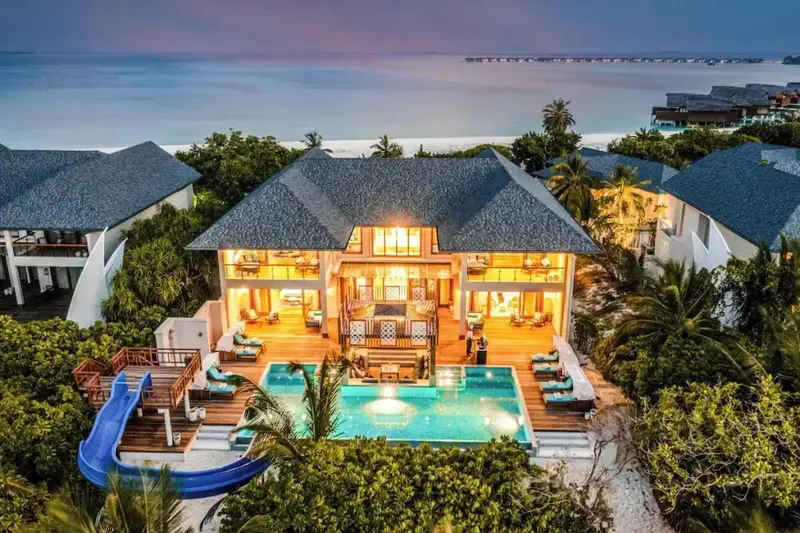
 Dive centre in the hotel
Hideaway Beach Resort & Spa
★★★★★
Google 4.7/5 (662 reviews)
The dive centre
Meridis Dive and Relax
PADI · SSI
Google 5/5 (10 reviews)
Maldives · Indian Ocean
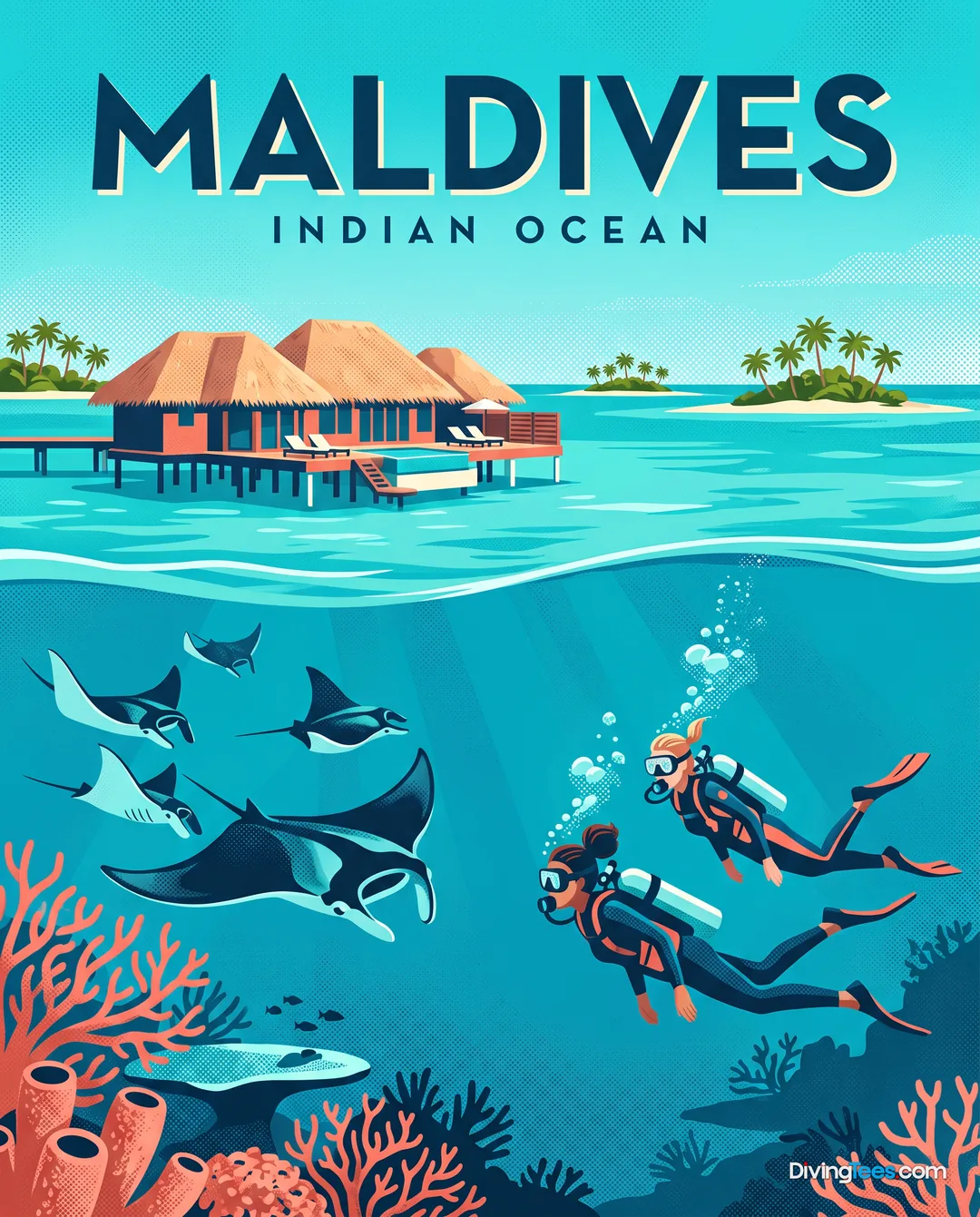
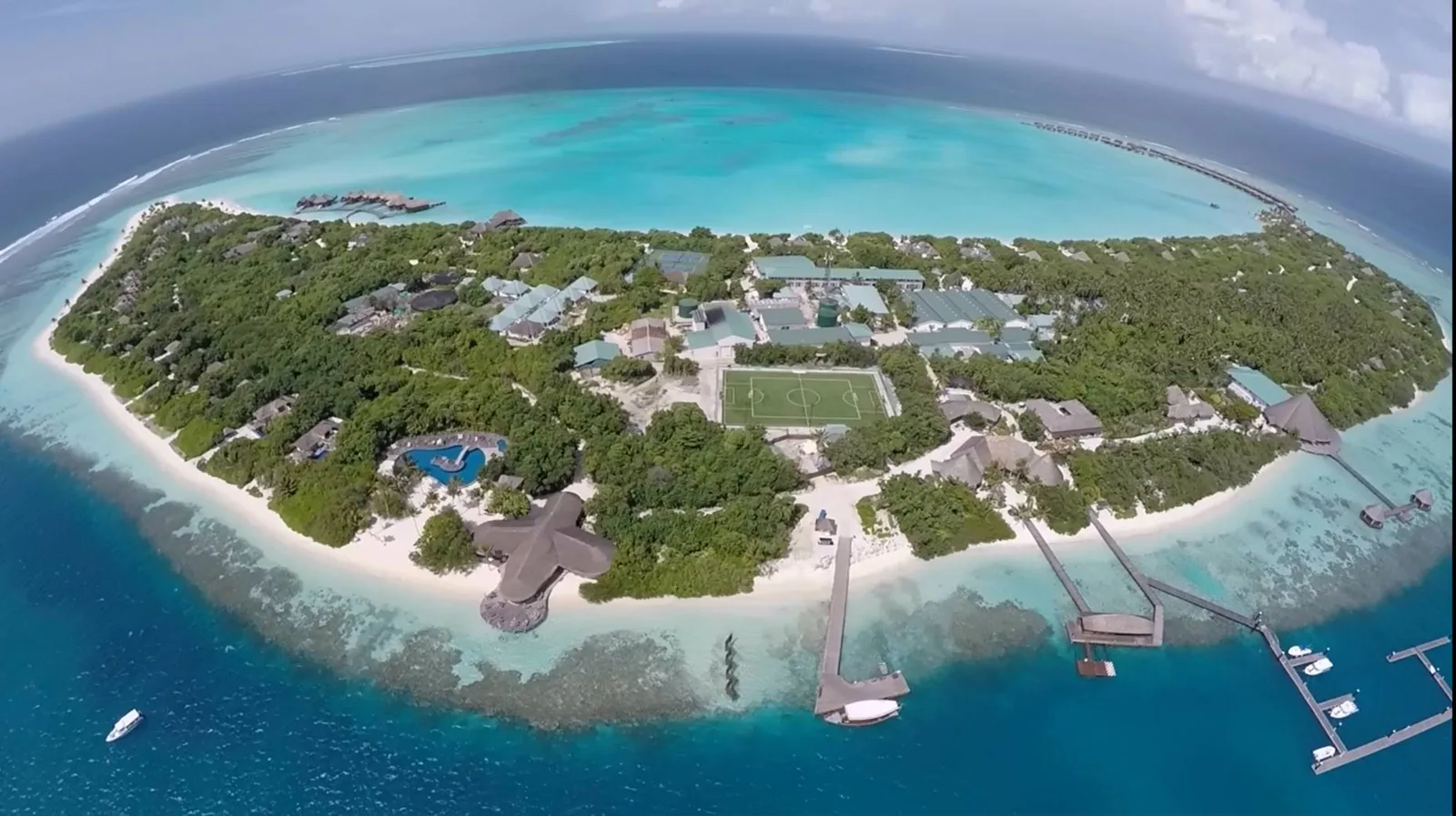
Thilas, channel walls, cleaning stations and manta rays meet around Hanimaadhoo, with shallow reefs alongside current-running dives reached by dhoni.
For subtitles in English: start the video firstthen click the gearat the top right of the video, select “Subtitles/CC”, then “Auto-translate” and choose “English”.
Thilas rise from the reef around Hanimaadhoo, while channel walls bring a more purposeful dive when the current is running. This is a northern Maldives base for divers who prefer an inhabited island and daily dhoni trips to a changing selection of reefs, rather than a resort bubble or a liveaboard routine. Shallow, calmer sites make room for training and easy photography; cleaning stations, sharks, turtles and occasional mantas provide the larger encounters.
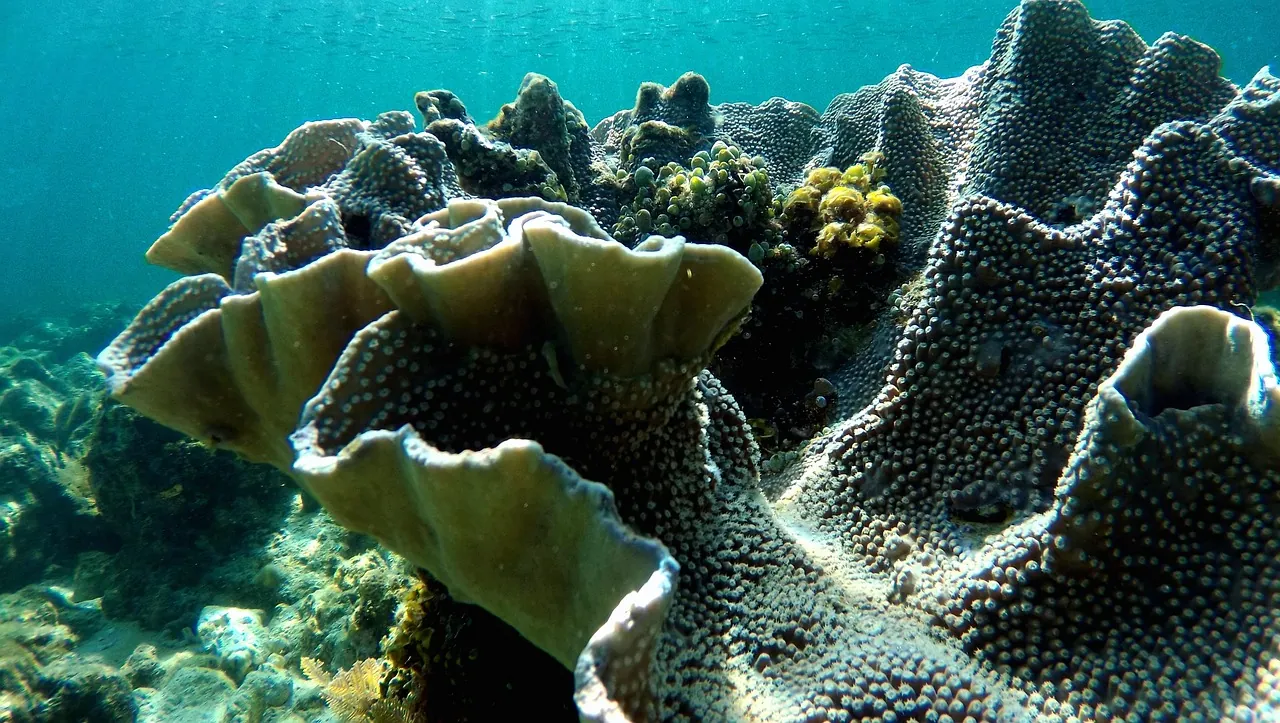
Most diving starts from a dhoni, with the journey to a site taking roughly 20 to 40 minutes. Underwater, expect reef slopes, thilas, overhangs, small caves, plateaux and coral formations rather than one uniform layout. Sites close to Hanimaadhoo can be shallow and relatively calm, useful for a first dive, a refresher or a slow hunt for small subjects. Channel sites are a different proposition, with current that can become strong and a genuine drift dive feel. Ask in the briefing whether the plan is a sheltered slope or an exposed channel, then match the dive to the conditions on the day. Visibility is changeable, so the appeal here is the combination of terrain and encounters, not a guaranteed blue-water view. The boat-based format also means planning the day around departures, surface intervals and the return to the island.
Manta rays are the seasonal headline, particularly from May to early December when cleaning stations may be visited. A station is a place to wait quietly, not a promise that a manta will appear on every immersion. Grey reef sharks are a regular possibility, while nurse sharks and eagle rays are occasional visitors. Marine turtles add a slower-moving presence on the reefs. Look closer beneath overhangs and around small cavities for reef fish and macro subjects, with pygmy seahorses an occasional reward for patient observers. Whale sharks are possible rather than dependable. Hanimaadhoo therefore suits a diver happy to alternate between watching a large animal pass a cleaning station and examining the reef at close range.
May to early December is the useful window for Hanimaadhoo, because the rainy season and monsoon period are associated with better manta prospects around the local cleaning stations. That does not make every day flat or every dive predictable: currents remain variable, particularly in channels, and a manta sighting still depends on timing and animal behaviour. There is no clear block of months that needs avoiding altogether. Choose the season according to your priority. Come in the wetter part of the year for the strongest documented manta opportunity, while keeping enough flexibility for the sea and the boat schedule to dictate individual dives.
Hanimaadhoo can work for beginners and newly qualified divers because several nearby reefs are shallow and lightly affected by current. PADI, SSI and BSAC divers should, however, separate those sites from deeper or exposed channel dives when discussing the itinerary. Advanced Open Water training is useful for the more demanding terrain, while a Drift Diver qualification helps with current-running dives. Comfort in changing conditions matters more than chasing a particular site name.
From London Heathrow, Gatwick or Manchester, the journey to Hanimaadhoo is built around reaching Malé first, then taking the usual domestic flight to Hanimaadhoo International Airport. That internal flight takes about 45 minutes, but its timetable must be matched carefully to the international arrival and departure. Allow a proper margin rather than treating the connection as an afterthought, especially when the international journey is on the same day. Once on Hanimaadhoo, the dive sites are reached by dhoni, with boat trips generally taking about 20 to 40 minutes depending on the site. Moving between accommodation and the local diving operation is usually straightforward on foot, by bicycle or with a short local transfer.
Tell the dive team whether you want a calm shallow reef, macro photography or a current dive, and ask for those categories to be kept distinct in the plan. A channel should not automatically become the first dive of the day, particularly if you have just arrived or are not used to changing current. Morning dhoni departures make sense for farther sites and channels; keep a nearby, shallow site available for a more flexible second outing or a check dive. Bring a macro setup and a suitable torch for the overhangs, small cavities and pygmy seahorse search. Do not book Hanimaadhoo expecting unlimited shore diving: the useful house reef is not simply a matter of walking into the water from the beach. Finally, leave a no-diving day before the international flight, with room for the domestic connection through Malé rather than placing the last dive against the journey home.
The natural rhythm is a land-based stay with daily dhoni outings, not a liveaboard schedule or a day built around unlimited shore entries. Accommodation and diving are generally close enough for walking, cycling or a short local transfer. Non-divers have beaches, lagoon snorkelling, dolphin trips, sandbank excursions, fishing and the everyday life of an inhabited island to explore. Seven to ten days gives room for several boat days, changing currents and a patient wait for mantas.
Hello, I'm Marina, DivingDeal.com's AI assistant. I guide you through destinations, areas and countries.
Thinking about the whole trip and the flights? Talk it over with Edith →
Marina is an AI. Some links are affiliate links: DivingDeal may earn a commission, at no extra cost to you. Bookings are made with the partner.
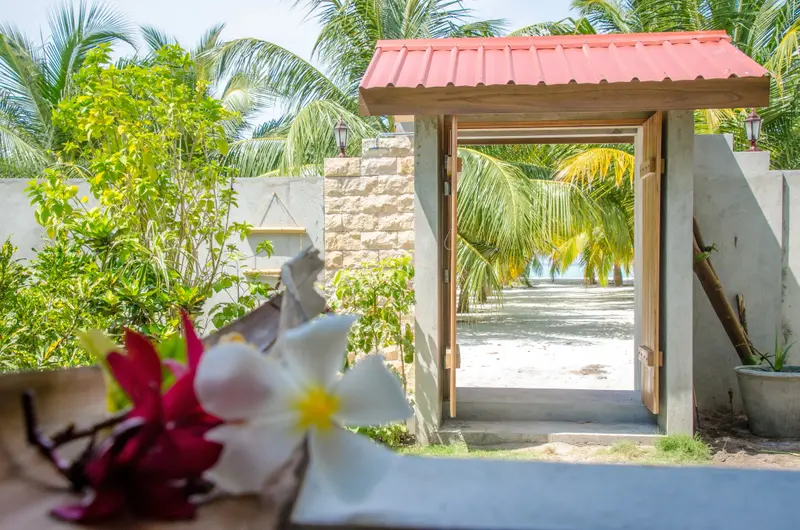
In each one, the dive centre is inside the hotel: step out of your room and go diving.
Dive centre in the hotel★★★★★
Google 4.7/5 (662 reviews)
The dive centre
Meridis Dive and Relax
PADI · SSI
Google 5/5 (10 reviews)
Visit Hanimaadhoo from May to early December if manta encounters are your priority, since cleaning stations may be visited during this period. Conditions remain changeable, with variable currents, so keep your plans flexible. There is no stated block of months to avoid; choose timing around your main interest.
Hanimaadhoo suits beginners and newly qualified divers because nearby reefs can be shallow and lightly affected by current. Discuss the itinerary carefully, as exposed channel dives are different from sheltered sites. Advanced Open Water training is useful for demanding terrain, while Drift Diver training helps with current-running dives.
Diving around Hanimaadhoo can include manta rays at seasonal cleaning stations, grey reef sharks, marine turtles and occasional eagle rays or nurse sharks. Thilas, reef slopes, overhangs and small caves provide varied scenery. Patient divers may find pygmy seahorses and other macro life among the reef formations and cavities.
Plan Hanimaadhoo as a land-based stay with daily dhoni outings, rather than relying on unlimited shore diving. Allow flexibility for departures, surface intervals, changing currents and manta searches. Reach the island through Malé and match the domestic flight carefully, then leave a no-diving day before your international journey home.