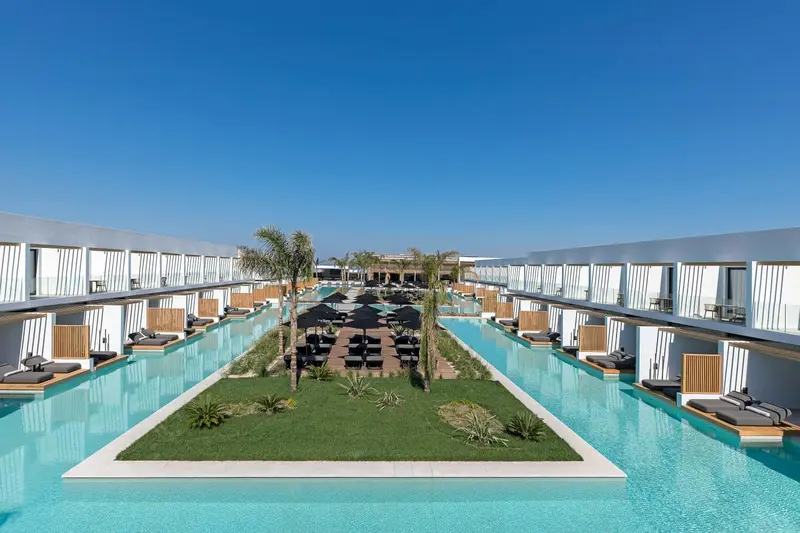
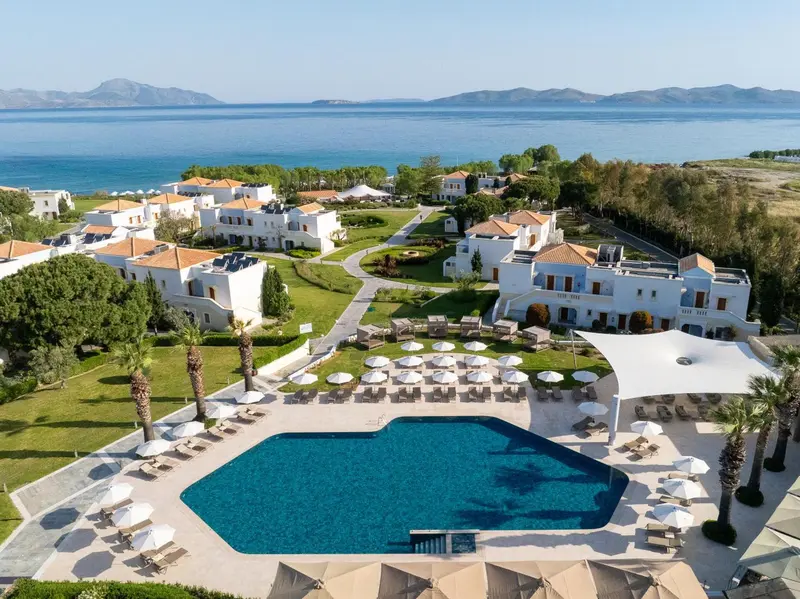
 Dive centre in the hotel
Neptune Luxury Resort
★★★★★
Google 4.7/5 (1,862 reviews)
The dive centre
SILENT EXPLORERS
SSI
Google 4.7/5 (349 reviews)
Dives: Pserimos Thor Star Wreck, Kalymnos Therma, Kalymnos Vathy
Greece · Mediterranean
Rocky walls, Posidonia seagrass, volcanic bottoms and occasional octopus meet shore dives around Kefalos and boat trips to nearby islands.
For subtitles in English: start the video firstthen click the gearat the top right of the video, select “Subtitles/CC”, then “Auto-translate” and choose “English”.
Kos is a shore-based diving holiday with two quite different practical centres of gravity: Kos Town and the Kefalos area on the south-west coast. From land, expect rocky reefs, walls, cavities, tunnels and Posidonia seagrass. Small boats extend the range to Pserimos, Plati, Nisyros, Gyali and Strongyli, where volcanic ground and wrecks add another side to the island. It also works well for mixed groups, with beaches, archaeological sites, villages and walking beyond the water.
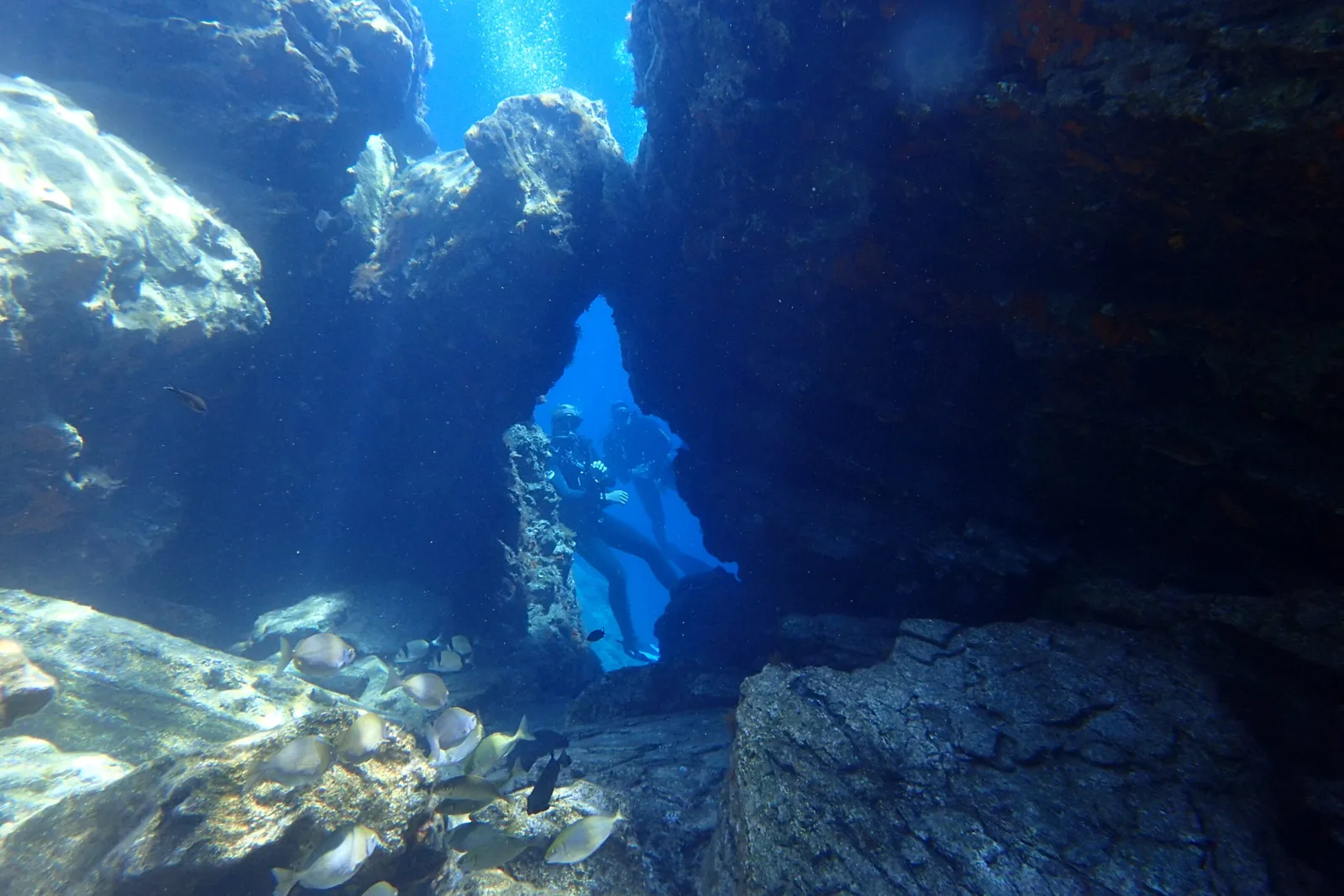
The diving alternates between straightforward shore entries and small-boat outings. Around Kefalos and the southern coast, the underwater landscape is built from rock: walls, openings, short passages, tunnels and cavities, with Posidonia nearby. Ask exactly what is meant by a cave, because a briefly illuminated swim-through is not the same proposition as a covered environment. Further afield, the islands bring more exposed boat diving, volcanic bottoms and wrecks, including deeper options around Pserimos. Currents are variable rather than a constant feature, but wind matters greatly to island trips and can turn a planned outing into a poor day on the water. Visibility is often 20 to 30 metres from May to October, although rough seas and coastal particles can reduce it. The usual rhythm is a morning coastal dive, or a full day by boat when conditions allow.
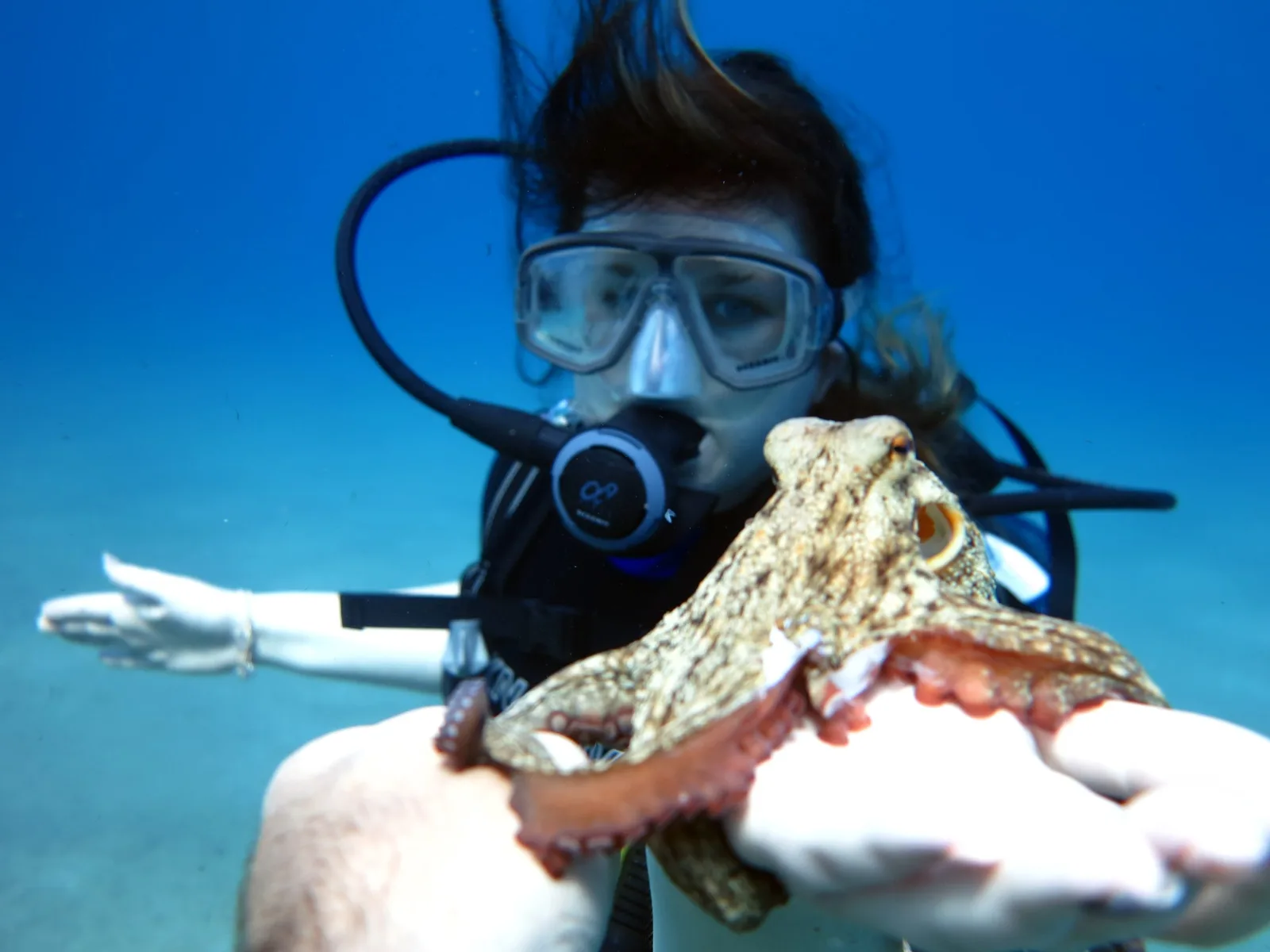
An octopus is the most dependable character in the seasonal cast, with sightings regular from April to October among rock and cover. Groupers and nudibranchs are possible in the same period, though neither should be treated as guaranteed on every dive. Barracuda become an occasional possibility from May to October, while marine turtles are a rarer bonus in those months. The habitat itself is part of the interest: sponges, rocky relief and Posidonia seagrass give photographers both wide-angle structure and small subjects to search for. Bring a complete personal camera kit if nudibranchs, octopus or cavities are the aim, since specialist small accessories may not be available locally.
May, June, September and October make the most practical window for Kos. Operators work from spring through autumn, visibility is commonly strongest between May and October, and these shoulder months are usually less crowded than July and August. That matters on accessible coastal sites and on boat trips to the islands, where swimmers and excursion traffic can change the feel of a dive. Spring through autumn also covers the regular octopus period and the chance of seasonal barracuda, while island departures remain dependent on wind and sea conditions. December to March is a poor fit for a conventional diving holiday because local operations are largely concentrated outside those months.
Kos suits beginners as well as experienced divers. Introductory dives and guided coastal dives can keep new divers in the simpler shore environments, while deeper sites and island excursions ask for more confidence in boat procedures and changing conditions. PADI, SSI and BSAC divers should find the range familiar, but qualification matters for the more demanding profiles. An Advanced qualification is useful for deeper sites and some island trips, and a Wreck qualification is relevant to the deeper wrecks around Pserimos.
From London Heathrow, London Gatwick or Manchester, the practical starting point is a flight to Kos International Airport, followed by a road transfer to Kos Town, Kefalos or another coastal base. The island is spread out, so the final road journey depends heavily on where the diving starts. Ferries also connect Kos with Piraeus, Rhodes, Kalymnos and other Dodecanese islands. The Piraeus crossing is a long link, whereas inter-island ferries are generally shorter. Once on Kos, central Kos Town can put some accommodation and boat departures within walking distance. In other areas, allow for a taxi, hire car or organised transfer, particularly when staying in Kefalos or along the south-west coast.
Choose the base around the diving rather than the middle of the island. Kos Town and Kefalos are not interchangeable, and a central booking can cost useful time on the road. Put island excursions near the start of the holiday, leaving room to move them if wind makes Pserimos, Plati, Nisyros, Gyali or Strongyli uncomfortable. Check whether a booked boat trip is genuinely a diving programme, rather than a sightseeing or snorkelling outing with a short swim stop. For coastal sites, early departures are worthwhile before excursion boats and bathers arrive. Before entering any tunnel or cavity, ask the guide whether it is an open, lit passage or a genuinely covered environment requiring suitable training. Do not put a distant boat dive on the day before flying, and keep a final no-diving day available. A compact personal camera and small accessories are sensible if close work on nudibranchs, octopus or rock passages matters.
Allow five to seven days on the island. That gives time to divide the stay between Kos Town and Kefalos only if the transfer is worthwhile, rather than pretending they are one local base. Mix shore dives with a carefully chosen island day, then leave room for a weather change and a day away from diving. Archaeological sites and thermal remains in Kos Town, Kefalos villages and landscapes, beaches, boat outings and inland walks give non-divers a proper holiday rather than a waiting room.
Hello, I'm Marina, DivingDeal.com's AI assistant. I guide you through destinations, areas and countries.
Thinking about the whole trip and the flights? Talk it over with Edith →
Marina is an AI. Some links are affiliate links: DivingDeal may earn a commission, at no extra cost to you. Bookings are made with the partner.
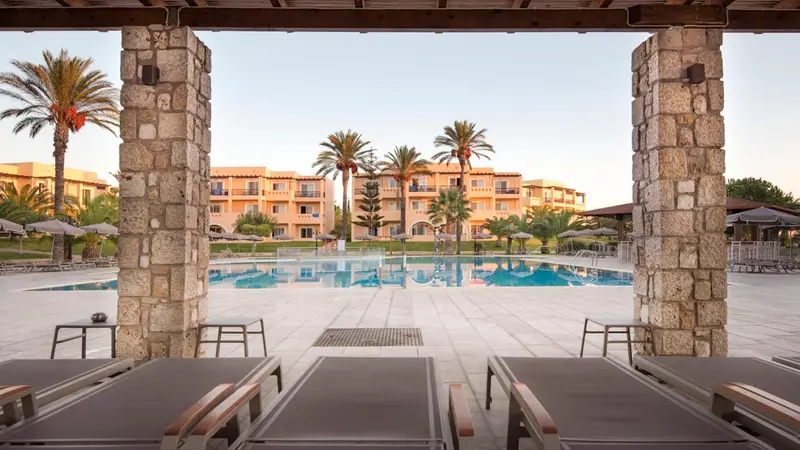
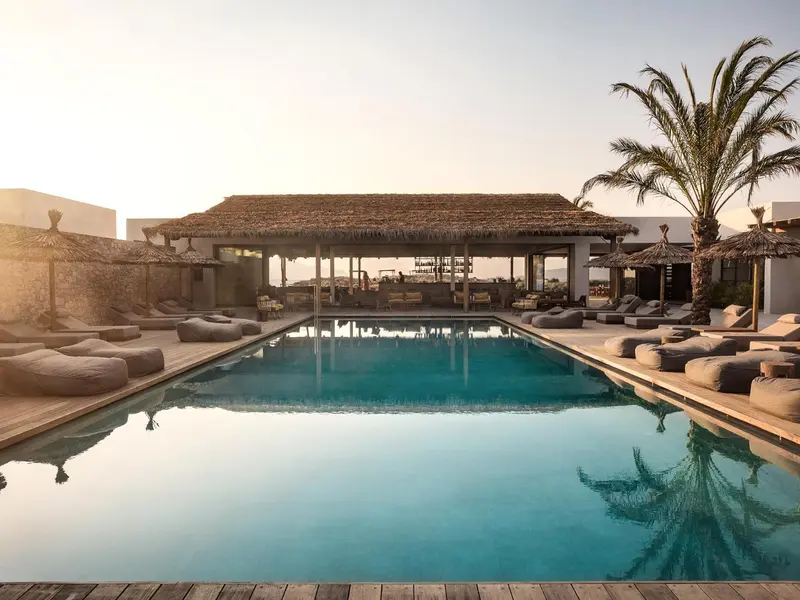
In each one, the dive centre is inside the hotel: step out of your room and go diving.
Dive centre in the hotel★★★★★
Google 4.7/5 (1,862 reviews)
The dive centre
SILENT EXPLORERS
SSI
Google 4.7/5 (349 reviews)
Dives: Pserimos Thor Star Wreck, Kalymnos Therma, Kalymnos Vathy
Choose Kos from spring through autumn, with May, June, September and October offering a practical balance of diving conditions and fewer crowds than July and August. Visibility commonly reaches twenty to thirty metres from May to October. Island trips remain dependent on wind and sea conditions, while local diving is limited outside this season.
Kos suits beginners and experienced divers. Introductory and guided coastal dives can keep newer divers in simpler shore environments. Deeper sites and island excursions require more confidence with boat procedures and changing conditions. An Advanced qualification helps with deeper sites and some trips, while a Wreck qualification is relevant around Pserimos.
You can explore rocky reefs, walls, cavities, tunnels, short passages and Posidonia seagrass, with volcanic bottoms and wrecks on some island trips. Octopus are regularly seen from April to October. Groupers and nudibranchs are possible, barracuda may appear from May to October, and marine turtles are a rarer seasonal bonus.
Choose Kos Town or Kefalos according to your diving, since the island is spread out and transfers take time. Plan island excursions early enough to move them if wind disrupts departures, and confirm that boat trips are dedicated diving programmes. Allow five to seven days, include shore diving, and keep a final no-diving day.