 Dive centre in the hotel
Chrousso Village
★★★★
Google 4.3/5 (1,873 reviews)
The dive centre
Triton Scuba
PADI
Google 5/5 (1,682 reviews)
Dives: Porto Valitsa, Avlaki, Fysalides
Greece · Mediterranean
Rocky bays, seagrass beds, shallow caves and octopus shape shore dives along Kassandra’s southern coast, with easy access to Porto Valitsa and Chrousso.
For subtitles in English: start the video firstthen click the gearat the top right of the video, select “Subtitles/CC”, then “Auto-translate” and choose “English”.
At Chrousso, rocky shallows and sheltered water make an uncomplicated introduction to Paliouri’s underwater landscape. Porto Valitsa adds a profile reaching about 12 metres, while Loutra Agias Paraskevis brings shallow caves and cavities into the picture. The diving is not confined to one bay: Kanistro and the nearby coast offer more open rock and boat-accessed outings. It suits a mixed group, with beaches, pine-covered shores and coastal excursions for non-divers between dives.
Paliouri’s diving moves between rocky bays, seagrass, sandy patches, cavities and small caves rather than following one continuous wall. Some sectors are reachable from shore, while boats take divers towards neighbouring caps and more exposed coastal relief. Currents are generally light, so the dives are usually about looking closely rather than managing a drift dive or downcurrent. Porto Valitsa is associated with an accessible depth of around 12 metres, while the wider area varies according to the bay and site chosen. Visibility commonly sits around 10 to 20 metres, with the possibility of 20 to 25 metres in calm, more open water. Morning is the useful window, before boat traffic, swimmers and wave action stir the shallow bottoms. After wind, or on busy summer afternoons, the same bay can turn noticeably milky.
The reward here is Mediterranean life found by searching the terrain carefully. Octopus and cuttlefish may be tucked into rock holes, sandy edges or seagrass, rather than waiting on a dramatic drop-off. Grouper are regular visitors through the diving season, which runs from late May to early October. Moray eel, spiny lobster and nudibranchs are occasional finds, alongside sponges, anemones and starfish. A slow pass over the bottom pays off at Loutra Agias Paraskevis, in the rocky recesses of Porto Valitsa and across the quieter margins of Chrousso. June through September is a sensible period for this mixture of larger, familiar Mediterranean animals and smaller subjects.
The practical season runs from late May to early October, with June, September and the beginning of October the most attractive compromises. June and September usually bring calmer mornings and fewer people in the bays than July and August, when beaches and boat traffic are busiest. Calm conditions give the clearest water, while wind can reduce visibility after stirring the shallow bottoms. Plan around morning dives and leave some flexibility for a change of bay if the exposed coast is uncomfortable. November through April is outside the useful local diving season.
Paliouri works for newly qualified divers as well as experienced recreational divers. Chrousso and Porto Valitsa have sheltered, shallow areas suitable for beginners, and light currents keep the basic water skills manageable. PADI, SSI and BSAC divers can approach it as ordinary holiday diving, without a specialist cave or deep qualification. More experienced divers will get more from the open caps and changing rock relief, but the appeal is observation, not technical depth or strong-current work.
From London Heathrow, Gatwick or Manchester, reach the Thessaloniki area and continue by road across the Kassandra peninsula. Paliouri lies towards its southern end, with the drive from Thessaloniki generally taking about an hour and a half to two hours. There is no ferry or domestic flight needed for the final approach, but the road transfer is essential. A hire car is the most flexible way to reach Paliouri and the separate coastal sectors around Chrousso, Porto Valitsa, Kanistro and Loutra Agias Paraskevis. Travellers using transfers will need to arrange the onward road journey, then rely on a taxi, shuttle or local transport according to their accommodation and diving arrangements.
Book the first dives for the morning. In the popular bays, boat movement, swimmers and wave action can turn clear shallows into suspended water by afternoon. Keep a car or planned road transfer available, because Paliouri is a base for separate coastal sectors, not one walkable strip of dive sites. Ask about the day’s wind before committing to an exposed cap, and keep one day flexible so a sheltered bay can replace a less comfortable outing. June or September is preferable to July and August if quieter beaches and cleaner morning water matter. At Loutra Agias Paraskevis, take a suitable small torch if the day’s cave dive calls for one, even though these are shallow coastal cavities rather than a cave-diving destination. Do not judge the wildlife only from the walls and drop-offs: check holes, seagrass and sand for octopus, cuttlefish and nudibranchs. In high summer, allow extra time for the road south.
Allow four to seven days on land, enough to use different parts of the southern Kassandra coast without forcing every dive into the same conditions. Accommodation around Paliouri and the neighbouring shore may need a car, taxi or shuttle connection to the diving arrangements, so walking distance should not be assumed. Keep a non-diving day for Chrousso or Paliouri’s beaches, a pine-forest walk, a boat excursion or a village visit. The area also works well for a partner or family who want a coastal holiday rather than a full diving schedule.
Hello, I'm Marina, DivingDeal.com's AI assistant. I guide you through destinations, areas and countries.
Thinking about the whole trip and the flights? Talk it over with Edith →
Marina is an AI. Some links are affiliate links: DivingDeal may earn a commission, at no extra cost to you. Bookings are made with the partner.
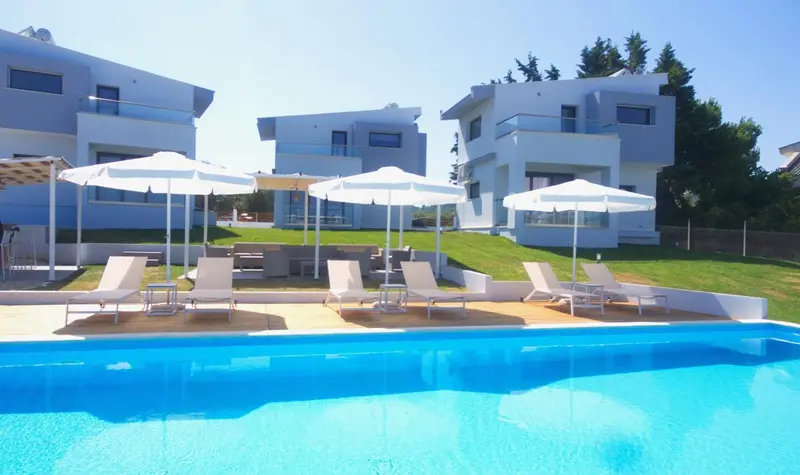
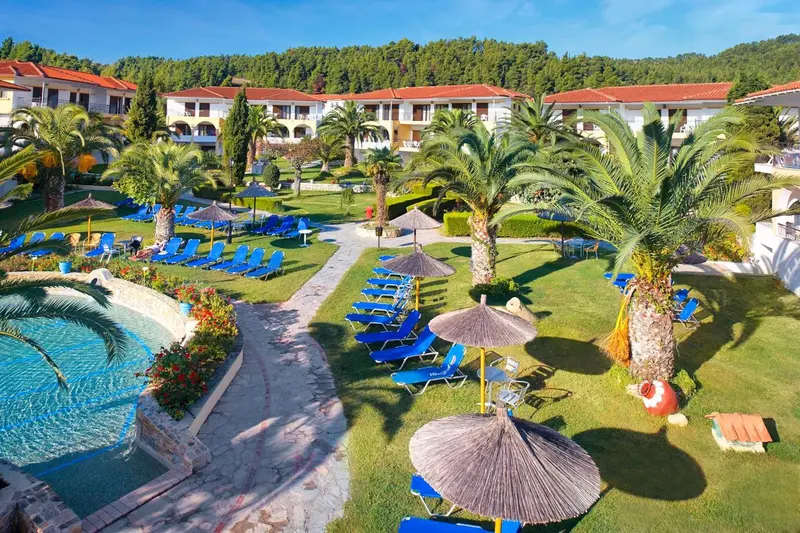
In each one, the dive centre is inside the hotel: step out of your room and go diving.
Dive centre in the hotel★★★★
Google 4.3/5 (1,873 reviews)
The dive centre
Triton Scuba
PADI
Google 5/5 (1,682 reviews)
Dives: Porto Valitsa, Avlaki, Fysalides
The practical diving season runs from late May to early October. June and September usually offer calmer mornings and fewer people than July and August, while the beginning of October can also suit you. Plan dives early, since wind, swimmers, boat traffic and afternoon wave action can reduce shallow-water visibility.
Paliouri suits newly qualified and experienced recreational divers. Sheltered, shallow areas at Chrousso and Porto Valitsa, together with generally light currents, make basic water skills manageable. You do not need a specialist cave or deep qualification for ordinary holiday diving, while experienced divers can explore more open coastal relief and changing rock formations.
You can explore rocky bays, seagrass, sandy patches, shallow cavities and small caves rather than a continuous wall. Look carefully in holes and along seagrass edges for octopus and cuttlefish, with grouper, moray eel, spiny lobster and nudibranchs also possible. Sponges, anemones and starfish add detail to the terrain.
Plan morning dives and keep flexibility to change bays if wind makes exposed coast uncomfortable. A hire car is the most flexible option for reaching Chrousso, Porto Valitsa, Kanistro and Loutra Agias Paraskevis. Allow four to seven days, with time for different coastal sectors and a non-diving beach, forest or boat outing.