
CMAS
Aquatec Diver Training
Google 4.9/5 (68 reviews)
3.7 km away as the crow flies
Vari · Greece · Mediterranean
Max. depth · 30 mExplore a sheltered rocky cove featuring a vertical sinkhole that descends 20 metres into a dark, sponge-covered abyss.
For subtitles in English: start the video firstthen click the gearat the top right of the video, select “Subtitles/CC”, then “Auto-translate” and choose “English”.
The Limanaki site, located in the Vari area, is composed of several distinct sections that provide different diving profiles within a relatively small area. The geography is defined by sheltered rocky coves that offer protection from most weather conditions, except when south-westerly winds are present. You will find a mix of sandy bottoms and extensive Posidonia oceanica meadows, which provide a soft contrast to the harder structures of the sloping walls. Navigating between these areas requires attention to the local topography to ensure you stay within your preferred depth zone.
As you move toward the second cove, the environment changes significantly from the open, shallow meadows to more complex structures. This area is home to the Devil's Blue Well, a distinctive geological formation that serves as the site's primary feature. The well is a vertical sinkhole approximately 3 metres wide, creating a direct shaft from the sunlight to the depths. It begins at a depth of roughly 10 to 11 metres and descends vertically to about 30 metres. This verticality offers a unique light play as rays penetrate the column of water.
The descent into the Devil's Blue Well provides a transition from a standard cove dive to a more technical environment. The walls of this sinkhole are heavily populated with various species of sponges and soft corals that thrive in the shaded, vertical surfaces. As you descend, the light levels drop quickly, and the blue hue of the water becomes more pronounced. The bottom of the well is particularly interesting, as it contains the entrance to a cave system. This cave remains restricted to divers with specific cave-diver training due to the overhead environment it presents.
The shallower sections of the site are ideal for observing life within the Posidonia oceanica meadows and around the rocky outcrops. You can frequently encounter octopus hiding within the crevices of the rocks or among the sea grass. Crabs and shrimp are also common, often found scavenging near the sandy patches or tucked into small holes in the reef. For those looking for more stationary life, scorpionfish are often found camouflaged against the rocky substrate, requiring a keen eye to spot during a slow, methodical swim.
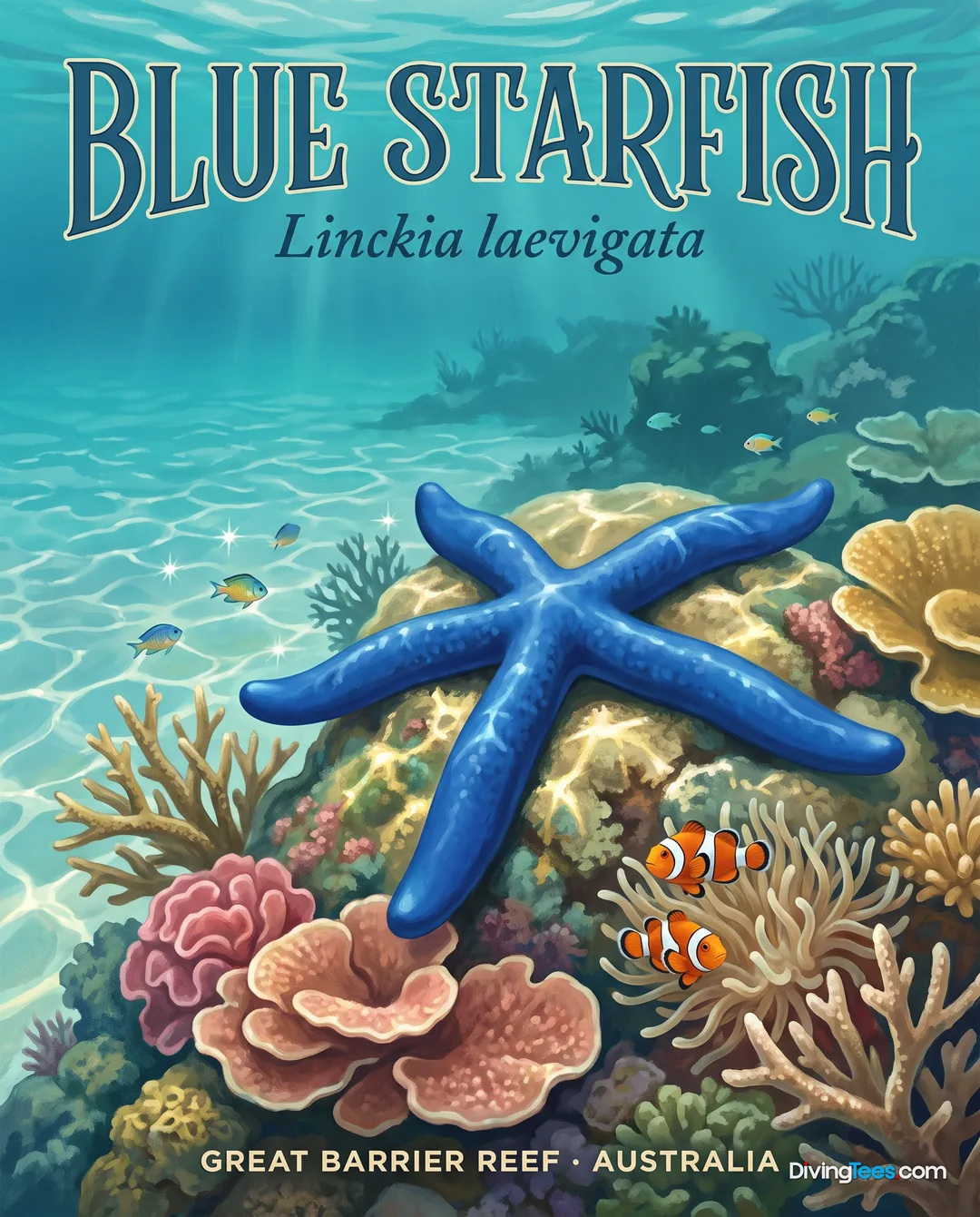
Moving along the sloping walls and the edges of the coves, the biological diversity increases with the presence of more structural fauna. You will see various starfish scattered across the bottom and various types of sponges clinging to the vertical faces. Soft corals provide texture and color to the walls, particularly in areas where there is enough water movement to bring nutrients. These structures also serve as essential habitats for smaller crustaceans and fish that move between the protection of the rocks and the open water.
Conditions at Limanaki can shift depending on the specific cove you are exploring. While the primary coves are sheltered, the current can become stronger near the bottom of the second Limanaki. This variability means that even if the surface appears calm, the water movement at depth may require more effort to maintain buoyancy and positioning. It is important to monitor your air consumption and depth closely, especially when transitioning from the protected meadow areas toward the deeper, more active sections of the well.
Approaching the site can be done via boat or by shore dive, depending on your preference and the local conditions. A shore entry allows for a gradual descent through the shallower seagrass meadows, making it an excellent way to acclimate to the pressure before reaching the deeper walls. For those targeting the Devil's Blue Well, a direct approach to the second cove is more efficient. Regardless of the method, staying aware of your surroundings and the local current is necessary to navigate the transition from the sandy floor to the vertical descent.
Depths range from 4 to 30 metres. The site is accessible to Open Water Divers in the shallow coves, but an Advanced Open Water certification is required for the deeper sections and the Devil's Blue Well. Specialized cave-diver training is mandatory to enter the cave beyond the well. Currents are generally calm due to the sheltered nature of the coves, but they can become stronger near the bottom of the second Limanaki.
You can explore the shallow coves at Limanaki with Open Water certification. An Advanced Open Water certification is required for the deeper sections and the Devil's Blue Well. Entering the cave beyond the well requires specialized cave-diver training because it presents an overhead environment.
Limanaki offers depths from 4 to 30 metres. The Devil's Blue Well begins at roughly 10 to 11 metres and drops vertically to about 30 metres. The site also includes shallower sandy areas, Posidonia oceanica meadows, rocky coves, and sloping walls for different depth profiles.
The rocky coves at Limanaki are sheltered from most weather, except when south-westerly winds are present. Currents are generally calm, but they can become stronger near the bottom of the second Limanaki. You should monitor your air, depth, buoyancy, and positioning when moving toward the deeper sections.
At Limanaki, you can see octopus among rocks and seagrass, along with crabs, shrimp, camouflaged scorpionfish, and starfish. Posidonia oceanica meadows contrast with sandy bottoms and sloping walls. The Devil's Blue Well has sponge-covered walls, soft corals, changing blue light, and a cave entrance at its bottom.