
Dive Deep Blue by ABC Diving
Google 5/5 (547 reviews)
11 km away as the crow flies
Sliema · Malta · Mediterranean
Max. depth · 30 mDescend into Anchor Bay's shallow waters to explore its varied topography, from boulder fields to accessible caverns, with a maximum depth of 30 metres.
For subtitles in English: start the video firstthen click the gearat the top right of the video, select “Subtitles/CC”, then “Auto-translate” and choose “English”.
Anchor Bay is situated on the northwestern coast of Malta, a location recognizable to many from the film Popeye, whose set remains visible from the surface. Underwater, the bay provides a variety of dive profiles, ranging from shallow reef explorations to deeper wall sections. The site is structured by a mix of rocky formations, extensive boulder fields, and distinct cave systems, offering visual interest and varied navigation.
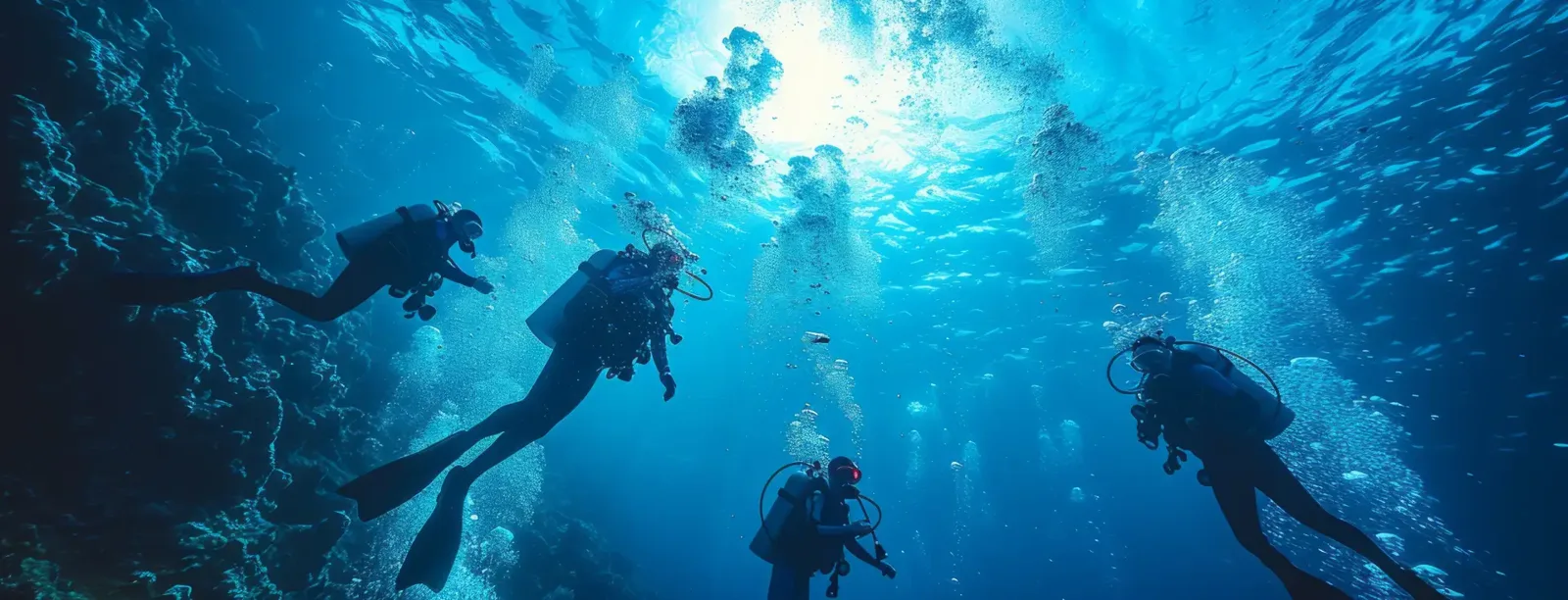
Upon entry, you typically move into generally low-current conditions that allow for a relaxed exploration. The topography quickly presents a series of large rocks and blocks, some of which rise significantly from the sandy bottom. These formations create numerous crevices and overhangs, forming habitats for resident marine life and offering points of interest for divers navigating through the natural maze.
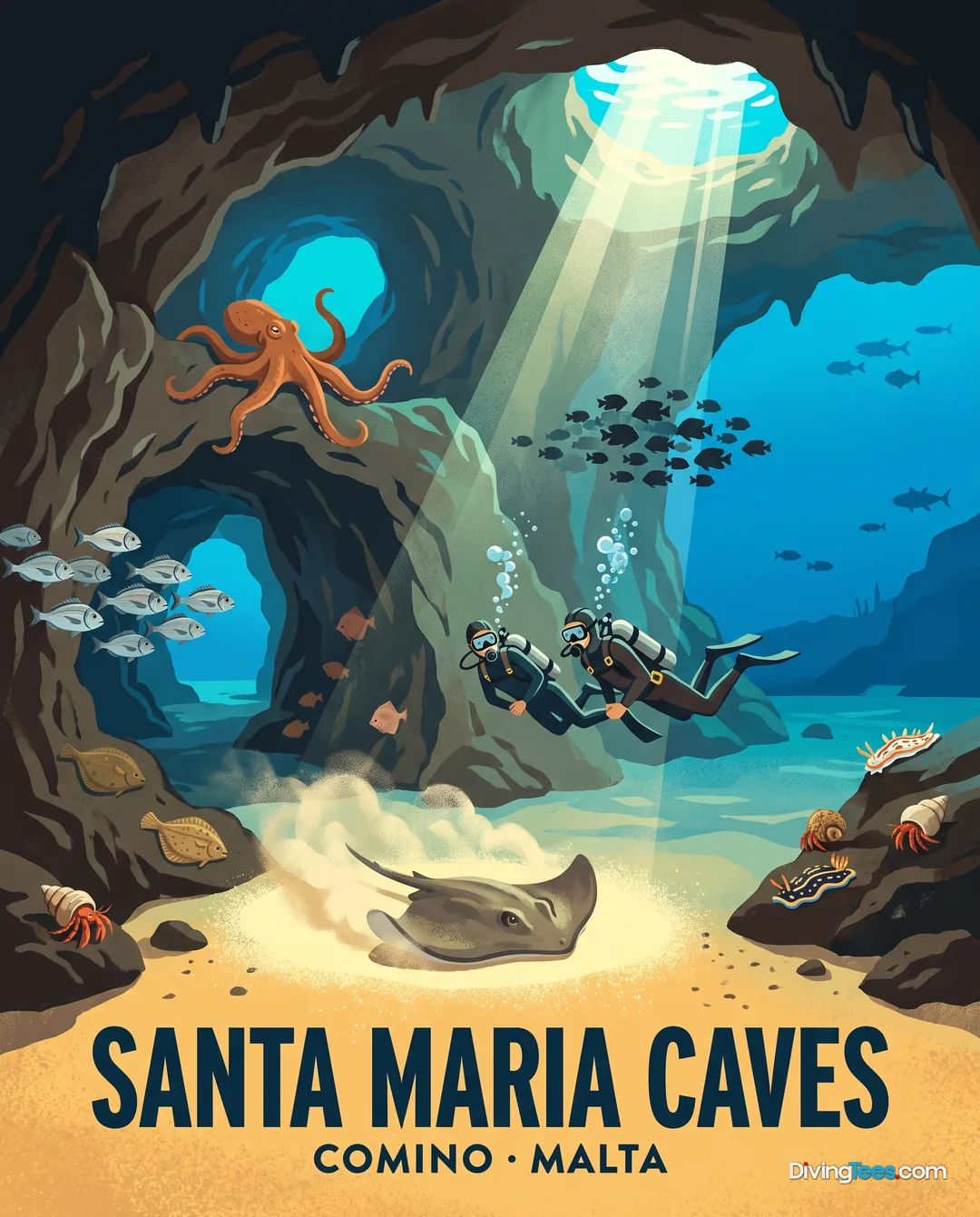
One distinct feature of Anchor Bay is its cavern and cave systems. The most notable is a substantial cavern, often referred to as 'Scorpion Cave', which opens up enough for divers to surface inside, briefly breaking the dive experience with an air pocket. This cavern, generally found at a maximum depth of 6 metres, is particularly suited for new divers due to its accessibility and the contained environment it offers.
For divers looking to extend their depth, the bay also features walls that drop to approximately 30 metres. These deeper sections present a different ecological zone, characterized by varied benthic fauna. As you explore these walls, the light changes, revealing the textures and the types of life that thrive away from the shallower, brighter areas.
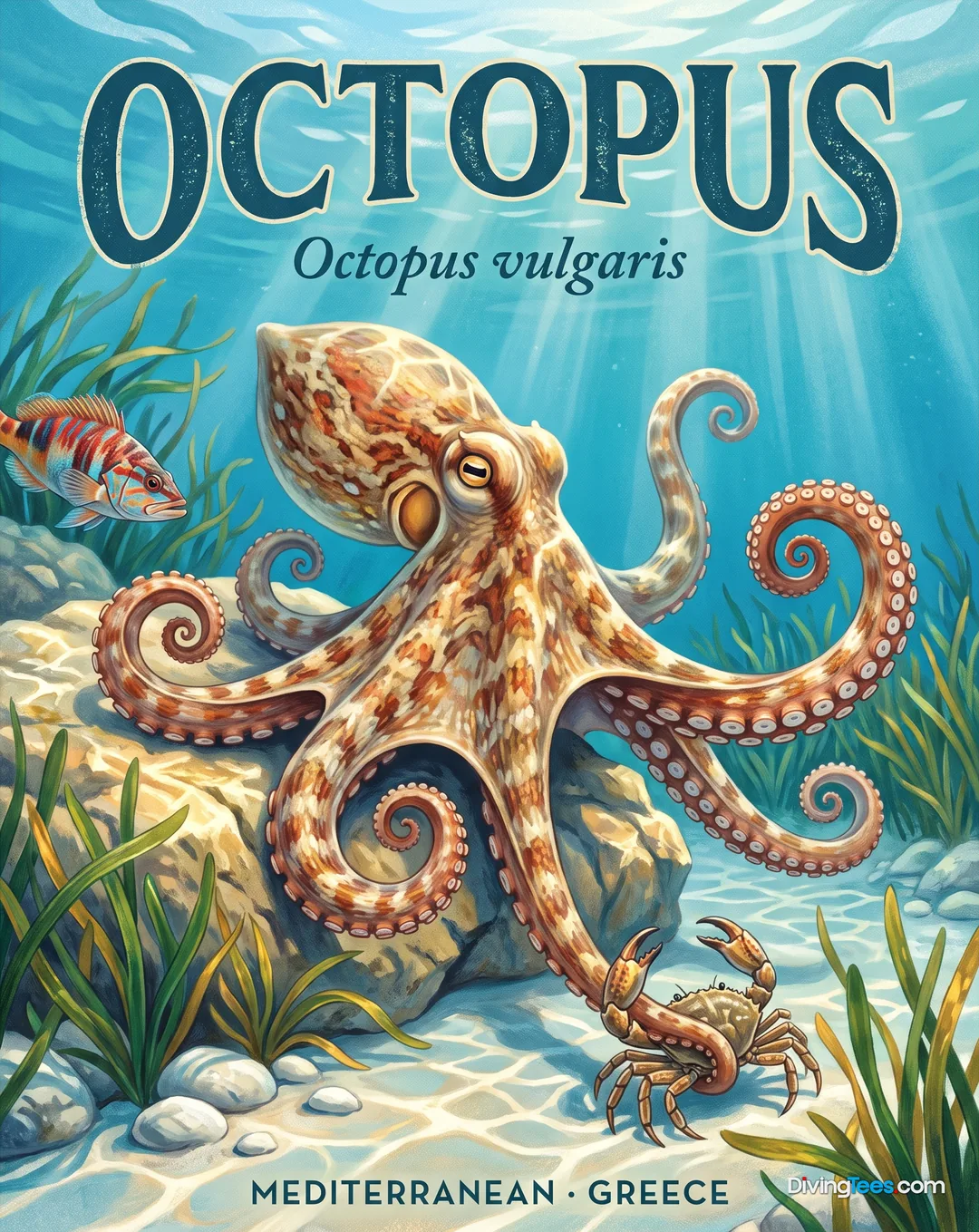
The site's varied terrain, encompassing both shallow reefs and deeper walls, contributes to a range of potential encounters. While the bay does not present a consistent pelagic drift, octopuses (Octopus vulgaris) are regularly sighted tucked into rock formations. The rockfish (Scorpaenidae) blend into the rocky backdrop, and schools of salema (Sarpa salpa) move through the open water near the reef structure.
Visibility in Anchor Bay generally remains clear, providing good opportunities for observation along the different depth contours. The protection offered by the bay's natural shape means that strong currents are not typically a concern within the main dive area, making it a reliable spot for less experienced divers to build confidence in open water. However, conditions can be influenced by wind, particularly from certain directions.
Beyond the specific rock formations and caves, Anchor Bay is also known for its opportunity for macro photography. The numerous nooks and crannies within the boulder fields and along the reef provide shelter for smaller invertebrates and juvenile fish, demanding a slower pace and an attentive eye to spot the less obvious residents of the bay.
Anchor Bay is accessible from Open Water Diver level, with sections reaching a maximum depth of 30 metres for advanced recreational dives. The shallower cave areas maintain a maximum depth of 12 metres. The site generally experiences calm conditions, though wind can affect surface entry and exit. Visibility typically allows for clear views throughout the dive.
You can explore Anchor Bay from Open Water Diver level, with accessible shallow reefs, boulder fields, and cave areas. The cavern known as Scorpion Cave is particularly suited to new divers, offering a contained environment where you can briefly surface inside. Advanced recreational divers can continue toward the deeper wall sections.
Anchor Bay offers dive profiles from shallow areas down to wall sections reaching 30 metres. The shallower cave areas remain within 12 metres, while Scorpion Cave is generally found at a maximum depth of 6 metres. This range lets you choose between reef exploration, cave navigation, and deeper wall diving.
You generally encounter calm, low-current conditions within Anchor Bay, making the main dive area suitable for relaxed exploration and building open-water confidence. Strong currents are not typically a concern, but wind can affect surface entry and exit. The bay’s visibility generally remains clear throughout the dive.
At Anchor Bay, you can explore varied rock and boulder formations, cave systems, and deeper walls. Look for octopuses tucked into crevices, camouflaged rockfish on the bottom, and schools of salema near the reef. Smaller marine life and juvenile fish shelter in the nooks and crannies, offering opportunities for macro photography.