



Dive Deep Blue by ABC Diving
Google 5/5 (547 reviews)
10 km away as the crow flies
Sliema · Malta · Mediterranean
Max. depth · 18 mDescend into a system of shallow, interconnected caves, where incoming light creates dynamic visual effects through clear Maltese waters.
For subtitles in English: start the video firstthen click the gearat the top right of the video, select “Subtitles/CC”, then “Auto-translate” and choose “English”.
Diving the Santa Maria Caves, you'll encounter a series of natural arches and tunnels carved into Comino's coastline. This site is primarily known for its extensive cave system, offering multiple entry and exit points that keep overhead environments engaging but never fully enclosed, making for a scenic and visually rich dive. The topography allows for exploration within the caverns themselves, as well as along the outer reef structures, providing a varied underwater landscape throughout the dive.
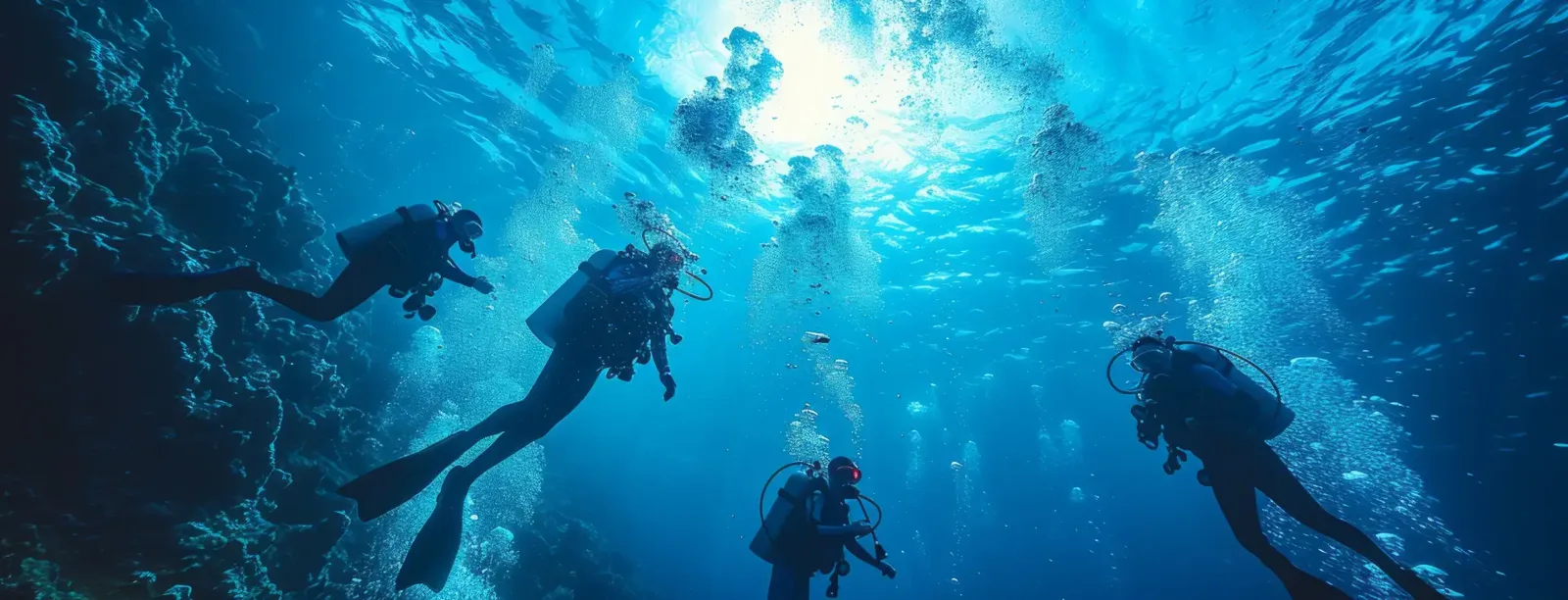
The dive profile here is notably shallow, starting around 5 meters and rarely exceeding 18 meters, which contributes to the relaxed nature of the exploration. As you navigate through the caves, the interplay of natural light from the surface is a constant feature. Sunbeams penetrate the openings, creating shifting patterns and highlighting the rock formations, offering a different visual experience depending on your position and the time of day.
Inside the caves, the sandy bottom occasionally reveals flatfish and hermit crabs (Pagurus bernhardus) moving through their camouflaged surroundings. Small stingrays can also be spotted resting on the sand, often in areas less exposed to direct light. These encounters are typically observed by carefully scanning the substrate as you glide through the larger chambers and tunnels, maintaining a slow pace to appreciate the smaller details of the cave environment.
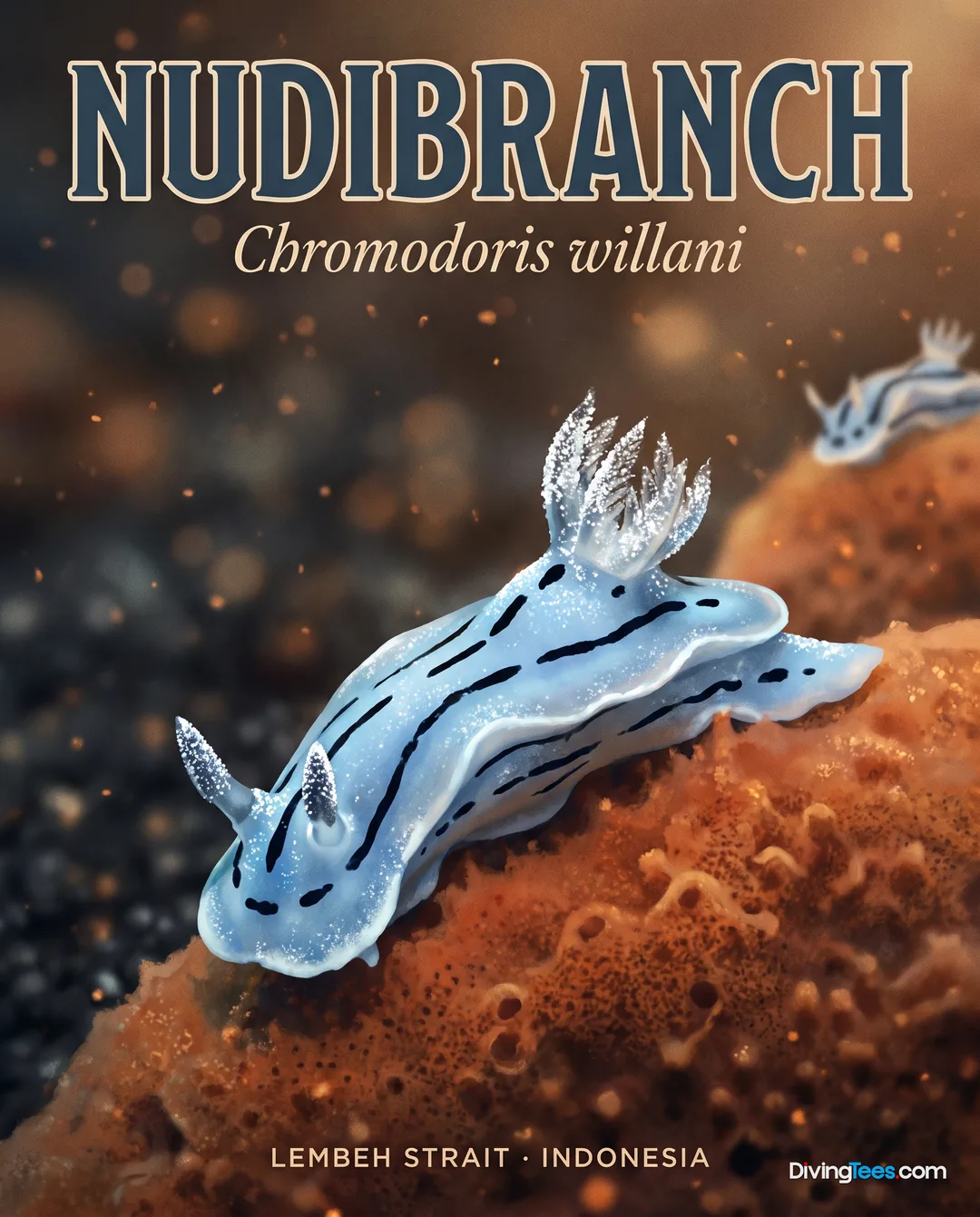
Exiting the cave system or exploring its periphery, you'll find a more open reef structure where a variety of fish congregate. Octopuses (Octopus vulgaris) are often seen in crevices, while sea bream (Diplodus sargus) and damselfish (Chromis chromis) are common, schooling around the rock faces. Nudibranchs (Nudibranchia) are also present, adding small bursts of color to the rocky outcrops and algae-covered surfaces.
A unique feature of the Santa Maria Caves is a small, open-air area within the system, accessible from below, where you can surface briefly before continuing your dive. This offers a momentary break and a different perspective of the cave's structure from above the waterline, before descending back into the underwater passages. This element adds another dimension to the dive, breaking up the continuous underwater navigation.
The architectural beauty of the cave system is what truly sets Santa Maria apart. Wide entrances and broad passages minimise any sense of confinement, allowing light to permeate deep into the rock chambers. This design, combined with generally low current, ensures a comfortable and accessible experience, even for newer divers, without compromising the geological appeal of a proper cave dive.
Visibility at Santa Maria Caves typically reaches around 30 meters, which enhances the light effects and allows for clearer observation of the cave's scale and its marine life. This consistent clarity means you can appreciate the full extent of the rock formations and the distant light entrances, making navigation straightforward and the overall experience more visually expansive. The low current further contributes to this clear, undisturbed viewing.
This site is accessible for Open Water Divers, with depths ranging from 5 to 18 meters. Current is consistently low, providing calm conditions for exploration within the caves and along the reef. Visibility typically extends to 30 meters, allowing for clear views of the extensive cave system.
Santa Maria caves is accessible to Open Water Divers and offers a relaxed exploration profile. Wide entrances, broad passages, low current, and an open-air cavern reduce the sense of confinement. You can explore both the caverns and the outer reef while remaining within a shallow, accessible environment.
Santa Maria caves ranges from 5 to 18 meters deep. The shallow profile lets you explore natural arches, tunnels, sandy bottoms, and reef structures without exceeding 18 meters. Multiple cave entry and exit points, along with light from the surface, contribute to a varied dive at these depths.
Santa Maria caves has consistently low current, providing calm conditions for exploring the caves and the reef. The low flow also supports clear, undisturbed viewing as you move through the passages and around the rock formations. Visibility typically extends to 30 meters, helping you see the cave system clearly.
At Santa Maria caves, you can see flatfish and hermit crabs on sandy bottoms, with small stingrays resting in less exposed areas. Octopuses occupy crevices, while sea bream and damselfish gather around rock faces. Nudibranchs appear on rocky outcrops, and natural arches, tunnels, light effects, and an open-air cavern shape the scenery.