



Scuba Malta
Google 5/5 (1,694 reviews)
3.9 km away as the crow flies
Sliema · Malta · Mediterranean
Max. depth · 18 mExplore the forward section of the HMS Maori, a World War II destroyer resting on a sandy bottom just outside Valletta's Grand Harbour.
For subtitles in English: start the video firstthen click the gearat the top right of the video, select “Subtitles/CC”, then “Auto-translate” and choose “English”.
The HMS Maori lies within Marsamxett Harbour, near St Elmo Bay, just off the capital city of Valletta. This historic World War II destroyer, famed for its role in the sinking of the Bismarck, was scuttled in 1942. What remains today is primarily the forward section of the vessel, resting upright on a sloping sandy seabed. The wreck's orientation means the depth varies across the hull, presenting different views depending on your approach.
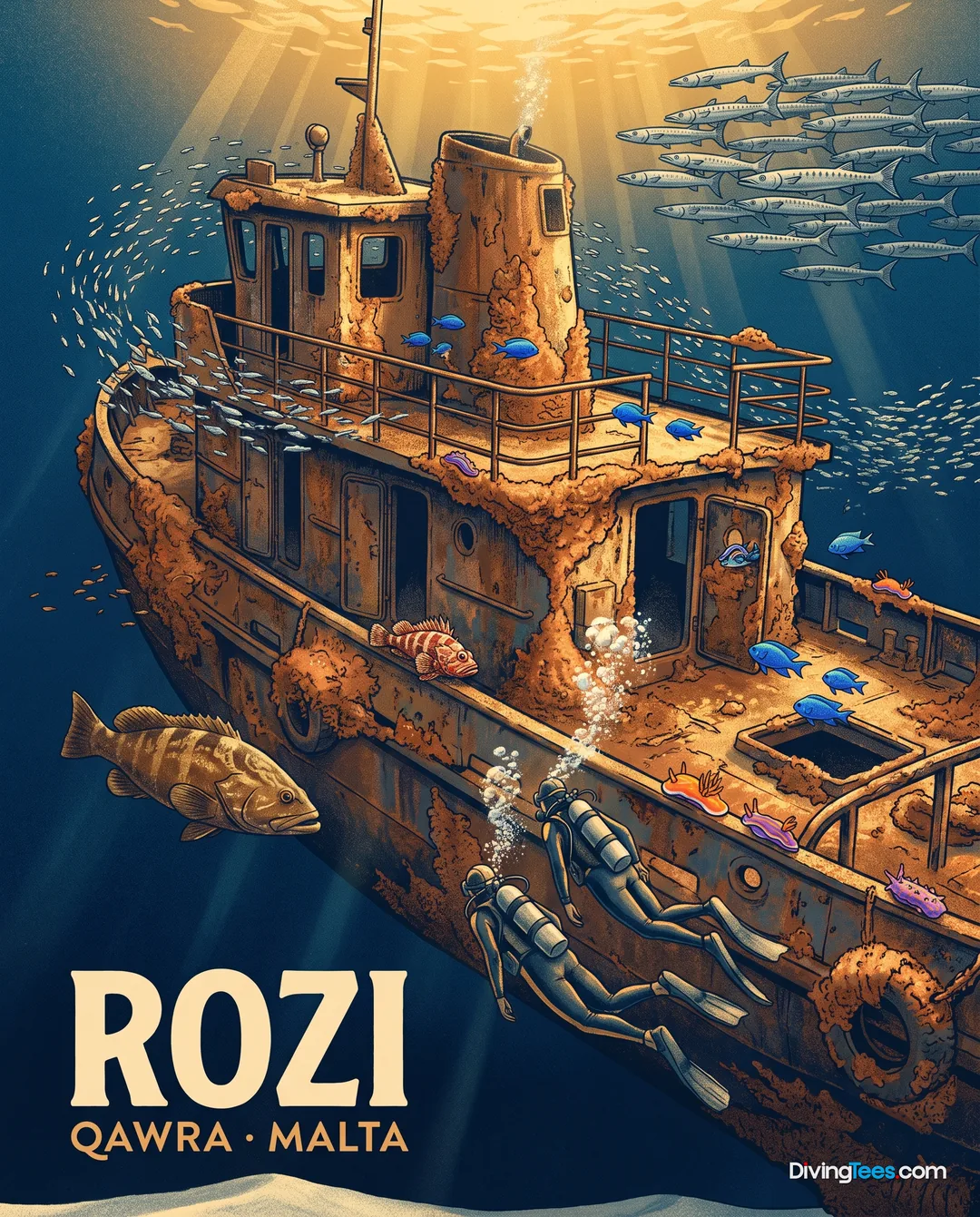
This is an accessible wreck dive, with depths ranging from 8 metres on the port side to 14 metres on the starboard, ultimately reaching a maximum of 18 metres at its deepest point. The Maori's hull is fragmented, making it unsuitable for penetration, yet it retains significant structural elements. You can identify elements like the gun rings, although the main guns themselves have been removed, and remnants of torpedo tubes alongside the damaged hull sections.
Despite its age and the damage sustained over decades, the Maori provides a habitat for local marine life. You will encounter shoals of bream (Pagellus bogaraveo) and red mullet (Mullus surmuletus) as you explore the wreck. The fragmented nature of the hull creates numerous hiding spots, making it an ideal location for observation and underwater photography.
Key structural features are still recognizable, offering glimpses into the ship's former grandeur. Light penetrates easily through missing side panels and various hatches, illuminating the interior spaces that are now home to a range of creatures. Divers often spot blennies and gobies nestled within the metalwork, alongside more elusive benthic species.
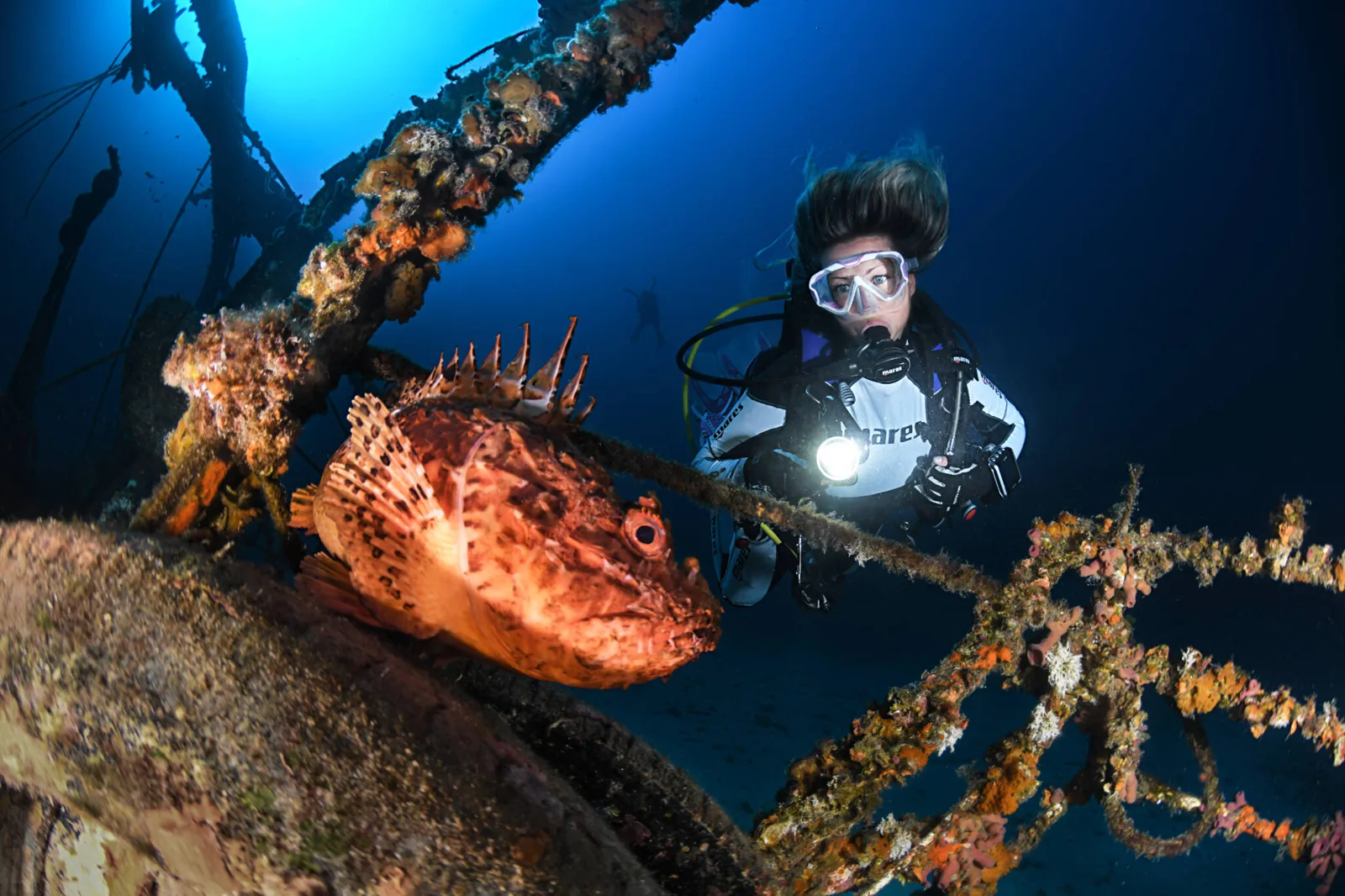
The sandy bottom surrounding the wreck is also productive. Keep an eye out for flatfish (Pleuronectiformes) camouflaged against the sand, and the occasional scorpionfish (Scorpaenidae) or stonefish (Synanceia) blending into the debris. These areas often reveal nudibranchs (Nudibranchia) and fireworms (Hermodice carunculata) moving across the substrate.
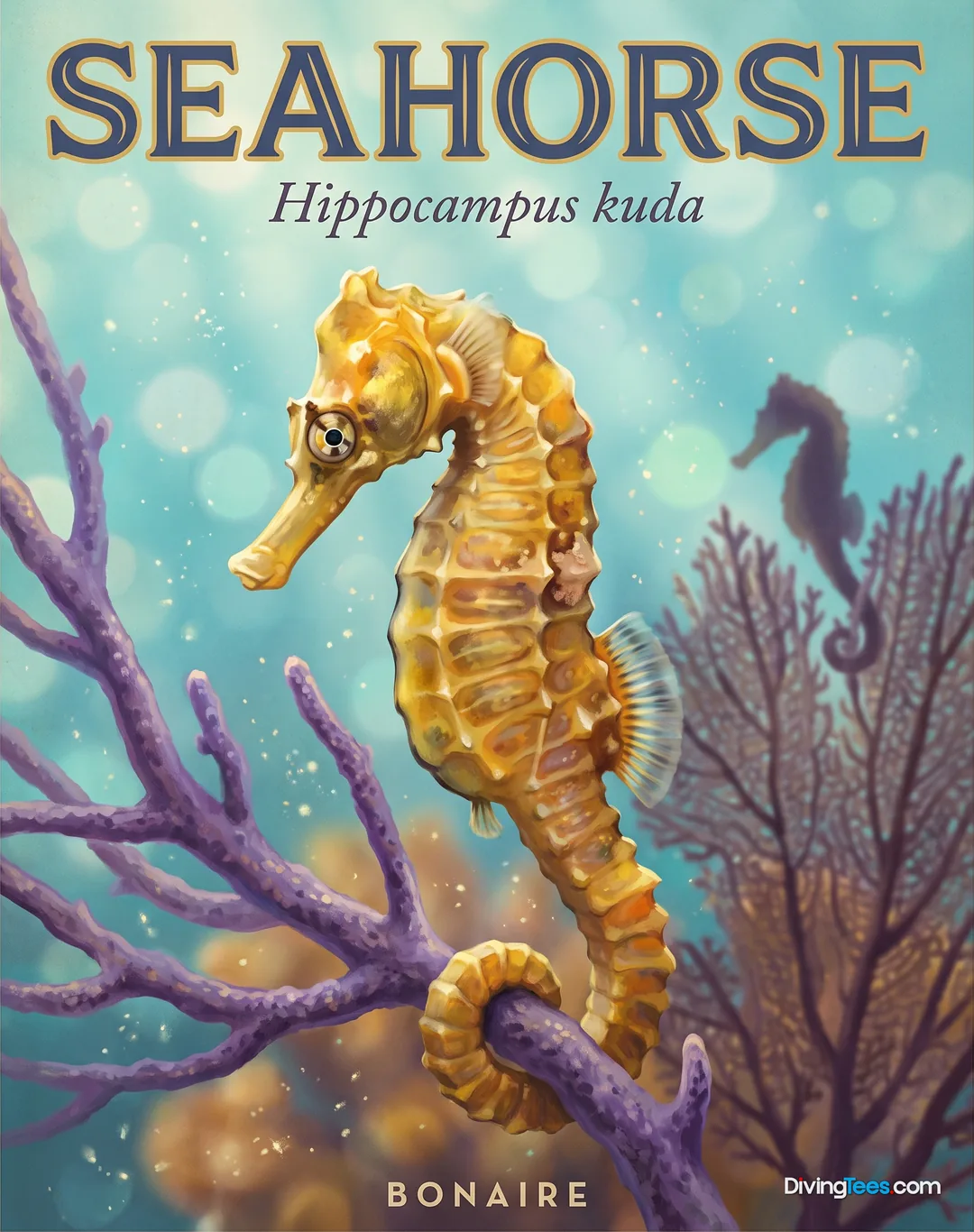
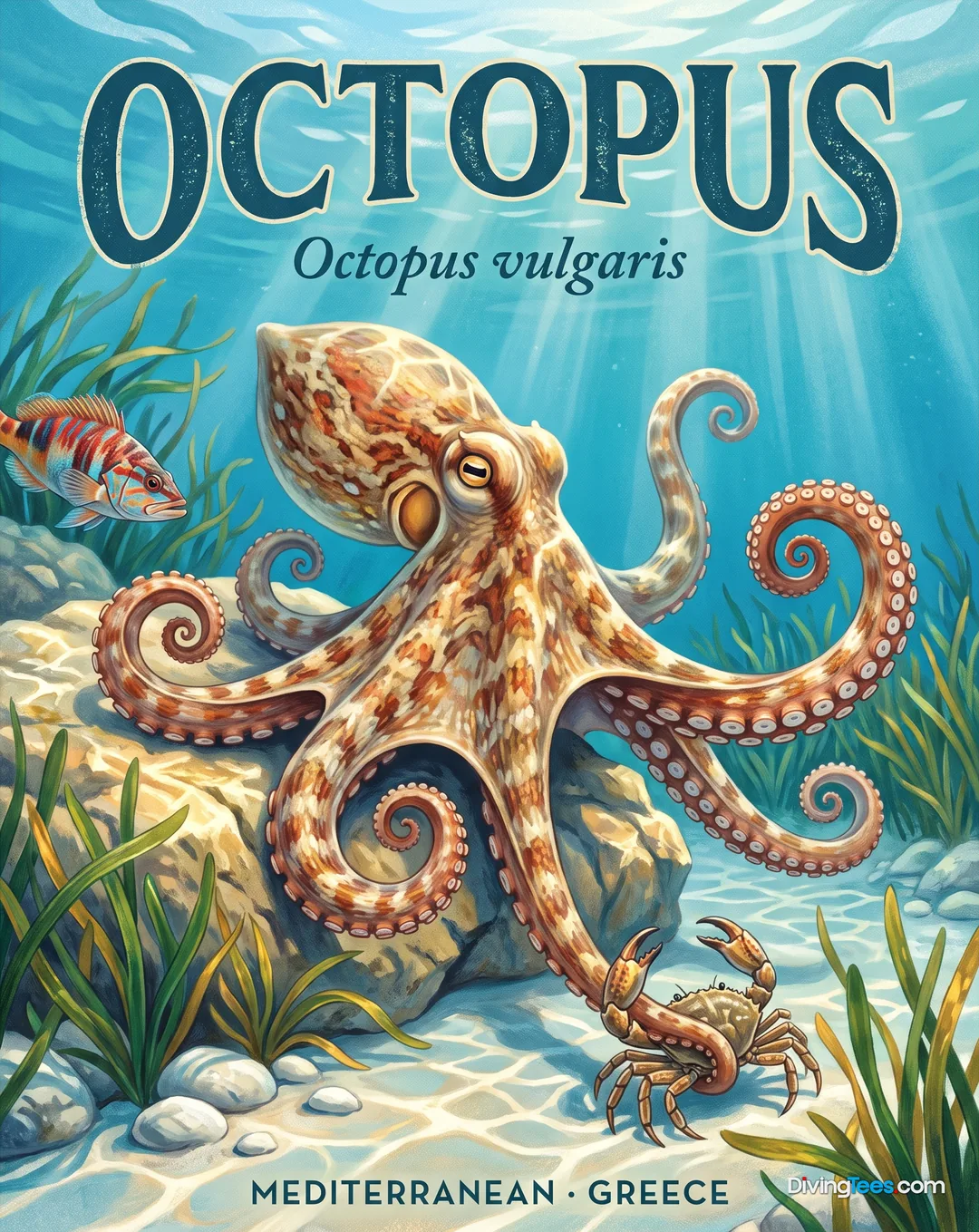
Octopuses (Octopus vulgaris) are regularly sighted, often tucked away in crevices or darting between fragments of the hull. Moray eels (Muraenidae), typically common in the region, also take shelter within the wreck's structure. For those with a keen eye and a patient approach, finding an elusive seahorse (Hippocampus hippocampus) alongside the main hull is a rewarding experience.
While the HMS Maori has endured several storms, leading to its gradual deterioration, it remains a vibrant artificial reef. It acts as a breeding ground for various fish, notably groupers (Epinephelinae), and is a reliable location to spot rarer species like the seahorse. The combination of its historical significance and the marine life it attracts makes this site a dynamic environment for divers.
The HMS Maori wreck is accessible from Open Water Diver level. Dive depths range from a minimum of 8 metres to a maximum of 18 metres, providing ample bottom time for exploration. Currents are generally minimal within the protected harbour waters, making for a relaxed dive. Malta benefits from a long, warm summer and mild winters, making this site enjoyable for much of the year.
You can enjoy HMS Maori during much of the year. Malta has a long, warm summer and mild winters, so the site remains accessible across a broad seasonal window. Its position within Marsamxett Harbour, near St Elmo Bay, supports a relaxed wreck experience while you explore the remaining forward section.
HMS Maori is accessible to you from Open Water Diver level. The wreck lies between 8 and 18 metres, with the depth changing across its sloping sandy seabed. You find 8 metres on the port side, 14 metres on the starboard side, and 18 metres at its deepest point.
At HMS Maori, currents are generally minimal because the wreck lies within protected harbour waters. You can therefore expect a relaxed dive while moving around the fragmented hull and sandy bottom. The calm setting also gives you time to examine recognizable structural features, metalwork, and marine life sheltering among the wreck remains.
At HMS Maori, you can see visible hull sections, gun rings, torpedo tube remnants, and other structural elements. Bream and red mullet gather around the wreck, while octopuses, moray eels, blennies, gobies, nudibranchs, and fireworms appear among the metalwork and sand. Seahorses are occasionally seen near the hull.