
Dive Deep Blue by ABC Diving
Google 5/5 (547 reviews)
8.9 km away as the crow flies
Sliema · Malta · Mediterranean
Max. depth · 80 mThe MV Rozi offers an immersive wreck diving experience, combining a remarkably preserved tugboat with a thriving artificial reef ecosystem, all within easy reach from shore.
For subtitles in English: start the video firstthen click the gearat the top right of the video, select “Subtitles/CC”, then “Auto-translate” and choose “English”.
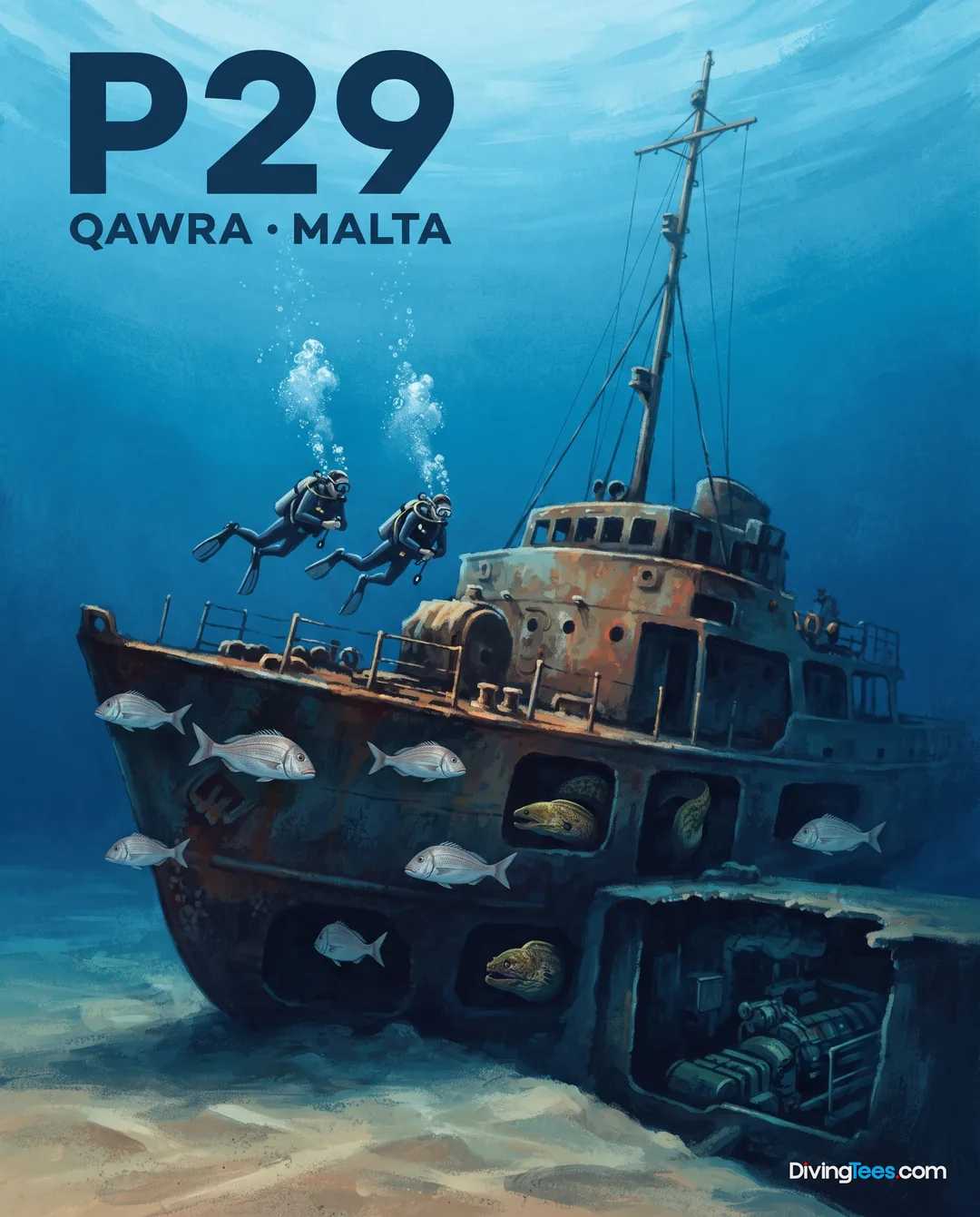
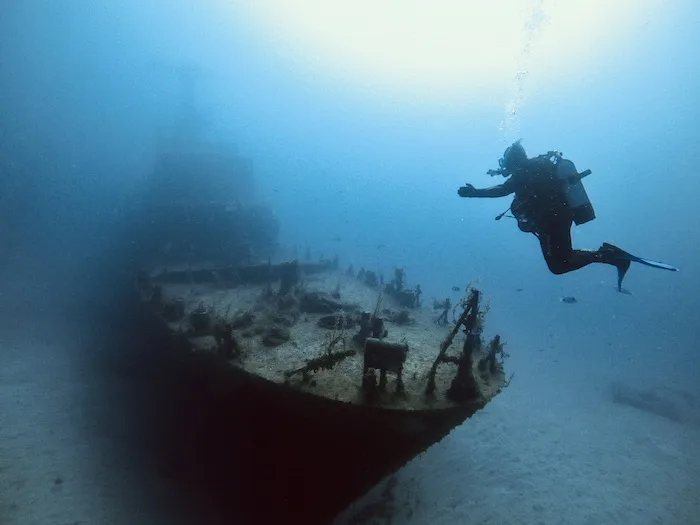
The MV Rozi, a 30-meter tugboat, was intentionally scuttled in September 1992 within the Cirkewwa Marine Park, creating one of Malta’s most accessible and popular artificial reefs. Originally built in Bristol in 1958, this vessel, once named Rossmore, was acquired by a Maltese company in 1981 and renamed. It operated in Valletta's Grand Harbour before its deliberate sinking. Today, it rests entirely upright on a sandy bottom, its structure remarkably preserved, making it a primary focus for divers seeking an immersive wreck experience.
Your descent to the Rozi starts with the anchor, often found around 20 meters, about 30 meters from the wreck itself. Following the line down, the tugboat comes into view, sitting squarely on the seabed at a maximum depth of 34 meters. The wreck's depths range from 18 meters at its shallowest points to its deepest point at 36 meters. The stern of the tugboat sits directly on the natural reef, located approximately 100 meters from the entry point. This orientation means you can often begin your dive along the natural wall before turning to encounter the wreck, allowing for exploration of both artificial and natural structures during a single dive.
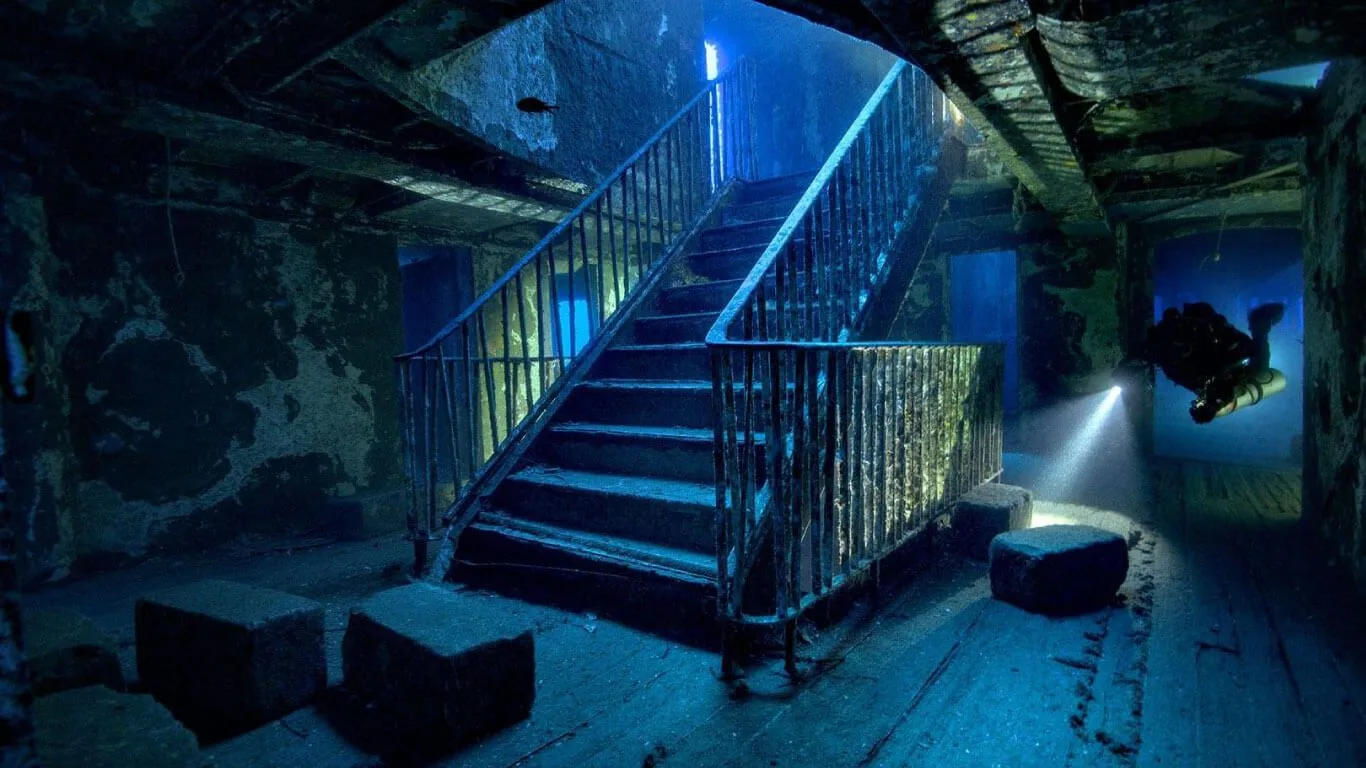
While the engines and propeller were removed before scuttling, the rest of the vessel is largely intact, allowing for multiple penetration points and a good sense of its original layout. The bridge, engine room, wheelhouse, and various internal compartments are open for exploration, provided you have the appropriate training and equipment for overhead environments. Light still filters into the upper decks and wheelhouse, illuminating the internal architecture and adding to the compact nature of the wreck.
The Rozi is an exceptional habitat for a wide array of marine species, having served as a thriving artificial reef for over three decades. As you approach the wreck, you’ll encounter thousands of small fish schooling around its superstructure. Schools of bream (Diplodus sargus) are commonly encountered, often circling the structure or taking shelter within its holds. This dense aggregation of prey attracts larger predators, creating a dynamic ecosystem. This site regularly hosts groupers, scorpionfish, and barracudas, often seen patrolling the wreck's perimeter. These species have established territories within and around the wreck, a clear sign of a mature artificial reef. Further exploration reveals the specific inhabitants that have colonised the tugboat's surfaces and crevices.
Look closely for damselfish darting in and out of the metalwork, nudibranchs slowly traversing the hull, and moray eels peeking from concealed openings. Occasional sightings of rays gliding across the surrounding sandy bottom or even near the wreck adds another dimension to the dive, showcasing the diversity that gathers around this man-made structure.
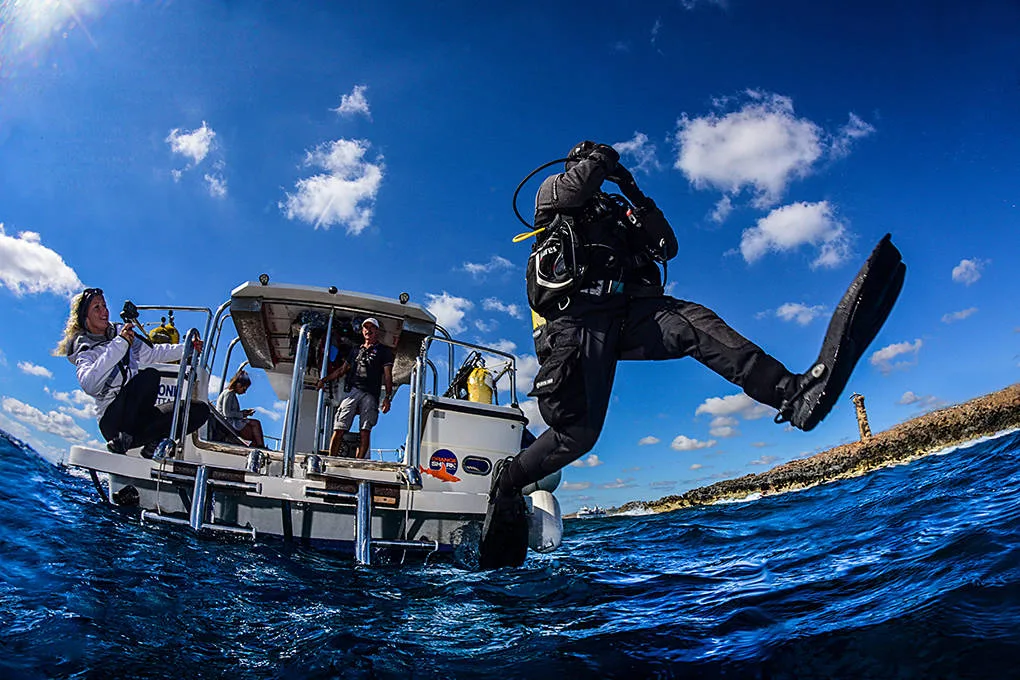
The wreck’s position allows for easy shore entry, making it highly accessible for both local and visiting divers. The water column around the Rozi generally maintains excellent visibility, often exceeding 20 meters, which enhances the visual experience of exploring the entire wreck and its detailed features. The ambient light at 34 meters still allows for good appreciation of the wreck’s form, though a dive light is essential for penetrating the darker internal sections and observing the specific fauna sheltering within. What sets the MV Rozi apart is its combination of accessibility, excellent preservation, and rich marine life. Unlike some deeper, more exposed wrecks, the Rozi offers a relatively sheltered environment, allowing divers to spend quality time exploring its every detail. Its deliberate sinking as an attraction means it was prepared to be a diver-friendly site, inviting prolonged exploration without the structural hazards often found in accidental wrecks. This careful preparation is evident in its current state as a vibrant, enduring underwater landmark.
The MV Rozi is a deep dive, with depths ranging from 18 meters to a maximum of 36 meters. This depth profile makes it suitable for Advanced Open Water certified divers with experience in deep diving procedures, or those with at least 50 logged dives. Visibility is typically excellent, consistently exceeding 20 meters. While generally calm, divers should be prepared for potential moderate currents, especially at deeper points or around the stern where it meets the natural reef. The optimal time to visit this site is year-round, as Malta's waters generally offer stable diving conditions.
You can dive Rozi year-round because Malta’s waters generally offer stable diving conditions. The site is generally calm, and visibility is typically excellent, consistently exceeding 20 meters. This makes the upright tugboat and its surrounding features easier to appreciate throughout the year, including during exploration of the wreck and reef.
Rozi is a deep dive suited to Advanced Open Water certified divers with experience in deep diving procedures, or divers with at least 50 logged dives. Depths range from 18 meters to 36 meters, with the main wreck reaching 34 meters. Wreck penetration requires appropriate training and equipment for overhead environments.
Rozi is generally calm, but you should be prepared for potential moderate currents. These may be more noticeable at deeper points or around the stern, where the tugboat meets the natural reef. The site also allows exploration of the reef wall and wreck during one dive, depending on your route and conditions.
You can explore an intact 30-meter tugboat resting upright on a sandy bottom, with access to the bridge, engine room, wheelhouse, and other compartments. Thousands of small fish and schools of bream surround the wreck, while groupers, scorpionfish, barracudas, damselfish, nudibranchs, moray eels, and occasional rays may appear.