
Scuba Malta
Google 5/5 (1,694 reviews)
6 km away as the crow flies
Sliema · Malta · Mediterranean
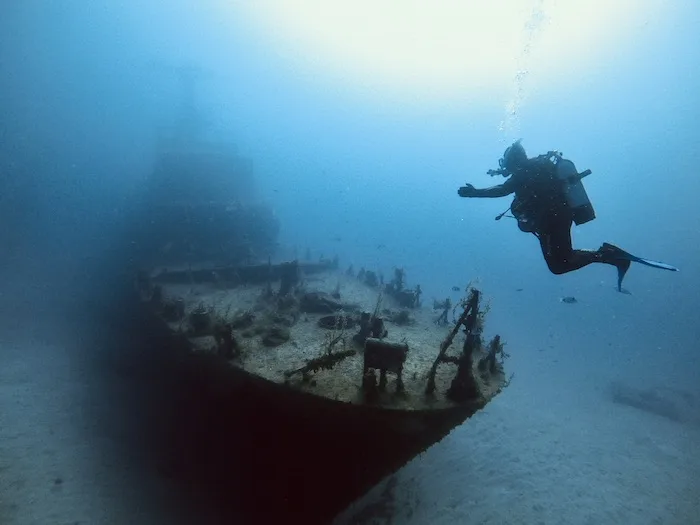
Max. depth · 40 mDescend to the Imperial Eagle, a former ferry now resting on a sandy bottom at 40 metres, marked by the nearby statue of Jesus Christ.
For subtitles in English: start the video firstthen click the gearat the top right of the video, select “Subtitles/CC”, then “Auto-translate” and choose “English”.
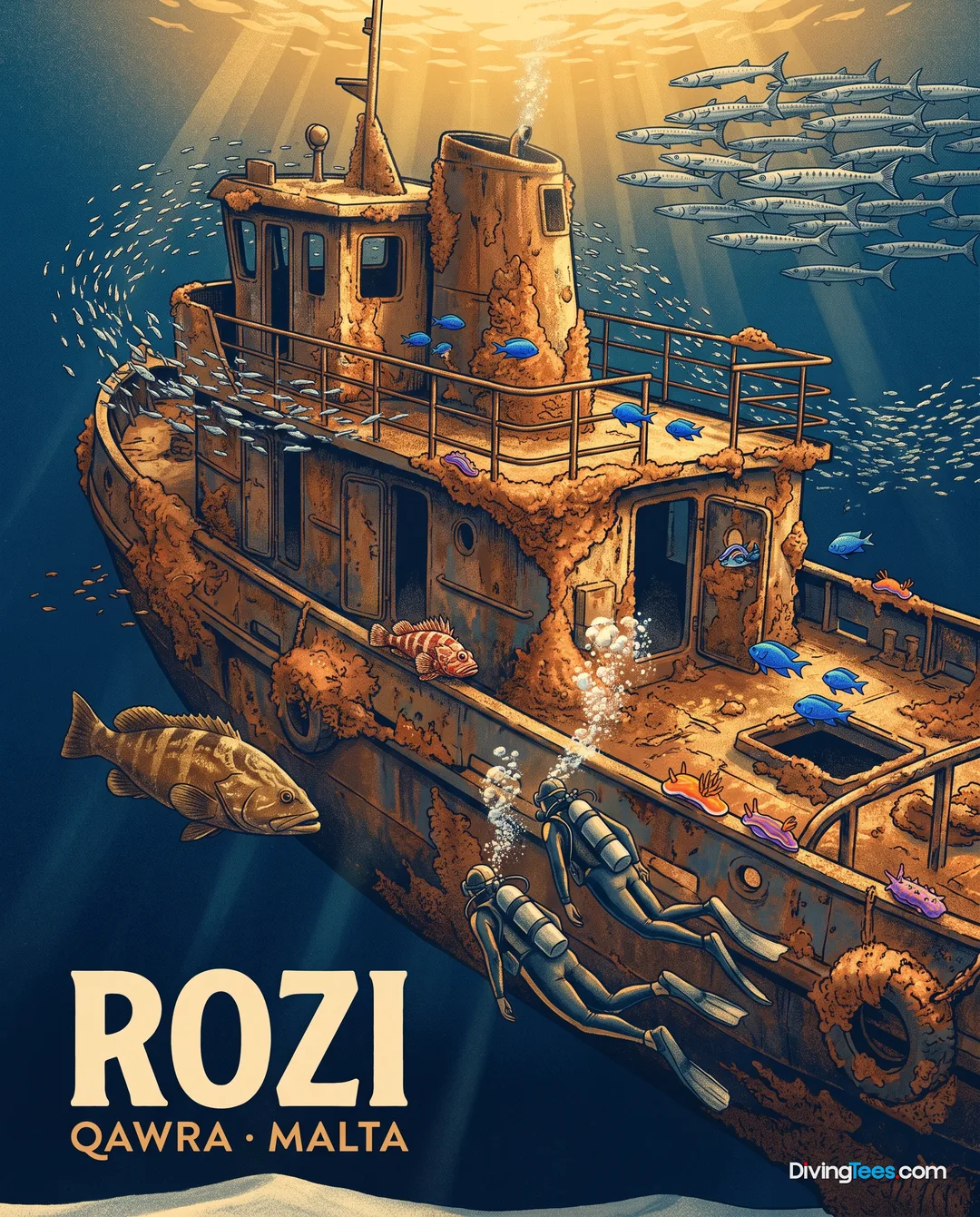
The Imperial Eagle, once a vital passenger ferry connecting Malta and Gozo, now serves as a significant dive site just 300 metres northwest of Qawra. It rests upright on a sandy seabed, its deepest points reaching 40 metres. As you descend, the wreck’s superstructure gradually materialises from the blue, offering a clear outline against the sand, a testament to its scale and its former life as a working vessel.
Approaching the wreck, you'll first encounter the massive 13-tonne statue of Jesus Christ, strategically placed here in May 2000. Originally blessed by Pope John Paul II in 1990 near St Paul's Island, it was intended to protect Maltese fishermen. Its presence near the Imperial Eagle creates a compelling visual, providing a unique landmark for orientation and an unusual reference point on the flat sandy expanse surrounding the wreck.
The dive profile for the Imperial Eagle takes you from the surface directly to the wreck, allowing for a thorough exploration. Sitting at 40 metres, the main deck and access points require careful planning for bottom time and decompression. Given its depth, proper gas management and awareness of your no-decompression limits, or planning appropriate decompression stops, are essential for a safe dive.
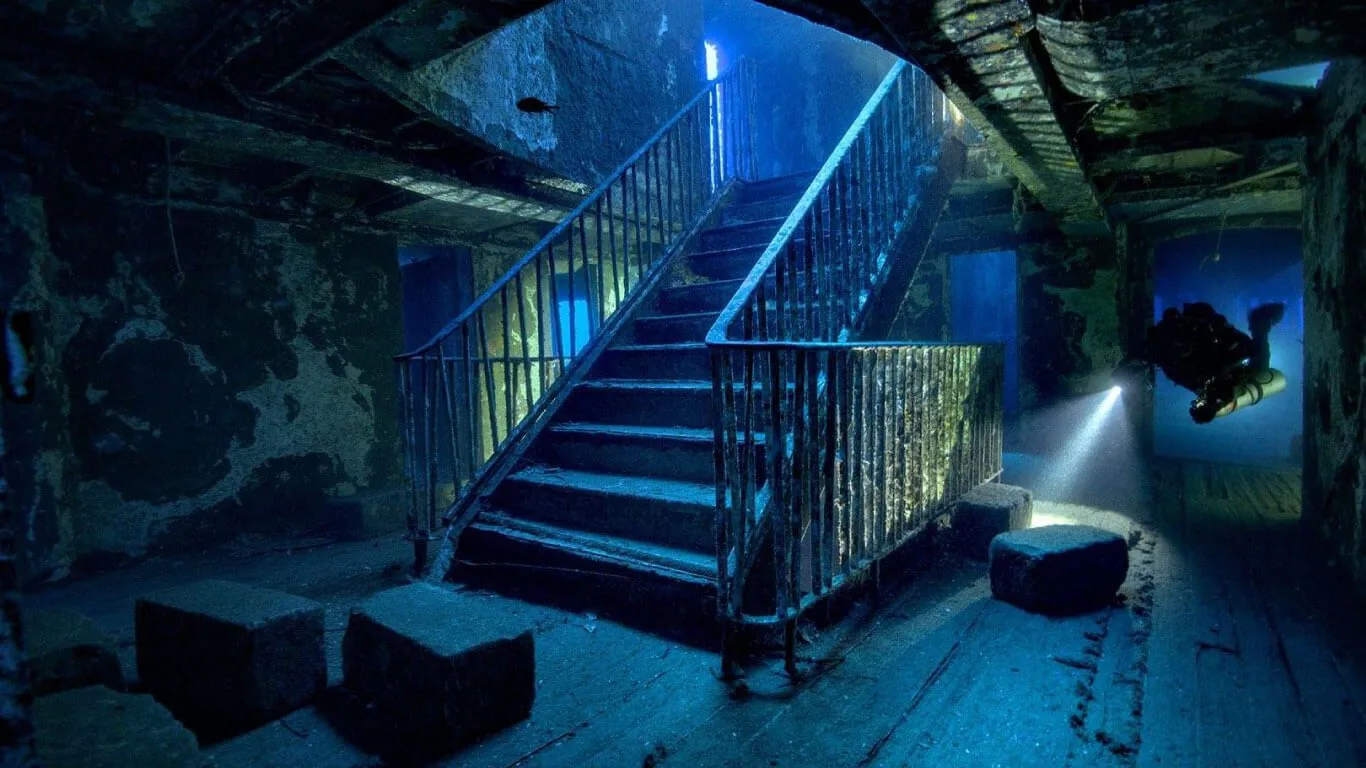
As a deep wreck, the Imperial Eagle offers a distinct diving experience. Its depth ensures cooler water temperatures and a more subdued light penetration, creating an atmospheric environment. Exploring the hull and superstructure reveals various sections of the vessel, with intact features hinting at its history as a busy ferry. While specific marine life details are not widely documented for this wreck, the structure itself provides shelter and habitat for resident species, often attracting fish seeking refuge from open water.
The Imperial Eagle is a deep wreck, with its main structure and the accompanying statue situated at a maximum depth of 40 metres, while the shallowest points are found at 30 metres. This profile mandates a minimum of an Advanced Open Water Diver certification or equivalent, coupled with solid experience in deep diving. Planning for decompression is crucial due to the depth and potential bottom times.
The Imperial Eagle is a deep wreck requiring at least Advanced Open Water Diver certification or an equivalent qualification. You also need solid deep-diving experience. Because the site involves substantial depth and potentially extended bottom times, you should be comfortable with careful gas management, depth procedures, and decompression planning.
The Imperial Eagle lies upright on a sandy seabed, with the shallowest parts at 30 metres and the deepest points reaching 40 metres. The main structure, deck, access points, and nearby statue are all part of a deep profile, so you should plan your bottom time and decompression carefully.
At the Imperial Eagle, you descend toward the wreck’s superstructure as it emerges from the blue above the sand. You can explore the hull, main deck, access points, and intact ferry features. A 13-tonne statue of Jesus Christ stands nearby, creating a distinctive landmark beside the wreck.
The Imperial Eagle requires careful planning because its depth can create significant bottom times and decompression demands. You should manage your gas supply, monitor your no-decompression limits, and plan appropriate decompression stops when needed. The site is accessible by boat from Saint Julian’s, and the dive proceeds directly down to the wreck.