
Ametlla Diving
Google 4.8/5 (435 reviews)
Spain · Mediterranean
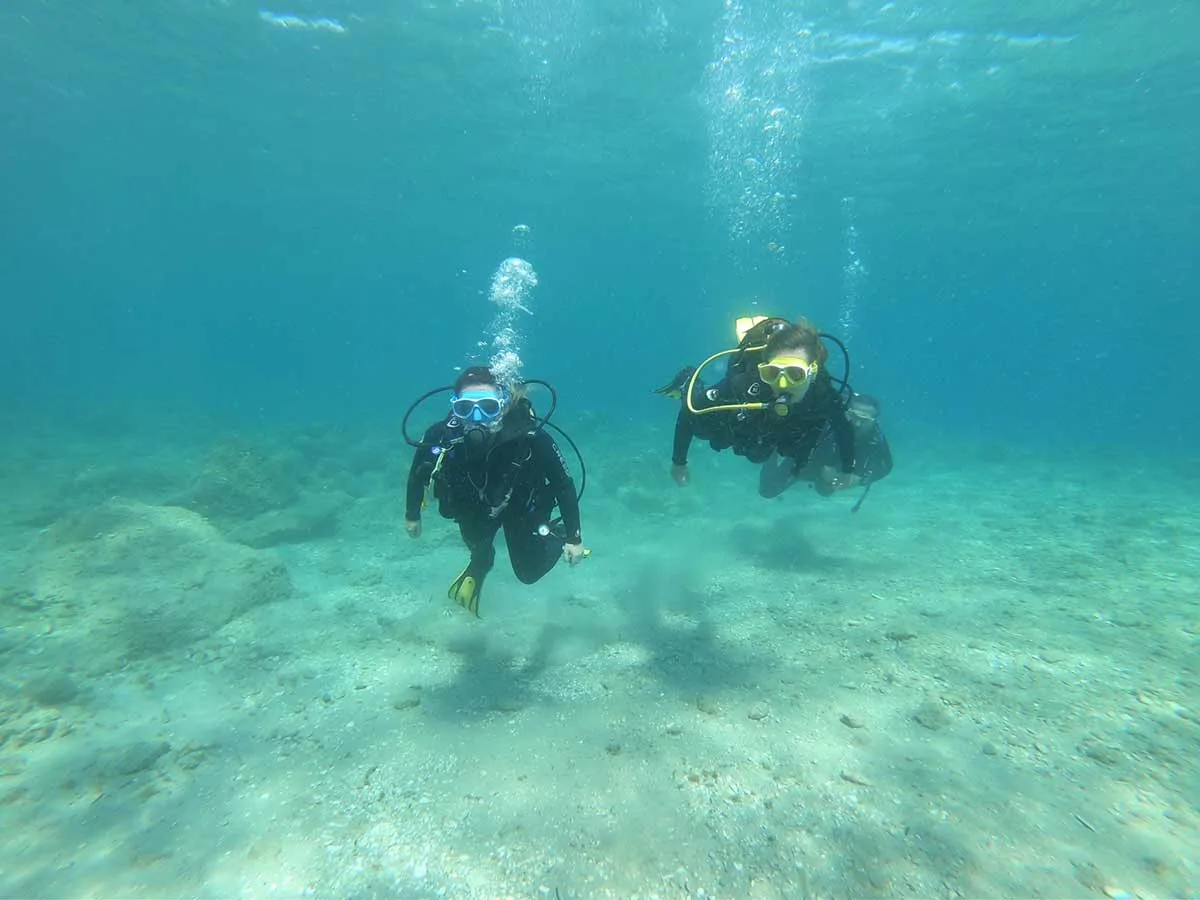
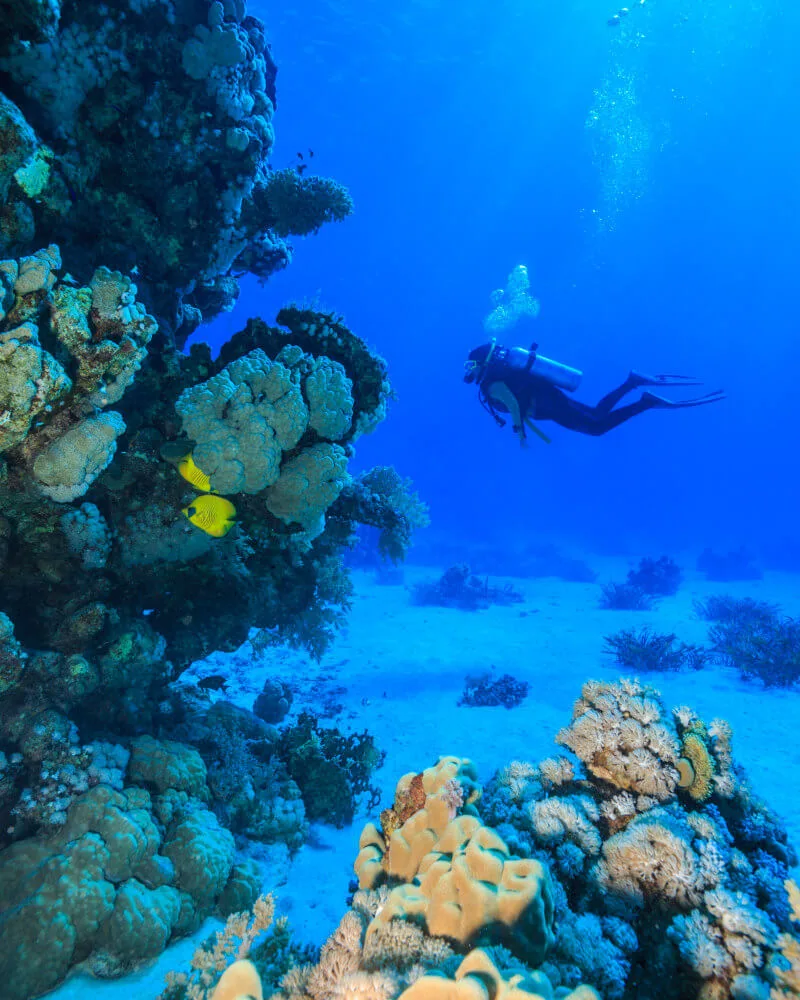
Posidonia meadows, rocky coves, shallow cavities and wooden wrecks create a Mediterranean diving base close to L'Ametlla de Mar's harbour.
For subtitles in English: start the video firstthen click the gearat the top right of the video, select “Subtitles/CC”, then “Auto-translate” and choose “English”.
Posidonia meadows, rock shelves and coastal cavities give L'Ametlla de Mar its character, while short boat runs lead to wooden wrecks and deeper ships. It is a shore-and-boat destination rather than a liveaboard port, with the harbour close to several diving areas around L'Ametlla de Mar, Sant Jordi d'Alfama and Calafat. A three-to-seven-day stay works well, allowing time for easy shore dives, repeated boat outings and a day away from the water.
The diving moves between Mediterranean rock, Posidonia meadows, shallow cavities and wrecks at markedly different depths. Cala Vidre, Cala Llobeta, L'Estany and Sant Jordi offer shore-based routes where the interest is in the shape of the seabed and the gaps in the rock, not in a cave-diving commitment. Boat sites lie close to the harbour, with local runs of roughly eight to fifteen minutes, so a day on the water need not become a long transfer exercise. Currents are variable rather than a defining feature, and visibility is generally more favourable from June to September, although local conditions can still reduce it. The wreck programme changes the character of the trip: wooden wrecks around 23 to 31 metres suit qualified divers, while the Cavour reaches considerably deeper.
Life here is tied closely to the Mediterranean habitats rather than to a single headline animal. Posidonia meadows provide the living backdrop, while rocky coves and cavities create shelter and changing light at shallow depth. Around L'Ametlla de Mar, Sant Jordi d'Alfama and Calafat, the same shore-and-boat mix lets divers compare meadow, rock and wreck environments within one stay. Biological activity is usually most apparent from June to September, when the water is often clearer and the summer diving season is established. The wrecks add another hard surface for marine growth, but they should not be treated as interchangeable with the shallow coves. The appeal is the succession of Mediterranean habitats, not a promise of a particular seasonal species.
June to September is the most dependable period for a diving holiday here, because local diving guides associate those months with clearer water and more visible biological activity. They also coincide with the main summer operating season, making it easier to combine shore dives, short boat trips and wreck outings. The coves and boat departures are likely to feel busier in high summer, so early planning is sensible if particular wrecks or dates matter. There is no established rainy season or monsoon pattern shaping the choice. Outside the summer window, diving is not ruled out, but the case for coming is strongest when clarity and underwater activity are usually at their most rewarding.
Beginners can start with a guided shore dive at Cala Vidre or around Sant Jordi, where shallow rock and coastal cavities introduce the local terrain without committing to a deep wreck. Divers with more experience can mix shore dives with boat sites and progressively deeper wrecks. Advanced Open Water or an equivalent qualification is useful for the wrecks around 23 to 31 metres, while the Cavour requires a substantially higher level of depth experience. A qualification alone is not enough if recent deep-wreck practice is lacking.
From London Heathrow, Gatwick or Manchester, the journey is organised around reaching Barcelona or Tarragona, then continuing by regional train or road. The R16 line serves L'Ametlla de Mar directly from Barcelona and Tarragona, so the railway is a workable alternative to driving. By car, approach via the AP-7, A-7 or N-340, using AP-7 exit 39 for the town. No ferry or domestic flight is needed to reach L'Ametlla de Mar. Allow time for the connection from the mainline journey to the regional train, and check the final shore-dive access separately, since not every outing starts from a beach. The harbour is the practical arrival point for boat diving.
Start with Cala Vidre or the Sant Jordi area before booking a deep wreck. That gives you a feel for the local rock, Posidonia and cavities, and provides a useful check on how the day’s conditions suit you. Ask specifically for close harbour departures when you want several dives without long time on the water, and keep Cala Vidre in mind as a shore-based alternative if a boat plan no longer fits. Treat the cavities as rock formations viewed from outside, not as cave-diving routes. Check the maximum depth and qualification for every wreck: the wooden wrecks sit at roughly 23 to 31 metres, while the Cavour is considerably deeper. Do not assume that a shore-diving itinerary will deliver the wrecks, or that every named cove is reached from a beach. Bring protection suitable for repeated Mediterranean dives, and use the R16 station if your wider journey runs through Barcelona or Tarragona.
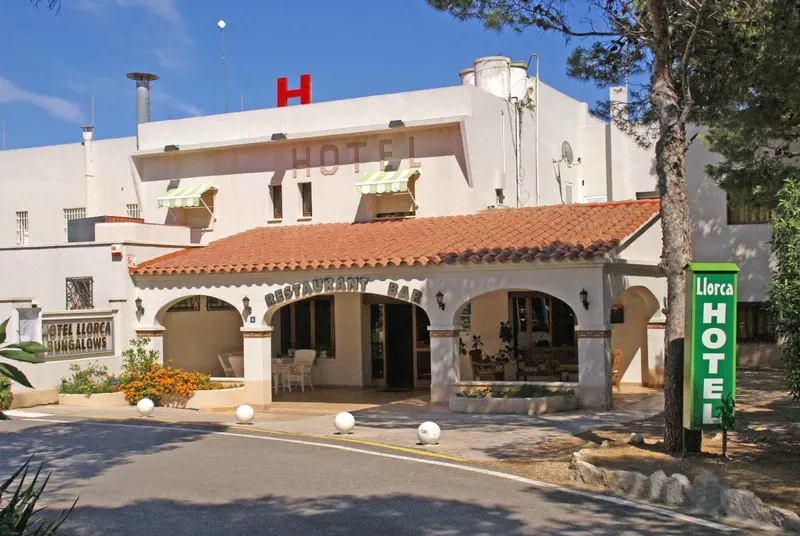
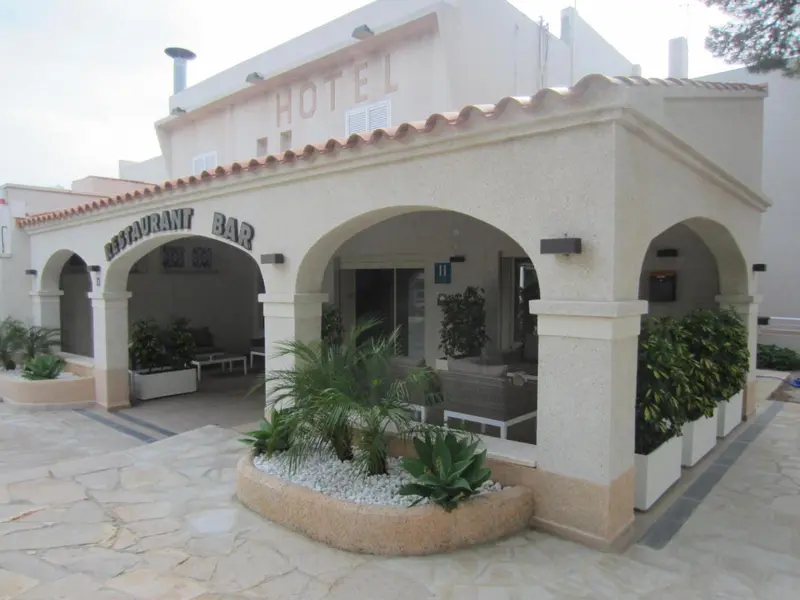
A stay of three to seven days allows the diving to be spread across shore sites, short boat trips and wreck outings without treating every day as the same. Base yourself in the town and use the harbour as the starting point for boat diving, then set aside time for Cala Vidre, Cala Llobeta, L'Estany or Sant Jordi. Non-divers have beaches and coves, coastal walks and cycling, as well as kayaking, snorkelling and boat trips. The port also makes an easy focus for evenings between dives.
Hello, I'm Marina, DivingDeal.com's AI assistant. I guide you through destinations, areas and countries.
Thinking about the whole trip and the flights? Talk it over with Edith →
Marina is an AI. Some links are affiliate links: DivingDeal may earn a commission, at no extra cost to you. Bookings are made with the partner.
June to September is the most dependable period for diving in L'Ametlla de Mar, with generally clearer water, more visible biological activity and the main summer operating season. You can combine shore dives, short boat trips and wreck outings more easily then, although coves and departures may feel busier in high summer.
You can begin with a guided shore dive at Cala Vidre or around Sant Jordi, where shallow rock and coastal cavities introduce the terrain. More experienced divers can add boat sites and progressively deeper wrecks. Wrecks around 23 to 31 metres suit qualified divers, while the Cavour requires substantially greater depth experience.
You can move between Posidonia meadows, rocky Mediterranean coves, shallow cavities and rock shelves around L'Ametlla de Mar, Sant Jordi d'Alfama and Calafat. Short boat trips also reach wooden wrecks and deeper ships. The attraction is the succession of meadow, rock and wreck environments rather than a particular seasonal species.
Plan three to seven days so you can combine easy shore dives, short boat outings and wreck dives without repeating the same type of day. Base yourself in town near the harbour, then allow time for Cala Vidre, Cala Llobeta, L'Estany or Sant Jordi. Barcelona or Tarragona connect by the R16 regional train.