

Hotel Voramar
★★★★
★ 9.1/10 (976 reviews)
1.4 km away as the crow flies
Dive centre · L'Estartit · Spain
4.8111 Google reviewsExplore the diverse marine habitats of the Costa Brava aboard the Janity, from deep wrecks to sheltered caves.
For subtitles in English: start the video firstthen click the gearat the top right of the video, select “Subtitles/CC”, then “Auto-translate” and choose “English”.
Orca Diving is a family-operated centre situated at the Club Nautic de l’Escala on the Costa Brava. The centre is positioned to provide easy access to some of the most significant marine protected areas in Spain, including the Parc Natural del Montgrí, Illes Medes i Baix Ter and the Parc Natural del Cap de Creus.
Whether you are looking to complete your first certification or are an experienced diver seeking deep wrecks or cave systems, the centre provides a structured environment. Their approach focuses on personalised attention, ensuring that both the training school and the guided dive trips are tailored to the specific needs and skill levels of the divers.
The centre operates with a focus on safety and confidence, particularly within its training programme. Instructors are trained to adapt their teaching style to the individual, ensuring that students feel secure as they progress through their skills.
For guided excursions, the centre maintains a ratio of a maximum of six divers per guide. This small group size allows for closer supervision and a more intimate experience of the local dive sites, ensuring that the group can move effectively through varied terrain such as tunnels, walls, and reefs.
Orca Diving offers a comprehensive range of courses through PADI, SSI, and FEDAS affiliations. Beginners can start with Scuba Diver or Open Water Diver certifications, while those looking to advance can pursue the Advanced Adventure or Deep Diving courses.
The curriculum extends into specialised skills, including Wreck Diving, Night Diving and Limited Visibility, Navigation, and Dry Suit Diving. For divers looking to move towards a professional path, the centre provides Dive Guide and Assistant Instructor training. They also offer Enriched Air Nitrox and Stress & Rescue to enhance your safety and dive planning capabilities.
The centre operates a dedicated boat named the Janity, which has a capacity for 12 divers. It is equipped with a cabin for storing personal effects, allowing you to keep your belongings secure during the trip.
The Janity is used for various types of diving, including day trips to the natural parks and night dives. Nitrox is available on board for those looking to extend their bottom time.
Shore-based facilities include changing rooms and showers for use after your dives. The centre also provides areas for rinsing equipment to ensure your kit is well-maintained.
Full equipment hire is available for those not travelling with their own kit, including cylinders and weights. For those needing specific training, such as dry suit diving, the centre can provide the necessary gear.
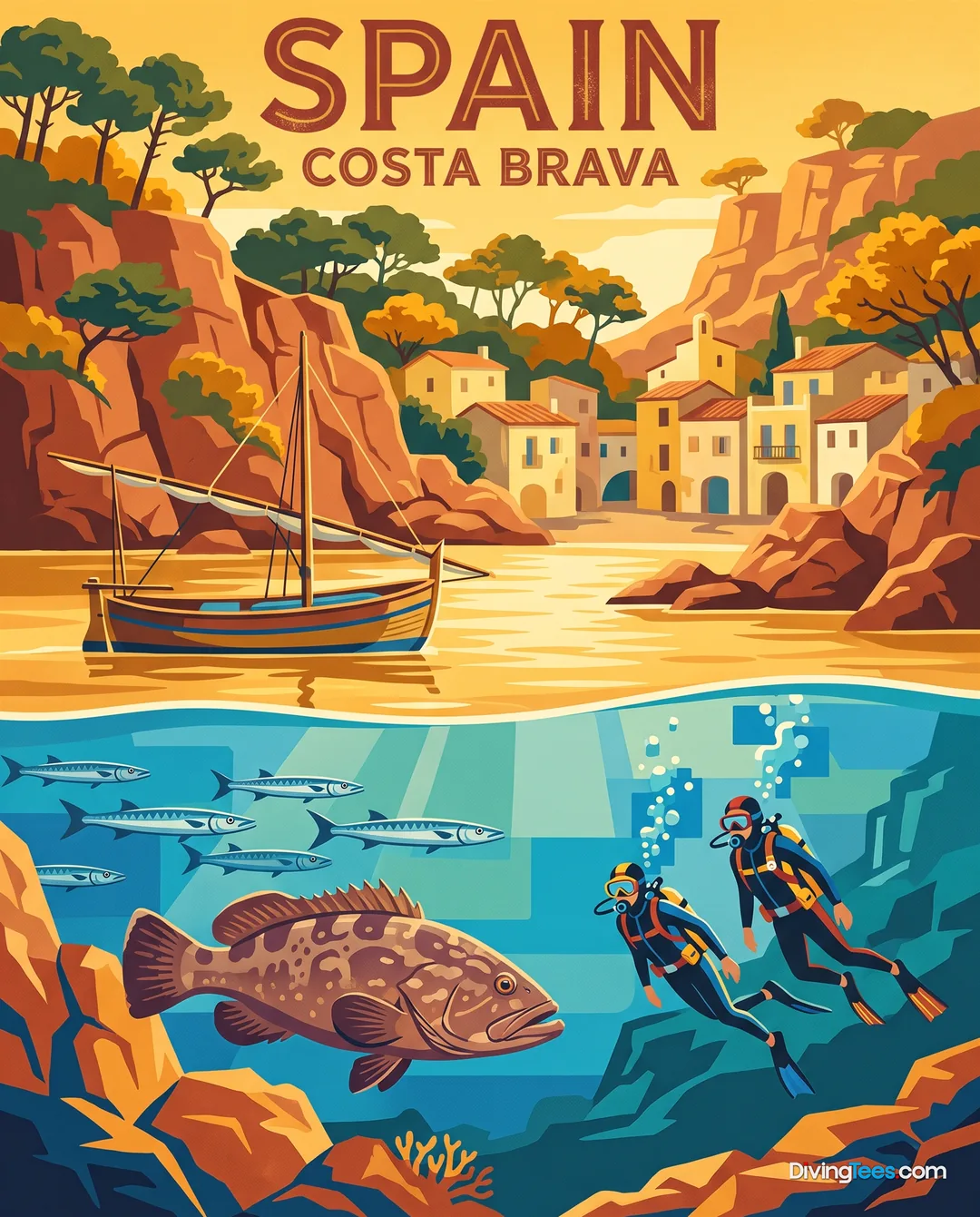
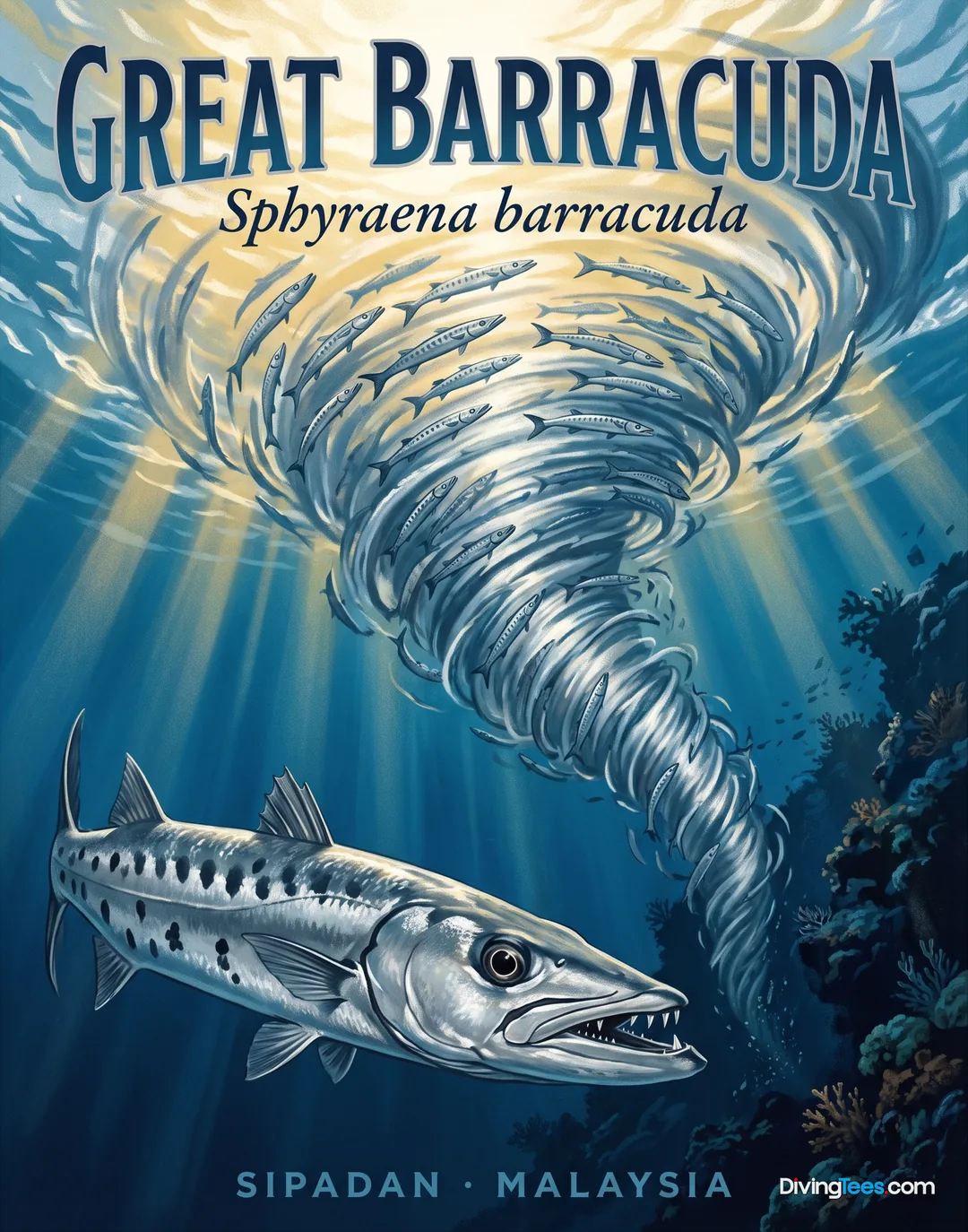
El Gat/Cap Norfeu is a highly regarded site within the southern part of the Natural Park, featuring walls and plateaus that descend to 45 metres. You can find large schools of barracuda near the surface and vibrant red gorgonians on the deeper sections.
El Marmoler is a significant wreck dive for advanced divers, located at a depth of 42 metres. This 1971 wreck lies in three fragments and is home to an abundance of large marine life, including sunfish and massive schools of seabream.
La Cala Viuda offers a series of underwater caves and tunnels. Divers can explore a large vault with an air pocket at 16 metres, and the rocky crevices are frequently inhabited by spiny lobsters and various sponges.
El Salt del Boc is a canyon-like dive site in the Bay of Joncols, where a rock formation descends between 12 and 20 metres. The site features red coral slabs on the bottom and is a good location to spot groupers and dentex.
And some of the dive sites the centre runs.
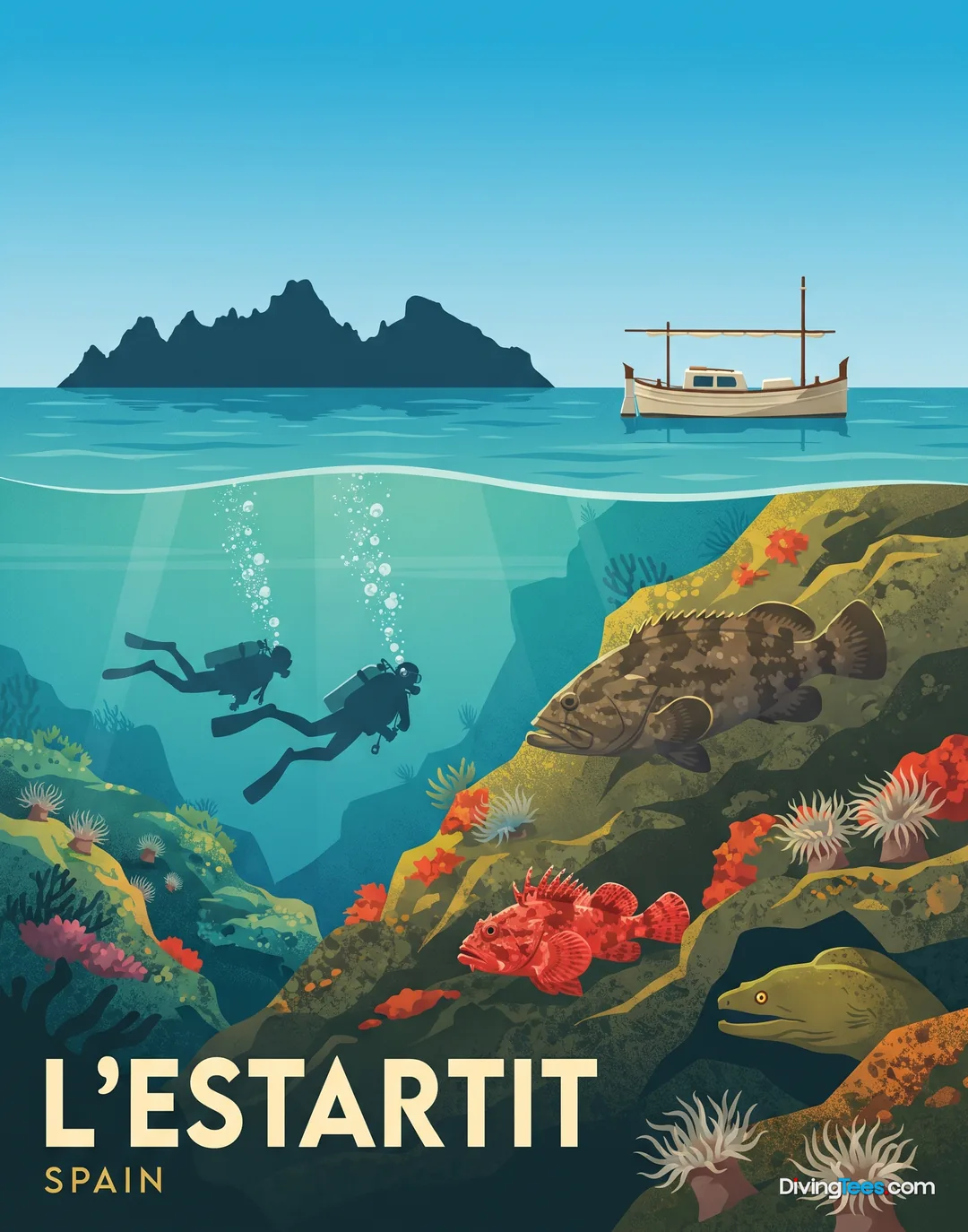
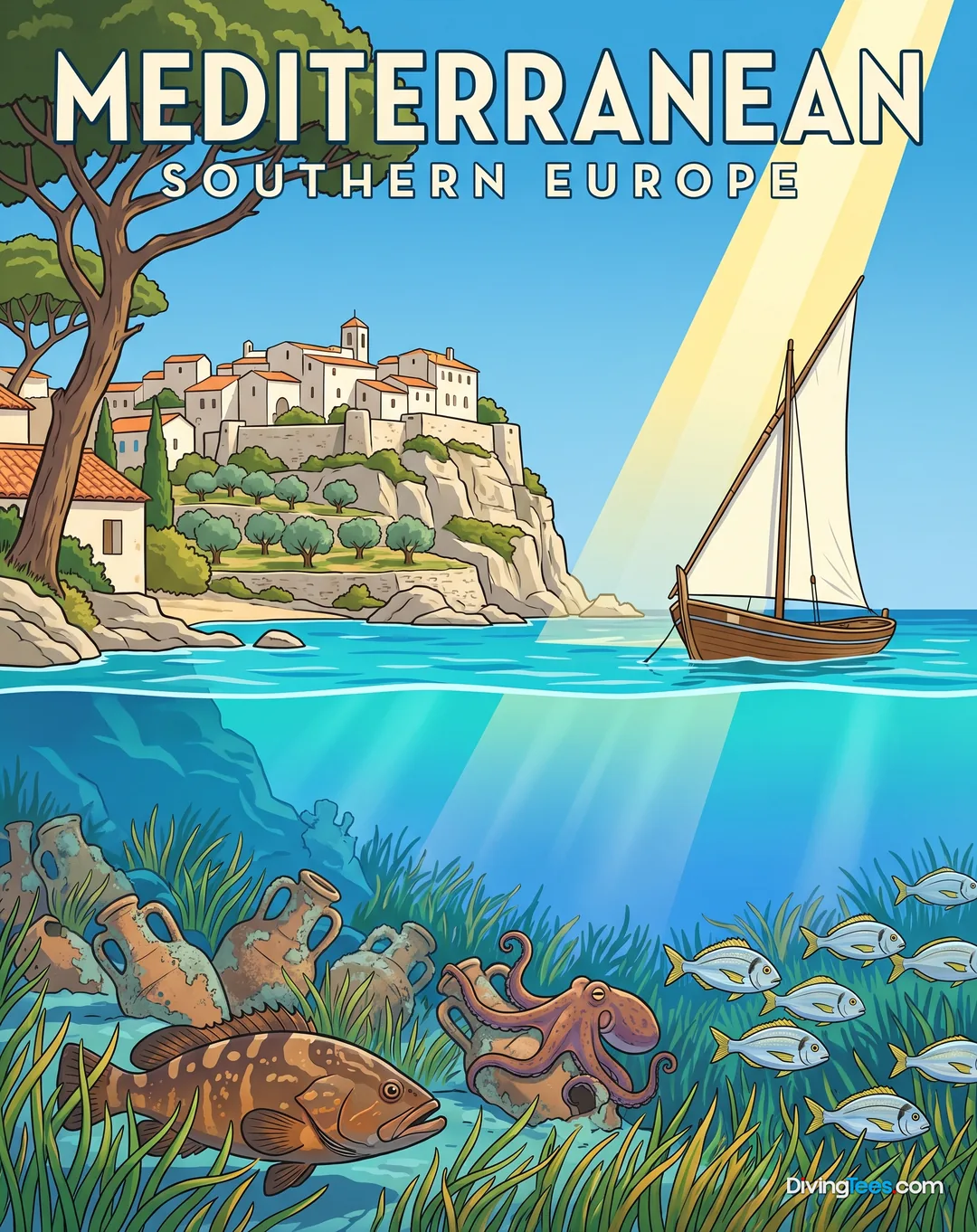
The Mediterranean habitats around L'Escala are defined by rich gorgonian forests and extensive seagrass meadows. On the rocky walls and reefs, you will find a high density of fixed life including various corals, sponges, and anemones. The canyons and crevices provide ideal shelter for many species.
Macro life is abundant throughout the area, particularly in the rocky cracks and sandy patches. Divers can frequently encounter octopuses, moray eels, scorpionfish, and various species of nudibranchs. Crustaceans such as spiny lobsters, slipper lobsters, and crayfish are also common residents of the reef structures.
In the open water and around the larger structures, you can observe various fish species. This includes groupers, dentex, seabream, and barracuda. Depending on the site, you may also see rays and various species of wrasse.
Seasonality plays a role in what you might encounter; for instance, anglerfish are more likely to be seen in the late spring, while spiny lobsters are particularly present from March to July.
Diving conditions vary significantly depending on the chosen site. Some areas, such as El Gat, can experience frequent and sometimes strong currents, while other sites like El Baix de la Ferrera remain calm with no current at all.
The area is subject to the Tramontana wind, which can affect accessibility and water conditions. Some sites, like Punta del Xeric, are chosen specifically because they remain sheltered from these northern winds, providing calmer waters for beginners.
Hello, I'm Marina, DivingDeal.com's AI assistant. I answer in detail about hotels, dive centres and liveaboards.

Thinking about the whole trip and the flights? Talk it over with Edith →
Marina is an AI. Some links are affiliate links: DivingDeal may earn a commission, at no extra cost to you. Bookings are made with the partner.