
El Rei del Mar
Google 4.9/5 (197 reviews)
15 km away as the crow flies
L'Estartit · Spain · Mediterranean
Descend into the intricate underwater canyons of Canons De Fora, where parallel rock formations create a unique Mediterranean dive experience distinct from the nearby Medes Islands.
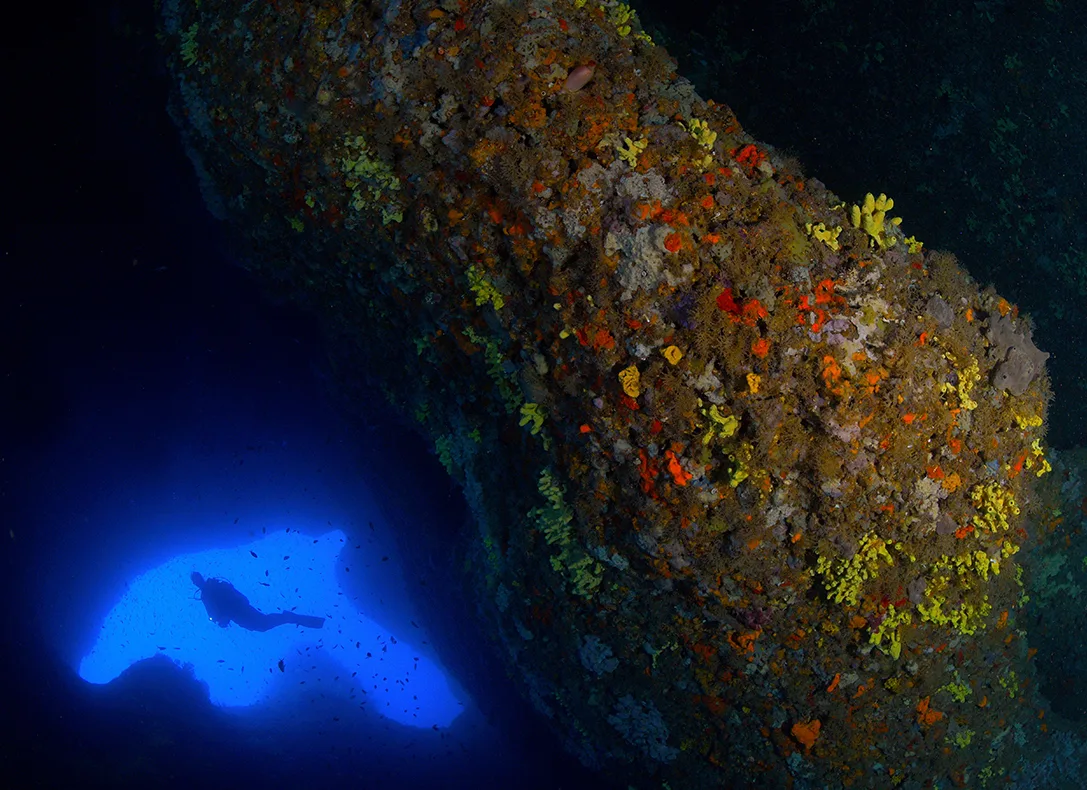
Canons De Fora presents a topography that sets it apart from other sites in the L'Estartit area, notably differing from the more widely known Medes Islands. Here, the underwater landscape is sculpted into a series of parallel rock formations, creating true marine canyons with deeply incised corridors and rugged reliefs. As you descend, you'll find yourself navigating through these distinct geological features, with walls rising on either side and the occasional overhang adding to the dramatic scenery. This structure funnels water and creates micro-habitats, making each turn in the canyon a potential new discovery.
The dive profile at Canons De Fora typically involves exploring these rock bars and the channels between them, which can feel more like navigating a submerged labyrinth than a simple reef. The walls are not sheer drops but rather complex surfaces riddled with crevices and ledges, offering shelter to a variety of marine life. You'll often find yourself following a corridor only for it to open into a wider section or lead to a deeper cut in the rock, demanding constant awareness of your depth and surroundings. The natural light filters down into these canyons, creating shifting patterns and illuminating the vibrant colours of the sessile organisms.
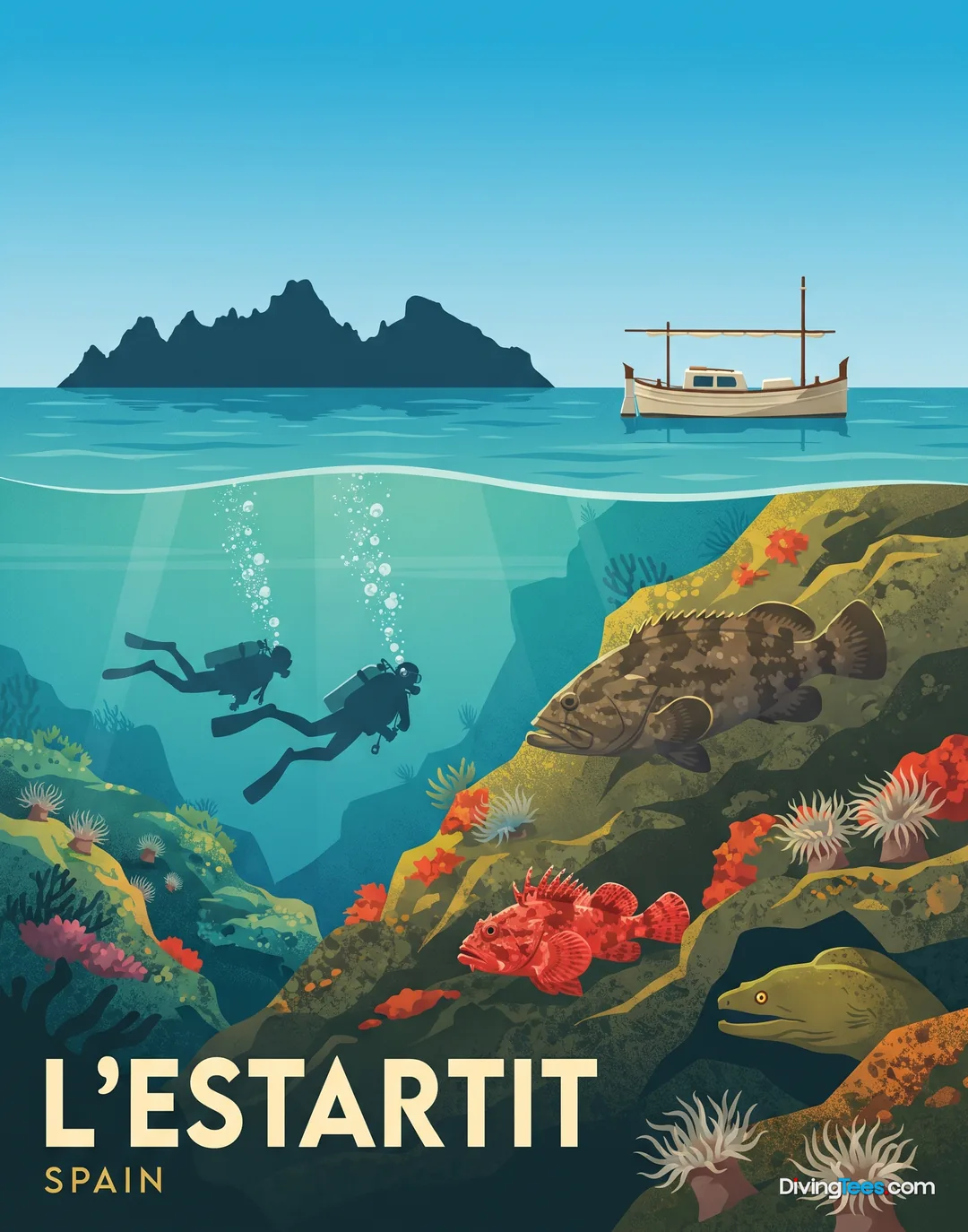
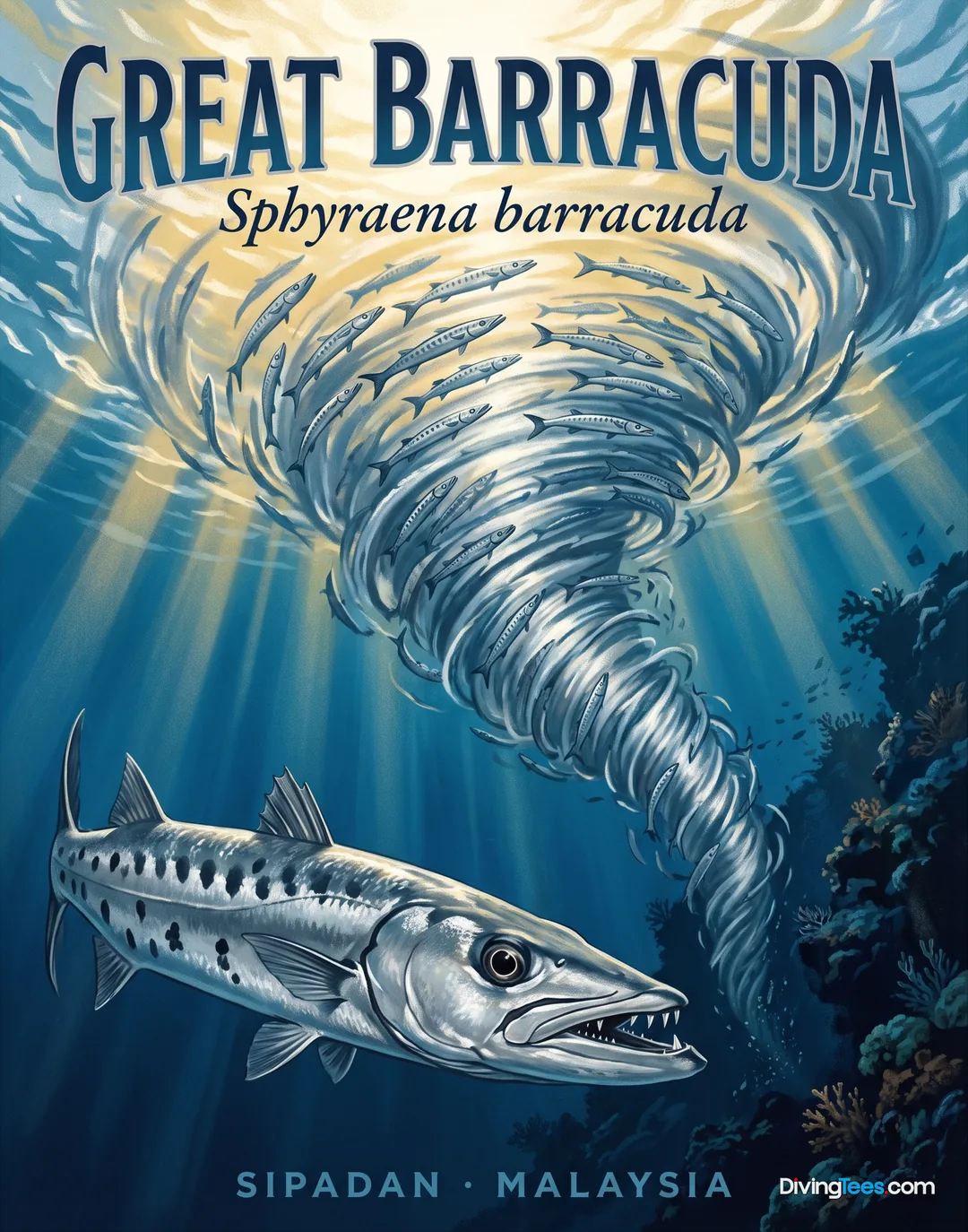
As you move through the canyons, keep an eye out for larger pelagic species that patrol these deeper waters. Groupers (Epinephelus marginatus) are common residents, often found lurking near the base of the walls or within the larger crevices. Schools of barracudas (Sphyraena barracuda) can sweep through the open sections between the rock formations, their silvery bodies glinting as they move with the current. This dynamic environment, with its varied relief and proximity to open water, acts as a natural magnet for these larger predatory fish.
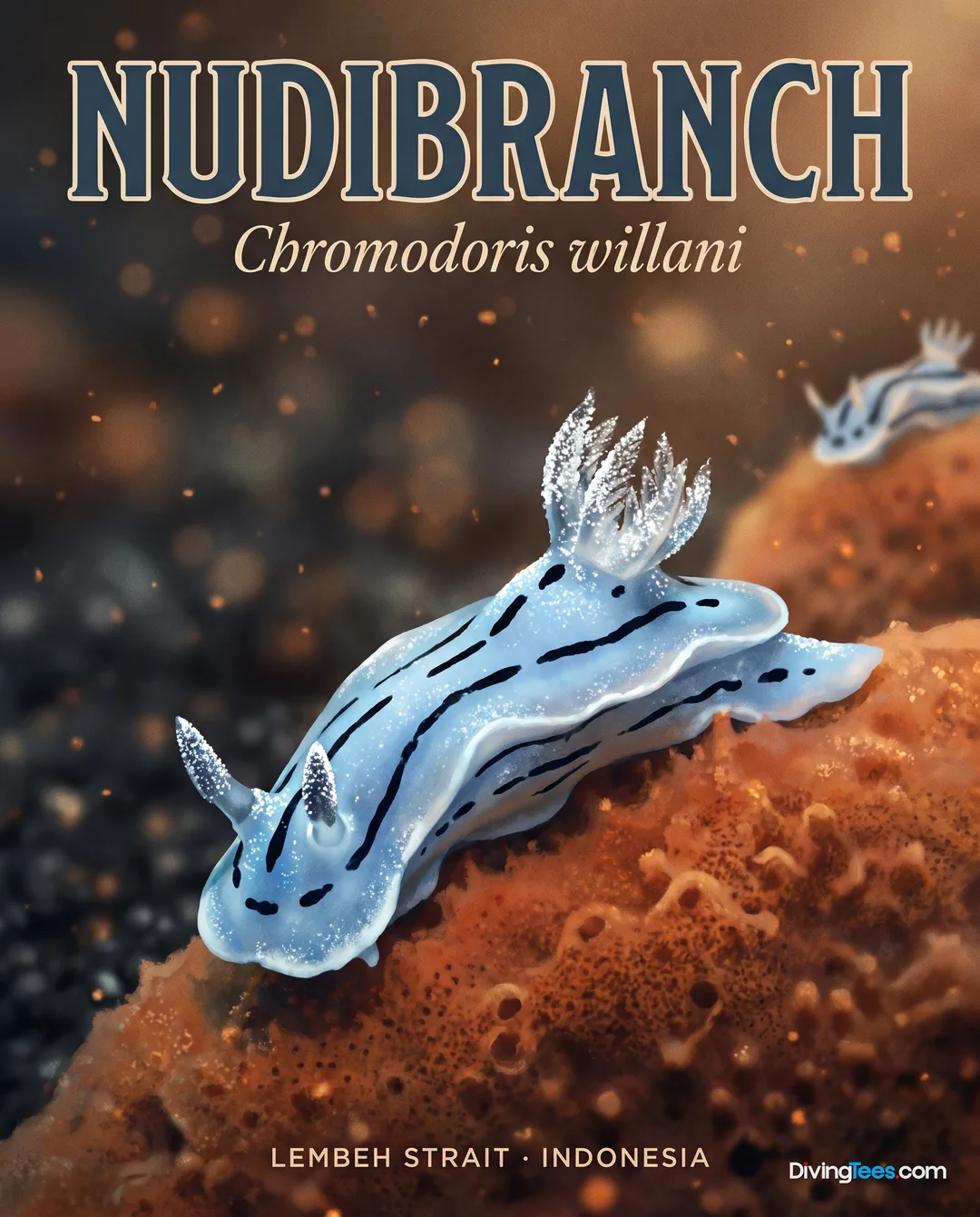
The intricate rocky structure of Canons De Fora also provides ample habitat for a range of benthic and reef-dwelling creatures. Moray eels (Muraena helena) are frequently spotted tucked into the numerous cracks and holes along the canyon walls, their heads peeking out as you pass. Look closer at the rock surfaces and you’ll discover various nudibranchs, often moving slowly across sponges and hydroids. Lobsters (Homarus gammarus) also find refuge in the deeper recesses, their antennae occasionally giving away their hiding spots.
One of the defining visual features of Canons De Fora is the extensive growth of red gorgonians (Paramuricea clavata) that carpet many of the vertical surfaces and overhangs. These vibrant colonies thrive in the nutrient-rich waters that flow through the canyons, creating striking fields of colour against the darker rock. Navigating past these delicate yet resilient structures requires good buoyancy control to avoid contact. The presence of these gorgonian fields indicates a healthy ecosystem and adds significantly to the aesthetic appeal of the dive.
While the current here can be variable, it is important to be prepared for conditions that can shift, as is common in this part of the Mediterranean. The canyon formations themselves can either channel or deflect water movement, leading to different experiences within the same dive. You might find calmer pockets in sheltered sections while feeling a gentle push as you emerge into a more exposed corridor. Maintaining good situational awareness and communicating with your buddy about current changes is always key in such an environment.
Compared to the protected and often shallower reefs of the Medes Islands, Canons De Fora offers a more rugged and dramatic deep-water experience. The distinct canyon topology with its parallel rock bars and deeper entrenchments creates a sensation of true underwater exploration. It's a site that rewards divers who appreciate complex geological formations and the marine life drawn to them, offering encounters with both large schooling fish and intricate macro subjects against a unique backdrop. This is a dive for those looking beyond typical reef structures.
This is an Advanced level dive, requiring comfort at depth and solid buoyancy control within rocky, confined spaces. Depths can extend to 35 metres, so plan your dive accordingly. Visibility is generally excellent, often ranging between 25 and 30 metres, offering clear views of the canyon structures. Currents can be variable; while not consistently strong, be prepared for potential shifts in water movement that can be influenced by local conditions. The best time to dive Canons De Fora is between June and August, with a good window extending into September, when sea conditions are typically most favourable.
Plan your visit during the warmer-season window from June through August, with conditions often remaining favourable into September. This period is described as the best opportunity to dive Canons De Fora, when sea conditions are typically most suitable for exploring its parallel rock formations, corridors, walls, and overhangs.
Canons De Fora is an advanced-level dive for you if you are comfortable at depth and can maintain solid buoyancy in rocky, confined spaces. The profile can reach thirty-five metres, so you need to plan appropriately while navigating channels, deeper cuts, ledges, and overhangs.
Currents at Canons De Fora can be variable rather than consistently strong, with local conditions causing shifts in water movement. The canyon formations may channel or deflect the flow, creating calmer pockets in sheltered areas and a gentle push in exposed corridors. Stay aware and communicate with your buddy.
You can explore parallel rock formations shaped into marine canyons, with rugged walls, corridors, and overhangs covered in red gorgonians. Look for groupers, barracudas, moray eels, lobsters, and nudibranchs, while eagle rays and dentex may also appear. Visibility is generally excellent, offering clear views of the canyon structures.