
Hotel Voramar
★★★★
★ 9.1/10 (976 reviews)
1.4 km away as the crow flies
Dive centre · L'Estartit · Spain
4.968 Google reviewsExplore the vertical cliffs and underwater labyrinths of the Montgrí Natural Park with a small-group approach limited to 10 divers per boat.
For subtitles in English: start the video firstthen click the gearat the top right of the video, select “Subtitles/CC”, then “Auto-translate” and choose “English”.
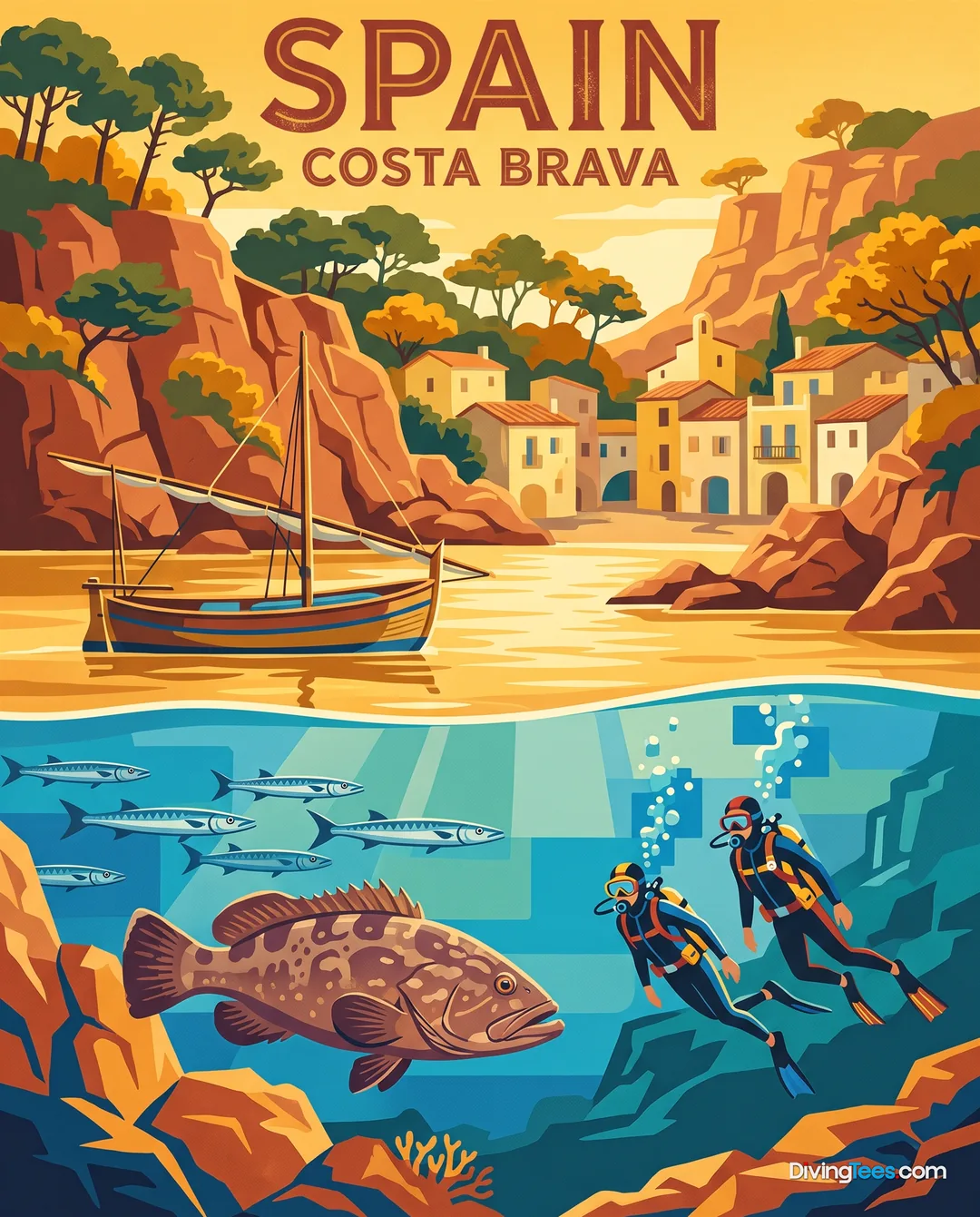
Situated in L'Escala, Grassi-Sub offers access to some of the most fascinating underwater landscapes on the Costa Brava. The area is defined by the Montgrí Natural Park, where vertical cliffs, hidden caves, and various swim-throughs create a diverse playground for divers of all levels.
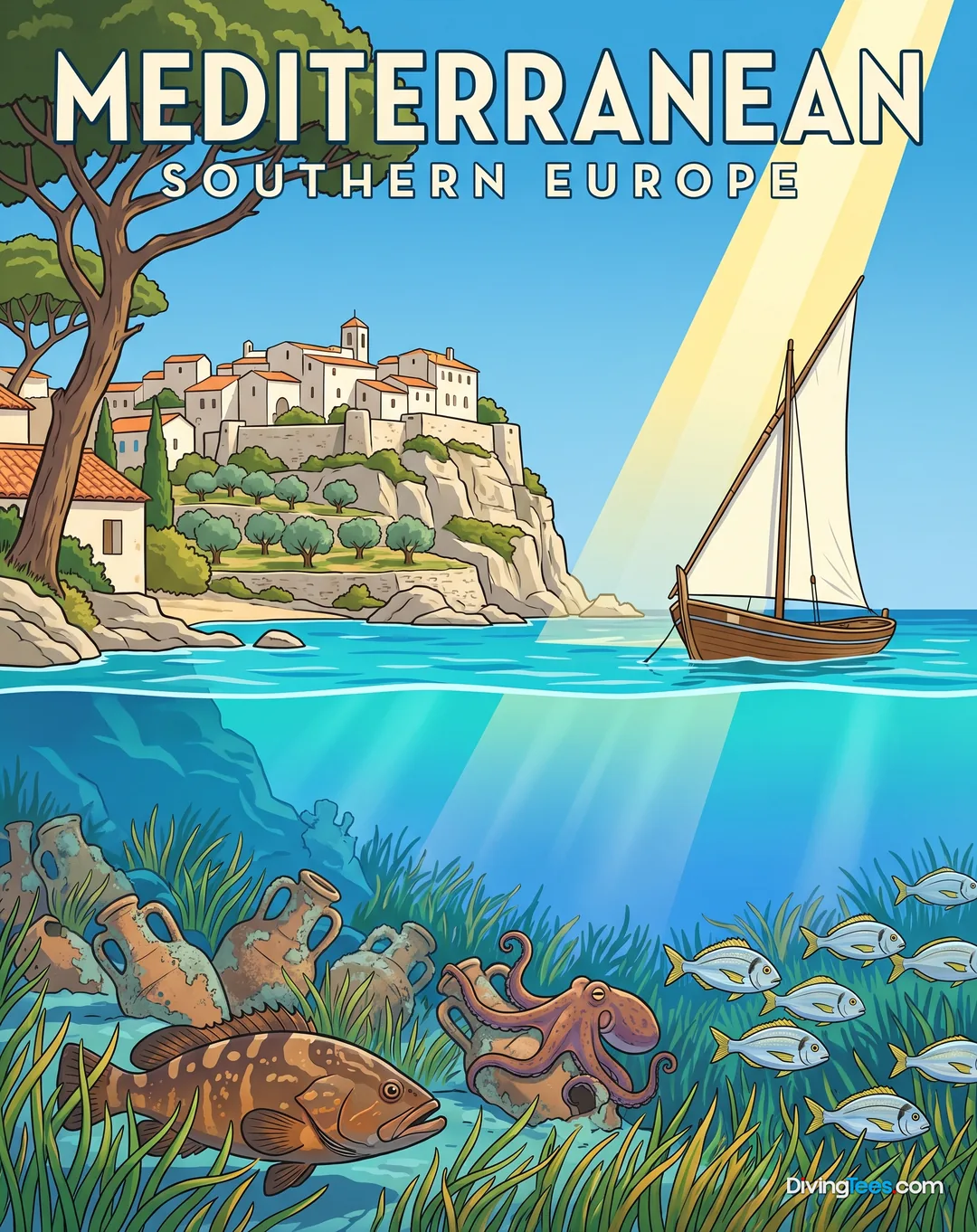
Beyond the rocky walls, the region is home to well-preserved Posidonia seagrass meadows and complex reef systems. Whether you are looking to explore wreck sites or navigate through underwater tunnels, the local topography provides a rich variety of environments for every dive.
Founded in 2000 by Bernadette Grassi, the centre is built on a philosophy of professional service and environmental respect. The team focuses on providing an exclusive experience by strictly limiting boat departures to a maximum of 10 divers, ensuring that instructors and guides can maintain close contact with every member of the buddy pair.
The centre is an SSI affiliated diving school, offering everything from initial certifications to professional-level training. For those staying in the area for several days, the team provides a practical service by storing your kit on-site and transporting it via van directly to the boat, allowing you to focus on your diving without the burden of heavy equipment.
As an SSI centre, Grassi-Sub offers a comprehensive range of training programmes. This includes core certifications such as SSI Scuba Diver, Open Water Diver, and Advanced Open Water Diver, as well as the Stress & Rescue and Divemaster courses.
For divers looking to specialise, the curriculum covers Advanced Specialty Diver pathways including Deep Diving, Wreck Diving, Navigation, and Perfect Buoyancy. They also offer technical and niche training such as Decompression Diving, Dry suit diving, and specialized courses in Marine Ecology and Nudibranch Ecology.
The centre operates dive boats that carry a maximum capacity of 10 divers. These trips cover the diverse habitats of the Montgrí Natural Park and include dedicated outings to explore the Cap de Creus area once a week. Nitrox is available for use on these excursions.
The shore-based facilities are designed for diver convenience, featuring a dedicated area for cleaning and drying equipment, along with showers and toilets. If you are diving over multiple days, you can leave your kit at the centre for safekeeping.
Full equipment hire is available for those who do not wish to travel with their own rig. The centre also provides Nitrox services and maintains O2 safety equipment on-site for all diving activities.
Parc Natural del Montgrí, les Illes Medes i el Baix Ter: This expansive marine park offers a variety of environments including vertical walls, caves, and tunnels. It is suitable for all levels and is known for its vibrant coralligenous reefs and seagrass meadows.
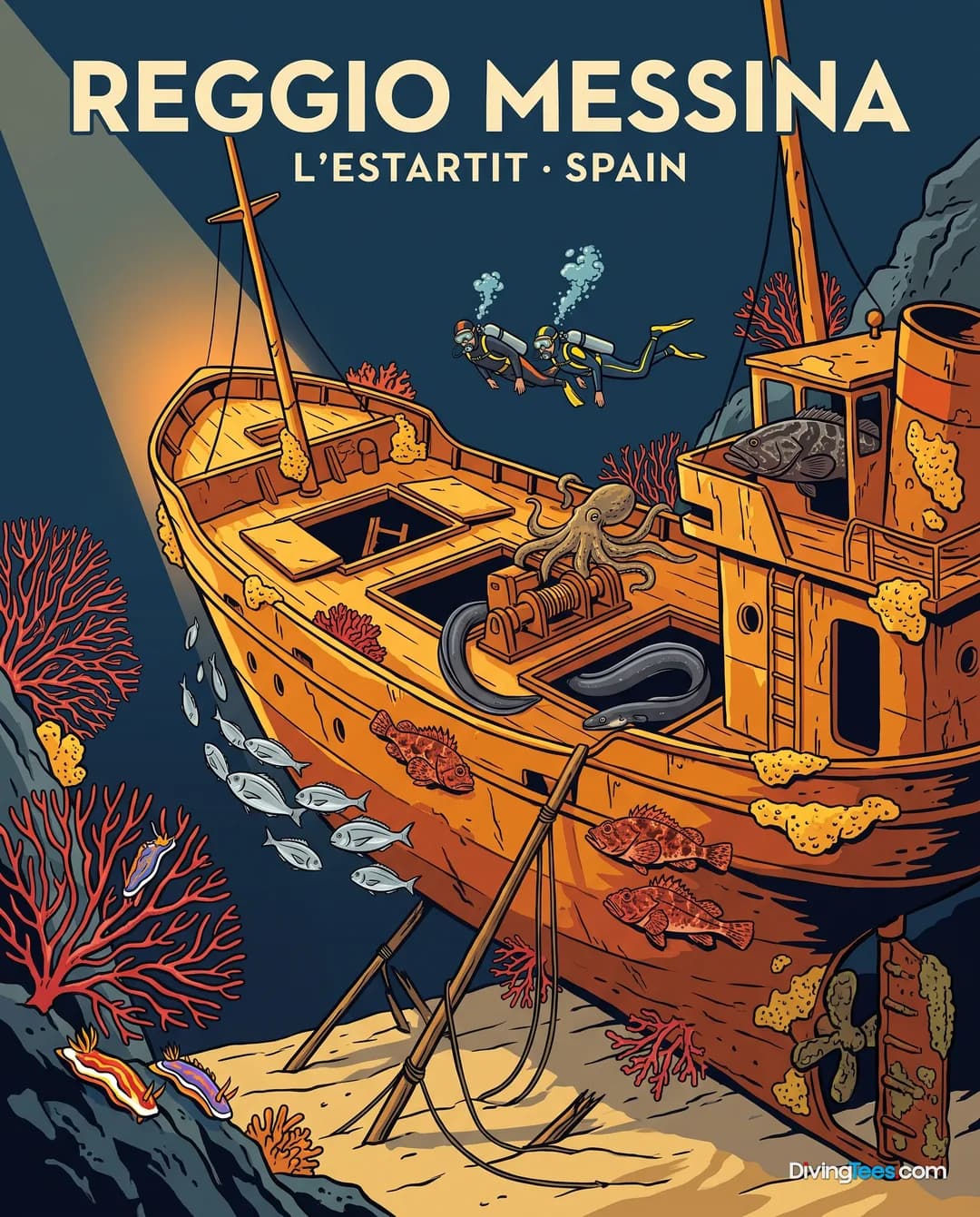
Reggio Messina: An iconic wreck site measuring 122 metres in length. This site provides a significant opportunity for divers interested in wreck exploration.
Marmoler: A wreck site that remains notable for its preserved cargo of marble, offering a unique underwater landscape to explore.
Cap de Creus: Specialised weekly outings are organised to explore the emblematic seabed of this natural park, providing access to different habitats and marine life.
And some of the dive sites the centre runs.
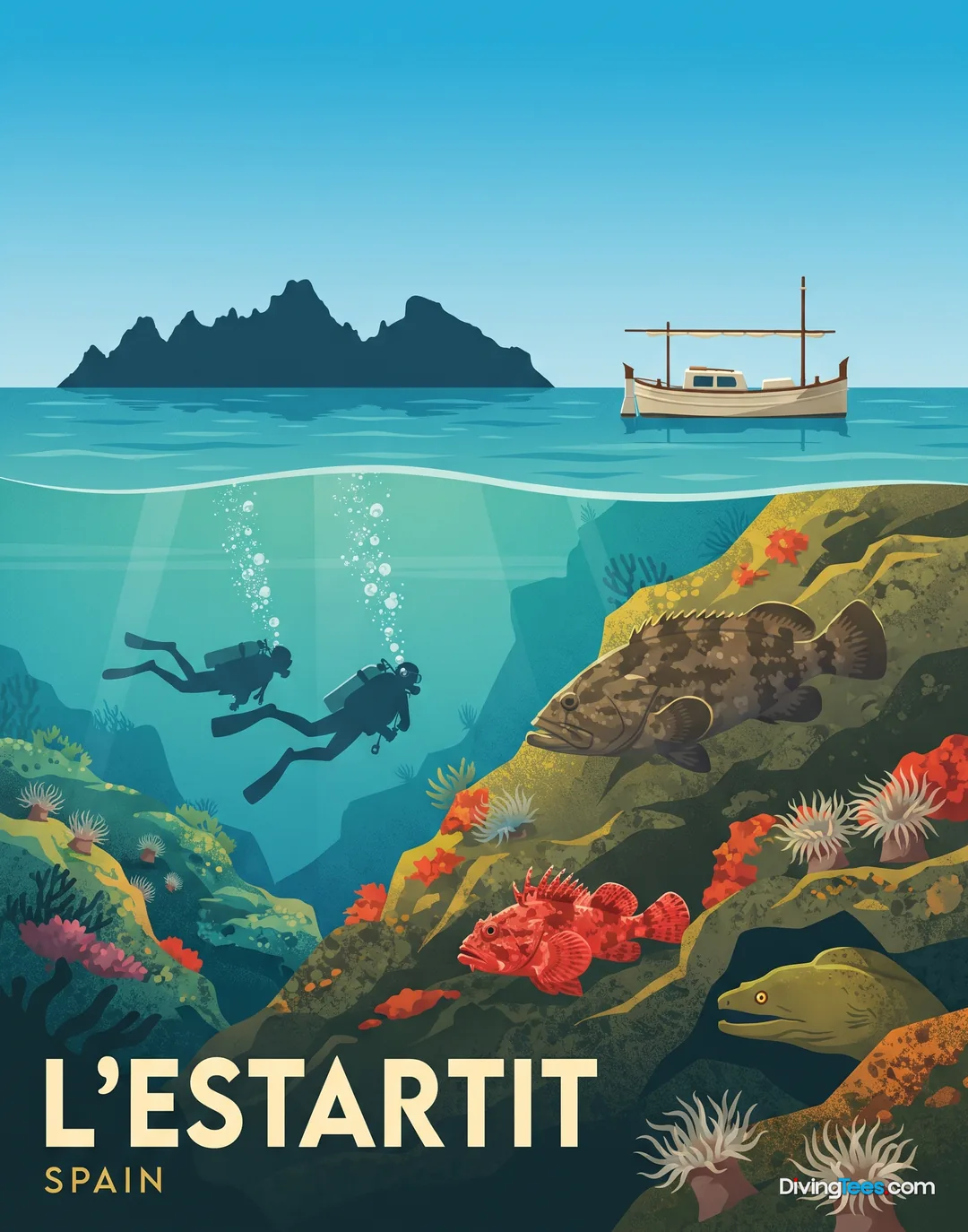
The reefs and walls of the Montgrí Natural Park are teeming with life, often featuring colourful gorgonians and diverse fish populations. You will frequently encounter groupers, conger eels, and moray eels patrolling the rocky crevices, alongside various species of lobster and octopus.
The Mediterranean biodiversity here includes a wide array of crustaceans and smaller reef inhabitants. Large schools of fish move through the water, and the presence of sea fans adds significant colour to the underwater scenery.
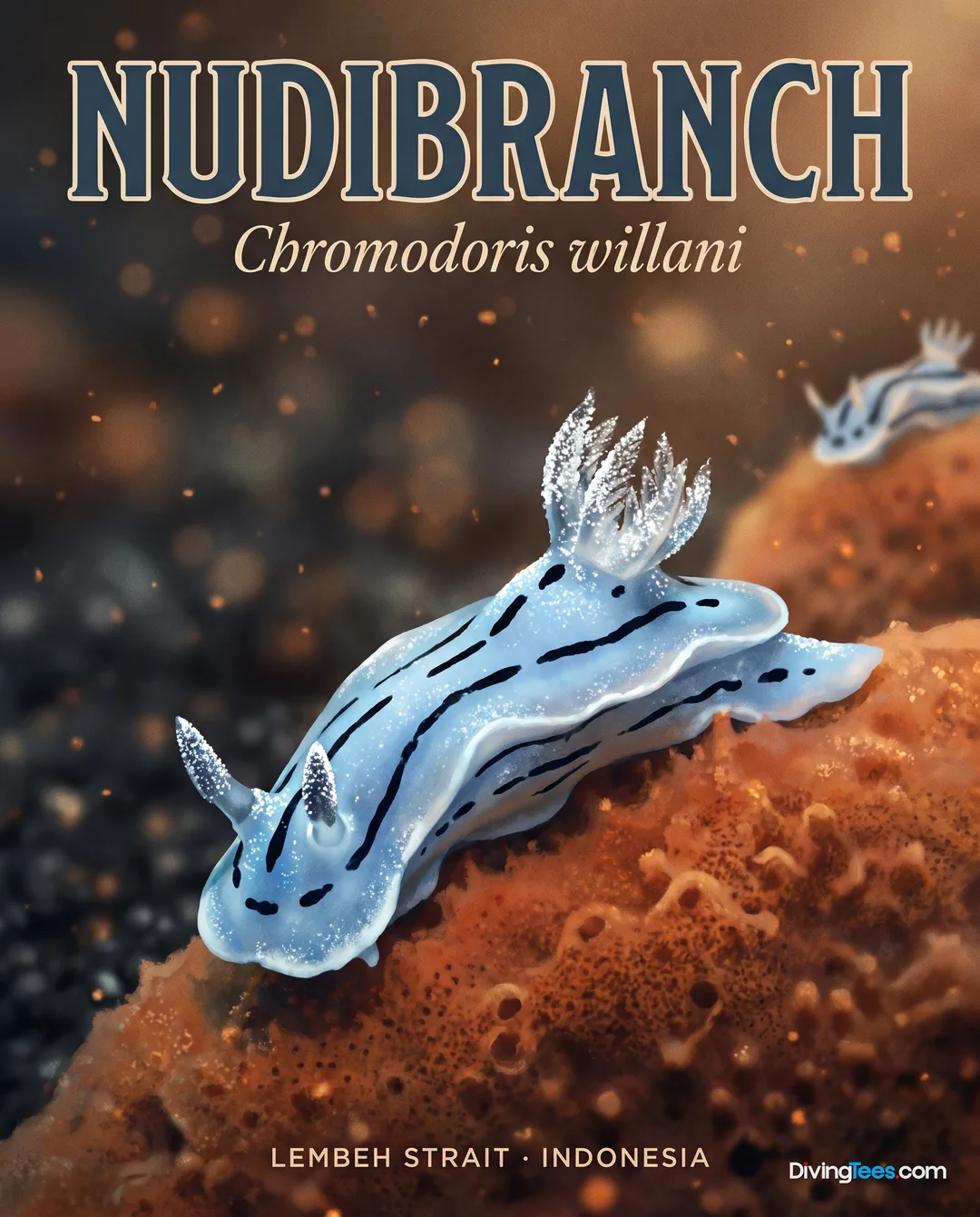
Macro life enthusiasts can find plenty to observe, including various species of nudibranchs and small crustaceans. These creatures inhabit the seagrass meadows and the intricate textures of the coralligenous reefs, rewarding divers who take the time to look closely at the seabed.
The centre is operational from Holy Week until the end of October. The local diving environment is shaped by the topography of the Costa Brava, offering varied habitats from shallow reef flats to deeper walls and wreck sites.
Hello, I'm Marina, DivingDeal.com's AI assistant. I answer in detail about hotels, dive centres and liveaboards.

Thinking about the whole trip and the flights? Talk it over with Edith →
Marina is an AI. Some links are affiliate links: DivingDeal may earn a commission, at no extra cost to you. Bookings are made with the partner.