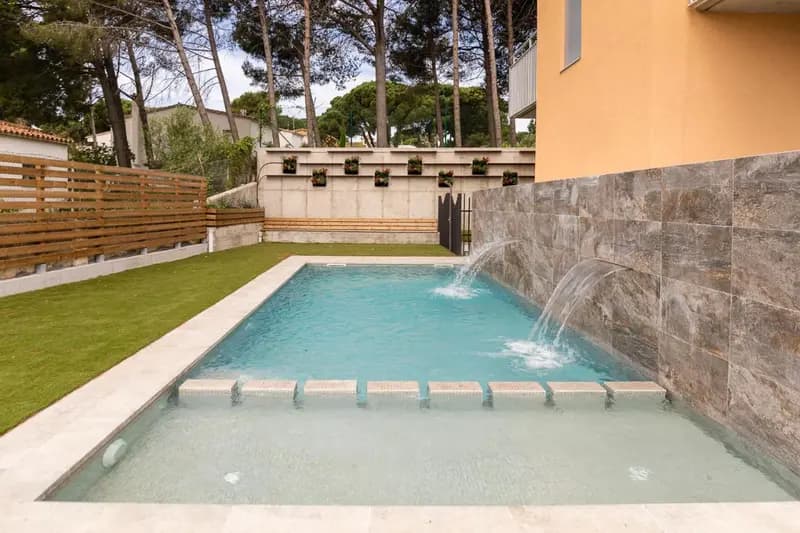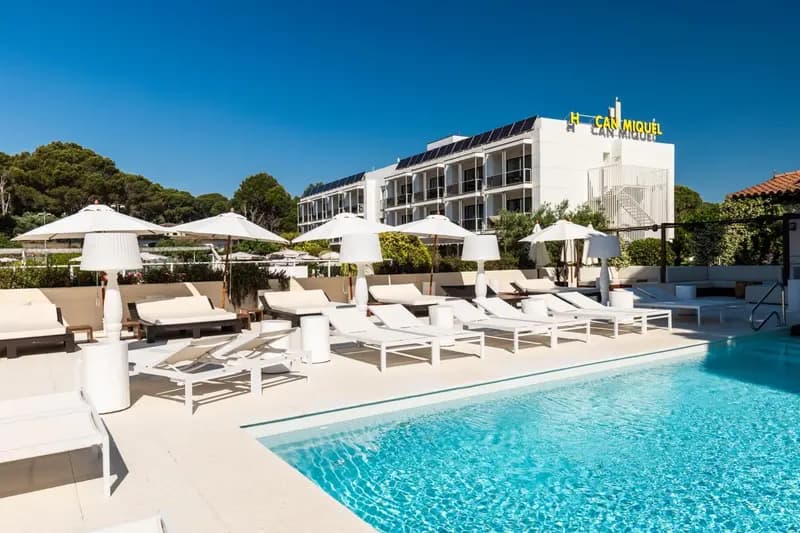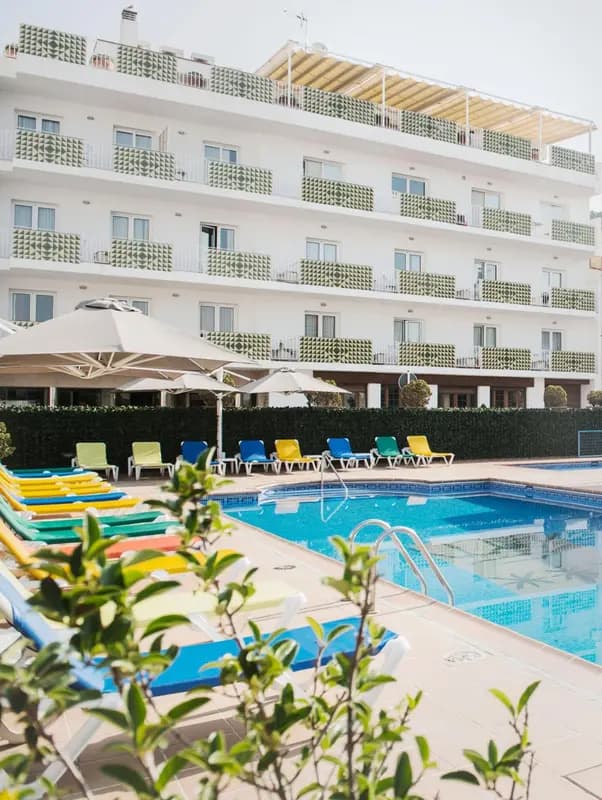

Hotel Voramar
★★★★
★ 9.1/10 (976 reviews)
9.6 km away as the crow flies
Dive centre · L'Estartit · Spain
4.7579 Google reviewsDive the protected waters of the Medes Islands from the Tritón, a 16-metre fibre boat equipped with freshwater showers.
For subtitles in English: start the video firstthen click the gearat the top right of the video, select “Subtitles/CC”, then “Auto-translate” and choose “English”.
Unisub has been a fixture of the L'Estartit diving scene since 1965, making it the oldest dive centre in the Medes Islands area. Located in the heart of the village, the centre is less than a ten-minute walk from the port, where the dive boats are moored.
The centre operates within the Montgrí Medes Natural Park, providing access to some of the most significant marine habitats in Catalonia. Whether you are looking for a guided snorkel trip or advanced technical training, the focus remains on professional standards and environmental stewardship within this protected reserve.
As a family-run PADI dive resort, Unisub maintains a professional approach to both recreational and professional training. The team is experienced in managing a wide variety of diver profiles, from those taking their first breaths underwater to professionals pursuing career certifications.
The centre provides services in Spanish, English, Catalan, and French, ensuring clear communication for international divers. The facilities include a dedicated classroom for theory sessions, a main office for bookings, and an on-site workshop and washing area for your equipment.
Unisub provides a comprehensive range of PADI courses. Beginners can start with Open Water Diver and progress through Advanced Open Water Diver and the PADI Deep Diver Specialty, or focus on buoyancy control with the PADI Buoyancy course.
For those looking to advance their skills or career, the centre offers professional courses and advanced training. They also provide 'Refresh' courses for returning divers and a specific specialty focused on the local Mediterranean Grouper.
The Tritón is a 16-metre fibre boat with a capacity for 48 passengers plus two crew members. It is powered by two engines and features freshwater showers on board to help you rinse off after your dives.
The Paraguay II is a smaller, 11-metre vessel with a single engine, accommodating up to 28 passengers and two crew members. Both boats are equipped with the necessary safety gear, including a dinghy and ladders specifically designed to make exiting the water with fins easier.
The centre offers full kit hire using Cressi equipment, including 5mm to 7mm wetsuits, fins, masks, snorkels, BCDs, regulators, and boots. There is a dedicated washing area to clean your gear and space to store it during your stay.
For gas management, the site uses three air compressors and a dedicated Nitrox compressor. You can choose from 10L, 12L, and 15L cylinders, with Nitrox readily available for those looking to extend their no-decompression limits.
Cova de La Reina offers a chance to explore underwater cave formations and swim-throughs. It is a classic site for those looking to experience the more sheltered, structural aspects of the local seabed.
Tascó Petit and Tascó Gros are excellent for exploring the rocky reef structures. These sites are known for providing varied topography and are staples for divers visiting the Medes area.
Arcs del Duï provides interesting archway formations and reef walls. It is a great spot to observe how the local currents interact with the rocky landscape.
And some of the dive sites the centre runs.
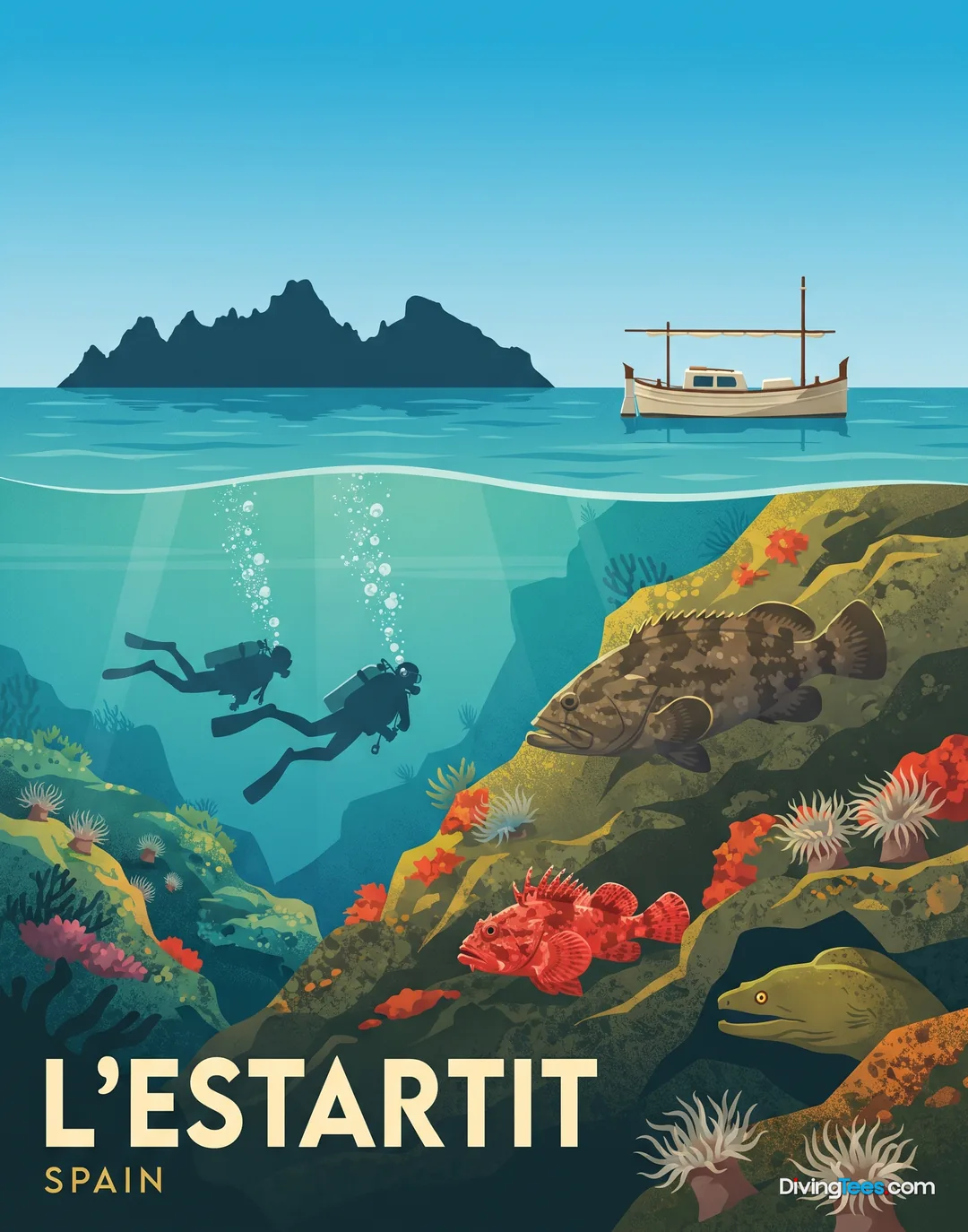
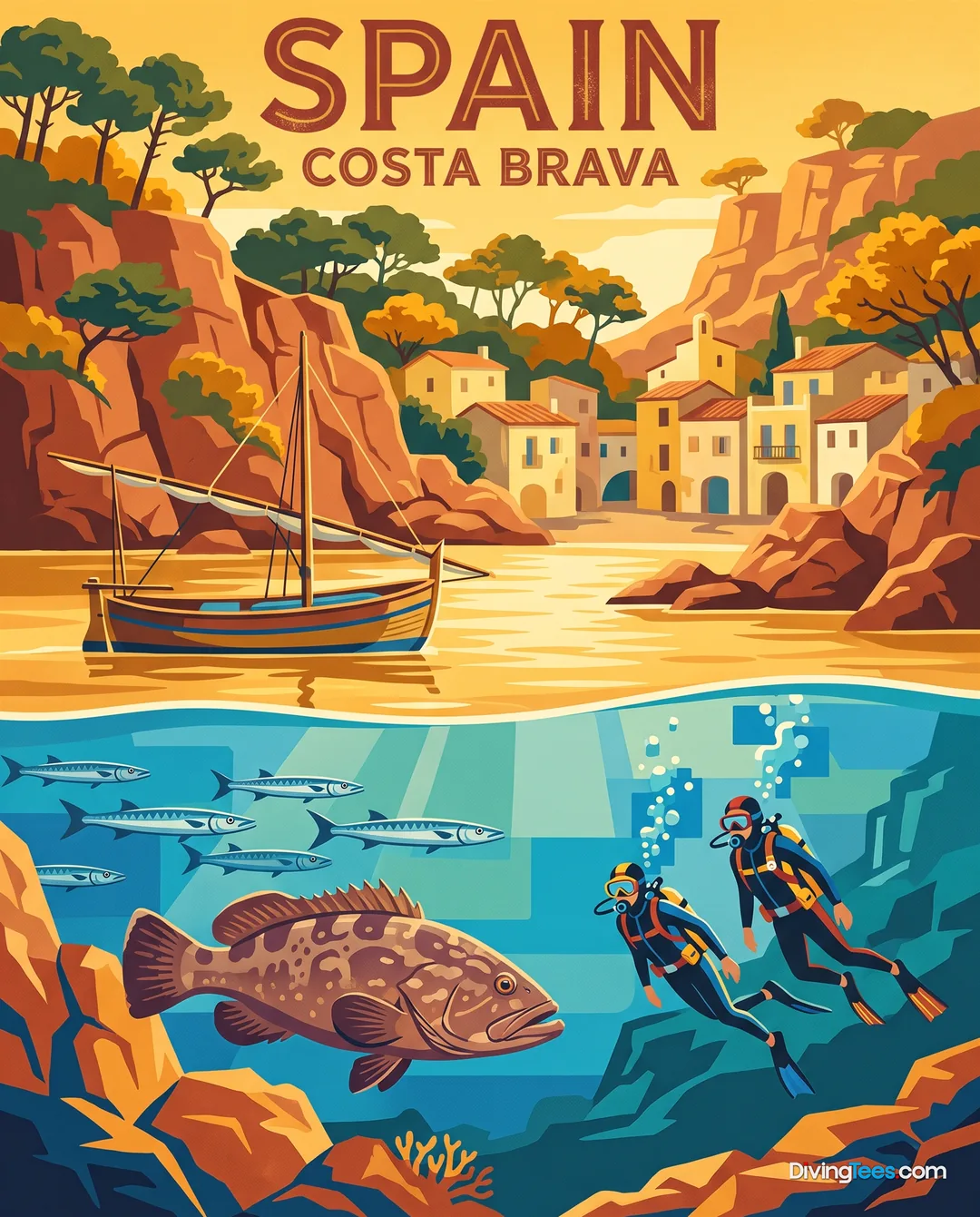
The marine life in the Medes Islands is exceptionally diverse due to the protected status of the park. You will regularly encounter large Grouper (Epinephelus) stationed near ledges and rocky outcrops.
The reefs are draped in vibrant fixed life, including red gorgonians that add significant colour to the walls. You can also find various species of Lobster (Homaridae) hiding within the crevices of the rocks.
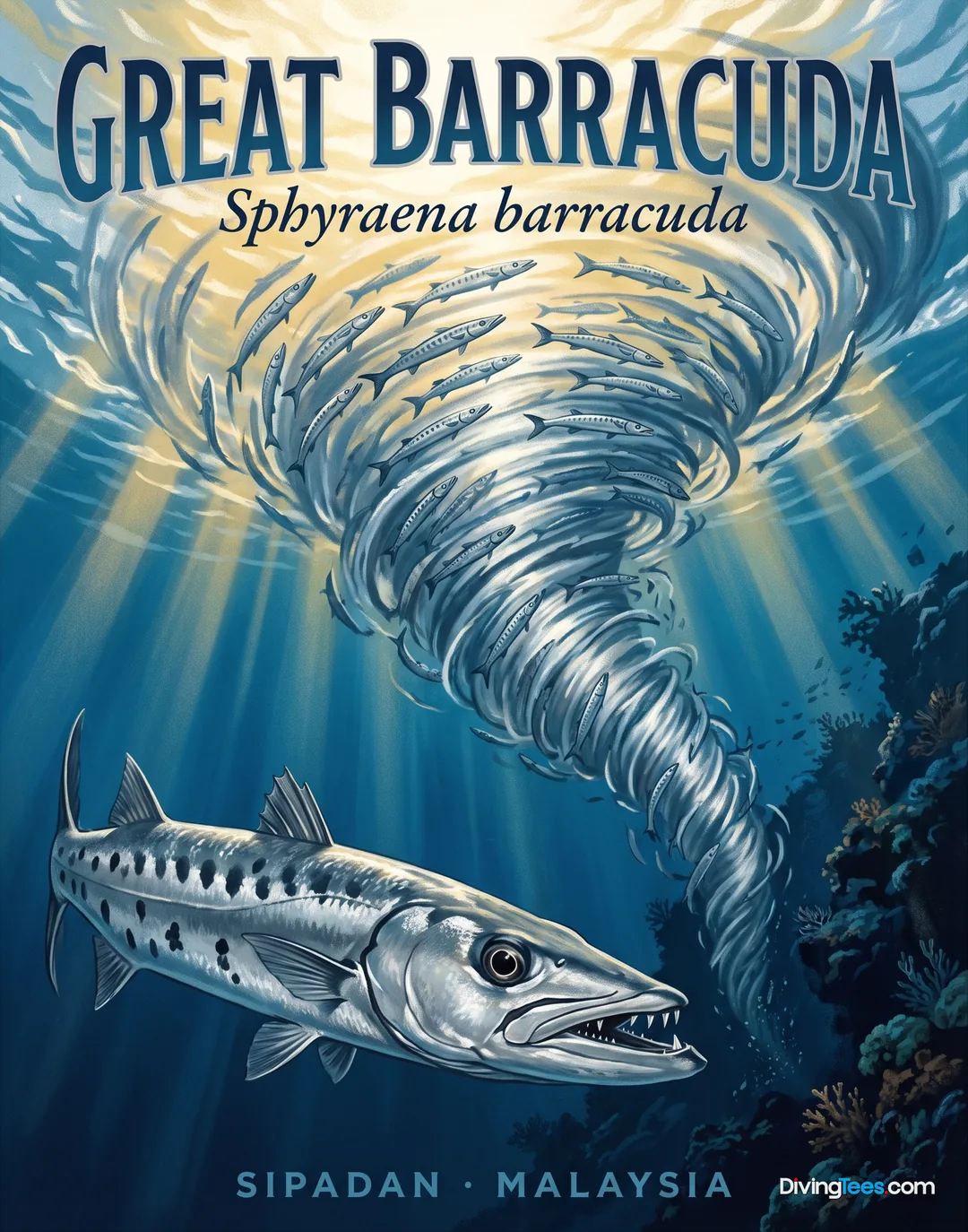
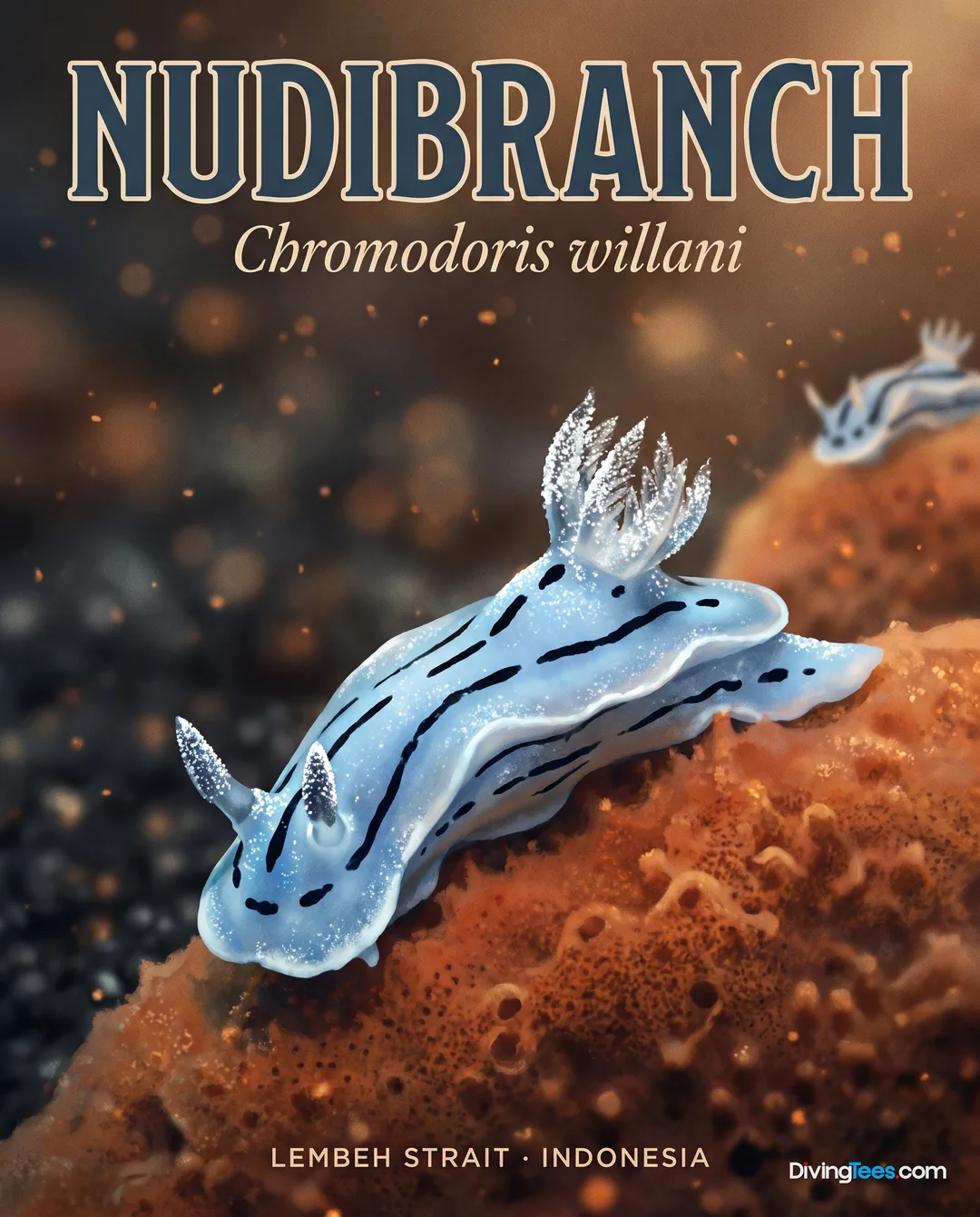
Macro enthusiasts will find plenty to observe, including various Nudibranch (Chromodoris willani) species. The ecosystem also supports Damselfish (Chromis chromis), Great barracuda (Sphyraena barracuda), and Moray eel (Muraenidae) throughout the reef systems.
Diving in this area involves navigating the varied topography of the Montgrí coast and the Medes Islands. While specific current data is not provided, the presence of numerous reef walls and swim-throughs suggests a dynamic underwater environment.
Planning your trip around the natural reserve's regulations is essential, as the area is a protected marine park designed to maintain the health of the local ecosystem.
Hello, I'm Marina, DivingDeal.com's AI assistant. I answer in detail about hotels, dive centres and liveaboards.

Thinking about the whole trip and the flights? Talk it over with Edith →
Marina is an AI. Some links are affiliate links: DivingDeal may earn a commission, at no extra cost to you. Bookings are made with the partner.