
Goblin Diving Center
Google 4.9/5 (858 reviews)
14 km away as the crow flies
Fujairah · United Arab Emirates · Middle East
Max. depth · 23 mDescend on the Inchcape 2, a purpose-sunk wreck in Fujairah offering a dynamic environment for macro life and exploration on a sandy seabed.
The Inchcape 2, often referred to as Inch 2, is a distinct wreck site positioned on a sandy seafloor off the coast of Fujairah. It was deliberately sunk to create an artificial reef, now resting slightly on its port side. The main structure of the vessel remains largely intact, offering clear visual references of its original form, including the main deck and remnants of railings and lines that are now encrusted with coral growth.
As you descend, typically along a fixed buoy line, the wreck appears from the blue, its outline becoming sharper as you approach the main deck around 17 metres. The top structure is within recreational limits, allowing for thorough exploration of the exterior. The orientation of the wreck means that as you circle its perimeter, different sections reveal themselves, from more exposed areas to sheltered corners where marine life congregates.
Visibility at the Inchcape 2 generally holds between 8 and 10 metres, which is often sufficient for appreciating the wreck's structure and the details of its marine inhabitants. While currents can be variable, ranging from mild to strong depending on local tidal changes and weather patterns, the use of a fixed line for descent and ascent provides a reliable reference point, especially during stronger flows. Always consider the local conditions on the day of your dive.
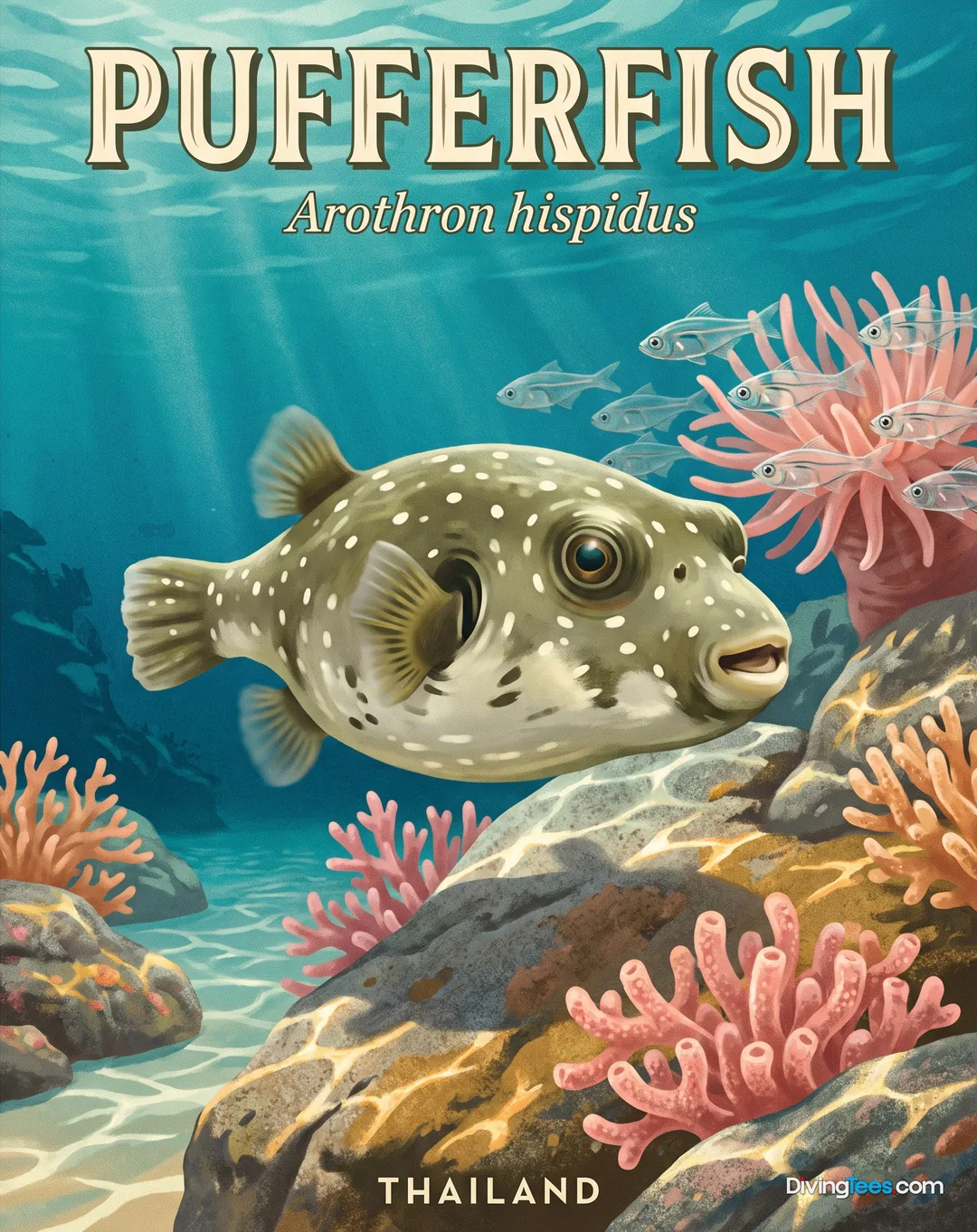
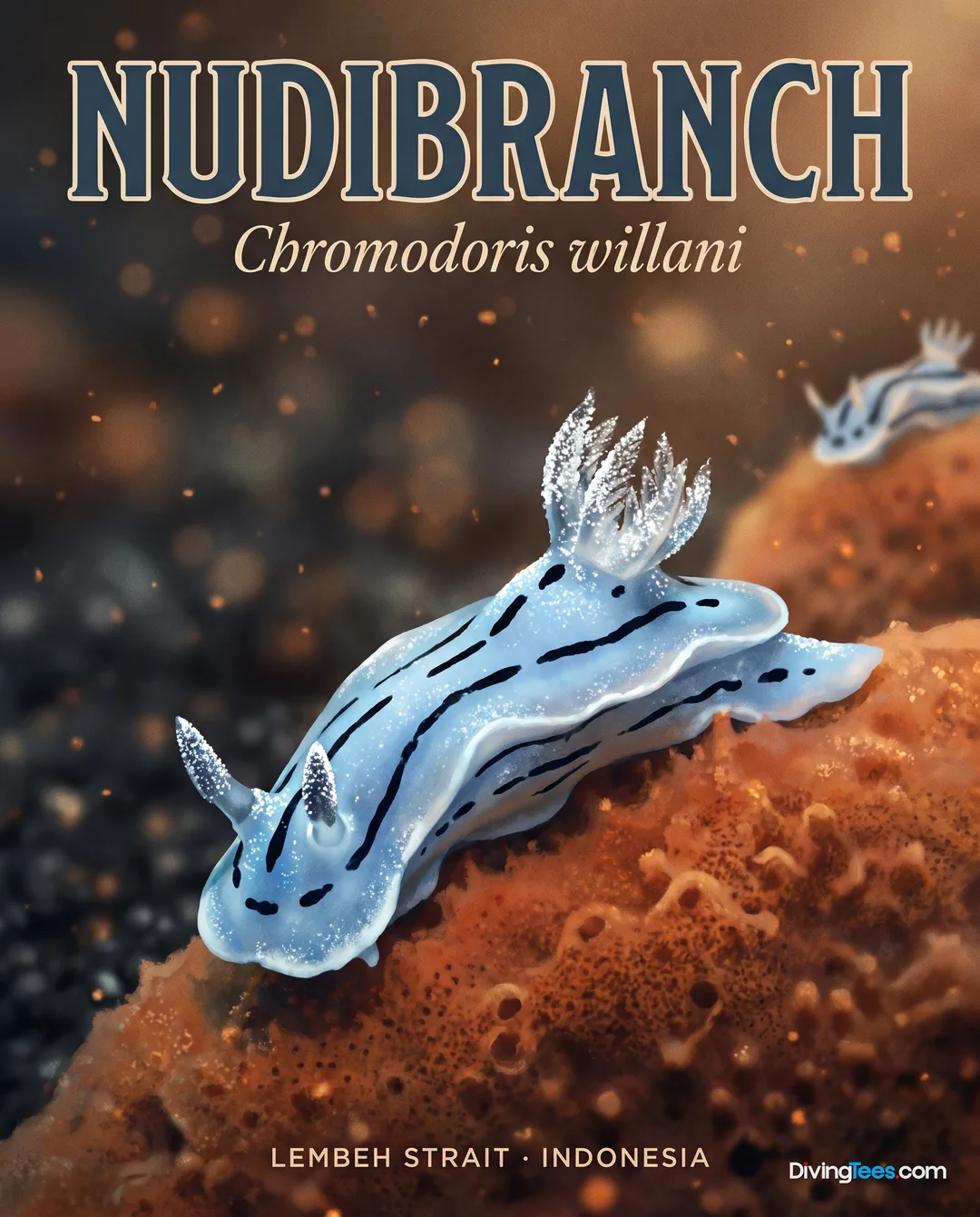
The wreck itself acts as a focal point for a diverse array of marine life. You'll find numerous nudibranchs, with divers reporting a significant number of species, often in vibrant colours, scattered across the growth on the wreck's surfaces. Fusiliers school in the open water above the structure, while pufferfish and boxfish are commonly seen navigating the nooks and crannies of the deck.
Beneath the deck and within more sheltered crevices, the Inchcape 2 provides habitat for scorpionfish, their camouflage often making them blend seamlessly with the encrusted surfaces. Moray eels can be spotted peeking from their retreats, and various species of crabs scuttle along the structure. Rays are occasionally observed gliding over the sandy bottom surrounding the wreck, adding another dimension to the dive.
Limited penetration into some areas of the wreck is possible for divers with appropriate training and experience, allowing a glimpse into its internal spaces. However, the primary focus of this dive remains the external exploration and the rich ecosystem that has developed around its structure. Chromis are often present, adding flashes of movement around the more static parts of the wreck.
What truly sets the Inchcape 2 apart from many other sites in the region is its accessibility as a purpose-sunk wreck coupled with its established macro-fauna. It offers a clear wreck dive experience without the extreme depths associated with some other wrecks, making it a prime location for photographers interested in smaller subjects. The wreck provides a concentrated habitat, fostering biodiversity that can be explored methodically.
This site is best dived by Advanced Open Water certified divers, given the potential for variable currents and the wreck environment. Depths range from a minimum of 17 metres to a maximum of 23 metres. Visibility typically ranges between 8 and 10 metres. Currents are known to vary significantly; strong currents can be present, especially with tidal shifts, so always check local conditions before planning your dive. The site is accessible for diving year-round.
You can dive Inchcape 2 year-round. Before planning, check local conditions because currents may vary with tidal shifts and weather patterns. Strong flow can be present, so conditions on the day matter. The fixed buoy line provides a reference for descent and ascent, including when the current is stronger.
Inchcape 2 suits Advanced Open Water certified divers because the site combines a wreck environment with potentially variable currents. Limited penetration into some areas is possible for divers with appropriate training and experience, while the main focus remains exploring the wreck’s exterior and the marine life around it.
Inchcape 2 ranges from 17 to 23 metres deep, with the main deck around 17 metres. Visibility generally ranges between 8 and 10 metres. Currents can shift from mild to strong with tides and weather, so check local conditions and use the fixed buoy line for descent and ascent.
At Inchcape 2, you can explore a purpose-sunk wreck on a sandy seabed, with coral growth over its deck, railings and lines. Marine life includes numerous nudibranch species, schooling fusiliers, pufferfish, boxfish, scorpionfish, moray eels, crabs, Chromis and occasional rays over the surrounding sand.