
Goblin Diving Center
Google 4.9/5 (858 reviews)
3.8 km away as the crow flies
Fujairah · United Arab Emirates · Middle East
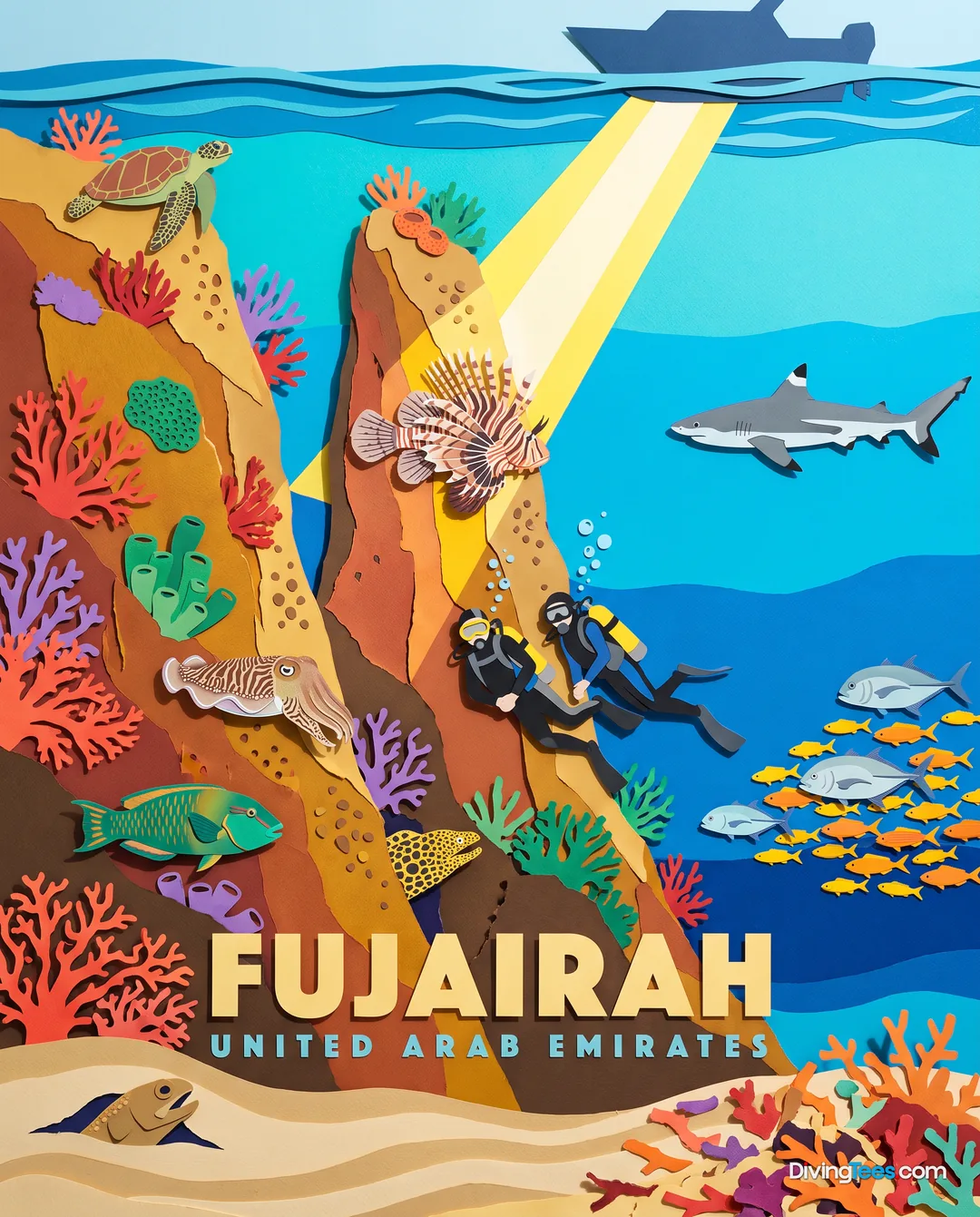
Max. depth · 22 mThree distinct rock formations rise from the seabed, linked by coral-covered ridges and a central deep fissure.
For subtitles in English: start the video firstthen click the gearat the top right of the video, select “Subtitles/CC”, then “Auto-translate” and choose “English”.
Approaching Sharm Rocks by boat from Al Aqah, the first thing you notice is the physical presence of the three main pinnacles breaking the surface of the water. These rocky formations serve as the primary landmarks for the site, marking the entrance to a complex underwater topography. Below the surface, these pillars are not isolated; they are connected by a network of rocky ridges heavily encrusted with soft corals. This connection creates a continuous reef system that allows you to navigate between the different formations while staying within the protection of the structure.
The dive profile typically begins around the upper sections of the pinnacles at depths of approximately 5 metres. As you descend, the terrain shifts from the shallower, sunlit tops of the rocks toward the deeper channels that separate them. A significant feature of this site is the large fissure or open zone located between the main rocks, which provides a different perspective on the reef's structure. Moving through this gap allows you to observe the transition from the brightly lit coral surfaces to the more shaded, vertical aspects of the rocky walls.
For those looking for a more demanding profile, the site offers a fourth, entirely submerged relief located at deeper levels. While the primary pinnacles are accessible to a wider range of divers, this fourth structure is deeper and requires more experience to navigate effectively. Depending on the specific area of the site being targeted, depths can reach between 15 and 22 metres, though some sections of the deeper relief descend further. This submerged feature adds a layer of complexity to the site, separating the standard reef exploration from the more technical aspects of the dive.
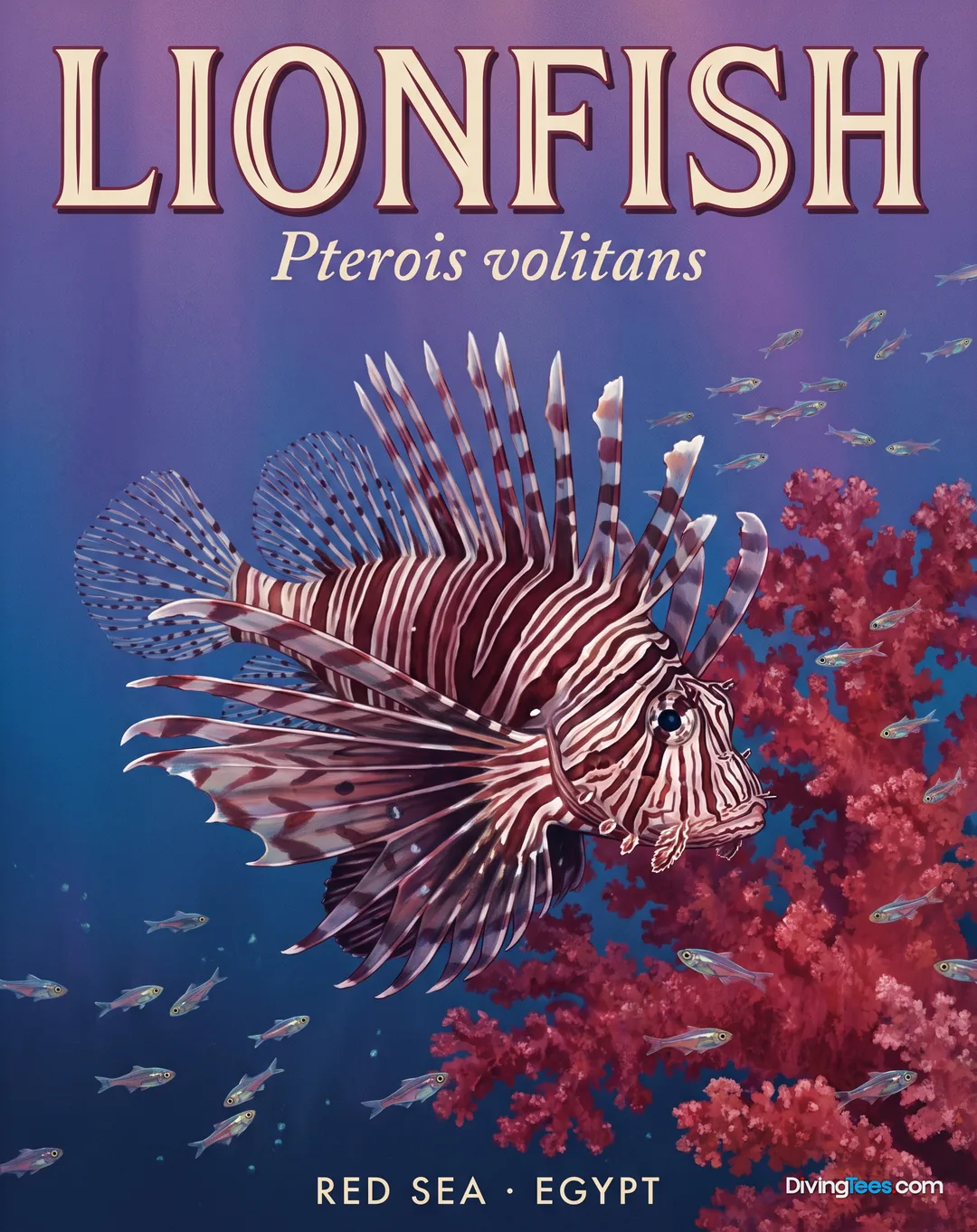
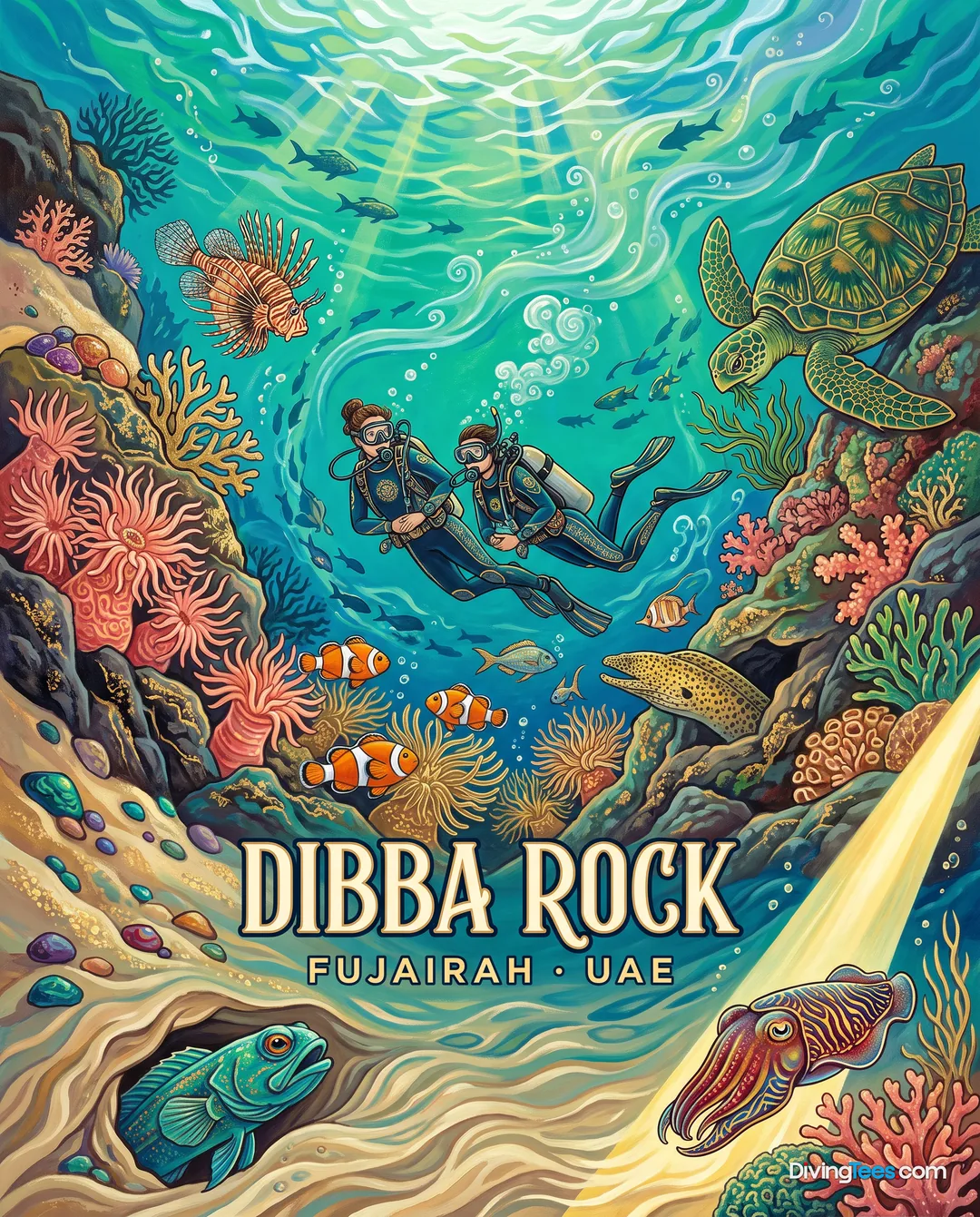
The marine life at Sharm Rocks is highly varied, with many species utilizing the cracks and overhangs for shelter. You will frequently encounter resident reef fish such as snapper, batfish, and angelfish moving along the coral-covered ridges. Smaller organisms like pipefish, boxfish, and pufferfish are often found closer to the reef structure, requiring a slower, more observant approach to spot. The presence of various species including triggerfish and lionfish adds to the biodiversity that defines the reef's ecological character.
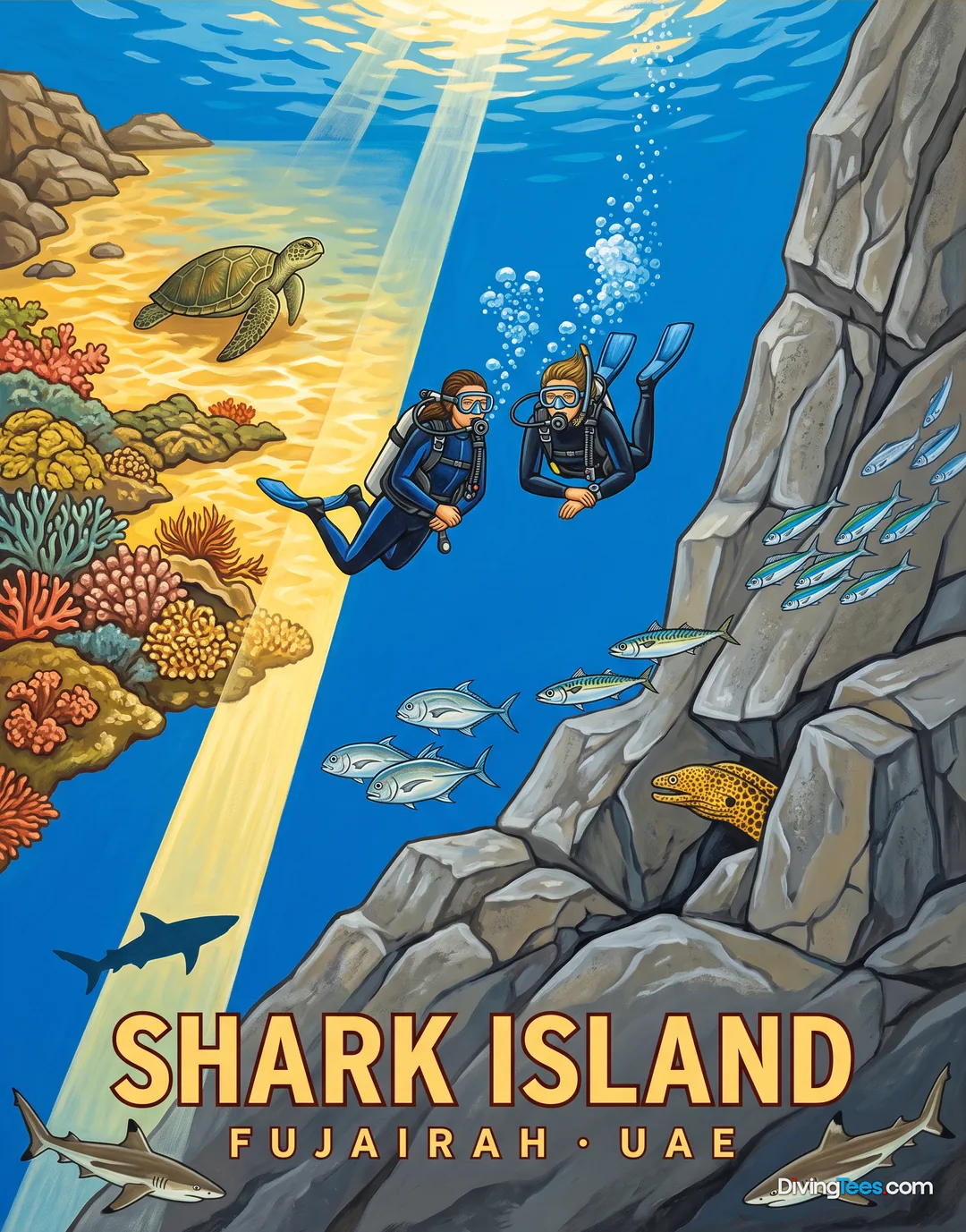
In the open water surrounding the pinnacles, the fauna becomes more pelagic in nature. It is common to see larger species such as eagle rays and stingrays cruising the currents near the rock faces. Schools of fusiliers, mackerel, and jacks often congregate in the deeper channels, creating movement and life in the mid-water column. You might also encounter more predatory species like blacktip reef sharks patrolling the edges of the reef or cuttlefish and squid moving through the more sheltered gaps between the formations.
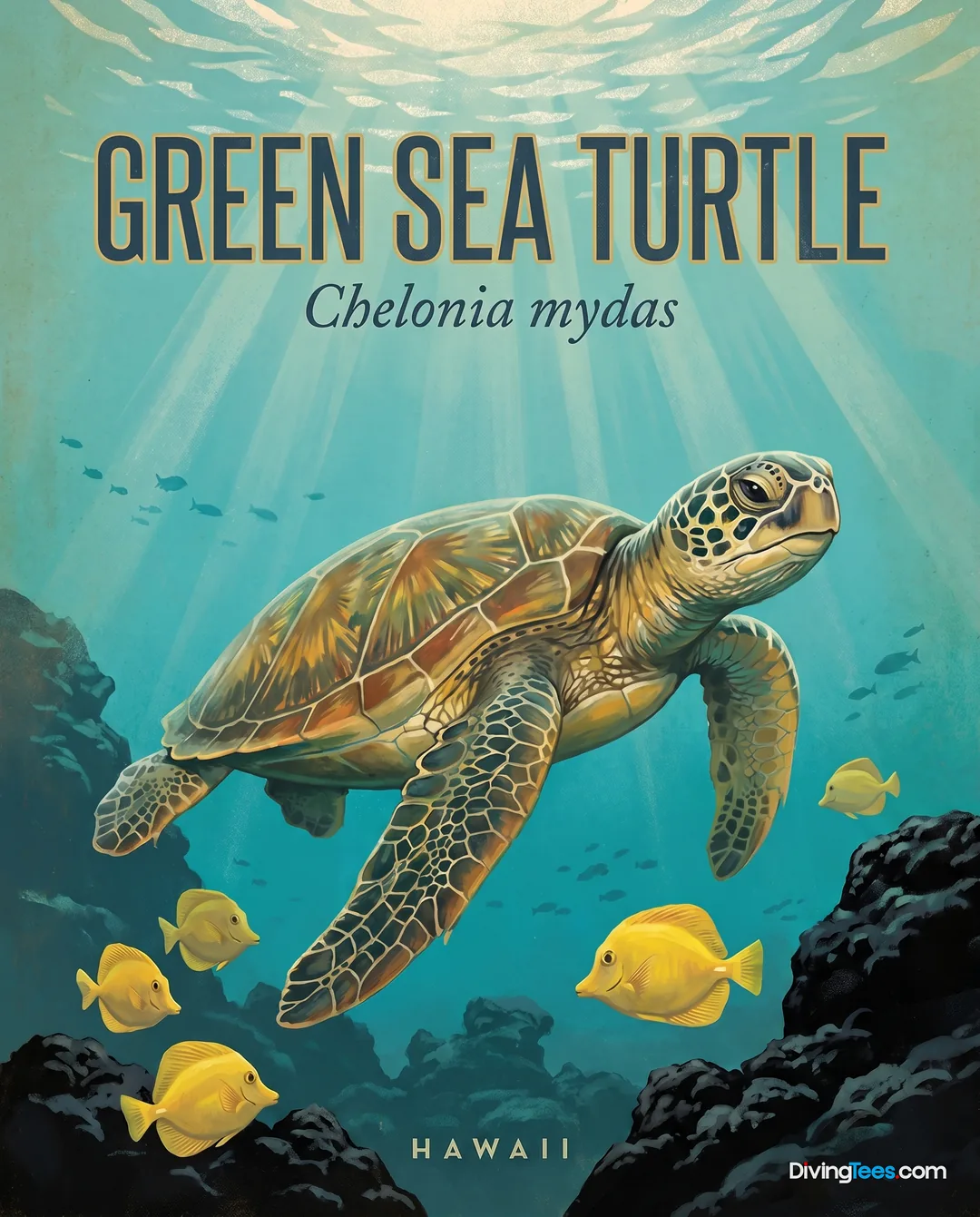
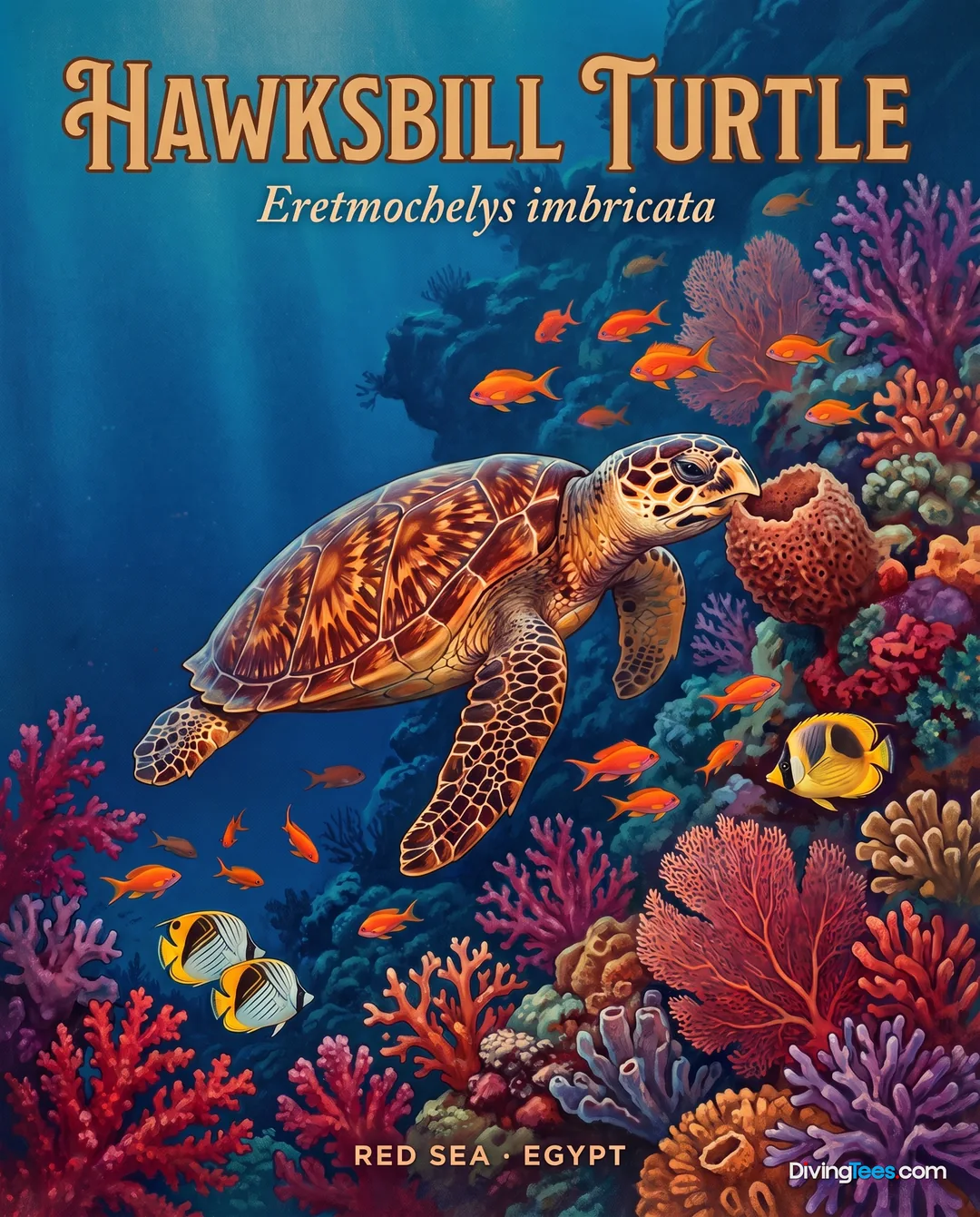
Turtle activity is a regular occurrence at this site, with both green turtles and hawksbill turtles frequently seen navigating the reef. These reptiles often utilize the protection offered by the rocky outcrops and the soft coral colonies. Their presence is one of the most consistent highlights for divers traversing the shallower sections of the pinnacles. Watching them move through the structure provides a sense of the scale and health of the local ecosystem near the Al Aqah coast.
The experience at Sharm Rocks is heavily influenced by the current and the sea state. While the site can remain calm, the topography of the pinnacles and the deep fissure can cause conditions to shift quickly. When the current picks up, it tends to follow the lines of the rocky ridges, requiring you to manage your buoyancy carefully to stay close to the reef or drift safely through the channels. Being aware of your position relative to the three main rocks is essential for maintaining control during these transitions.
The seasonal window for diving this site is most reliable from October to May. During these months, the environmental conditions are generally more favorable for exploring the different depth zones of the pinnacles. Whether you are focusing on the macro life in the shallow cracks or the larger species in the deeper channels, the site provides a structured environment that allows for diverse dive plans. The ability to switch between the shallower connected ridges and the deeper, more isolated submerged relief makes it a versatile location for experienced divers.
Depths range from 5 to 22 metres. The site is accessible from Open Water Diver level, but the fourth submerged relief is deeper and requires more experience and a higher level of comfort in currents. Conditions can vary from calm to stronger currents depending on sea state and tide. The best period to dive here is from October to May.
You can dive Sharm Rocks during the seasonal window from October to May, when conditions are generally more favorable for exploring its different depth zones. The site can offer varied dive plans, from shallow cracks and connected ridges to deeper channels and the submerged relief.
You can explore Sharm Rocks from Open Water Diver level, with depths ranging from 5 to 22 metres. The three main pinnacles suit a wider range of divers, while the deeper fourth submerged relief requires more experience and greater comfort in currents. Some areas descend between 15 and 22 metres.
At Sharm Rocks, conditions can range from calm to stronger currents depending on sea state and tide. Current may follow the rocky ridges, especially around the pinnacles and deep fissure, so you need to manage buoyancy carefully, stay close to the reef or drift safely, and monitor your position.
At Sharm Rocks, you can see three pinnacles, rocky ridges covered with soft corals, and a large fissure between the formations. Marine life includes green and hawksbill turtles, snapper, batfish, angelfish, rays, sharks, fusiliers, mackerel, jacks, pipefish, boxfish, pufferfish, triggerfish, lionfish, cuttlefish, and squid.