


Aquanauts Diving Center
Google 5/5 (203 reviews)
12 km away as the crow flies
Fujairah · United Arab Emirates · Middle East
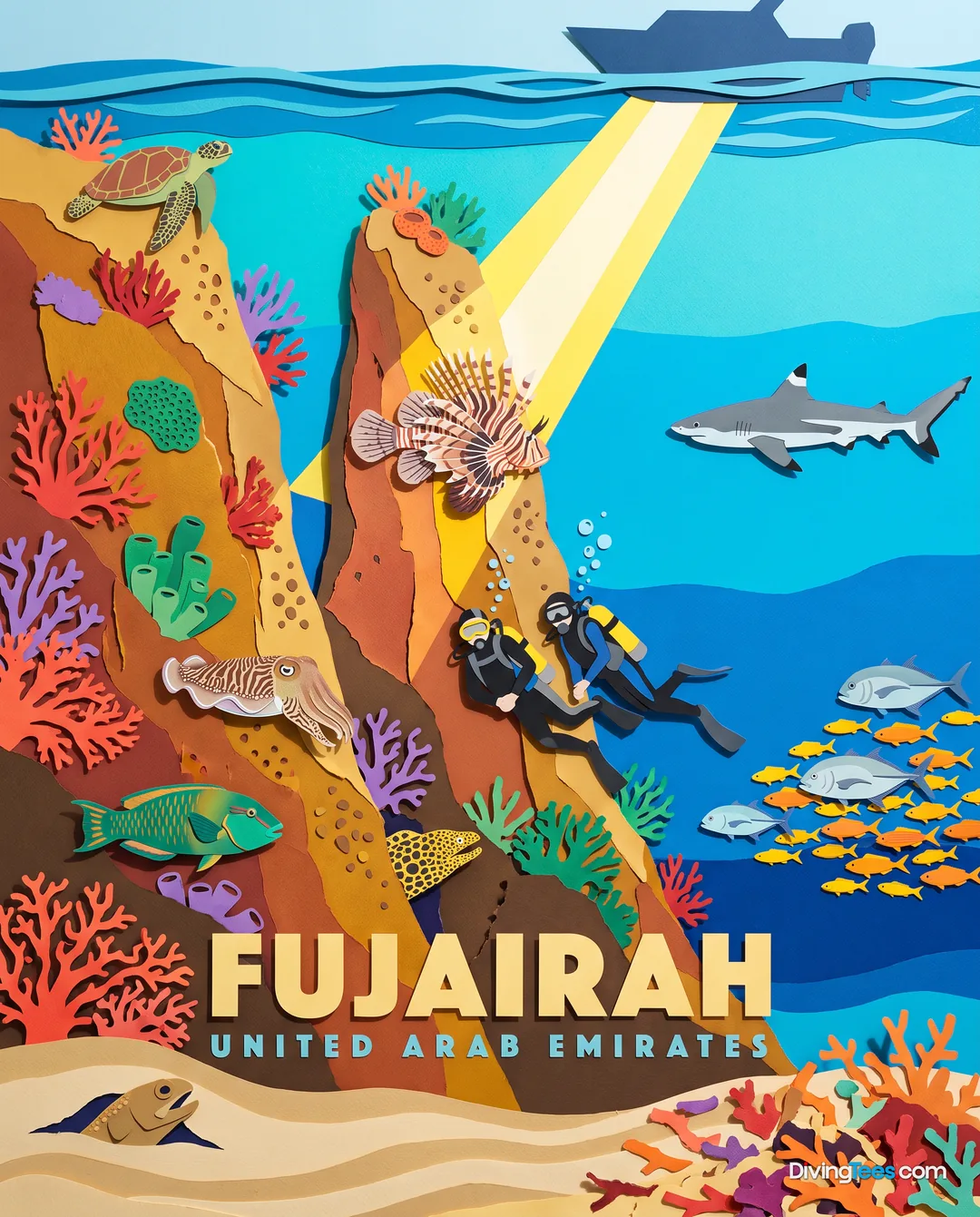
Max. depth · 16 mExplore Dibba Rock's compact reef system, where green turtles are common in the shallows and pelagics like blacktip reef sharks cruise the deeper sections.
Dibba Rock is a prominent, small island off Fujairah, unique for its compact and shallow fringing reef. You’ll typically approach the site by boat, with a drop-off often made in shallower water. The topography offers a mix of rock sections, sandy slopes, and vibrant coral gardens. What makes this site particularly accessible is the ability to easily transition between these different habitats, often staying within the 2 to 16-metre depth range, which allows for extended bottom time and thorough exploration.
The site's layout means you can explore various sections, with the seaward side generally presenting steeper profiles and deeper coral growth. While parts of the site can be circumnavigated in a single dive at high tide, this indicates how shallow some sections around the perimeter become. This combination of shallow, intricate reef and slightly deeper drop-offs on one side provides a varied dive experience, catering to different interests, from macro observation to broader reef exploration.
As you descend, you'll find the corals starting from around 2 metres and extending down to the maximum depth of 16 metres. The extensive shallow reef is a significant draw, making it popular not only for diving but also for snorkeling. This means the light penetration is generally excellent, illuminating the reef and its inhabitants. Visibility here is a real asset, often ranging from 10 to 30 metres, allowing for clear views of the dynamic underwater landscape.
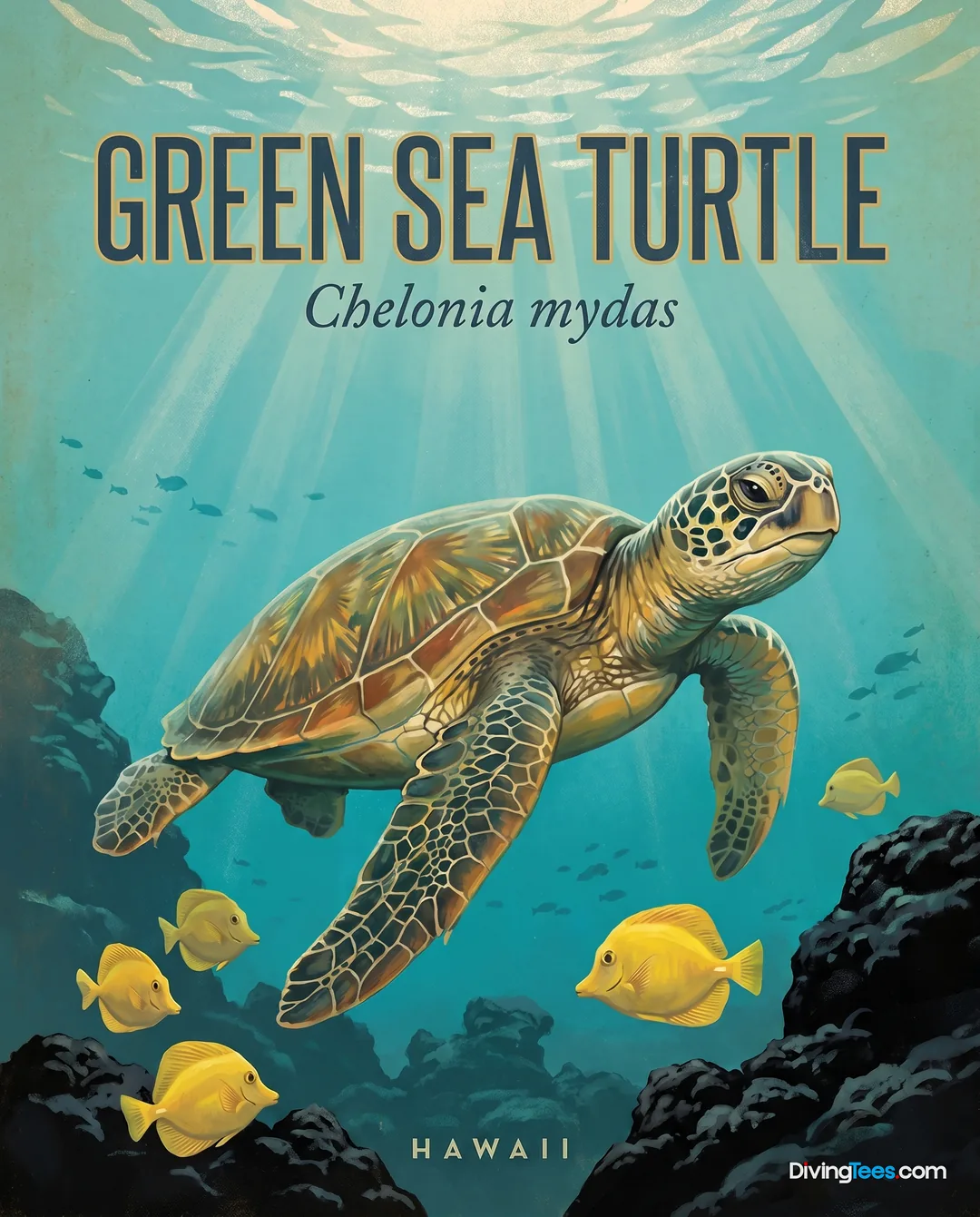
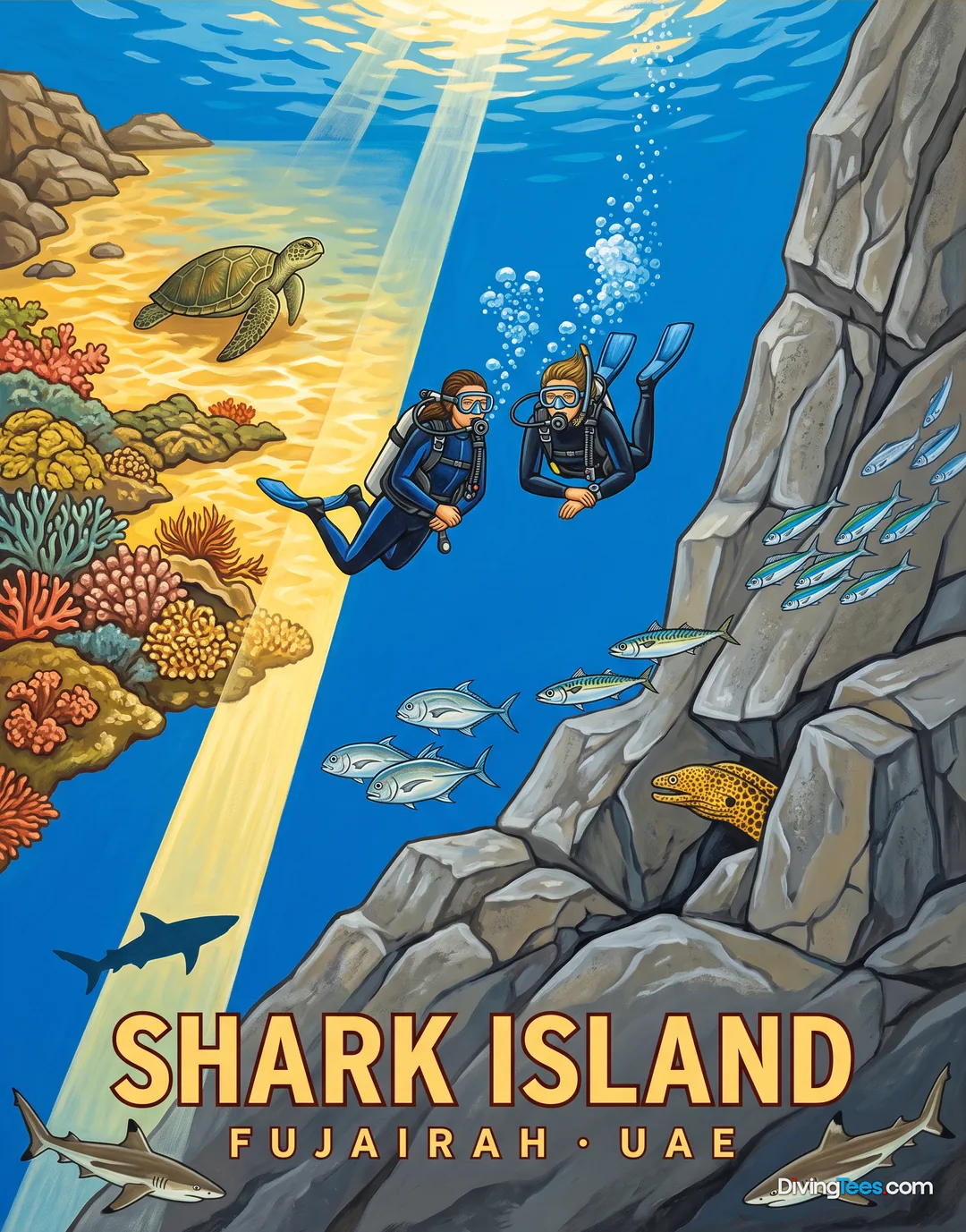
Marine life at Dibba Rock is rich and varied. Green turtles are a regular sight, often found gliding gracefully through the shallows. Keep an eye out for resident species like clownfish, jawfish, trumpetfish, and moray eels tucked into crevices. The reef bustles with parrotfish, cuttlefish, and squid, while various rays might be spotted resting on the sandy bottom or gliding through the water column.
Beyond the typical reef inhabitants, Dibba Rock also offers encounters with larger species. Blacktip reef sharks are occasionally seen, often patrolling the slightly deeper sections or cruising the perimeter. You might also spot schools of jackfish and fusiliers, creating dynamic scenes as they move in unison. Even barracudas are known to frequent the site, adding to the pelagic activity.
What sets Dibba Rock apart from many other sites in the region is its balance between accessibility and diverse marine encounters within a relatively shallow depth profile. It’s a site that allows for relaxed, extended dives without requiring deep excursions, yet still offers the chance of encountering significant marine life. This makes it an ideal location for those looking to hone their reef diving skills while enjoying a vibrant ecosystem.
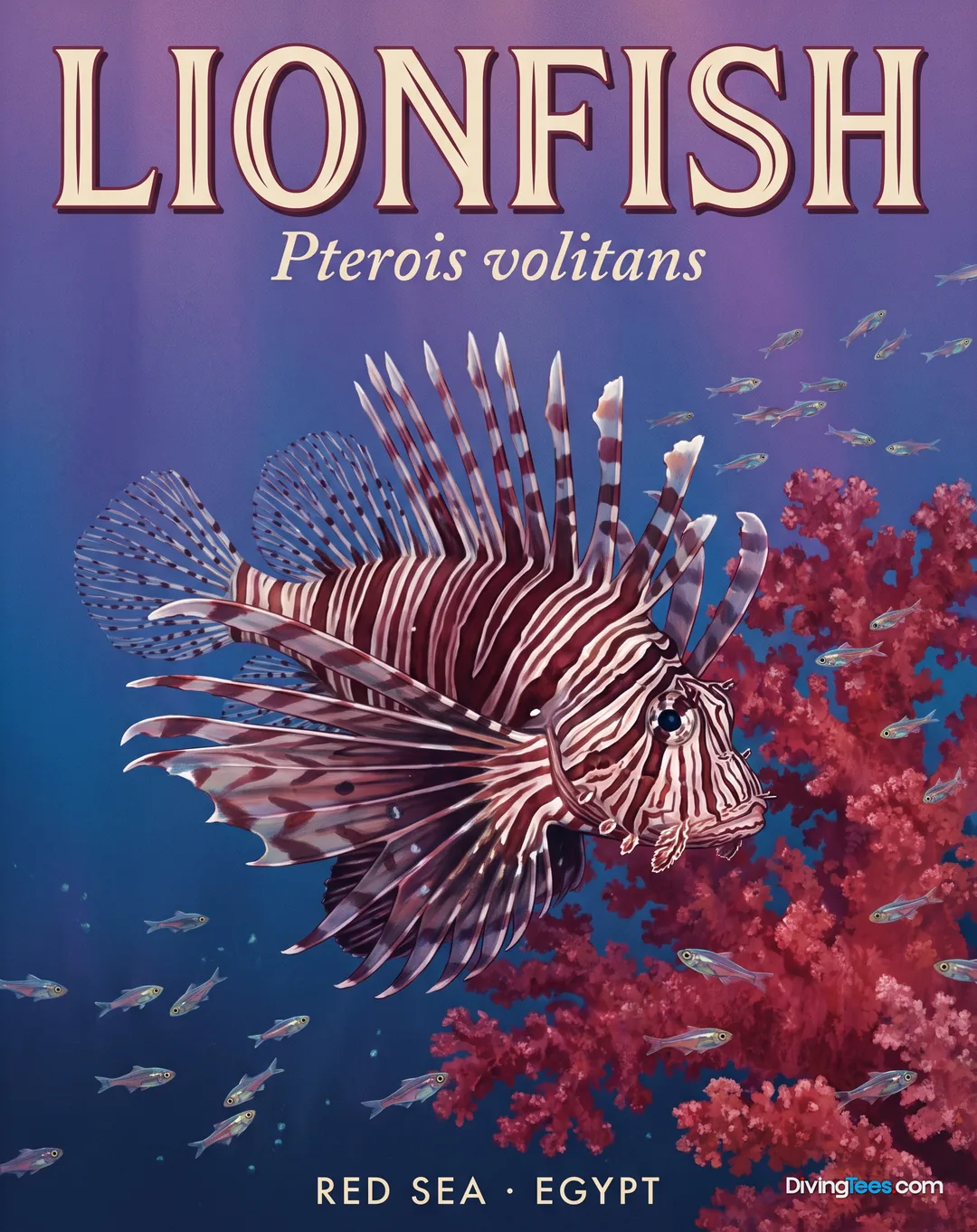
The site also acts as a marine reserve, which contributes to its healthy and abundant ecosystem. This protected status supports the dense populations of angelfish, lionfish, and stingrays that you'll observe throughout your dive. The consistent presence of these species, from the smallest reef dwellers to larger pelagics, reflects the effectiveness of its conservation efforts and provides a robust diving experience.
Dibba Rock is accessible from Open Water Diver level, though solid buoyancy control and awareness of tidal current changes are essential. Depths range from a minimum of 2 metres to a maximum of 16 metres. Current is variable, with an increase observed during strong tidal changes, particularly affecting seaward and deeper sections; always check local conditions before entering the water. Expected visibility ranges between 10 and 30 metres.
Check local conditions before entering the water, because the current is variable and can increase during strong tidal changes. The seaward and deeper sections are particularly affected. At high tide, parts of Dibba Rock can be circumnavigated in a single dive, while some perimeter areas become very shallow.
Dibba Rock is accessible to Open Water Divers, provided you have solid buoyancy control and awareness of tidal current changes. The reef ranges from 2 to 16 metres, with shallow areas, sandy slopes, rock sections, coral gardens, and deeper coral growth on the seaward side.
You may see green turtles, clownfish, jawfish, trumpetfish, moray eels, parrotfish, cuttlefish, squid, rays, angelfish, lionfish, and stingrays. Blacktip reef sharks appear occasionally, while schools of jackfish and fusiliers, along with barracudas, add activity around the reef and deeper sections.
Visibility at Dibba Rock typically ranges from 10 to 30 metres, helping you view the shallow reef and its inhabitants. The compact site combines rock sections, sandy slopes, and coral gardens, allowing easy movement between habitats and thorough exploration within the 2 to 16-metre depth range.