Liveaboards · Australia
Spoilsport — a stable, purpose-built platform for serious reef diving
What makes this boat unique
- Spoilsport is a 30-metre twin-hull liveaboard built for stability in the Great Barrier Reef and Coral Sea.
- Its large dive deck has three camera tables, dedicated camera rinse tanks, entry platforms and freshwater showers.
- The boat carries up to 28 passengers in 14 air-conditioned cabins, with private bathrooms in Premium, Standard and Club cabins.
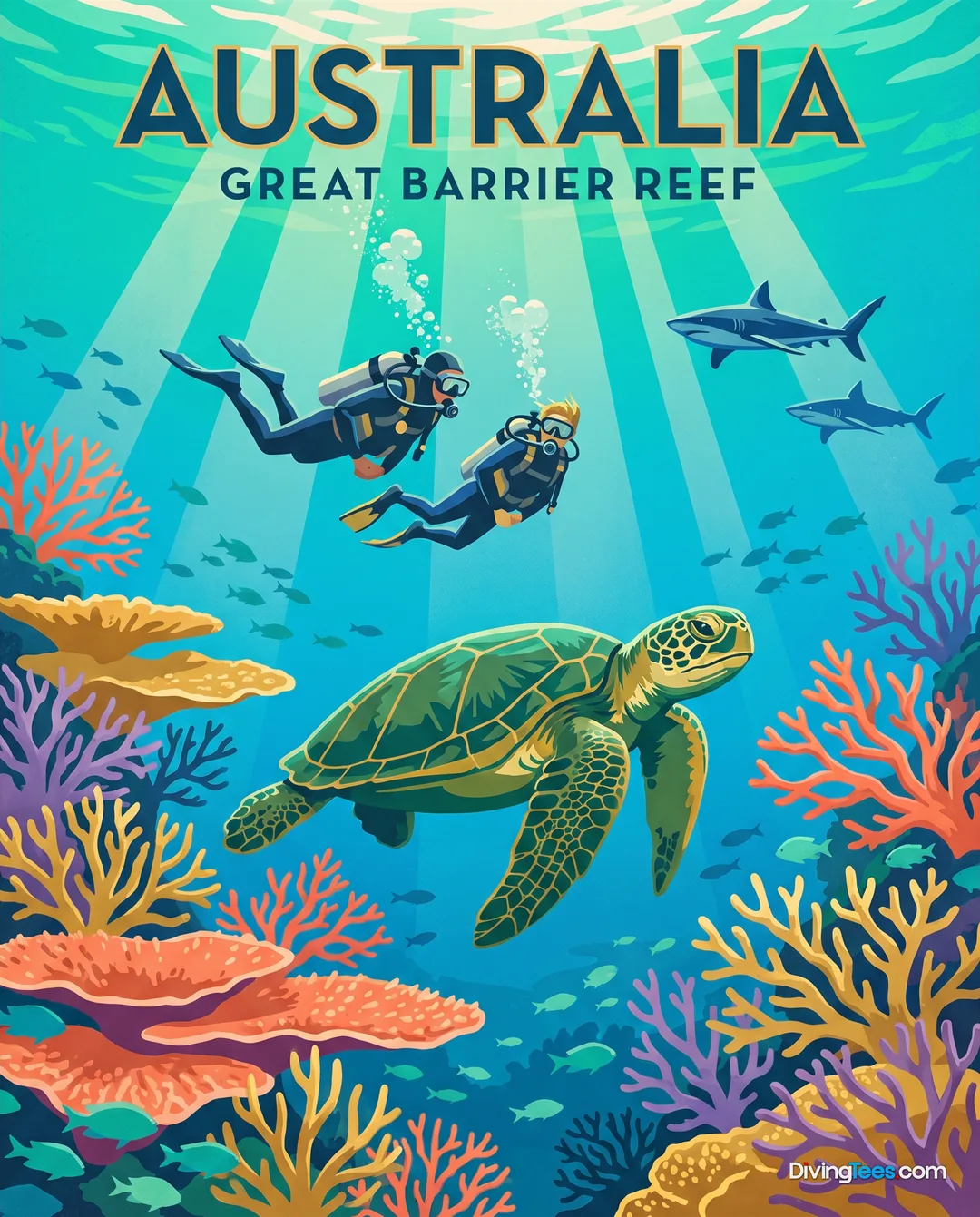
- Routes from Cairns include Cod Hole, the Ribbon Reefs, Osprey Reef and Holmes Reef, with trips lasting from 4 to 8 days.
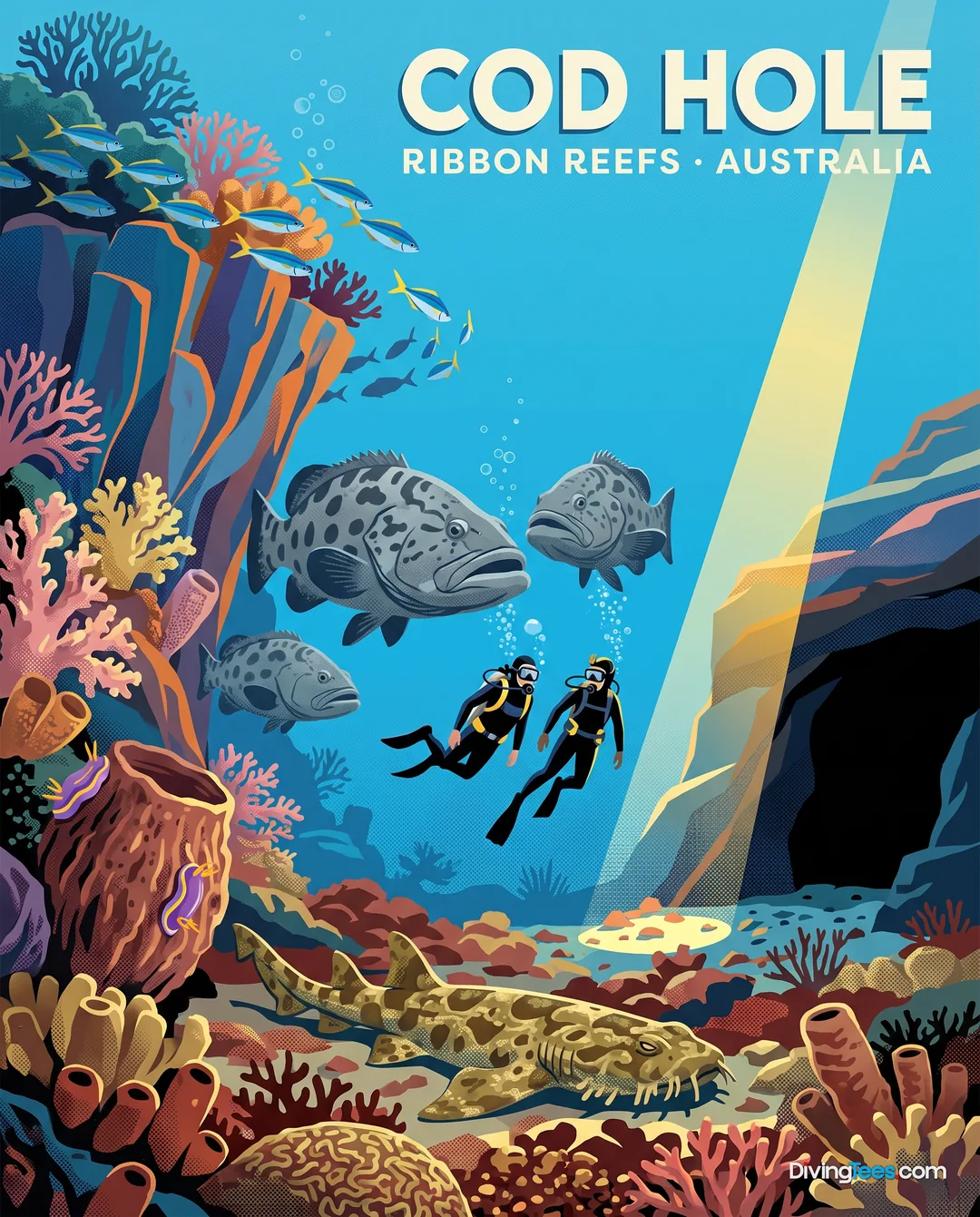
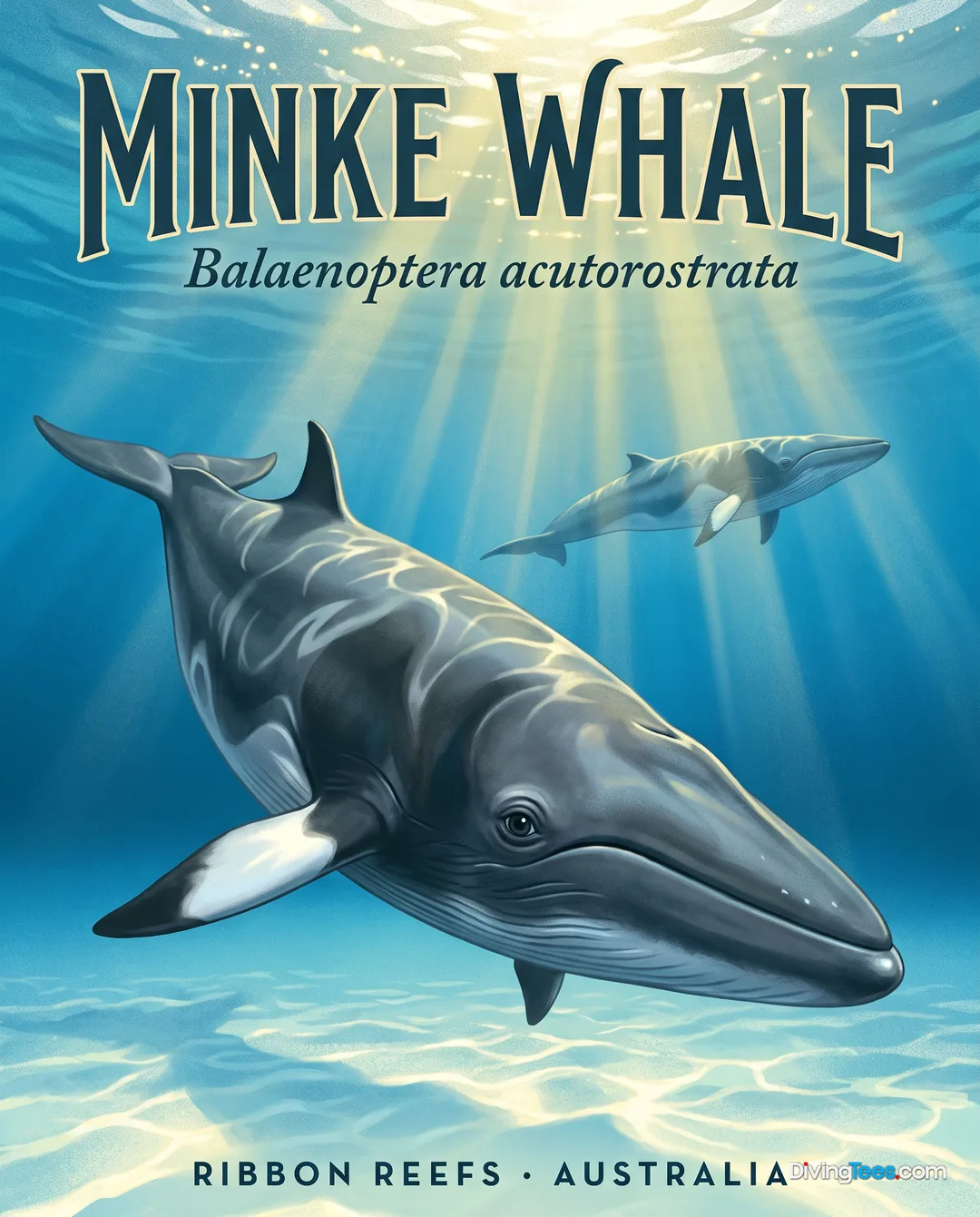
- Dwarf minke whales may be encountered on June and July expeditions, while Cod Hole is known for its resident potato cod.
For subtitles in English: start the video firstthen click the gearat the top right of the video, select “Subtitles/CC”, then “Auto-translate” and choose “English”.
The invitation
Spoilsport is chosen for the diving, not because it tries to imitate a floating hotel. Its twin-hull design gives the boat the stability that matters when the Coral Sea gets moving, while the layout keeps the focus on repeated, uncomplicated access to the water. The routes reach two very different worlds: the familiar biodiversity of the northern Great Barrier Reef and the exposed walls, pinnacles and pelagic encounters of the Coral Sea. Cod Hole brings divers close to giant potato cod; Osprey Reef brings open-ocean topography and sharks. The boat also suits photographers, with proper camera workstations rather than a corner of a dining table. June and July add the possibility of swimming with dwarf minke whales. The reason to step aboard is simple: more time on remote reefs, with a vessel designed around the work of diving.
Boarding
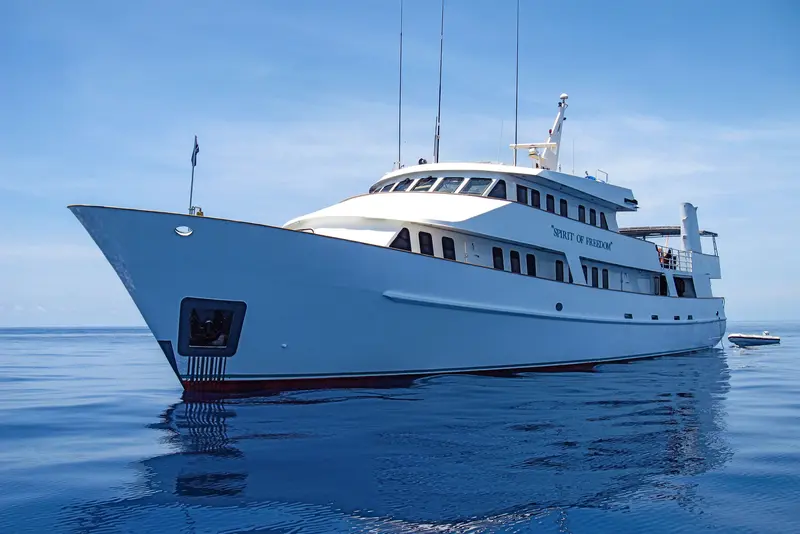
From the dock, Spoilsport looks like what it is: a working dive vessel built to carry divers into open water, with broad twin hulls and a large, practical dive area. The design gives more stability than a narrow single-hull boat, which matters during crossings and while divers are moving around with equipment. Once aboard, the arrangement is direct rather than complicated: cabins sit on the dive-deck level, the lounge and bar offer an indoor retreat, and the upper deck opens onto the Coral Sea. Spoilsport was built in 1990 and renovated in 2014, so it carries the character of an established expedition boat rather than a new yacht. Its job is to make long reef crossings and repeated dives manageable. That comes through in the space, the twin-hull motion and the way the dive deck sits at the centre of life aboard.
The atmosphere on board
Spoilsport’s atmosphere is built by a crew large enough to cover a working expedition without making the boat feel anonymous. The team of 12 includes the Master, engineer, chef, host, dive masters and general hands, so the same people keep appearing at the points that matter: before a dive, around the meal service and when equipment needs attention. English is the onboard language. The crew’s role is practical rather than theatrical—keeping the deck moving, the food coming and the transitions between dives clear. In the evening, divers can review photographs on the saloon screens, take part in the low-key onboard photo competition or settle into the lounge after the last dive. The strongest passenger impressions concern the crew, food and diving rather than the vessel’s age. That is the trade-off in plain terms: Spoilsport is an established boat, and the people running it are a major part of why the week works.
The sites you’ll dive
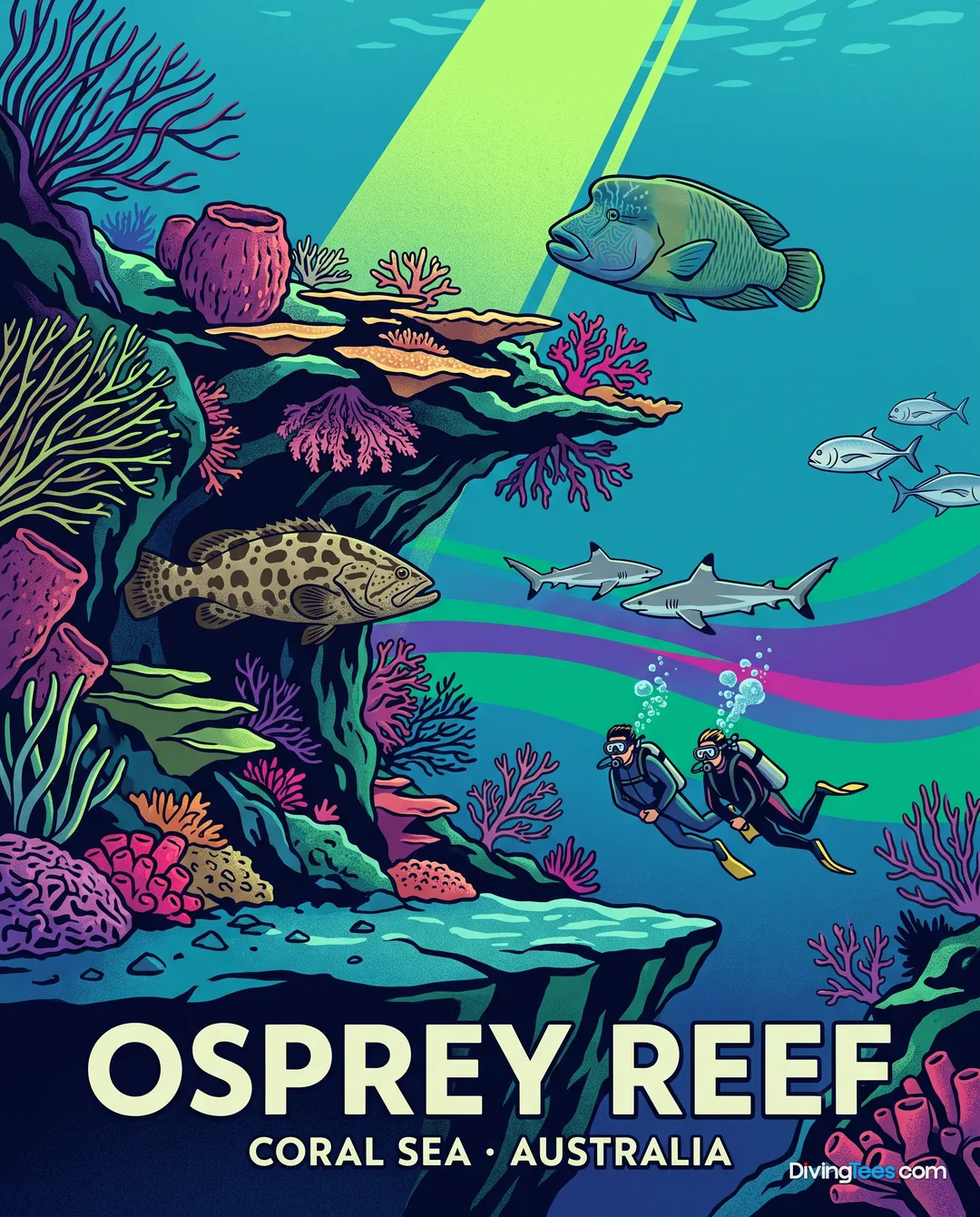
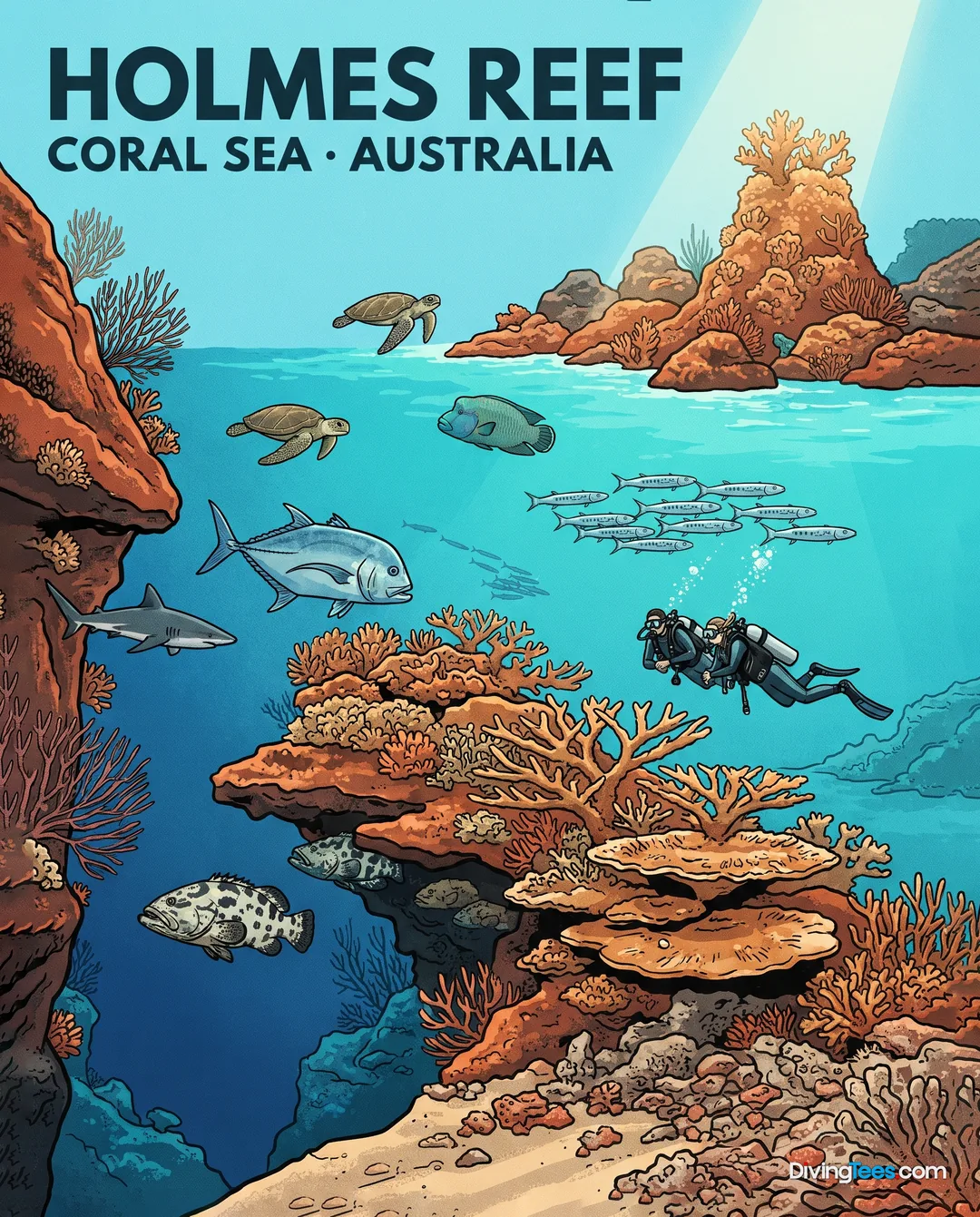
The shorter Cairns-to-Cairns routes include Fly Dive Cod Hole at 4 days, Fly Dive Coral Sea at 5 days, Coral Sea and Cod Hole Expedition at 6 days, and Coral Sea Safari or Coral Sea Exploratory at 8 days. On the northern Great Barrier Reef, Cod Hole reaches a maximum of -16m and is built around its resident giant potato cod, with soft corals, sponges, nudibranchs and wobbegongs in the surrounding reef. Osprey Reef is a remote open-ocean atoll: its walls fall to 1,000 metres, and the diving is shaped by pinnacles, blue water and pelagic action. The site maximum is -40m. Holmes Reef offers a similarly remote Coral Sea setting, with current-swept pinnacles, dramatic walls and strong visibility; caves, canyons and swim-throughs give the reef a more enclosed, exploratory character. Its site maximum is also -40m. Weather can change the itinerary, with safer accessible reefs chosen instead.
Itineraries, dates and prices
Prices per person. Each month shows its lowest price: click a month, or pick an itinerary.
Next departures · 154 departuresfrom £1,294$1,729€1,545
November 2026
December 2026
January 2027
See dates and prices
If you click these links and make a purchase on the partner site, DivingDeal may earn a commission, at no extra cost to you.
Dates and prices taken from Divebooker and liveaboard.com, updated 21 October 2026
What you’ll meet underwater
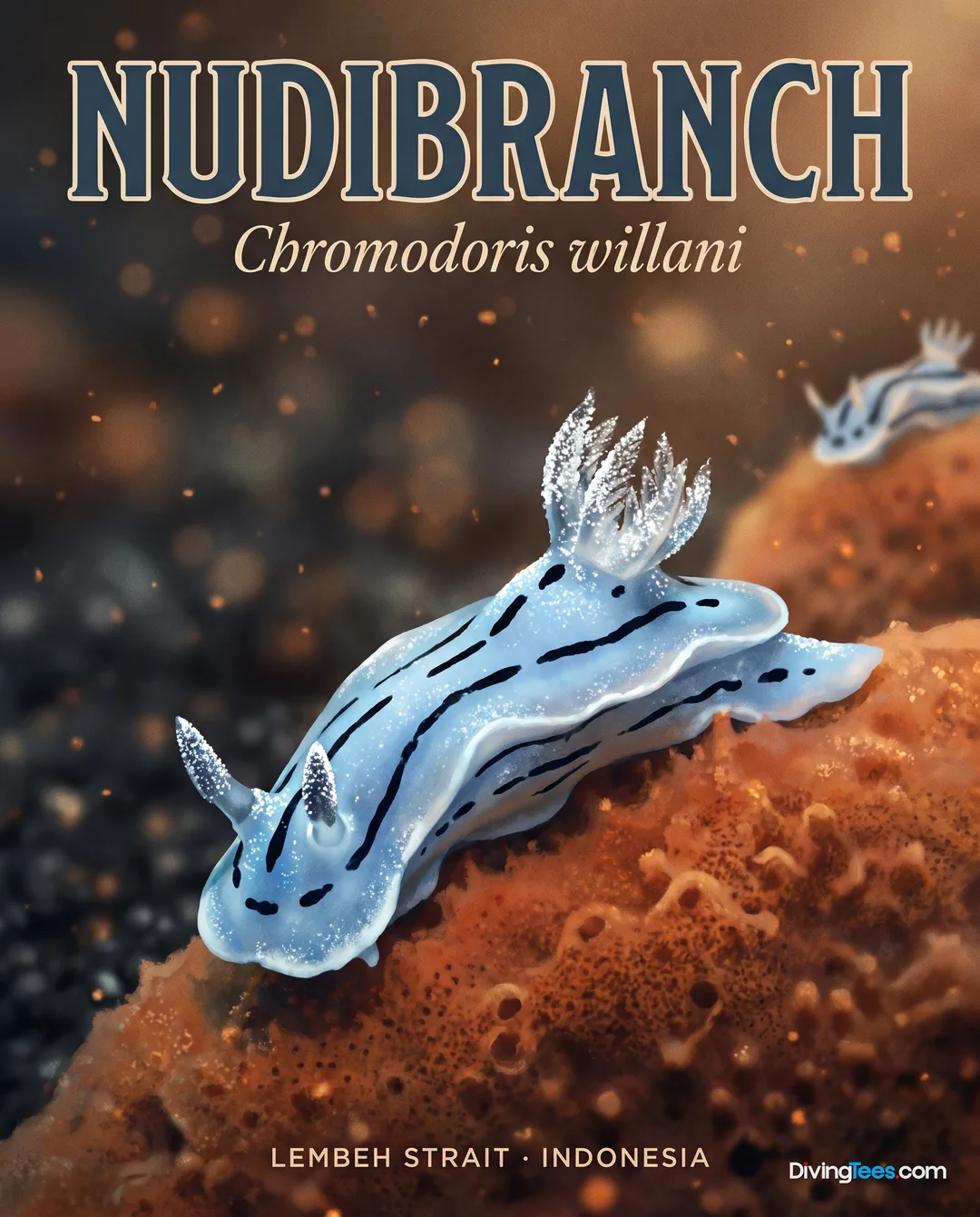
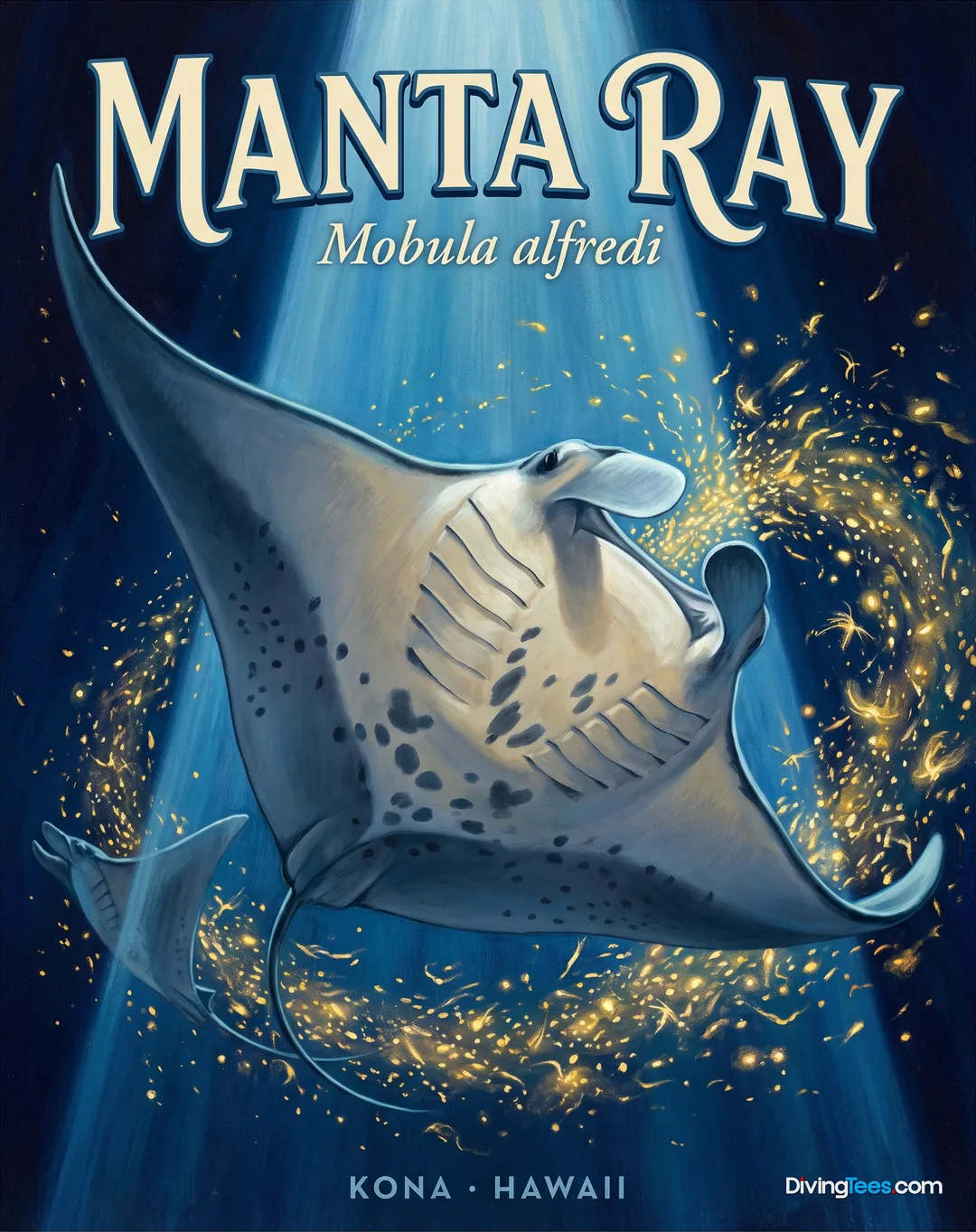
Across the route, the reef life ranges from small subjects on the pinnacles to large animals moving along the walls and into blue water. Potato cod, wobbegongs, grey reef sharks, whitetip reef sharks, silvertip sharks, turtles, trevally, barracuda, soft corals, sponges and nudibranchs all belong to the broader picture, but each site has its own reason to be there. Cod Hole is the place to look for the resident giant potato cod, and it is also the route’s strongest setting for soft coral, sponges and nudibranchs. Osprey Reef is where the open ocean can deliver encounters with manta rays, hammerheads, tuna, green turtles and large schools of fusiliers, gaterins and trevally. Moray eels and octopus are also recorded there. Holmes Reef is the site associated with giant groupers and sea turtles. June and July expeditions may add dwarf minke whales along the Ribbon Reefs.
Who puts you in the water
An English-speaking crew of 12 includes three dive masters, a Dive Director, the Master, engineer, chef, host, photo/video professional and general hands. The dive team handles the briefings and the movement between deck, platform and RIBs, while the boat carries oxygen, first-aid kits and crew trained in first aid. A naturalist guide and reef ecology programme add context on selected expeditions. Spoilsport caters to a broad range of divers, with standard routes described as suitable for all experience levels, while technical, rebreather and sidemount diving are supported on the vessel. Courses and private guiding are available as optional services on some trips; certain special expeditions run without courses. The open-dive-deck system leaves room for different levels of independence, but it does not replace sound judgment, gas planning or the ability to manage personal equipment. The crew’s job is to make the structure clear so divers can work within it safely.
The dive deck and the gear
The dive deck is the boat’s strongest argument. It is large, shaded and fitted with entry and exit platforms, freshwater showers, three camera tables and dedicated camera rinse tanks. Photographers can use air guns at the camera stations, recharge in either 110V or 240V cabins, and review images on the saloon computer and screens. Two large inflatable RIBs support the diving, taking divers to sites or collecting them after a tender drop when the itinerary calls for it. Nitrox is available as an optional extra. DIN adapters are carried, and the setup also supports technical diving, rebreathers and sidemount configurations. Rental equipment and underwater camera hire are available separately. The boat’s signature open-dive-deck approach gives divers room to make safe, relaxed choices about their dives rather than forcing everyone into one rigid schedule. Tanks, air fills and weight belts are part of the expedition package.
Between dives
Between dives, Spoilsport gives divers several ways to get out of the equipment and out of the traffic. The air-conditioned lounge and bar are the indoor base, while the sundeck and observation areas open the view across the Coral Sea. Shaded space on the dive deck is useful when cameras are being checked or a surface interval is spent close to the water. The alfresco deck and barbecue area suit the evenings, when the boat is no longer just a launch platform. Photographers have a dedicated place to work, with camera tables, rinse tanks and onboard screens for reviewing images. A trip can also include shore excursions and, on selected routes, naturalist-led activities. The important point is that the quiet time remains close to the diving: descend to the deck, sort the camera, eat, watch the sea, then be ready for the next briefing.
A day on board
A day aboard Spoilsport is organised around the next dive rather than around a hotel timetable. The first briefing comes before the first entry, then divers move through the platforms or RIBs, return to the deck, rinse equipment and eat before the next water session. Surface intervals are spent in the shade, in the lounge or on the upper deck, with cameras being checked at the workstations and images reviewed between dives. Later dives follow the same efficient pattern, while a night dive may be offered when the site and conditions suit it; Wheeler Reef is particularly noted for night diving on routes that visit it. Meals and snacks punctuate the day without taking divers far from the deck. When the boat is underway, the Coral Sea replaces the reef below the rail. On the final evening, an outdoor barbecue and onboard photo competition can close the expedition.
What you eat aboard
The galley prepares fresh meals throughout the trip, with Western and local cooking, buffet and à la carte service, and options for vegetarian and vegan diets. Wine is included with dinner, and beer and other drinks are available aboard. An outdoor dinner or barbecue gives the evening a different setting from the air-conditioned saloon. The food matters here because diving leaves little room for a weak meal: breakfast comes before the first serious water work, snacks bridge the gaps, and the main meals restore energy without turning the day into an event of its own. The chef also has to keep the table working for different diets across several days, not just produce one impressive plate. Passenger feedback gives the food the boat’s strongest score, and that fits the setup: a dedicated chef, fresh preparation and enough choice to make repeated meals feel like part of the expedition rather than fuel between dives.
Nights at sea
The cabins are air-conditioned, serviced daily and placed on the same level as the dive deck, which saves carrying wet gear through the living spaces. Premium cabins have a queen or double bed, private bathroom and ocean view; sharing the bed is part of the arrangement. Standard cabins keep the ocean view and private bathroom but use single beds. Club cabins have bunk beds and private bathrooms without an ocean view, while the two Budget cabins use bunk beds and share separate shower and toilet facilities. The distinction is practical after a long day: choose the cabin for the sleeping arrangement and bathroom access first, then decide how much the view matters. Spoilsport is not selling every berth as the same experience. The upper categories give more privacy and daylight; Budget is the straightforward option for divers who would rather put the difference into the expedition itself.
Budget Cabin
Club Cabins
Standard Cabins
Premium Cabins
What to know before boarding
The listed departures and returns are from Cairns, although some itineraries use domestic flights as part of the route, such as the Fly Dive Cod Hole journey toward Lizard Island. Transfer arrangements are provided with the expedition information for the specific departure, and included domestic flights are listed among the inclusions. Arriving in Cairns the night before boarding is the sensible plan, leaving room for delays before the boat’s check-in and departure.
- Year built
- 1990
- Year renovated
- 2014
- Length
- 30 m
- Beam
- 10.5 m
- Maximum number of passengers
- 28
- Number of cabins
- 14
- Number of bathrooms
- 14
- Engines
- 2 × 354 KW Detroit 60 series
- Cruising speed
- 10 knots
- Tenders
- 2 inflatables
- Website
- mikeball.com ↗
Hello, I'm Marina, DivingDeal.com's AI assistant. I answer in detail about hotels, dive centres and liveaboards.
Thinking about the whole trip and the flights? Talk it over with Edith →
Marina is an AI. Some links are affiliate links: DivingDeal may earn a commission, at no extra cost to you. Bookings are made with the partner.