Liveaboards · Australia
Pro Dive Cairns — a practical, dive-first Great Barrier Reef liveaboard
What makes this boat unique
- - The three-day, two-night trip runs from Cairns to Cairns with up to 11 dives, including two night dives.
- - Pro Dive Cairns carries certified divers, students and snorkellers, with a maximum of 32 passengers and six crew.
- - The boat offers air-conditioned twin-share bunk cabins and double cabins, with eight shared bathrooms.
- - The dive setup includes a shaded dive area, platform, rinse tanks, DIN adapters, rental equipment and Nitrox.
- - Full-board buffet meals, snacks, tea and coffee are served throughout the trip.
For subtitles in English: start the video firstthen click the gearat the top right of the video, select “Subtitles/CC”, then “Auto-translate” and choose “English”.
The invitation
Pro Dive Cairns is for divers who want the reef to take up most of the trip, not a polished hotel experience with a dive operation attached. The boat leaves Cairns for three days and two nights, giving the crew time to reach a spread of outer Great Barrier Reef sites and offer up to 11 dives rather than compressing the reef into a single day. Two night dives change the shape of the trip again. Certified divers can simply dive, while beginners and continuing-education students can work through Open Water, Advanced, Rescue, Nitrox or Divemaster training on the same vessel. Snorkellers and non-divers are welcome too. The appeal is straightforward: a purpose-built dive boat, local and international crew, full-board meals, and a long stretch of time in the water.
Boarding
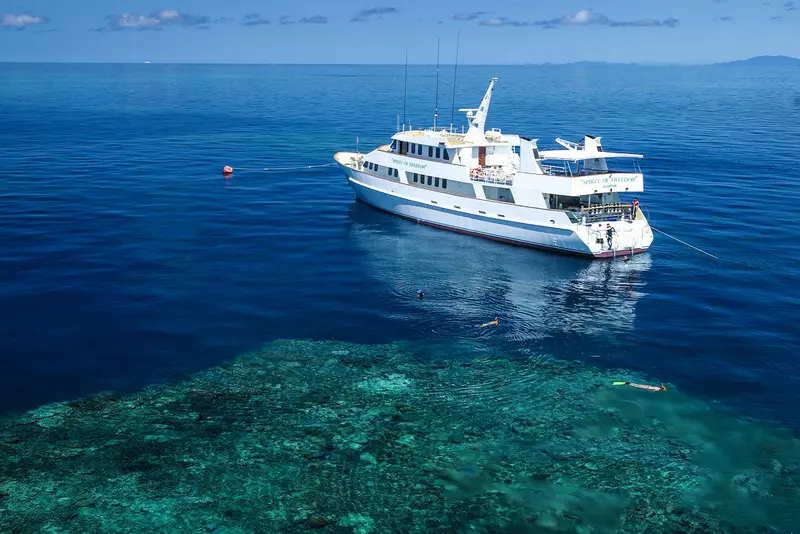
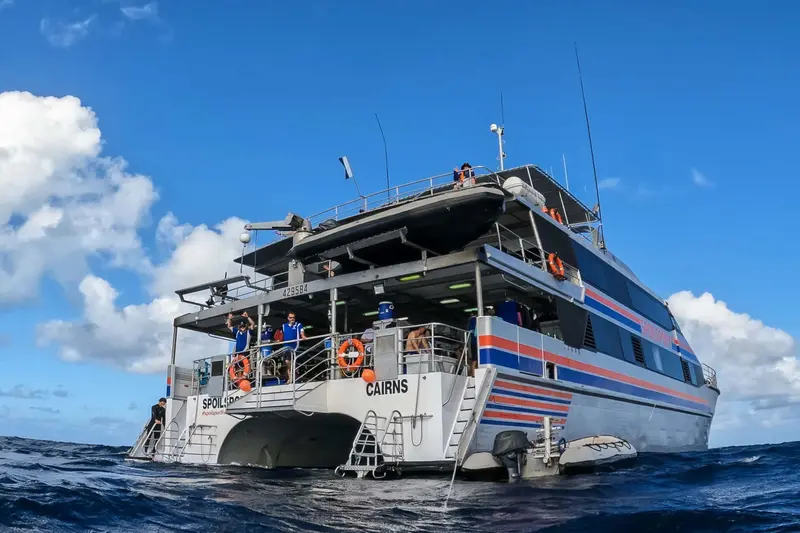
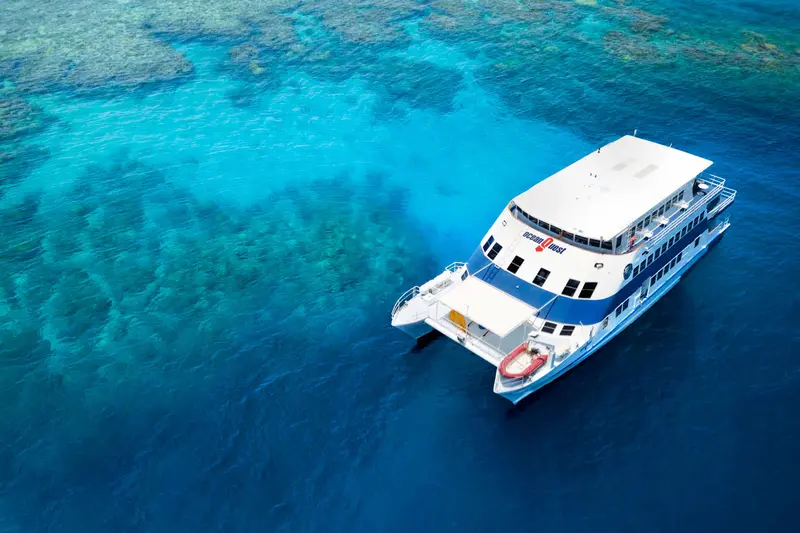
From the dock, Pro Dive Cairns presents as an older purpose-built dive vessel rather than a yacht dressed up for divers. Built in 1998 and renovated in 2014, it has the practical character of a boat that has spent its life serving the reef. Three deck levels spread the cabins, indoor areas and open-air spaces, so passengers move between the dive platform, shaded deck and saloon instead of staying in one crowded room. The boat can accommodate a full complement of divers, students and snorkellers, but the crew-to-passenger ratio remains close enough for regular help with equipment and daily questions. The impression is functional and workmanlike: this boat exists to get people onto the outer reef, keep meals coming and turn the dive deck around for the next entry.
The atmosphere on board
The atmosphere is shaped by a mixed group: certified divers, snorkellers and students completing courses from Open Water through Divemaster. That mix keeps the boat active without making it a specialist technical trip. The crew speaks English and includes local and international staff; all dive crew are qualified PADI instructors. With a crew-to-passenger ratio of about one to five, help is close when a strap, tank or course question needs attention. By evening, the saloon becomes the meeting point after dinner and the night dive, with books, music, video and board games available rather than a formal entertainment programme. The strongest part of the onboard experience is the practical service around diving and food, reflected in the particularly high feedback for crew and meals.
The sites you’ll dive
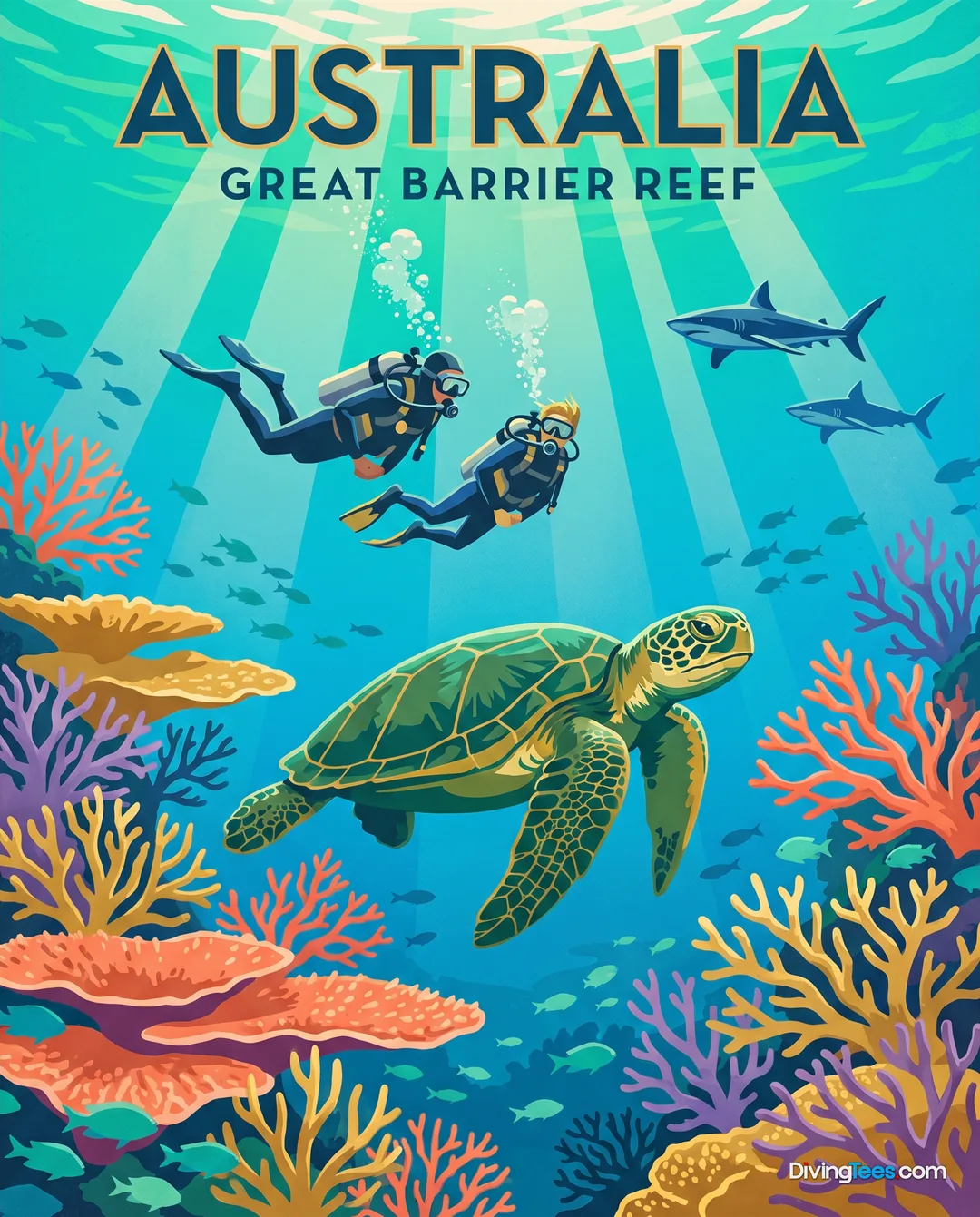
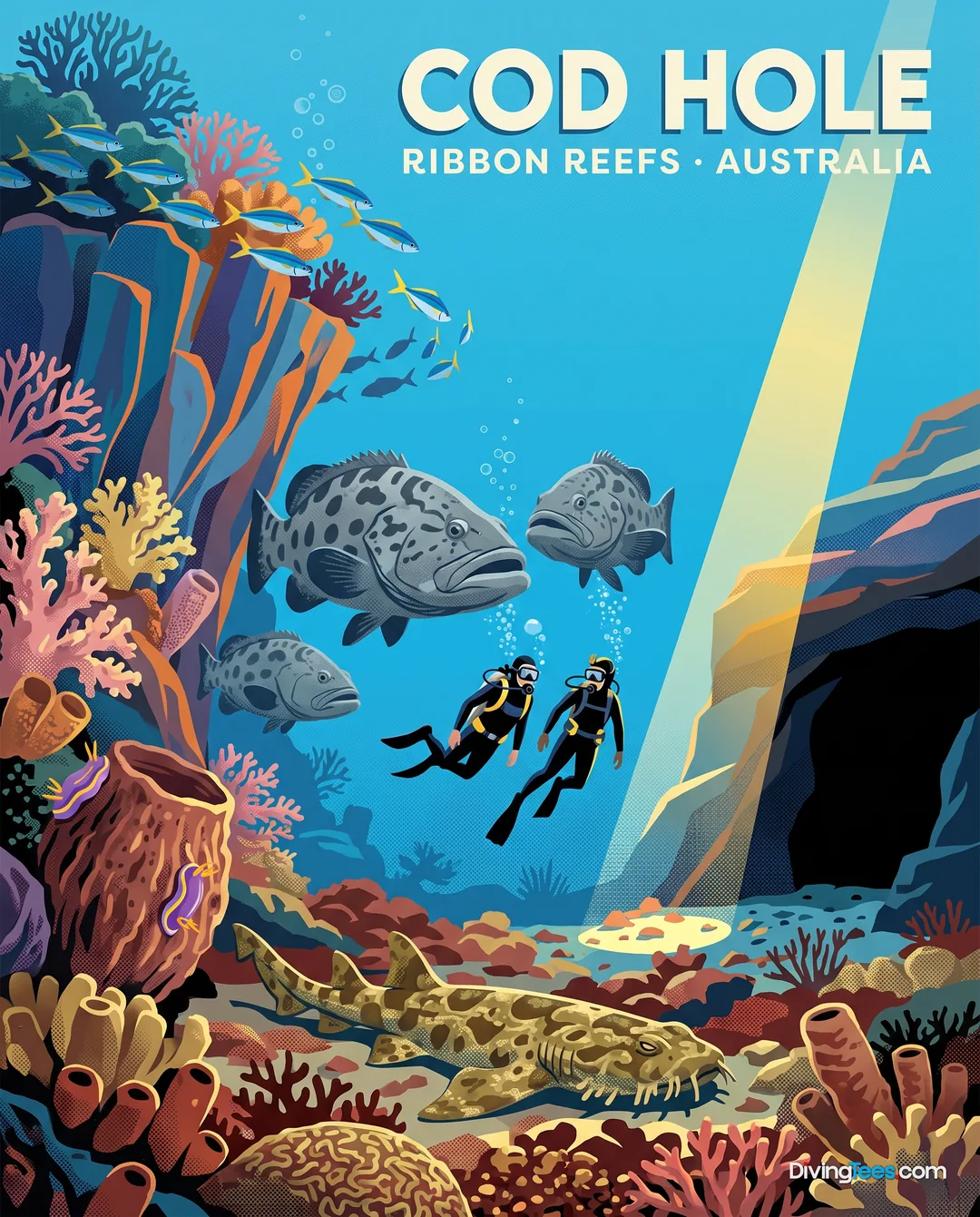
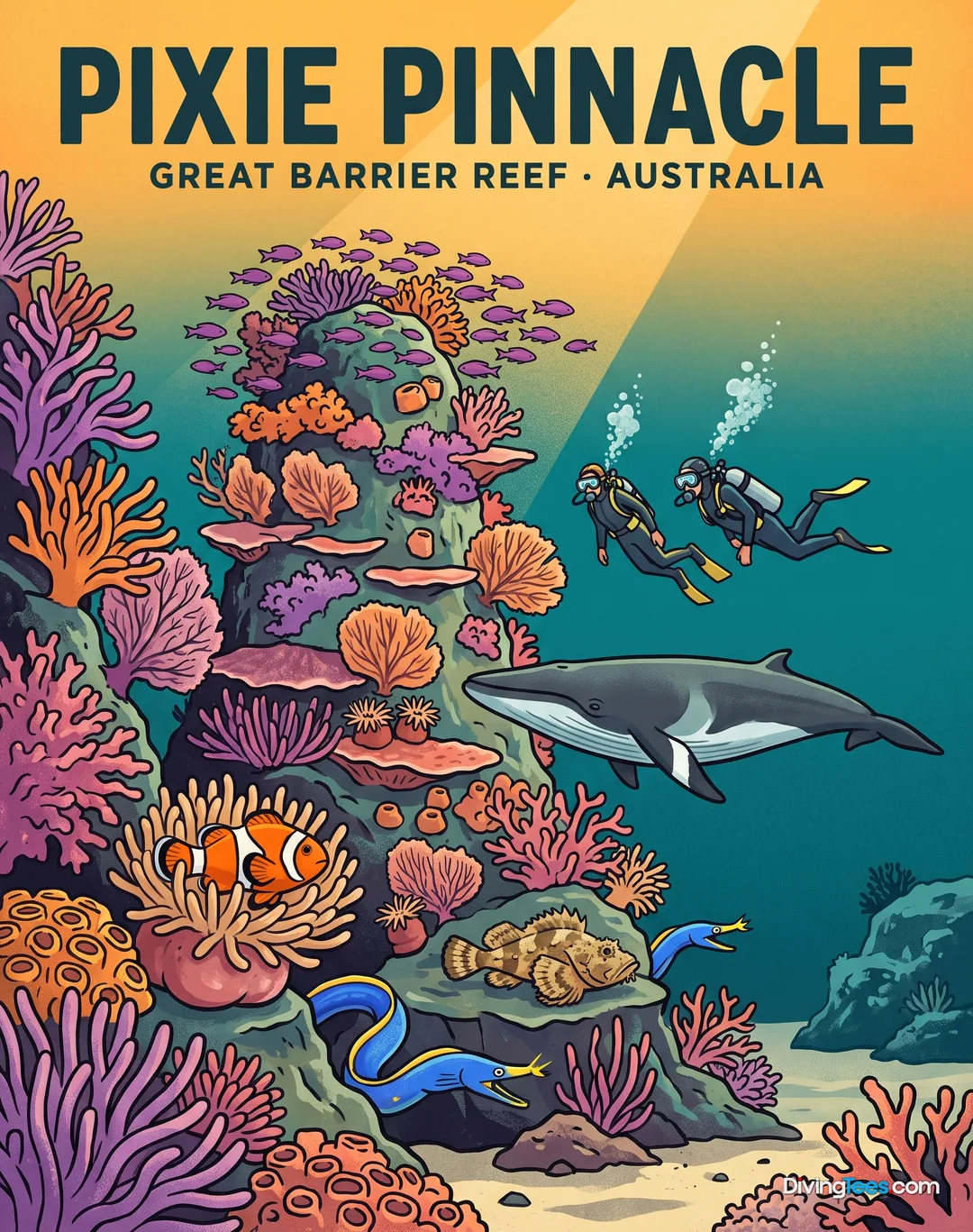
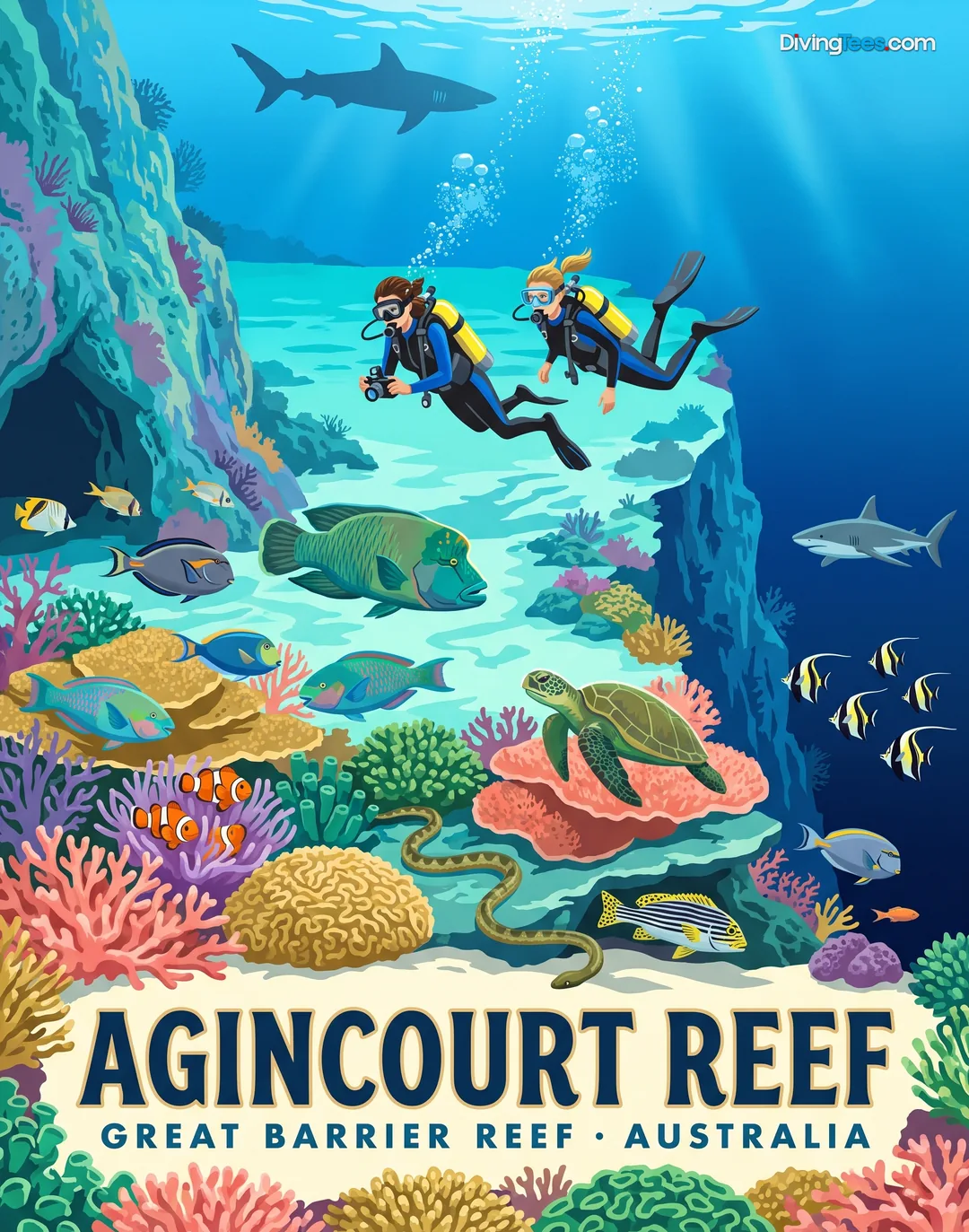
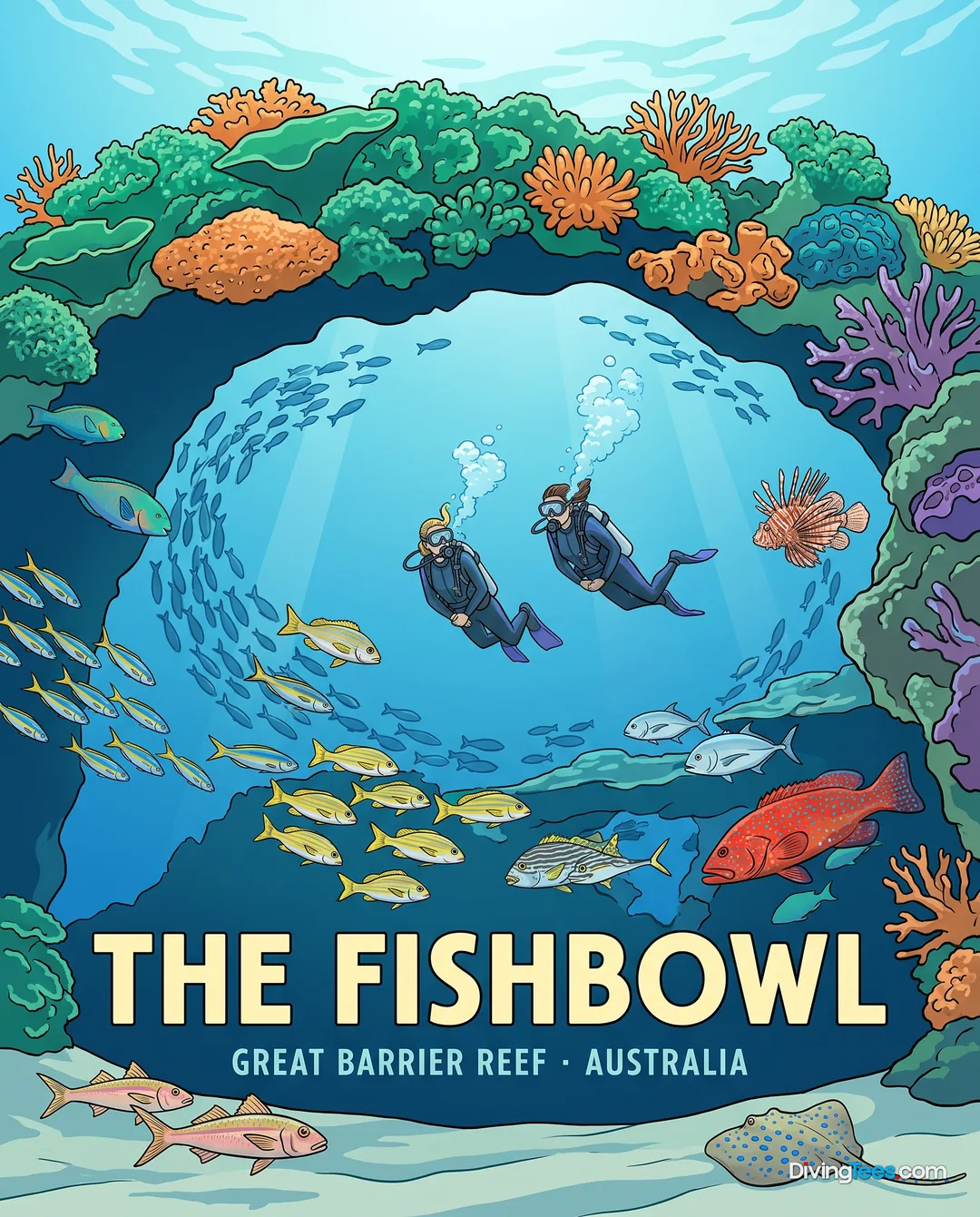
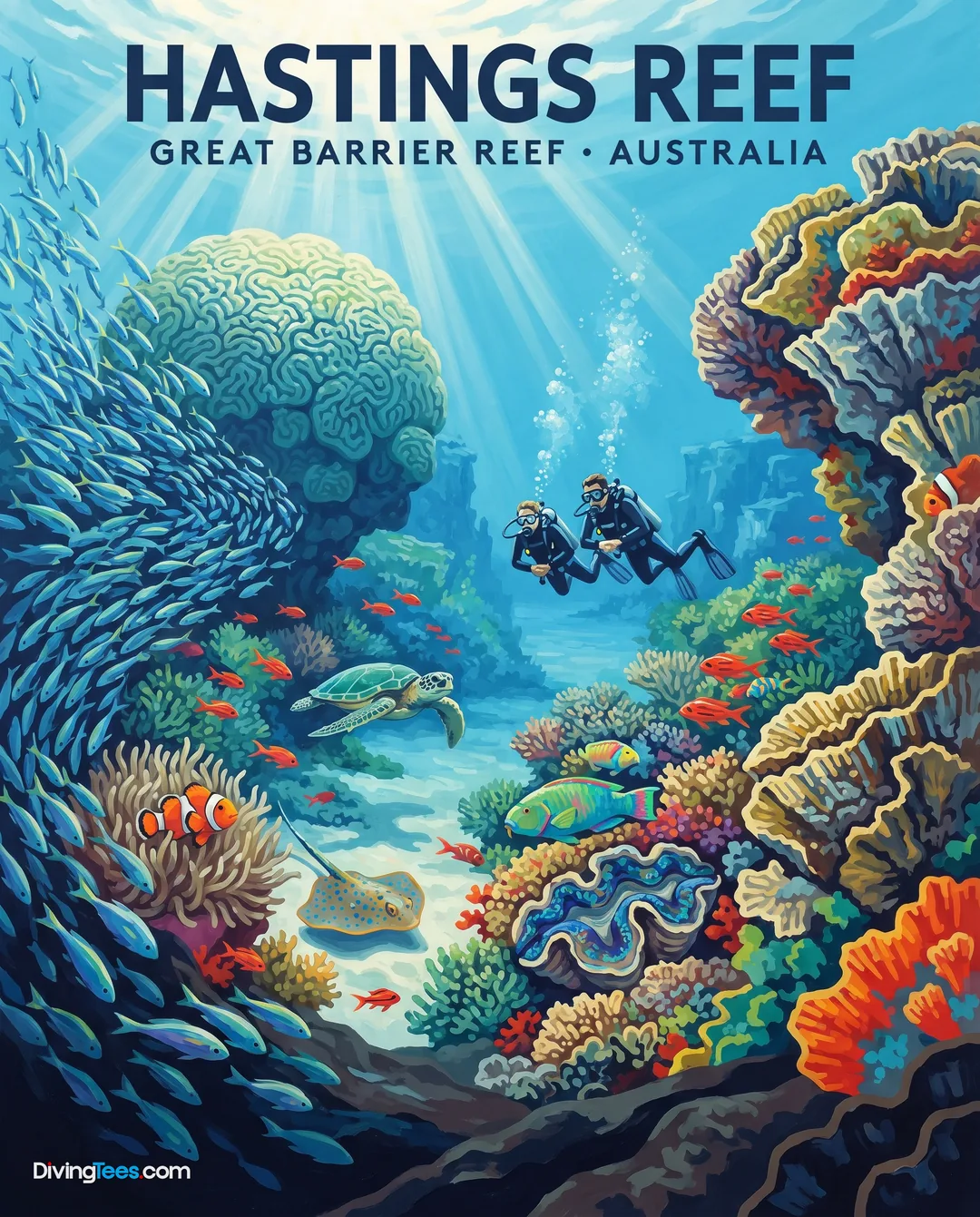
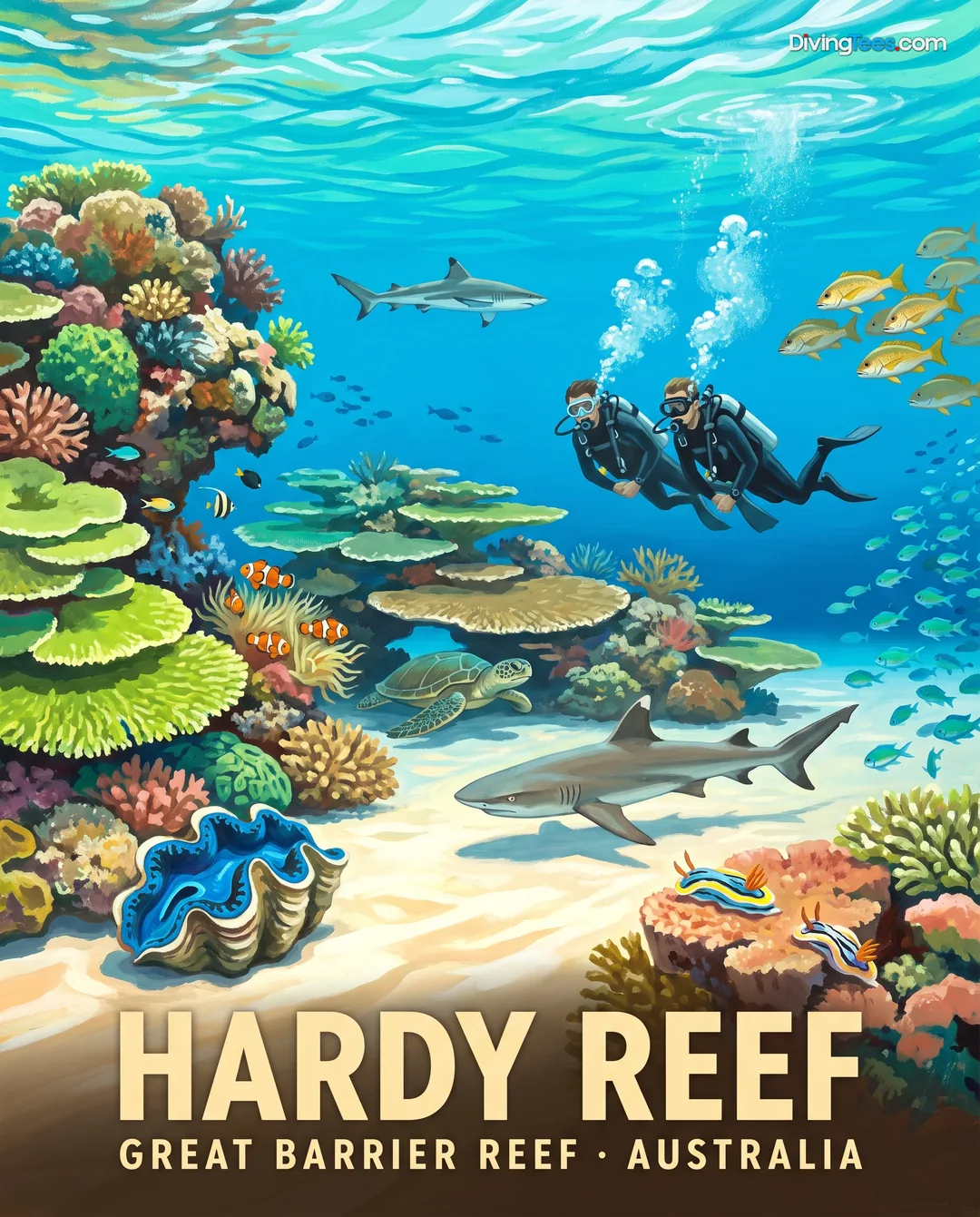
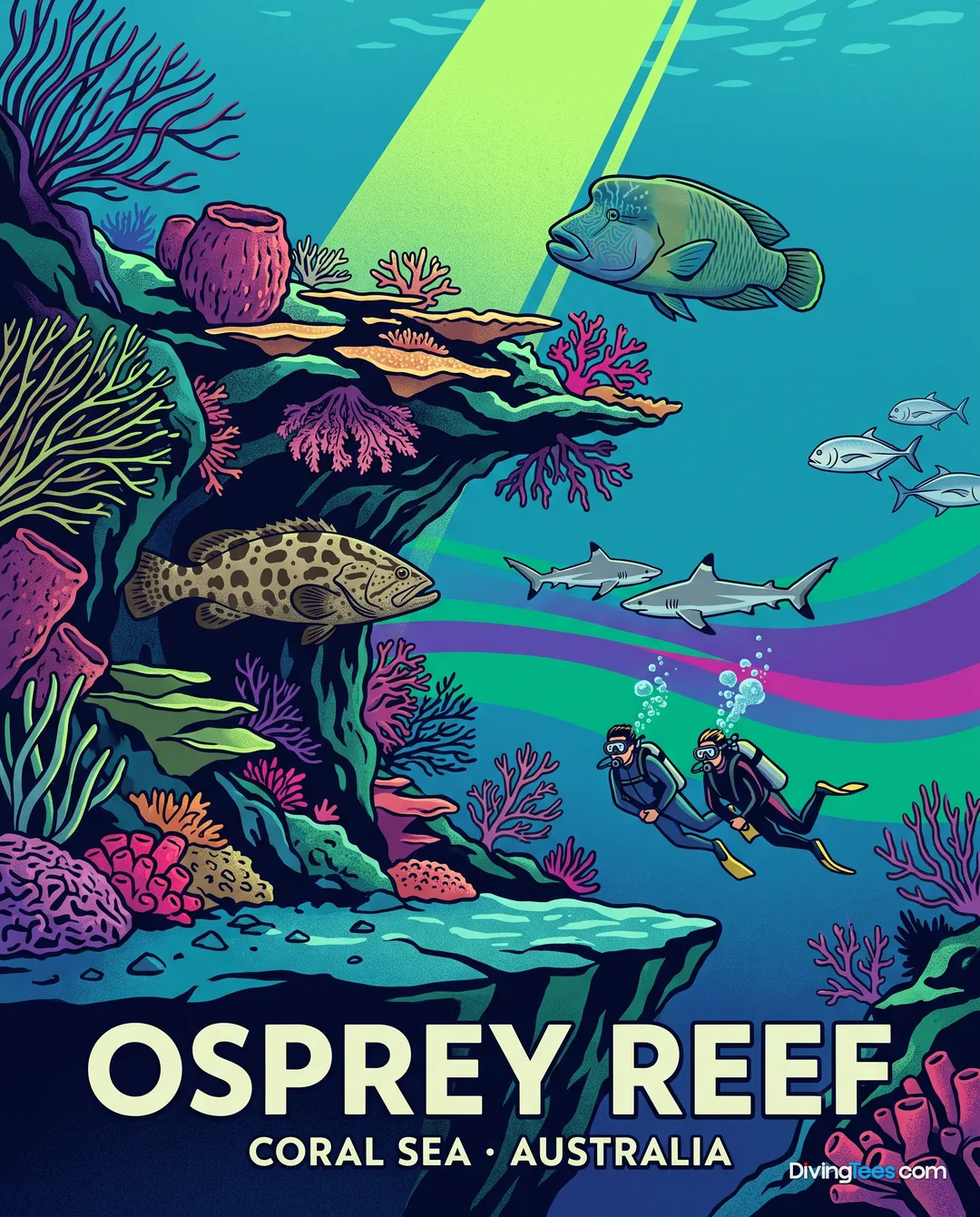
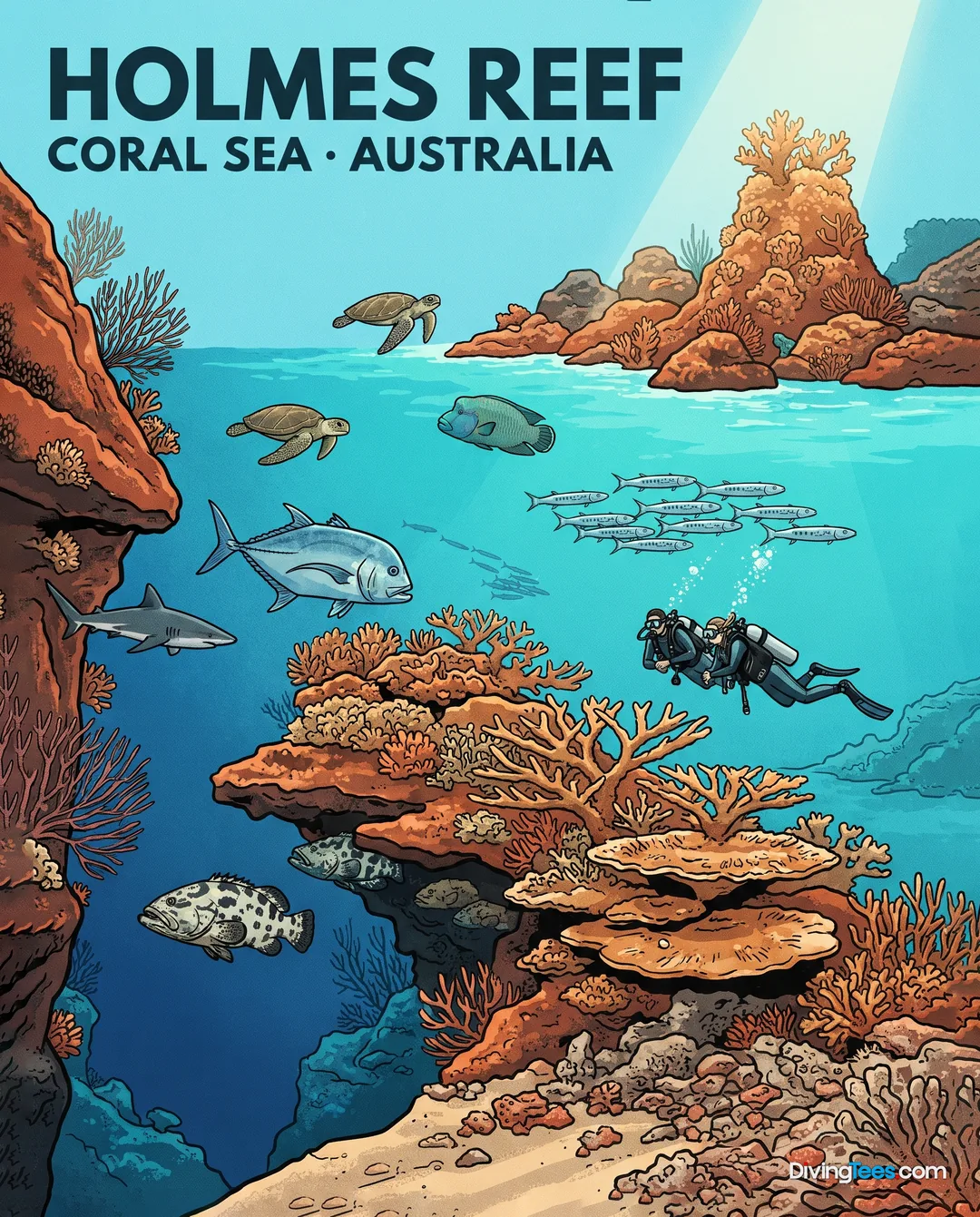
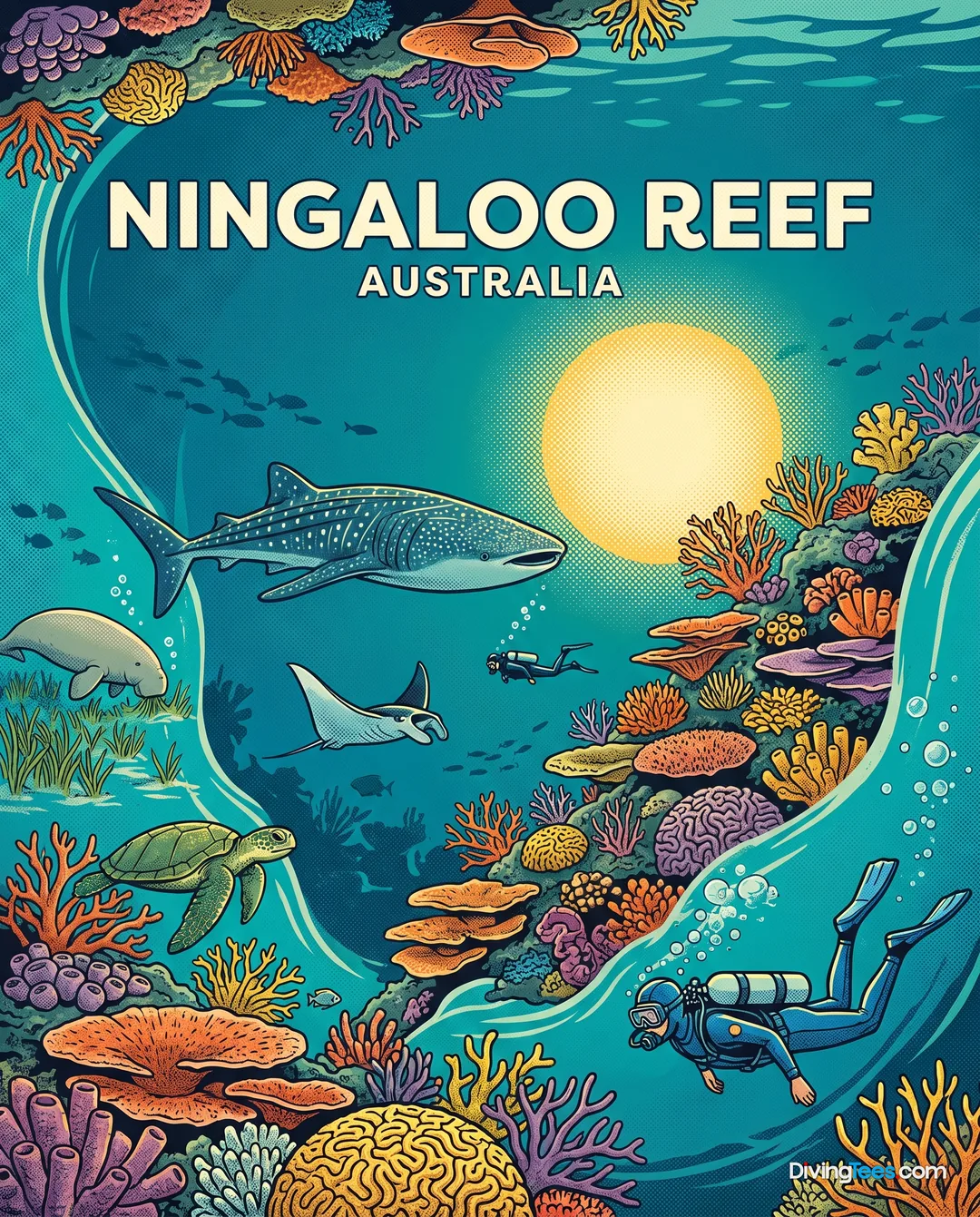
The recorded three-day, two-night Cairns-to-Cairns route reaches outer Great Barrier Reef and Coral Sea sites, with up to 11 dives. Cod Hole reaches a maximum of -16m and is known for close encounters with resident giant potato cod. Pixie Pinnacle descends to -30m before rising near the surface, with gorgonian fans below and Acropora shallows above. Steve's Bommie runs to -30m and rises to 5m, concentrating reef life and passing pelagics around an isolated pinnacle. Agincourt Reef reaches -25m at the exposed outer edge, where currents meet coral gardens. The Fishbowl on Hastings Reef reaches -28m inside a natural coral amphitheatre of gutters and ledges. Hardy Reef reaches -20m, combining protected coral gardens with open-ocean sections. Osprey Reef and Holmes Reef each reach -40m, with walls, pinnacles, strong visibility and pelagic action; Osprey's walls fall to 1,000m. Ningaloo Reef is also listed among the route's named reef locations.
Itineraries, dates and prices
Prices per person. Each month shows its lowest price: click a month, or pick an itinerary.
Next departures · 381 departuresfrom £575$769€687
October 2026
November 2026
See dates and prices
If you click these links and make a purchase on the partner site, DivingDeal may earn a commission, at no extra cost to you.
Dates and prices taken from liveaboard.com, updated 25 October 2026
What you’ll meet underwater
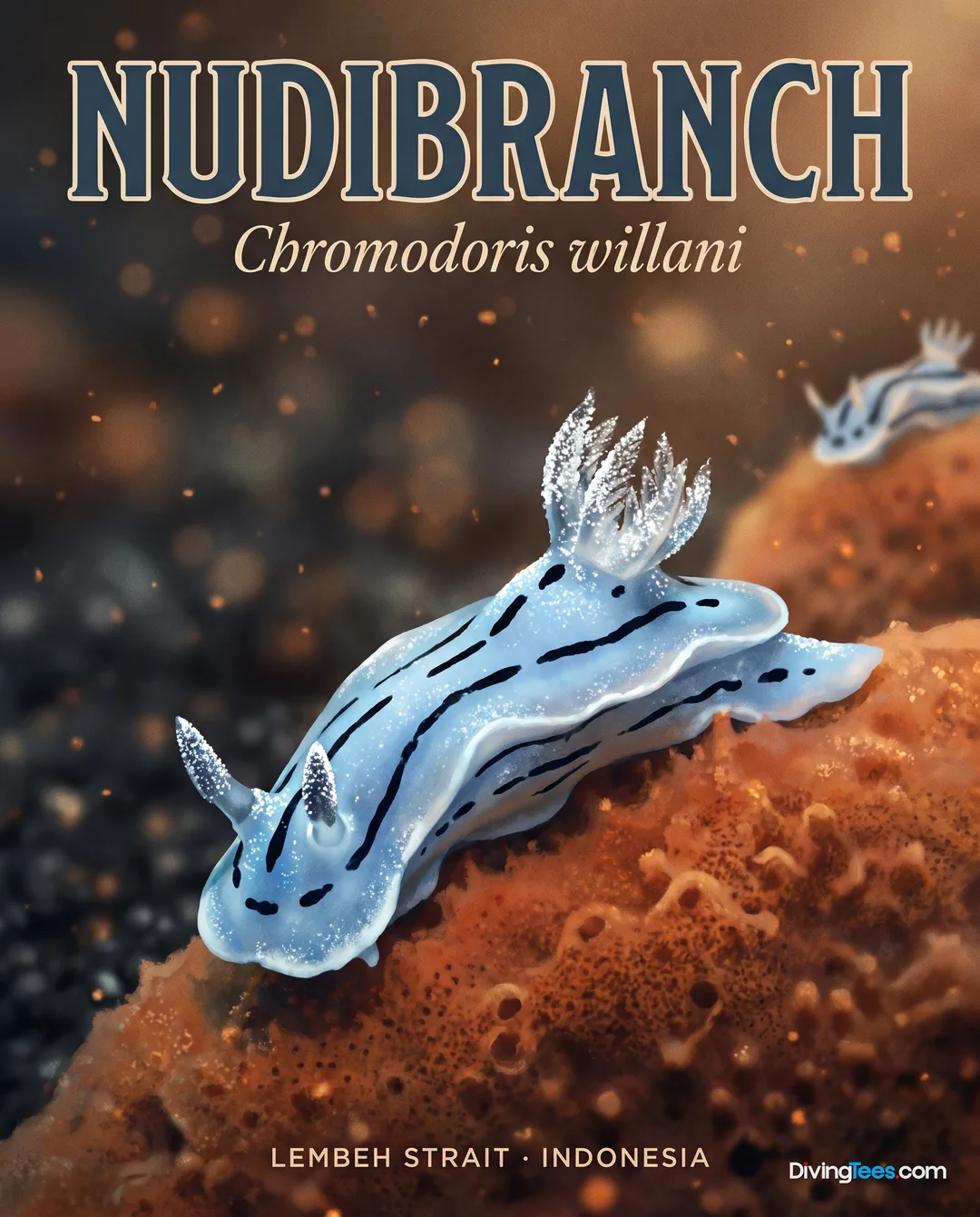
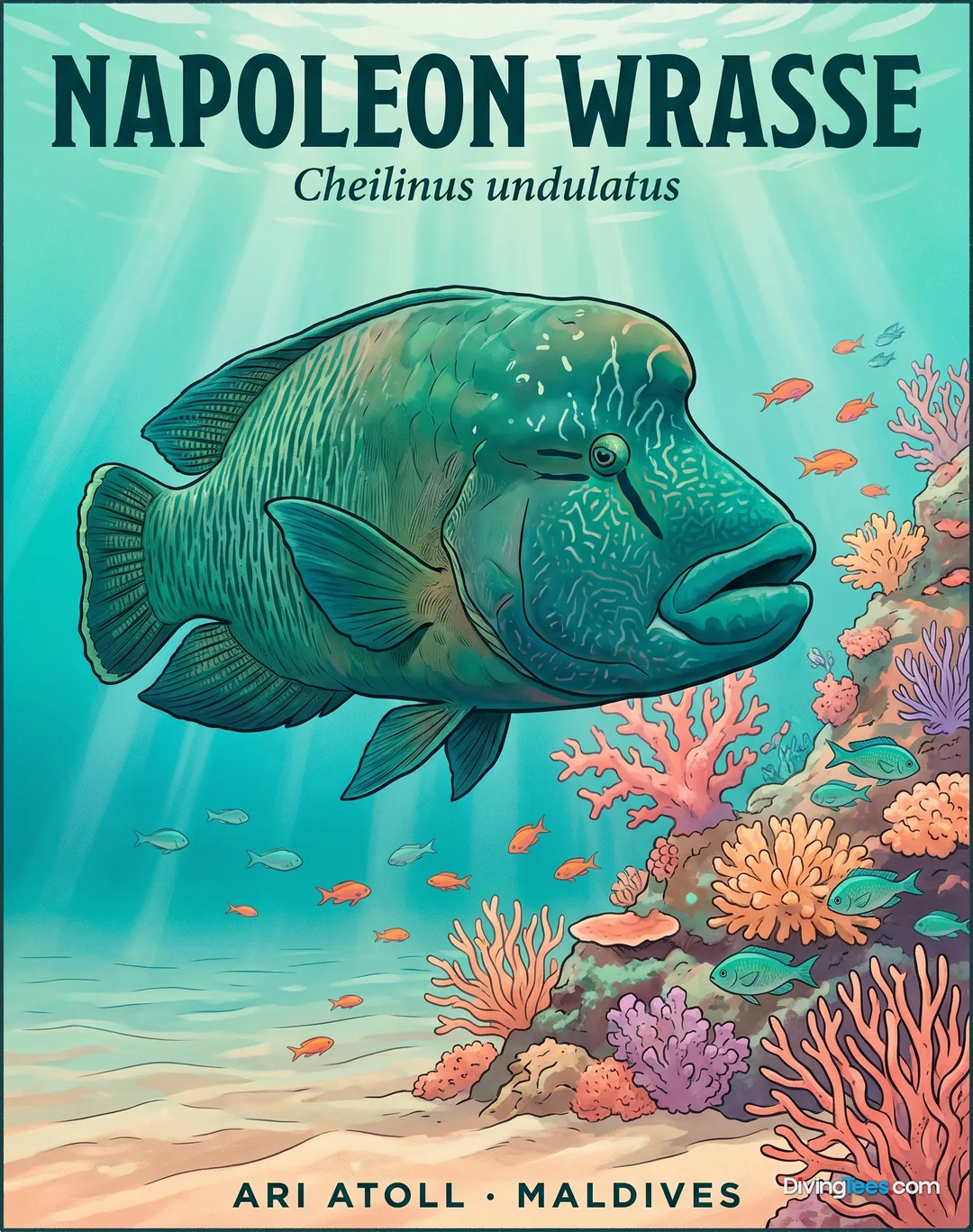
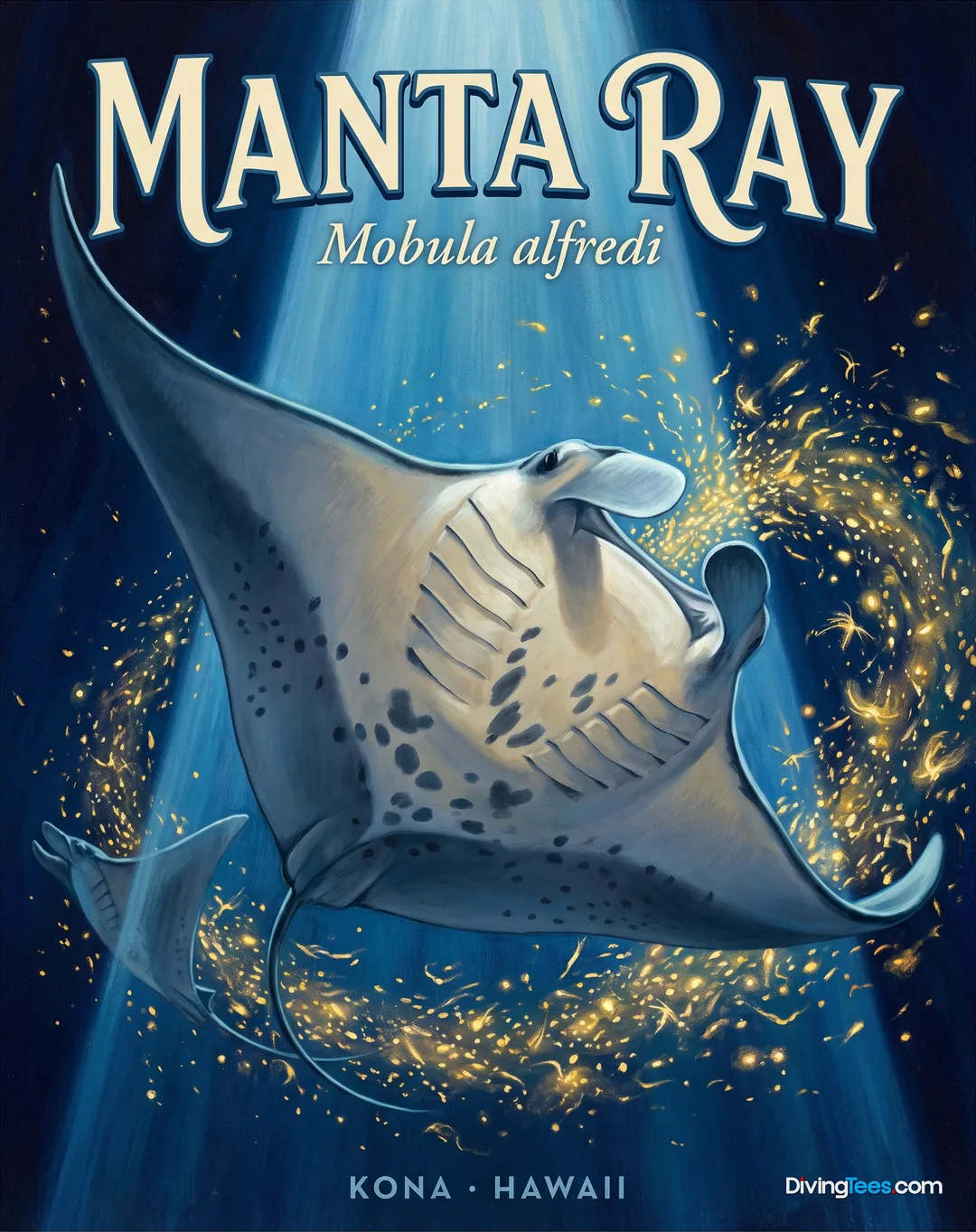
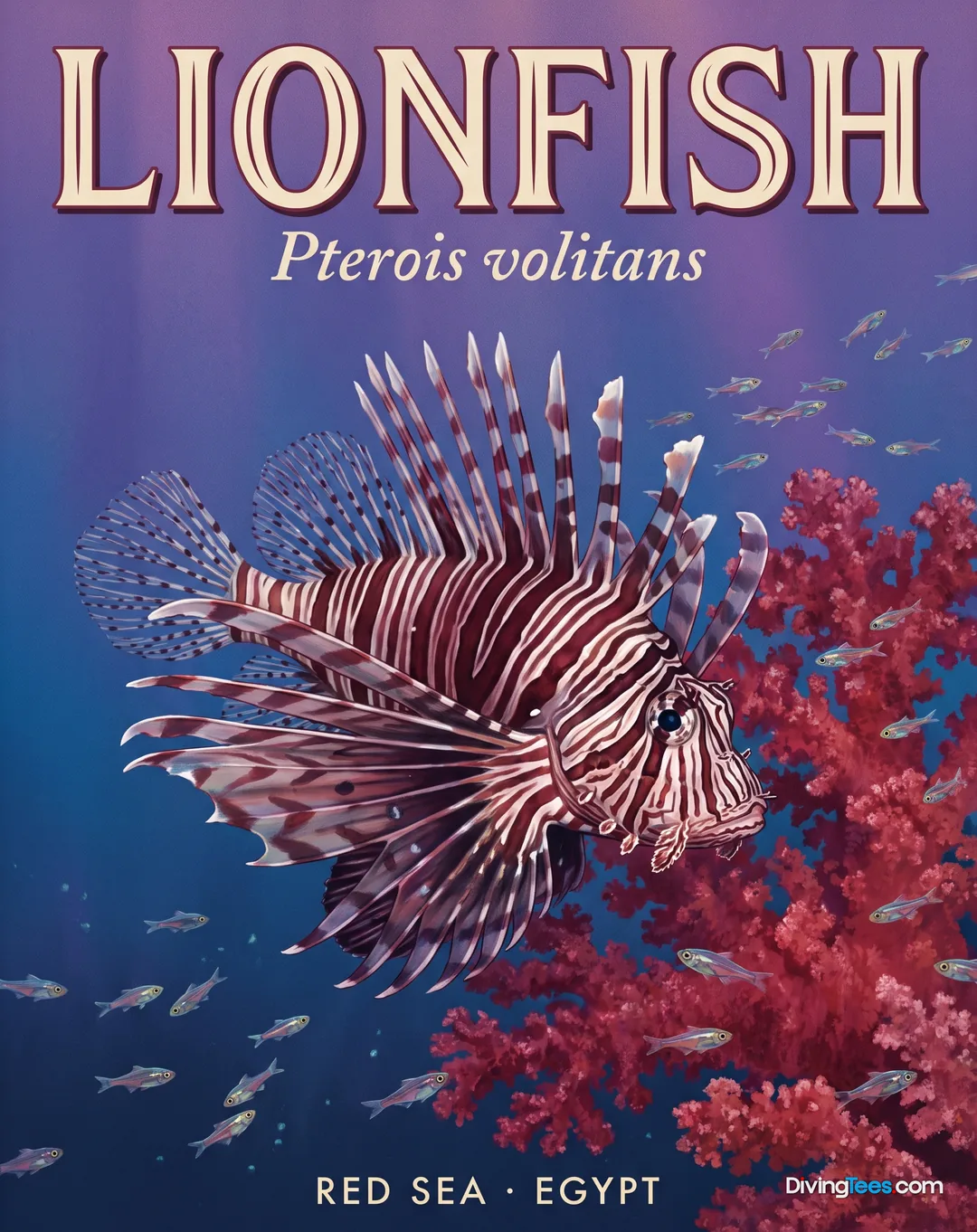
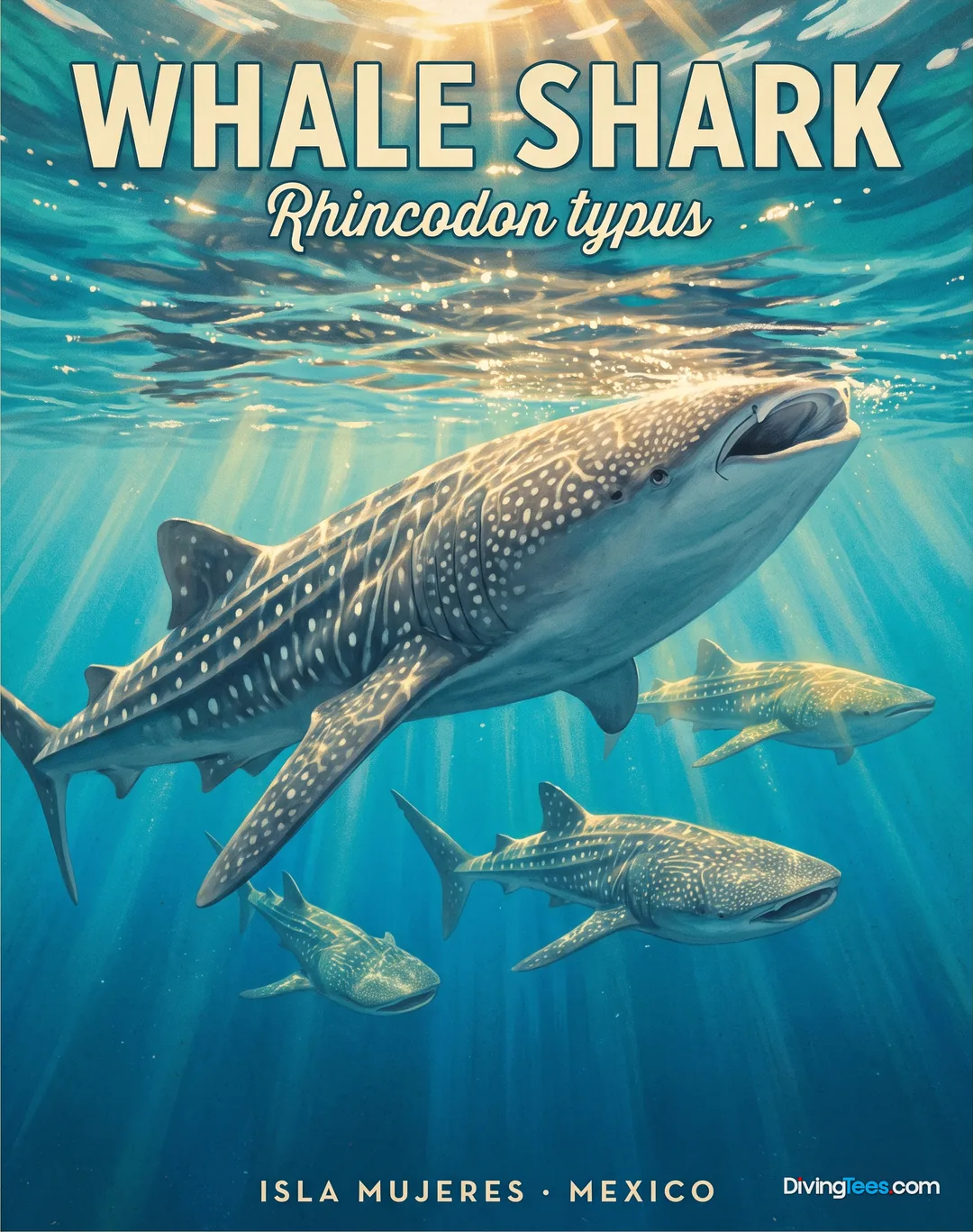
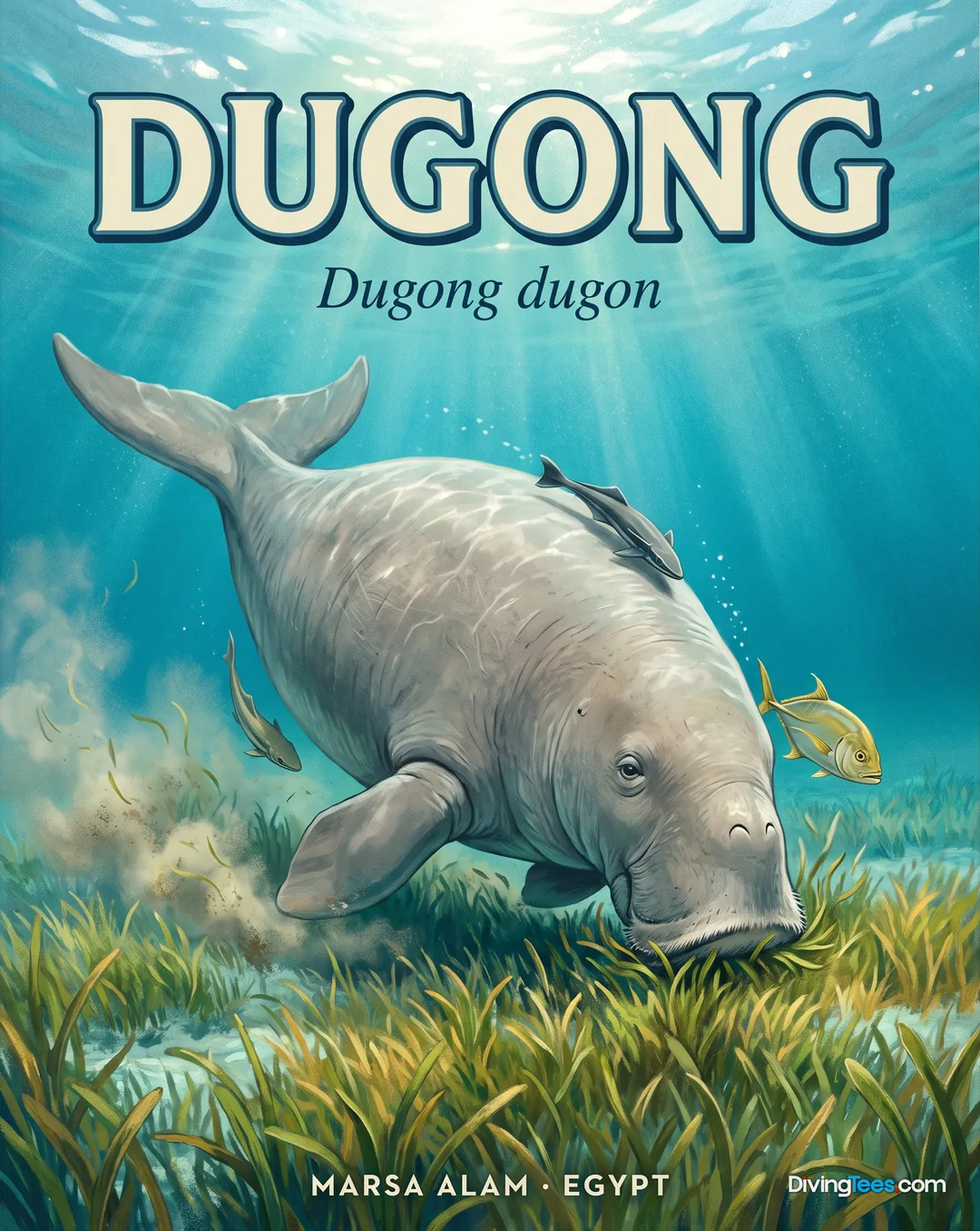
Across the recorded sites, the recurring cast is broad: barracuda, grey reef sharks, sea turtles, giant trevally, fusiliers, nudibranchs, Napoleon wrasse, manta rays, eagle rays, parrotfish, batfish and lionfish. These are not guarantees; current, visibility and the day's site decide what appears. The site-specific animals are the stronger reason to move between reefs. Cod Hole is the place for giant potato cod and soft corals. Ningaloo Reef is the only listed site for whale sharks, dolphins and dugongs, with manta rays, turtles and humpback whales also recorded there. Osprey Reef is the named site for hammerheads, tuna and octopus, while its open-ocean walls and current-swept water suit pelagic encounters. Pixie Pinnacle carries the only listed castagnoles and crabs. Hardy Reef is the named site for reef sharks and wrasse, and Agincourt Reef for butterflyfish. The Fishbowl adds dense schooling fish around its coral ledges.
Who puts you in the water
The dive operation is run by PADI instructors, with English as the onboard working language. The crew-to-passenger ratio is about one to five, and dive groups include a mixture of certified divers and students rather than a single uniform level. Courses available around the liveaboard include Open Water, Advanced Open Water, Rescue, Nitrox and Divemaster training; the Divemaster course requires a Rescue Diver certification or equivalent, a current first-aid certificate, a minimum age of 18 and at least 40 logged dives. Briefings and supervision are adapted to the day's sites, weather, tides and currents. Safety equipment includes oxygen, first-aid kits, fire alarms and extinguishers, life rafts, lifejackets, VHF/DSC/SSB radio, satellite and mobile phones, an EPIRB, radar, GPS, sonar, a fish finder and flares.
The dive deck and the gear
The dive deck is built around repeated reef entries: a platform, shaded working space and rinse tanks keep the turnaround simple in the tropical sun. DIN adapters are available, and rental equipment is included with the trip. Nitrox is available, with Nitrox certification offered as an optional course during the liveaboard. Yamaha 15HP tenders support the operation. The boat carries oxygen, first-aid kits and navigation and emergency equipment for a working dive vessel. Its clear purpose is simple: gear on, rinse, climb out and prepare for the next dive.
Between dives
The gaps between dives are spent where the boat gives the most air: on the large sun deck, in the shaded dive area or inside the air-conditioned saloon. The terrace and relaxation area give passengers somewhere to sit without blocking the dive operation, while the library, books, music, videos and board games fill the longer pauses. A snorkeller can stay close to the water without following the certified divers on every descent. When there is no dive underway, the useful habit is simple: dry equipment, eat, drink, find shade and sleep before the next call. The boat also welcomes non-divers, so time on deck is not limited to the people carrying tanks.
A day on board
The day begins with the boat already set up for diving, followed by a briefing and the first entry; on the first day, the opening dive is scheduled before lunch. Lunch separates the morning from the afternoon dives, and dinner follows the later water work. A second day can begin with an early dive before breakfast, then continue through another morning and afternoon entry as the vessel moves between sites. Snorkelling fits into the gaps when conditions allow. After the last meal, a night dive takes the reef into a different register, with the familiar afternoon site often used so divers know the layout before darkness. Over three days, the plan allows up to 11 dives, including two night dives, but the skipper changes the order of sites and dives for weather, tides and currents. The rhythm is therefore repetitive in the useful way: briefing, gear, water, food, sleep, then back to the platform.
What you eat aboard
Meals arrive buffet-style, with full-board catering covering breakfast, lunch and dinner, plus snacks, tea and coffee through the day. The cook works with both Western and local dishes, fresh fruit, salads and the food needed to keep divers moving through repeated entries. Vegetarian and vegan options are available, but catering for strict diets can be difficult in a small galley; vegan or gluten-free passengers are advised to bring non-refrigerated snacks because refrigerator space is tight. The table is not an afterthought on a four-dive day. It is where divers replace energy, compare what they saw and get ready to climb back into a wetsuit.
Nights at sea
The cabins are air-conditioned Double/Twin Cabins: either twin bunk beds or a double bed, with two people per cabin. Natural light reaches the cabins through standard windows, and each has twin 240-volt power outlets. Eight shared bathroom and shower facilities serve the vessel, so the private cabin is a place to sleep and store a small amount of gear rather than a hotel room. Space is limited; a small bag works better than a hard case, and excess luggage can remain ashore. Between dives, the air conditioning matters in tropical Queensland, while the bunk gives a quiet place to lie down before the next briefing. Passengers travelling alone are placed in a twin-share cabin with another person of the same sex. Double cabins are allocated first come, first served.
Double/Twin Cabins
What to know before boarding
The liveaboard departs from Cairns and returns to Cairns after three days and two nights. Hotel and hostel transfers from Cairns city accommodation are included; Northern Beaches transfers have an additional charge, and airport pickups are not provided. The operator can collect passengers from a designated hotel or hostel point rather than a private address or Airbnb. Arrive in Cairns the night before and visit the Pro Dive Cairns shop to arrange equipment, paperwork and certification checks before boarding.
Deck plan
- Year built
- 1998
- Year renovated
- 2014
- Length
- 24 m
- Beam
- × 7.4 m
- Maximum number of passengers
- 32
- Number of cabins
- 16
- Number of bathrooms
- 8
- Engines
- MTU 500 hp × 2
- Cruising speed
- 12 knots
- Tenders
- Yamaha 15 hp
- Website
- prodivecairns.com ↗
Hello, I'm Marina, DivingDeal.com's AI assistant. I answer in detail about hotels, dive centres and liveaboards.
Thinking about the whole trip and the flights? Talk it over with Edith →
Marina is an AI. Some links are affiliate links: DivingDeal may earn a commission, at no extra cost to you. Bookings are made with the partner.