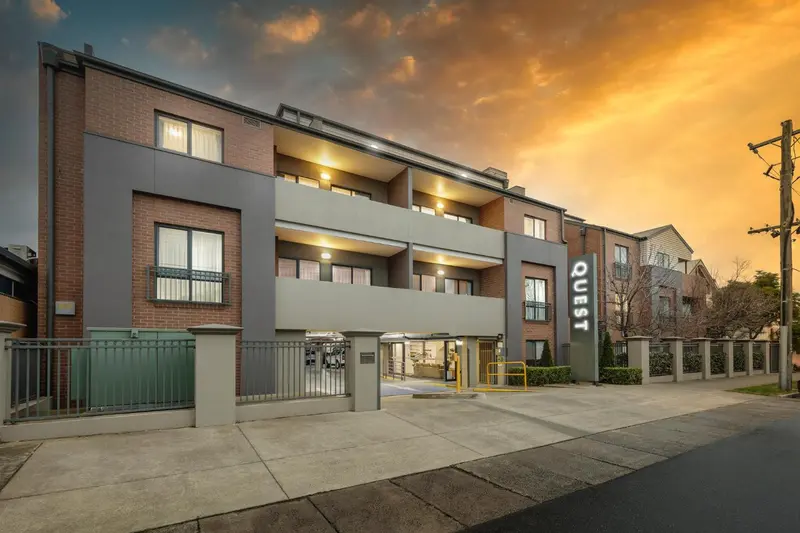
Oaks R Suites Geelong
★★★★
Google 4.4/5 (355 reviews)
Australia · Pacific
Weedy seadragons in kelp, historic wrecks, spider crab gatherings and current-swept walls make Melbourne a distinctly Australian temperate diving destination.
For subtitles in English: start the video firstthen click the gearat the top right of the video, select “Subtitles/CC”, then “Auto-translate” and choose “English”.
Melbourne is a shore-diving and day-boat destination built around Port Phillip Bay, its piers and the rocky coast of the Mornington and Bellarine peninsulas. Beneath Blairgowrie, Rye and Portsea, shallow kelp, sand and seagrass give patient divers plenty to search for, while Port Phillip Heads adds deeper walls, strong tidal water and wreck diving. It is an unusually practical base for seeing Australian temperate marine life without giving up the pleasures of a substantial city and a land-based holiday.
The everyday diving is close to shore, with entries from piers and beaches leading over sand, seagrass, kelp and low rocky reefs. Blairgowrie, Rye, Portsea, Flinders and St Leonards reward slow looking rather than long-distance swimming, particularly when the target is macro life. Boat trips from Portsea and Queenscliff reach Port Phillip Heads, where Lonsdale Wall and Portsea Hole bring deeper walls and tidal water, alongside historic wrecks and the ex-HMAS Canberra. Currents in much of the bay are manageable, but around the Heads they can reach several knots. These dives are planned around slack tide and may involve a drift dive, a delayed surface marker buoy and disciplined buoyancy. Visibility is commonly about five to ten metres in the bay, with better winter days reaching roughly fifteen metres. Plankton, rain runoff, swell and tidal flow can change the picture quickly.
The headline encounter is the Weedy seadragon, found around kelp edges and seagrass near piers such as Portsea and Flinders. They are seen throughout the year, with breeding behaviour more likely in spring and early summer, but they remain wild animals rather than a guaranteed appointment. From March to July, Spider crab gatherings can transform sites around Blairgowrie and St Leonards, although the timing and size of the gatherings vary. Spring and early summer can also bring larger concentrations of nudibranchs. Around Port Phillip Heads, Australian fur seals are encountered occasionally from November to April. Protected areas such as Jawbone and Ricketts Point help retain richer kelp, rocky and sandy habitats, giving macro photographers good reasons to look beyond the familiar piers.
November to April is the easiest period for a visiting diver, with warmer water, longer days and generally kinder surface conditions. Summer can also bring plankton blooms, so the most comfortable calendar does not always deliver the clearest water. Visibility often improves from late summer through the winter months, especially after limited rain and moderate offshore winds, but the price is colder water and rougher surface conditions. Winter is therefore worthwhile for divers prepared for a full 7 mm suit with hood or a semi-dry, particularly if better visibility matters more than easy boat travel. March to July also offers the possibility of Spider crab gatherings, while November to April is the more likely window for Australian fur seals.
There is something here for most certified divers, from shallow pier and sanctuary dives to deeper wrecks and current-affected walls. Advanced Open Water is useful for the ex-HMAS Canberra and deeper sites, while Deep Diver and Wreck Diver qualifications match the more demanding outings. Drift Diver training is valuable around Port Phillip Heads, where slack tide is not a minor detail. Strong buoyancy, comfort in cold water and experience judging conditions matter more than chasing a particular certificate. A diver qualified through BSAC, PADI or SSI should match the planned site to equivalent experience.
From London or Manchester, reach Melbourne by air, allowing properly for the long journey and any connections before planning the first dive. Melbourne itself is the practical base for the bay, while the Mornington and Bellarine peninsulas and Williamstown are reached by road. Shore sites generally require a car or local transport, with parking close to many pier entries. Boat dives leave from specific marinas and piers, notably around Portsea and Queenscliff, so the day’s driving needs to fit the departure time rather than the other way round. A stay split between central Melbourne and a peninsula can reduce repeated road journeys, but there is no liveaboard solution here. The destination works as a land-based trip, with each boat outing organised around its own departure point and the Port Phillip Heads tide.
Treat Port Phillip Heads as a tide-led dive, not an ordinary boat excursion. Check the slack-water window before committing to Lonsdale Wall, Portsea Hole or a wreck, and do not enter outside it simply because the weather looks good. Around the piers, check exclusion zones and vessel movements first: sections of Blairgowrie, Portsea and ferry areas are not automatically safe to enter. Start early in summer, when fishing and boat traffic are lighter, and stay beneath the pier structure where lines are less likely to cross your route. Carry a delayed surface marker buoy for any dive that moves away from the piles. At Flinders Pier and in Western Port, high tide makes both depth and entries more workable. Wear more insulation than a tropical-water packing list suggests, especially for repeated dives. In no-take sanctuaries, leave shells, plants, animals and artefacts where they are. If visiting for the Spider crab migration, keep clear of the aggregations rather than swimming through them.
Allow seven to ten days for a useful spread of Melbourne diving without turning every day into a road transfer. Base part of the trip in Melbourne for nearby sanctuaries such as Jawbone and Ricketts Point, then use the Mornington or Bellarine peninsulas for pier dives and boat departures. Mix shallow shore dives with selected Heads or wreck outings, leaving flexibility for tide, wind and visibility. Non-divers have beaches, coastal walks, wildlife watching and Melbourne’s museums and parks close at hand, so the stay does not depend on filling every day underwater.
Hello, I'm Marina, DivingDeal.com's AI assistant. I guide you through destinations, areas and countries.
Thinking about the whole trip and the flights? Talk it over with Edith →
Marina is an AI. Some links are affiliate links: DivingDeal may earn a commission, at no extra cost to you. Bookings are made with the partner.
Visit Melbourne from November to April for warmer water, longer days and generally kinder surface conditions. Visibility often improves from late summer through winter, although the water is colder and conditions can be rougher. March to July may bring spider crab gatherings, while winter suits divers prepared for substantial insulation and potentially clearer water.
Melbourne offers shallow pier and sanctuary dives for most certified divers, while deeper wrecks and current-affected walls demand more preparation. Advanced Open Water is useful for the ex-HMAS Canberra, with Deep Diver, Wreck Diver and Drift Diver training matching specific outings. Strong buoyancy, cold-water comfort and sound condition judgment remain important.
Melbourne’s kelp edges and seagrass near Portsea and Flinders are known for weedy seadragons, while shallow sites shelter nudibranchs and other macro life. From March to July, spider crab gatherings may occur around Blairgowrie and St Leonards. Port Phillip Heads adds walls, historic wrecks and occasional Australian fur seals from November to April.
Use Melbourne as a land-based base, then consider staying partly on the Mornington or Bellarine peninsulas to reduce repeated road journeys. Arrange shore dives around transport and parking, and boat trips around departures from Portsea or Queenscliff. Leave flexibility for tides, wind and visibility, mixing pier dives with selected Heads or wreck outings.