

Pro Dive Paradise Taveuni
Google 4.8/5 (192 reviews)
17 km away as the crow flies
Taveuni · Fiji · Pacific
Nuku Reef offers an intimate encounter with a myriad of small reef dwellers amidst a gently sloping coral landscape punctuated by sandy patches.
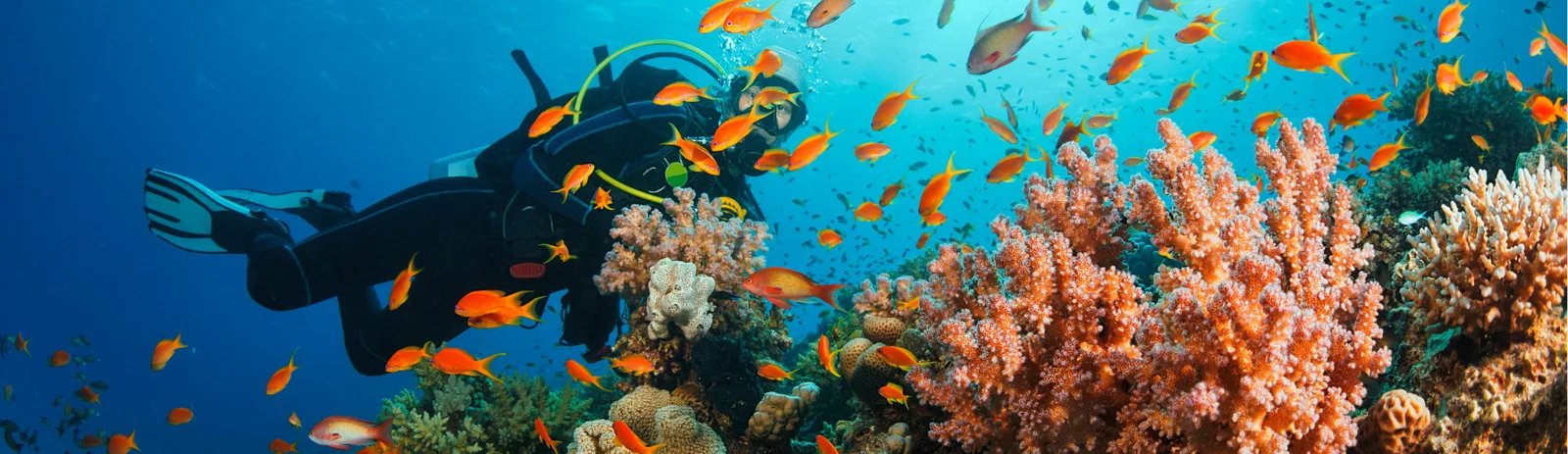
Dropping onto Nuku Reef, you immediately appreciate the meaning behind its name, derived from the Fijian word for 'sand'. This site presents a beautifully varied topography, beginning with a gentle slope that features a canvas of healthy hard corals interspersed with inviting, small sandy patches. This changing underwater landscape sculpts an enormous number of distinct habitats, each catering to a specific array of marine life and offering diverse photographic opportunities.
As you cruise along the reef's contours, the transition between vibrant coral gardens and areas of clean sand creates distinct ecosystems to explore. Your attention is drawn not to grand pelagic displays, but to the intricate details of the reef face. This is where Nuku truly shines for the macro enthusiast, as the varied terrain provides ample nooks and crannies to scour for hidden gems and well-camouflaged residents.
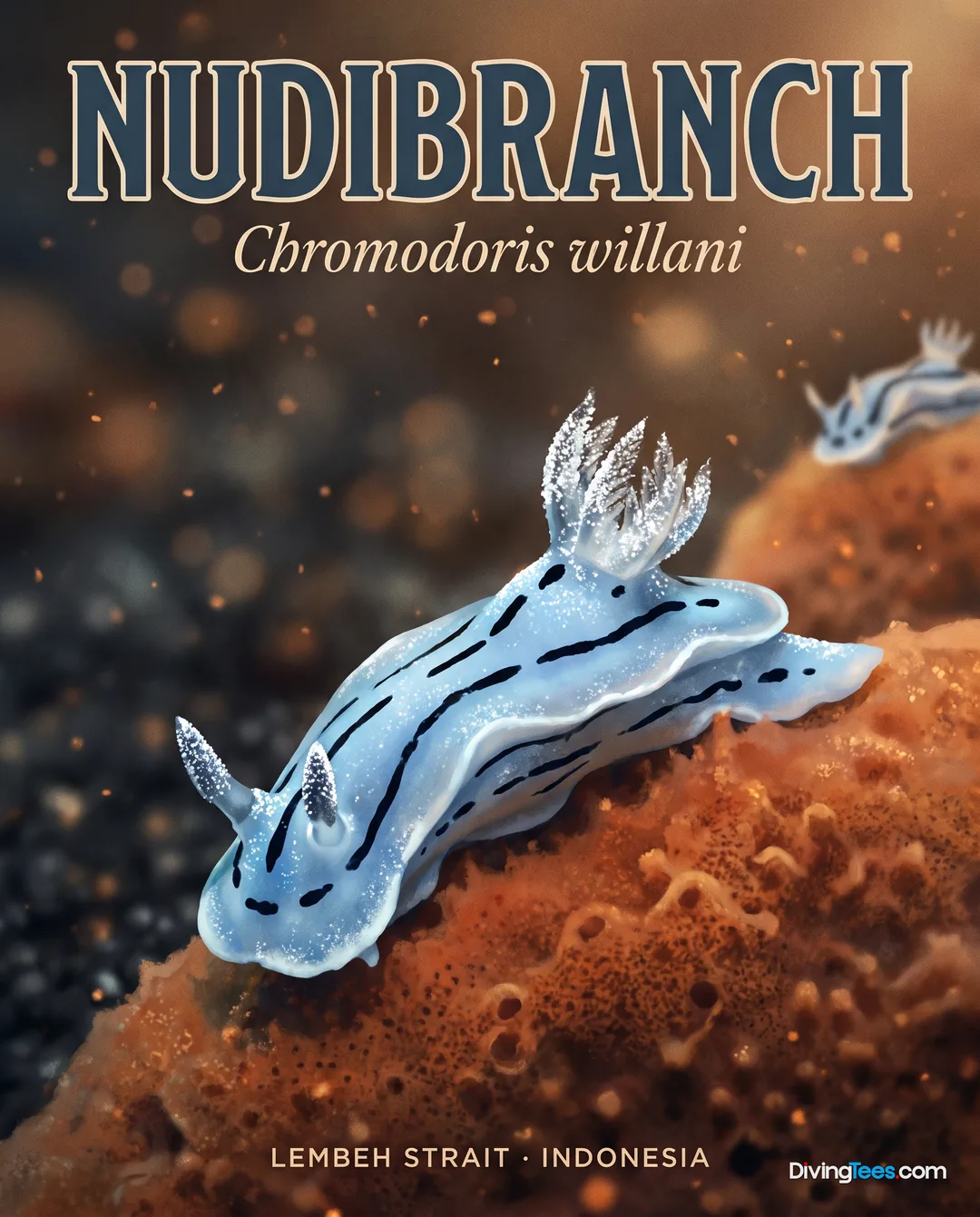
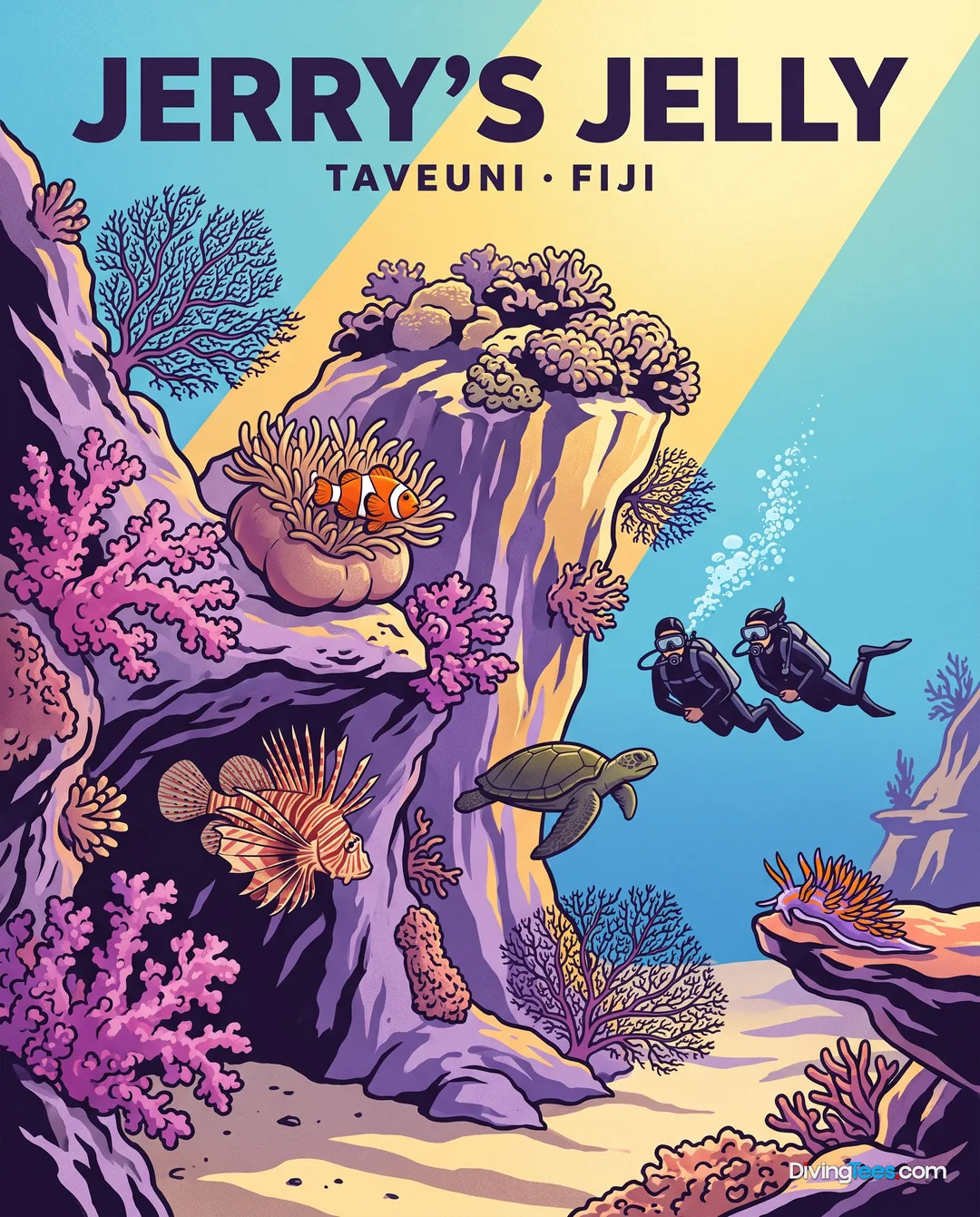
The rich diversity of Nuku Reef's micro-habitats ensures a constant discovery of small creatures. Among the healthy hard corals, you'll encounter numerous species of nudibranchs, often in vivid colours, meticulously grazing or navigating the reef. Anemonefish dart nervously within their host anemones, their movements a constant visual delight, while various species of moray eels discreetly peek from crevices, their watchful eyes following your progress.
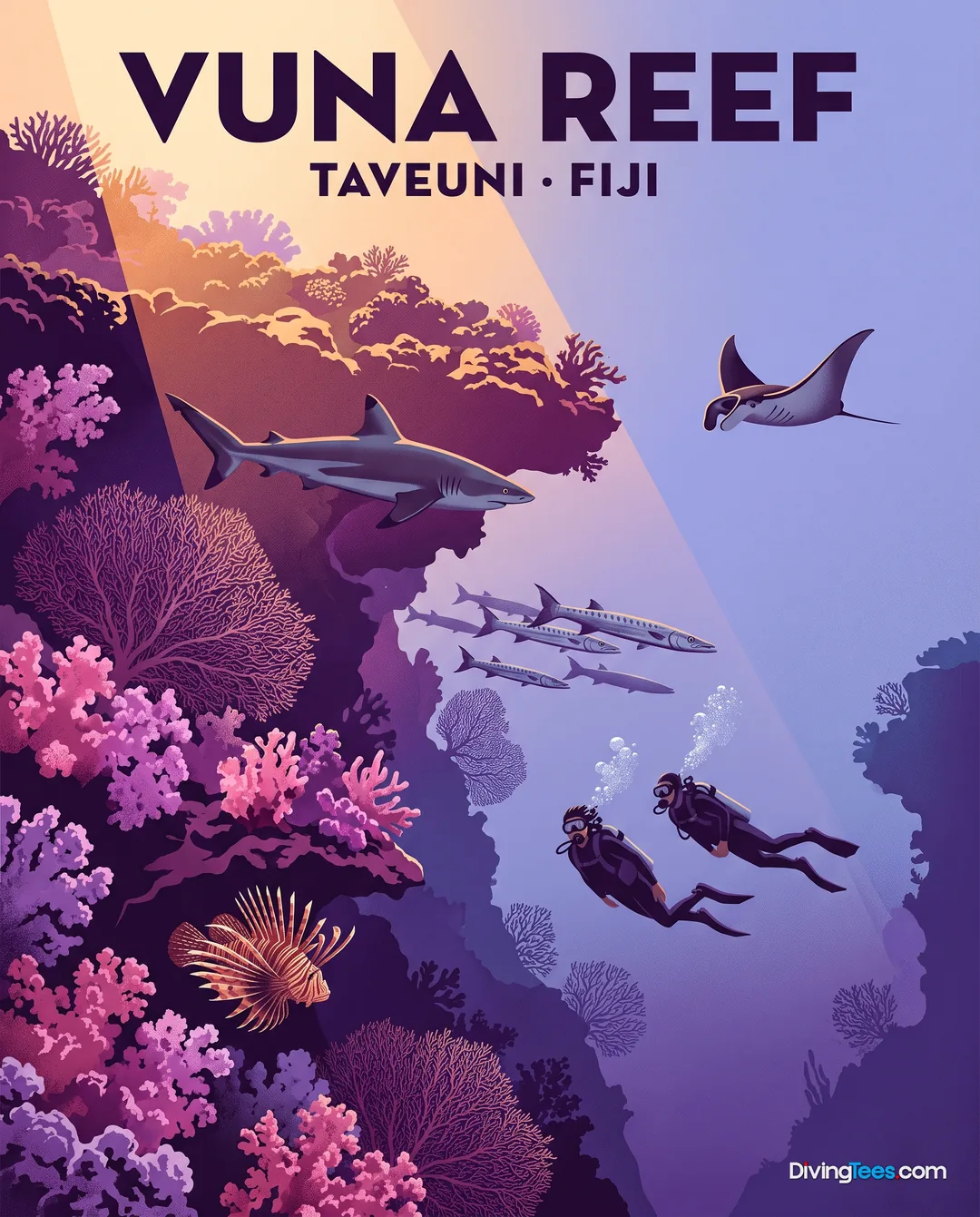
While Nuku is a haven for the miniature, the presence of larger predatory fish adds another layer of interaction. Whitetip reef sharks (Triaenodon obesus) are regular patrons here, often seen on patrol. They glide gracefully, observing the reef with keen interest, providing a subtle reminder of the food chain at play even in this seemingly tranquil macro paradise. Their quiet presence underscores the health and vitality of this sloping reef ecosystem.
At Nuku Reef, you can encounter diverse nudibranchs among healthy hard corals, watch anemonefish within their host anemones, and spot various moray eels peering from reef crevices. Whitetip reef sharks also patrol the reef, adding larger predators to a site known for detailed encounters with smaller creatures.
Nuku Reef offers varied micro-habitats created by its sloping reef, healthy hard coral formations, and small sandy patches. As you explore the reef face, you can search the many nooks and crannies for hidden and well-camouflaged residents, including vividly coloured nudibranchs and moray eels tucked into crevices.
At Nuku Reef, you explore a distinct sloping reef topography where vibrant coral gardens transition into clean, small sandy patches. This changing landscape creates varied habitats and photographic opportunities as you cruise along the reef contours, moving between healthy hard coral formations and open areas of sand.
At Nuku Reef, you can see whitetip reef sharks patrolling the reef. Their presence contrasts with the site's strong focus on intricate reef life, where you may also observe nudibranchs, anemonefish, and moray eels. The sharks glide through the sloping reef ecosystem while you explore its coral and sandy habitats.