

Tawali Dive Center
Google 4.6/5 (89 reviews)
Milne Bay · Papua New Guinea · Pacific
Max. depth · 150 mDescend Cobb's Cliff, where a dramatic wall drops to profound depths, frequently hosting powerful pelagics and a rich tapestry of macro life.
Cobb's Cliff presents itself as a dynamic underwater landscape, beginning with a section that rises to just 20 feet below the surface. This shallow zone serves as a vibrant introduction before the reef plunges dramatically. The wall then descends into the blue, reaching depths exceeding 150 feet, offering a profound sense of scale and exploration into the deeper ocean.
The topography here is complex and engaging, with the sheer cliff face giving way to a sandy lagoon at around 60 feet. This transition creates distinct ecological zones, from the sunlit shallows where reef fish congregate to the deeper sandy slopes that provide a different habitat. Divers can explore the intricate details of the wall and then transition to the more open, flatter areas.
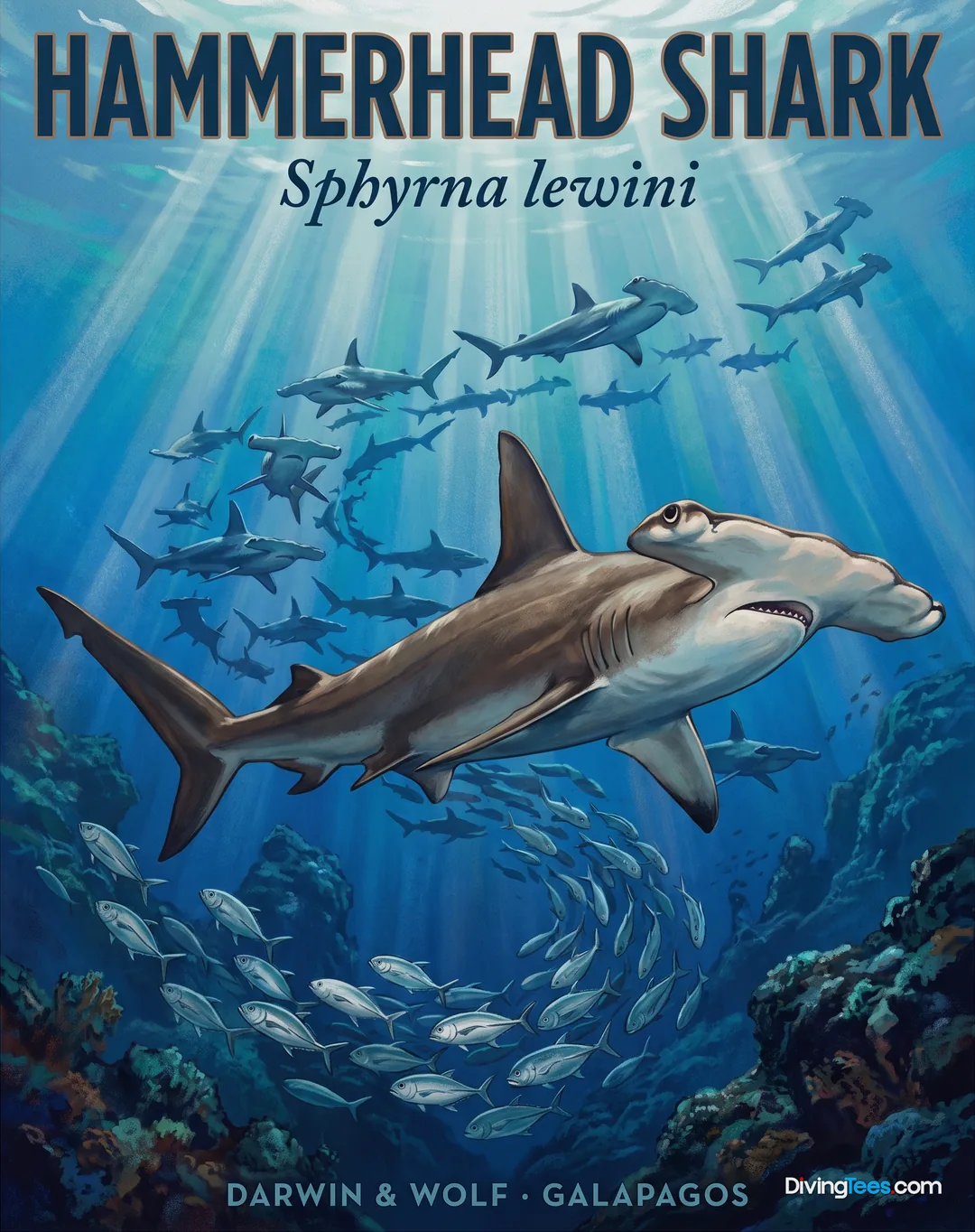
What truly sets Cobb's Cliff apart is its reputation as a magnet for large pelagics. It's not uncommon to encounter manta rays (Manta birostris) gracefully gliding through the currents, or to witness the unmistakable silhouettes of hammerhead sharks (Sphyrna lewini) patrolling the deeper waters. These encounters often occur along the deeper sections of the wall, emphasizing the site's connection to the open ocean.
Beyond the allure of the big-animal encounters, Cobb's Cliff is a treasure trove for macro enthusiasts. The reef's intricate structure harbors a remarkable diversity of smaller, often cryptic species. Look closely among the corals and crevices for Leaf Scorpion Fish (Taenianotus triacanthus), the elusive Rhinopias (Rhinopias aphanes or Rhinopias eschmeyeri), and the vibrant Blue Ribbon Eels (Rhinomuraena quaesita).
The currents at Cobb's Cliff can range from gentle to strong, demanding attention to dive planning and technique. These varying currents play a crucial role in bringing nutrients to the reef, sustaining the rich ecosystem and attracting the pelagic life that characterises the site. Managing these currents allows for drift dives along the wall or positioning oneself in sheltered areas for macro photography.
Among the reef's smaller inhabitants, the elegant fire gobies (Nemateleotris magnifica) dart in and out of their burrows, adding splashes of color to the reef scape. The sheer density and variety of life, from the smallest gobies to the largest sharks, create a diverse underwater experience. The interaction between the robust reef structure and the dynamic currents provides food and shelter for this thriving community.
Cobb's Cliff plunges to a maximum depth of 150 feet, offering extensive opportunities for exploration. Currents here are noted to vary from gentle to strong, so situational awareness is key. For safety, a surface marker buoy is required for all dives at this site.
Cobb’s Cliff begins in a shallow section about 20 feet below the surface before dropping dramatically along a sheer wall. The wall reaches more than 150 feet, while a sandy lagoon appears around 60 feet. You can move between sunlit reef shallows, the cliff face, and deeper open-water sections.
At Cobb’s Cliff, currents can range from gentle to strong, so you need careful awareness, planning, and technique. They may support drift diving along the wall, while sheltered areas offer alternatives for macro photography. A surface marker buoy is required for every dive, regardless of current strength.
Cobb’s Cliff combines large pelagic encounters with detailed macro life. You may see manta rays gliding through the currents and hammerhead sharks in deeper wall sections. Look among corals and crevices for Leaf Scorpion Fish, rare Rhinopias, Blue Ribbon Eels, fire gobies, and other reef fish.
Cobb’s Cliff offers a changing underwater landscape, starting with a shallow reef zone before descending down a dramatic sheer wall. Around 60 feet, the wall transitions to a sandy lagoon and flatter slopes. This creates distinct habitats, from sunlit areas where reef fish gather to deeper, open sections.