


Tawali Dive Center
Google 4.6/5 (89 reviews)
Milne Bay · Papua New Guinea · Pacific
Max. depth · 100 mDescend along the dramatically plunging slope of Lawadi Beach, where a gentle entry quickly gives way to depths exceeding 100 meters, revealing a fascinating tableau of cryptic marine life.
For subtitles in English: start the video firstthen click the gearat the top right of the video, select “Subtitles/CC”, then “Auto-translate” and choose “English”.
Diving Lawadi Beach in Milne Bay is an exploration of contrast, beginning with a tranquil entry from a 400 to 500-meter-long pebble beach. You'll fin over a marine seabed that gently slopes at an angle of approximately 15 to 20 degrees, a comfortable incline as you drift down to about 6 meters. This initial, shallow plateau provides an ideal environment for acclimatization, allowing you to settle into the dive before the main event.
Beyond the initial gentle incline, the topography transforms dramatically, plummeting at a sharp 45 to 50-degree angle into the blue, reaching depths beyond 100 meters. This steep descent creates a dynamic environment where water flow and light penetration intertwine, supporting a variety of marine life adapted to both the shallower and deeper sections of the wall. As you trace the contours of this natural amphitheater, you'll feel the subtle shifts in pressure and light, guiding your exploration.
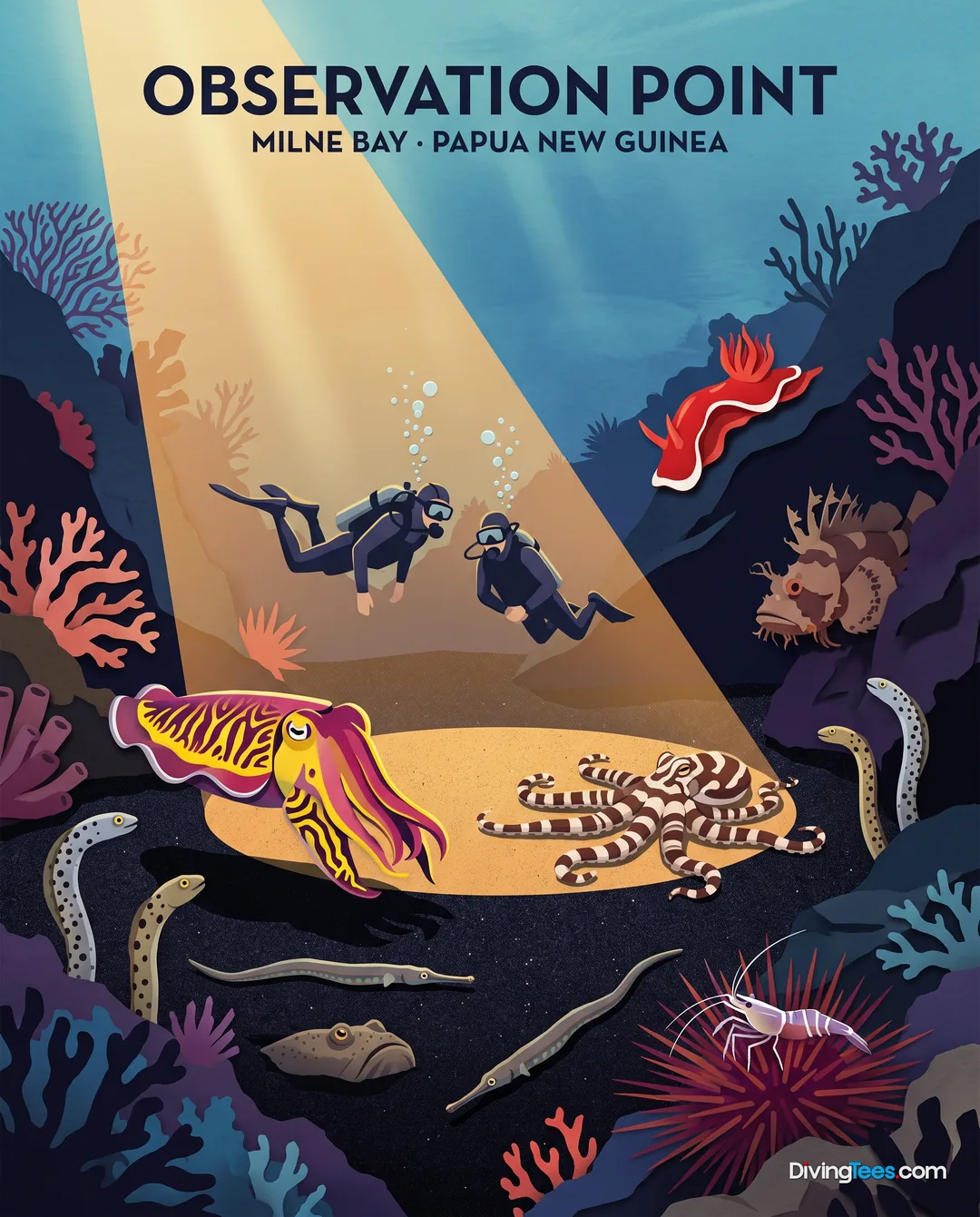
The true allure of Lawadi Beach lies in its resident creatures, which manifest from the very shallowest points down to the recommended maximum depths. Your focus here will be on the intricate details of the reef: the elusive Mimic Octopus (Thaumoctopus mimicus) often observed at various depths, showcasing its remarkable ability to impersonate other marine animals. Patient observation is often rewarded with encounters with several species of Ghost Pipefish (Solenostomidae), camouflaged perfectly against the soft corals and hydroids, their elongated forms swaying with the surge.
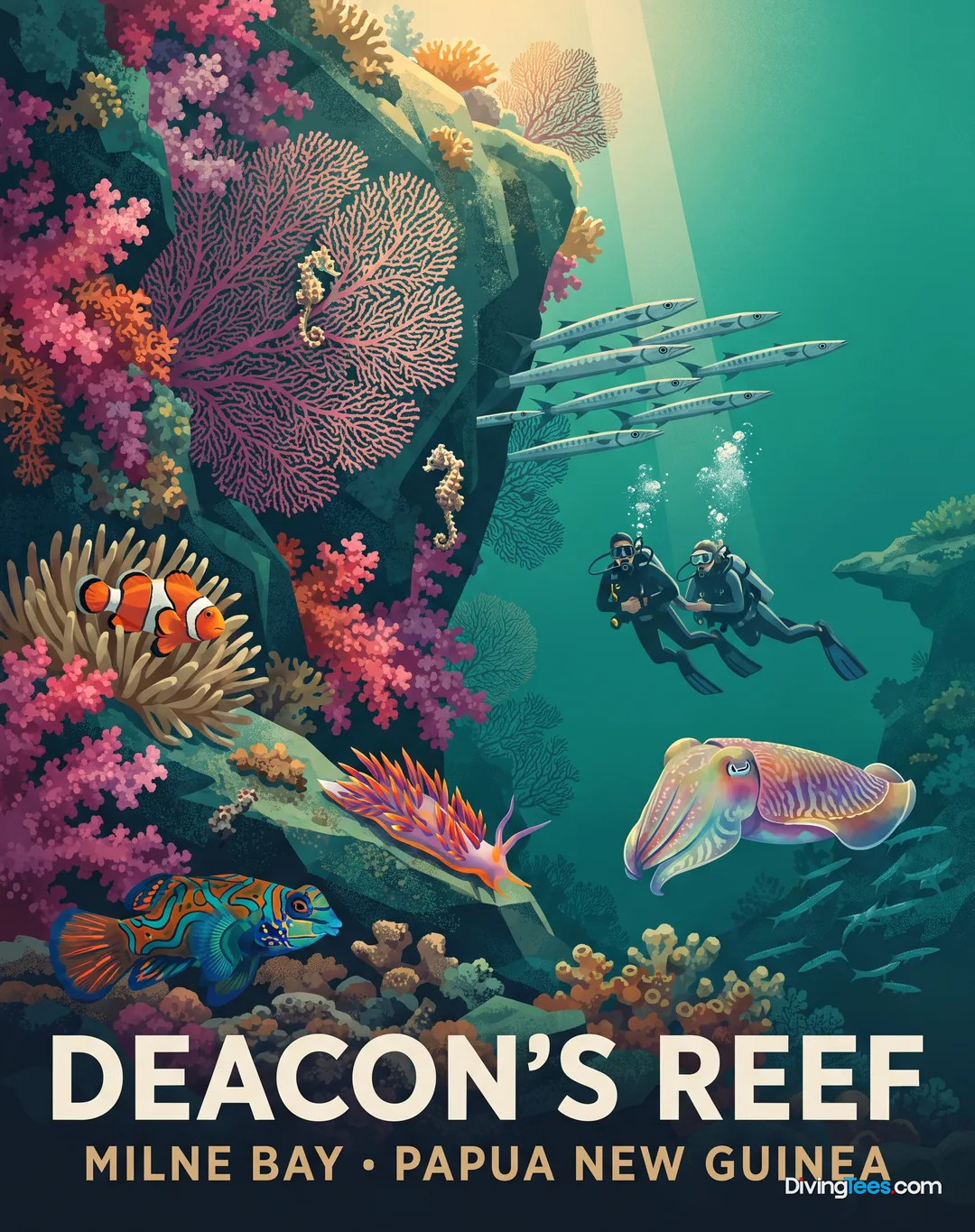
Keep your eyes peeled for the cunning Frogfish (Antennariidae), masters of disguise that blend seamlessly with their surroundings, waiting for unsuspecting prey to pass by. These ambush predators are a highlight for macro enthusiasts, often found clinging to sponges or coral heads. The vibrant and numerous Nudibranchs (Nudibranchia) also punctuate the reef with their vivid colors and complex patterns, a testament to the rich biodiversity of this particular slope.
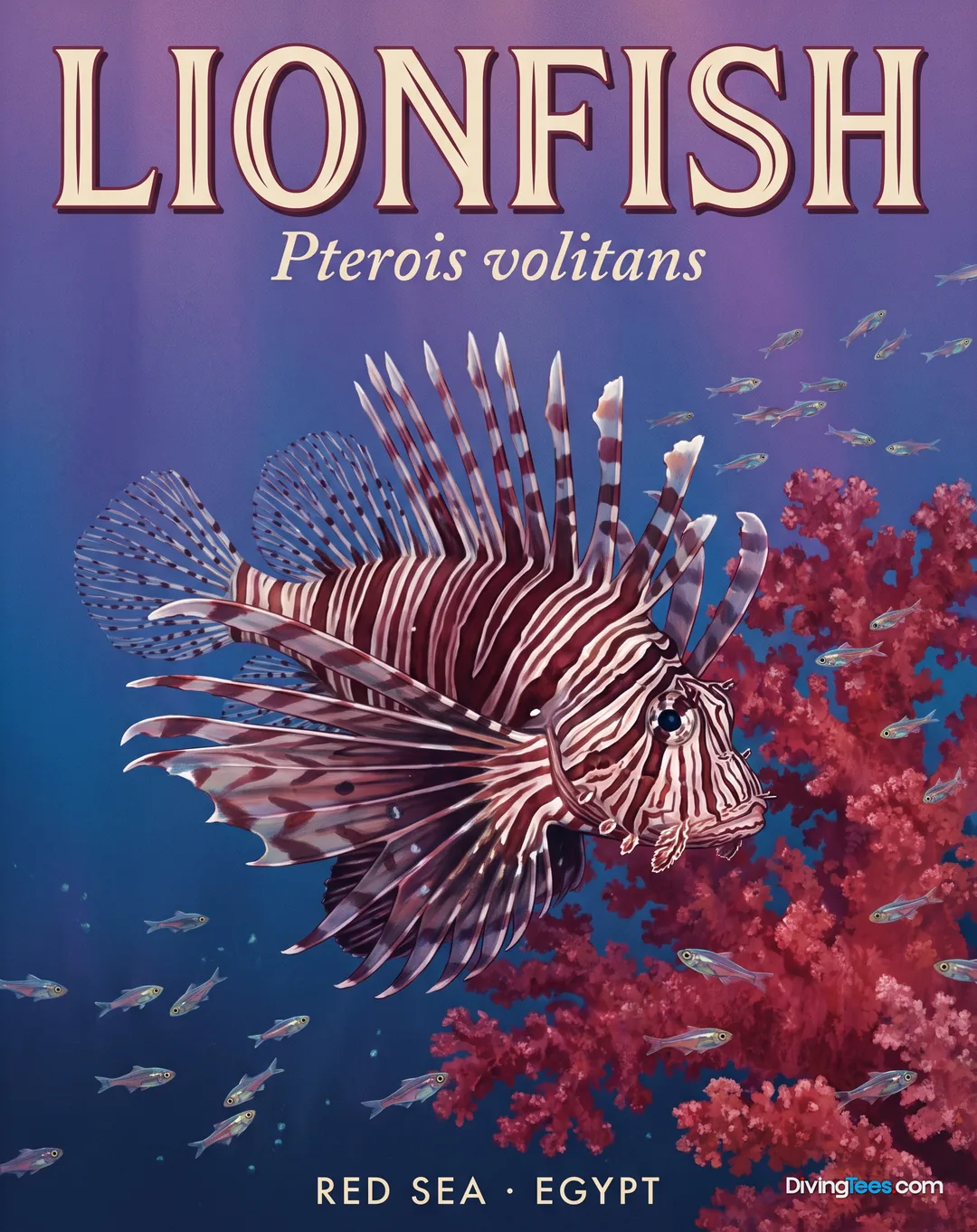
Among the other fascinating inhabitants, you might spot various species of Octopus (Octopoda) and Cuttlefish (Sepiida), demonstrating their intelligent curiosity and changing colors with impressive rapidity. Lionfish (Pterois), with their distinctive venomous spines, are also a common sight, often seen hovering near ledges or within small crevices. The diligent search can also reveal the delicate Coleman Shrimps (Periclimenes colemani), often found in symbiosis with fire urchins, adding another layer of intricate life to discover within the reef's tapestry.
Lawadi Beach is accessible to divers with varying experience levels, offering depths from a shallow 1 meter extending down to over 100 meters. Divers can expect very gentle to mild currents, making for a relaxed and accommodating dive experience. The prime period for diving in Milne Bay, encompassing Lawadi Beach, generally runs from June to August, offering optimal visibility during the wet season, with conditions remaining good to excellent until mid-December.
You can dive Lawadi Beach throughout the year, with the prime period in Milne Bay generally running from June to August. Visibility is described as optimal during the wet season, while conditions remain good to excellent until mid-December, giving you a broad seasonal window for planning your visit.
Lawadi Beach is accessible to divers with varying experience levels. You begin with a gentle entry from the pebble beach and a shallow seabed that slopes gradually to about six meters, giving you space to acclimatize before reaching the steeper descent into deeper water.
Lawadi Beach offers depths from one meter to beyond one hundred meters. The dive starts on a shallow plateau, then changes to a steep slope descending at roughly forty-five to fifty degrees. You can follow the topography from the beach toward deeper sections, according to your planned maximum depth.
You can expect very gentle to mild currents at Lawadi Beach. While exploring the slope, look for Mimic Octopus, Ghost Pipefish, camouflaged Frogfish, Nudibranchs, Octopus, Cuttlefish, Lionfish, and Coleman Shrimps living in symbiosis with fire urchins. The site combines relaxed conditions with detailed reef life to observe.