

Tawali Dive Center
Google 4.6/5 (89 reviews)
Milne Bay · Papua New Guinea · Pacific
Max. depth · 25 mDescend along a fringing reef connected by a corridor to two grand bommies, where barracuda school and reef sharks patrol.
Located about an hour and twenty minutes' boat ride along Milne Bay's north-east coast, Twin Tower presents a distinctive underwater topography. The dive begins on a vibrant fringing reef that slopes gently to a depth of 10 to 12 metres before giving way to a more dramatic drop-off. This reef then leads into a corridor, extending deeper, creating a natural channel that guides divers towards the site's most prominent features, ensuring a sense of direction even in a diverse environment.
The hallmark of Twin Tower lies in its namesake structures: two substantial bommies, acting like underwater sentinels, rising from the depths and connected back to the main reef. Traversing this corridor between the reef and the bommies is where the action often picks up, as the open water proximity increases the chances of encountering larger marine life. This unique layout creates distinct zones for exploration, from the shallower reef to the exposed bommies.
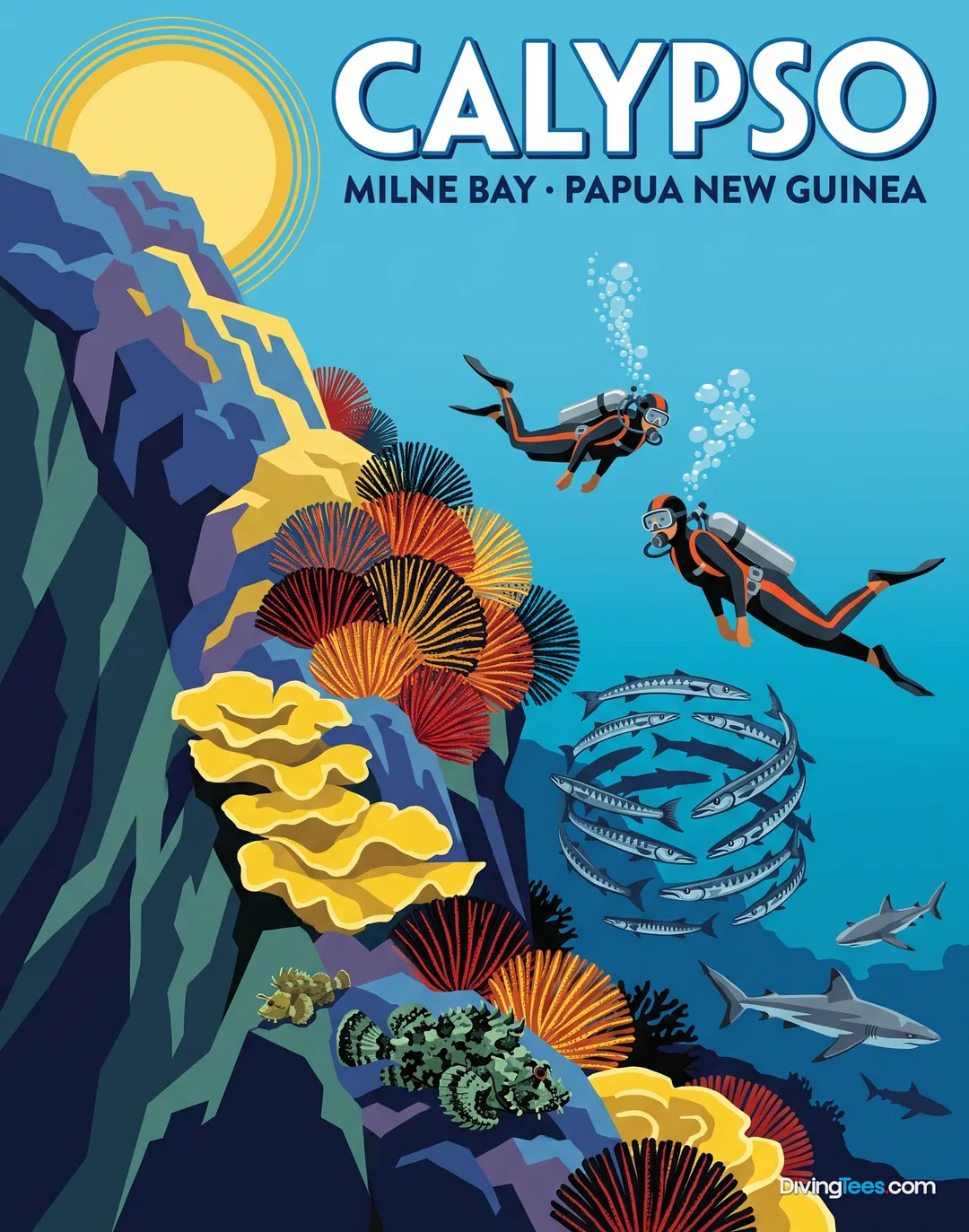
As you move along the drop-off and navigate the corridor towards the bommies, keep a keen eye out for Grey Reef Sharks (Carcharhinus amblyrhynchos) which are regularly sighted patrolling these deeper sections. Their presence indicates a healthy ecosystem and adds a tangible excitement to the dive. Accompanying them are often sizeable schools of barracuda, their silvery forms shimmering in formation as they glide through the currents, a truly immersive experience.
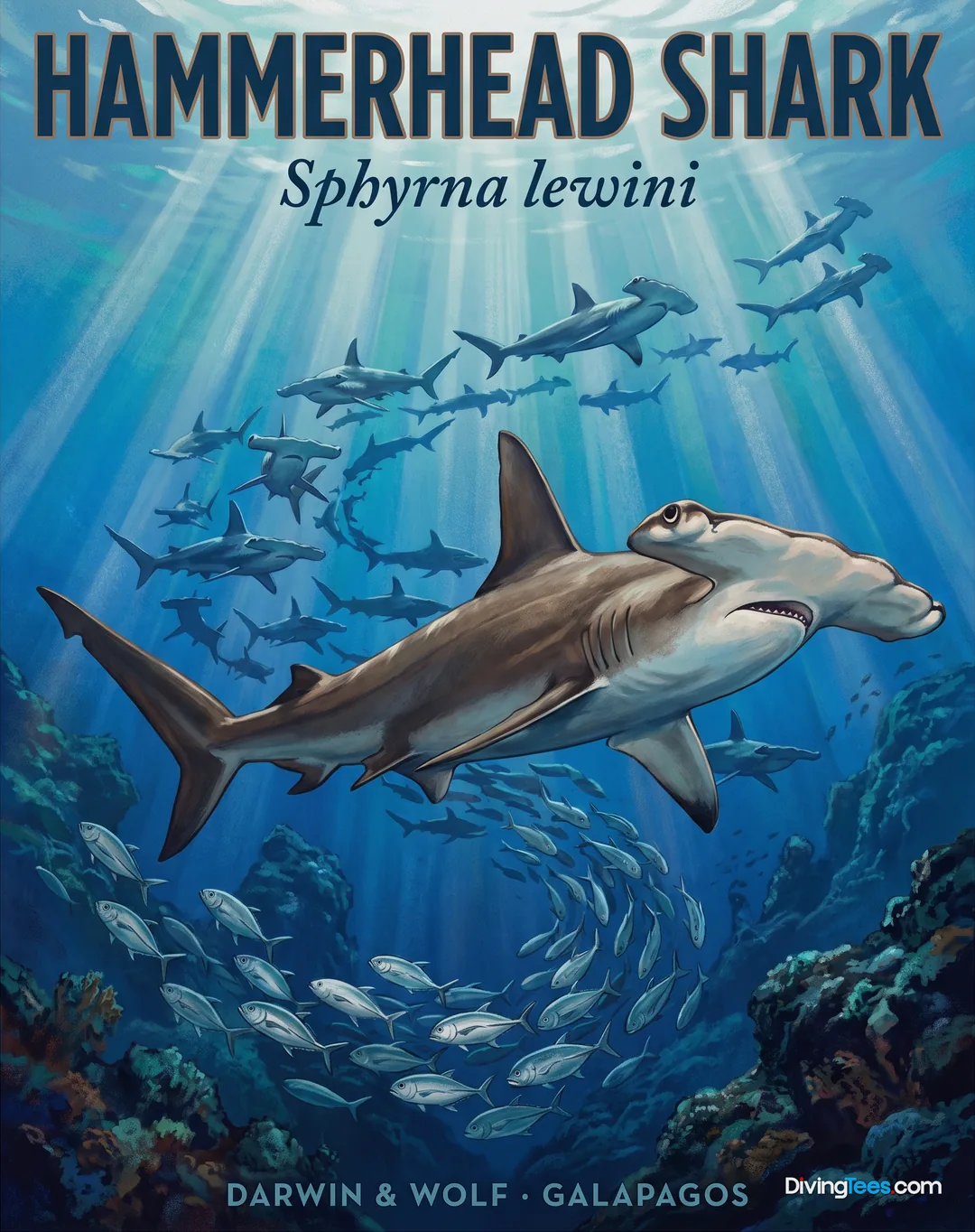
The journey between the bommies and the main reef is a prime location for pelagic encounters. Divers are encouraged to scan the blue for the distinctive silhouettes of Hammerhead Sharks (Sphyrna lewini), which are known to pass through this area. Additionally, the graceful, powerful movements of Devil Rays (Mobula alfredi) can also be observed here, making this transitional zone a focal point for divers seeking larger oceanic species.
This dive site is accessible from a minimum depth of 10 metres, gradually descending to a maximum operational depth of 25 metres. For safety, the use of a safety buoy is required on all dives at Twin Tower. The region typically experiences good to excellent visibility, with the wet season from June to August generally offering optimal conditions. Water temperatures consistently range between 25°C and 29°C.
Twin Tower generally offers good to excellent visibility, with the wet season from June to August generally providing optimal conditions. Water temperatures remain between 25°C and 29°C. These conditions support exploration from the fringing reef through the corridor and around the bommies along Milne Bay’s north-east coast.
Twin Tower starts at a minimum depth of 10 metres and reaches a maximum operational depth of 25 metres. The fringing reef slopes gently to 10 to 12 metres before leading to a deeper drop-off, corridor and bommies. You can explore distinct shallower and deeper zones during the dive.
At Twin Tower, you can look for Grey Reef Sharks patrolling the deeper sections and large schools of barracuda moving through the water. The corridor between the reef and bommies also offers potential sightings of Hammerhead Sharks and opportunities to observe Devil Rays in the blue.
A safety buoy is required on all dives at Twin Tower. You follow a route that begins on the fringing reef, continues along the drop-off and through a corridor, then reaches two substantial bommies connected to the main reef. This layout provides distinct areas to explore while carrying the required buoy.