

Loloata Dive Resort
Google 4.4/5 (523 reviews)
5.3 km away as the crow flies
Port Moresby · Papua New Guinea · Pacific
Descend along a vertical reef face in Port Moresby where large gorgonian fans meet the open ocean, offering encounters with pelagic life and intricate reef dwellers.
For subtitles in English: start the video firstthen click the gearat the top right of the video, select “Subtitles/CC”, then “Auto-translate” and choose “English”.
Dropping into The Big Drop, you immediately feel the impressive scale of this sheer wall dive just offshore from Port Moresby. The reef face plunges vertically, a vibrant canvas teeming with life, inviting you to explore its contours as you descend into the blue. The clear waters here often reveal the wall's topography from a distance, hinting at the diversity awaiting you on your journey down and along its face. The shallow reef flat at the top of the wall lies around 8 to 10 metres and is densely covered in hard corals, providing a bright, active entry point before the drop-off.
As you move further down the wall, the reef's character shifts, transitioning into deeper sections adorned with large gorgonian fans. These ancient, intricate structures provide habitat and shelter for a variety of smaller creatures, creating micro-ecosystems within the grand expanse of the wall. Keep your eyes peeled for the subtle movements that betray the presence of its more elusive inhabitants, particularly the pygmy seahorses (Hippocampus bargibanti) which are masters of camouflage nestled within specific gorgonian corals.
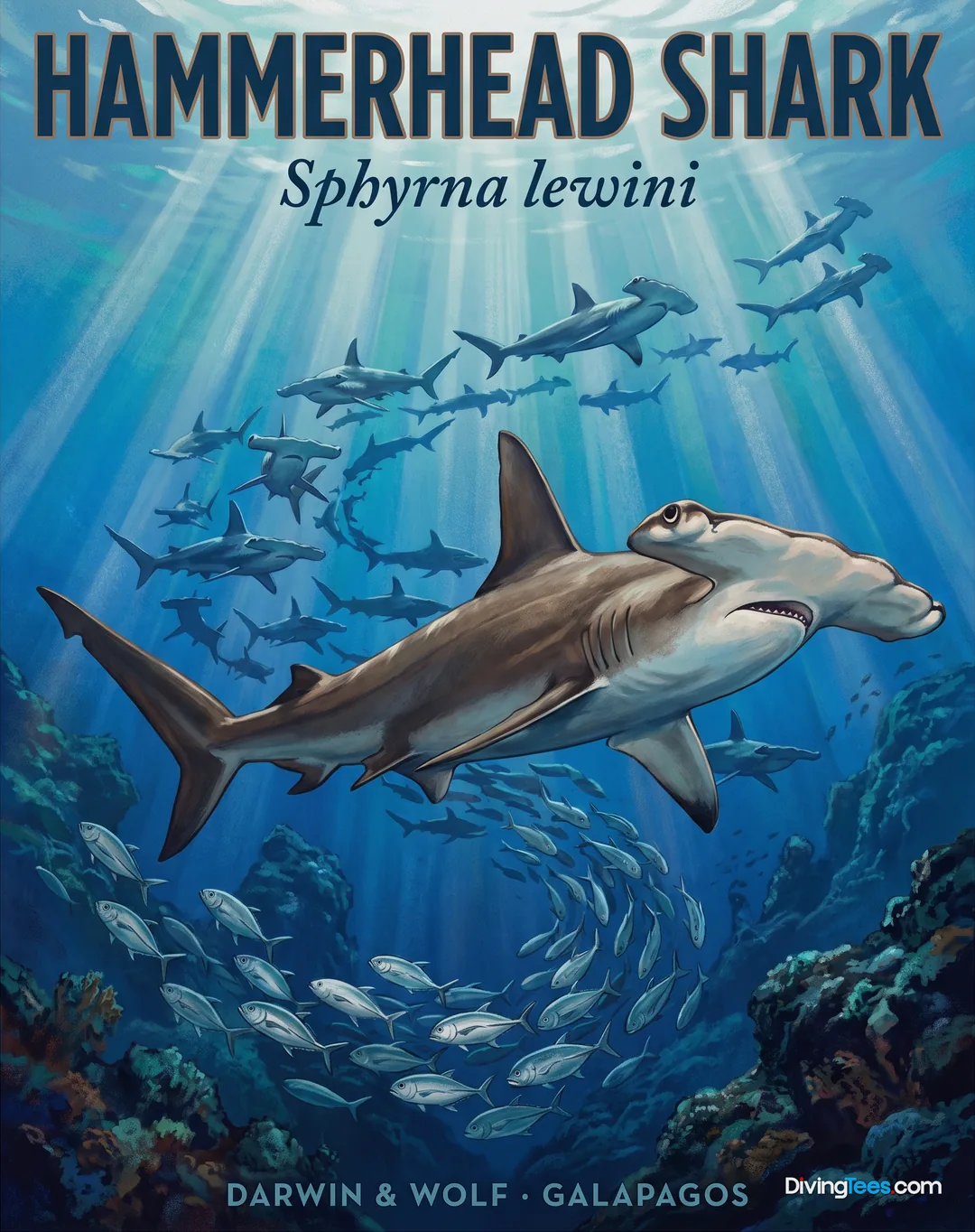
The open water adjacent to The Big Drop frequently offers the compelling prospect of encountering larger pelagic species. Sharks and rays are known visitors to this area, patrolling the depths and cruising along the wall, drawn by the rich food sources found here. A keen watch outwards into the blue can often reward you with a glimpse of these powerful ocean predators as they glide past the reef, with Bronze whaler sharks, Silvertip sharks, and hammerhead sharks reported beyond the wall.
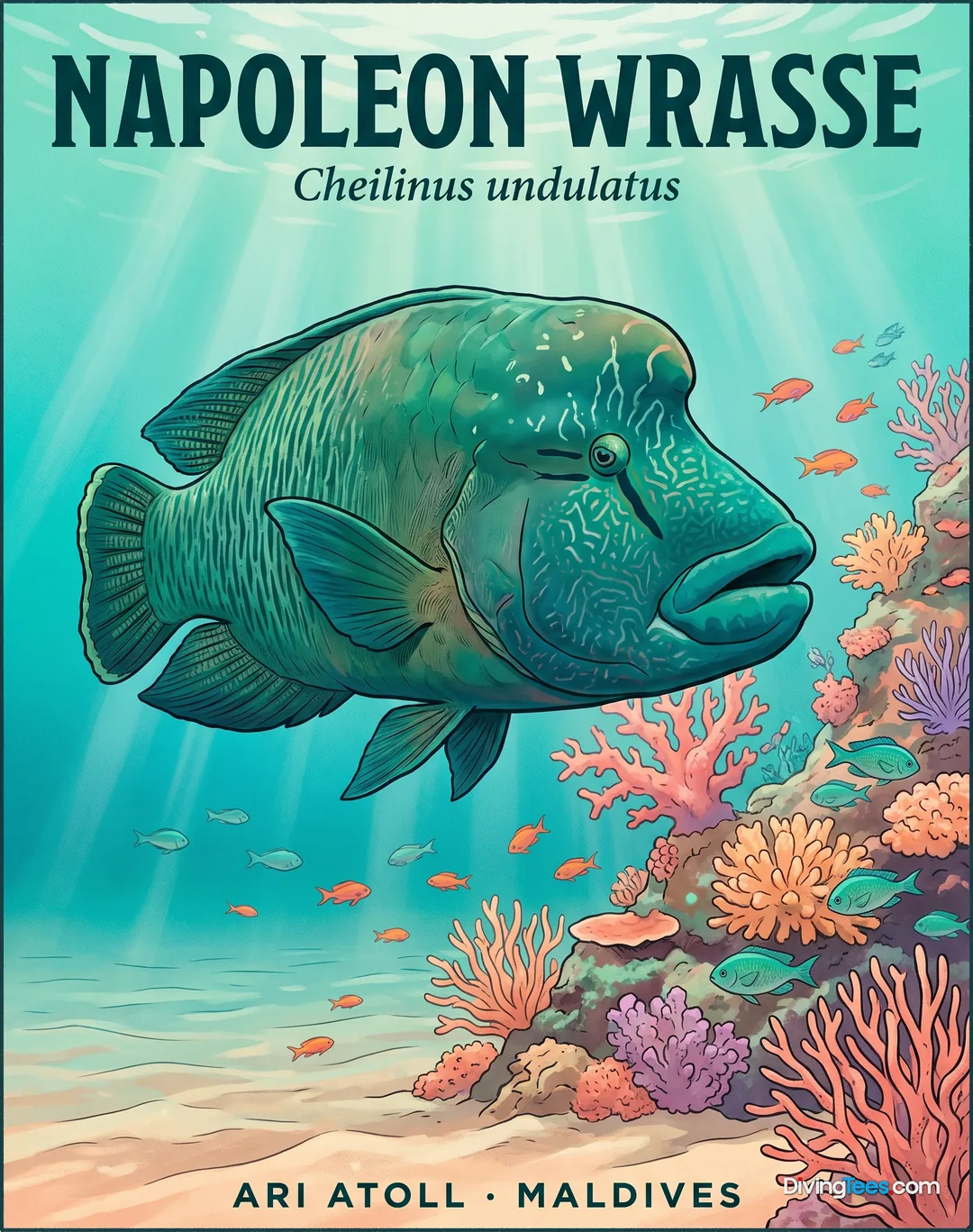
Beneath the surface, the wall supports an abundant and diverse fish population, a constant flurry of activity that keeps the reef vibrant. Schools of fish flit between the corals and crevices, while individual species like the Napoleon wrasse pick their way along the reef face. This continuous movement and interaction paint a dynamic picture of a healthy and thriving marine ecosystem, a testament to the richness of the waters and the site's position on the ocean side.
This wall dive starts at a minimum depth of 8 metres on the reef top, with the wall plunging significantly deeper. Currents at The Big Drop can be variable, often running along the point of the wall; when present, they can enhance the diving experience by bringing in pelagic life. The best time to dive here is from late October until early December, when seas are typically calm and visibility is good. During this period, water temperatures range between 25°C and 30°C.
Plan your visit from late October until early December, when seas are typically calm and visibility is good. During this period, water temperatures range between 25°C and 30°C, creating favorable conditions for exploring the hard coral reef top and the wall beyond it.
The Big Drop begins on a reef top at a minimum depth of 8 metres, with the shallow reef flat lying around 8 to 10 metres. From there, the site becomes a sheer wall that plunges significantly deeper, with large gorgonian fans decorating its deeper sections.
Currents at The Big Drop can be variable and often run along the point of the wall. When present, they can enhance your dive by bringing pelagic life into view. Pay attention to the open water beside the wall as you explore its contours and look outward for passing animals.
You can explore hard corals across the reef top, large gorgonian fans deeper down, and abundant fish life throughout the reef. Look for pygmy seahorses within specific gorgonian corals, Napoleon wrasse along the wall, and possible sightings of Bronze whaler, Silvertip, and hammerhead sharks.