
Wonderful Dive Port Galib
★ 4.9/5 (479 reviews)
Marsa Alam · Egypt · Red Sea
Max. depth · 17 mThe Abu Ghusun Wreck offers a unique blend of natural coral gardens and a compelling shipwreck, showcasing the Red Sea's power to reclaim and transform.
For subtitles in English: start the video firstthen click the gearat the top right of the video, select “Subtitles/CC”, then “Auto-translate” and choose “English”.
The Abu Ghusun Wreck, also known as Wadi Gimal, offers a distinctive dive experience in the Marsa Alam region, uniquely blending natural and artificial reef elements. The site is primarily characterized by an expansive, shallow coral garden that sprawls across the seafloor, featuring vibrant hard and soft corals forming intricate structures and scattered coral blocks that rise from the sandy bottom, providing diverse microhabitats. Tucked amidst these living reef formations, divers will discover the compelling silhouette of a shipwreck, the "Hamada." This 499-tonne cargo ship met its fate in 1993 while carrying polyethylene beads from Jeddah to Suez, ultimately coming to rest on the Abu Ghusun reef.
The wreck is not just an artificial structure; it’s a living monument to the Red Sea's power to reclaim and transform. After a short 15-minute swim from the shore, divers are directly above the wreck, ready to explore its surprisingly rich ecosystem. The Hamada lies in several distinct pieces, allowing for various swim-throughs and exploration angles. Though relatively recent in its sinking, its hull is already beautifully adorned, with hard and soft corals beginning their colonization, painting the metal surfaces with vibrant colors and creating an immediate sense of an established reef. This organic growth provides shelter and feeding grounds, drawing in a resident population of fish and other creatures.
Sunlight penetrates beautifully, illuminating the scattered sections and highlighting the rich textures of the growing coral. The wreck’s structure, combined with its shallow profile, offers generous bottom time and ample opportunity to observe its inhabitants in detail. As you navigate around the wreck, observe how the marine ecosystem has integrated it into its fabric, with coral polyps beginning to colonize its surfaces.
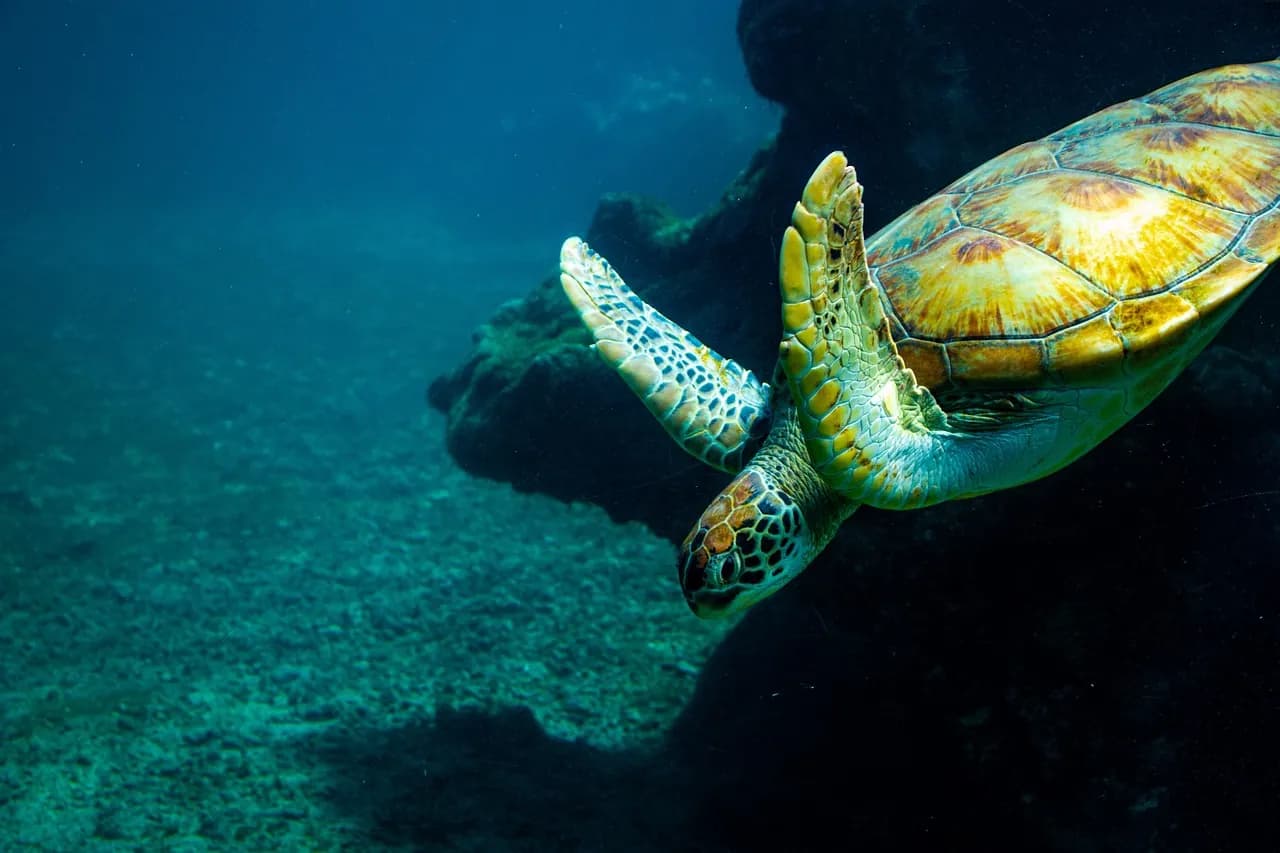
Expect to encounter a vibrant cross-section of Red Sea reef life directly on and around the wreck. Large groupers (Epinephelinae) are often seen lurking within the shadows of the hull, masters of camouflage, waiting for an opportune moment to strike. The iconic Napoleon wrasse (Cheilinus undulatus), with its distinctive hump, cruises gracefully, adding a touch of grandeur to the underwater scene. These gentle giants are a highlight for many divers, often curious and unafraid. The biodiversity within these coral gardens is substantial, and the interaction with the site's unique blend of natural and artificial reef elements is what makes Abu Ghusun stand apart. Here, you are not just observing a coral garden; you are witnessing how life reclaims objects from the human world, creating a dynamic interplay between structure and biological growth. The contrast between the living reef and the silent wreck is a powerful visual. Divers may also encounter turtles and moray eels.
The maximum depth at Abu Ghusun reaches 25 meters, with the wreck itself lying at a comfortable 17 meters, making it an ideal site for divers of all levels, including those looking to hone their wreck diving skills without significant depth challenges. Entry is a short 15-minute swim from shore. Conditions are generally calm, and the Red Sea typically offers pleasant diving conditions.
★★★★★
★ 9.8/10 (1,963 reviews)
★★★★
★ 9.8/10 (1,912 reviews)
★★★★★
★ 9.8/10 (584 reviews)
★★★★★
★ 9.7/10 (569 reviews)
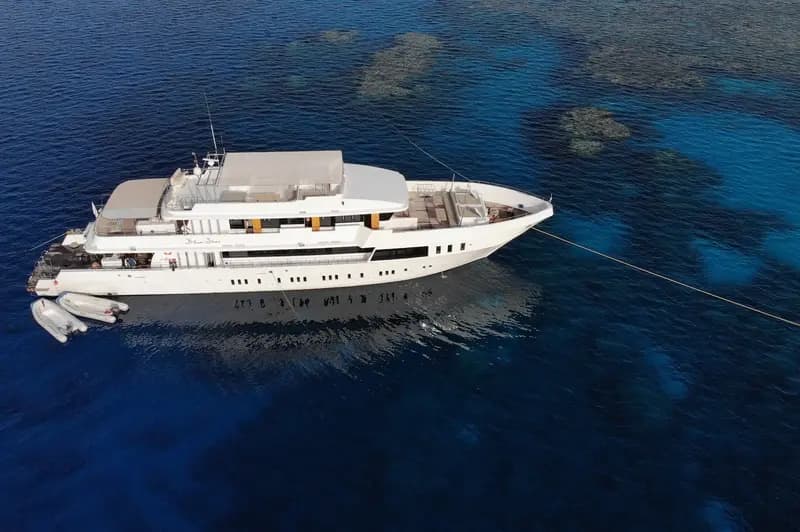
16 liveaboards depart from Marsa Alam another way to explore the region, over several days at sea.

Departing from Port Ghalib
★ 9.6/10 (131 reviews)
from 148 €/day
Discover this boat →

Departing from Port Ghalib
★ 9.2/10 (144 reviews)
from 162 €/day
Discover this boat →
Departing from Port Ghalib
★ 9/10 (89 reviews)
from 133 €/day
Discover this boat →

Departing from Port Ghalib
★ 9.3/10 (36 reviews)
from 137 €/day
Discover this boat →