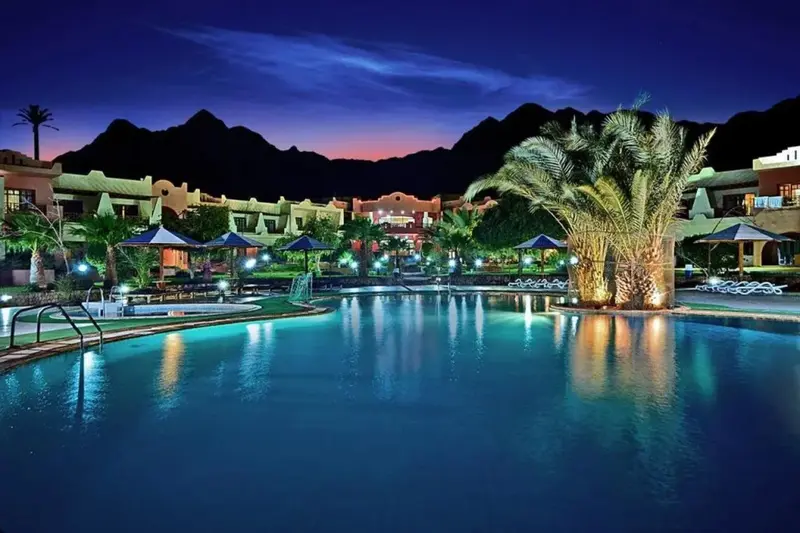



 Dive centre in the hotel
JAZ Dahabeya
★★★★
Google 4.9/5 (10,996 reviews)

The dive centre
Circle Divers Dahab
PADI
Google 4.9/5 (199 reviews)
Dives: Ras Abu Galum, Bells - Blue Hole, The Canyon
Egypt · Red Sea
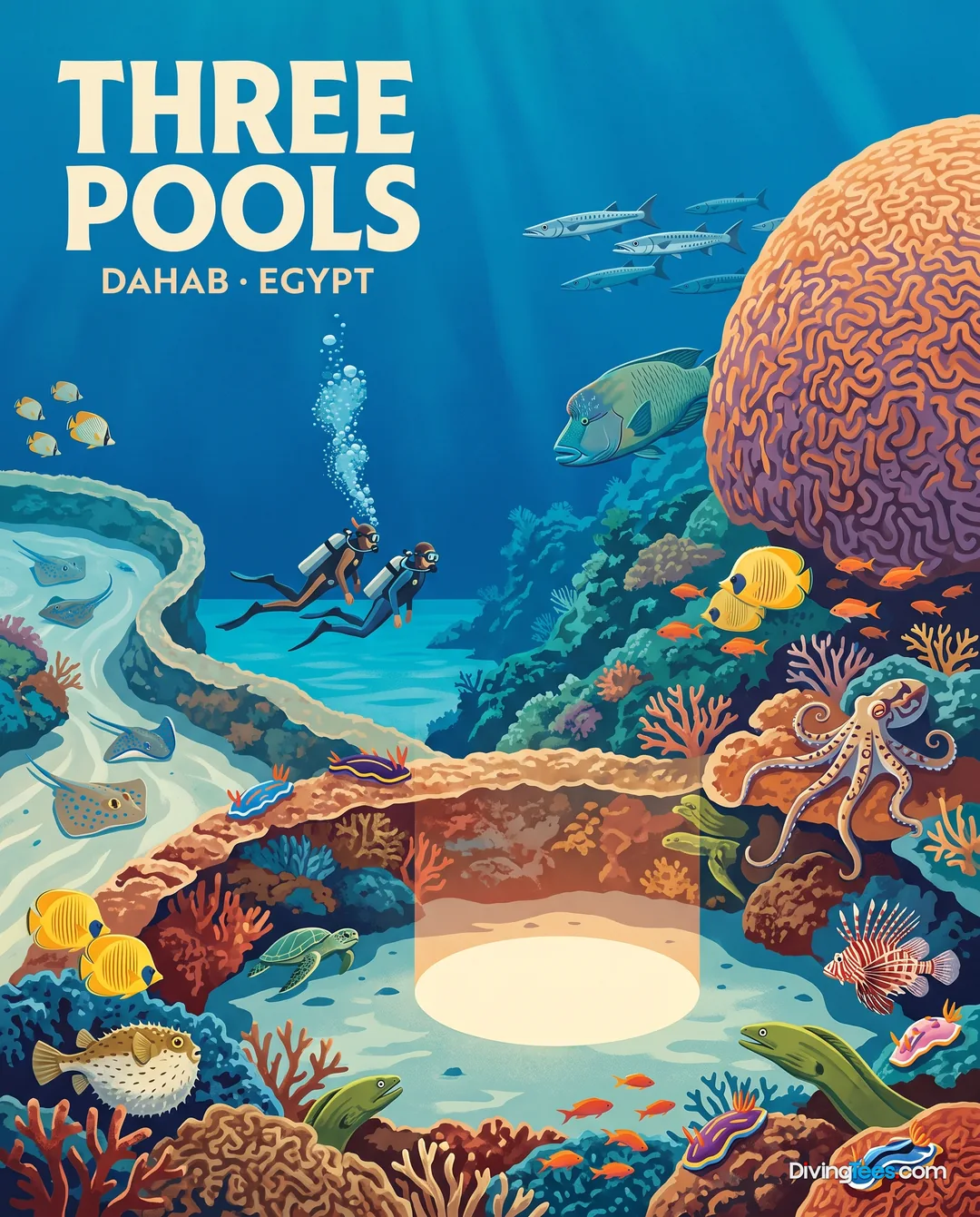
Blue Hole’s 130-metre crater, Lighthouse’s sculpture garden, Three Pools’ shallow lagoons and Ras Abu Galum’s coral drop-offs define Dahab’s diving.
For subtitles in English: start the video firstthen click the gearat the top right of the video, select “Subtitles/CC”, then “Auto-translate” and choose “English”.
The Blue Hole’s vast crater gives Dahab its most recognisable underwater profile, but the town’s appeal is built just as much on easier shore dives. Lighthouse combines calm entry conditions with coral gardens, sand slopes and an underwater military museum, while Three Pools begins in a trio of shallow lagoons. Dahab suits divers who prefer staying in one town, repeating dives from land and choosing between gentle reefs, deeper passages and more demanding sites without relying on a liveaboard.
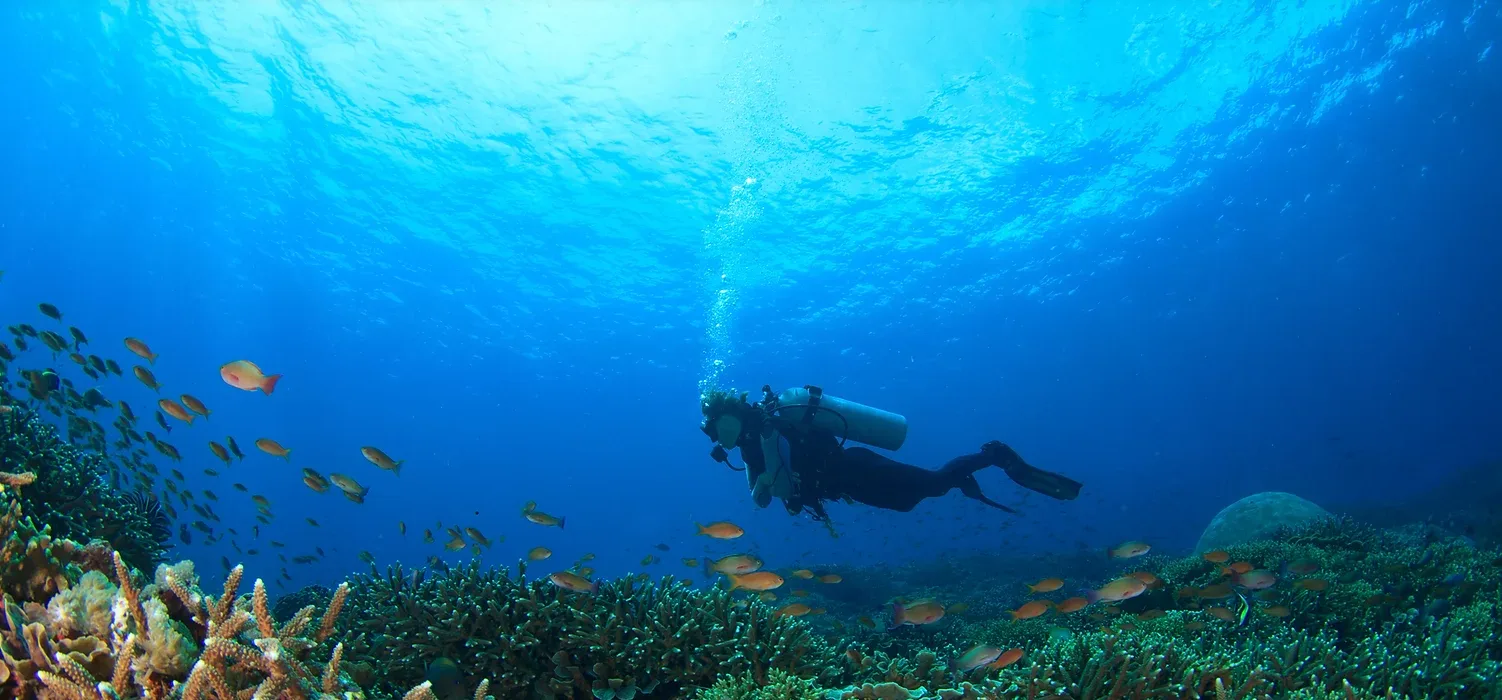
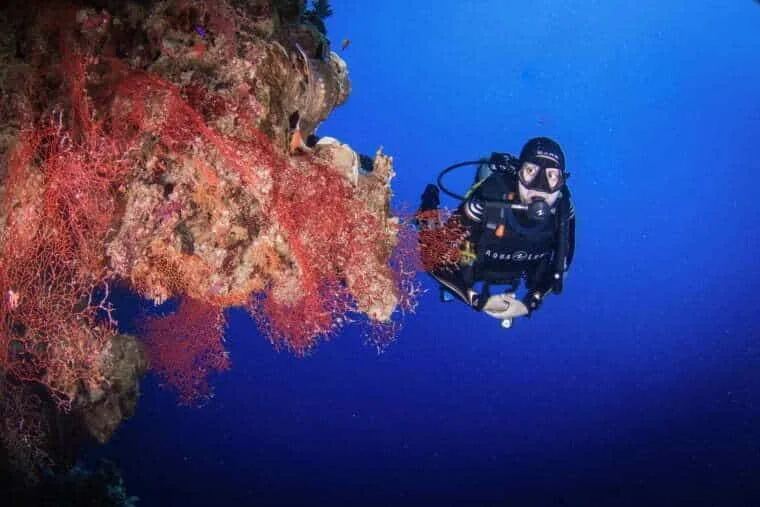
Dahab’s diving is shaped by shore access: entries lead into coral gardens, sandy slopes, seagrass and walls rather than straight from a dive boat into open water. Three Pools stays shallow and sheltered before the reef descends beyond 30 metres. Caves follows a sandy slope to about 22 metres, with overhangs that reward slow finning and attention to the light. Lighthouse is similarly calm, with weak currents and profiles from very shallow water towards deeper structures. Mashraba adds Roman’s Rock, while Ras Abu Galum brings a more serious drop-off and wall character. Currents are generally light around Dahab, though exposed or wider regional sites can vary. Blue Hole demands a different mindset: recreational divers remain within planned limits, while the Arch and deeper sections belong to technical diving. Visibility is generally good, and night diving at Lighthouse adds another reason to stay on land.
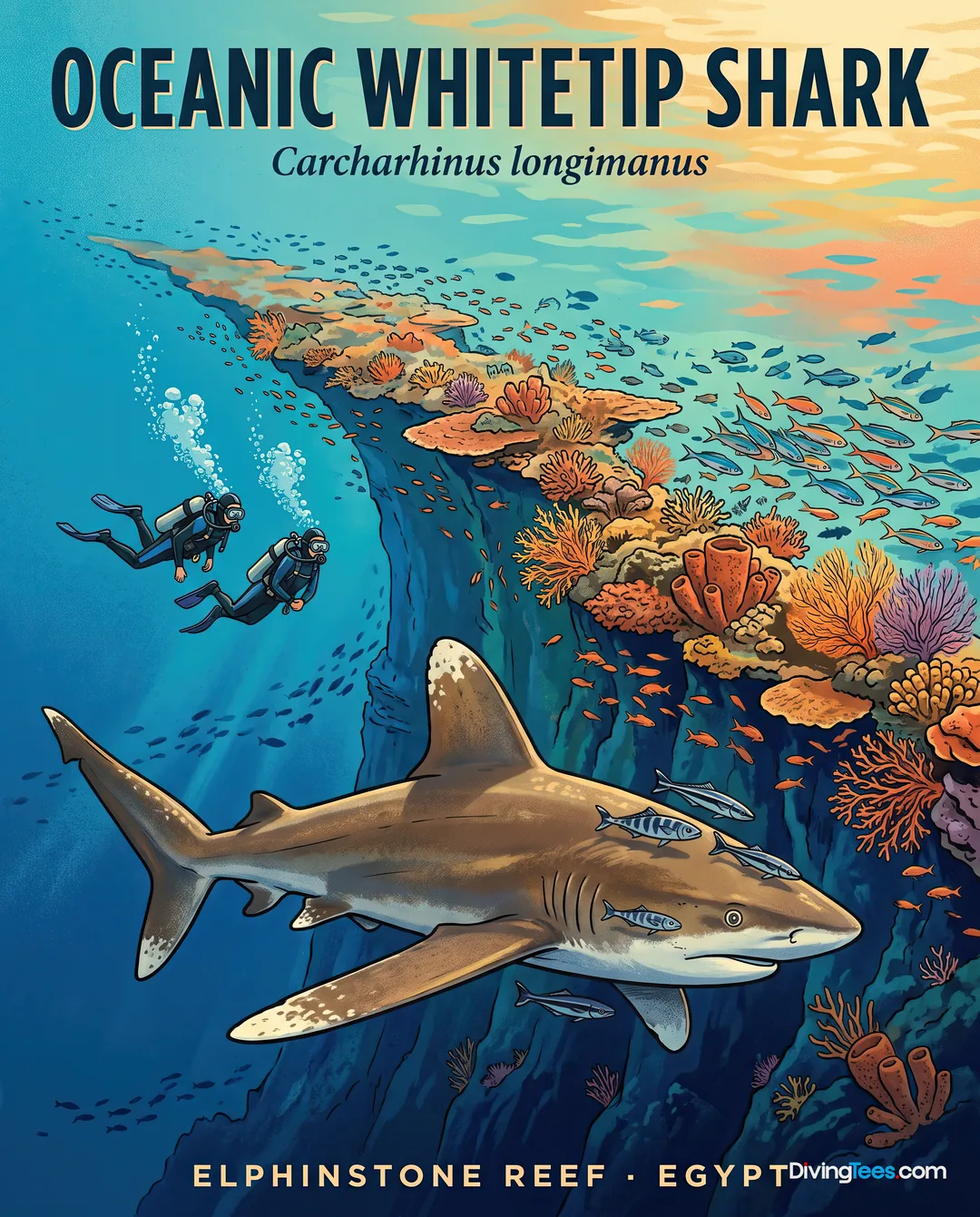
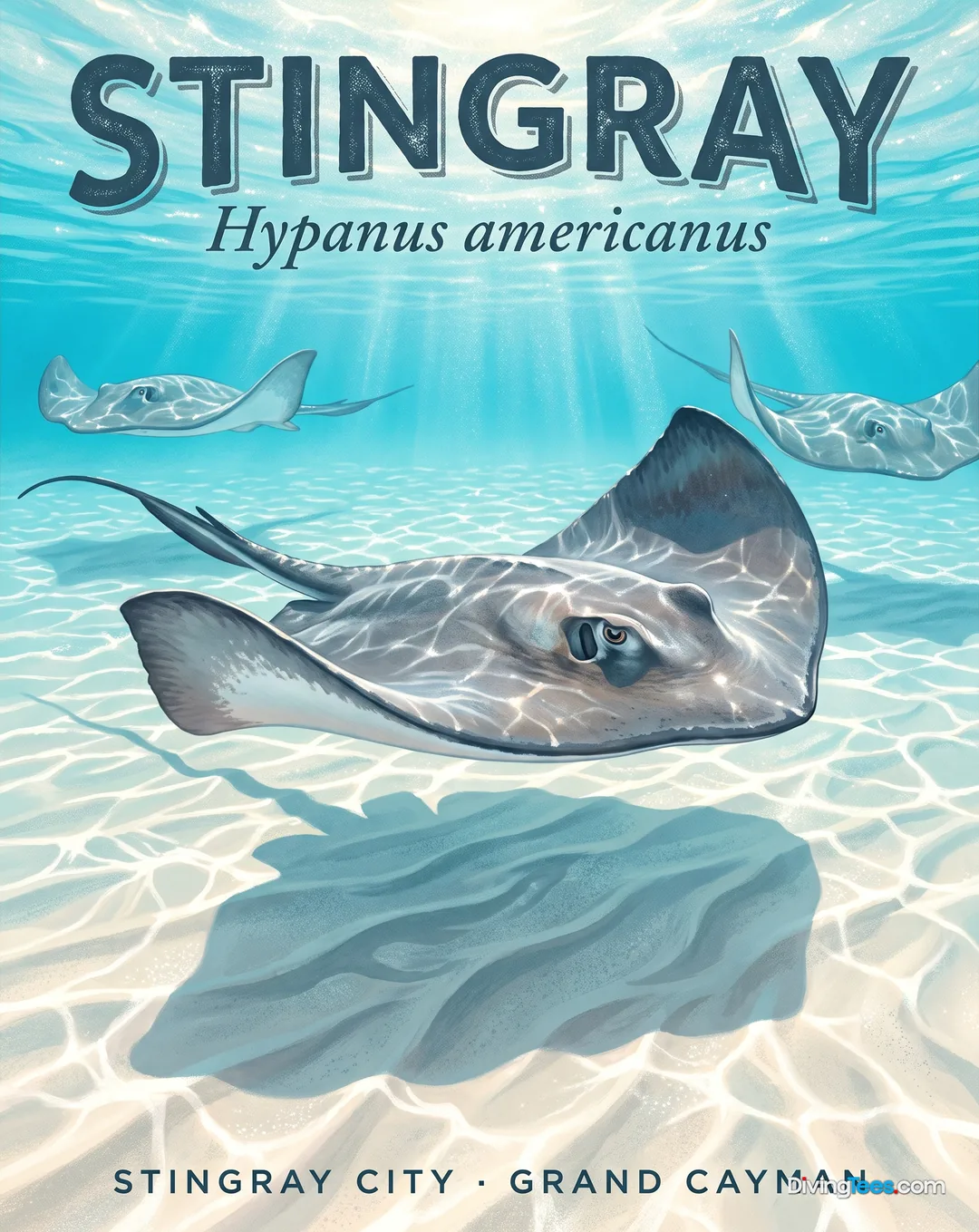
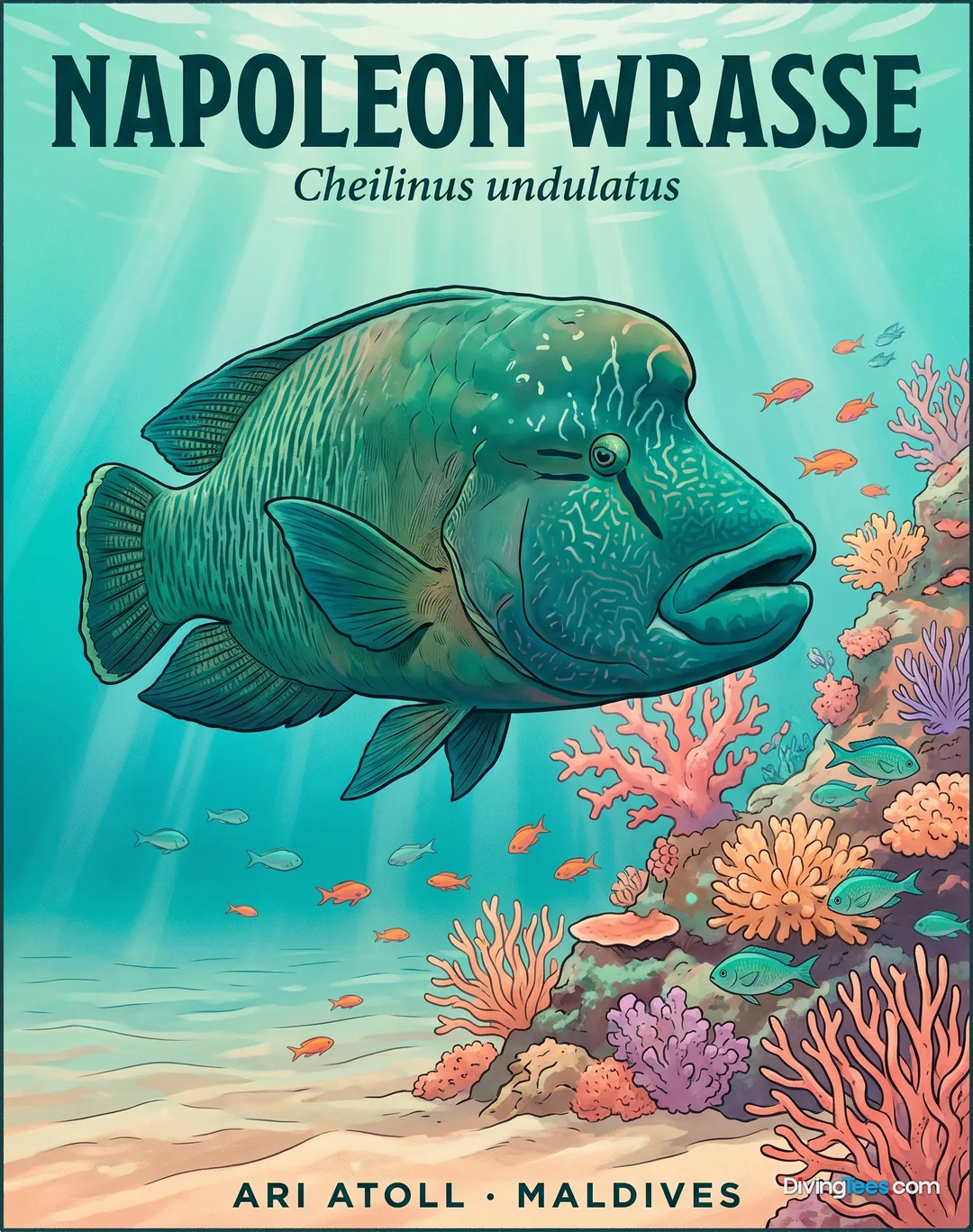
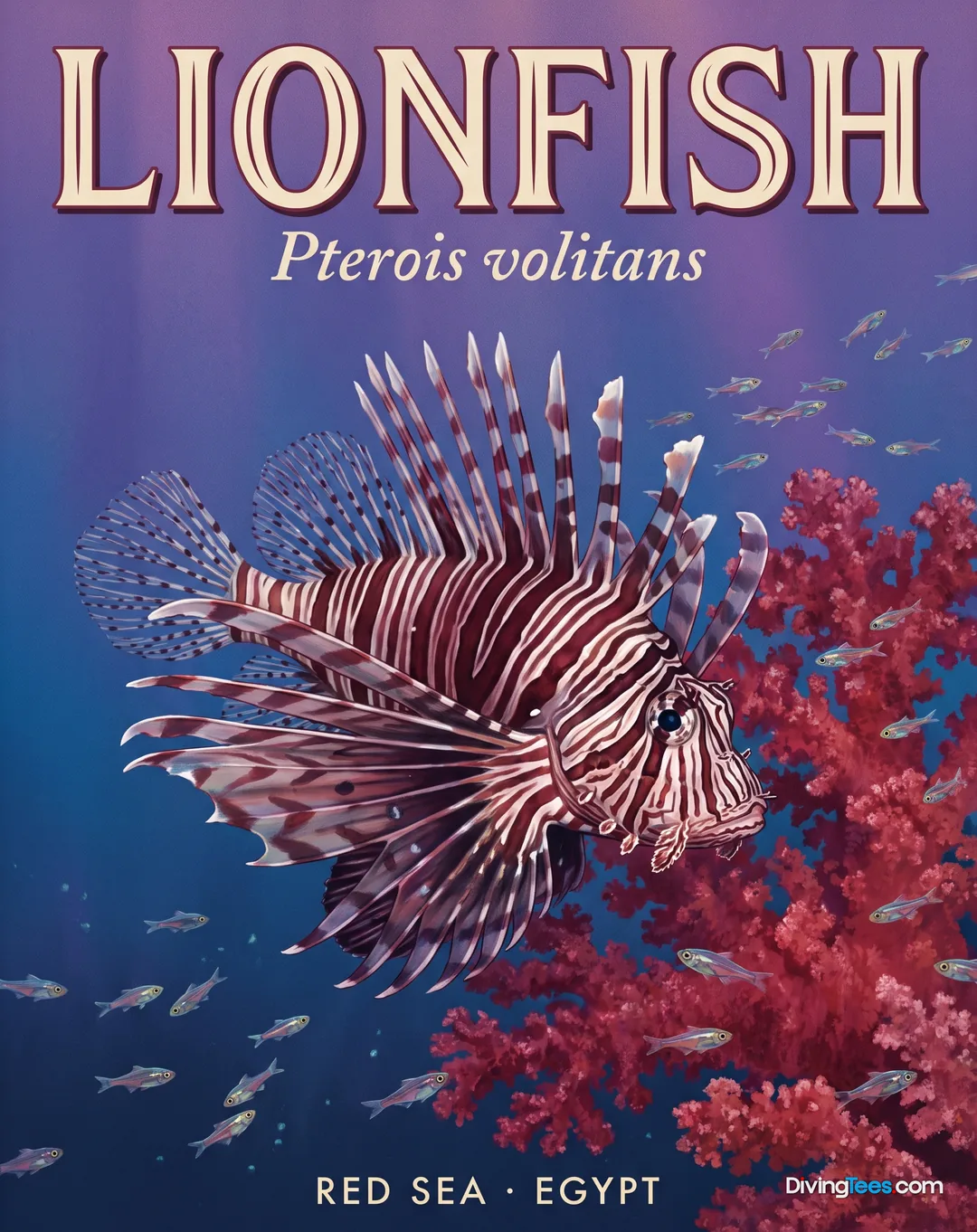
The reefs provide the familiar Red Sea cast without making every dive depend on a single headline animal. Anthias move over the coral, while lionfish, moray eel, grouper, scorpionfish and octopus reward a deliberate pace along the reef and beneath the overhangs. Giant pufferfish and Napoleon wrasse are among the larger, more distinctive encounters. Sea turtle may appear around reef and seagrass areas, particularly at places such as Mashraba, where seahorses are also a reason to inspect rather than simply swim past. Rays, great barracuda and tuna bring the possibility of open-water movement, with reef shark and other larger visitors less predictable. Nudibranchs suit the slower, observant diver. The measured material does not establish a reliable seasonal arrival pattern for these animals, so the sensible approach is to choose sites for their structure and remain alert throughout the year.
The clearest practical window is November to January, when measured conditions show the calmest sea. That matters in Dahab because shore entries and exits are part of the diving day, not a minor detail hidden by a boat crew. April to November brings the lowest rainfall, which can make the land-based holiday more comfortable, although it does not replace checking the day’s sea conditions. There is no single month that removes the need for site selection: sheltered Lighthouse and Three Pools suit relaxed diving, while Blue Hole and exposed walls still require appropriate planning. For a British diver arranging several consecutive days, the calmest winter window is the most straightforward choice, with the drier period offering a useful alternative for those placing equal weight on time out of the water.
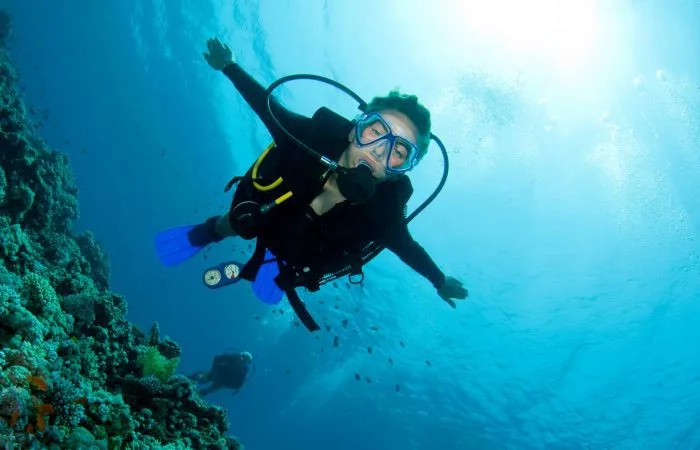
Dahab works for all levels, provided the site is matched to the diver rather than the town’s easygoing reputation. Three Pools, Lighthouse and Caves can suit newer qualified divers, while Mashraba offers deeper options for those with the relevant training. Advanced certification is useful, especially for the Bells-to-Blue-Hole route and for managing depth and buoyancy at signature sites. The Blue Hole’s Arch is technical territory, not an ambitious recreational extension. BSAC, PADI and SSI divers should think in terms of depth limits, entry and exit ability, and comfort in open water rather than simply the name of the qualification.
From London Heathrow, London Gatwick or Manchester, the journey begins with a flight to the Sinai gateway used for the south Sinai coast, followed by an overland road transfer to Dahab. The fixed logistical point is that final road leg: Dahab is reached by driving from the airport area, not by taking a ferry or a domestic flight into the town. It is therefore worth allowing for the road transfer when planning arrival and the first dive day, rather than treating the destination as a direct coastal connection. Once in Dahab, the diving routine is land-based, with shore entries forming the backbone and short boat rides used where appropriate. Staying in town keeps repeated access to the dive areas practical, while the town setting also leaves more flexibility for non-diving companions.
Dahab rewards an early start at its busiest shoreline entries, before the day-trip pattern builds around the famous sites. Bring a well-fitting mask and exposure suit: repeated shore entries make comfort and dependable fit more important than they might be on a boat-only holiday. A conservative weighting setup and surface marker buoy are sensible additions, because an apparently simple swim-in can still involve distance, a change in depth or an awkward exit. Do not let the Blue Hole’s easy roadside access turn into casual depth escalation; keep recreational profiles within training and plan the Bells-to-Blue-Hole route as an Advanced dive. Caves is best approached around high tide and calm sea conditions. Build consecutive dive days into the stay, but leave room for a rest day rather than treating every shore access as automatically usable. On protected-area excursions, follow no-take and no-anchoring rules, and keep hands, fins and souvenirs away from marine life.
A Dahab stay works best with diving arranged in blocks of consecutive days, returning to town between shore entries rather than moving into a liveaboard routine. Easier sites can occupy the first part of the trip, leaving Blue Hole, Ras Abu Galum or deeper Mashraba profiles for days when the diver is settled and properly rested. A non-diving companion has a town to explore, while desert outings, cafés and beachfront downtime provide useful breaks. Snorkelling or quiet shoreline time can replace diving during the 24 hours before flying.
Hello, I'm Marina, DivingDeal.com's AI assistant. I guide you through destinations, areas and countries.
Thinking about the whole trip and the flights? Talk it over with Edith →
Marina is an AI. Some links are affiliate links: DivingDeal may earn a commission, at no extra cost to you. Bookings are made with the partner.
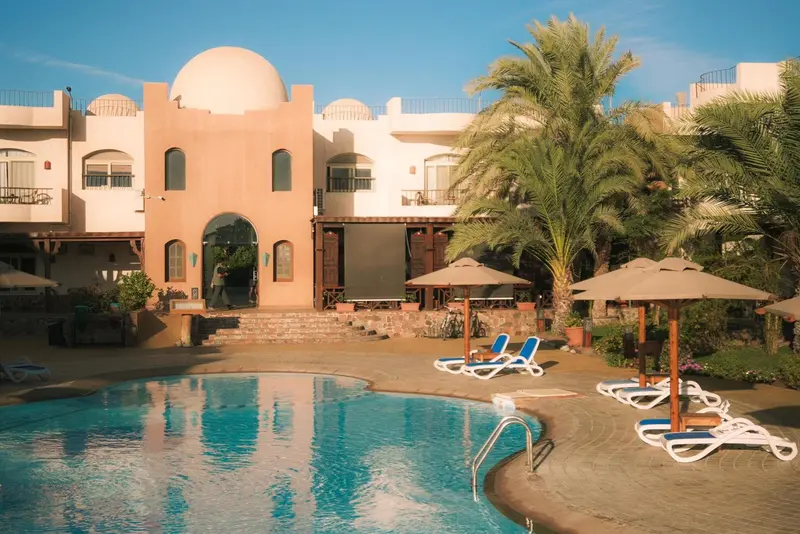
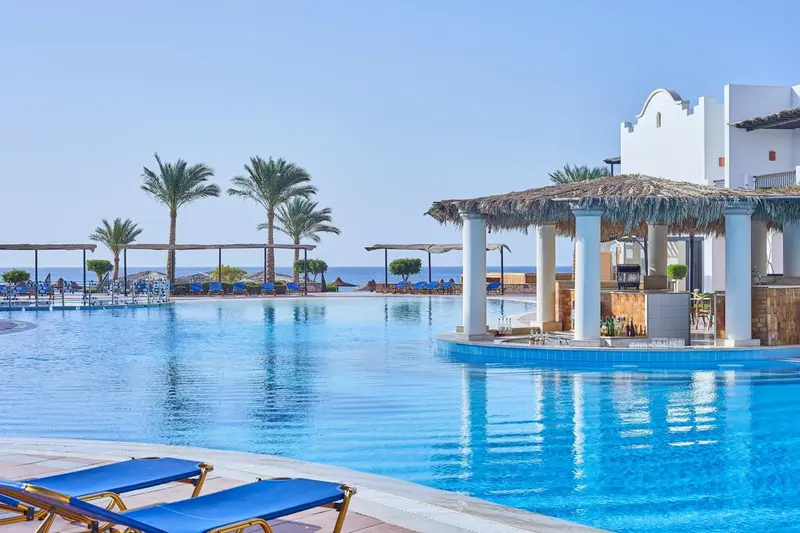
In each one, the dive centre is inside the hotel: step out of your room and go diving.
Dive centre in the hotel★★★★
Google 4.9/5 (10,996 reviews)
The dive centre
Circle Divers Dahab
PADI
Google 4.9/5 (199 reviews)
Dives: Ras Abu Galum, Bells - Blue Hole, The Canyon
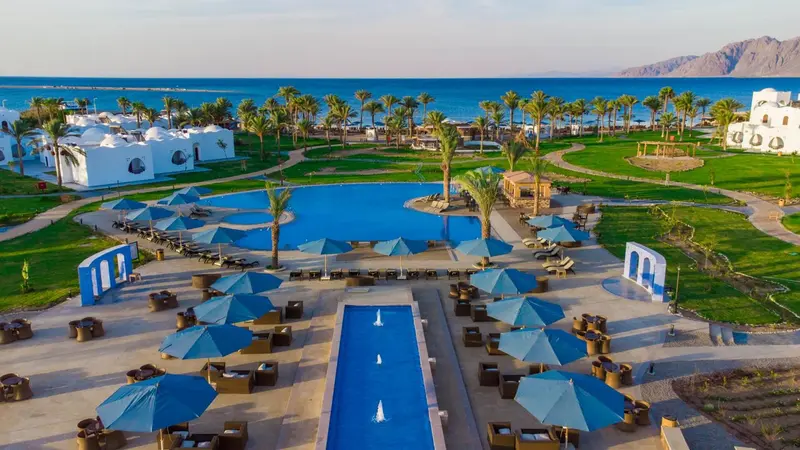 Dive centre in the hotel
★★★★★
Google 4.9/5 (5,563 reviews)
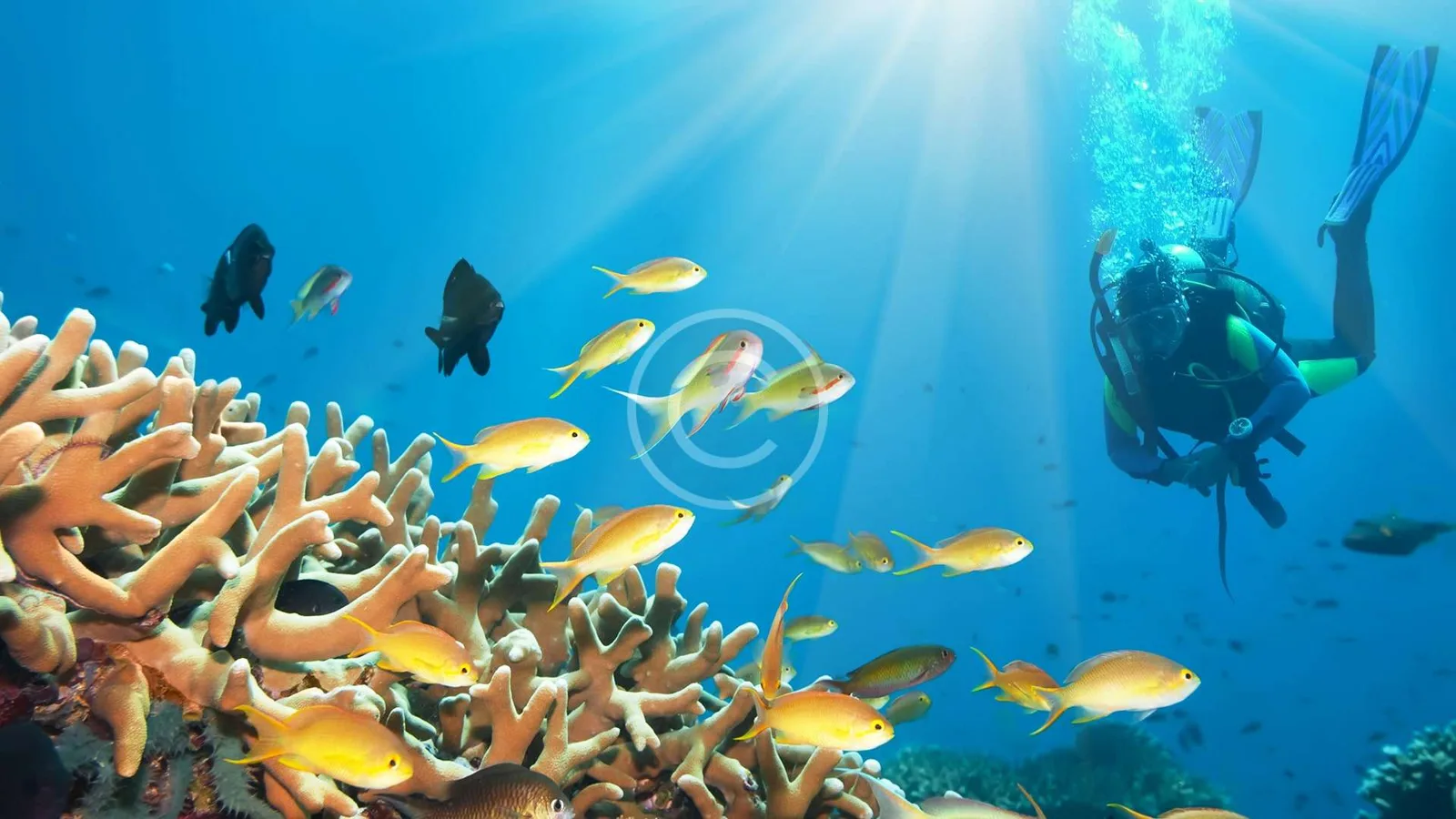
The dive centre
Reef 2000
PADI
Google 4.9/5 (123 reviews)
Dives: Gabr El Bint, Ras Abu Galum, Blue Hole
 Dive centre in the hotel
★★★
Google 4.7/5 (449 reviews)
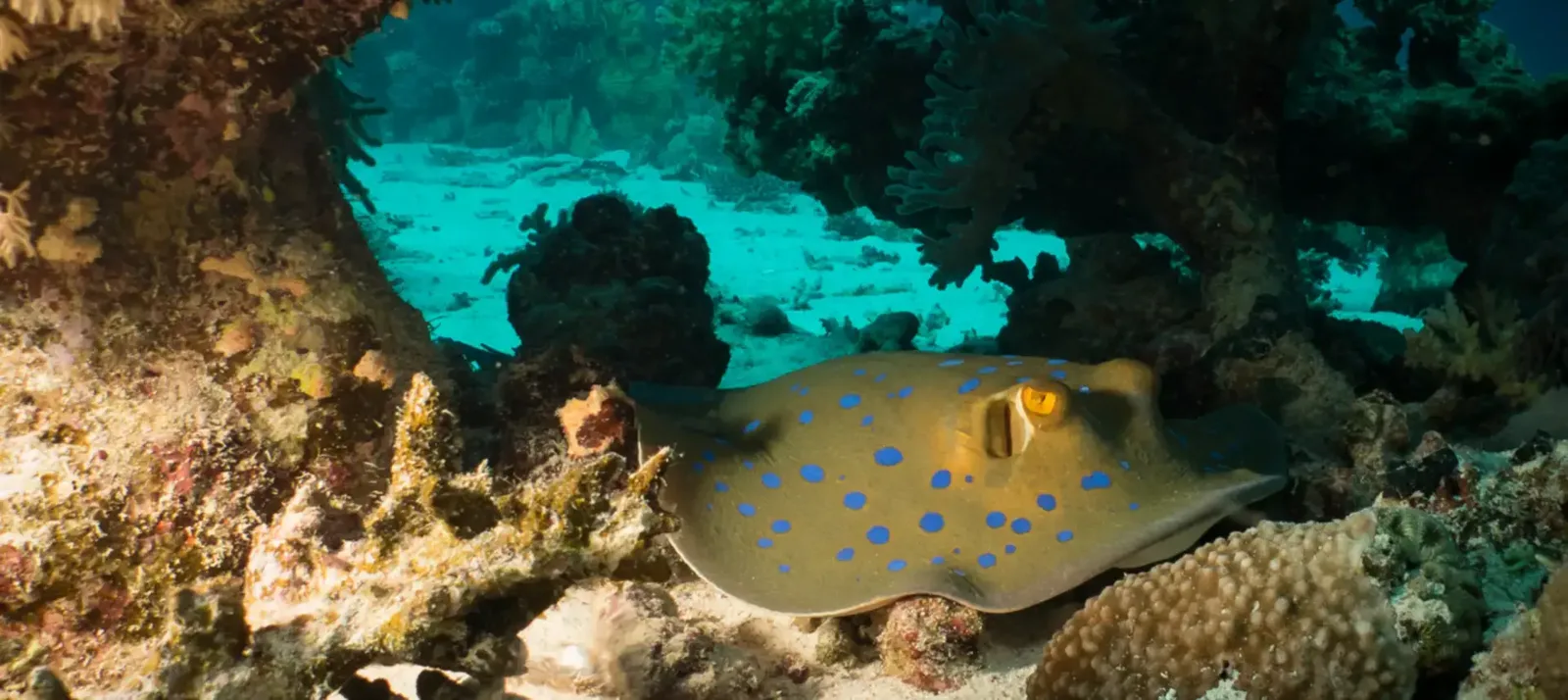
The dive centre
Blue Ocean Dive Dahab
SSI
Google 4.7/5 (82 reviews)
Dives: El Bells, Blue Hole, Tiger House
Your last day stays dry: no diving in the 18-24 hours before a flight, the perfect window to see the destination from another angle.
 Desert
⏱ 8 h · ★ 4.9 (16 reviews)
from £126$169€151
see on Viator ↗
 Desert
⏱ 12 h · ★ 4.8 (5 reviews)
from £24$32€29
see on Viator ↗
 Culture
⏱ 18 h · ★ 4.5 (12 reviews)
from £243$325€291
see on Viator ↗
 Nature
⏱ 6 h · ★ 4.0 (8 reviews)
from £33$44€39
see on Viator ↗
Ratings and reviews collected by Viator and Tripadvisor.
November to January offers Dahab’s calmest sea, which helps because shore entries and exits are central to the diving day. April to November brings lower rainfall and may suit a more comfortable land-based holiday. Even in these periods, choose sheltered sites when conditions require it and check the day’s sea state.
Dahab suits all levels when you match the site to your experience. Three Pools, Lighthouse and Caves can suit newer qualified divers, while Mashraba offers deeper options for appropriately trained divers. Advanced training helps with the Bells-to-Blue-Hole route. The Blue Hole’s Arch is technical territory, so recreational profiles must remain within training limits.
You can explore coral gardens, sandy slopes, seagrass, walls, overhangs and shallow lagoons. Marine life includes anthias, lionfish, moray eels, groupers, scorpionfish, octopus, giant pufferfish and Napoleon wrasse. Turtles, seahorses, rays, barracuda, tuna and nudibranchs may appear, while reef sharks and other larger visitors are less predictable.
Plan consecutive land-based diving days, returning to town between shore entries and leaving room for a rest day. Start with easier sites before choosing Blue Hole, Ras Abu Galum or deeper Mashraba profiles. Fly to the Sinai gateway, allow time for the road transfer, and consider a non-diving companion’s options in town.