Liveaboards · Egypt
Blue Seas — a seasoned Red Sea dive boat built around the diving
What makes this boat unique
- Blue Seas carries up to 24 guests in 12 air-conditioned cabins, each with a private bathroom.
- Certified divers receive Nitrox at no extra charge, with Nitrox 32 available.
- The dive setup includes 12-litre aluminium tanks with DIN valves, INT adapters, two compressors and two Yamaha tenders.
- Eight-day, seven-night routes reach sites from the northern wrecks to Brothers, Daedalus, Elphinstone, Fury Shoals, Zabargad and Rocky Island.
For subtitles in English: start the video firstthen click the gearat the top right of the video, select “Subtitles/CC”, then “Auto-translate” and choose “English”.
The invitation
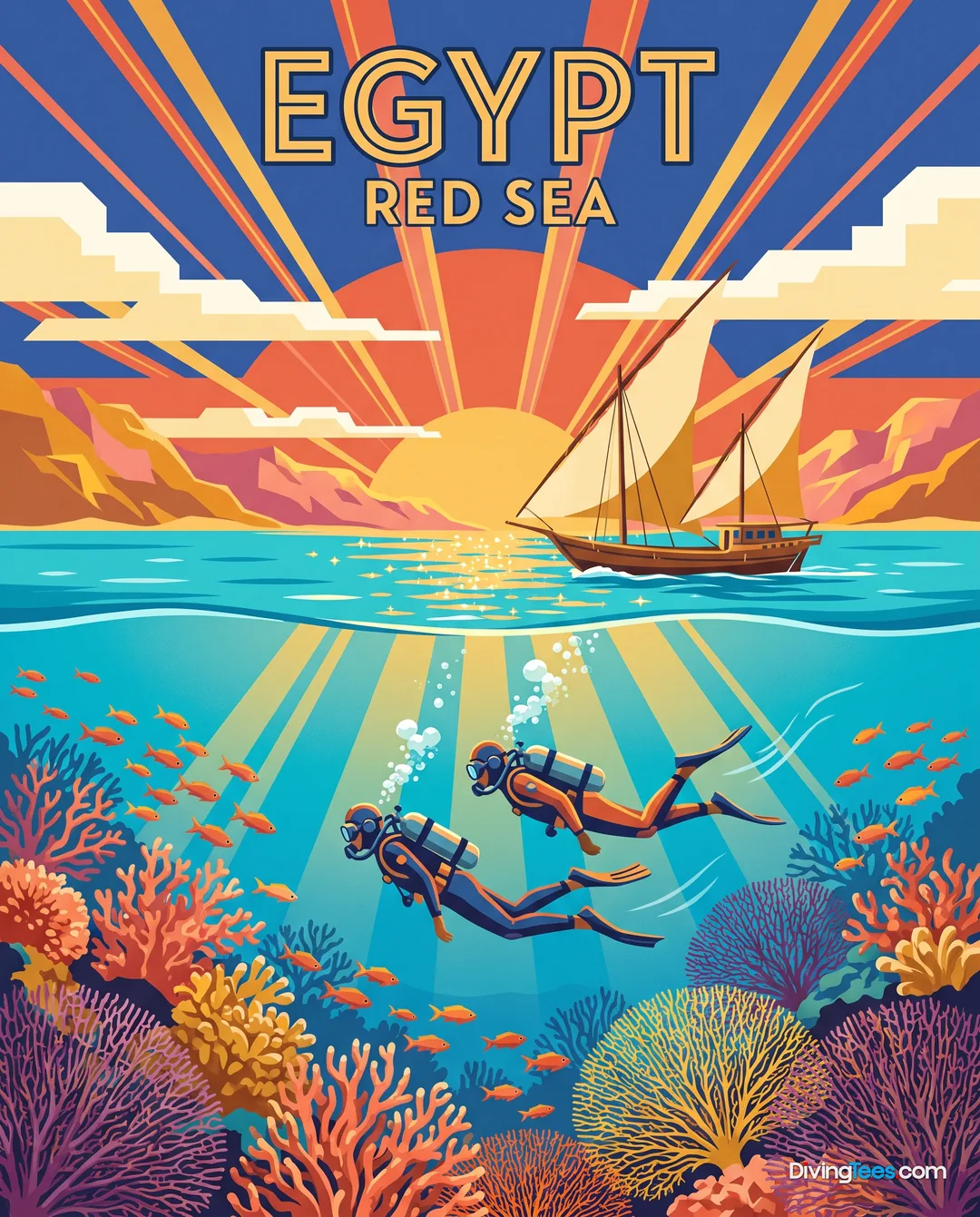
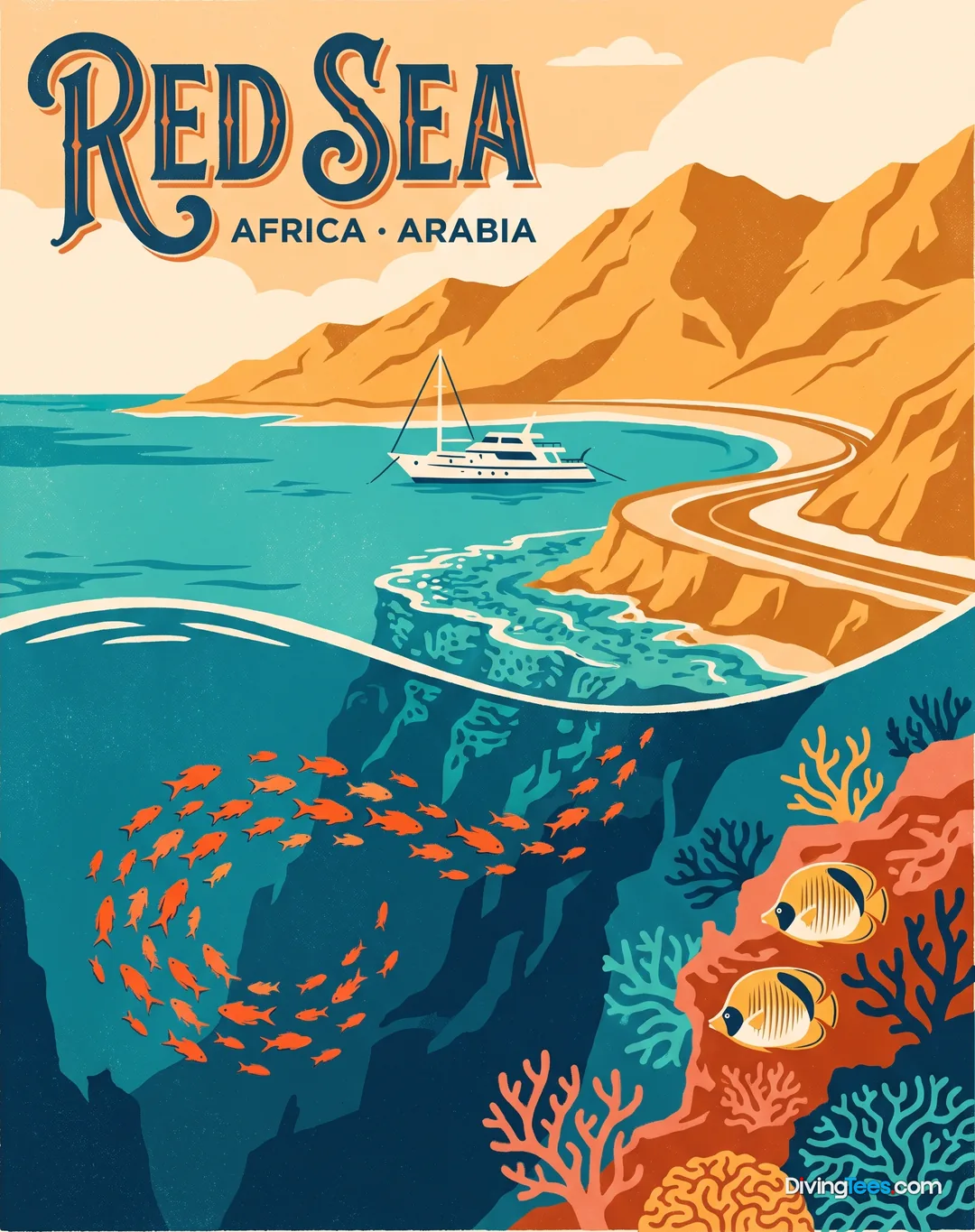
Blue Seas suits divers who want the Red Sea's remote reefs without turning the week into an equipment exercise. The boat covers the full range of Blue Planet's routes: wrecks in the north, current-swept marine parks, and the long runs south to St. John's, Zabargad and Rocky Island. The useful distinction is not a promise of luxury; it is a boat arranged for repeated diving, with free Nitrox for certified divers, private cabins, two tenders and guides who brief divers well enough to explore with a buddy. Step aboard for walls, wrecks, pelagics and four dives on suitable days, then let the crew handle the practical work between them.
Boarding
From the dock, Blue Seas presents as a mature, substantial liveaboard rather than a new-build yacht chasing a fashion. Built in 2004 and renovated in 2013, it has the settled feel of a boat that has spent years running Red Sea itineraries. Inside, the arrangement is straightforward: cabins below and sea-view options above, with an air-conditioned salon for the hours when the wind drops or the sun gets too strong. The boat's value is in how little separates a meal, a briefing and the dive platform. Bags go into the cabin, diving luggage into a personal box, and the week starts with the boat's evening briefing before the next morning's departure. It is a working dive vessel, kept comfortable without losing sight of why guests are aboard.
The atmosphere on board
The atmosphere is shaped by a crew that works close to the diving day. English and German are spoken, and the tour guide handles the boat, safety and diving briefing at the start of the trip before giving detailed site briefings later. That leaves divers who are comfortable with a buddy team free to follow the reef rather than remain behind a guide's fins. Guests with fewer logged dives are placed in a small group with more experienced divers or the tour guide. Over a week, the crew's real contribution is not theatrical service; it is keeping tanks, meals, tenders and briefings in the right order so that a mixed group can share demanding sites without making every dive feel like a test.
The sites you’ll dive
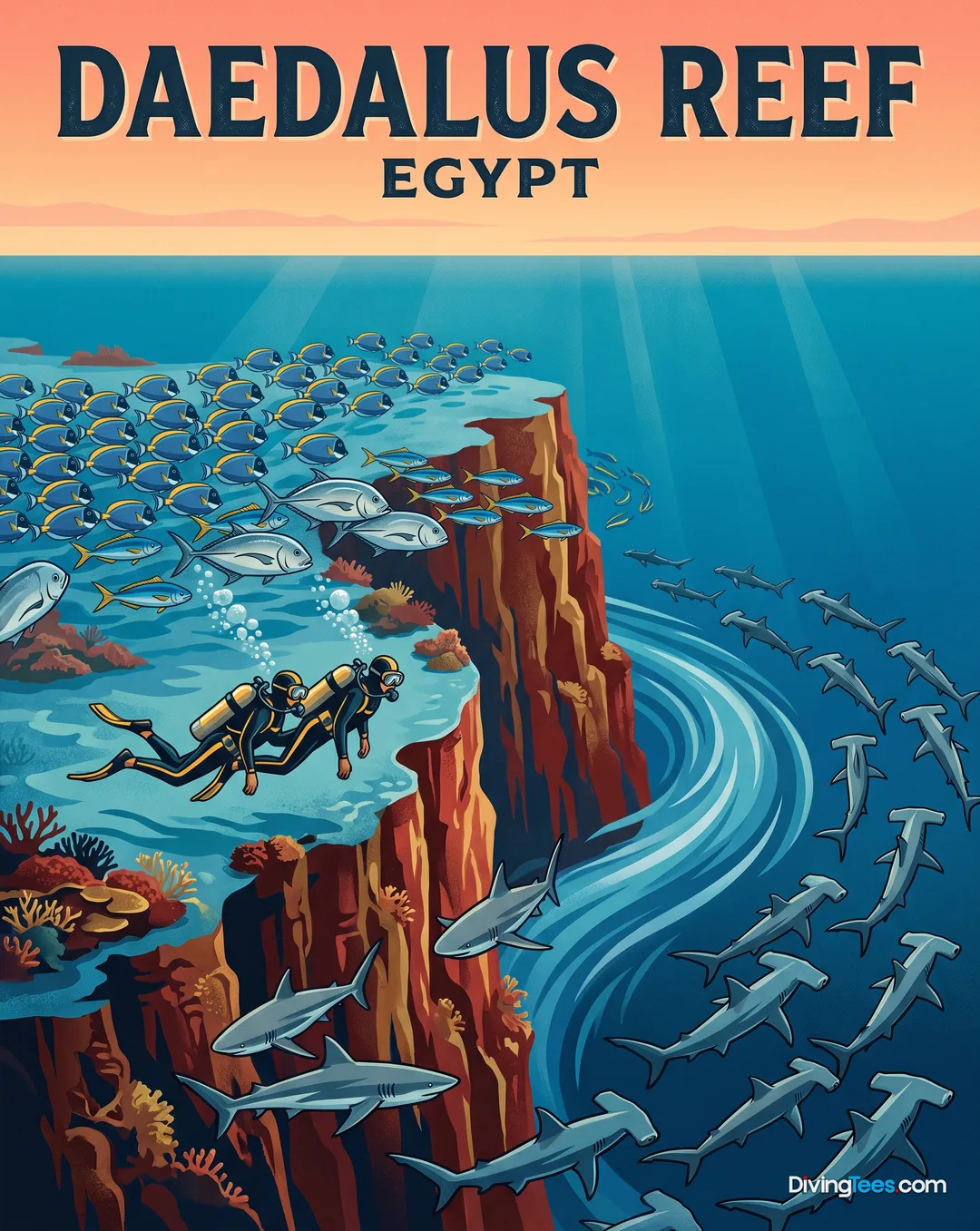
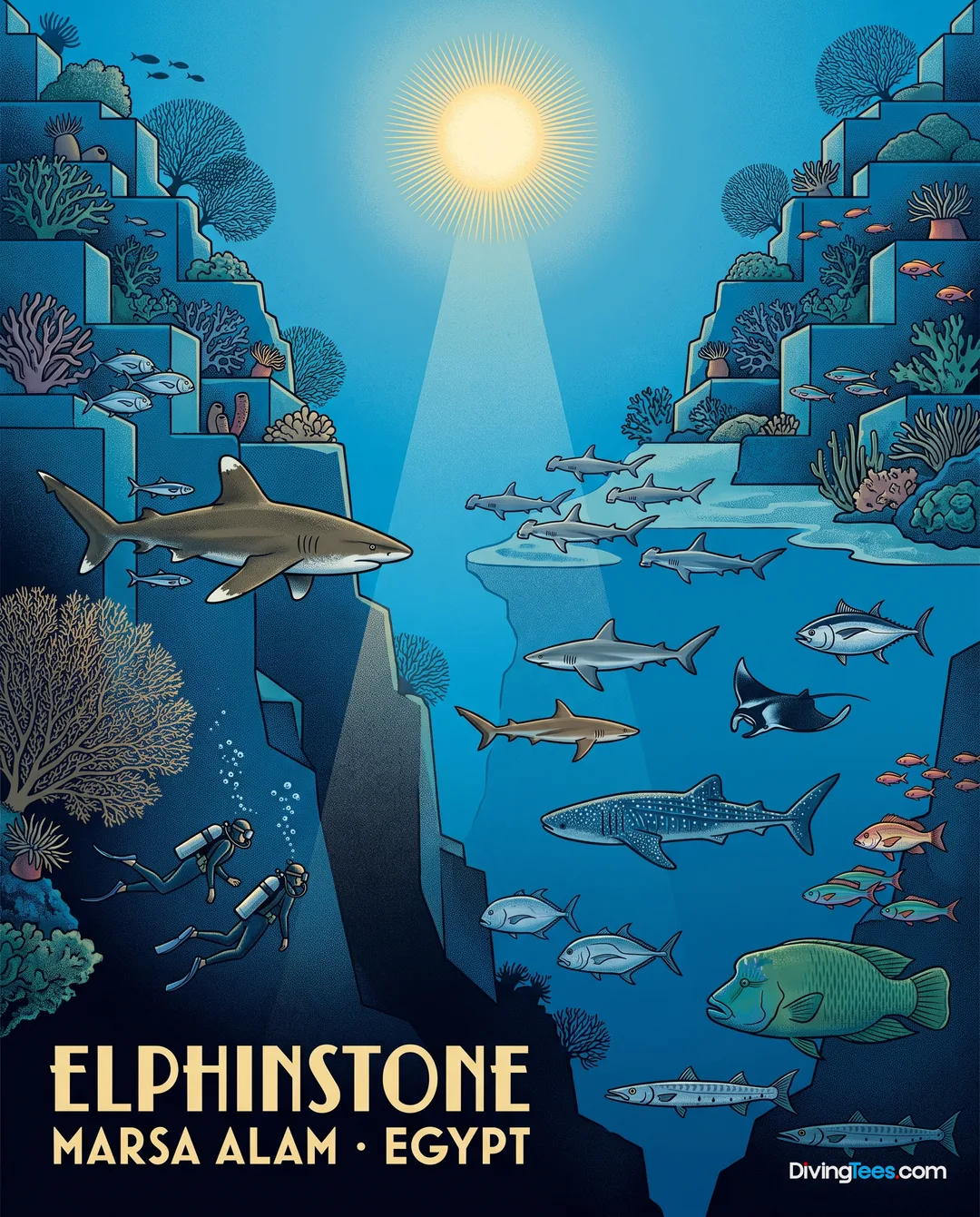
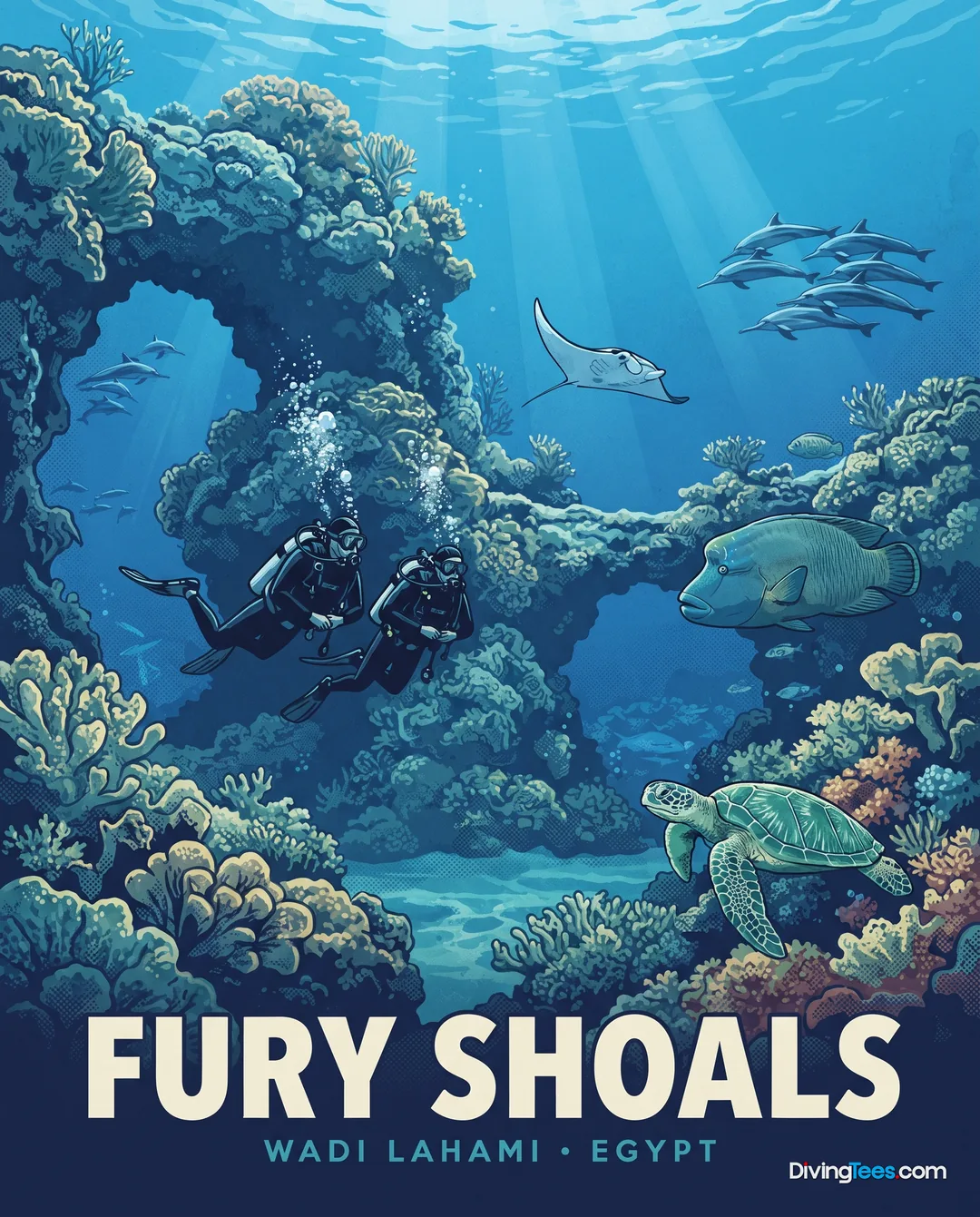
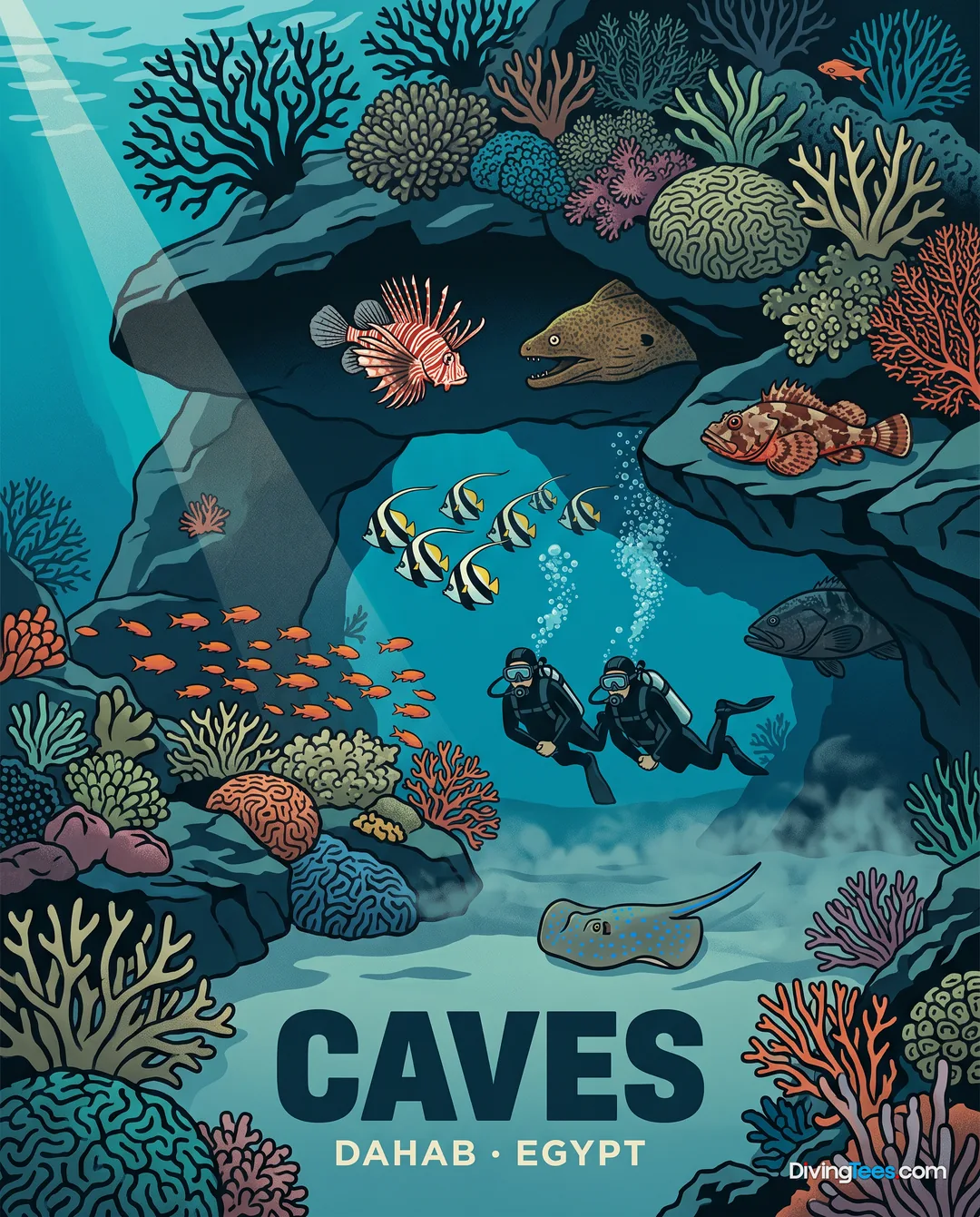
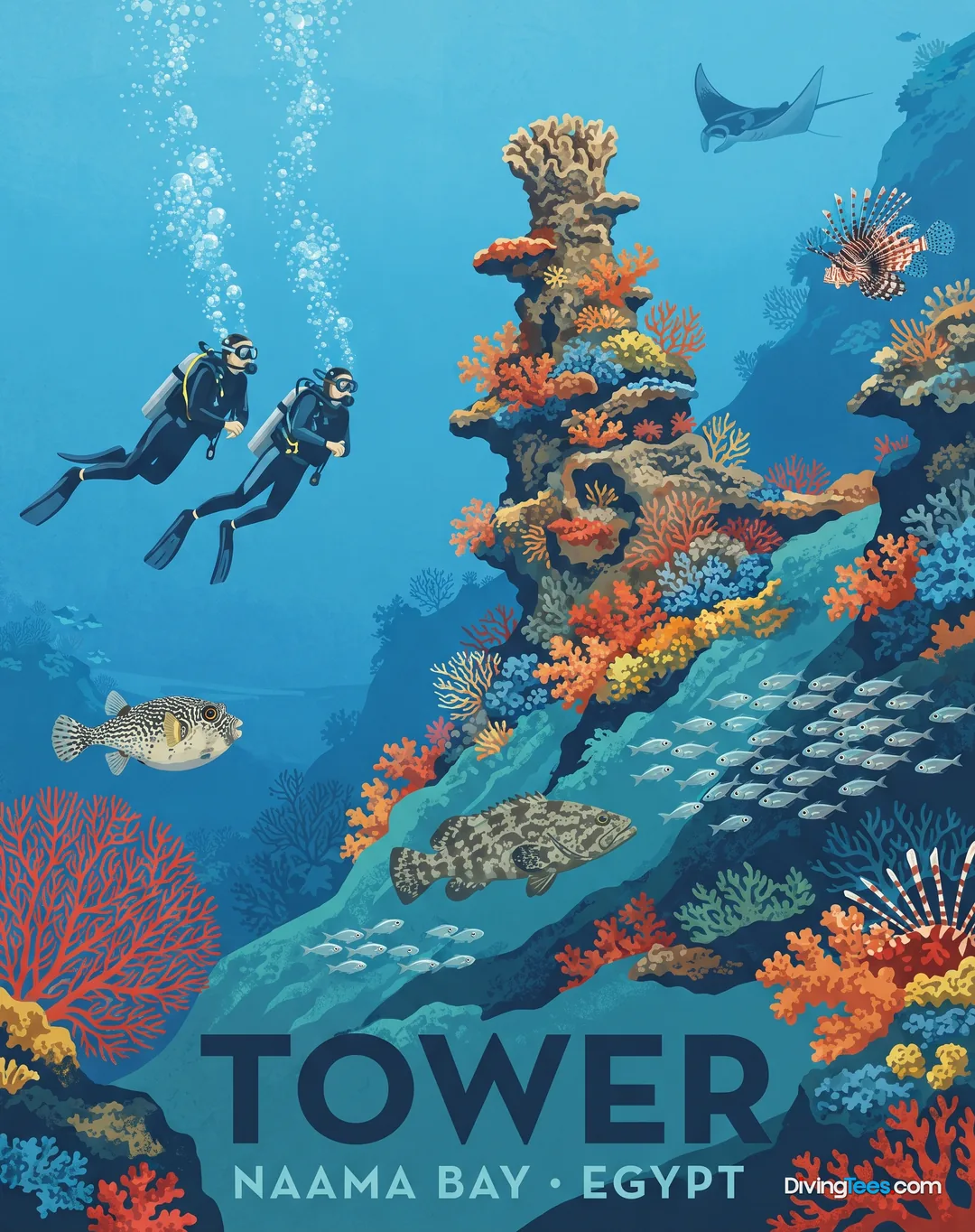
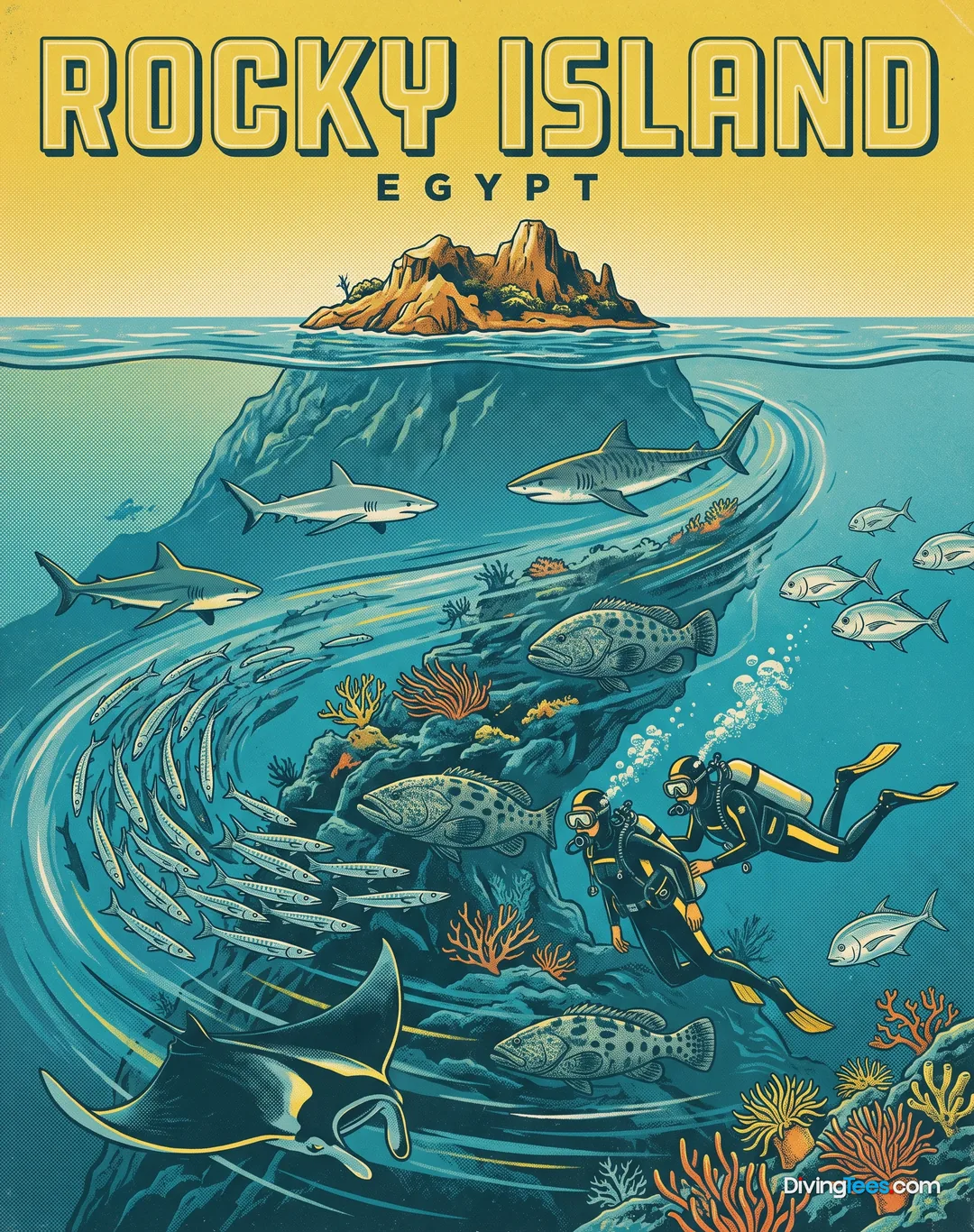
Blue Seas' recorded routes run from Port Ghalib and last eight days and seven nights: Daedalus, Rocky and Zabargad; St. John's; Daedalus and Fury Shoal; and Brothers, Daedalus and Elphinstone. Elphinstone is the classic wall dive, dropping to a maximum of -60m, where current and open water can bring oceanic whitetip, hammerhead and grey sharks close to the reef. Brothers reaches -85m and combines isolated walls, hard and soft corals and pelagic encounters. Daedalus is a remote pinnacle with dramatic walls and a maximum of -40m. Fury Shoals trades shark drama for hard-coral canyons, caves and reef passages. Zabargad brings strong current, coral towers, nesting turtles and a 70-metre wreck at 24m. Rocky Island is a small, exposed reef surrounded by current, soft corals, gorgonians and sharks. The exact sequence changes with weather and diver experience.
What you’ll meet underwater
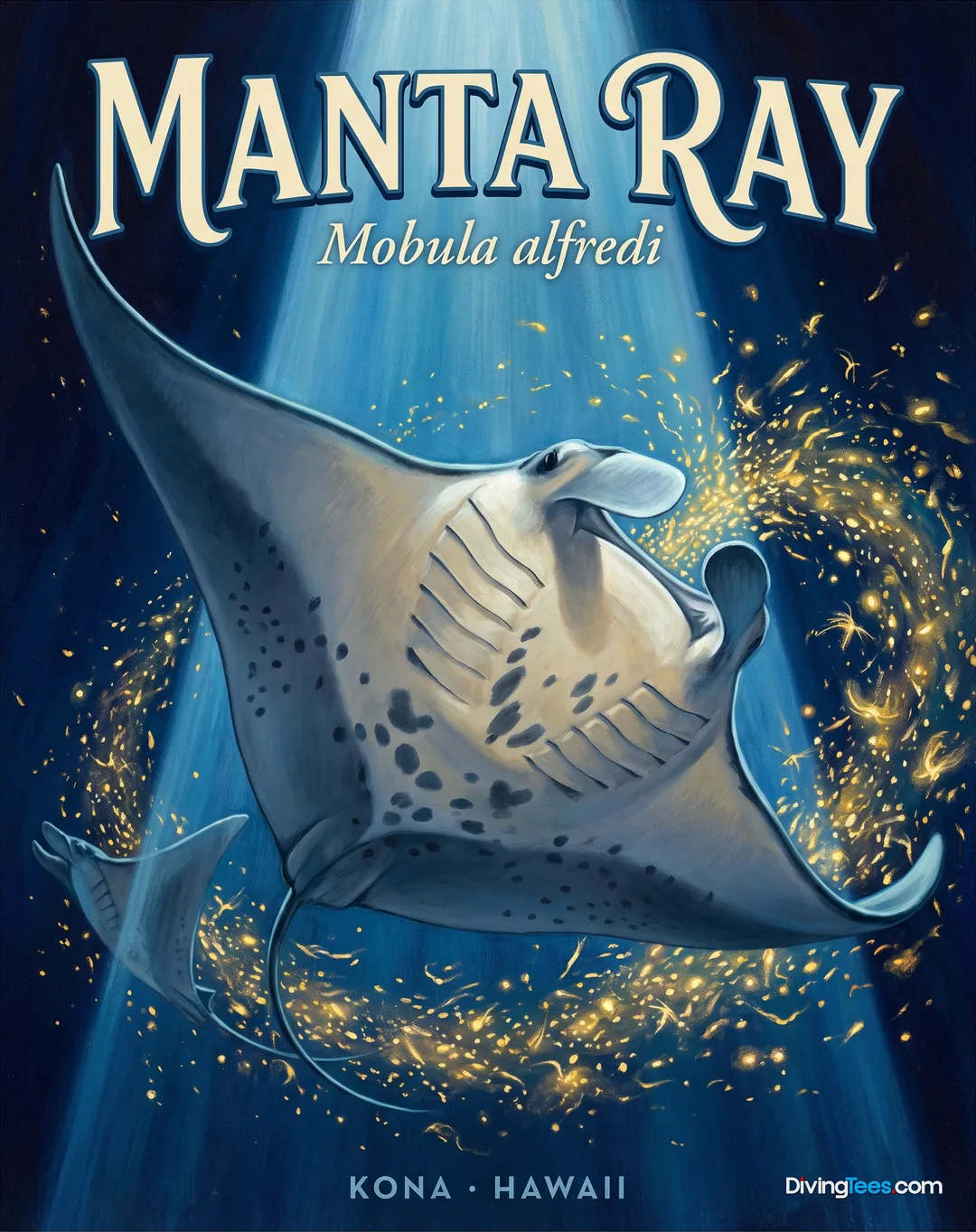
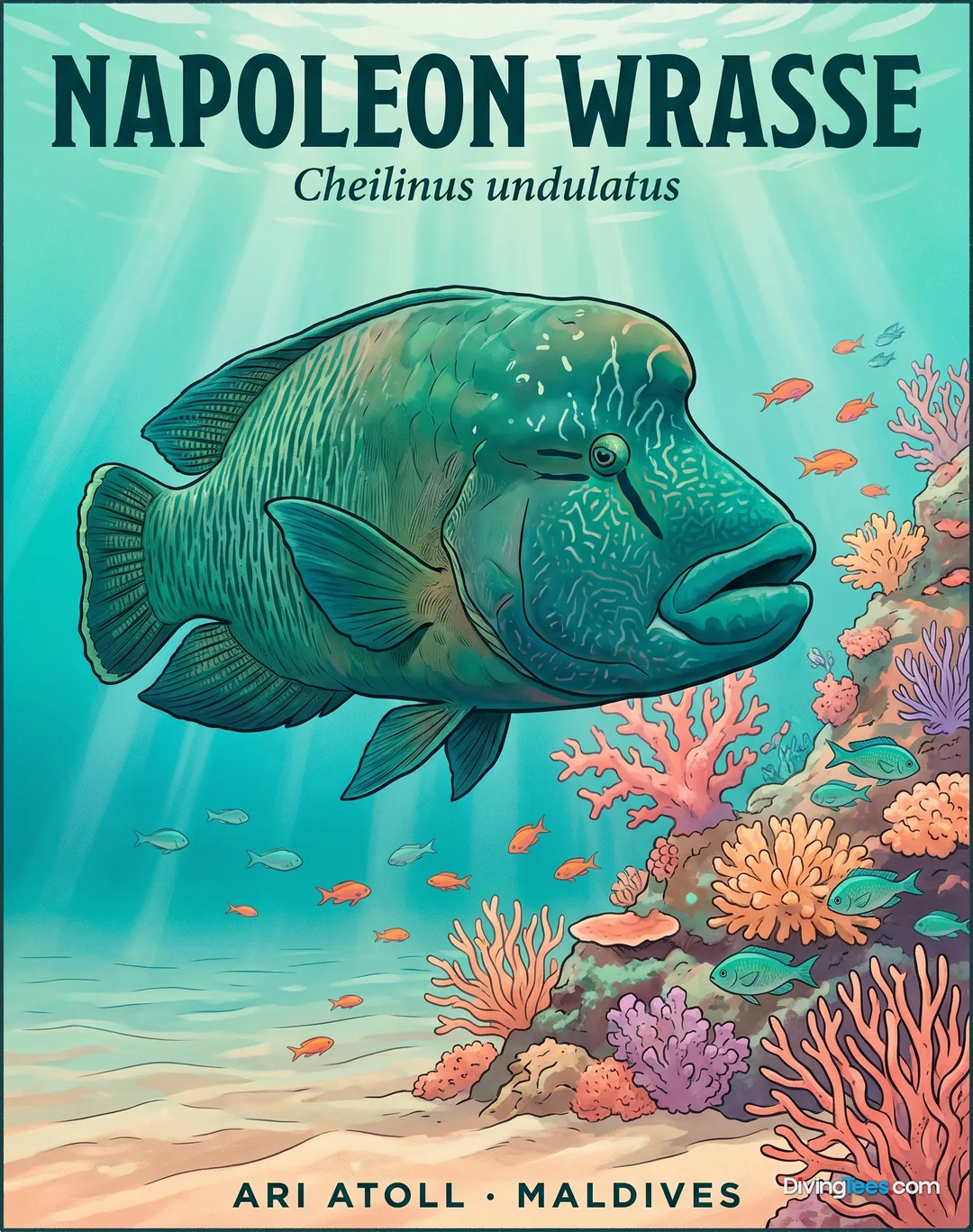
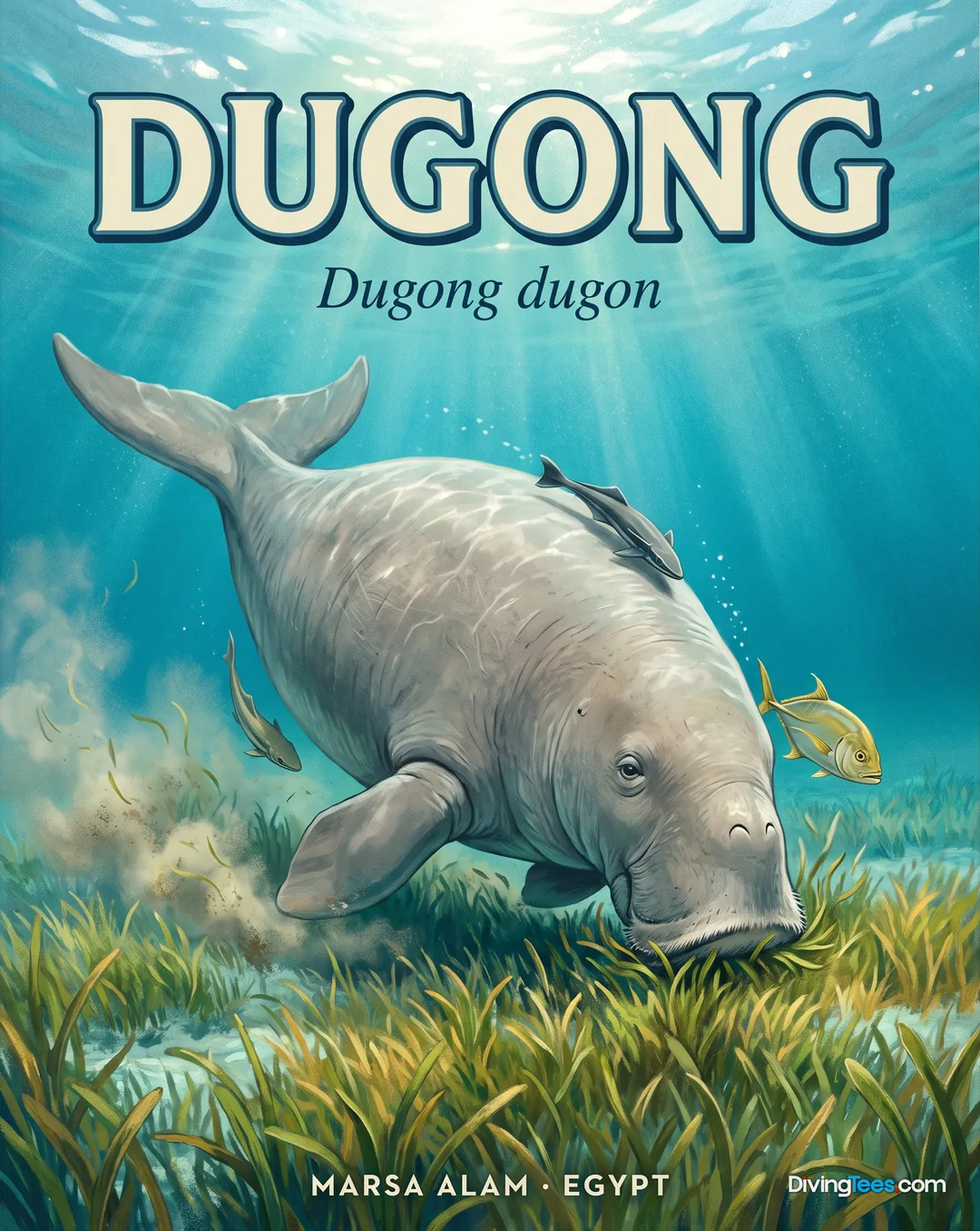
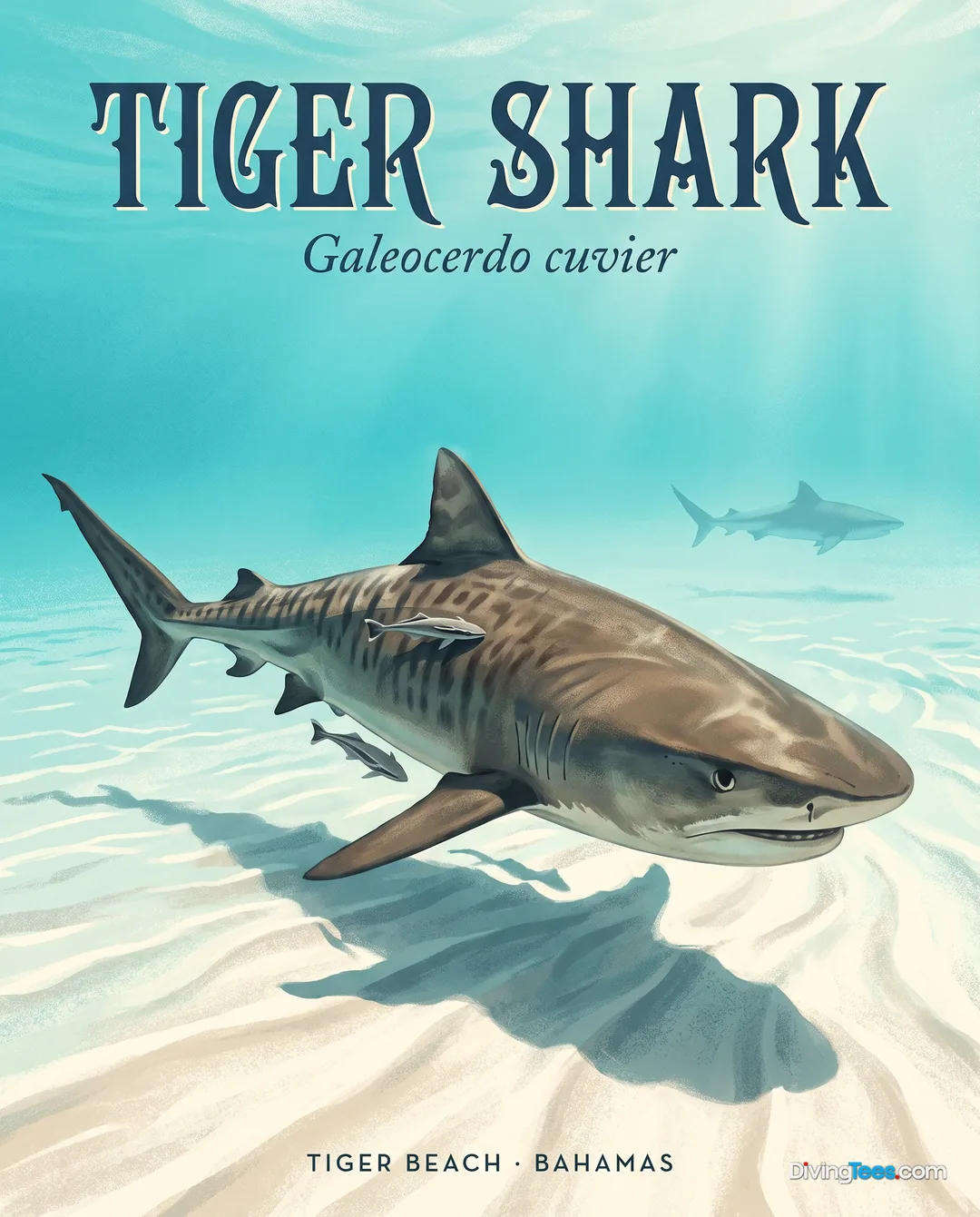
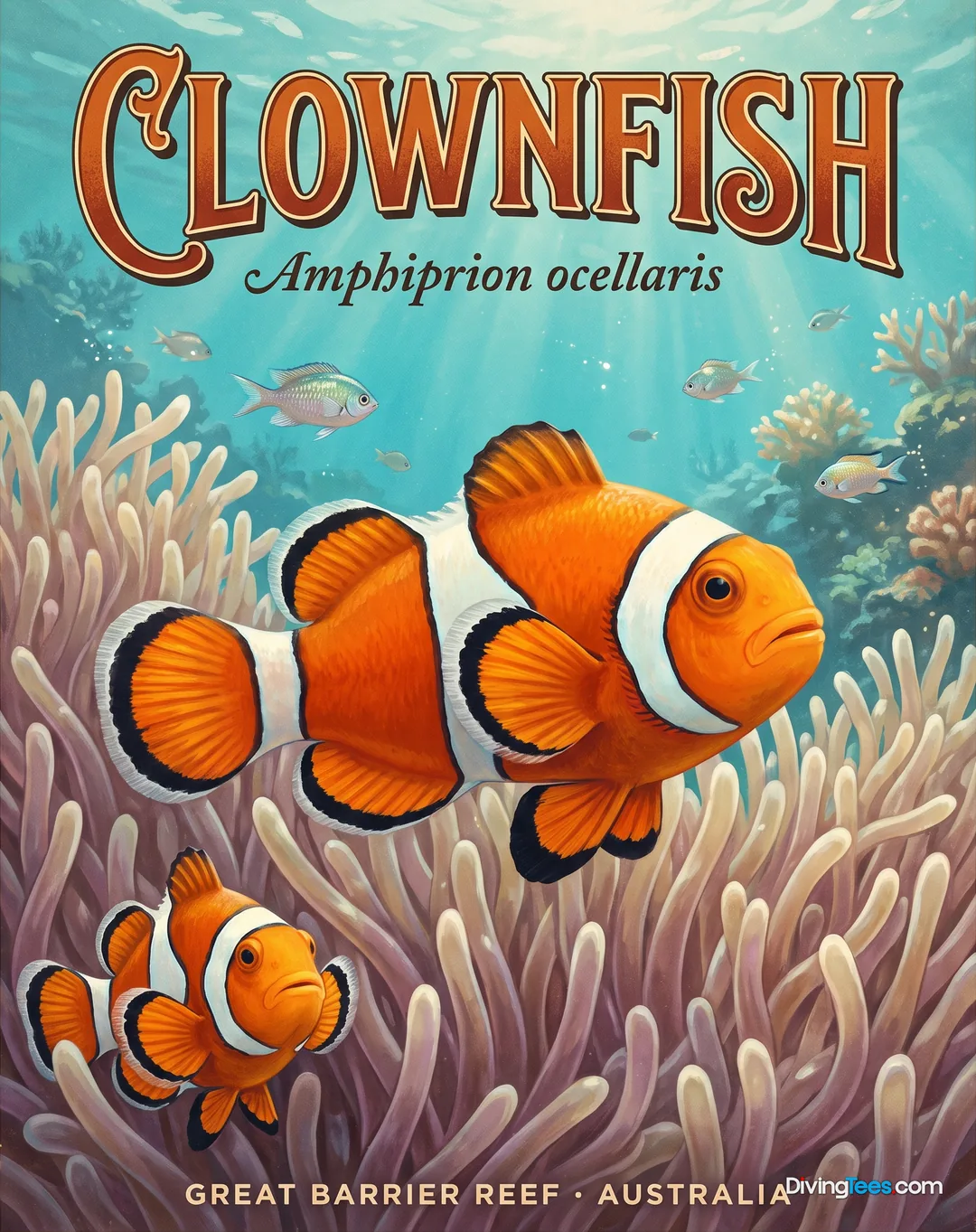
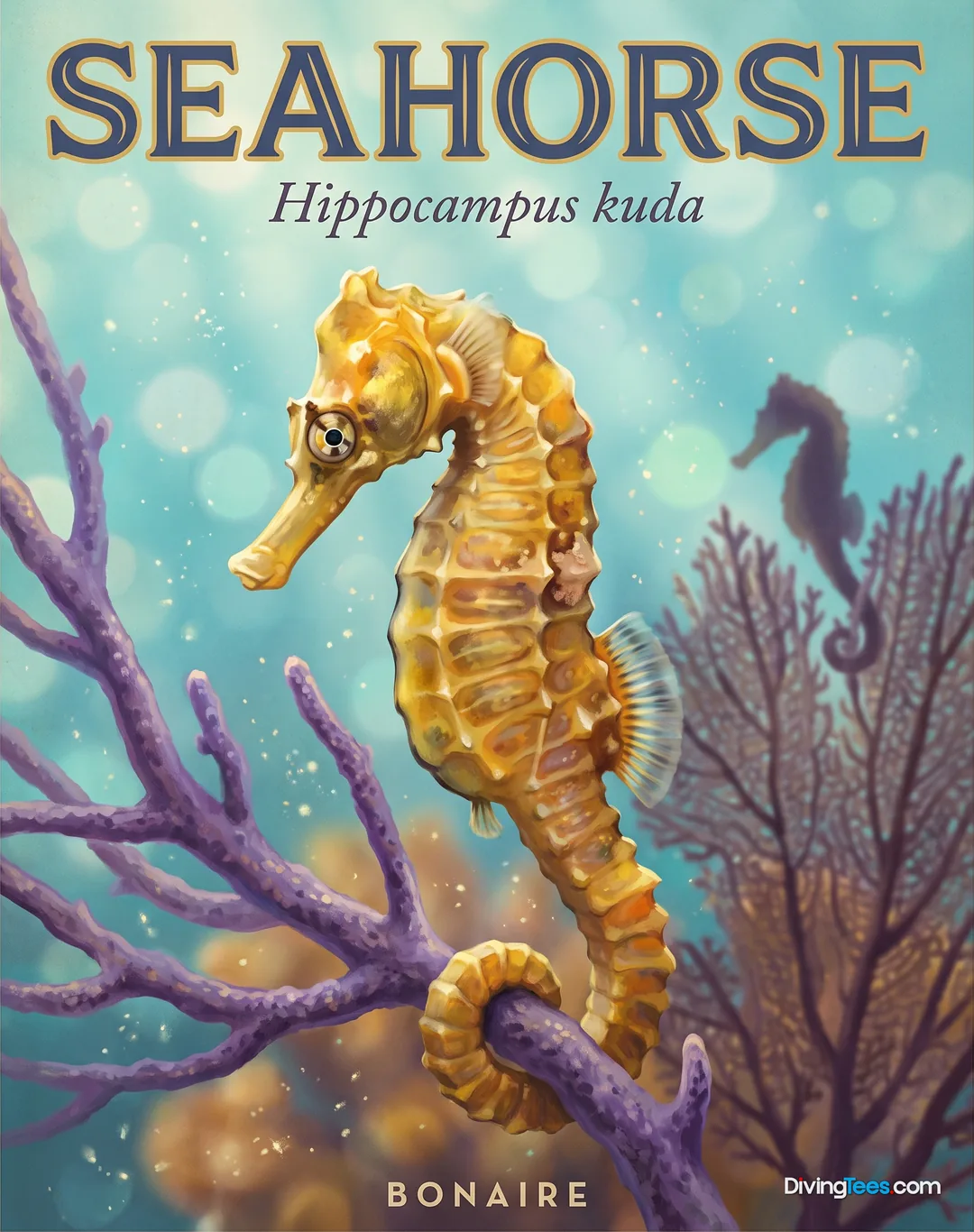
Across these routes, barracuda, manta rays, reef sharks, hammerheads, trevally, dolphins, Napoleon wrasse, tuna, turtles and soft corals form the recurring Red Sea cast. The sites matter because the same animal means something different on each reef: current-swept walls and isolated pinnacles put big pelagics into the blue, while sheltered bays give turtles and dugongs room to feed. Elphinstone is the place to look for oceanic whitetips, blacktip sharks, tiger sharks and gorgonians recorded specifically there. Brothers brings anemones; Fury Shoals brings triggerfish; Marsa Mubarak brings clownfish and damselfish. House Reef is the unusual stop for seahorses and trumpetfish. Marsa Egla is where the crocodilefish appears, and Abu Nuhas is the wreck site associated with butterflyfish. Sightings remain conditions and luck, not a promise built into the itinerary.
Who puts you in the water
Two or three dive guides work with the crew, and the guides speak within a wider team that operates in English and German. Briefings are detailed enough for divers to navigate the main features with a buddy, while divers with fewer logged dives are placed in a smaller group with an experienced diver or the tour guide. At Brothers, Daedalus, Rocky Island and Zabargad, 50 logged dives are required; the wider liveaboard rules also expect at least 50 dives and a recent diving history. Marine-park trips require two licensed guides, with one guide for a maximum of eight divers. Safety cover includes two 50-litre oxygen cylinders, first-aid equipment, defibrillator support and the boat's radio and navigation systems. Deco diving is prohibited and the maximum depth is 40 metres.
The dive deck and the gear
The dive platform is built around standard 12-litre aluminium tanks with DIN valves; INT adapters are carried on board. Two Bauer compressors fill the tanks, and an NRC membrane system supplies Nitrox 32. Certified Nitrox divers use it free of charge, while an analyser is available on board; a Nitrox basic course can also be completed during the trip. Fifteen-litre steel tanks are available on request. Rebreather diving is supported. Divers bring their own main equipment, though rental equipment, torches and computers can be arranged in advance. There are rinse tanks, charging stations and a camera area for maintenance. Two Yamaha tenders, rated at 25 HP and 40 HP, take divers to sites the boat cannot lie directly over and bring them back after the ascent. DIN is standard; INT is covered by adapters.
Between dives
Between dives, Blue Seas gives guests a choice rather than one mandatory room. The air-conditioned indoor salon is the place for shade, conversation, audio and video, or a quiet hour with the boat moving. Outside, the terrace offers sun and open air, with enough separation for divers who want to read, dry off or watch the tender come alongside. Cameras have their own working space and charging stations, which keeps wet gear and batteries out of the living areas. Wi-Fi is available, but the better habit on a Red Sea crossing is often simpler: a drink, a towel, a look at the reef line, then back to the kit before the next briefing.
A day on board
An early riser can take the first dive before breakfast. The common breakfast follows, then the boat's diving day moves through the major reef dives, with another dive in the afternoon and, when the route allows, a night dive to close the day. Suitable days carry three or four dives; the final day carries two. Between entries, the boat may be underway, the tender may be collecting the last divers from the surface, or the deck may go quiet while everyone eats, dries equipment and waits for the next briefing. Meals mark the rhythm more reliably than a clock: breakfast after the first dive, food between water sessions, and dinner after the final return. Marine-park rules can reduce the number of dives, and night diving is prohibited on those protected sites.
What you eat aboard
Meals follow the diving rather than interrupt it. The galley serves full-board buffet meals built around both Western and local cooking, with vegetarian options, non-alcoholic drinks, tea, coffee and snacks available through the day. Beer and wine are available on board. The important part is the timing: food arrives after the first work in the water, again when divers need something substantial, and in smaller portions between dives. With three or four dives on suitable days, a buffet lets each diver choose quickly, eat lightly before gearing up, or go back for more after a hard current dive. The high food score fits the practical test of a liveaboard: meals are not decoration between excursions; they keep divers functioning through the week.
Nights at sea
The 12 cabins are air-conditioned and have private shower and toilet facilities, so the night ends with a proper retreat rather than a bunk beside the common area. Cabin categories include twin cabins on the lower deck, a lower-deck master cabin, and double or twin sea-view cabins on the upper deck. Lower-deck cabins have portholes; the upper cabins bring the sea closer when the boat is moving or lying quietly on a reef. After a day of current, salt and repeated gear changes, that separation matters. The air-conditioned salon offers a darker, cooler place to wind down, while the outer terrace keeps the sea within reach when the night is calm. Sleep is still liveaboard sleep: the boat moves, machinery exists, and a light sleeper should choose a cabin location with care.
Twin Lower Deck
Double Sea View Upper Deck
Twin Sea View Upper Deck
Master Lower Deck
What to know before boarding
These routes depart from and return to Port Ghalib. Transfers from Hurghada or Marsa Alam airports are included for Port Ghalib safaris, with the airport transfer arranged by the Blue Planet representative who meets arriving guests. Hurghada is about three hours from Port Ghalib; Marsa Alam airport is about ten minutes away. Arriving the evening before is the sensible choice, since dinner and departure take place after the transfer and the boat sails the following morning.
- Year built
- 2004
- Year renovated
- 2013
- Length
- 37 m
- Beam
- 8 m
- Maximum number of passengers
- 24
- Number of cabins
- 12
- Number of bathrooms
- 12
- Engines
- 2 × Caterpillar: V12 cylinders 3412cc; 764 hp each
- Cruising speed
- 13 knots
- Tenders
- 2 × Yamaha (1 × 25 hp 1 × 40 hp)
- Website
- blueplanet-liveaboards.com ↗
Hello, I'm Marina, DivingDeal.com's AI assistant. I answer in detail about hotels, dive centres and liveaboards.

Thinking about the whole trip and the flights? Talk it over with Edith →
Marina is an AI. Some links are affiliate links: DivingDeal may earn a commission, at no extra cost to you. Bookings are made with the partner.