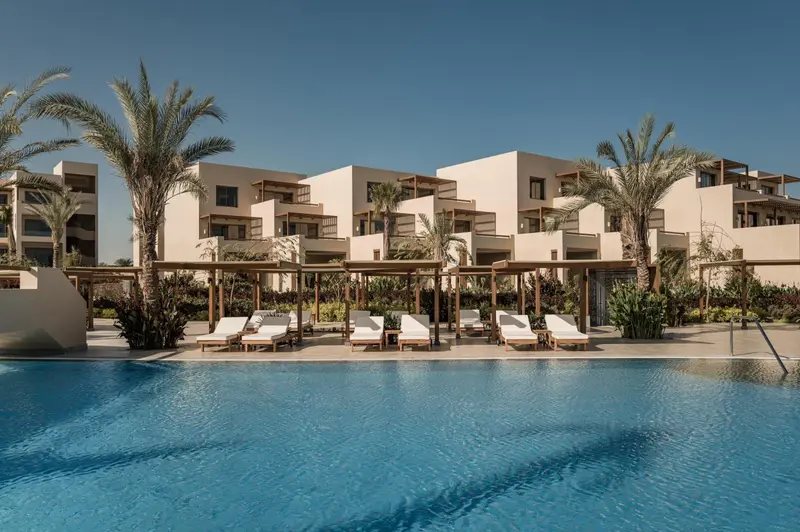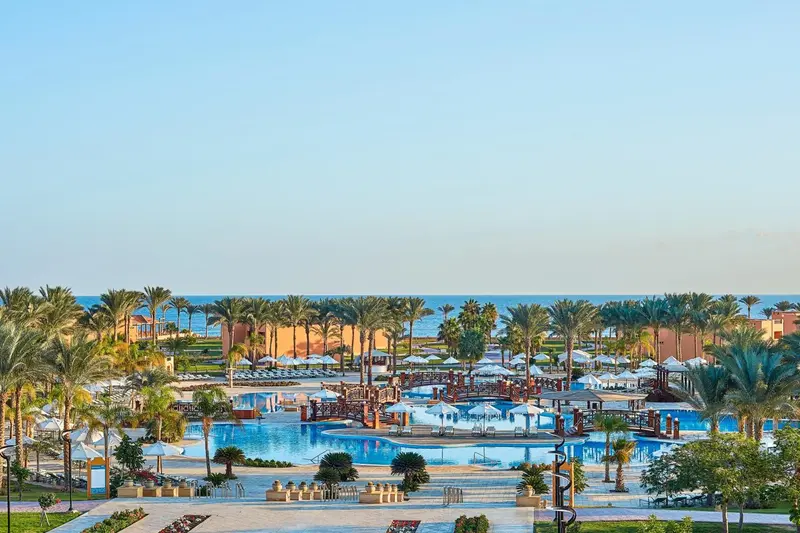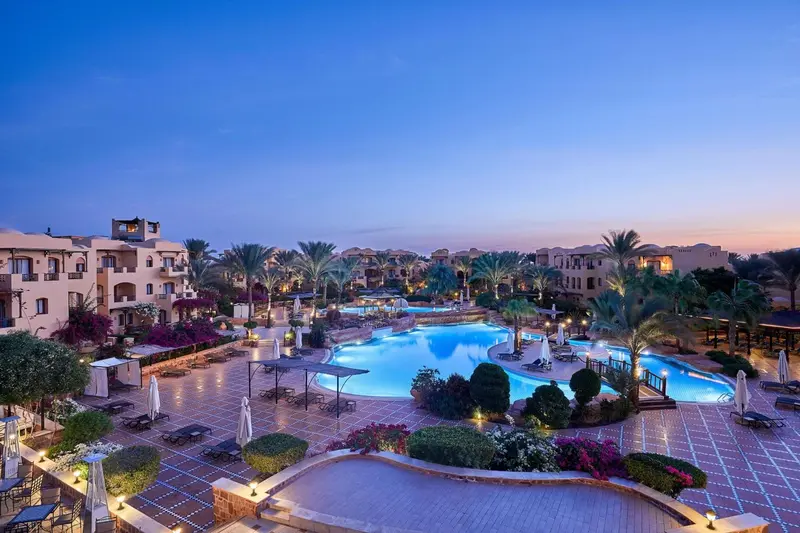
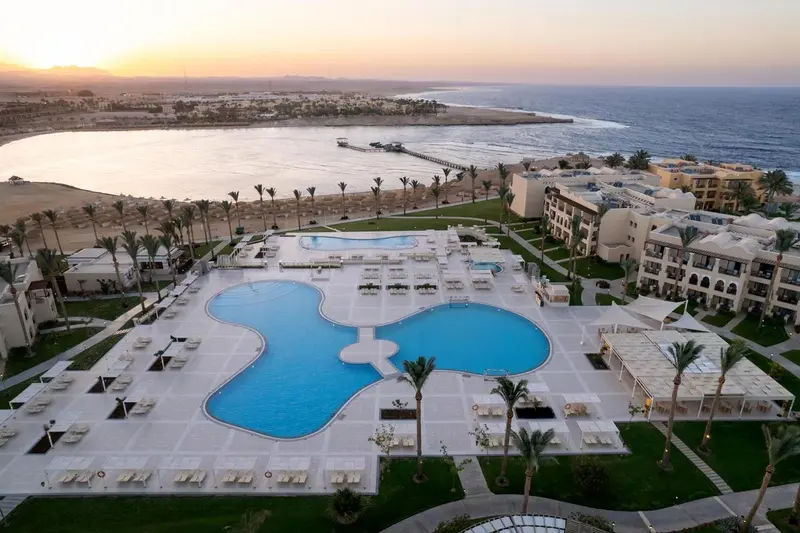
 Dive centre in the hotel
JAZ Lamaya Resort
★★★★★
Google 4.8/5 (9,455 reviews)
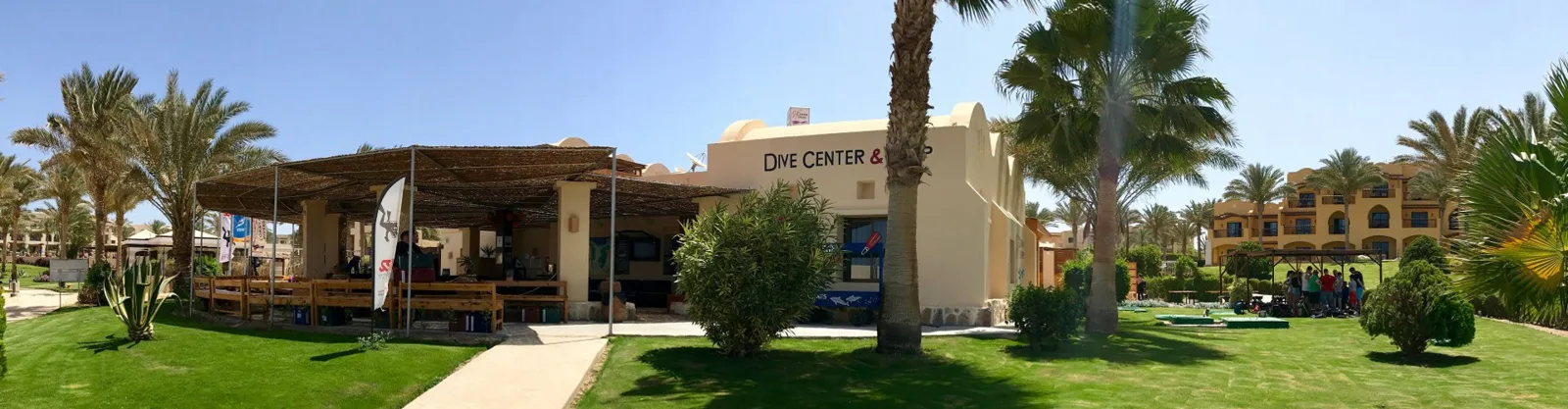
The dive centre
Coraya Divers
PADI
Google 4.6/5 (686 reviews)
Dives: Coraya Bay (House Reef), Marsa Shouna, Elphinstone
Egypt · Red Sea
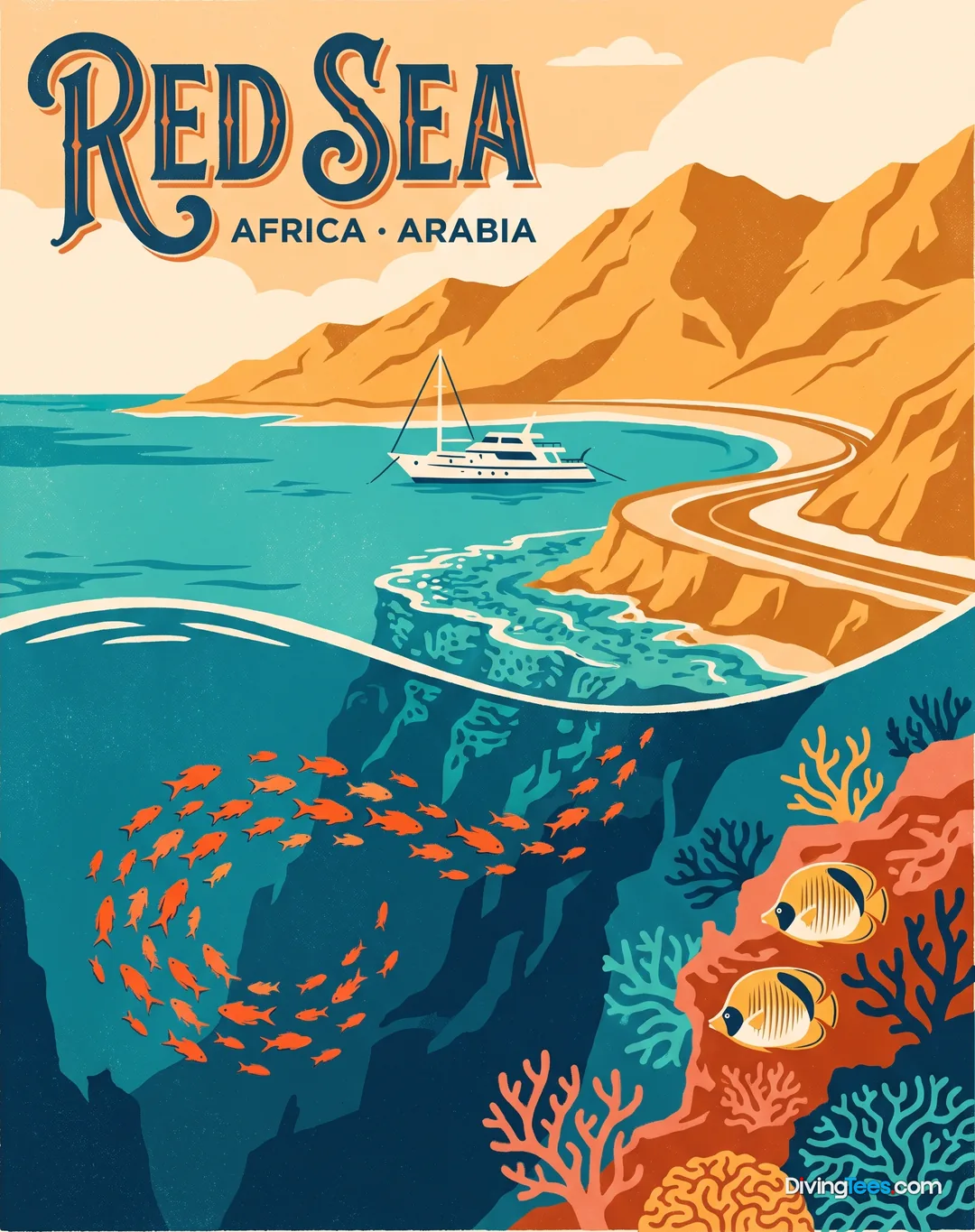
Marsa Alam puts sandy bays, coral drop-offs, dugongs, turtles and Red Sea wrecks within reach, with stronger-current offshore reefs for experienced divers.
For subtitles in English: start the video firstthen click the gearat the top right of the video, select “Subtitles/CC”, then “Auto-translate” and choose “English”.
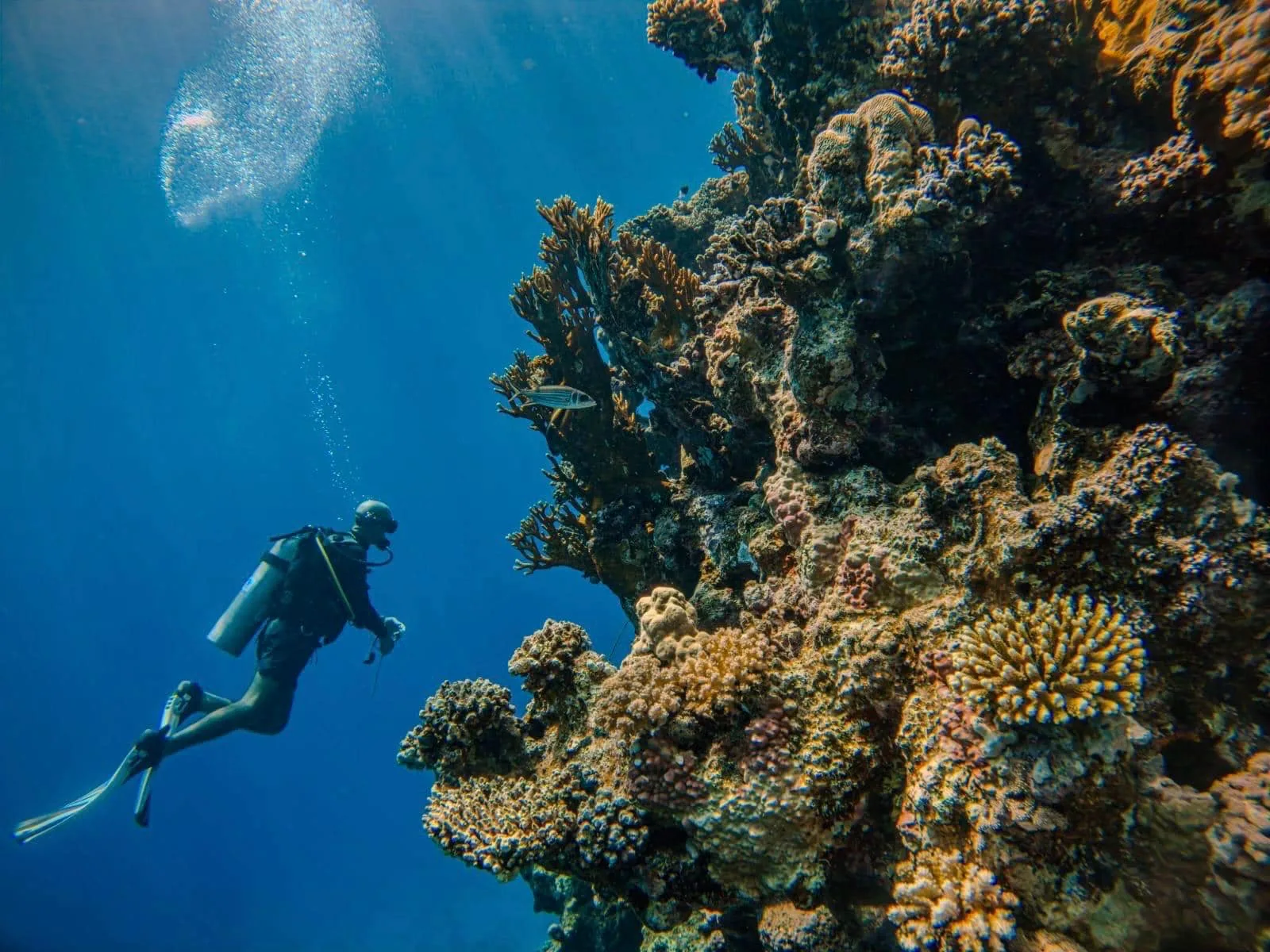
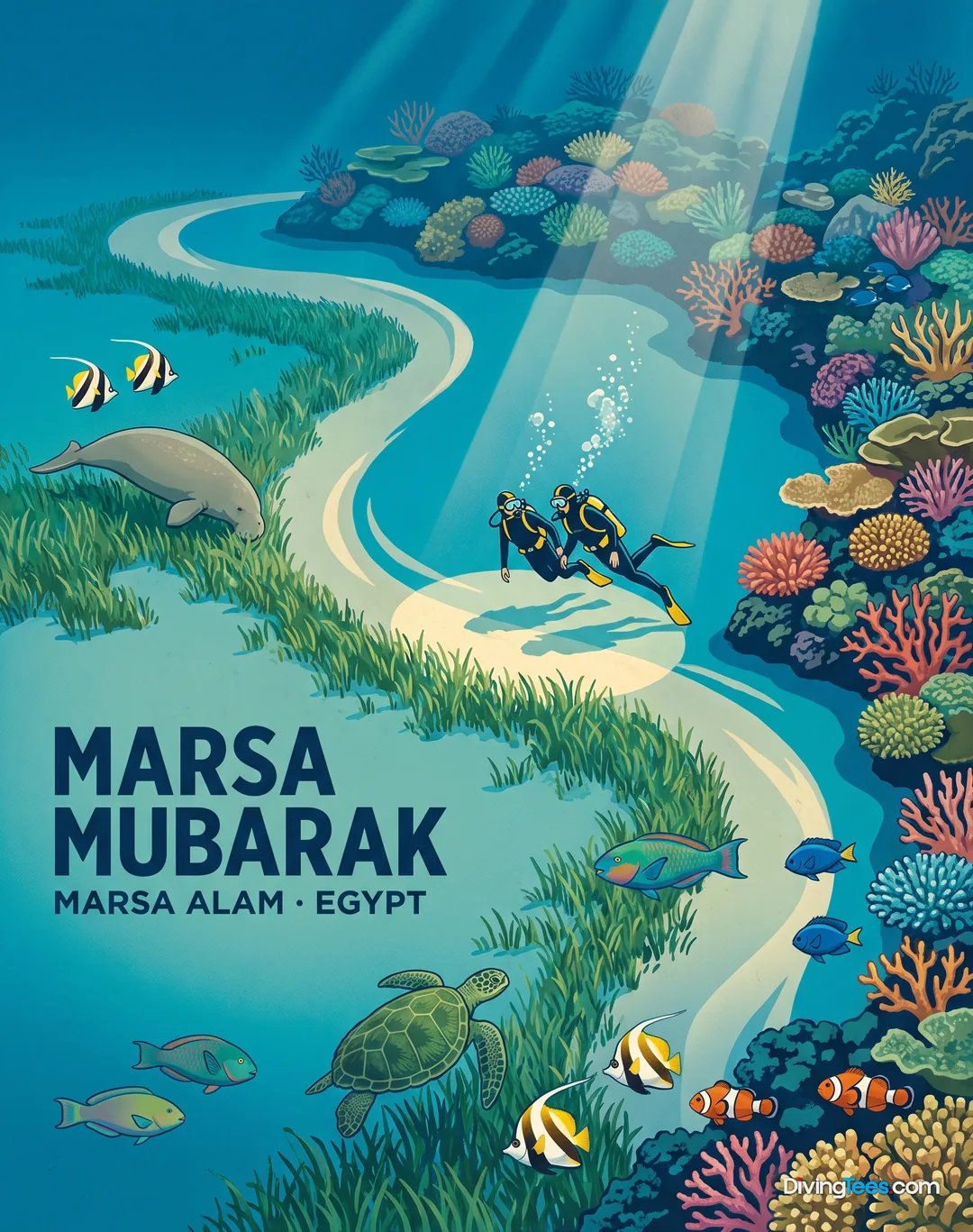
Marsa Alam is a southern Red Sea base for divers who prefer days organised around boats, bays and reefs rather than a busy town. Close to shore, Marsa Egla and Marsa Mubarak combine sandy bottoms and seagrass with the possibility of seeing dugongs and green turtles. Further out, coral walls, drop-offs and wrecks change the character of the diving. The area also provides a practical starting point for longer liveaboard itineraries towards isolated reefs and offshore islands.
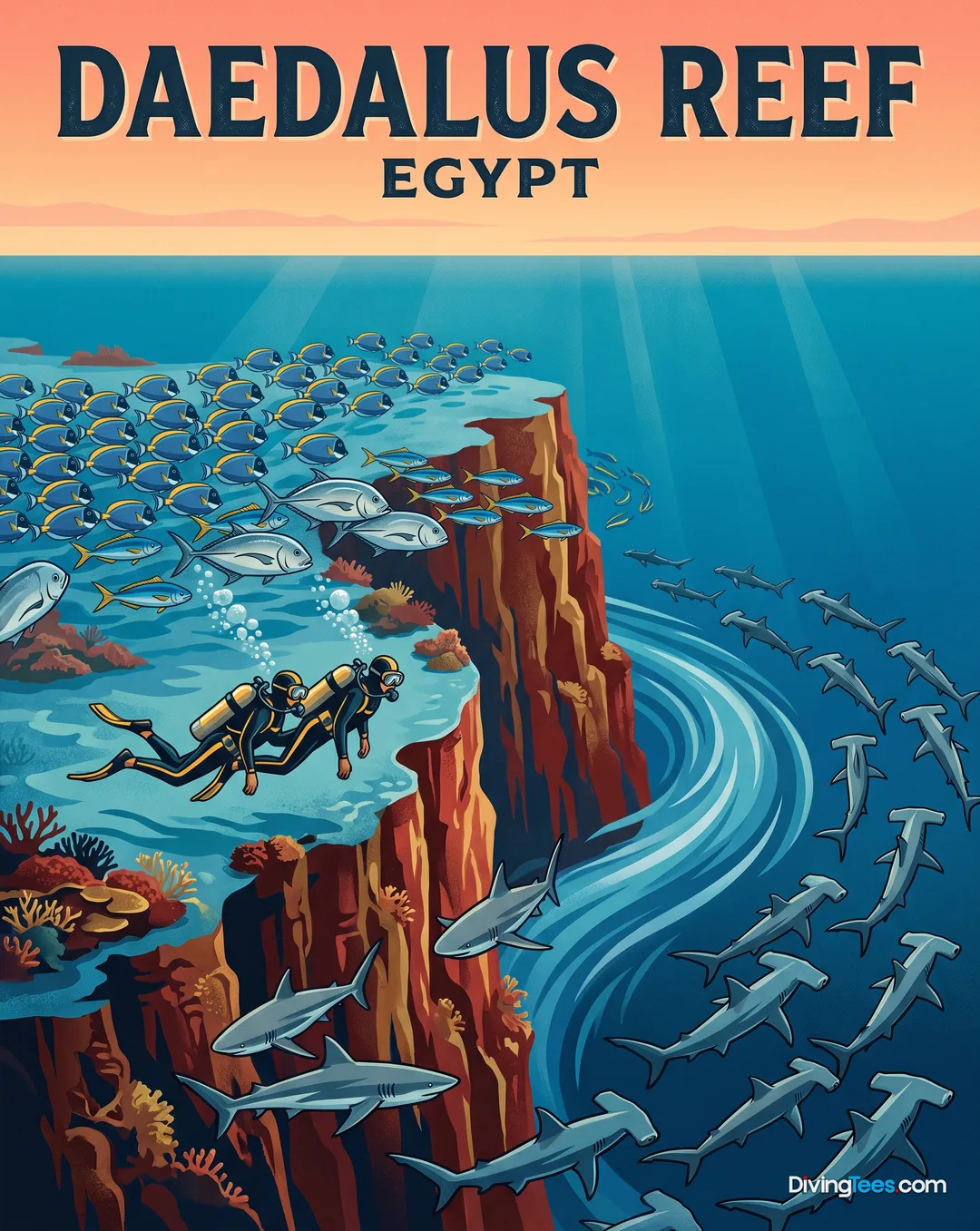
The diving ranges from gentle bay profiles to exposed walls where the current dictates the plan. House Reef reaches down through seagrass, reef and drop-offs, while Marsa Nakari House Reef keeps currents generally light inside the bay, with more movement near the outer reef. Shaab Alam adds coral gardens, caverns and a resident wreck, and Abu Galawa Soghayar combines reef with a small sailboat wreck occupied by glassfish. Offshore sites demand more judgement: Daedalus and the Brothers Islands are known for strong, changeable currents, and the deeper parts of the Numidia require suitable training and planning. Visibility is not given as a uniform destination figure, so the sensible approach is to expect conditions to vary with site, wind and boat position rather than assume every dive will be alike.
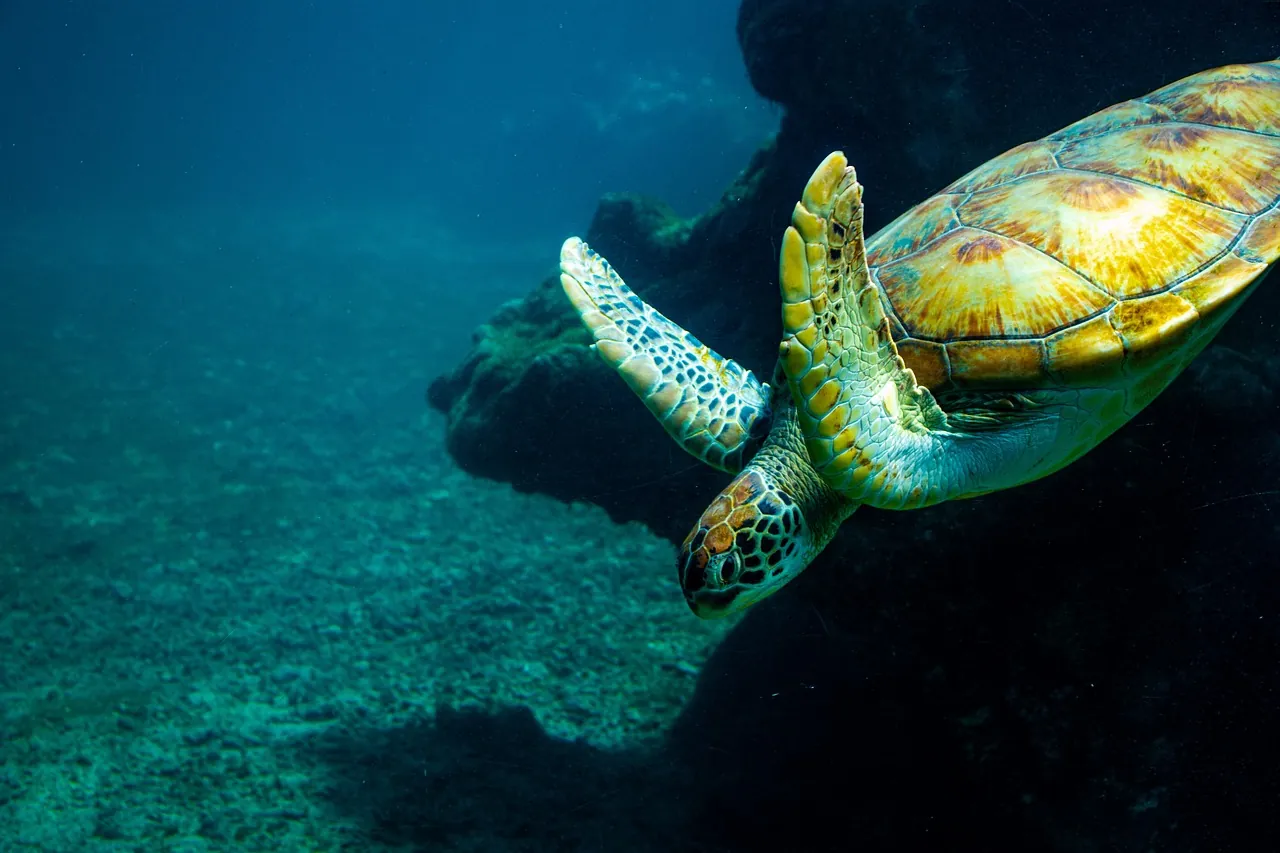
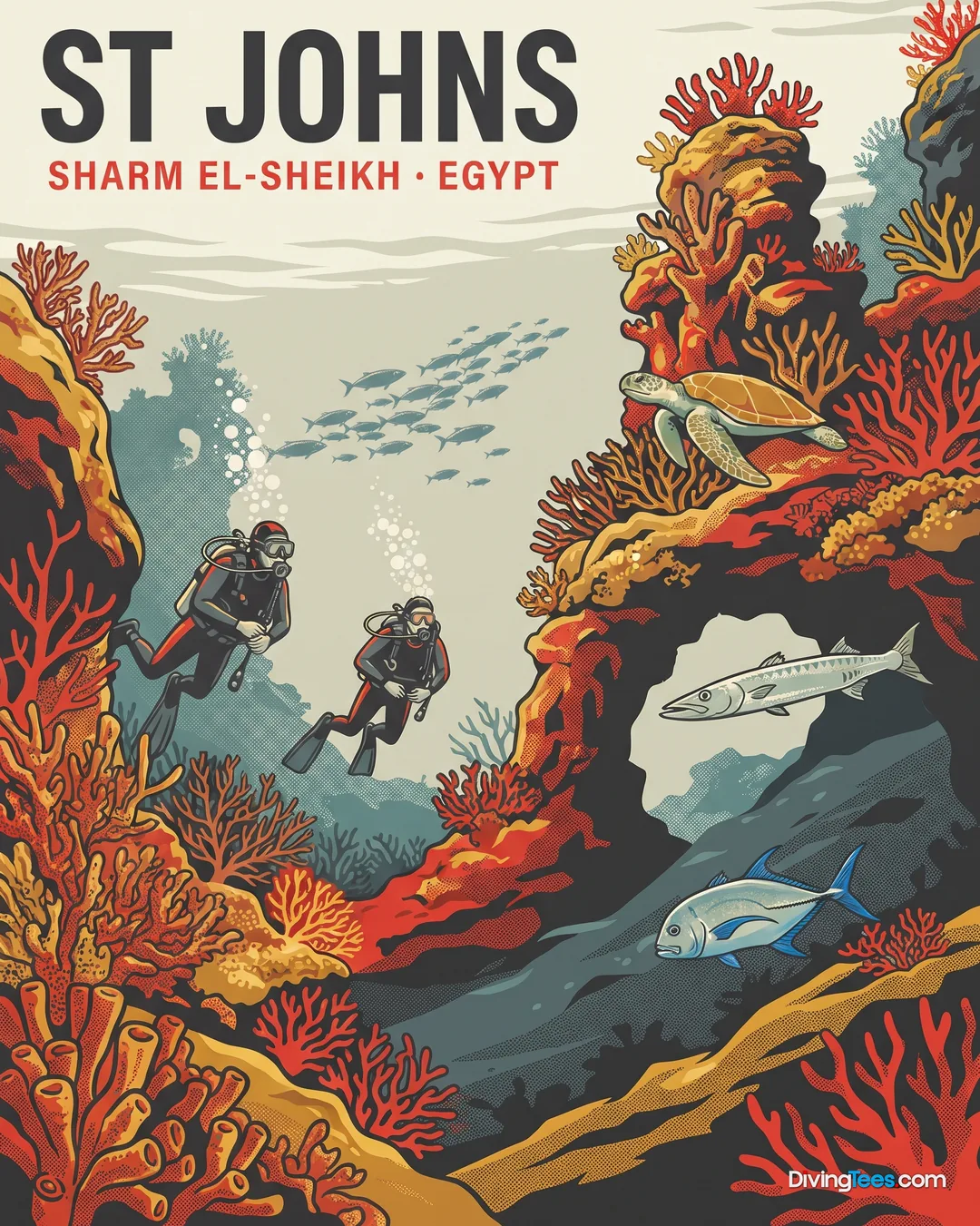
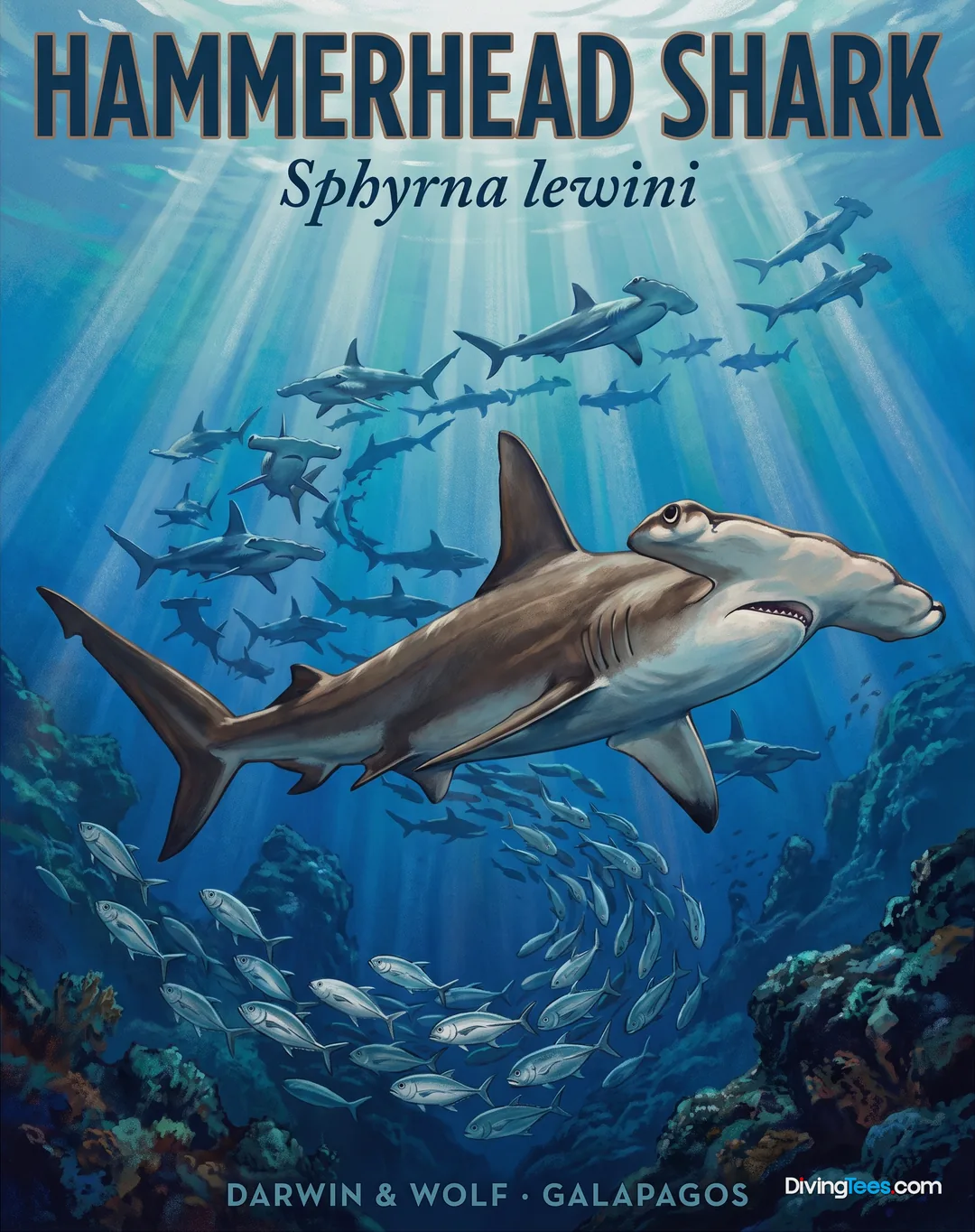
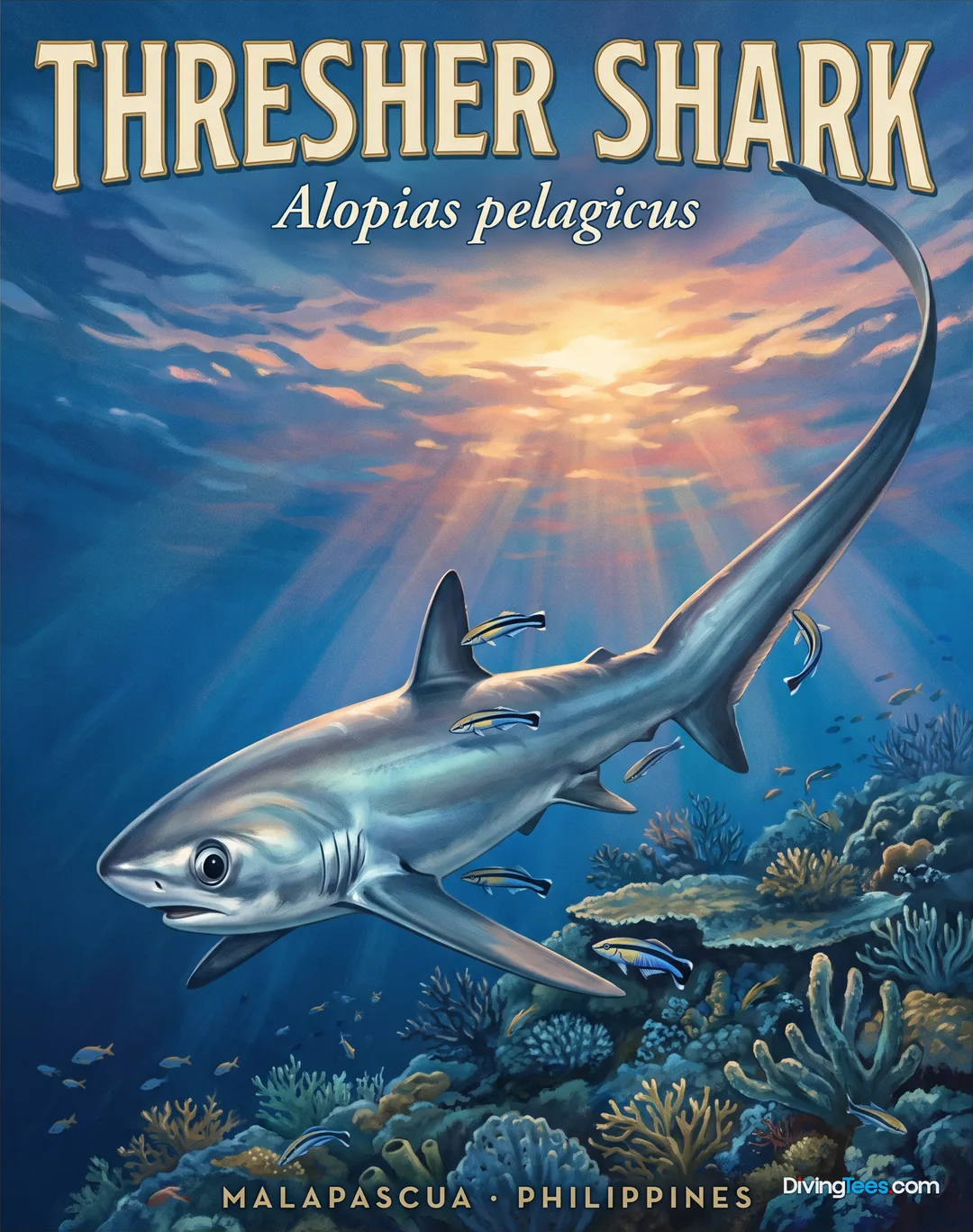
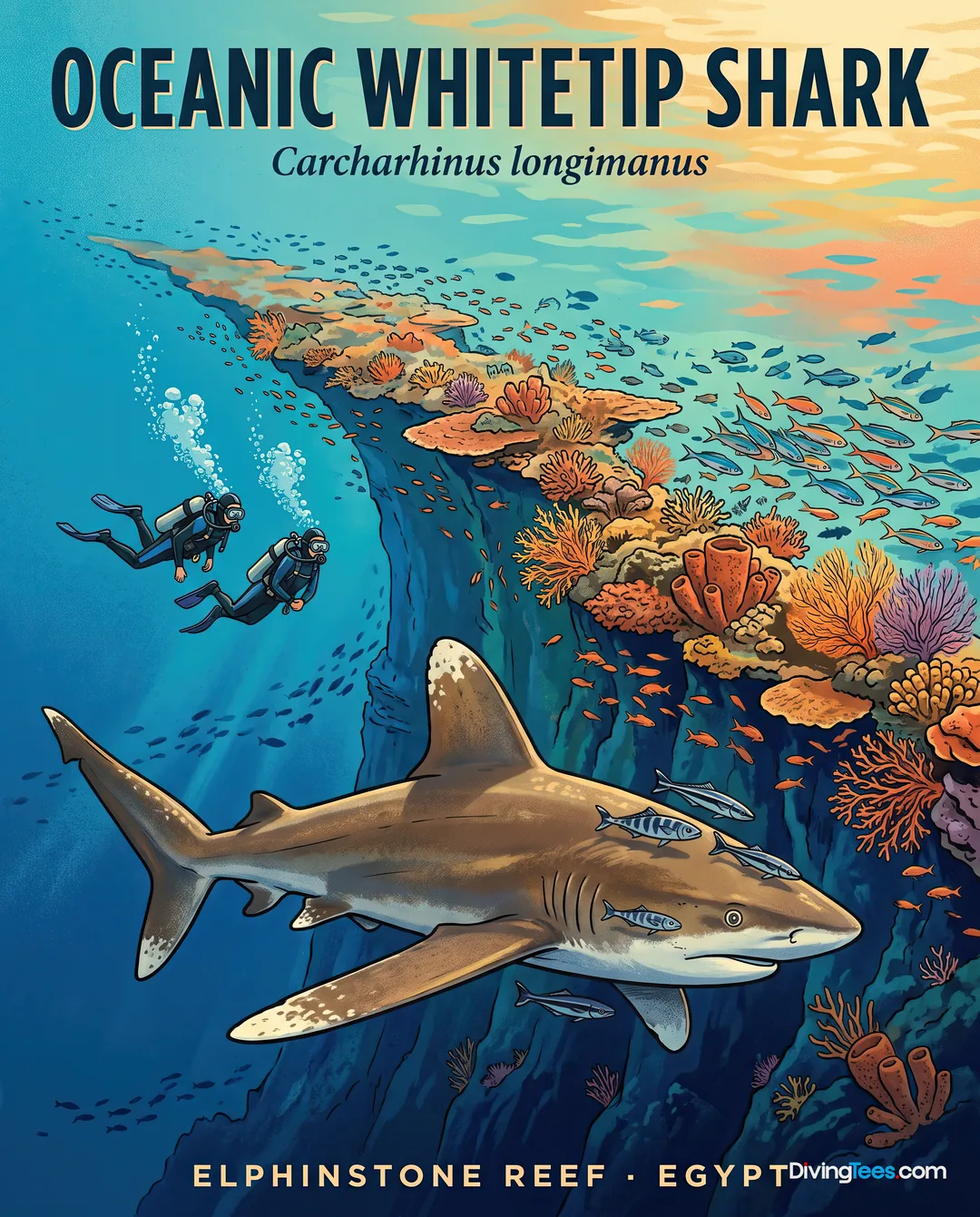
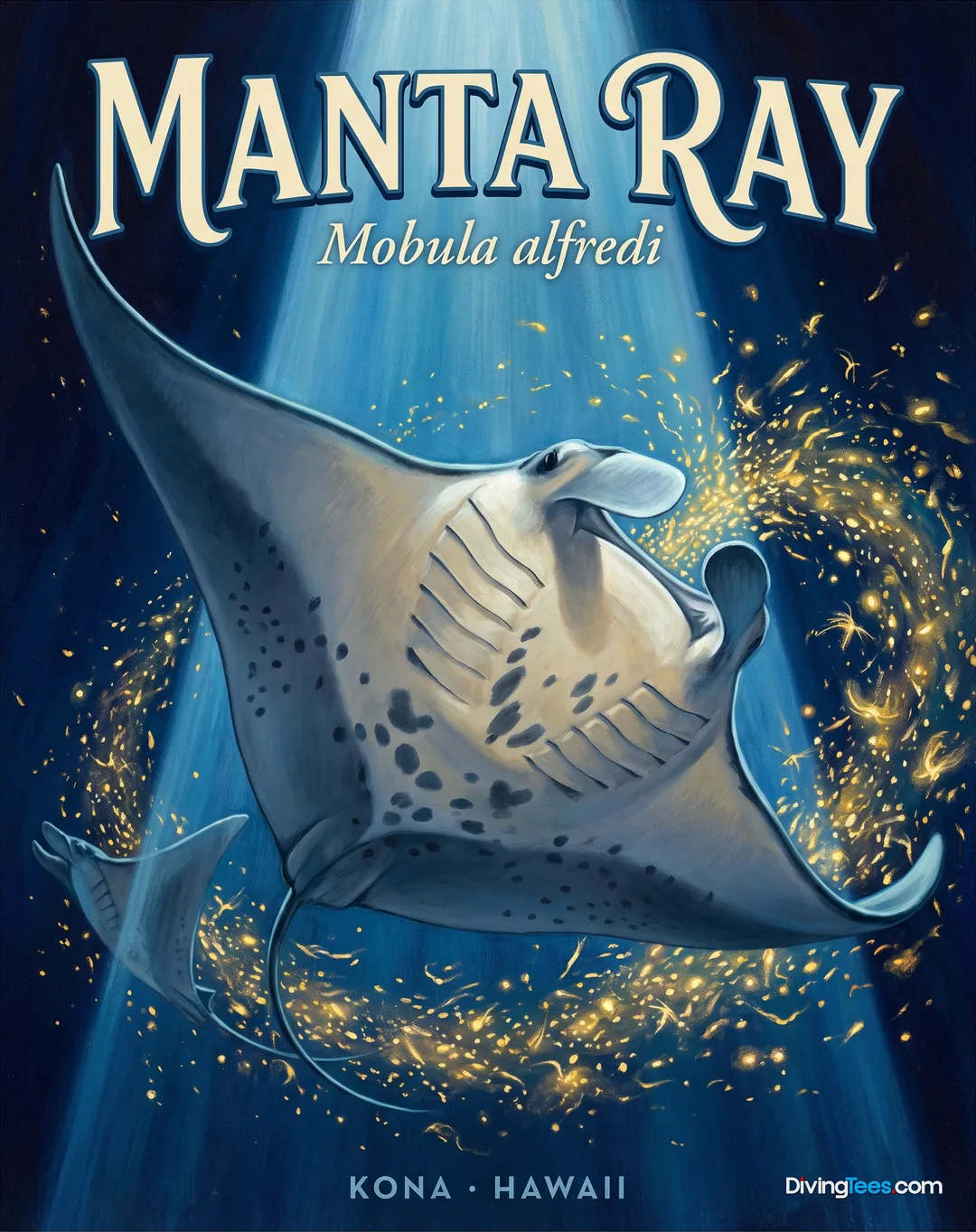
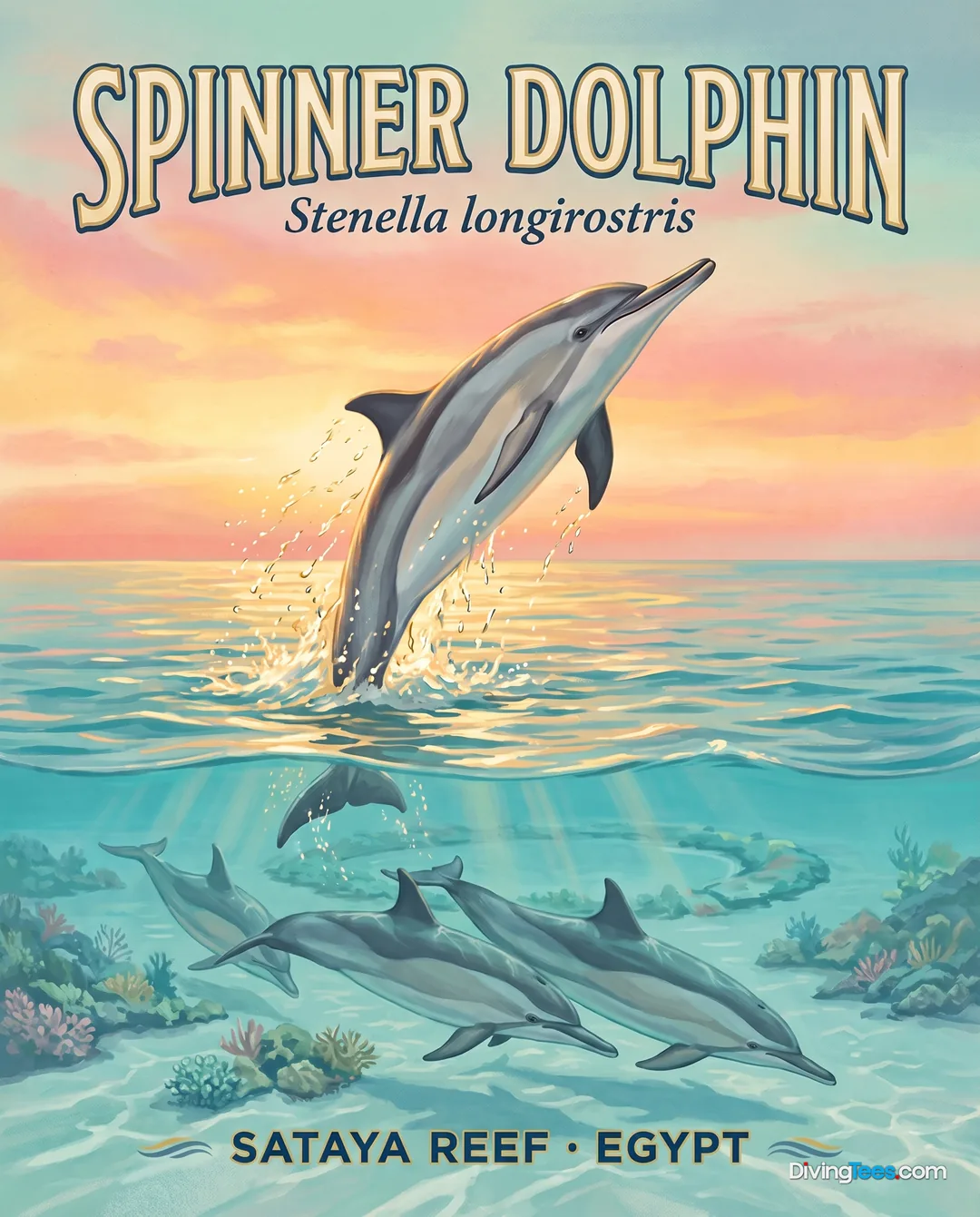
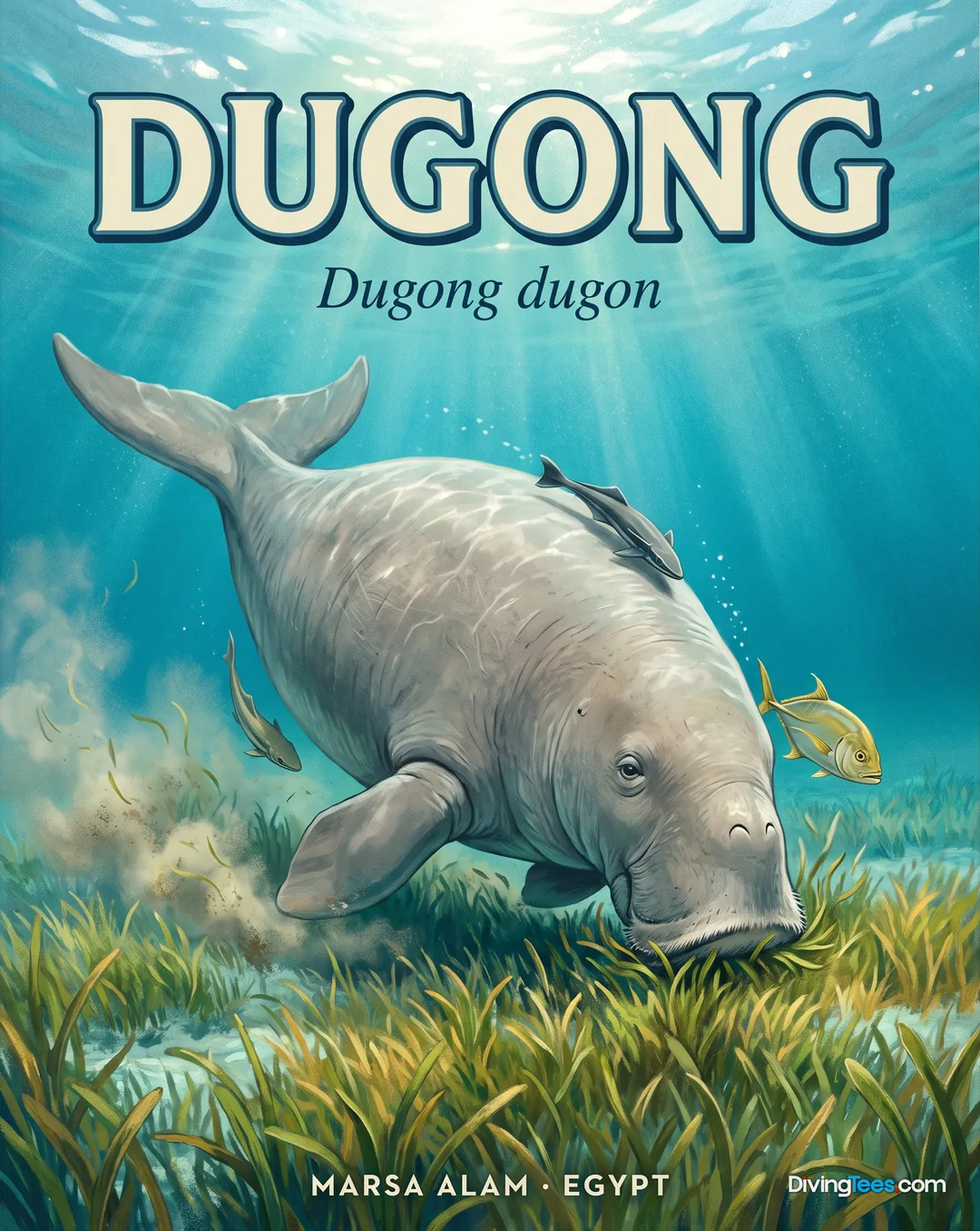
Dugongs and green turtles are the signature encounters in the sheltered seagrass bays. Marsa Egla and Marsa Mubarak are the places to build a day around patient searching rather than fast reef coverage. Sea turtles also feature around Zabargad, while House Reef can add rays and night-time life such as the Spanish dancer. Reef dives bring scorpionfish, jacks, great barracuda and Napoleon wrasse. The offshore reefs are where the list becomes properly pelagic: Daedalus, the Brothers Islands and other extended itineraries may produce hammerhead sharks, thresher sharks, silky sharks, oceanic whitetip sharks and manta rays. Dolphins are associated particularly with Shaab Sataya, where the sheltered lagoon and surrounding coral formations suit a slower, observation-led dive. Encounters remain dependent on site and season rather than guaranteed sightings.
The measured best period for Marsa Alam runs from June to November, while rainfall is lowest from April to October. For a European diver, that makes late spring through autumn the most straightforward seasonal choice: the drier part of the year overlaps much of the strongest diving window, and longer boat programmes are easier to organise without building the whole trip around unsettled weather. The later months also sit within the reported period for seasonal pelagic encounters, although the right reef and conditions matter as much as the calendar. A seven-to-ten-day stay leaves room for weather or navigation changes.
Marsa Alam suits all levels, but not every outing does. Beginners can start with bay profiles at Marsa Egla, Marsa Mubarak or Marsa Nakari House Reef, while experienced divers can move towards drop-offs, deeper wreck sections and exposed offshore reefs. Nitrox is useful during consecutive boat days. An Advanced qualification helps with deeper or more current-affected sites, and the Brothers Islands or Daedalus are better reserved for divers with substantial logged experience and confident drift-diving skills. BSAC, PADI and SSI divers should match the itinerary to their certification and recent experience, not merely their minimum card level.
From London Heathrow, London Gatwick or Manchester, access is built around reaching the Marsa Alam area by air or travelling overland from another major Red Sea arrival point. Flights may involve connections, so the important practical question is how the onward transfer links with the first boat departure. On arrival at Marsa Alam airport, a road transfer continues to the chosen coastal resort, diving bay or port. Travelling overland means allowing for a longer road leg before the diving starts. Once there, local movement is usually by resort or diving-operator shuttle rather than on foot, with some operators collecting divers from nearby accommodation. The more distant southern reefs require a boat departure and, in some cases, several hours of navigation, so they should not be treated as casual add-ons to a short arrival day.
Ask before booking whether the programme is built around nearby reefs or the more distant southern sites; the difference is a short local outing versus a long day at sea. Keep the first morning flexible if the itinerary involves extended navigation, and do not assume a famous offshore reef will fit neatly beside easy bay dives. Early departures are worthwhile at heavily visited sites, when fewer boats are sharing the water. At Marsa Mubarak, expect the final approach to use a Zodiac so the seagrass is not damaged. Bring the computer and weighting system that make repeated dives feel familiar, particularly when changing boats or exposure protection. Check that the boat uses fixed moorings or avoids anchoring on reef. In protected areas, touching or collecting is not acceptable, and supplied moorings should be used. Good buoyancy matters especially over Marsa Egla’s shallow reef and seagrass, where a misplaced fin can do more harm than the depth suggests.
A week to ten days works well from a land-based resort or diving bay: nearby house reefs and sheltered sites can be mixed with full-day boat trips to reefs farther south. Leave a day for navigation or weather changes rather than filling every morning with a fixed departure. A final quiet day by the coast suits the return journey. Non-divers are best matched with a calm beach or resort setting, while a liveaboard extension makes sense for isolated reefs such as the Brothers Islands or Zabargad.
Hello, I'm Marina, DivingDeal.com's AI assistant. I guide you through destinations, areas and countries.
Thinking about the whole trip and the flights? Talk it over with Edith →
Marina is an AI. Some links are affiliate links: DivingDeal may earn a commission, at no extra cost to you. Bookings are made with the partner.
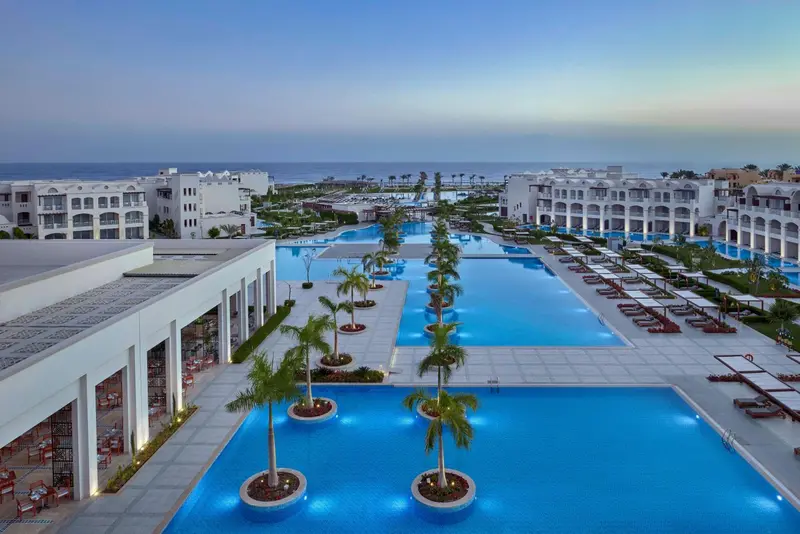
In each one, the dive centre is inside the hotel: step out of your room and go diving.
Dive centre in the hotel★★★★★
Google 4.8/5 (9,455 reviews)
The dive centre
Coraya Divers
PADI
Google 4.6/5 (686 reviews)
Dives: Coraya Bay (House Reef), Marsa Shouna, Elphinstone
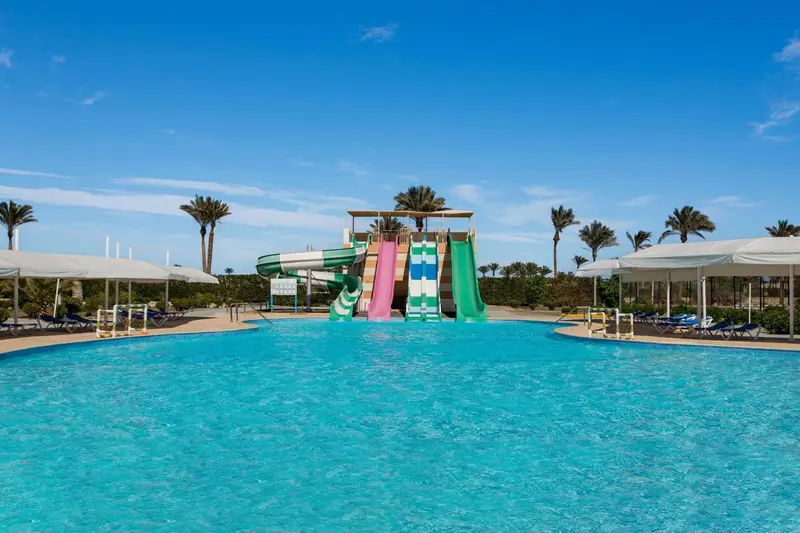 Dive centre in the hotel
★★★★★
Google 4.7/5 (6,498 reviews)
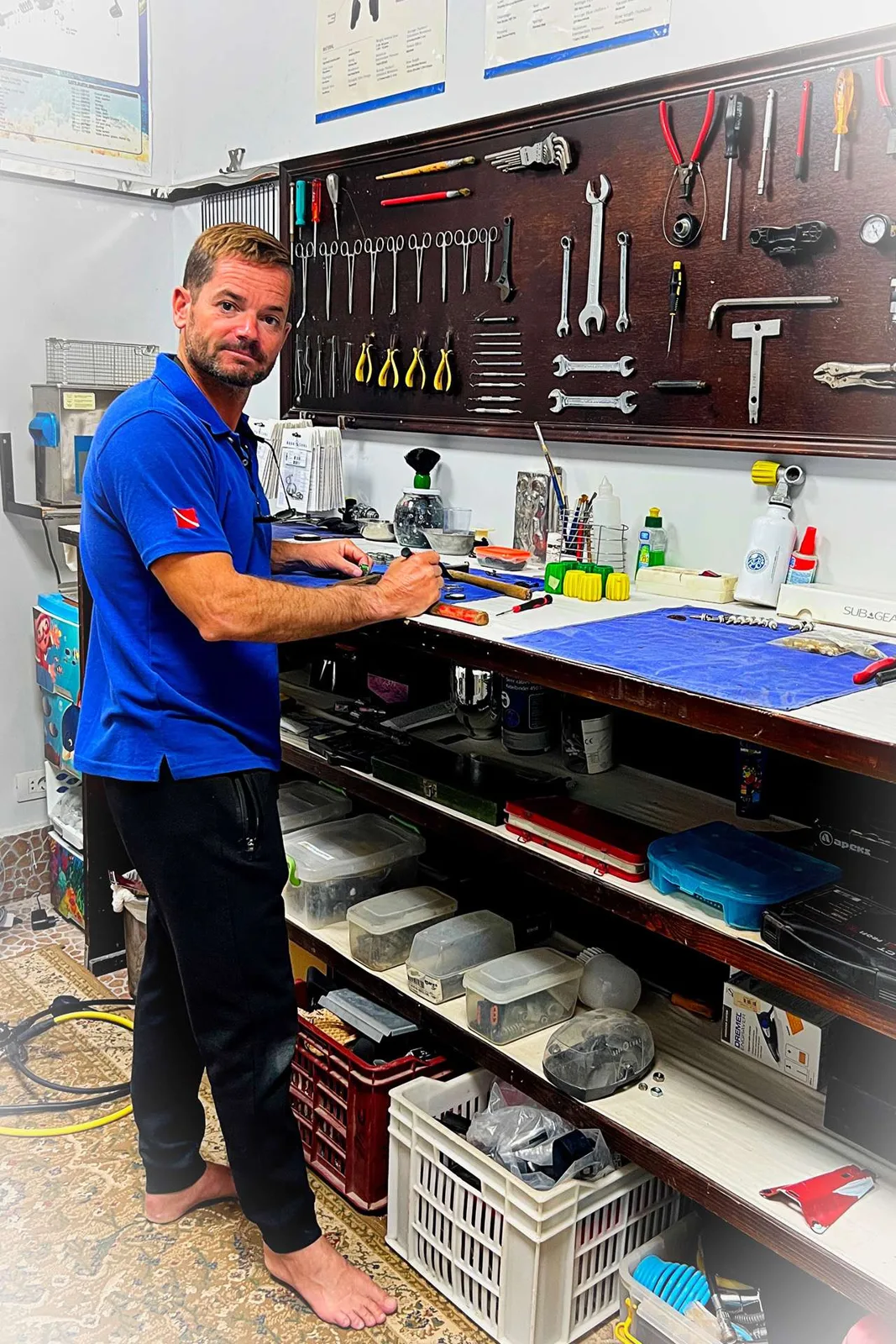
The dive centre
Wonderful Dive Port Galib
PADI
Google 4.9/5 (486 reviews)
Dives: House Reef, Elphinstone (Shaab Abu Hamra), Zerib Kebir
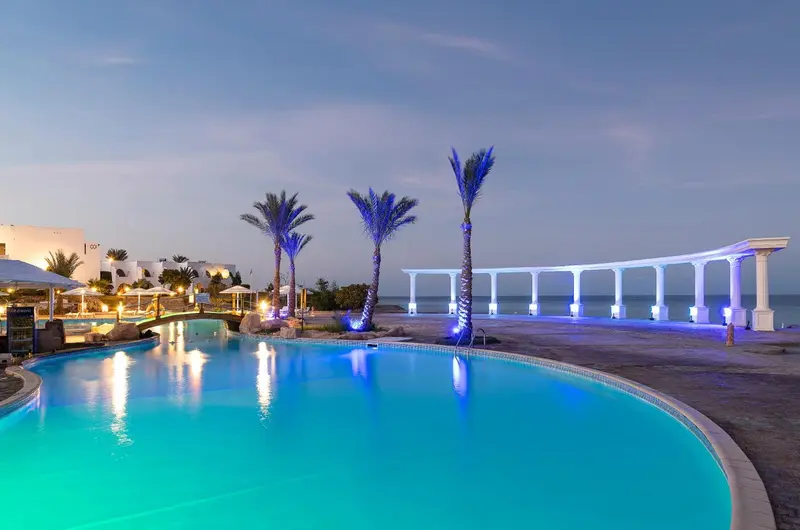 Dive centre in the hotel
★★★★
Google 4.6/5 (3,724 reviews)
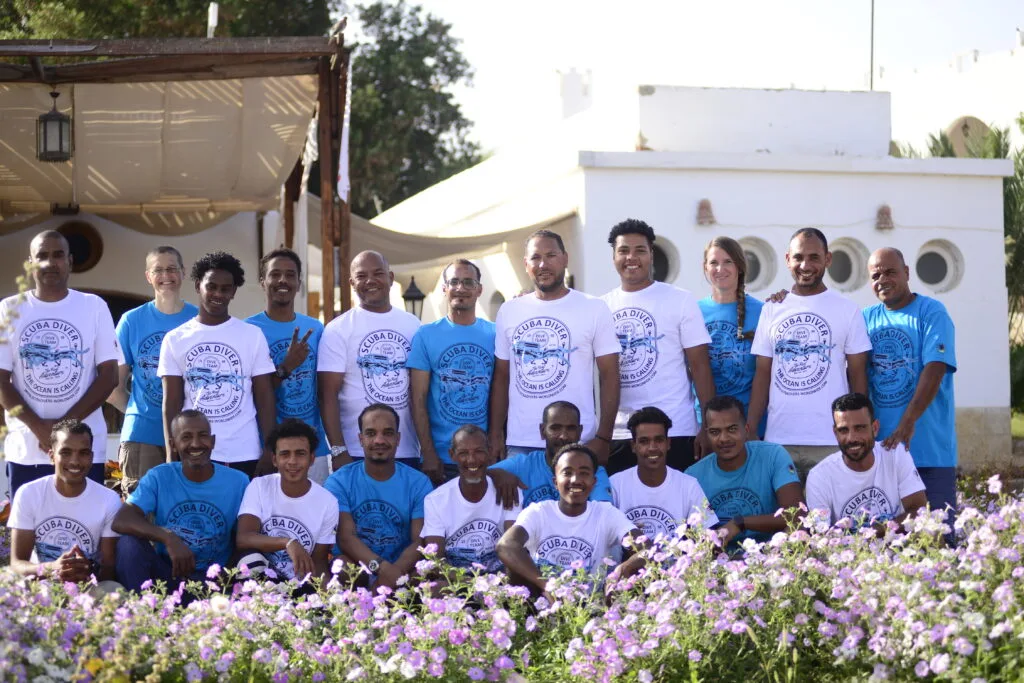
The dive centre
Extra Divers Equinoxe
SSI · CMAS
Google 4.7/5 (139 reviews)
Dives: House Reef, Abu Dabab, Elphinstone Reef
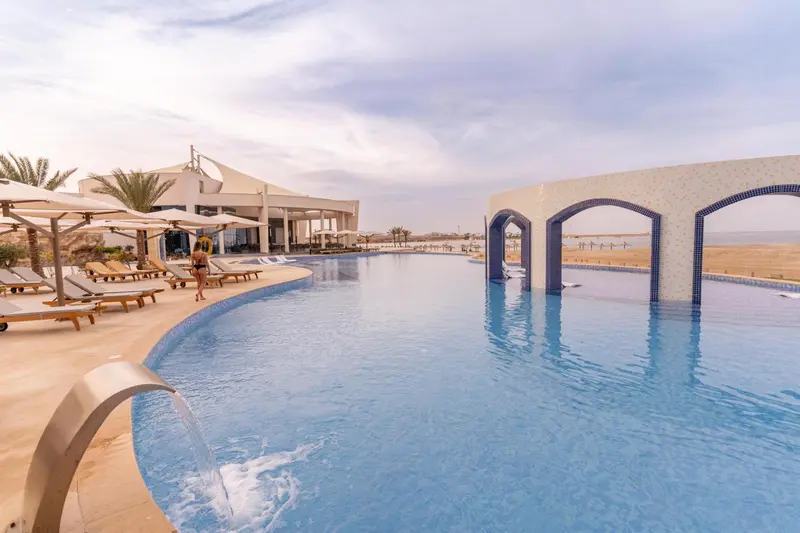 Dive centre in the hotel
★★★★★
Google 4.5/5 (4,826 reviews)
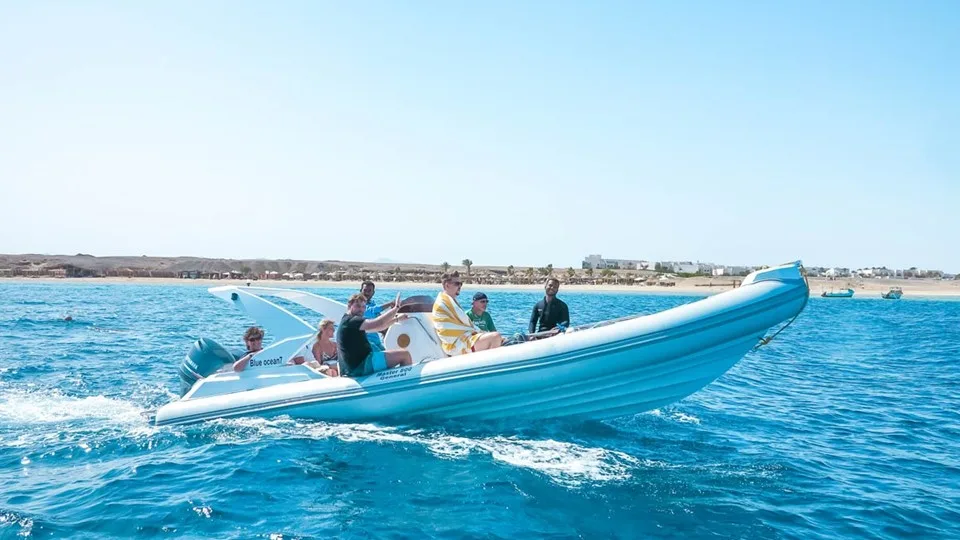
The dive centre
Blue Ocean Abu Dabbab
PADI
Google 4.5/5 (269 reviews)
Dives: Shaab Samadai | Dolphin House, Shaab El Erg | Dolphin House, Brothers Islands
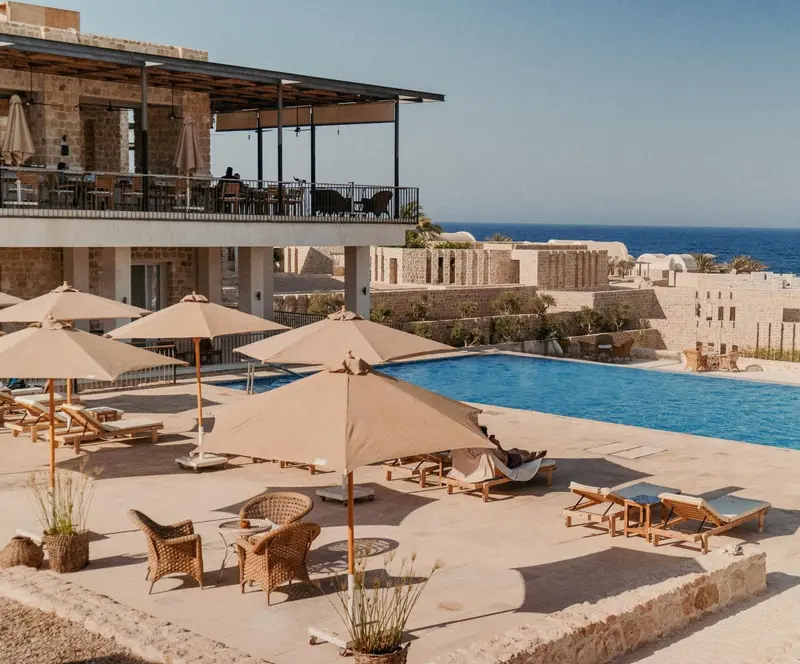 Dive centre in the hotel
Google 4.7/5 (282 reviews)
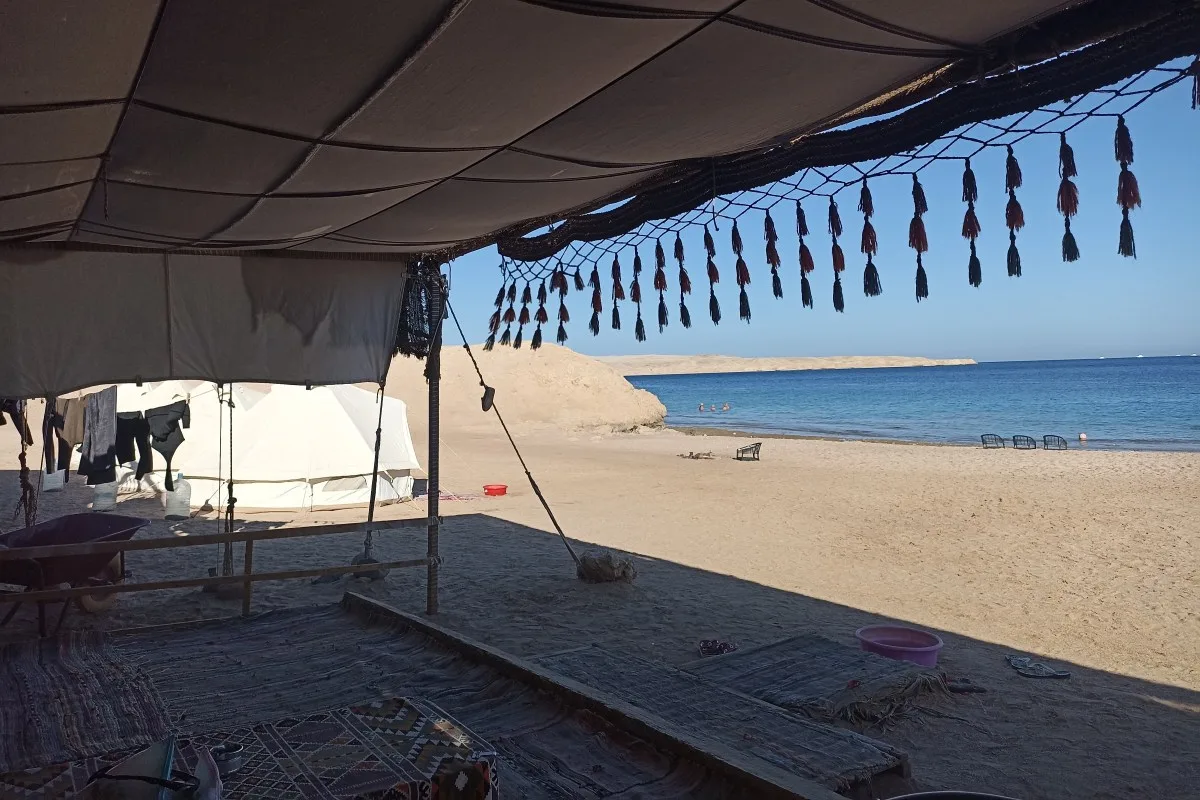
The dive centre
Emperor Divers Wadi Sabarah
PADI
Google 4.8/5 (142 reviews)
Dives: Housereef Wadi Sabarah, Ras el Torfa, Marsa Mubarak
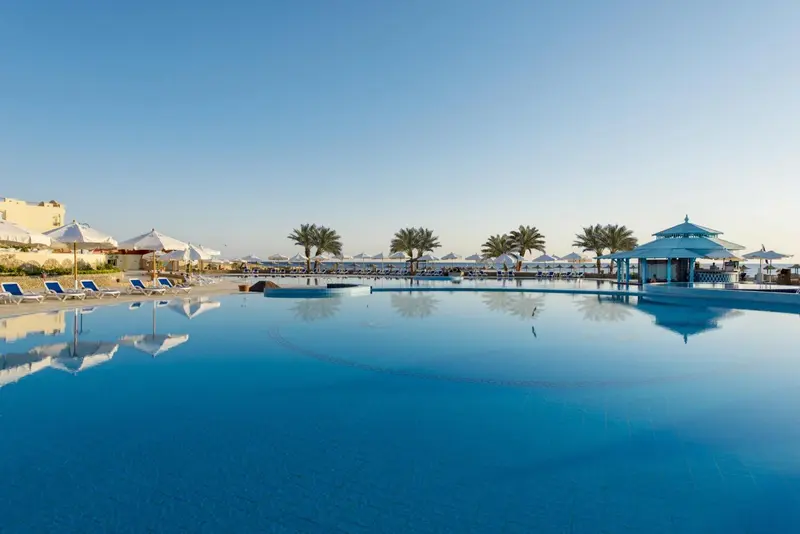 Dive centre in the hotel
★★★★★
Google 4.4/5 (2,701 reviews)
The dive centre
Orca Dive Clubs Moreen Beach
SSI · CMAS
Google 4.7/5 (103 reviews)
Dives: Marsa Murein, Shaab Abu Dabbab 6, Shaab Abu Dabbab 5
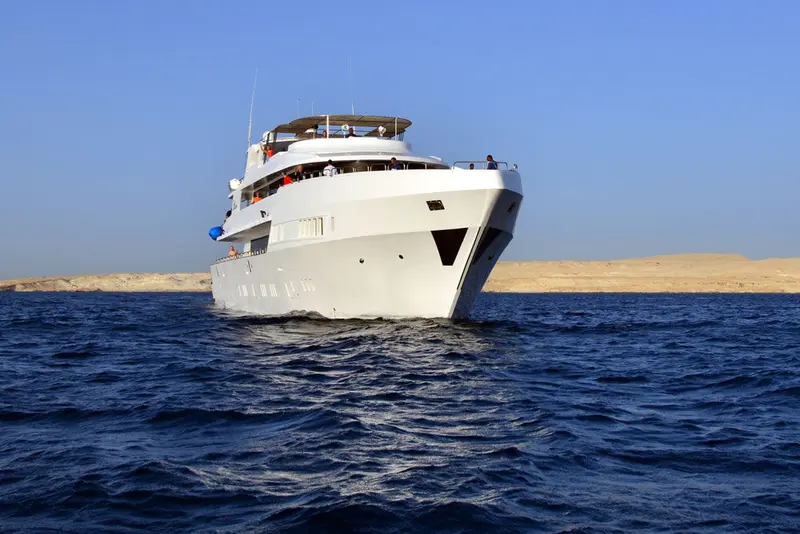
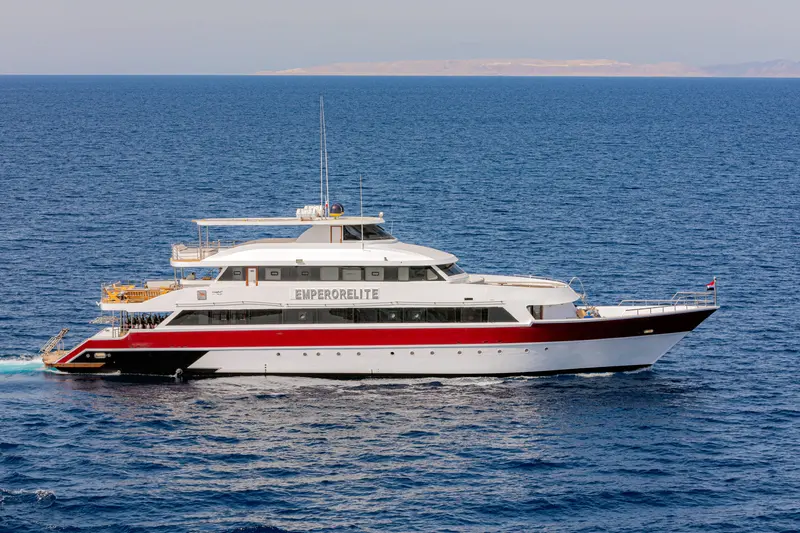
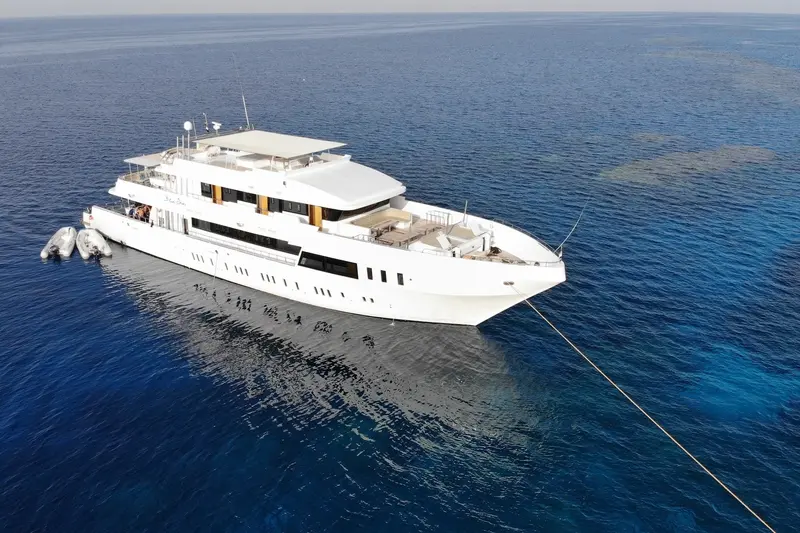
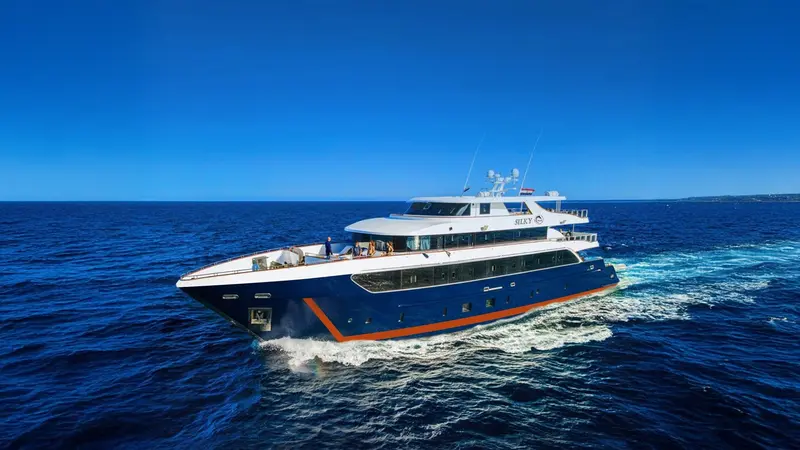
16 liveaboards depart from Marsa Alam another way to explore the region, over several days at sea.
Your last day stays dry: no diving in the 18-24 hours before a flight, the perfect window to see the destination from another angle.
 Desert
⏱ 15 h · ★ 5.0 (54 reviews)
from £81$109€97
see on Viator ↗
 Desert
⏱ 4 h · ★ 5.0 (12 reviews)
from £49$66€59
see on Viator ↗
 Culture
⏱ 14 h · ★ 5.0 (9 reviews)
from £203$272€243
see on Viator ↗
 Culture
⏱ 22 h · ★ 5.0 (7 reviews)
from £276$369€330
see on Viator ↗
Ratings and reviews collected by Viator and Tripadvisor.
June to November is the measured diving season for Marsa Alam, while rainfall is lowest from April to October. Late spring through autumn offers a straightforward seasonal choice, with longer boat programmes easier to organise. Seasonal pelagic encounters may occur later in this period, although site and conditions still matter.
Marsa Alam suits all levels, but the itinerary should match your certification and recent experience. Beginners can start at Marsa Egla, Marsa Mubarak or Marsa Nakari House Reef. Experienced divers can choose drop-offs, deeper wreck sections and exposed reefs, while Daedalus and the Brothers Islands require confident drift-diving skills and substantial logged experience.
Marsa Alam offers sheltered seagrass bays, coral gardens, walls, drop-offs and wrecks. Marsa Egla and Marsa Mubarak are associated with dugongs and green turtles, while Shaab Sataya suits dolphin observation. Reef dives may bring rays, scorpionfish, jacks, barracuda and Napoleon wrasse; offshore reefs may feature hammerheads, threshers, silky sharks, oceanic whitetips and manta rays.
A week to ten days allows you to combine house reefs and sheltered sites with full-day boat trips to southern reefs. Ask whether your programme focuses locally or offshore, and keep a day flexible for weather or navigation. Coordinate airport transfers with boat departures, and consider a liveaboard extension for isolated reefs such as the Brothers Islands or Zabargad.