
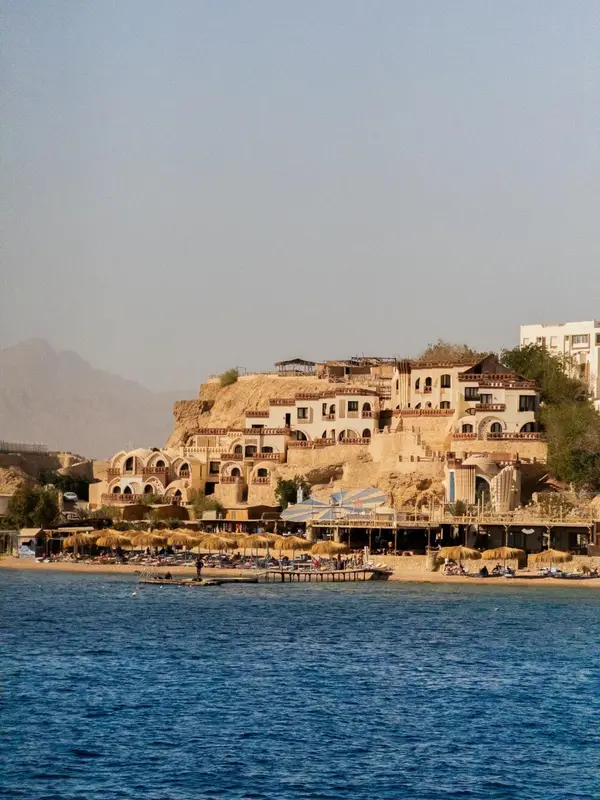
 Dive centre in the hotel
Umbi Sharks Bay Diving Village
★★★
Google 4.5/5 (769 reviews)
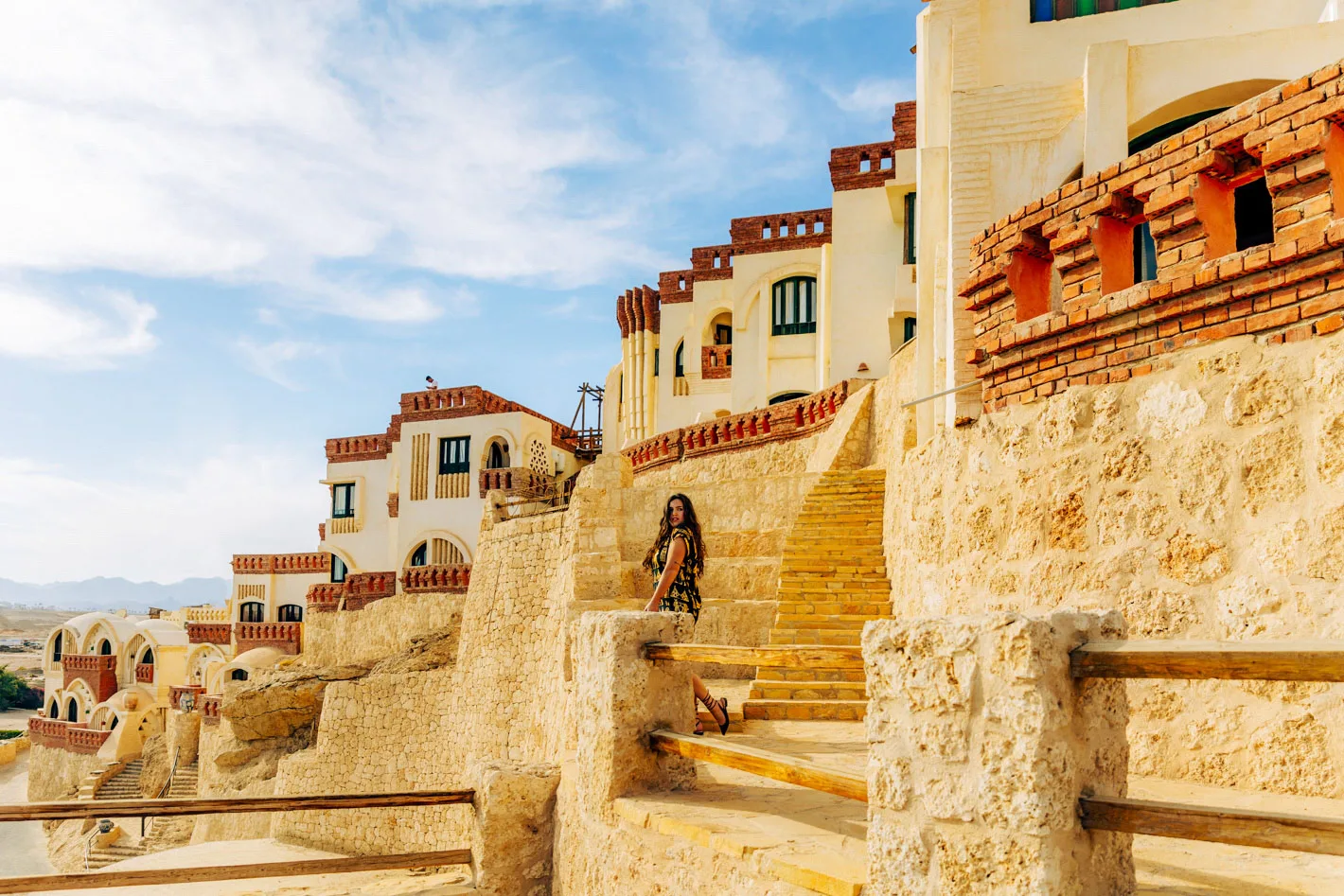
The dive centre
Umbi Sharks Bay Diving Village
PADI · SSI
Google 4.5/5 (776 reviews)
Dives: Jackson Reef, Thomas Reef, Woodhouse Reef
Egypt · Red Sea
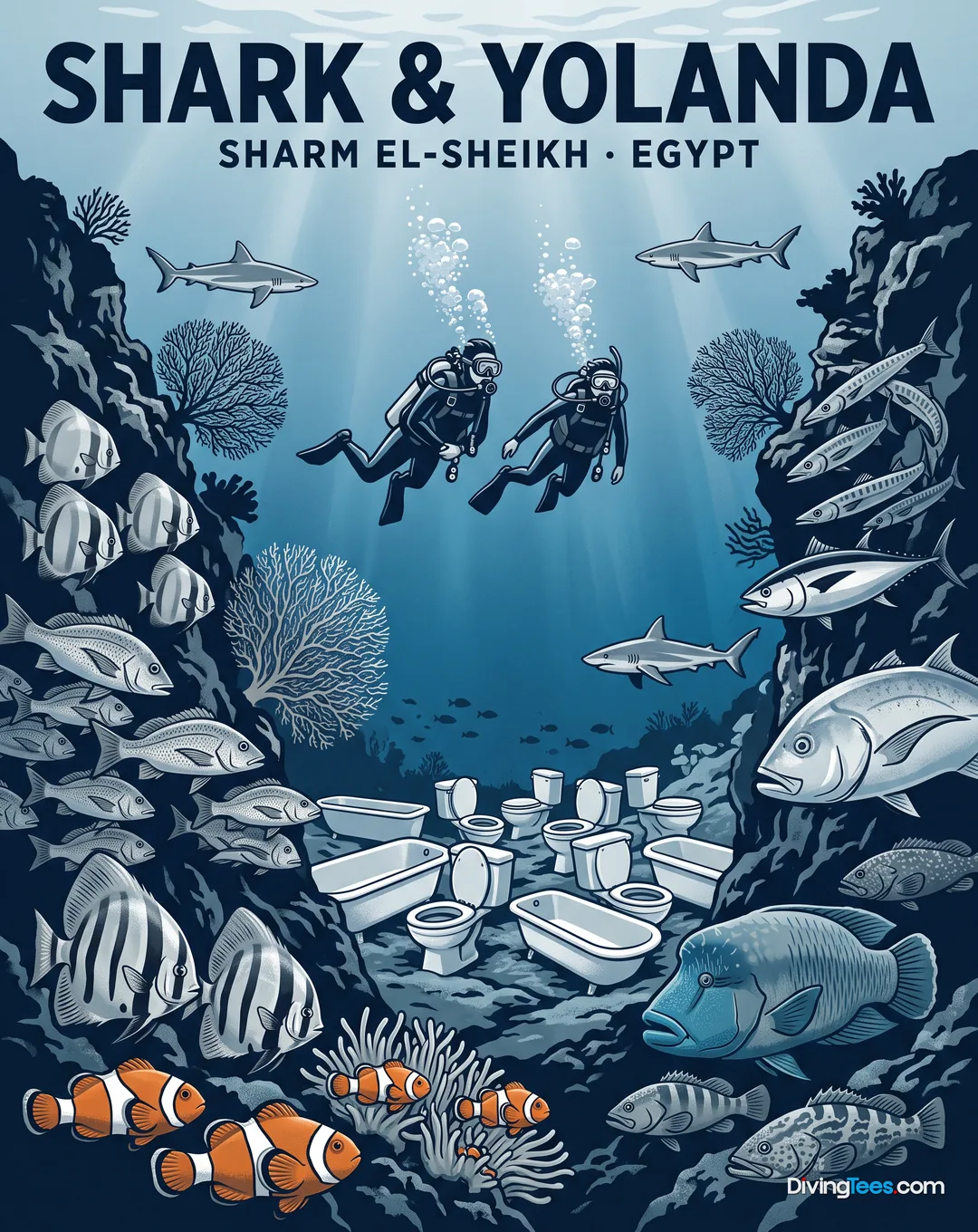
Shark & Yolanda Reef drops into blue water, while El Mina and Million Hope put wreck metal, coral growth and current into the same week.
For subtitles in English: start the video firstthen click the gearat the top right of the video, select “Subtitles/CC”, then “Auto-translate” and choose “English”.
At Eel Garden, a broad colony of garden eels rises from the sand below the reef, while elsewhere Sharm el-Sheikh moves from coral walls to wrecks and exposed offshore sites. This is a coastal base for boat diving, with Ras Mohammed and the Strait of Tiran shaping the itinerary. It works for straightforward recreational dives as well as more demanding current and wreck days, and suits a land-based holiday where a non-diving companion need not spend the week at sea.
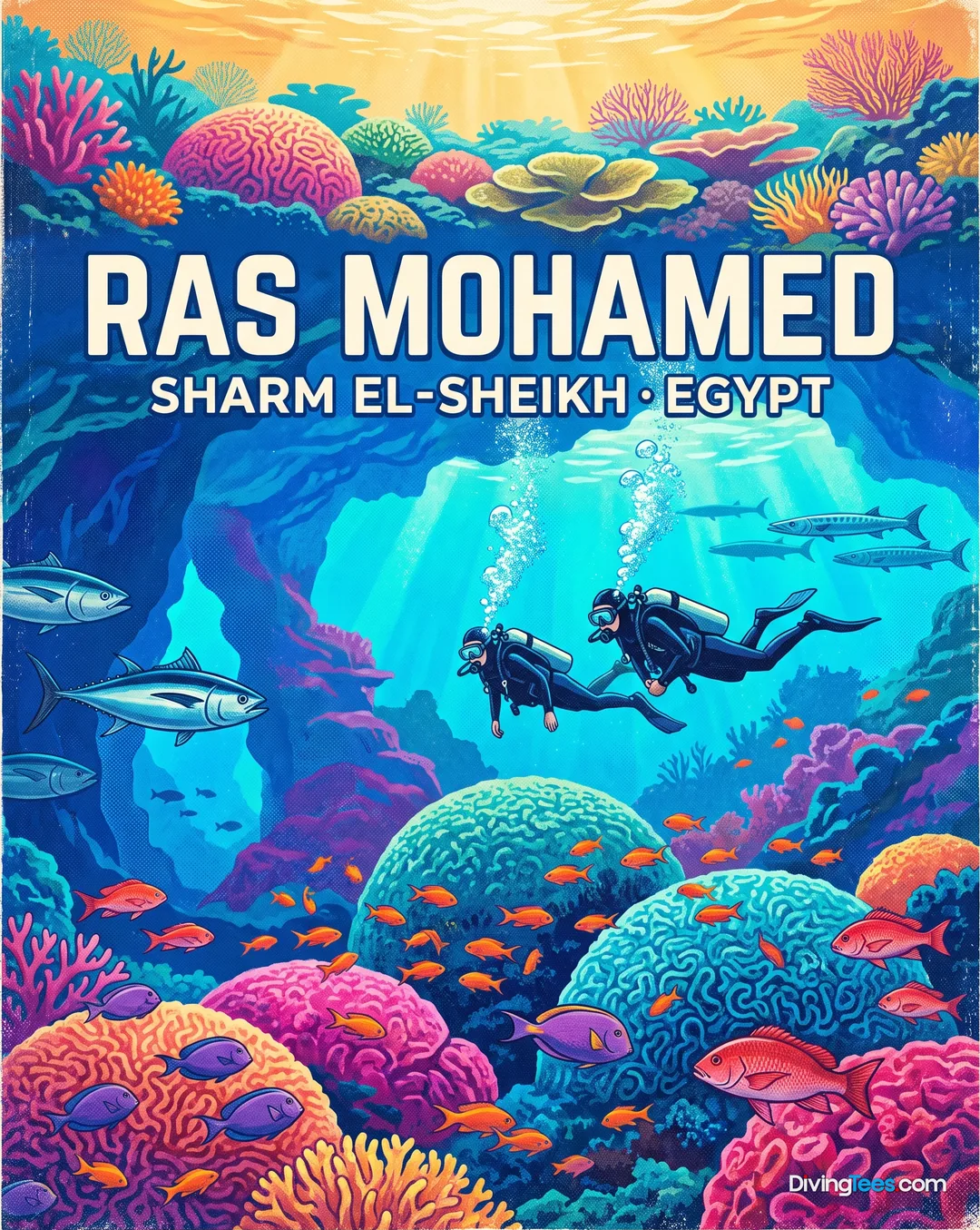
The diving shifts between sloping coral gardens, pinnacles, drop-offs and wrecks. Turtle Bay crosses a sandy plateau between 10 and 26 metres, with coral pinnacles, glassfish and turtles; Banana Reef follows a crescent-shaped reef to 22 metres and may become a drift dive when the current runs. At the more exposed end, Shark & Yolanda Reef combines a wall, strong and changeable current, pelagic fish and the scattered cargo of the Yolanda wreck. El Mina lies on its port side to 32 metres, while the deeper Rosalie Moller reaches 50 metres. Boat departures are central to the experience, particularly for Ras Mohammed and Tiran. Visibility is described as good at Turtle Bay and typically 20 to 25 metres at Banana Reef, but sea state and current matter more than a brochure description on exposed days.
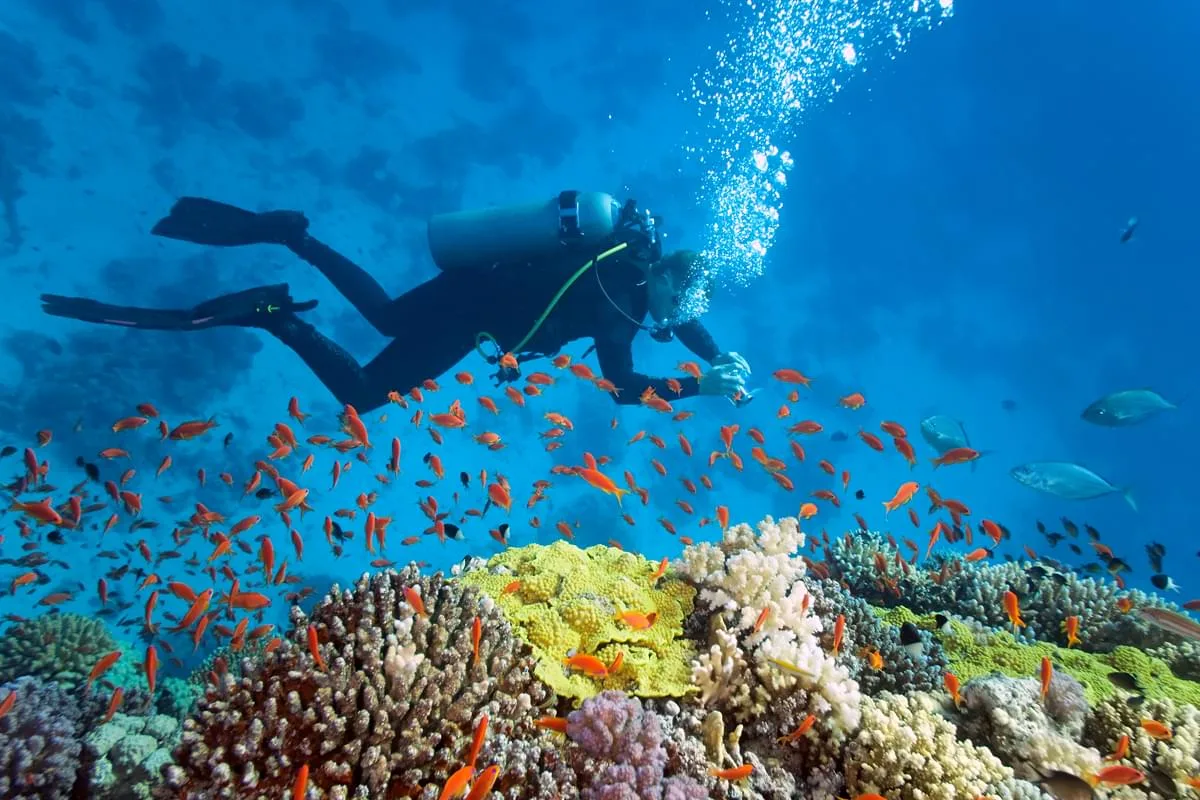
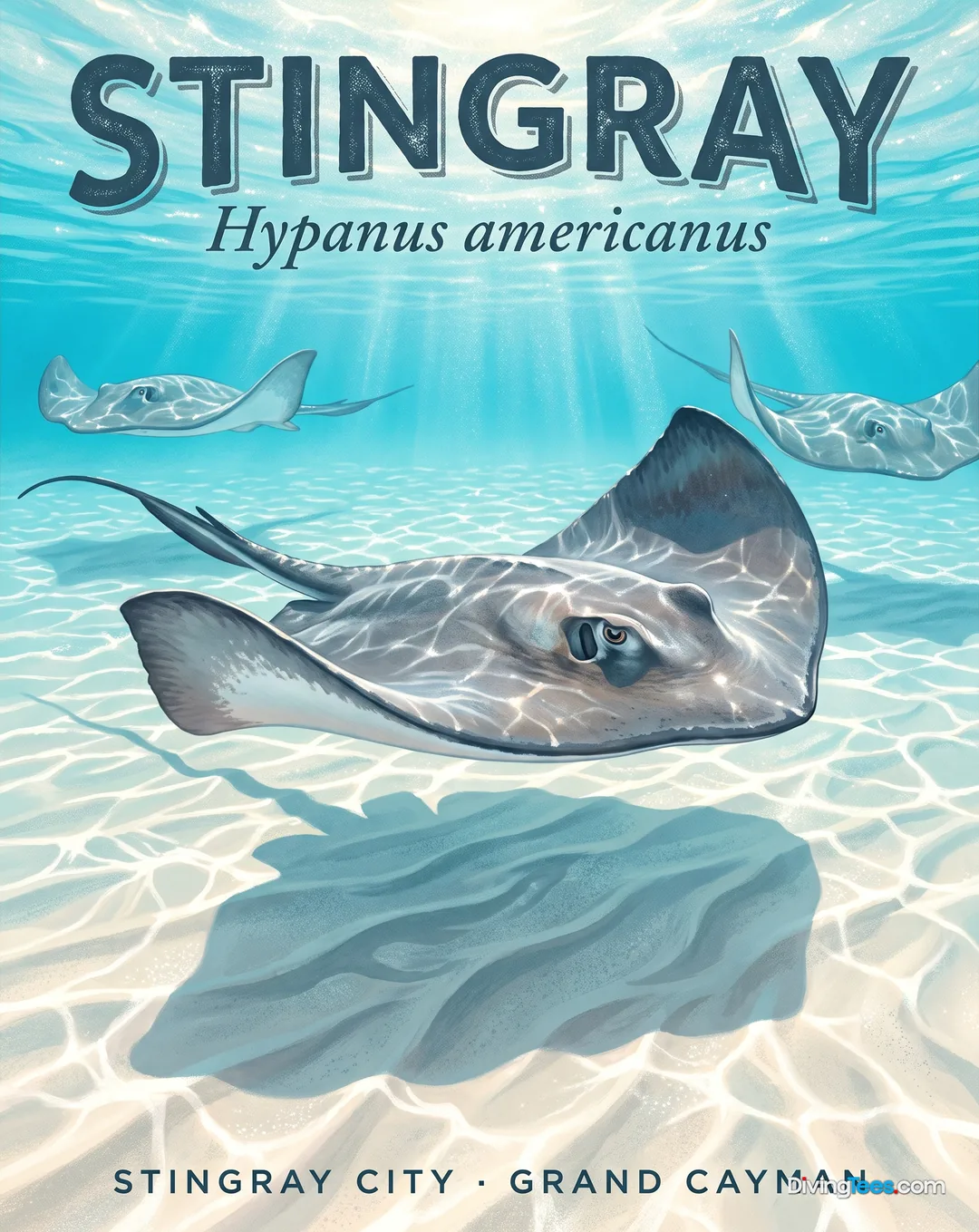
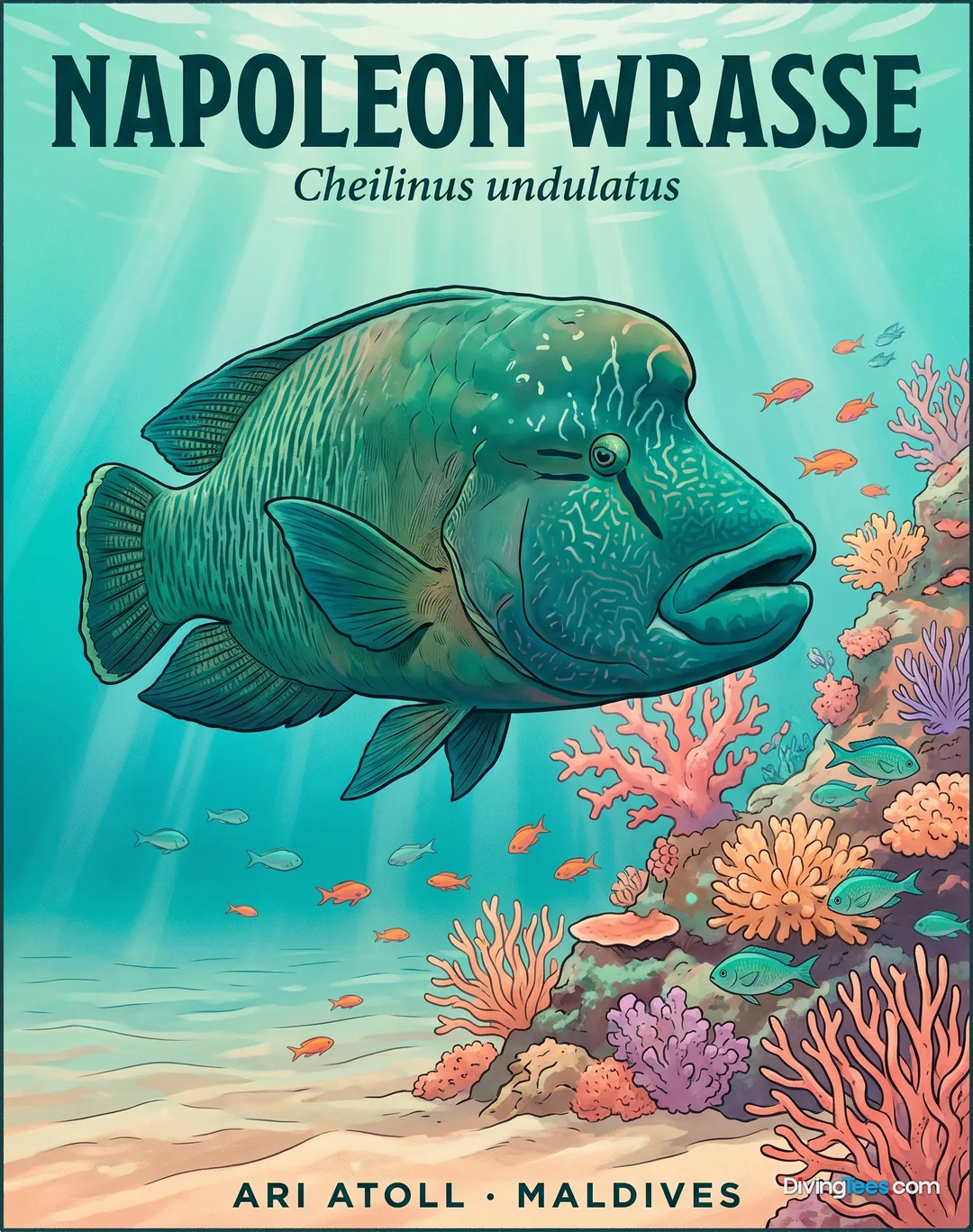
The reef life ranges from small subjects to open-water encounters. Eel Garden puts garden eels and coral formations in the foreground; El Mina adds moray eels, glassfish and red sponges around the hull. Turtle Bay is a sensible place to look for grazing sea turtles, stingrays and glassfish, while Banana Reef can produce eagle rays, turtles and barracuda on a drift. Across the sites, divers may encounter Napoleon wrasse, grouper, snapper, lionfish, scorpionfish, nudibranchs, moray eels, rays, southern stingrays, batfish, tuna, giant tunas and great barracuda. Rocky Island is the more serious pelagic proposition, with strong current and the possibility of sharks, manta rays and large barracuda schools. These encounters are best treated as site-by-site possibilities rather than a guaranteed calendar event.
June to November is the clearest period in the available measurements, with the lowest rainfall and the strongest recorded seasonal preference. That matters in Sharm because exposed sites, particularly around Tiran and offshore reefs, are governed by weather and sea state as much as by the dive plan. The drier window gives a more dependable basis for arranging boat days, while the rest of the year should be approached with enough flexibility to move or change exposed trips. It is worth keeping a spare day in the itinerary rather than scheduling the most ambitious wreck or current dive at the end of the holiday.
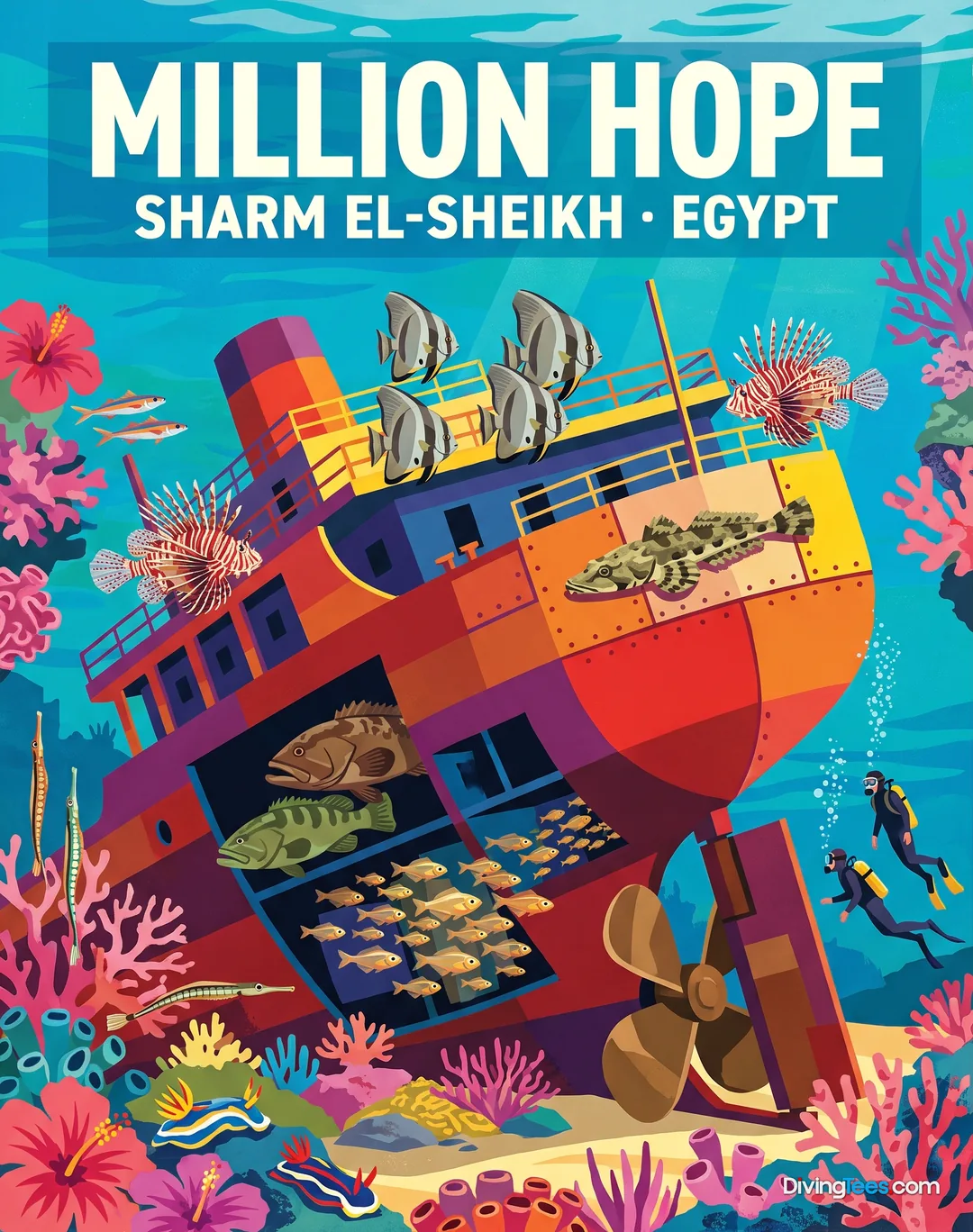
Sharm suits all levels, but not every departure does. Turtle Bay and Ulysses are described as suitable for divers of all levels, while Shark & Yolanda Reef, El Mina, Million Hope, Rosalie Moller and Rocky Island demand stronger buoyancy, current awareness or deep-wreck experience. Advanced certification is useful, with Drift and Nitrox particularly relevant to the local programme. Wreck penetration requires the appropriate additional training; Rocky Island also calls for substantial logged experience.
From London Heathrow, London Gatwick or Manchester, the destination is reached by an international flight to Sharm el-Sheikh airport. There is no structural ferry journey or maritime crossing to add after arrival. Short road transfers connect the airport with Sharm and its marinas, and the final journey to the diving departure is handled locally by walking, shuttle or taxi, depending on where the accommodation is based. The important planning issue is not a complicated onward transport chain but the boat programme: local outings, Ras Mohammed and Tiran do not necessarily follow the same sailing windows or permissions. Before fixing accommodation, it is sensible to understand where the daily meeting point or marina lies, since a distant base can turn a simple boat day into unnecessary time on the road.
Build the programme around at least one Ras Mohammed or Tiran day; staying only on nearby reefs misses the exposed character that distinguishes Sharm. Ask before booking whether the planned sites are run as drift dives, since the right response to current is often to work with the water rather than fight it. The first boat rotation is usually the calmer choice on famous sites and reduces traffic from later day boats. For a short stay, accommodation near the diving marinas saves more time than a marginally cheaper base farther inland. A computer set up for repetitive two-dive boat days is useful, as is Nitrox where available. Keep cameras and loose accessories secured: reef life may be active, but boat movement and diver traffic can be equally noticeable. Treat Ras Mohammed rules as part of the dive plan, including no contact with coral, no collecting and no direct anchoring on the reef.
A practical Sharm holiday is a seven- to ten-day land-based stay, with daily boat outings mixed between nearby reefs, Ras Mohammed and Tiran. That length leaves room for weather or permission changes without repeating the same profile every day. A liveaboard is also possible when the aim is to reach more distant sectors efficiently, but the shore-based format is the natural fit for this resort destination. Non-divers have beaches, waterfront time, snorkelling and desert excursions available between diving days.
Hello, I'm Marina, DivingDeal.com's AI assistant. I guide you through destinations, areas and countries.
Thinking about the whole trip and the flights? Talk it over with Edith →
Marina is an AI. Some links are affiliate links: DivingDeal may earn a commission, at no extra cost to you. Bookings are made with the partner.
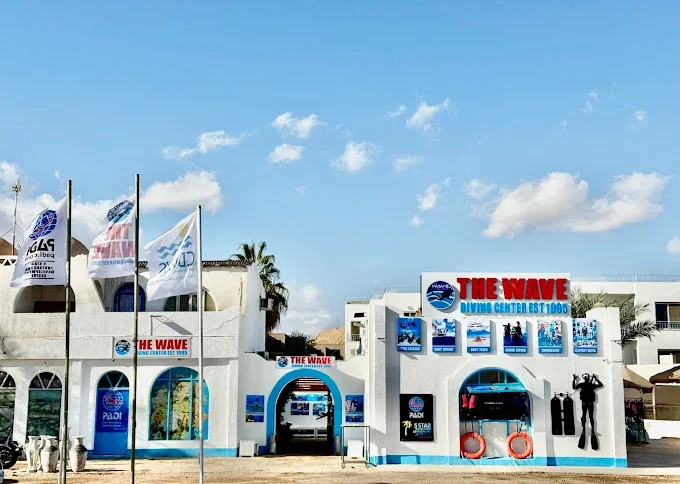
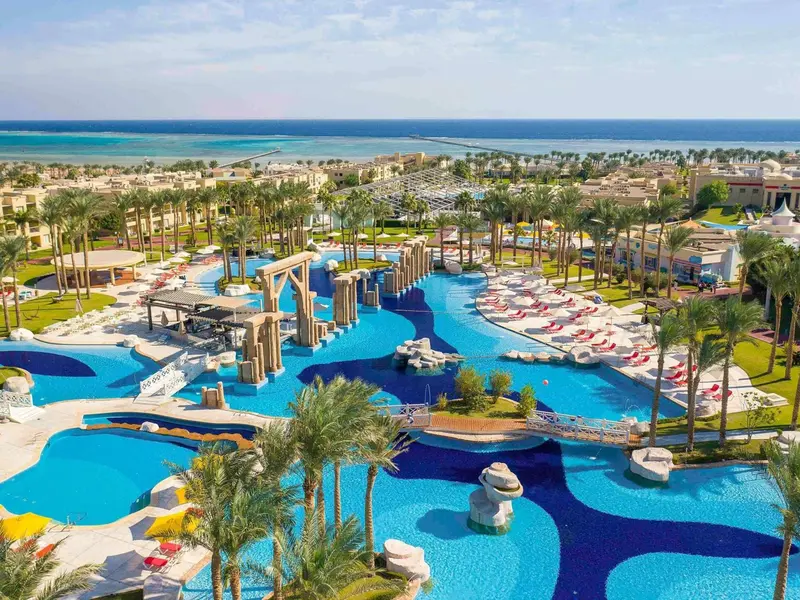
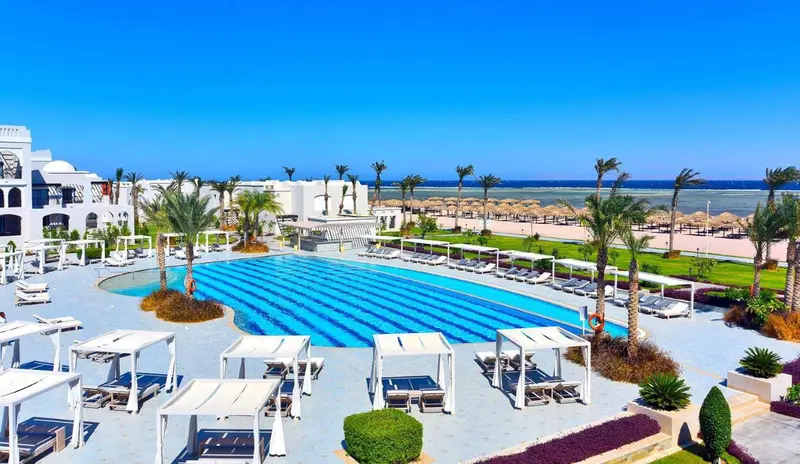
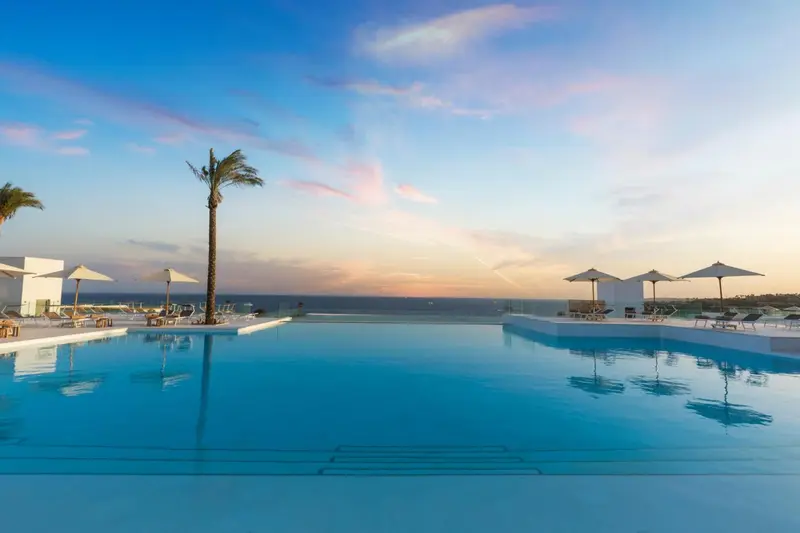
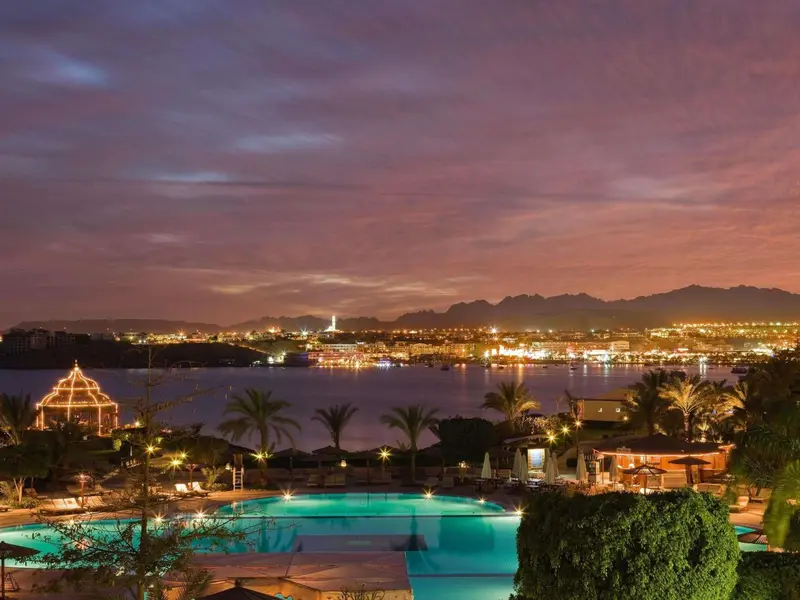
In each one, the dive centre is inside the hotel: step out of your room and go diving.
Dive centre in the hotel★★★
Google 4.5/5 (769 reviews)
The dive centre
Umbi Sharks Bay Diving Village
PADI · SSI
Google 4.5/5 (776 reviews)
Dives: Jackson Reef, Thomas Reef, Woodhouse Reef
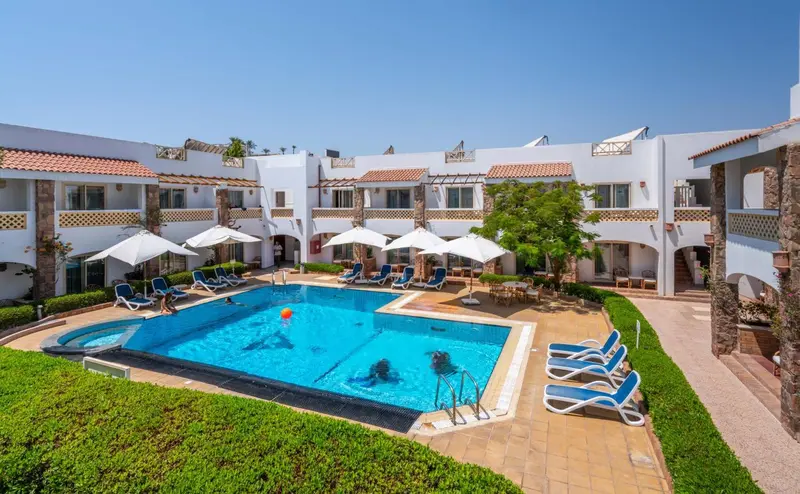 Dive centre in the hotel
★★★★
Google 4.5/5 (347 reviews)
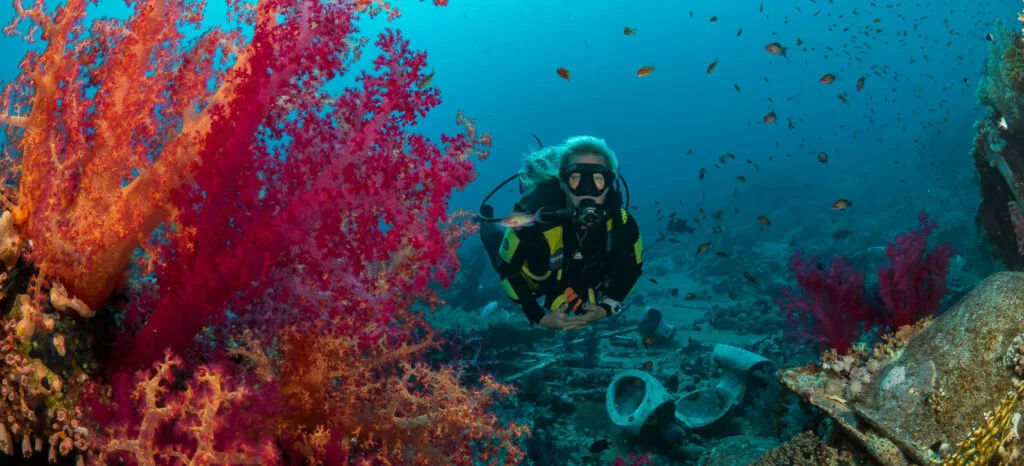
The dive centre
Camel Dive Club
SSI · TDI · SDI
Google 4.6/5 (365 reviews)
Dives: Ras Mohammed National Park, Strait of Tiran, SS Thistlegorm
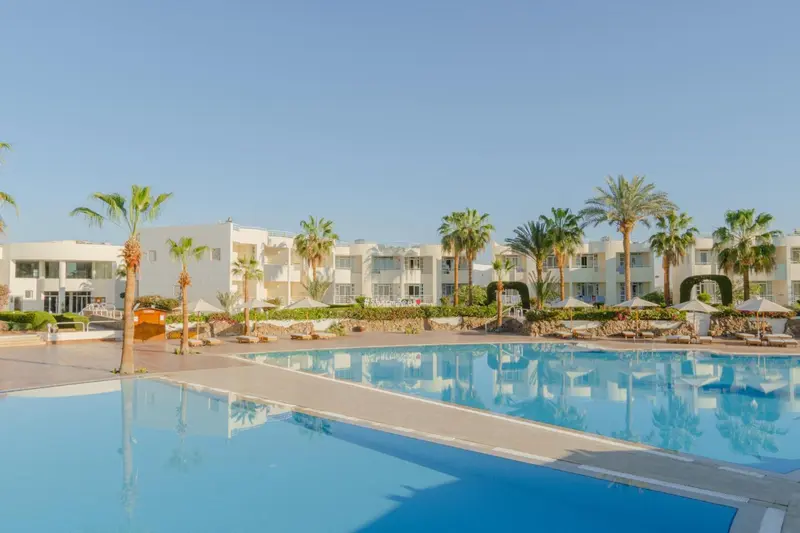 Dive centre in the hotel
★★★★
Google 4.3/5 (1,487 reviews)
The dive centre
Anthias Divers
PADI
Google 4.8/5 (51 reviews)
Dives: Ras Mohammed National Park, Tiran Island, S.S. Thistlegorm
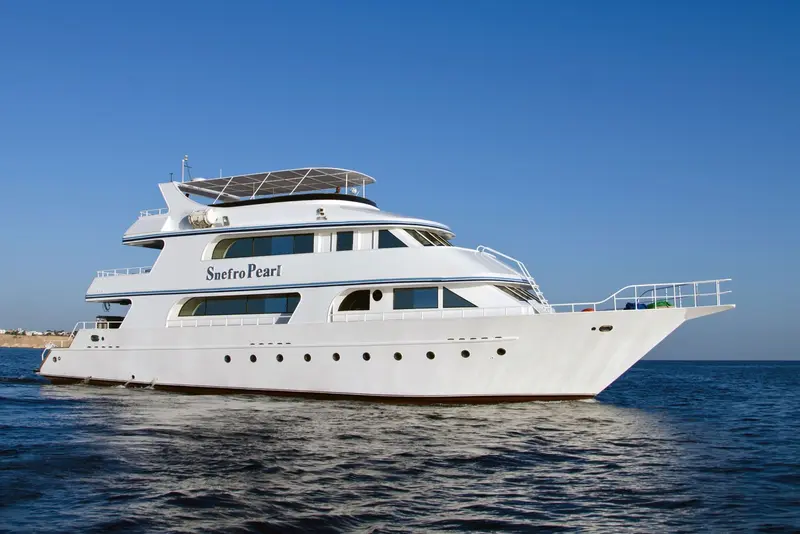
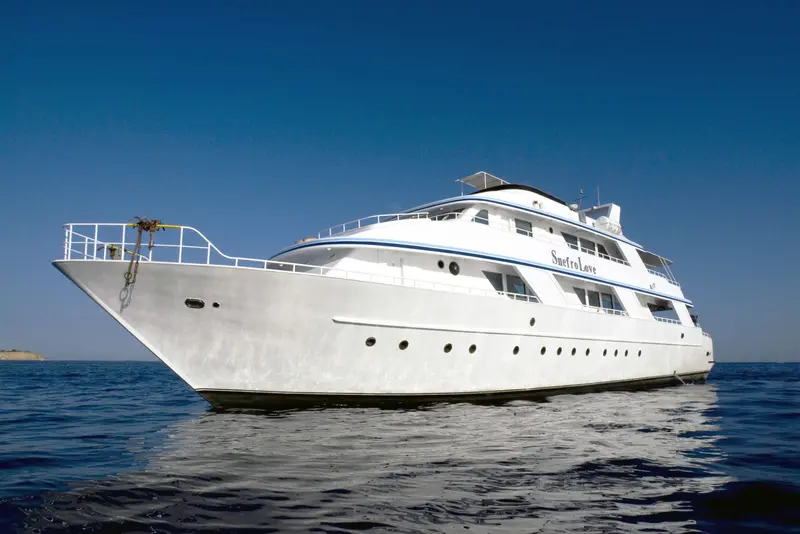
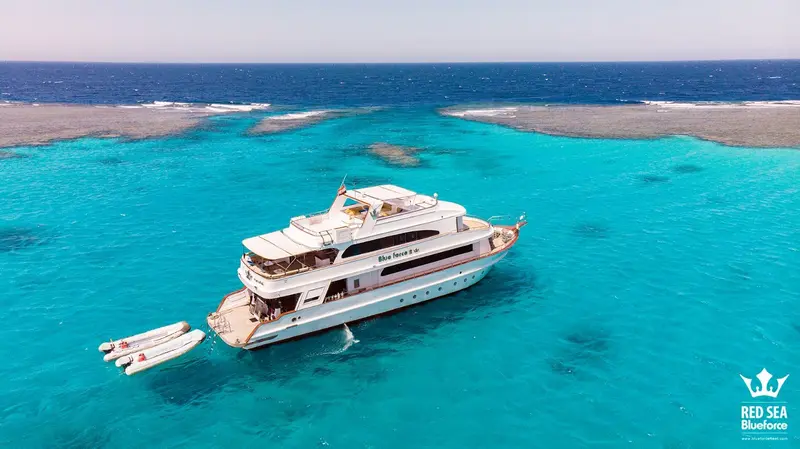
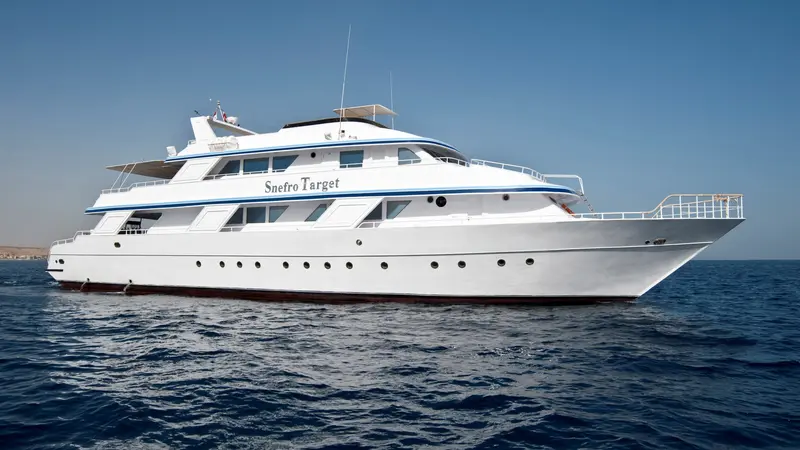
11 liveaboards depart from Sharm El Sheikh another way to explore the region, over several days at sea.
Your last day stays dry: no diving in the 18-24 hours before a flight, the perfect window to see the destination from another angle.

⏱ 5 h · ★ 5.0 (45 reviews)
from £342$458€409
see on Viator ↗
 Desert
⏱ 3 h · ★ 5.0 (32 reviews)
from £23$31€27
see on Viator ↗
 Culture
⏱ 2 days · ★ 5.0 (11 reviews)
from £195$261€233
see on Viator ↗

⏱ 2 h · ★ 5.0 (10 reviews)
from £27$36€32
see on Viator ↗
Ratings and reviews collected by Viator and Tripadvisor.
June to November is the clearest period in the available measurements, with the lowest rainfall and the strongest seasonal preference. Exposed sites around Tiran and offshore reefs remain dependent on weather and sea state, so keep flexibility for boat days and leave spare time for changing ambitious current or wreck trips.
Sharm El Sheikh suits all levels, but individual departures vary. Turtle Bay and Ulysses are suitable for divers of all levels, while Shark and Yolanda Reef, El Mina, Million Hope, Rosalie Moller and Rocky Island require stronger buoyancy, current awareness or deep-wreck experience. Wreck penetration needs additional training.
Sharm El Sheikh combines coral gardens, pinnacles, walls, drop-offs and wrecks. You may see garden eels, turtles, stingrays, eagle rays, barracuda, moray eels, glassfish, nudibranchs, groupers and tuna. Shark and Yolanda Reef adds pelagic fish and wreck cargo, while Rocky Island may bring sharks, manta rays and large barracuda schools.
Plan Sharm El Sheikh around daily boat outings to nearby reefs, Ras Mohammed and Tiran, with at least one Ras Mohammed or Tiran day included. Check the meeting point or marina before choosing accommodation, allow flexibility for weather and permissions, and consider staying near the diving marinas to reduce road time.