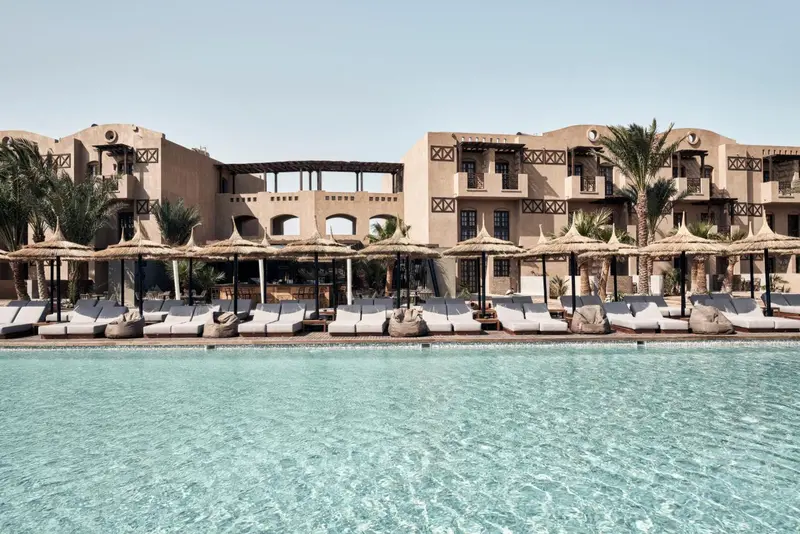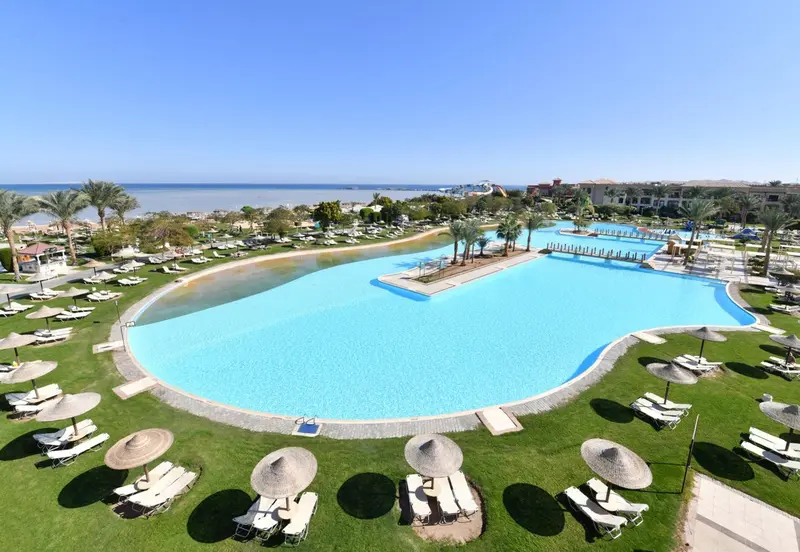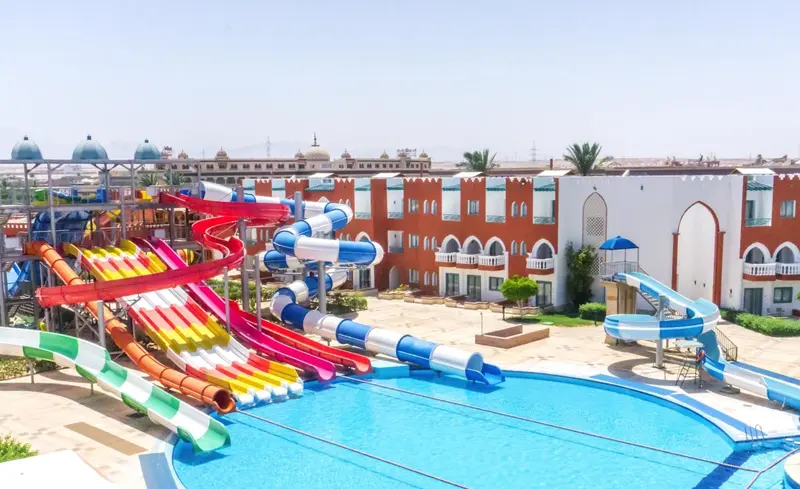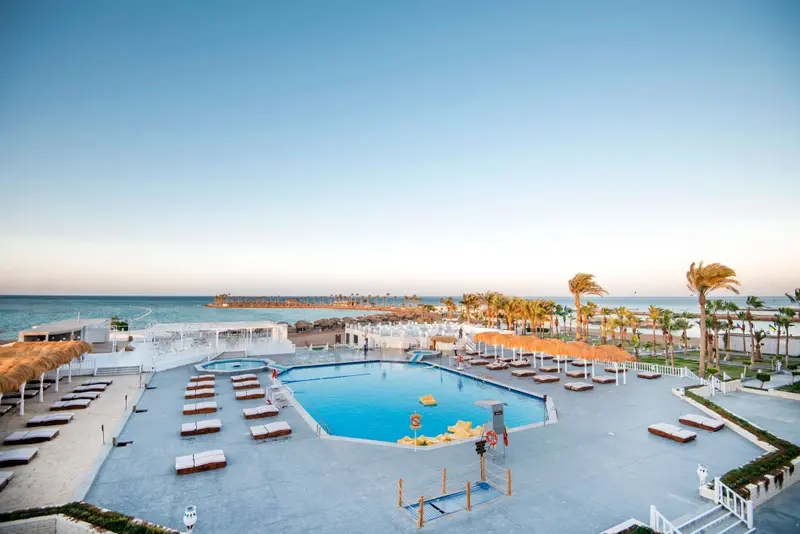
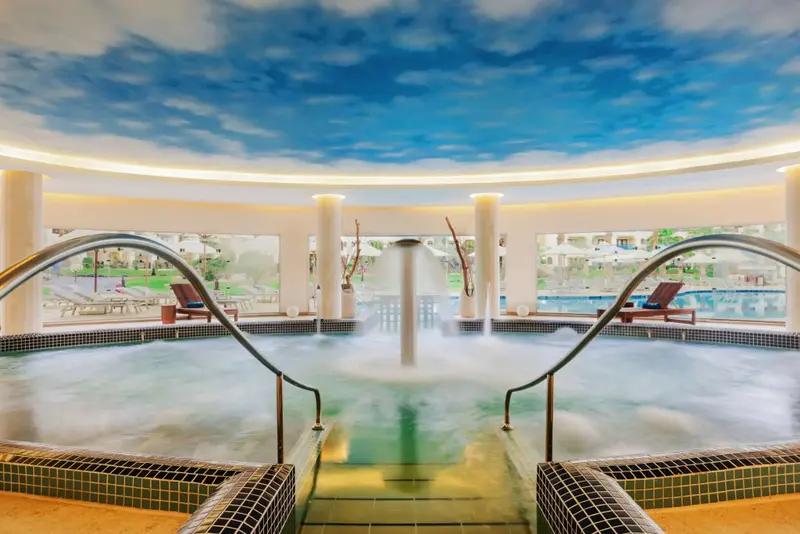
 Dive centre in the hotel
Steigenberger Al Dau Beach
★★★★★
Google 4.8/5 (14,445 reviews)
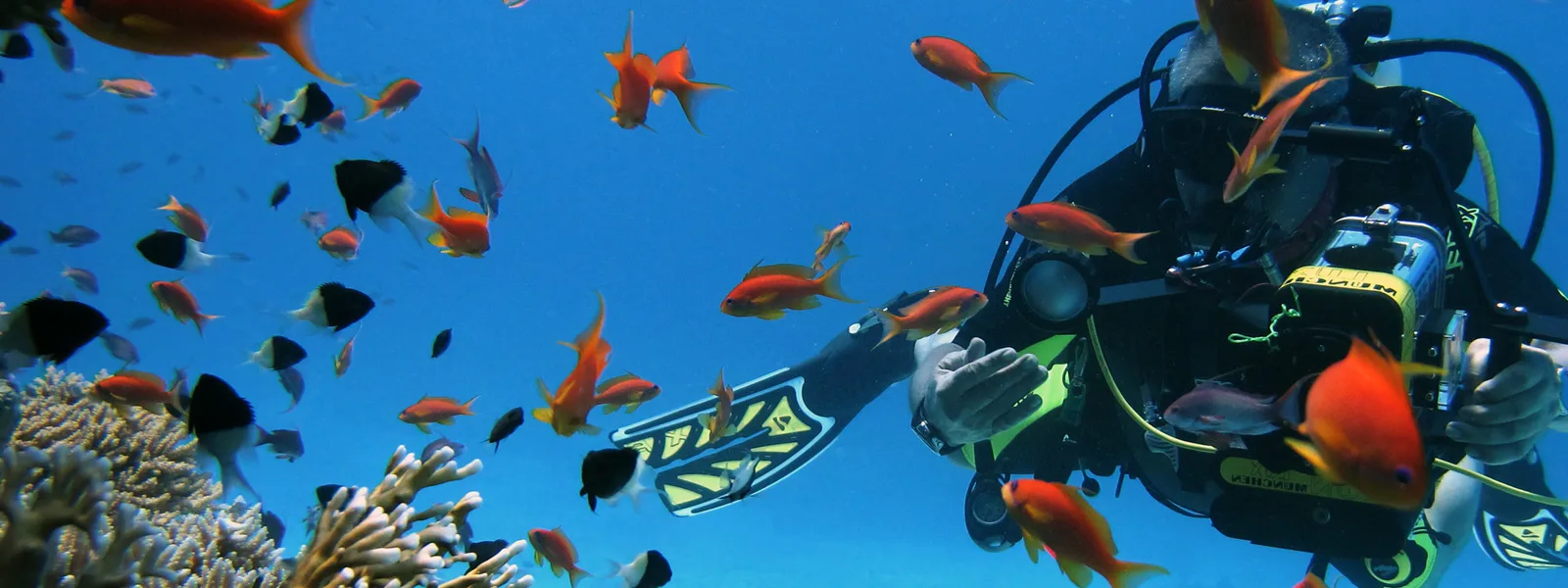
The dive centre
Ilios Dive Club
PADI
Google 4.5/5 (276 reviews)
Dives: Kimon M, Gota Shaab El Erg, Umm Gamar South
Egypt · Red Sea
Coral gardens, shallow lagoons, dolphin encounters and Red Sea wrecks define Hurghada, with clear water and dive profiles reaching 40 metres.
For subtitles in English: start the video firstthen click the gearat the top right of the video, select “Subtitles/CC”, then “Auto-translate” and choose “English”.
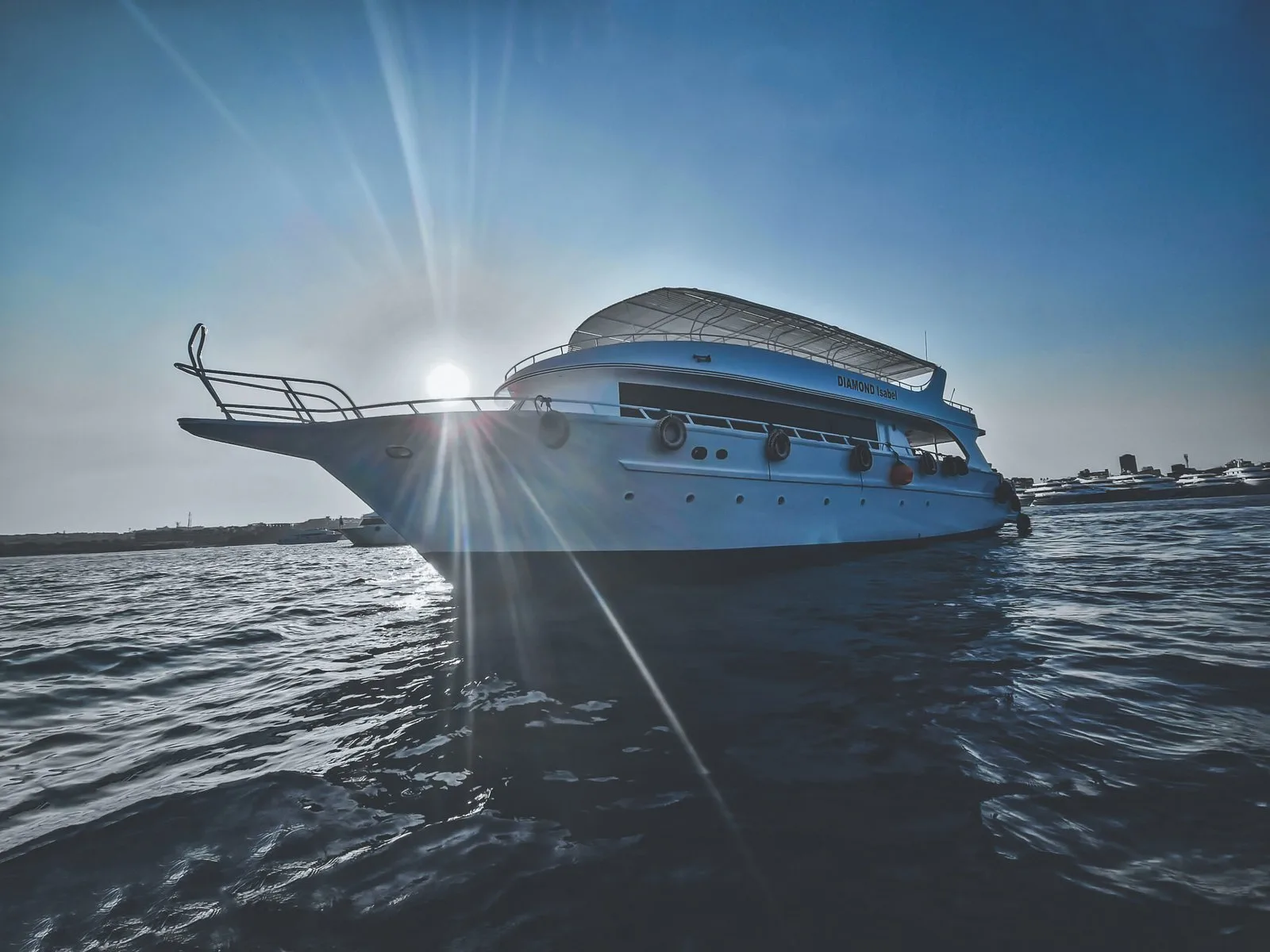
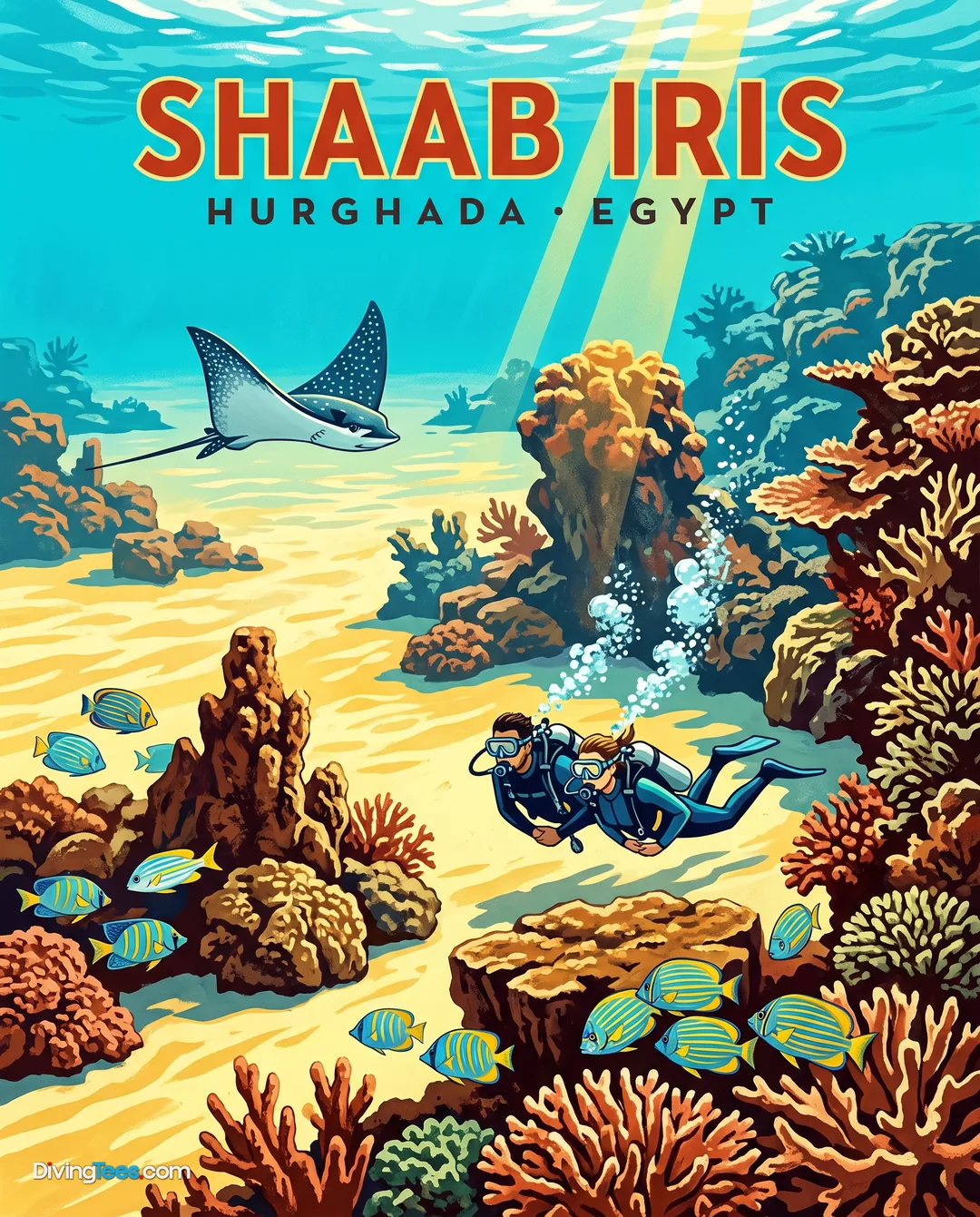
Hurghada is a practical Red Sea base built around day boats from the marina. Its local diving moves between sheltered coral gardens, shallow lagoons and more exposed plateaux around the Giftun Islands, with wreck trips available when weather and experience allow. El Fanous West is a gentle introduction, with a narrow channel opening into a lagoon, while El Fanous East adds pinnacles and a mild drift. The town suits divers who want hotel-based convenience, reliable boat logistics and enough non-diving activity for a partner or family.
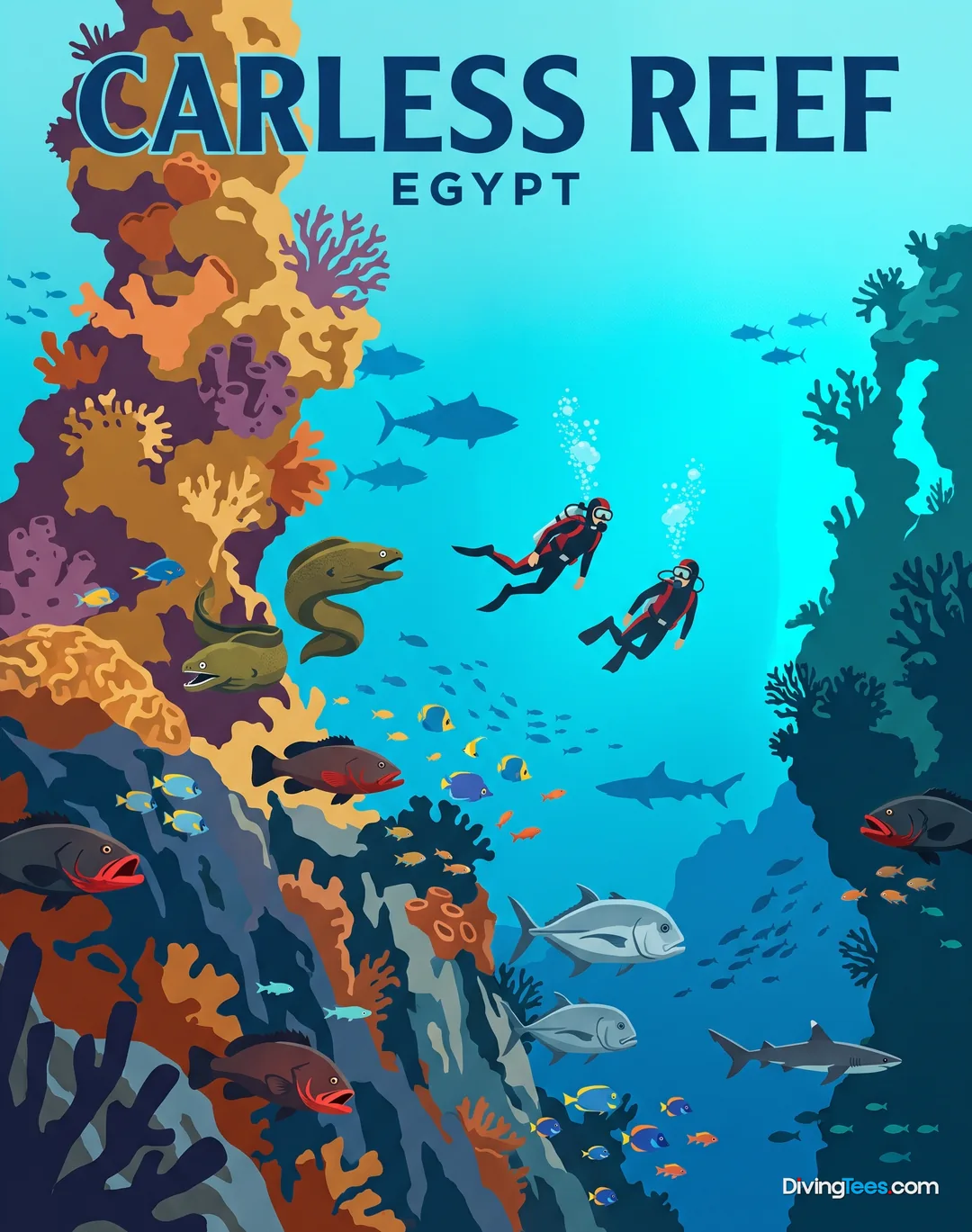
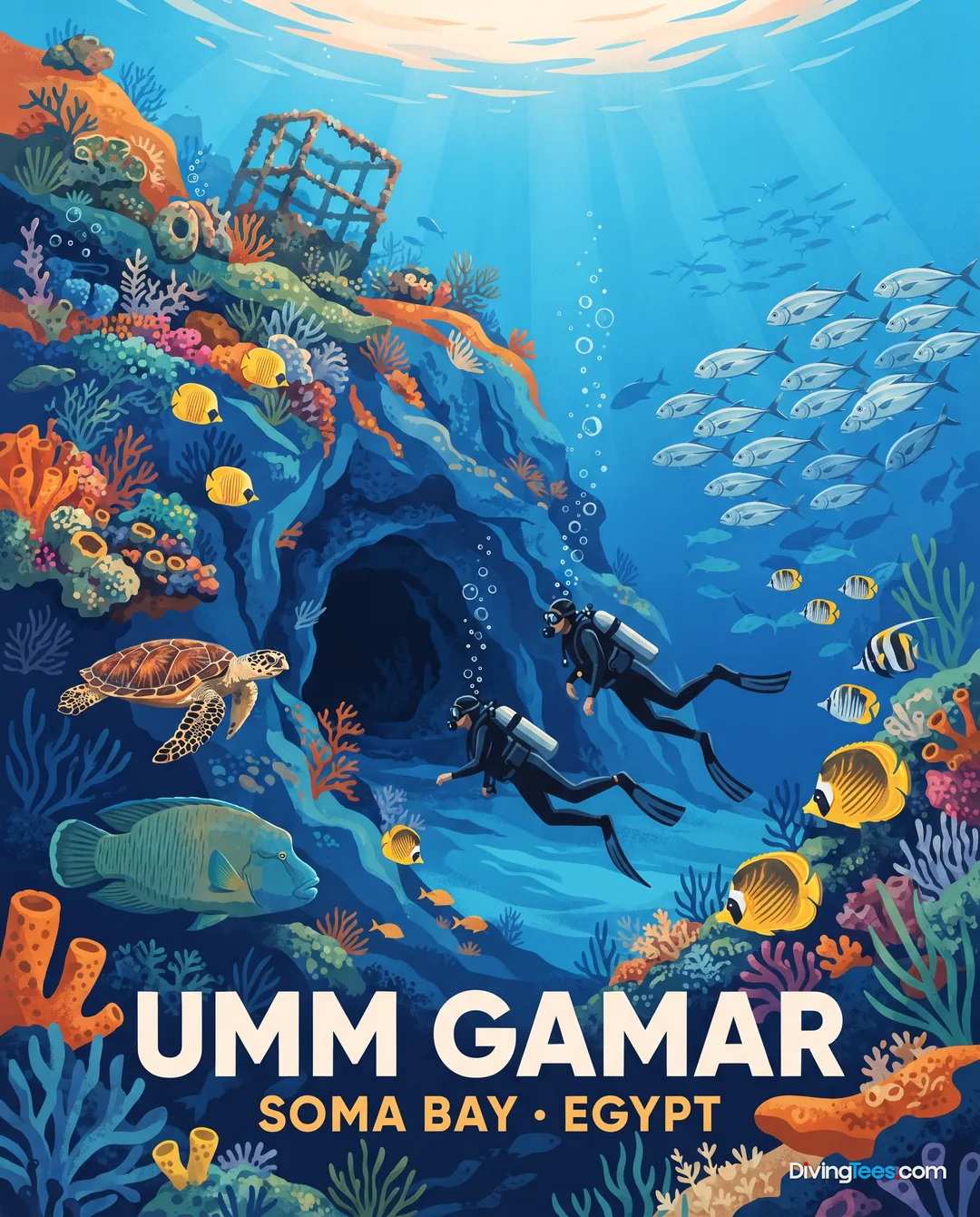
The underwater terrain ranges from shallow coral gardens to walls, plateaux and isolated pinnacles. El Fanous West stays between 6 and 15 metres, with a sheltered lagoon that works well for relaxed exploration or training. At El Fanous East, the reef slopes from 9 to 18 metres and the two ergs create a natural route for a comfortable drift. Shaab Ruhr Umm Gamar offers a broader spread, from a shallow plateau to a steep drop-off reaching 40 metres, with wrecks along its eastern side. Currents are usually weak to moderate, but exposed sites such as Carless Reef can run harder and change during the dive. Visibility is commonly 20–40 metres, generally clearest from May to November and away from the harbour. Most diving is arranged as a full-day boat outing, usually with two dives and sometimes three.
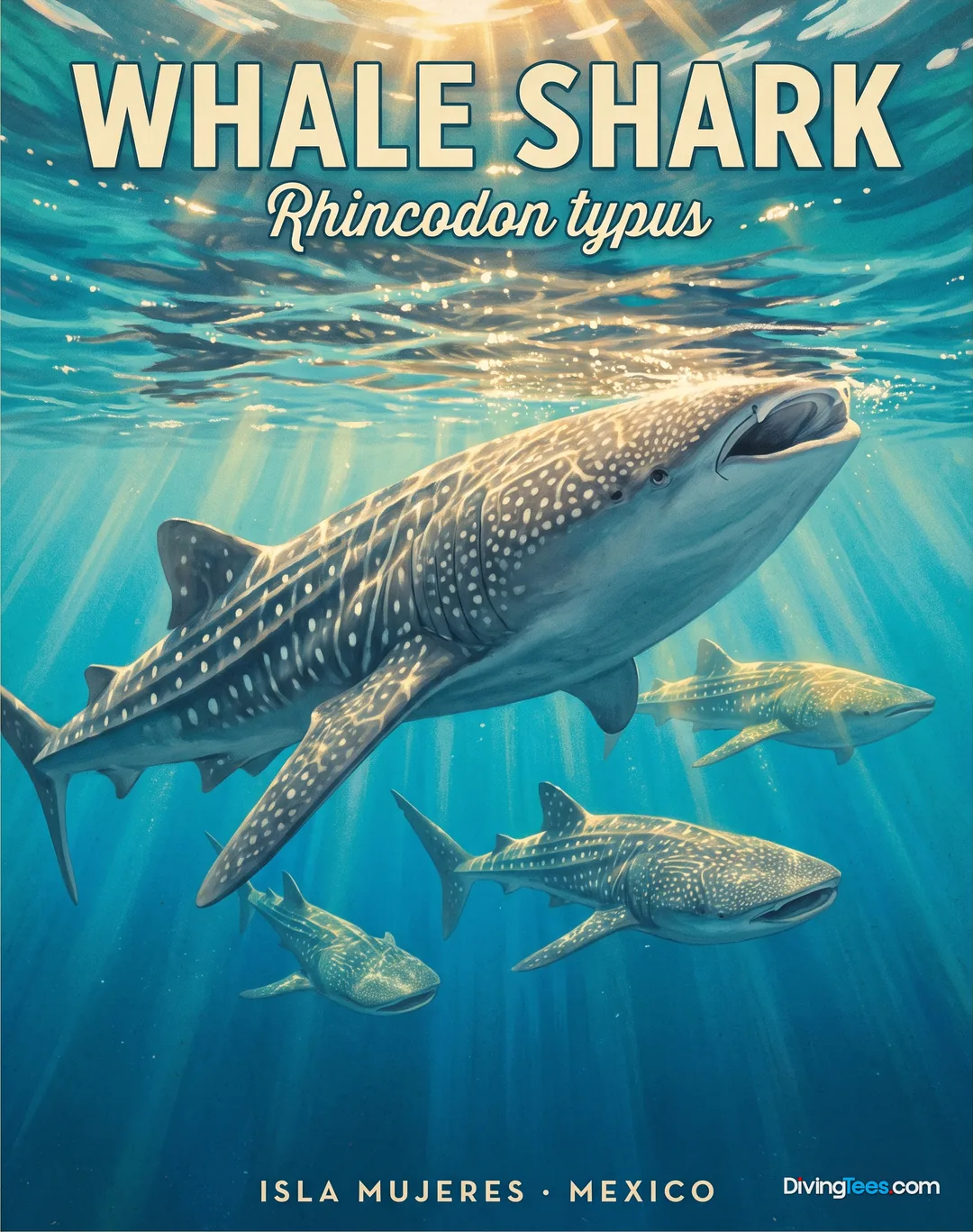
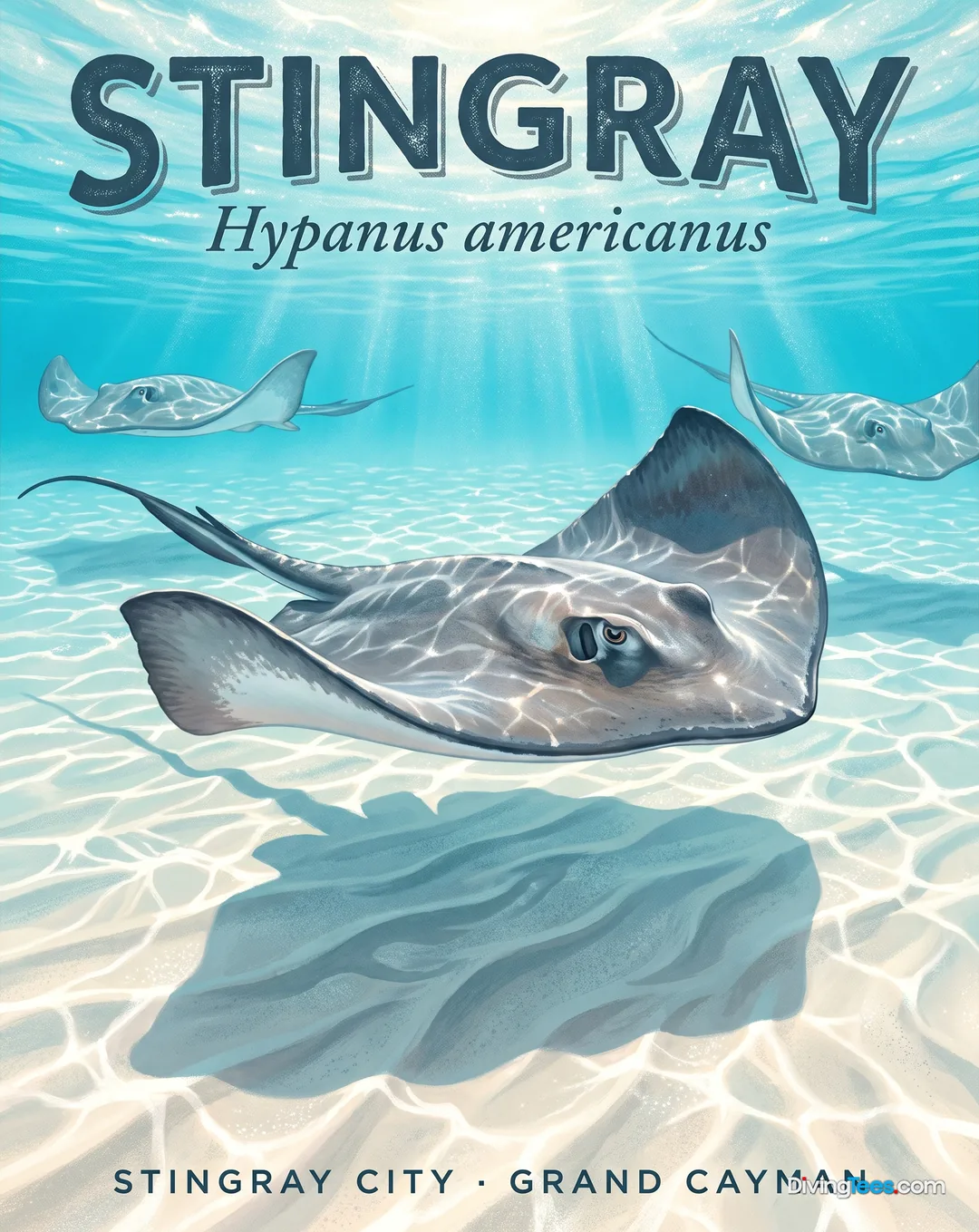
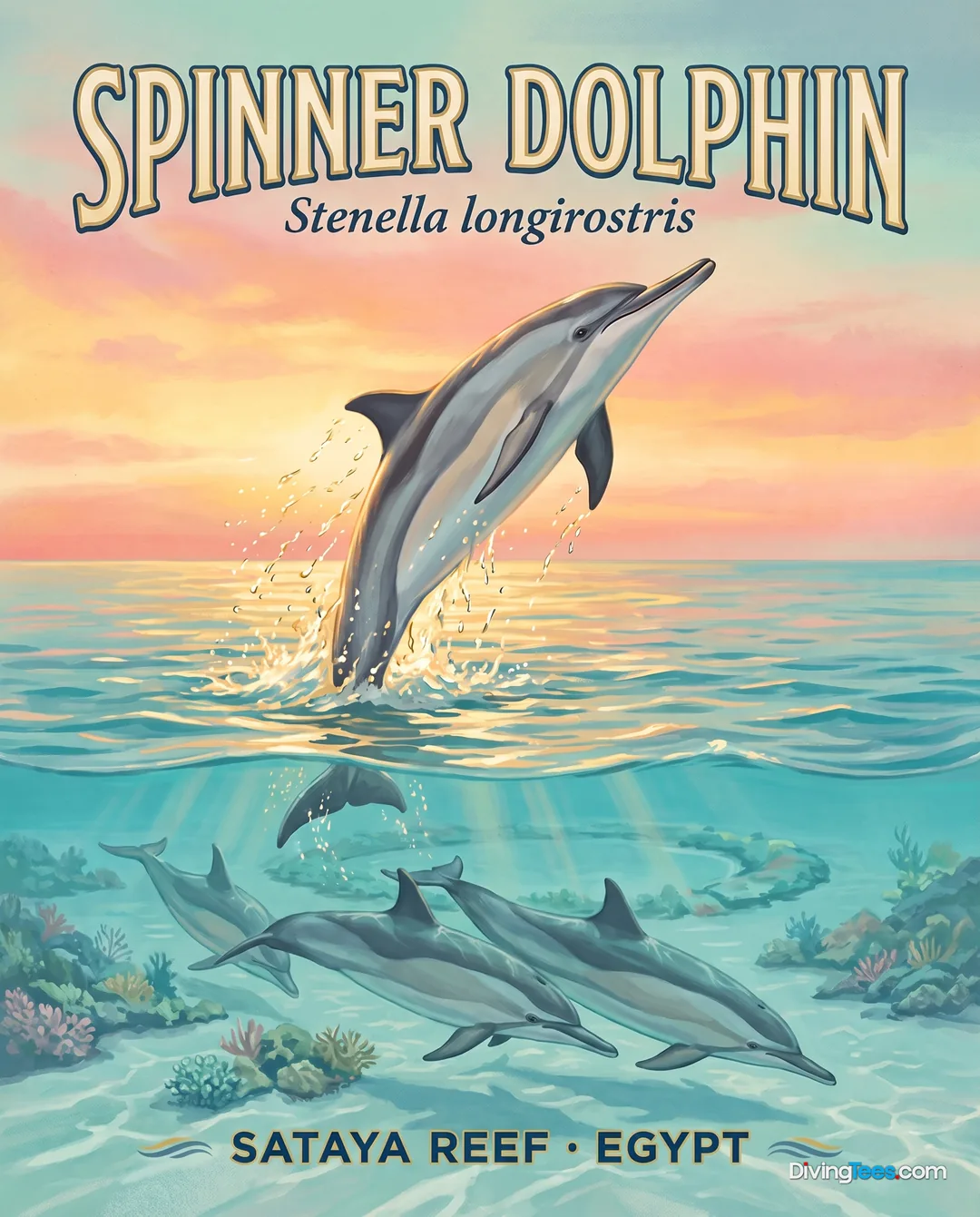
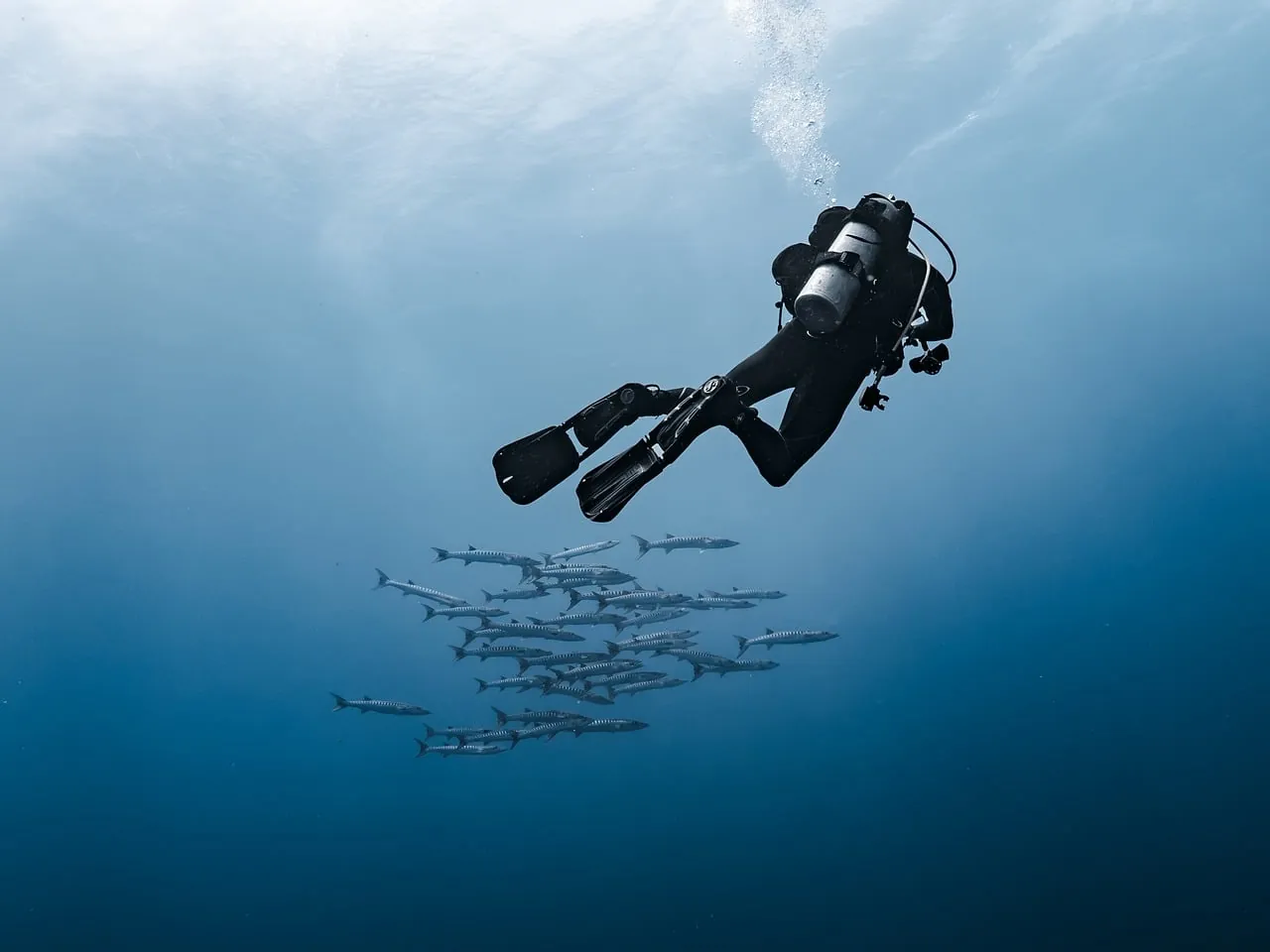
Sea turtles and hawksbill turtles are regular summer visitors to the reefs, particularly from May to September, when activity increases around feeding and breeding areas. Dolphins can be encountered throughout the year, with Shaab El Erg and similar reef formations known for repeated sightings; however, the presence of snorkelling boats can make the surface interval busy. Coral gardens shelter anthias, butterflyfish, parrotfish and surgeonfish, while blue-spotted stingrays rest on sandy patches. Scorpionfish and moray eels reward a slower search along coral edges and cleaning stations. Reef sharks, including white-tip and black-tip individuals, are occasional on offshore reefs in winter and spring. Eagle rays may also pass during winter and early spring. Whale shark sightings are rare but more likely in late spring and summer.
March to May and September to November offer the most comfortable balance: the water is pleasant, visibility is often excellent, the sea is generally settled and the town is less pressured than during the European summer holidays. May to November is the clearest window for photography on offshore reefs and Giftun plateaux. July and August bring intense heat ashore and heavier boat traffic, even though the diving remains possible. Winter has quieter boats but cooler water, so a 5 mm suit and hood may be more comfortable than a thin tropical suit. A 3 mm long suit suits spring and autumn for most divers; a shorty is mainly a midsummer option for those who rarely feel cold.
Hurghada works for all levels, from a newly qualified PADI, SSI or BSAC diver on sheltered reefs to an experienced diver looking for deeper walls, stronger drift conditions or wrecks. El Fanous West and the shallow sections of Shaab Ruhr Umm Gamar keep the demands modest. Advanced Open Water training is useful for deeper profiles and wreck routes. Nitrox makes sense on consecutive boat days, while Wreck Diver and Drift Diver training become relevant for Abu Nuhas, the Thistlegorm, Salem Express and exposed reefs such as Carless Reef.
From London Heathrow, London Gatwick or Manchester, the straightforward arrangement is a direct flight to Hurghada, followed by a short road transfer to the hotel or marina. Direct services vary by airport and season, so a route that looks convenient in summer may require a connection at another time of year. The practical point is to allow room between an early-morning arrival and the first boat departure rather than treating the transfer as an afterthought. Once in town, divers staying near the marina may walk to the relevant area; others normally use a centre’s shuttle or a local taxi. Hotels are spread along the seafront and around the marina, so checking the daily pickup route before booking avoids an unnecessarily early start.
Build several consecutive boat days into the stay. This gives the daily rotations more scope to reach Giftun plateaux, Carless Reef or other offshore sites instead of repeating the reefs nearest the marina. Tell the dive team before arrival whether the priority is drift diving, wrecks or quieter photographic sites; that information matters when conditions change and groups are assigned. Keep a spare day early in the trip for settling into the heat and the boat routine, particularly after a night flight. If the Thistlegorm or Salem Express is a priority, place that outing in the middle of the holiday, leaving time for a weather-related change. In summer, the earliest boat departures avoid the worst heat and may reduce crowding on the first dive. Dolphin sites such as Shaab El Erg can be busy with snorkelling boats, so a diving-focused departure is preferable when the aim is time underwater rather than a crowded surface encounter. Do not judge the whole area from harbour-adjacent reefs alone: alternate them with Giftun and offshore sites.
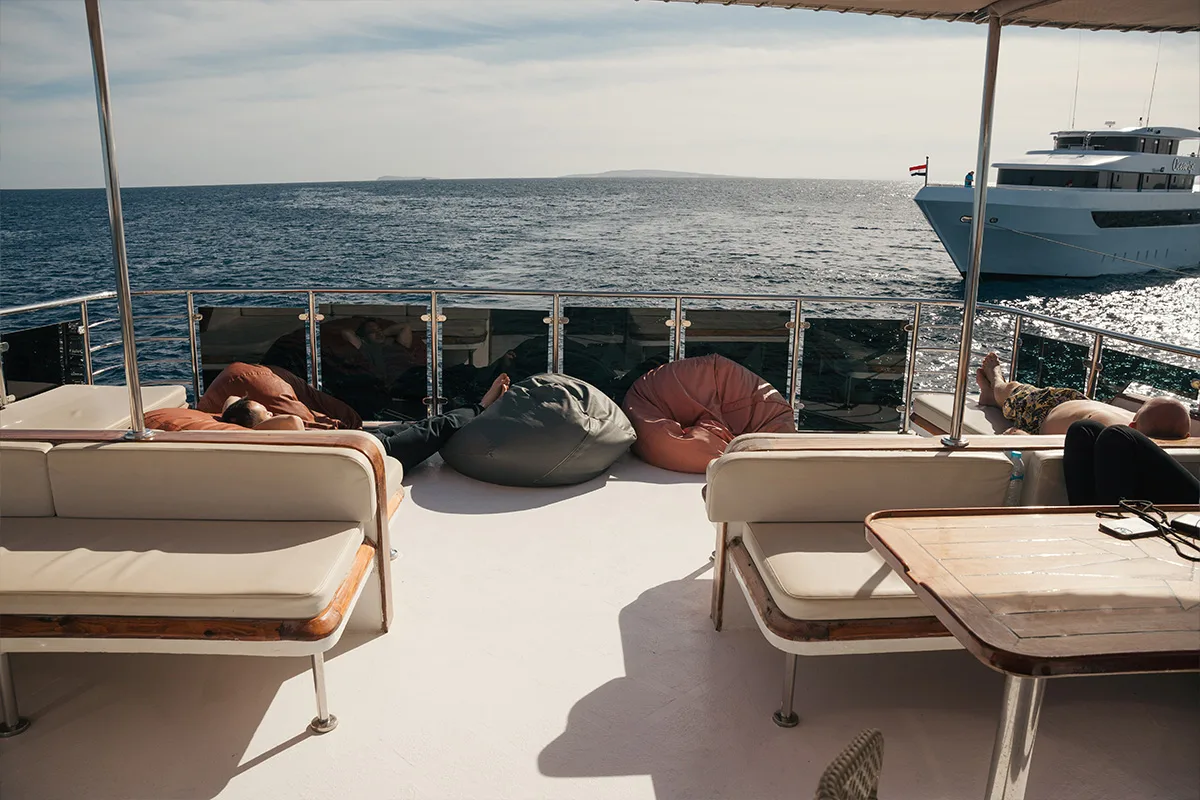
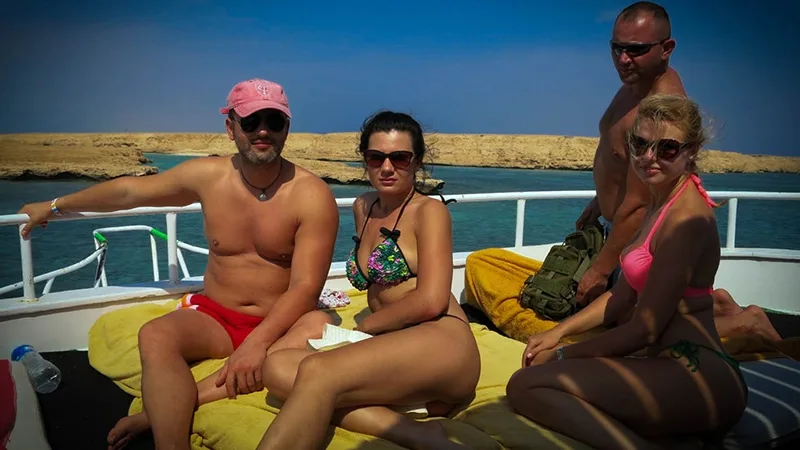
A week to ten days allows a sensible mix of local reef days, a trip towards a more demanding wreck or offshore reef, and a day away from the water. Hurghada is easy to run as a hotel-and-day-boat holiday, with the marina as the daily starting point. Non-divers can use the beaches, take boat trips to the Giftun Islands, explore the desert or join longer excursions to Luxor. The town’s developed waterfront also makes it workable for mixed groups.
Hello, I'm Marina, DivingDeal.com's AI assistant. I guide you through destinations, areas and countries.
Thinking about the whole trip and the flights? Talk it over with Edith →
Marina is an AI. Some links are affiliate links: DivingDeal may earn a commission, at no extra cost to you. Bookings are made with the partner.
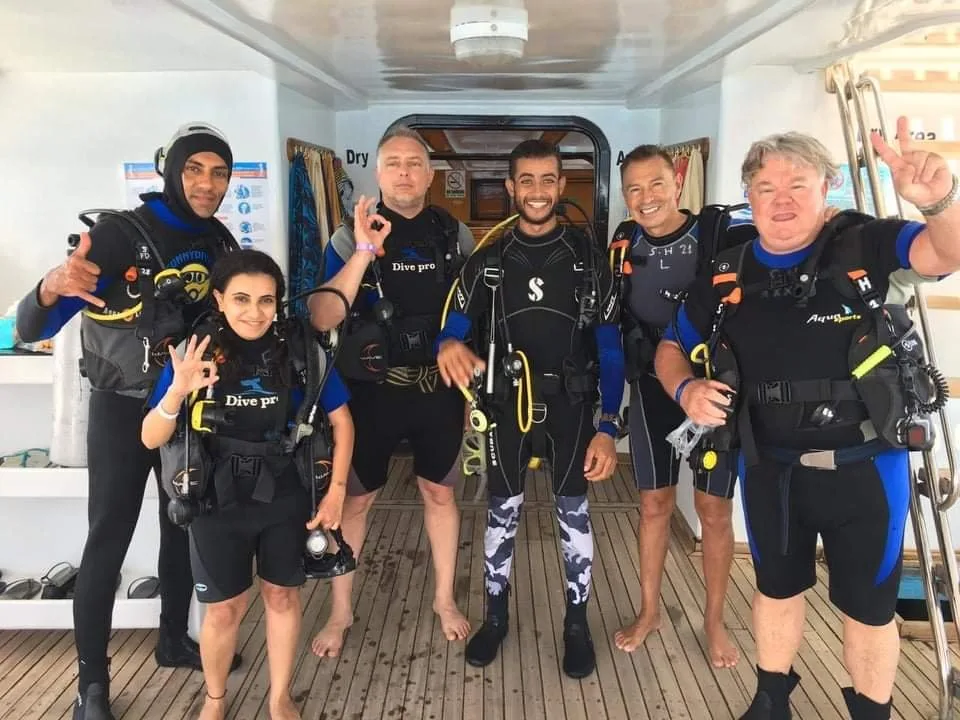
In each one, the dive centre is inside the hotel: step out of your room and go diving.
Dive centre in the hotel★★★★★
Google 4.8/5 (14,445 reviews)
The dive centre
Ilios Dive Club
PADI
Google 4.5/5 (276 reviews)
Dives: Kimon M, Gota Shaab El Erg, Umm Gamar South
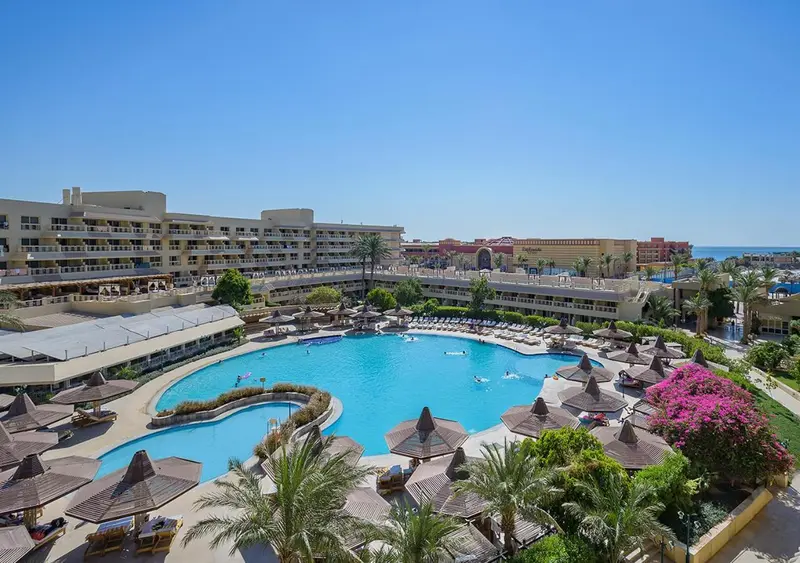 Dive centre in the hotel
★★★★
Google 4.6/5 (16,376 reviews)
The dive centre
Dive Base Academy
PADI
Google 4.9/5 (839 reviews)
Dives: SS Thistlegorm, Giannis D, Erg Abu Ramada
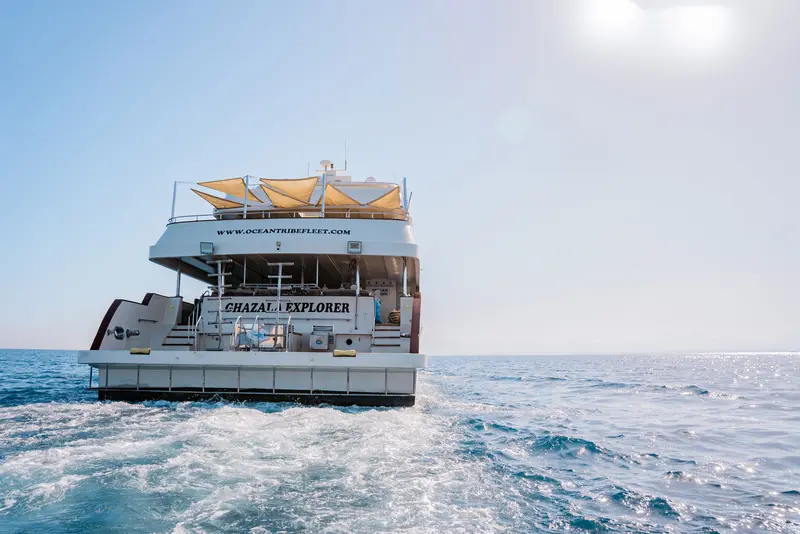
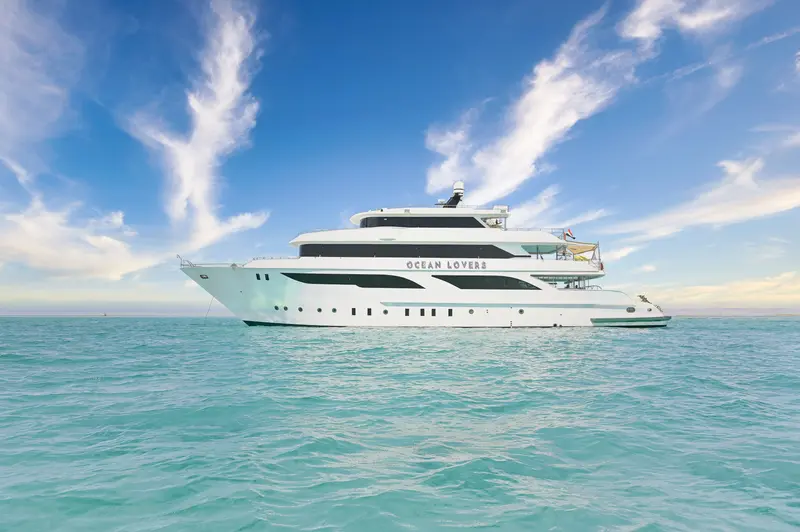
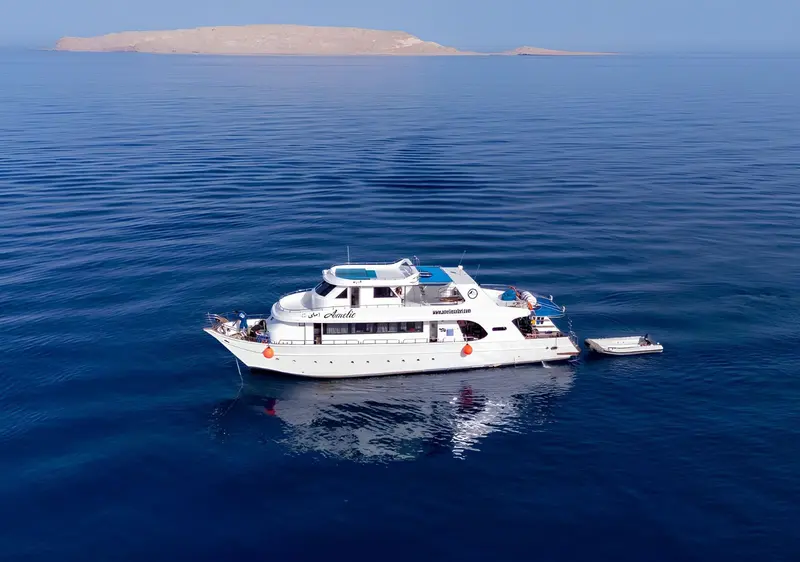
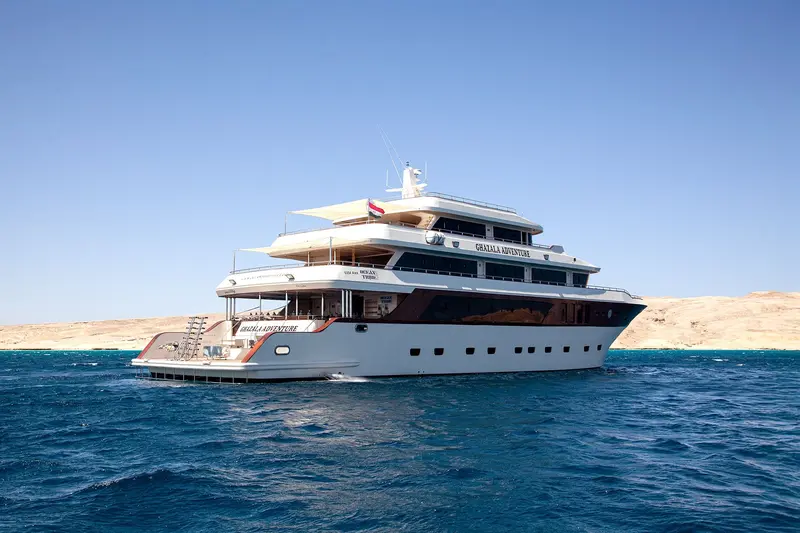
53 liveaboards depart from Hurghada another way to explore the region, over several days at sea.
Your last day stays dry: no diving in the 18-24 hours before a flight, the perfect window to see the destination from another angle.
 Culture
⏱ 15 h · ★ 5.0 (219 reviews)
from £167$224€200
see on Viator ↗
 Culture
⏱ 4 h · ★ 5.0 (35 reviews)
from £59$78€70
see on Viator ↗
 Desert
⏱ 20 h · ★ 5.0 (33 reviews)
from £137$183€164
see on Viator ↗
 Desert
⏱ 5 h · ★ 5.0 (20 reviews)
from £27$36€32
see on Viator ↗
Ratings and reviews collected by Viator and Tripadvisor.
Choose Hurghada in spring or autumn for comfortable conditions, pleasant water, settled seas and fewer visitors than during European summer holidays. Visibility is generally clearest from May through November. Summer brings intense heat and heavier boat traffic, while winter offers quieter boats but cooler water, making a thicker suit and hood more comfortable.
Hurghada suits all levels. Newly qualified divers can explore sheltered reefs such as El Fanous West and shallow sections of Shaab Ruhr Umm Gamar. Experienced divers can seek deeper walls, stronger drifts and exposed sites such as Carless Reef. Advanced Open Water, Wreck Diver or Drift Diver training is useful for deeper, wreck and current-focused routes.
In Hurghada, you can explore coral gardens, shallow lagoons, walls, plateaux, pinnacles and Red Sea wrecks. Turtles, anthias, butterflyfish, parrotfish, surgeonfish, blue-spotted stingrays, scorpionfish and moray eels appear across the reefs. Dolphins are encountered around Shaab El Erg, while reef sharks, eagle rays and rare whale sharks are possible offshore.
Plan Hurghada as a hotel-and-day-boat holiday, with the marina as your daily starting point. Build several consecutive boat days into your stay and keep a spare day early for settling in. Tell the dive team your priorities, check hotel pickup routes, and place important wreck trips mid-holiday to allow for weather-related changes.