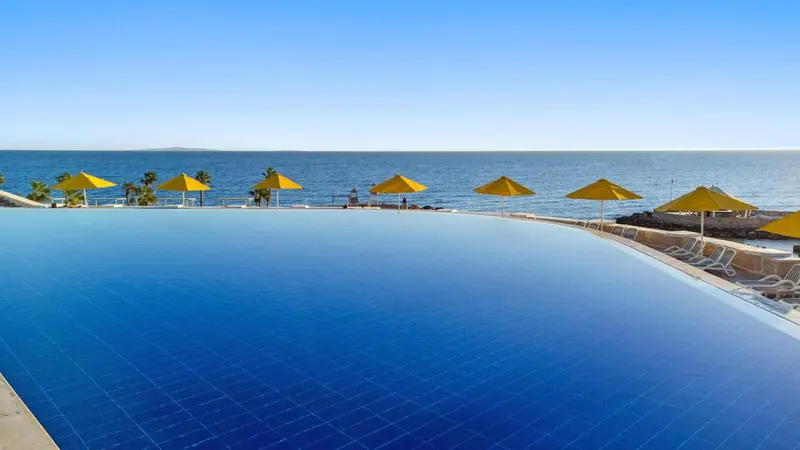


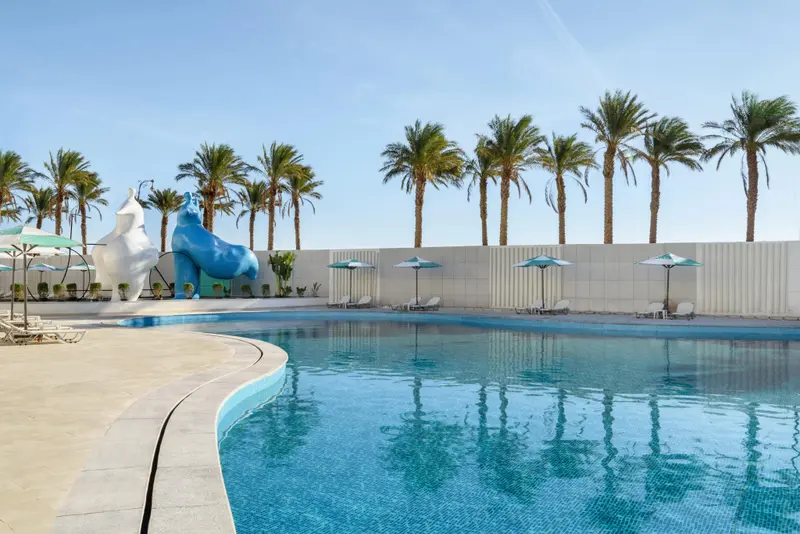
 Dive centre in the hotel
Flow Spectrum Resort Sahl Hasheesh
★★★★
Google 4.7/5 (3,012 reviews)
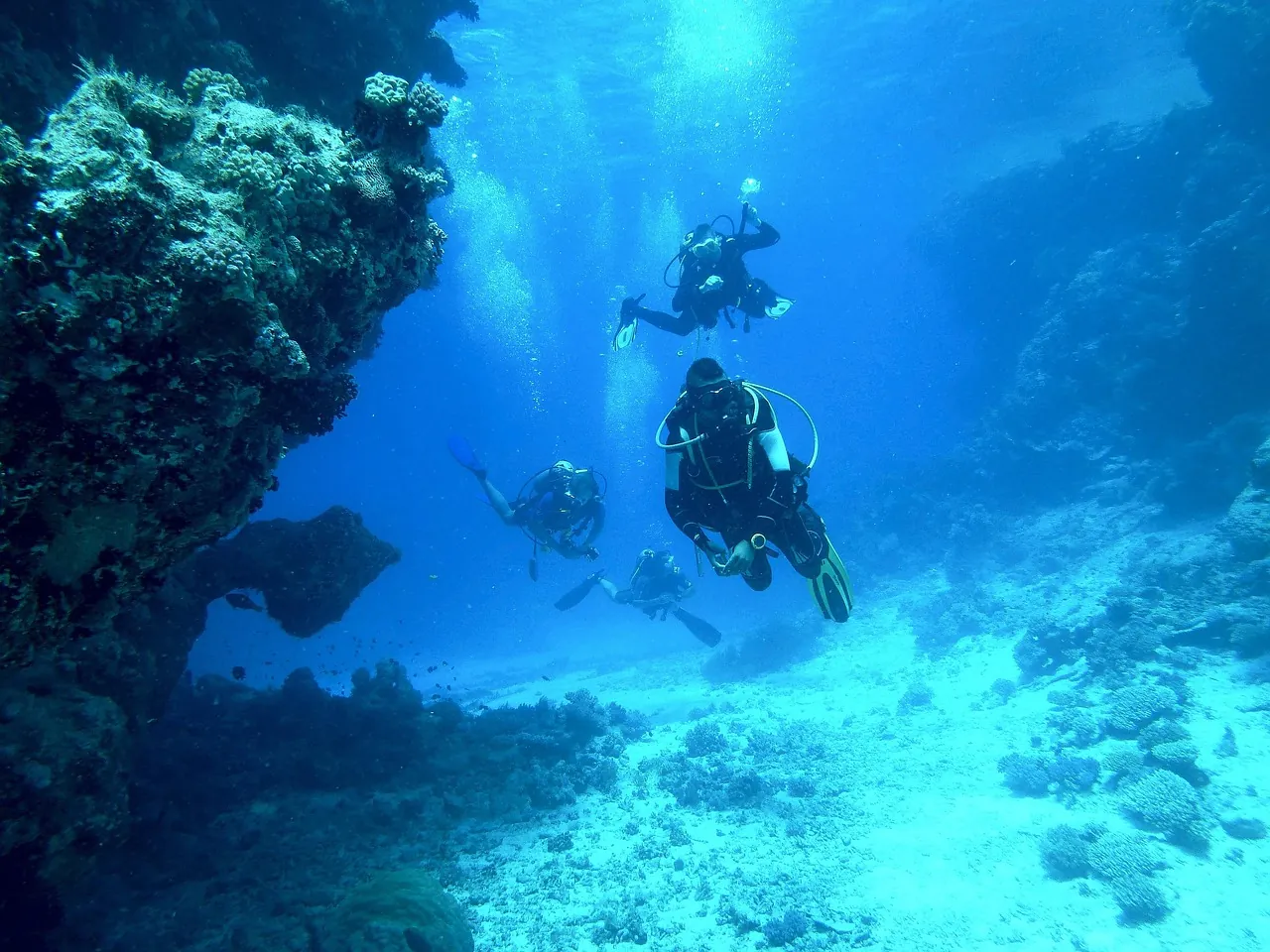
The dive centre
Global divers flow sahl Hasheesh
PADI
Google 5/5 (142 reviews)
Egypt · Red Sea
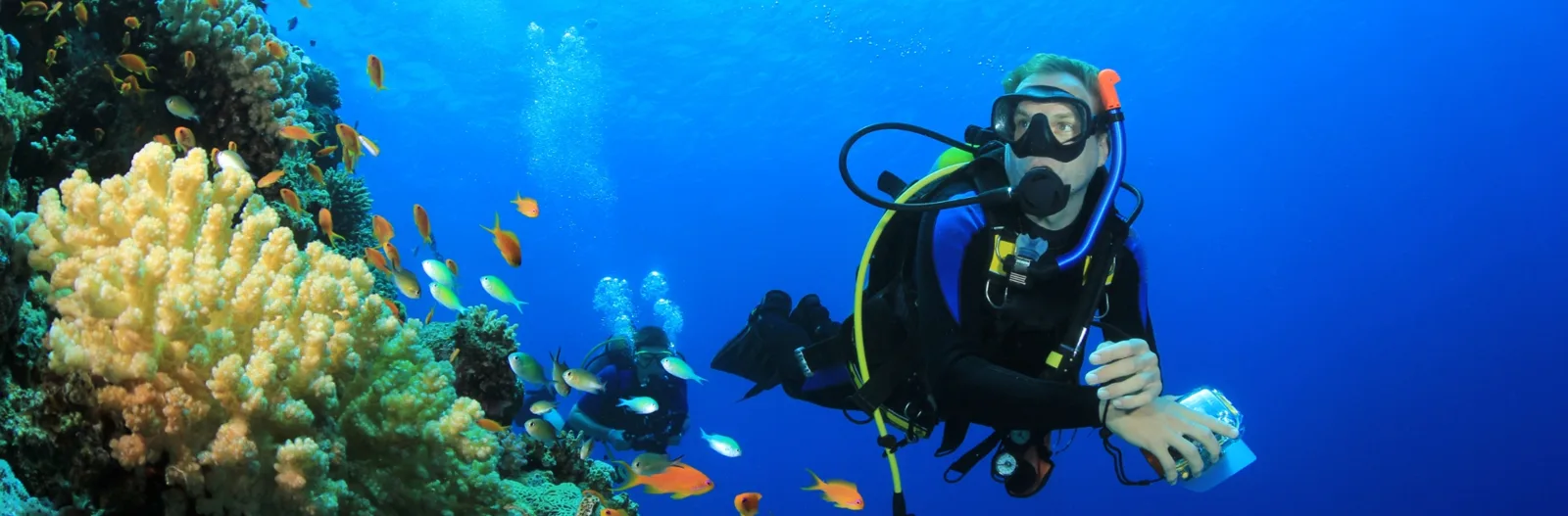
Coral plateaux, drop-offs beyond fifty metres, horseshoe reefs and spinner dolphins shape Sahl Hasheesh’s relaxed boat-diving appeal.
For subtitles in English: start the video firstthen click the gearat the top right of the video, select “Subtitles/CC”, then “Auto-translate” and choose “English”.
Sahl Hasheesh is a seaside base for boat diving from the Hurghada coast, not a liveaboard destination in disguise. Days are built around leaving a regional marina, diving Red Sea reefs, and returning to a comfortable resort setting. Hamda offers a coral plateau above deeper drop-offs, while Dolphin House brings a horseshoe reef and the possibility of spinner dolphins. The arrangement suits divers who want several days underwater without giving up beaches, hotel comfort or an easy day off.
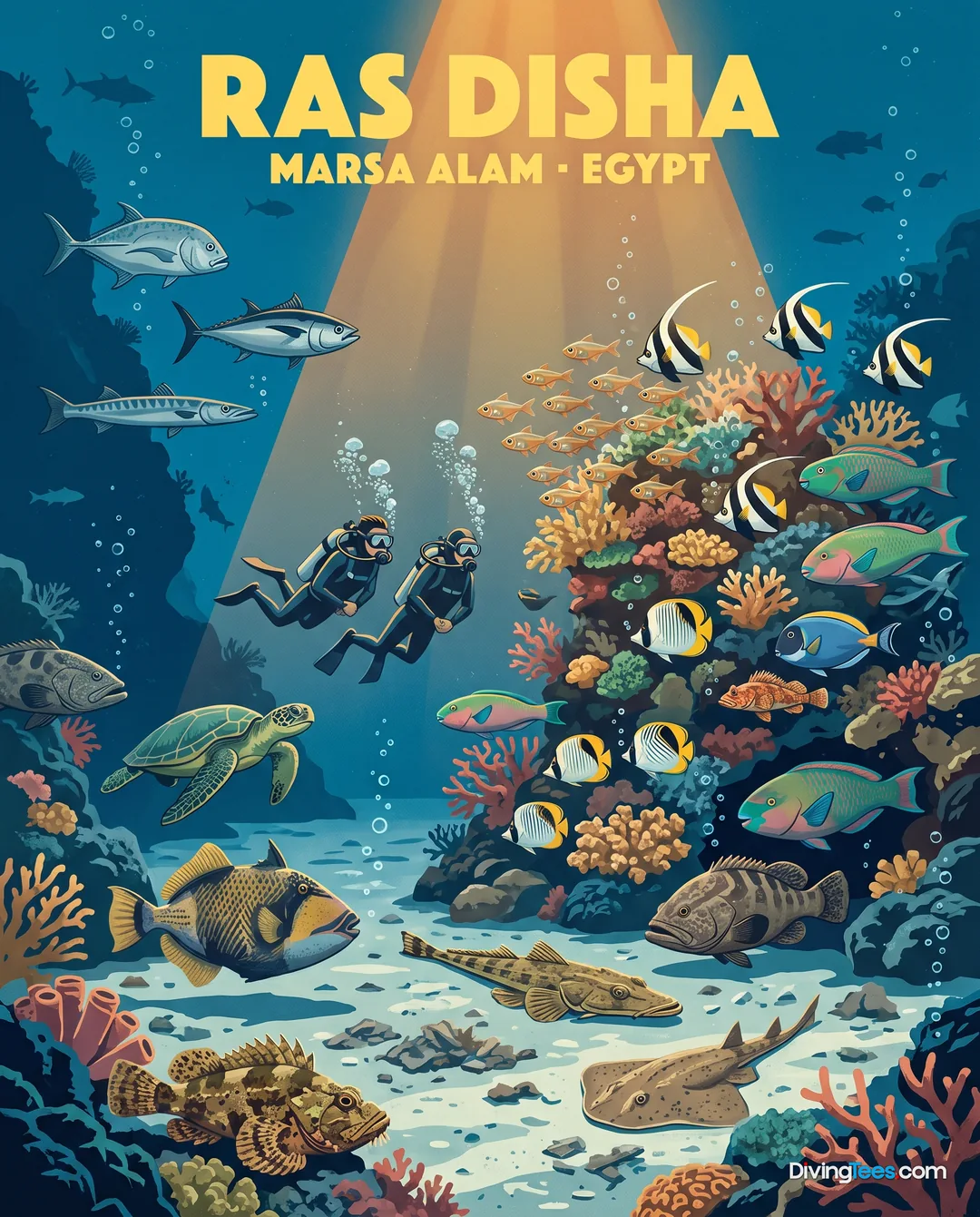
The diving is mainly reef diving from day boats, with profiles ranging from shallow plateaux to walls and drop-offs beyond fifty metres. At Hamda, the plateau begins around fifteen metres and leads towards deeper terrain, with coral formations, cleaning stations and visibility typically holding between twenty and twenty-five metres. Dolphin House adds a recognisable horseshoe shape, reef wall, small caves and tunnels, while Ras Disha stays within a more sheltered three-to-twenty metre range. Abu Hashish combines a sandy plateau, a shallow lagoon crowded with coral pinnacles and a drop-off with deeper caves. Currents are variable: some outings may involve a light drift, but this is not a destination built solely around current diving.
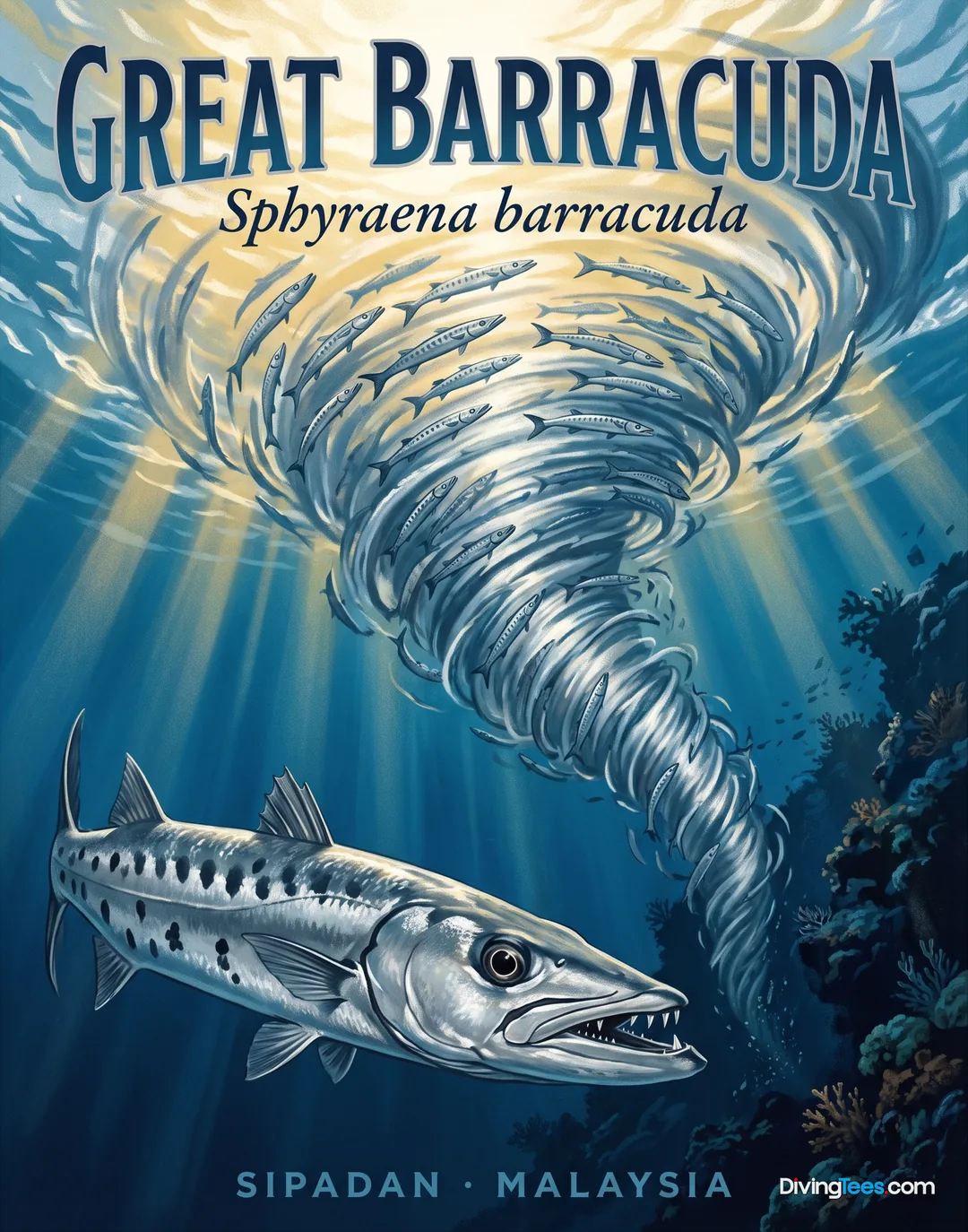
The regular appeal is the reef itself: reef fish around coral formations, cleaning stations and pinnacles, with sea turtles and larger fish possible on the right outing. Jack, big fish and great barracuda add weight to the open-water encounters, while Dolphin House is the site associated with spinner dolphins. Its conditions describe the strongest dolphin period as November to April, when the animals are more active around the reef and water clarity is at its peak. Hamda is considered diveable year-round, and its deeper drop-offs leave room for larger pelagic sightings without making every dive a search for them. The sensible expectation is a well-used Red Sea reef with chances of bigger animals, rather than a destination defined by one guaranteed species.
The measured window from June to November is the clearest guide for planning the general diving season, while April to September brings the lowest rainfall. That makes the warmer part of the year a practical choice for a run of boat days, although local sea conditions can still vary. November is a useful compromise for divers interested in both the clearer measured period and the start of the better spinner-dolphin season described at Dolphin House. Divers travelling mainly for dolphins may instead accept the November-to-April period, recognising that the general seasonal picture and the best wildlife window are not identical.
The area is suitable for all levels, including divers who are still most comfortable on straightforward reef profiles. Open Water certification is enough for sites such as Dolphin House and Ras Disha, provided the diver is happy with boat procedures and variable conditions. Advanced training is useful for Hamda’s deeper drop-offs and for making sensible use of deeper profiles. Nitrox is particularly worthwhile when several consecutive boat days are planned. Divers should still treat current and depth as briefing points rather than assuming every site will feel sheltered.
From London Heathrow, Gatwick or Manchester, the route is by air to Hurghada, followed by a road transfer to the Sahl Hasheesh coast. There is no compulsory ferry or sea crossing to reach the resort. The important practical link comes afterwards: diving is organised from marinas in the wider Hurghada area, so the accommodation’s position affects every morning’s departure. Divers staying in Sahl Hasheesh generally use a hotel shuttle, arranged transfer or taxi to reach the diving operation and marina. It is worth checking the daily collection point and leaving enough margin for the road journey, particularly when a resort booking places the diver farther from Hurghada than expected.
Treat the marina transfer as part of the dive day, not as a minor detail. Accommodation near the bay or on the main transfer routes can make repeated boat departures noticeably less tiring. A five-to-seven-day stay works better than a rushed visit because it leaves room for several outings when site choices and conditions change. Before travelling, confirm whether the programme is focused on coastal reef routes or longer navigation; Sahl Hasheesh makes most sense when the return to the resort remains straightforward. Nitrox is useful for consecutive boat days, and a compact torch earns its place around Hamda’s cleaning stations, Dolphin House’s small caves and tunnels, or Abu Hashish’s deeper cave areas. A light protective layer for sun and repeated reef swimming is more practical here than specialist equipment for extreme depth. Weekdays can reduce the feeling of travelling in a flotilla. Finally, do not book the area expecting a distant liveaboard itinerary: the attraction is the combination of day-boat diving and a settled coastal base.
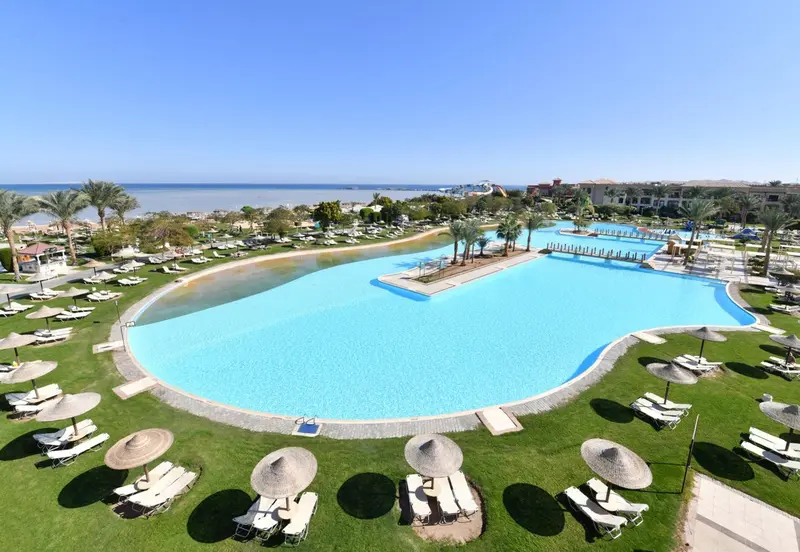
A typical stay combines several consecutive boat days with a deliberate rest day at the resort. The pattern works well for older divers who prefer not to rush: depart from a Hurghada-area marina, make the day’s reef dives, then return to Sahl Hasheesh for the evening. Non-divers have beaches and a resort setting, while a surface-snorkelling session or a short trip towards Hurghada can fill a non-diving day. Five to seven days gives the programme room to absorb changing conditions.
Hello, I'm Marina, DivingDeal.com's AI assistant. I guide you through destinations, areas and countries.
Thinking about the whole trip and the flights? Talk it over with Edith →
Marina is an AI. Some links are affiliate links: DivingDeal may earn a commission, at no extra cost to you. Bookings are made with the partner.
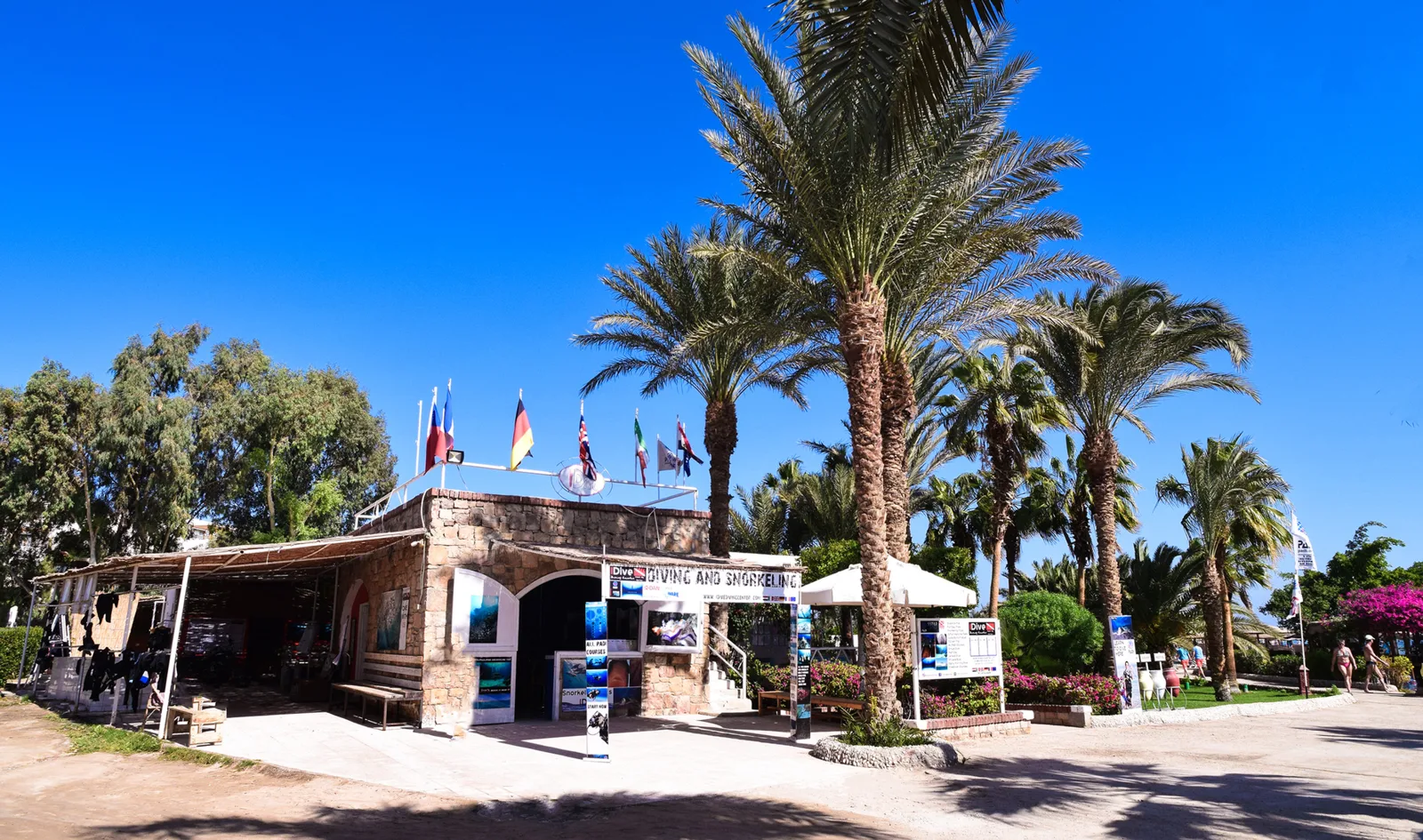
In each one, the dive centre is inside the hotel: step out of your room and go diving.
Dive centre in the hotel★★★★
Google 4.7/5 (3,012 reviews)
The dive centre
Global divers flow sahl Hasheesh
PADI
Google 5/5 (142 reviews)
Your last day stays dry: no diving in the 18-24 hours before a flight, the perfect window to see the destination from another angle.
 Culture
⏱ 4 h · ★ 5.0 (1 reviews)
from £86$116€103
see on Viator ↗
 Desert
⏱ 5 h · ★ 4.9 (12 reviews)
from £17$22€20
see on Viator ↗
 Desert
⏱ 2 h · ★ 5.0 (4 reviews)
from £21$27€25
see on Viator ↗
 Culture
⏱ 6 h · ★ 5.0 (3 reviews)
from £61$81€73
see on Viator ↗
Ratings and reviews collected by Viator and Tripadvisor.
June to November offers the clearest measured conditions for general diving, while April to September has the lowest rainfall. November is a useful compromise if you want clearer conditions and the beginning of the stronger spinner dolphin period. Dolphin House is associated with November to April, while Hamda is diveable year-round.
Sahl Hasheesh suits all levels, including divers comfortable with straightforward reef profiles. Open Water certification is enough for Dolphin House and Ras Disha if you are happy with boat procedures and variable conditions. Advanced training helps with Hamda’s deeper drop-offs and deeper profiles. Treat current and depth as briefing points.
You can explore coral plateaux, horseshoe reefs, walls, pinnacles, small caves and tunnels. Hamda has cleaning stations and drop-offs beyond fifty metres, while Dolphin House is associated with spinner dolphins. Depending on the outing, you may also see sea turtles, great barracuda, jack, reef fish and other larger fish.
Plan a five-to-seven-day stay around several boat-diving days and a deliberate rest day. Diving leaves from marinas in the wider Hurghada area, so check the collection point and allow time for the road transfer. Choose accommodation near the bay or transfer routes, confirm the programme, and consider Nitrox for consecutive boat days.