
 Dive centre in the hotel
Lazuli Hotel, Marsa Alam
★★★★★
Google 4.4/5 (1,732 reviews)
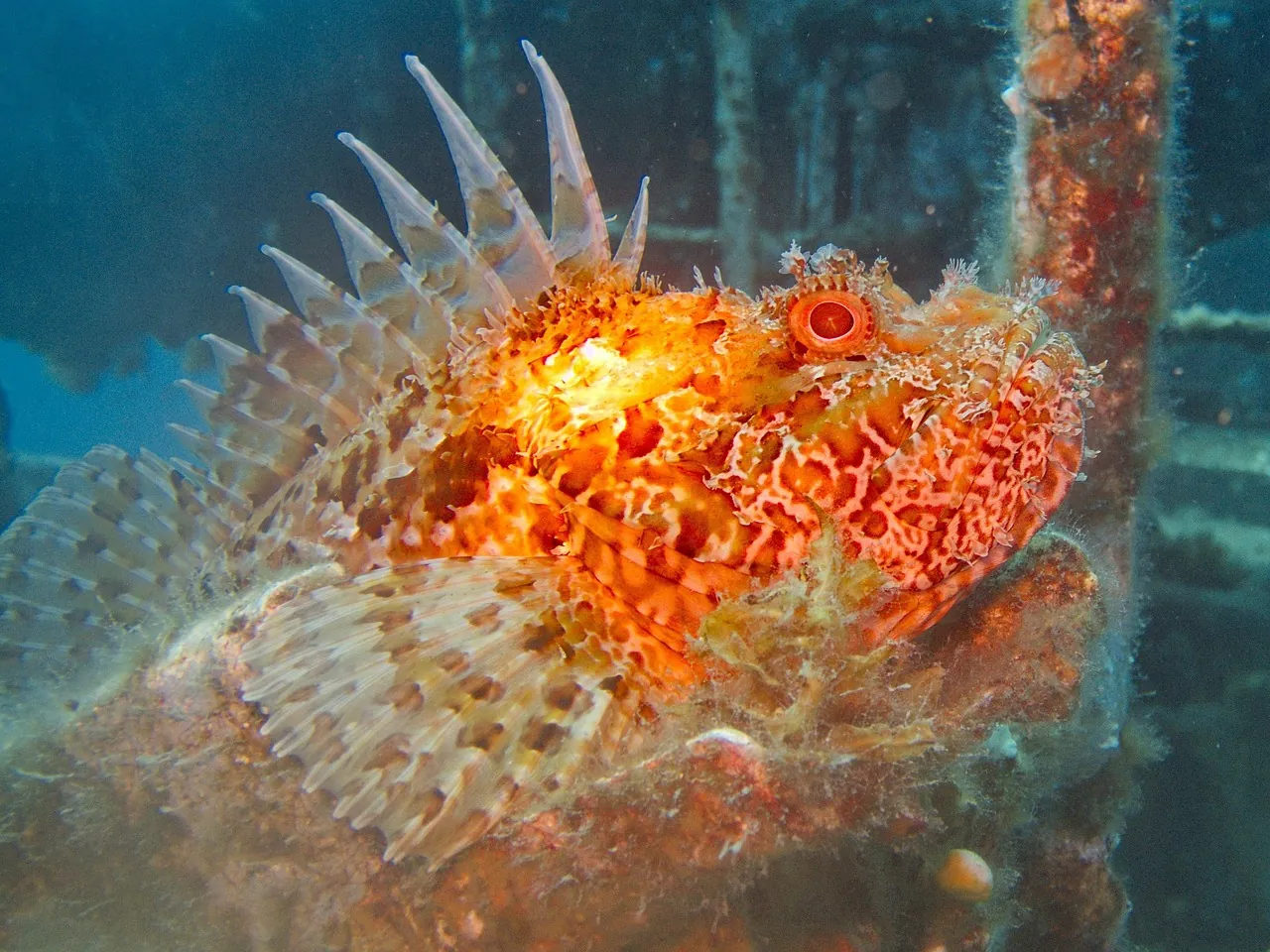
The dive centre
Atlantik Diving Center
PADI
Google 5/5 (451 reviews)
Dives: Elphinstone Reef, Dolphin House
Egypt · Red Sea
Coral gardens, 60-metre walls, turtles, dolphins and oceanic whitetip sharks define El Quseir’s straightforward Red Sea diving from town and nearby resorts.
For subtitles in English: start the video firstthen click the gearat the top right of the video, select “Subtitles/CC”, then “Auto-translate” and choose “English”.
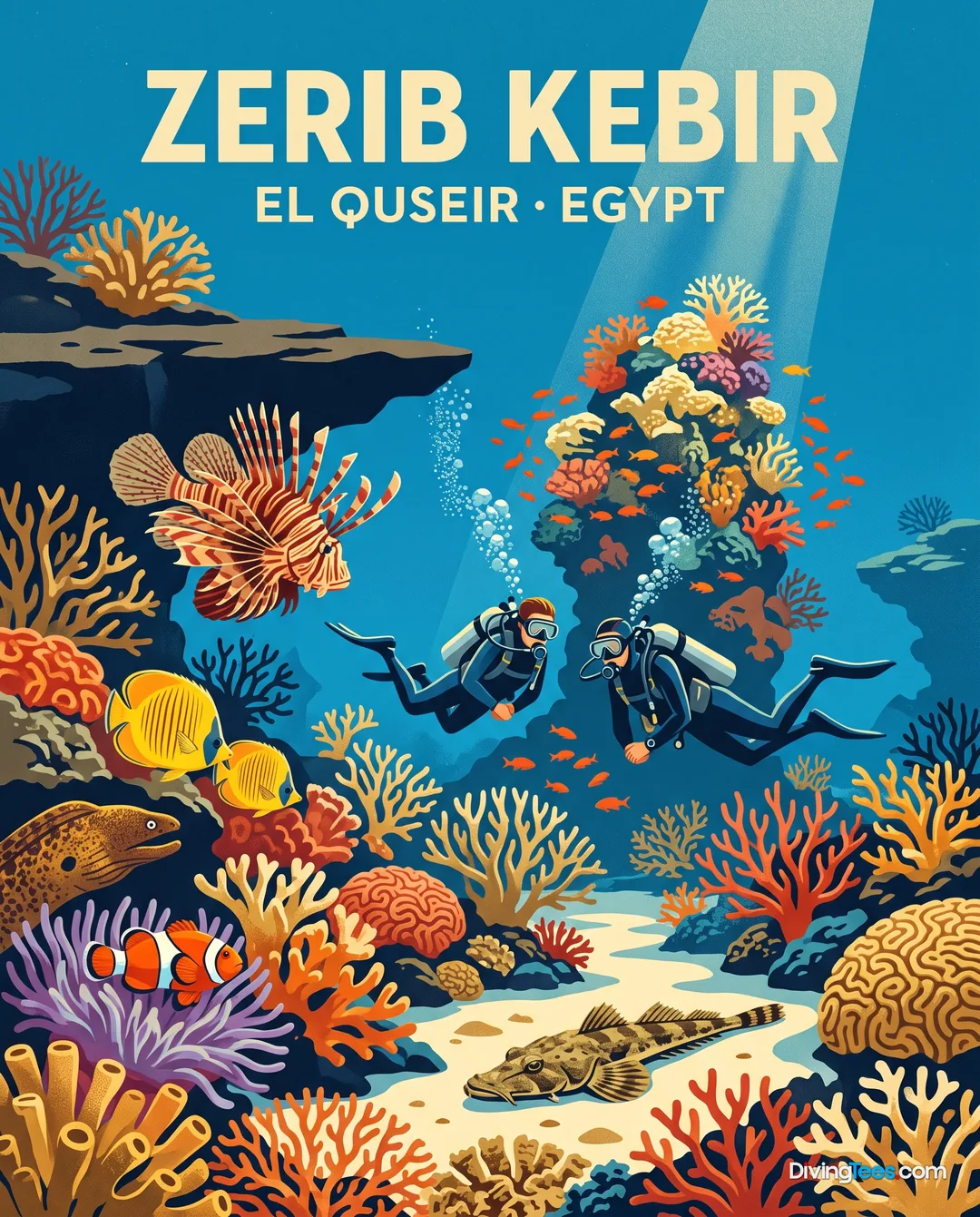
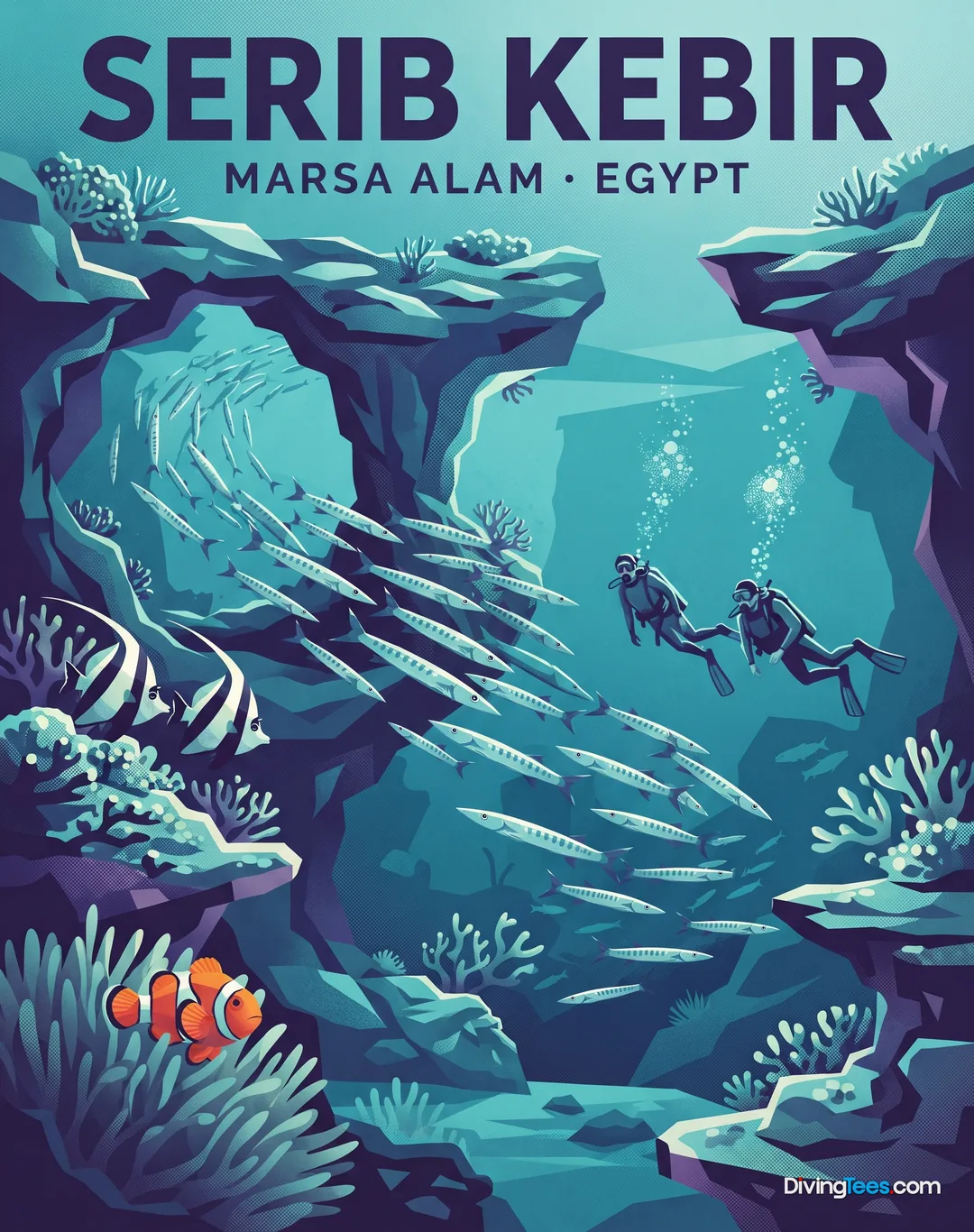
Elphinstone’s walls plunge to 60 metres and beyond, giving El Quseir a serious offshore edge alongside easier coastal reefs. Around the town and nearby resorts, diving is based on coral gardens, sandy bays, reef slopes and boat trips rather than a liveaboard schedule. Zerib Kebir suits a relaxed progression from 12 metres into canyons and passages, while Safaga Soraya offers a shallow shore entry. El Quseir is best understood as a quiet, stay-ashore Red Sea base built around diving.
The underwater scenery shifts between sheltered coastal reef and exposed offshore terrain. At Zerib Kebir, a sandy bay leads into coral gardens, deeper reef formations, canyons and underwater passages, with a rope helping divers descend and return. Safaga Soraya starts across a flat reef top before reaching five metres of water, and can be entered from shore or by boat. Cannon Reef offers reef diving with potentially changeable current, while Elphinstone demands a different approach: its walls fall to 60 metres and currents can be strong, shifting and unpredictable. Visibility is described as consistently clear at Zerib Kebir; elsewhere, conditions vary with the site and weather. Boat and shore outings both fit naturally into a stay here.
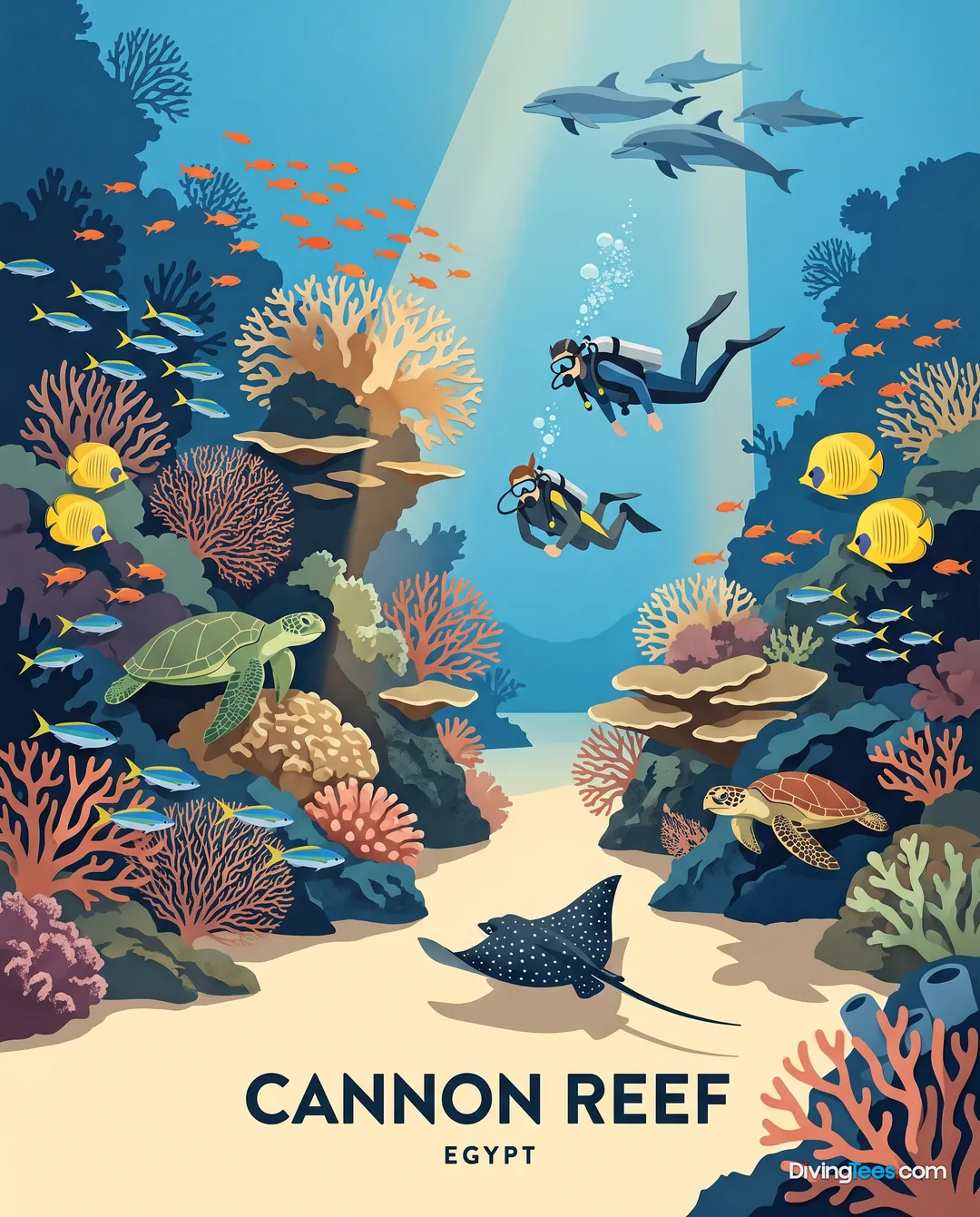
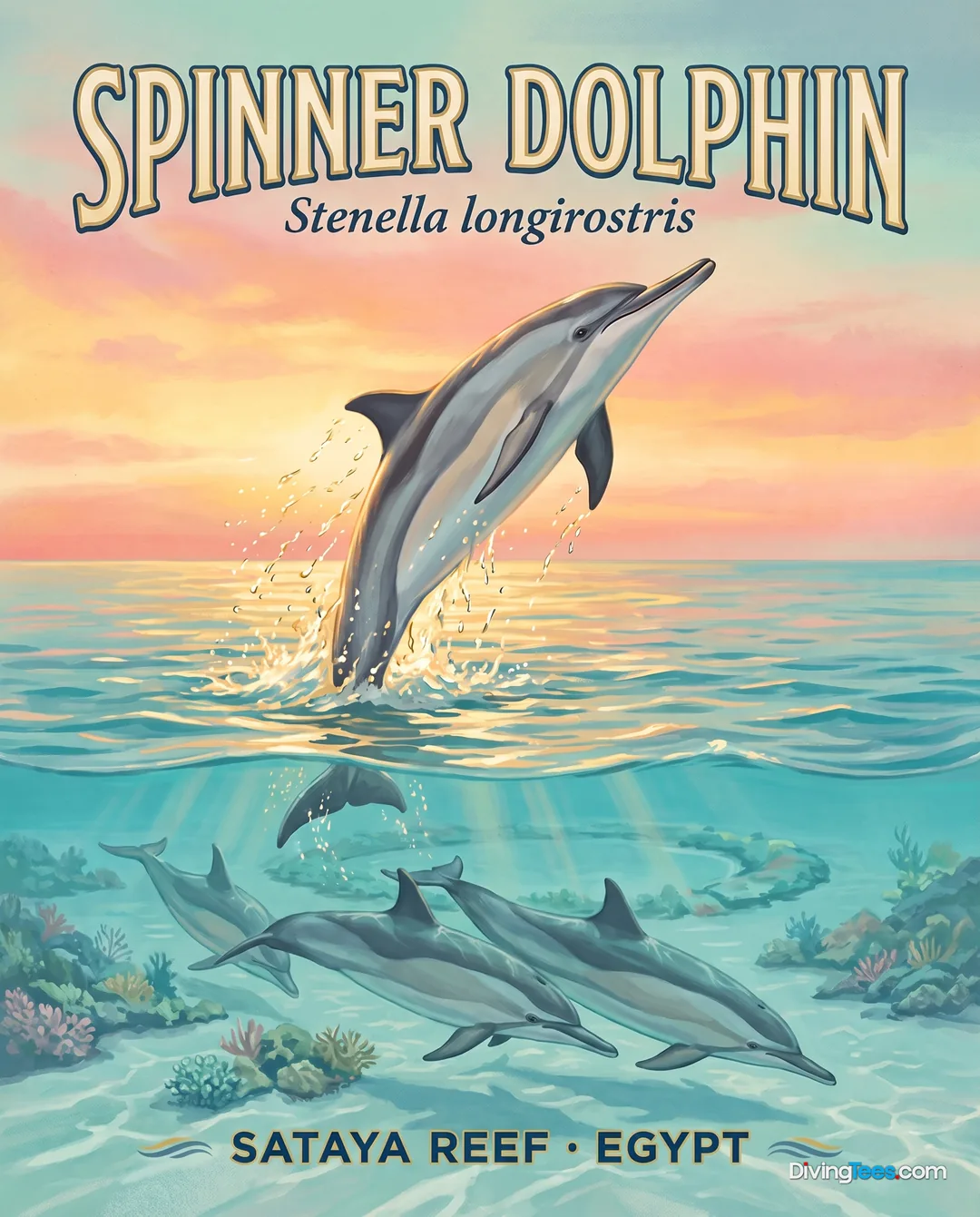
The reefs carry the familiar Red Sea mix of Anthias, Fusilier, Snapper, Jack, Grouper and Moray eel, with Tuna and Great barracuda adding movement in open water. Sea turtle sightings are part of the appeal at sites such as Cannon Reef, where Eagle rays and Dolphin may also appear. Shaab Marsa Alam combines hard-coral gardens with Yellow goatfish, Blacktail butterflyfish and chances of Dolphin encounters. Elphinstone is the place associated with oceanic whitetip sharks, while Reef shark sightings are also possible. No single month guarantees a particular animal, but mid-December to mid-May is noted for better visibility and more pelagic sightings at Shaab Marsa Alam.
The measured best period for El Quseir is June to November, with the lowest rainfall recorded from May to October. That makes the longer, drier stretch from late spring into autumn the sensible default for a dedicated diving trip. Conditions remain site-dependent: Elphinstone’s exposed position can bring strong, unpredictable current, while coastal reefs are generally more manageable but still variable. Shaab Marsa Alam has a separate seasonal detail, with its eastern atolls noted for improved visibility and pelagic encounters from mid-December to mid-May during the north-east monsoon. Divers choosing dates for El Quseir should therefore balance the overall June-to-November window against the particular reef they most want to dive.
There is something here for every certification level, but not every site suits every diver. Zerib Kebir and Safaga Soraya offer manageable shallow reef profiles, while Cannon Reef can accommodate beginners and experienced divers when current permits. Elphinstone is for advanced divers with strong experience, excellent buoyancy and confident current management; around 50 logged dives is recommended, together with an SMB. The Salem Express is also treated as an advanced dive because of its significant depth and strict safety requirements. BSAC, PADI and SSI divers should match the site briefing to their actual experience, not simply their qualification card.
Readers travelling from London Heathrow, London Gatwick or Manchester should plan El Quseir as a flight-and-transfer journey to a coastal town or nearby resort base. The destination is not organised around a liveaboard departure: once in the area, diving logistics are handled from the town and surrounding resorts, with shore and boat outings arranged locally. Keep the booking chain simple, allowing the arrival transfer and the first diving day to sit comfortably apart rather than relying on a tight connection. El Quseir itself is a quiet coastal base, so the practical pattern is to stay ashore and make the daily journey to the relevant shore entry or boat departure.
Treat the sites as different propositions rather than assuming that one Red Sea briefing covers all of them. At Elphinstone, take the recommendation for advanced experience seriously: strong, unpredictable current calls for deliberate positioning, reliable buoyancy and an SMB ready for a drift or separated ascent. Zerib Kebir’s entry rope is useful for a controlled descent and return, especially when carrying heavier equipment. Safaga Soraya’s shore entry crosses a flat reef top before reaching five metres, so allow for that walk and do not judge the dive from the beach alone. Cannon Reef can change with its offshore exposure, making the current briefing particularly important. Keep expectations realistic at the Salem Express: the attraction is the ferry’s structural detail, not a heavily overgrown wreck, and advanced procedures apply. If pelagics at Shaab Marsa Alam matter most, its mid-December-to-mid-May pattern deserves separate consideration from El Quseir’s broader June-to-November window.
A practical El Quseir stay is built around shore-based diving, with days divided between coastal entries and boat trips to reefs farther offshore. Easier profiles such as Zerib Kebir and Safaga Soraya can be balanced with more demanding outings to Elphinstone or the Salem Express, rather than scheduled back to back. The quiet town-and-resort setting suits a trip focused on underwater time, while non-diving plans are limited compared with a larger tourist hub. Allow a spare day for changing wind or current.
Hello, I'm Marina, DivingDeal.com's AI assistant. I guide you through destinations, areas and countries.
Thinking about the whole trip and the flights? Talk it over with Edith →
Marina is an AI. Some links are affiliate links: DivingDeal may earn a commission, at no extra cost to you. Bookings are made with the partner.
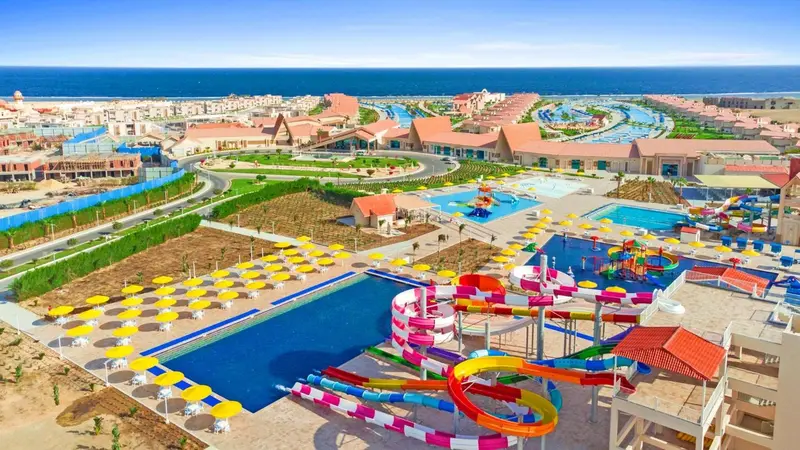
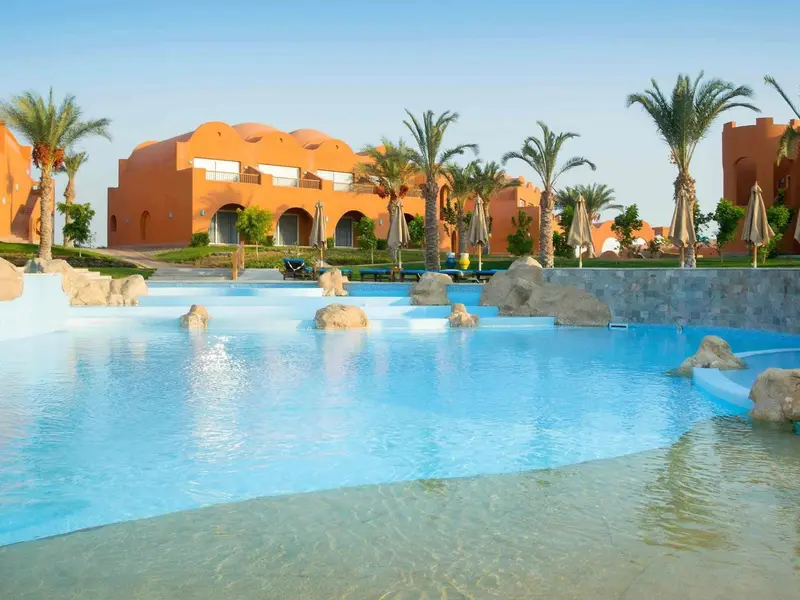
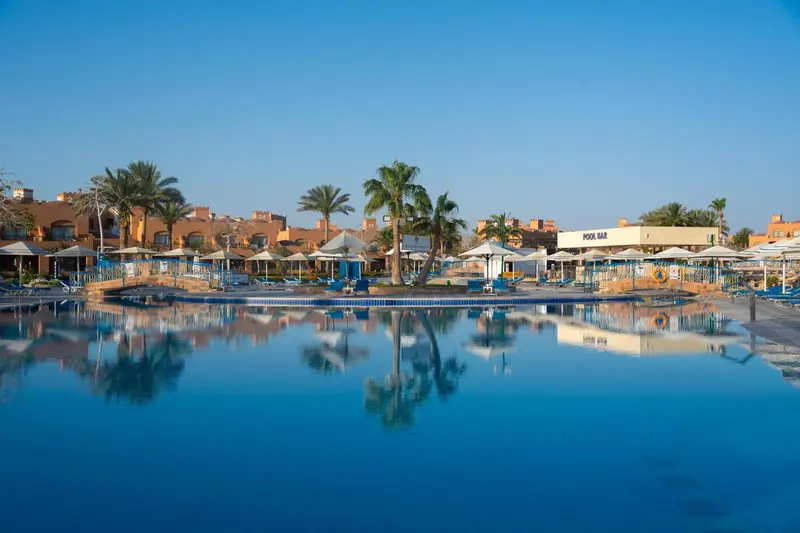
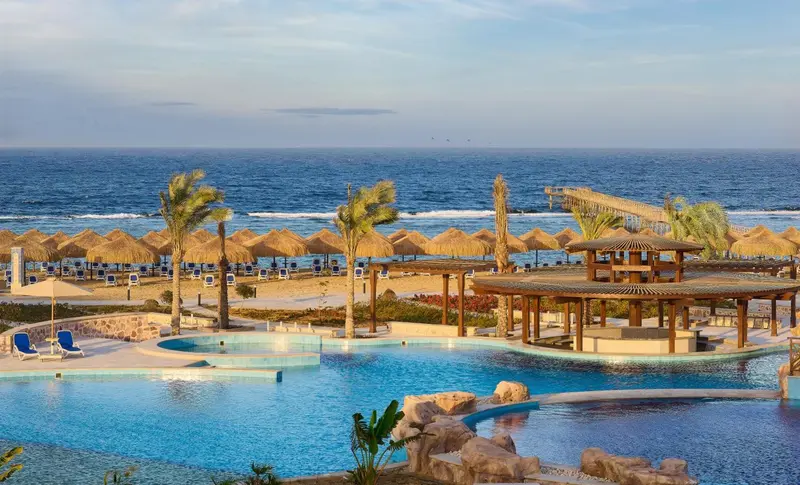
In each one, the dive centre is inside the hotel: step out of your room and go diving.
Dive centre in the hotel★★★★★
Google 4.4/5 (1,732 reviews)
The dive centre
Atlantik Diving Center
PADI
Google 5/5 (451 reviews)
Dives: Elphinstone Reef, Dolphin House
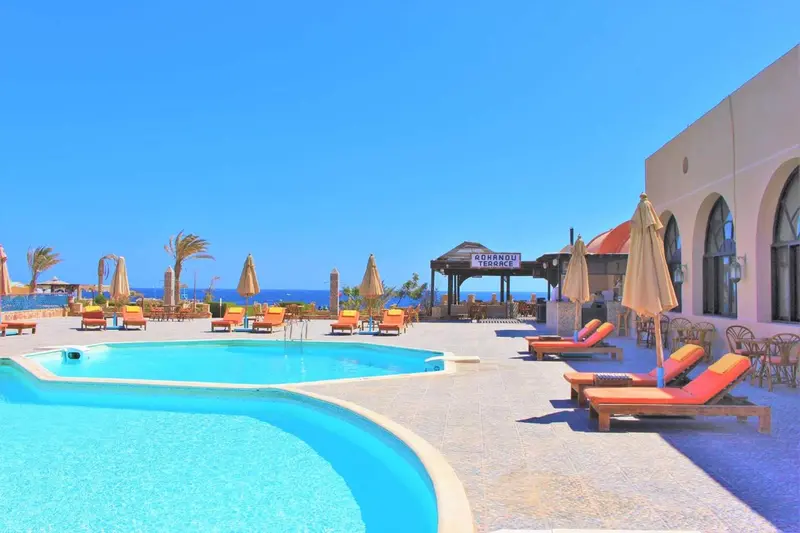 Dive centre in the hotel
★★★★
Google 4.3/5 (605 reviews)
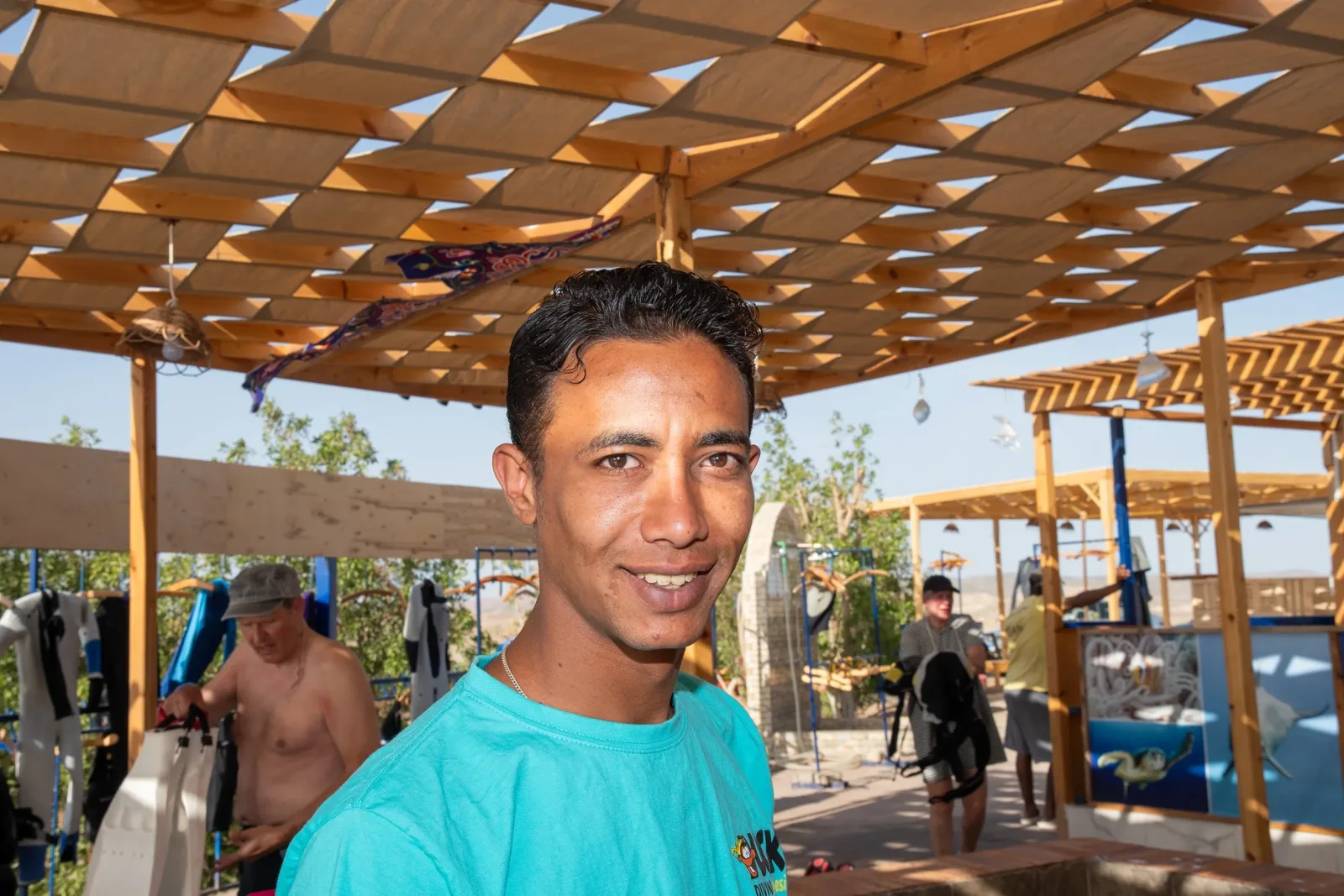
The dive centre
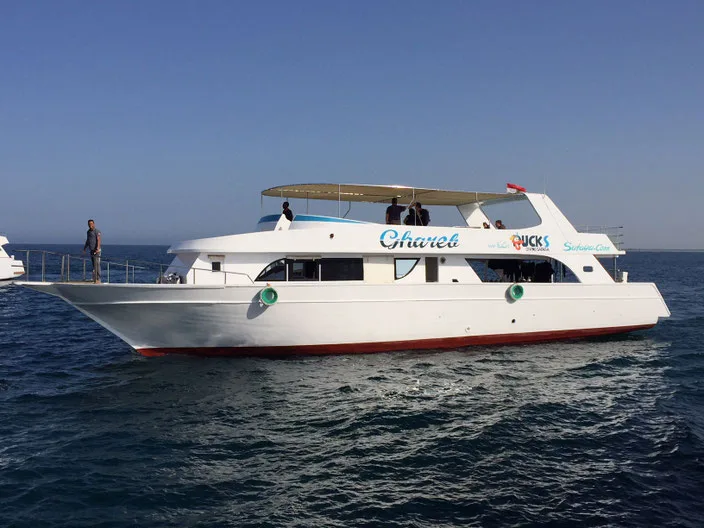
Ducks Diving Quesier
PADI · SSI
Google 5/5 (121 reviews)
Dives: Serib Kebir, Salem Express, Elphinstone
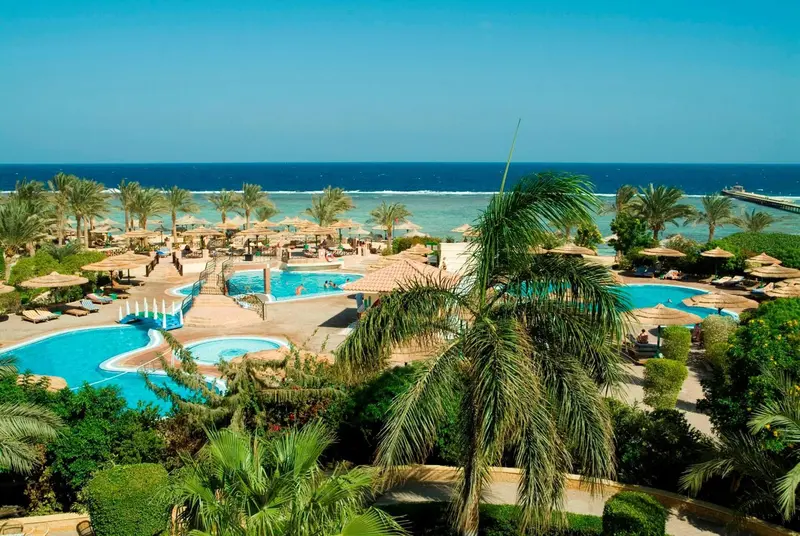 Dive centre in the hotel
★★★★
Google 4.2/5 (1,703 reviews)
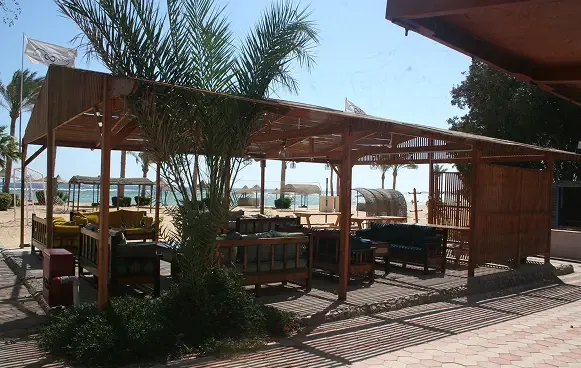
The dive centre
The Divers Universe
SSI
Google 5/5 (177 reviews)
Dives: Housereef Flamenco Beach, Abu Sawatir, Abu Hamra
Your last day stays dry: no diving in the 18-24 hours before a flight, the perfect window to see the destination from another angle.
Ratings and reviews collected by Viator and Tripadvisor.
June to November is El Quseir’s measured diving window, while the lowest rainfall occurs from May to October. Choose dates according to your priority: coastal reefs suit the broader season, while Shaab Marsa Alam is noted for improved visibility and pelagic encounters from mid-December to mid-May. Conditions remain site-dependent, especially offshore.
El Quseir has options for every certification level, but site choice matters. Zerib Kebir and Safaga Soraya offer manageable shallow profiles, and Cannon Reef can suit beginners when current permits. Elphinstone requires advanced experience, confident current management, excellent buoyancy and an SMB. The Salem Express is also treated as an advanced dive.
You can explore coral gardens, sandy bays, reef slopes, canyons and underwater passages, with Elphinstone adding walls that drop to sixty metres and beyond. Marine life includes turtles, dolphins, eagle rays, barracuda, reef sharks and oceanic whitetip sharks, alongside familiar Red Sea reef fish. The Salem Express offers a ferry wreck.
Plan El Quseir as a flight-and-transfer trip to a coastal town or nearby resort, then stay ashore rather than organising around a liveaboard. Combine shore entries such as Zerib Kebir and Safaga Soraya with boat outings, leaving comfortable time between arrival and your first dive. Keep a spare day for changing wind or current.